|
Departments of Medicine, Neurology, and Pediatrics
| |
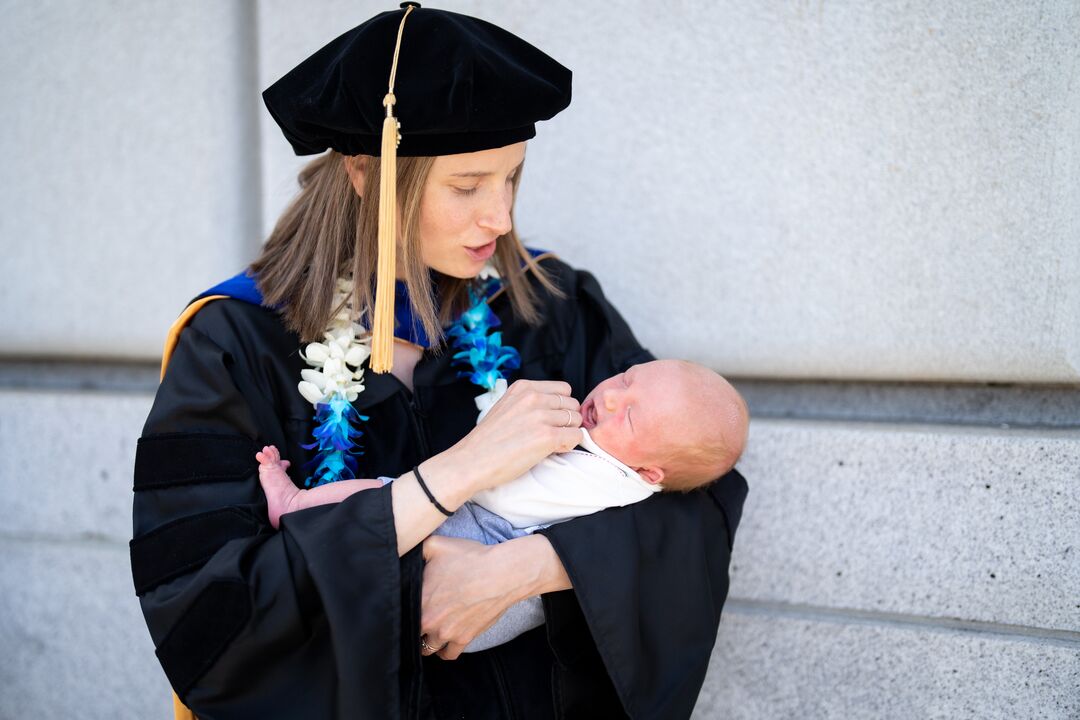
UCSF Graduation Commencement Ceremony, Herbst Theatre, San Francisco, May 20, 2024. | |
Dear Physician-Scientist Community,
Welcome to the quarterly newsletter of the Physician-Scientist Career Development Program (PSCDP)! Our program is focused on supporting scientific success and fulfillment amongst laboratory-based physician-scientists in the UCSF Departments of Medicine, Neurology, and Pediatrics.
This month we would like to highlight the impact of caregiving and parenting on physician-scientist careers. PSCDP has partnered with the Women Physician-Scientist Supergroup (WPSS) to better understand the impact that caregiving has on the physician-scientist career path, and vice versa. Our hope is to learn more about how being a parent or caregiver alters the day-to-day life of the physician-scientist, but also how it might alter important career opportunities and decisions, so that we can better advocate for physician-scientists at UCSF and nationally. We recently surveyed physician-scientists affiliated with PSCDP and WPSS about this issue and had an overwhelming response. Respondents provided compelling personal experiences, as well as ideas for how to help improve the situation. Thank you to those who filled out the survey, but if you have not, please take this opportunity to express your thoughts here. You can also complete the survey using the link button below.
We plan on more comprehensively sharing our results with the community through a Town Hall event in the coming months, with a focus on how we can make UCSF and the physician-scientist career path more hospitable to parents & caregivers. However, here are a few of the most notable results from the survey: Most respondents feel that caregiving is currently a barrier to the training and advancement of physician-scientists at UCSF, and that being a parent/caregiver already has or will affect major career choices.
- Most respondents feel that caregiving is currently a barrier to the training and advancement of physician-scientists at UCSF, and that being a parent/caregiver already has or will affect major career choices.
- Most respondents have given up career opportunities due to caregiving duties, including missing out on conferences, seminars, networking events, but also writing grants and taking lead authorship on papers.
- Most respondents were not able to take the optimal period of family/medical leave (for example, parental leave) due to concerns about scientific productivity or clinical responsibilities.
- Respondents are in favor of a wide variety of interventions that might reduce the barriers to being a caregiver and physician-scientist at UCSF, including subsidized daycare, help with the high housing costs in the Bay Area, and technician or clinical inbox help during family/medical leave.
Look out for communications in the coming months regarding a Town Hall to discuss the impact of caregiving on physician-scientists at UCSF. Based on your feedback, PSCDP and WPSS will be looking for ways to raise awareness about this issue, and advocate for better solutions locally and nationally.
Sincerely yours,
Alexandra, Cathy, Sanjeev, and Camille
| |
|
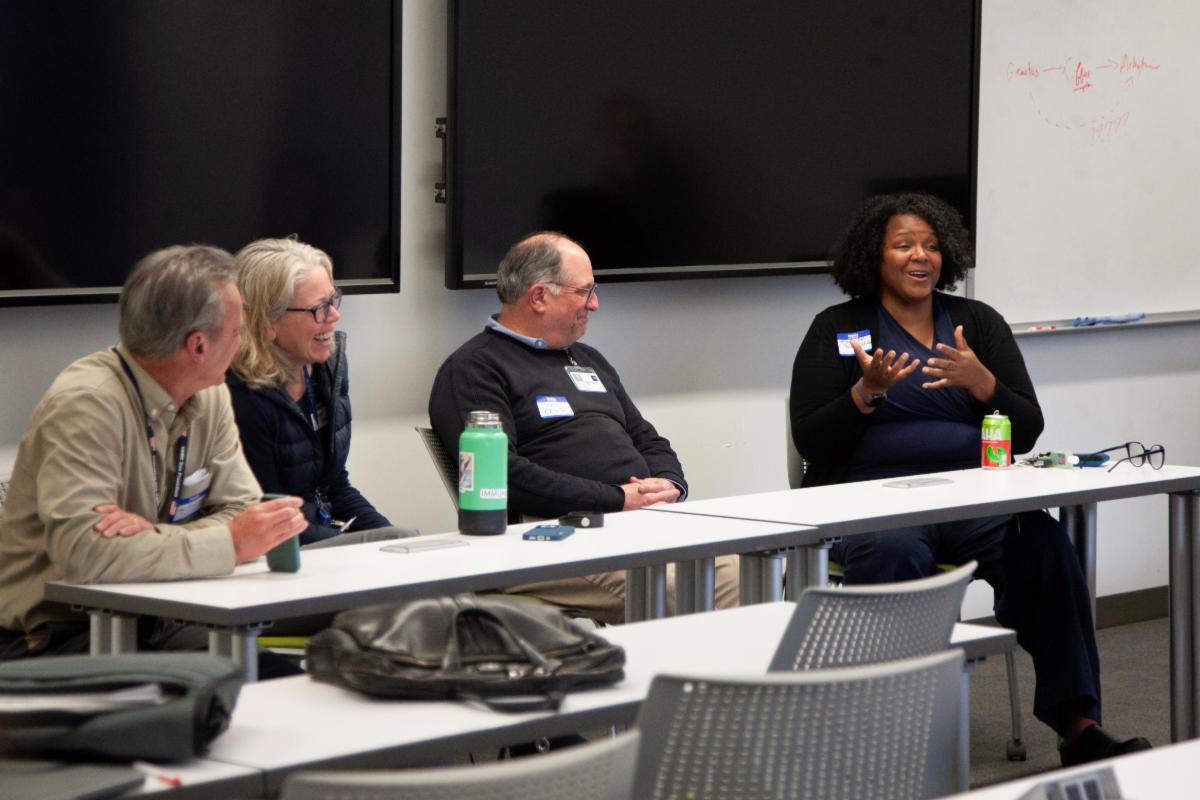
PSCDP & MSTP Panelist Discussion: "Becoming an Independent PI - What I Wished I Had Known."
Please join us for an in-person panel discussion and social hour, on Tuesday, October 15th, 2024, 5-7pm, at Underdogs Tres, 1224 9th Ave., SF., CA 94122, near Parnassus Campus. The themes that will be discussed include:
- What I wish I had known about grant funding for my lab
- What I wish I had known about hiring/recruiting for my lab
- What I wish I had known about funding salary "gaps"
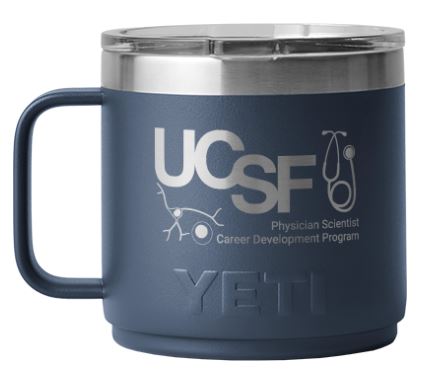
There will be food and drink, and we will be giving out Yeti PSCDP coffee mugs! (Pictured above.) Please RSVP using the link below.
| |
|
PSCDP-Sponsored Writing Consultations
PSCDP will sponsor an extended writing consultation for a limited number of physician-scientists this coming year with Vanessa Bender, PhD, an expert in scientific communication with more than a decade of experience as an editor and writing consultant. Sessions will be provided free of cost to trainees.
Vanessa has worked with a wide variety of scientists to improve their grant proposals, manuscripts, and other science writing. She did her PhD training in Systems Neuroscience at UC San Diego and postdoctoral training at the Vollum Institute at Oregon Health and Science University in Portland, Oregon.
Selected individuals will be required to submit a draft manuscript or draft grant proposal to Vanessa, who will read the piece of writing, provide detailed written suggestions, and also meet 1:1 to go over her feedback and the general principles of effective science writing that underlie it.
If you are interested in this service, please fill out a short application using the link button below.
| |
|
PSCDP Mentoring Committees
PSCDP sponsors "Mentoring Committees," for interested lab-based physician-scientists. We think of these committees as a grown-up version of a thesis committee, with a strong emphasis on your career and planning for the transition to independence.
The committees meet annually, and are composed of your PI, a co-mentor of your choice, a research leader in your department/division, and a PSCDP Council member outside your department (who also chairs).
These committees have been popular with both trainees and senior faculty members. Trainees have received guidance on (and advocacy for) planning key career moves, while faculty learn about trainees that are ready to be recruited into independent positions!
If you would like to request a PSCDP Mentoring Committee, please sign up using the link button below.
| |
Meet our Fellows and Junior Faculty | |
Get to know three of our remarkable fellows each quarter. In this section you will find an interview with one fellow and/or junior faculty from each of our participating departments. | |
|
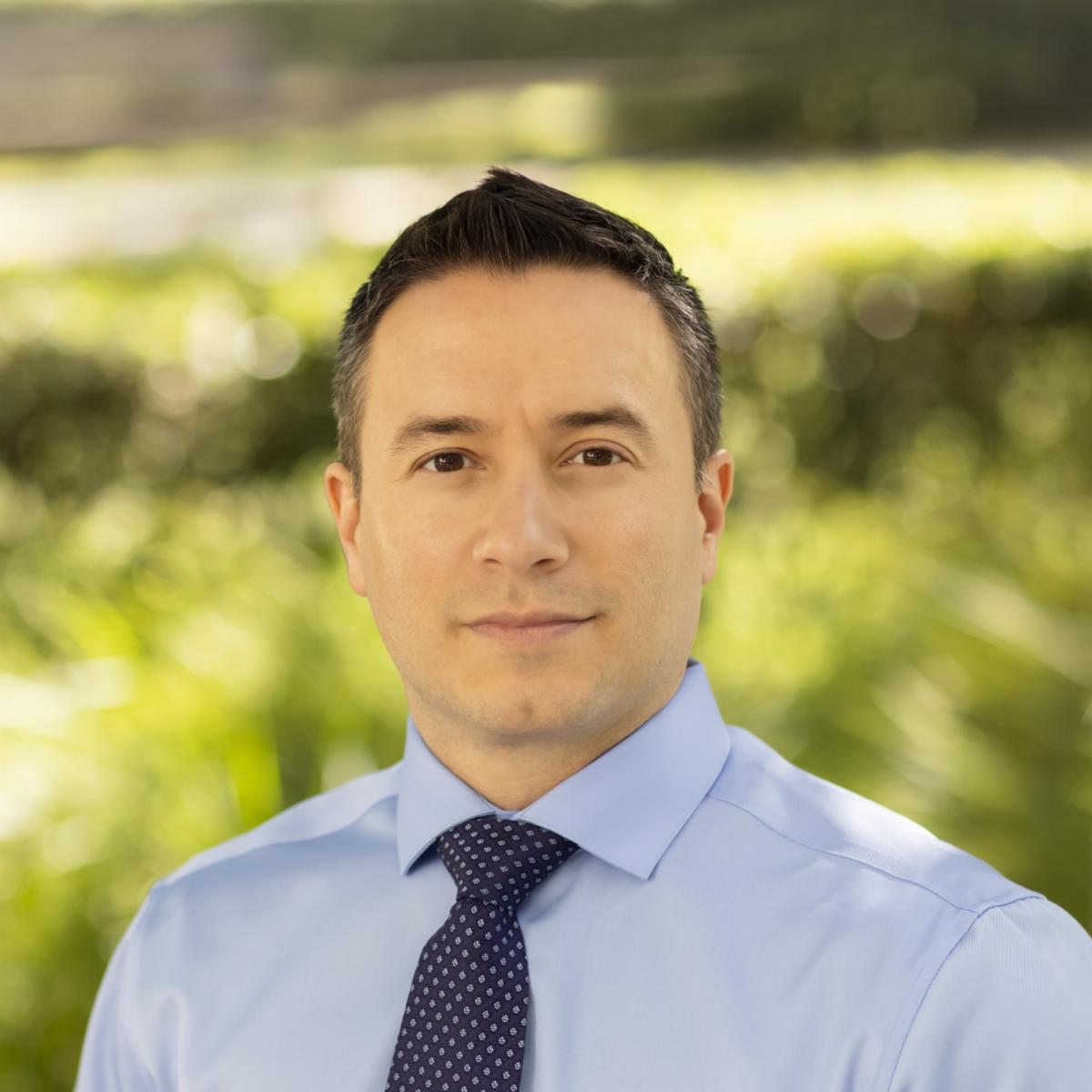
Brandon Holmes, MD, PhD
Assistant Professor, Neurology (Memory and Aging Center)
UCSF Weill Institute for Neurosciences
School of Medicine
| |
|
What stage of training are you currently in?
I am currently an Assistant Adjunct Professor in Neurology. I completed my post-doctoral fellowship with Jim Wells in Pharmaceutical Chemistry where I delved into cell-surface biology of glia using mass spectrometry. I am now in my second year of my K08 award which focuses on modulating microglial phagocytosis in Alzheimer’s disease.
Describe your laboratory research.
My research focuses on using cell-surface proteomics of human Alzheimer’s derived microglia to understand how these cells remodel their surfaceome in disease. These cell-surface signatures serve as disease-relevant biomarkers as well as provide a blueprint describing how to modulate and fine-tune microglia toward neuroprotective states. Most recently, I discovered an amyloid-induced microglial receptor that modulates the metabolism of tau aggregates, thereby mechanistically linking amyloid and tau pathology through microglial reactivity.
What made you want to become a physician-scientist or choose your area of research?
I have been fascinated by the intersection of the organizing principles of biology and neurodegenerative processes. We tend to think of degeneration as a haphazard, chaotic series of events leading to organ demise. But in reality, I find numerous examples of neurodegeneration being incited by the same organizing principles found throughout all of biology, especially neurodevelopment. I think that neurodegeneration is driven by processes that are aberrant, but not disordered. In this light, neurodegeneration is truly fascinating, and the biological mechanisms behind it are tractable and targetable.
Describe something that gives you joy in your current stage as a physician-scientist.
I love mentoring young scientists. As my research team increases in size it has been a true pleasure to teach and guide these junior researchers and watch them spread their wings.
Do you have a recent accomplishment you would like to highlight, like a presentation, award, publication, grant, or new collaboration?
I have had the privilege to participate in "team science" through two stellar multi-PI, multi-institution collaborations this year. I'm learning a tremendous amount from my colleagues, and I cherish the in-depth brainstorming sessions.
Do you have a hobby or fun fact you want to share?
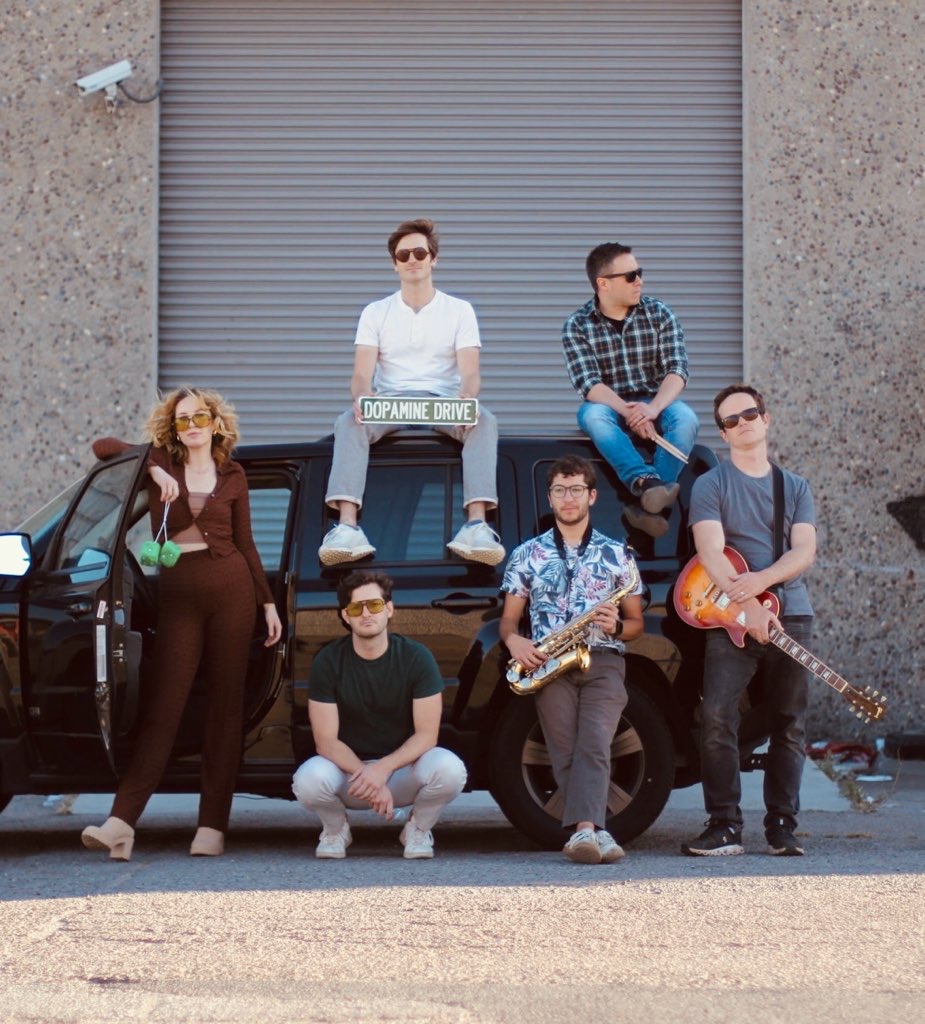
Music is my avocation. I love spending time with my daughter and wife karaoking in our music room. Also, I am the drummer for two funk rock bands called The Rhythmic Jerks and Dopamine Drive. (Pictured below.) We have a show at Thrive City on July 28th, from 2-4pm!!! And everyone is invited to come and see either show. Please RSVP using the corresponding link buttons below.
|  | |
|
What stage of training are you currently in?
I graduated fellowship June 2023 and am now a non-ACGME Fellow/Volunteer Clinical Instructor on our non-Malignant Hematology team. I spend 80% of my time on bench research as a post-doc in the Wiita Lab.
Describe your laboratory research.
In previous work I explored target identification and mechanisms of resistance to anti-cancer small molecular inhibitors. My current research is focused on engineering T cells to achieve better responses in hematologic malignancies such as multiple myeloma and acute myeloid leukemia. In my future work, I look forward to applying the power of cell engineering to unmet medical needs in nonmalignant hematology.
What made you want to become a physician-scientist or choose your area of research?
As a junior specialist in Neil Shah's lab in 2006, I fell in love with the types of scientific questions that physician scientists ask. Not to mention the company you get to keep! At that time, Kevin Shannon was generous enough to invite me to his group's lab meetings, and I was so inspired by the intelligence, kindness, and research savvy demonstrated by this large, extended hematology family. I changed my plans from intending to apply to PhD programs, to realizing I needed to include medical training, probably hematology fellowship, in my future.
Describe a major challenge you've encountered in your career as a physician-scientist.
I find that I do my best creative work when I have longer, uninterrupted periods to think and develop research plans, which isn't always compatible with doing clinical work at the same time. I've found that I can do better work if I carve out dedicated time for both, separate from one another, whenever possible. My clinical brain is not the same as my science brain! At the same time, I am so grateful for my clinical training, because it has given me scientific insights that I believe only come from direct patient care.
Describe something that gives you joy in your current stage as a physician-scientist.
I love to build things. I trained as and used to work as a jeweler, and cell engineering scratches that same itch for fabrication. My current project involves leveraging the SNIPR circuit (developed in Kole Roybal's lab) to engineer T cells that can recognize tumor antigens on acute myeloid leukemia (AML) and secrete therapeutic antibodies on demand. It's a lot of stitching pieces of DNA together and seeing if you get a functional product, which I think is a lot of fun!
Do you have a recent accomplishment you would like to highlight?
I am really excited about our manuscript under review, which is about our anti-CD70 CAR-T for high-risk multiple myeloma. I was selected to give this as an oral presentation at ASH last December, and I am really looking forward to seeing it in print! Here is the link to view the manuscript: Targeting high-risk multiple myeloma genotypes with optimized anti-CD70 CAR-T cells. www.biorxiv.org
Do you have a hobby or fun fact you want to share?
Sometimes I think I pick up moonlighting shifts just to fund my garden obsession. I probably have over 200 different species of plants out there. I love that we can be outdoors year-round here in the Bay Area, and that the climate supports such a diversity of growth.
*We would like to add that Corynn also created our PSCDP logo! (Shown at top of newsletter.) A big thank you to her!
| |
|
Jayne Symington, MD, PhD
Adjunct Assistant Professor, Pediatric Infectious Diseases
Department of Pediatrics
School of Medicine
| |
|
What stage of training are you currently in?
Adjunct Assistant Professor
Describe your laboratory research.
I am currently a post-doc in Anita Sil’s lab where I study the host-pathogen interactions of the fungal pathogen Coccidioides which causes Coccidioidomycosis or Valley Fever. I am investigating how innate immune cells sense and respond to Coccidioides, how Coccidioides responds to host immune cells, and how this interaction affects the outcome of disease. We use a wide array of techniques, including in vivo and in vitro models, live imaging, and RNAseq.
What made you want to become a physician-scientist or choose your area of research?
During my clinical training, I saw a significant need for improved diagnostics and treatments for fungal pathogens, particularly Coccidioides. Patients require lifelong therapy for Coccidioides meningitis given there is no cure. Our current understanding of Coccidioidomycosis is limited given the challenges in studying Coccidioides, a BSL3 agent with a completely unique developmental form (the spherule), and the wide spectrum of clinical outcomes of infection. My goal is to make discoveries that lead to improved therapeutics through collaborative research so that we no longer need to tell the families of our patients that they will need to take an antifungal for the rest of their lives.
.
Describe a major challenge you've encountered in your career as a physician-scientist.
Choosing to work with a biosafety level 3 fungal pathogen has been a challenge, yet an amazing opportunity to learn new skills, make discoveries in an understudied pathogen, and join a dedicated community of clinicians and scientists. I am thankful for the support of my division, department, lab, and mentors in the Coccidioidomycosis field.
Describe something that gives you joy in your current stage as a physician-scientist.
I find joy clinically helping patients and their family, mentoring both in the hospital and the lab, and visualizing spherule growth dynamics in real time using live imaging.
Do you have a recent accomplishment you would like to highlight?
I received a Child Health Research Career Development Award to support my work, and at the most recent Human Fungal Pathogen conference I received the FEMS Yeast Research Award.
Do you have a hobby or fun fact you would like to share?
I love playing ball with my 5-year-old and almost one year old and exploring the world through their eyes.
| |
Career Development Awards | |
|
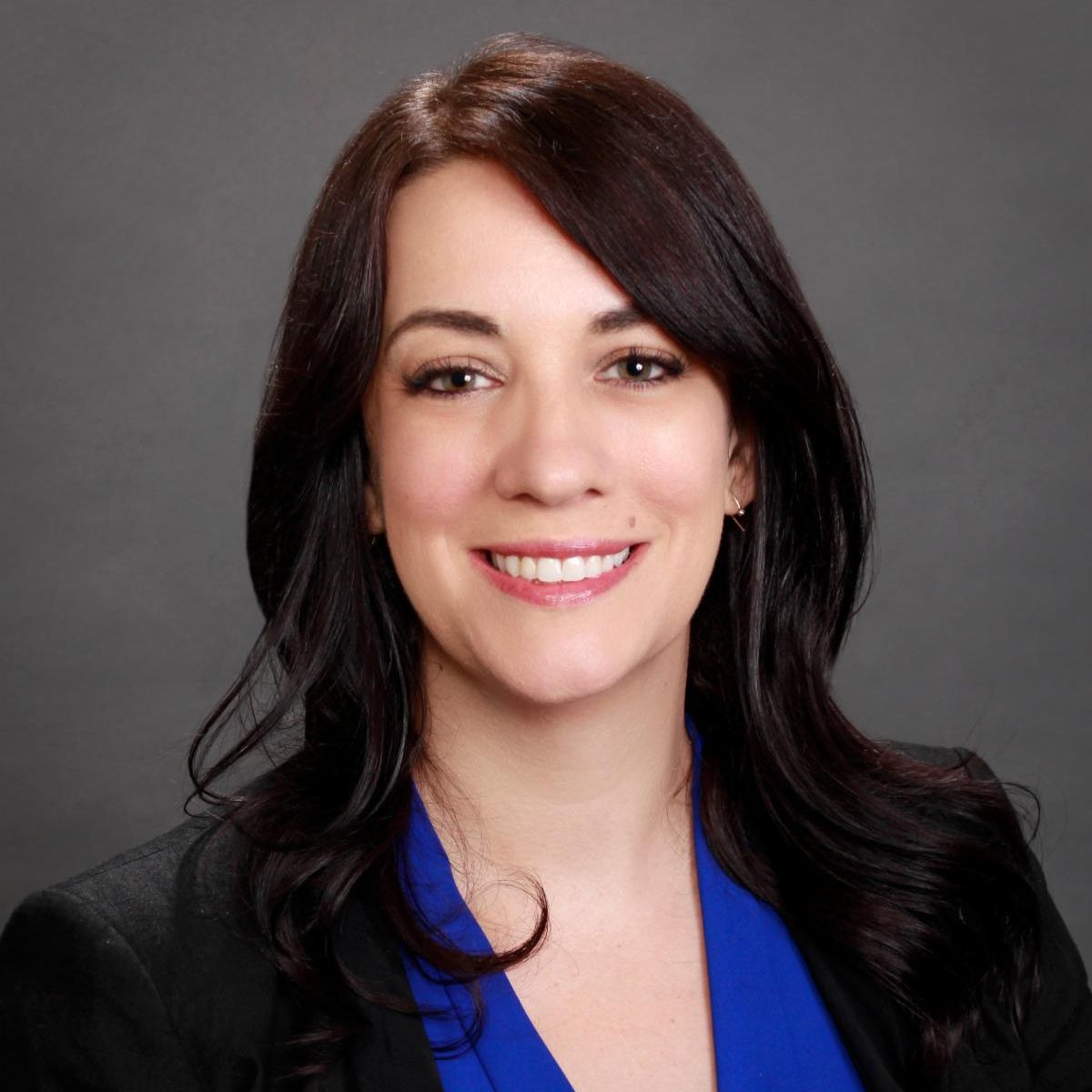
Christina Homer, MD, PhD
Fellow, Division of Infectious Diseases
UCSF Health
Congratulations to Dr. Homer who received the Physician-Scientist Scholar Program (PSSP) Award from the UCSF School of Medicine. As a postdoctoral fellow with Dr. Anita Sil, she is studying the important human fungal pathogen Coccidioides.
Christina discovered a family of Coccidioides proteases that are required for it to develop into its unique parasitic structure, known as the spherule. As a UCSF Physician-Scientist Scholar, she aims to unlock the role of these proteases during infection, characterize novel secreted virulence factors, and use knowledge of the mysterious spherule to ultimately develop better treatments for coccidioidomycosis. This is a prestigious award, granted to one physician-scientist in the SOM per year.
| |
|
Science Writing Strategies in Person Workshop
Gabe Murphy, PhD, a Research Development Strategist and Grant Writer in the Office of Collaborative Research (OCR), in the School of Medicine, led a science writing workshop in May. Gabe shared effective science writing strategies, emphasizing the importance of transitioning smoothly between ideas/concepts, as well as how to utilize schematics and graphics. If you would like to see his key points, please use the link button below to access them.
| |
Physician-Scientists in the Wild | |
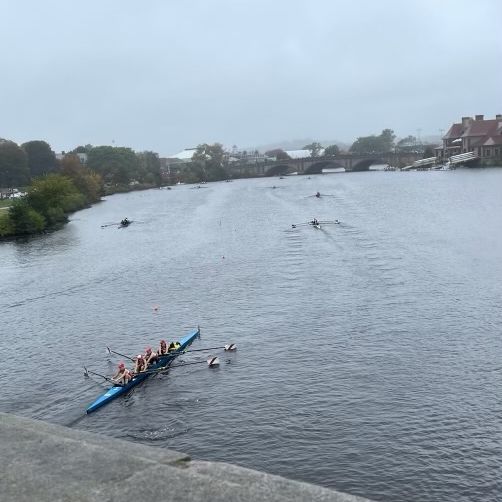
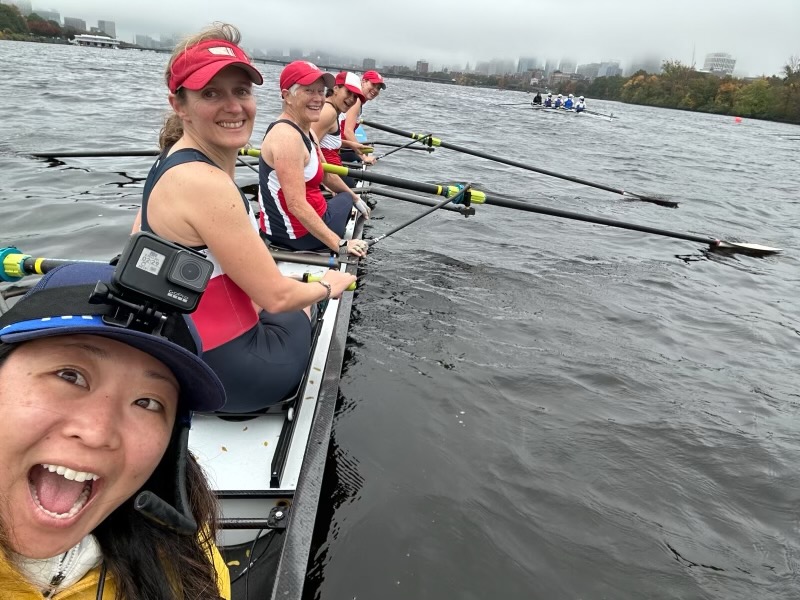
Dr. Alexandra Nelson at the Head of The Charles Race (October 2023), and with teammates in training. | |
Please email pictures to be included in future newsletters to Camille Perez. | | |
|
NIH Grant Writing Webinar Series
See upcoming dates below.
The National Institute of Allergy and Infectious Diseases (NIAID) is hosting a virtual grant writing webinar series entitled - Debuting Your Research Career: How to Plan for and Write Your First (or Next) NIH Grant Application. This monthly webinar series is free and open to all pre- and post-doctoral fellows, clinician-scientists, and early to mid-career research investigators. This series will take place every third Thursday of the month between 10am and 11:30am EST from February to July 2024. The workshop will provide information on funding opportunities for early career researchers at NIAID; navigating F, K, DP2, and R38/K38 awards; and understanding the peer review process. Two events have already passed, but there are four more upcoming.
All workshops are virtual via Zoom:
- Navigating NIH to prepare your grant application – DP2/R38/K38 awards – June 20th, 2024.
-
Understanding the Peer Review process – July 18th, 2024
| |
NIH K08 Library of Resources
Please visit our library of resources that houses slide presentations, and copies of grant submissions. A confidential agreement is required for access. Please use the link below to sign it.
| |
|
Confidential Consultations
Has a significant issue arisen in your scientific or professional life as a laboratory-based physician scientist? Would you benefit from speaking with someone other than your primary mentor or other career mentors? If so, you can request a one-time confidential consult with one of the PSCDP leadership team members by using the link below.
| |
Please visit our website for access to all resources | | | | |