|
White Supremacy Student Targets Mosque with IED in Jakarta
On 7 November 2025, at approximately 12:15 p.m. local time, an improvised explosive device (IED) detonated inside a mosque at Senior High School (SMA) 72 in Kelapagading, North Jakarta, injuring at least 54 people and causing property damage. The attack occurred during Friday prayers, amplifying its impact. Police arrested the suspected perpetrator, 17-year-old student Muhammad Nazriel Fahel Hidayat, who was injured during the blast. Investigators found the explosion originated from an object placed behind the school hall near the mosque’s loudspeaker system, which explains the high number of hearing-related injuries.
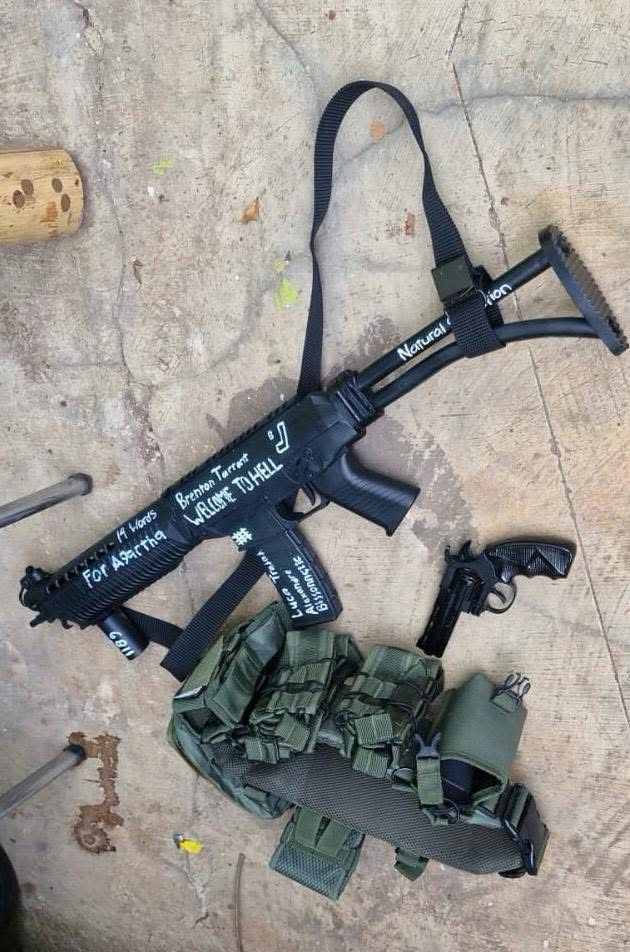
Early reports suggested possible bullying motives; however, emerging evidence indicates ideological influence. The suspect was a Muslim youth but displayed strong identification with far-right, white supremacist subcultures. A search of his home revealed explosive powder and handwritten notes, while his toy gun carried disturbing inscriptions:
-
“14 Words. For Agartha” and “Brenton Tarrant: Welcome to Hell” — references to white supremacist ideology and the Christchurch mosque shooter, Brenton Tarrant.
- “Natural Selection” — the slogan worn by Eric Harris during the 1999 Columbine massacre.
-
“1189” — likely referencing 8 U.S.C. §1189, which designates foreign terrorist organisations.
- The names Alexandre Bissonnette (Quebec mosque shooter, 2017) and Luca Traini (Italian far-right shooter, 2018) were also written on the fake weapon.
Hidayat’s social media activity further reinforces ideological motivations. On 26 October 2025, less than two weeks before the bombing, he posted photos on TikTok under the username “12g4uge” (a reference to a 12-gauge shotgun). In one image, he wore a shirt emblazoned with “НЕНАВИСТЬ” (“Hatred”), identical to that worn by Vladislav Roslyakov, the perpetrator of the 2018 Kerch Polytechnic College massacre in Crimea. Another post included the hashtag #tcc (True Crime Community), a subculture that glorifies mass shooters, and a song by KMFDM, a band admired by the Columbine attackers.
While Indonesia’s past terrorism cases have predominantly involved Islamist extremist groups such as Jemaah Ansharut Daulah (JAD) or Islamic State East Asia (ISEA) affiliates, the 7 November attack represents a rare manifestation of Western-style far-right accelerationism in Southeast Asia.
The attacker’s references to white supremacist “saints” and mass shooters, coupled with aesthetic and ideological cues drawn from Terrorgram Collective propaganda, suggest exposure to the online accelerationist ecosystem that glorifies mass murder as a form of ideological warfare. TRAC has previously documented this phenomenon in “The Beatification & Evolution of Sainthood for Mass Shooters and the Process of Accelerationism” (August 2019), where perpetrators are elevated as “martyrs” or “saints” within extremist online spaces.
Notably, Indonesia has no recorded history of mosque bombings before this incident, further underscoring its non-Islamist ideological profile. The fact that the attack occurred on navy-owned land in a densely populated area housing active and retired military personnel strengthens the likelihood that it was intended as a symbolic act of defiance and spectacle, rather than revenge against classmates.
The Jakarta school mosque bombing demonstrates the global diffusion of far-right extremist narratives into regions historically associated with Islamist terrorism, thus marking a critical shift where global far-right extremism intersects with local contexts once dominated by Islamist threats.
| | | TRAC Incident Report: Suspected Jama’a Nusrat ul-Islam wa al-Muslimin (JNIM) Militants Kidnap Two Emirati Nationals and One Iranian Citizen in the Area of Sanankoroba, Koulikoro Region, Mali | | |
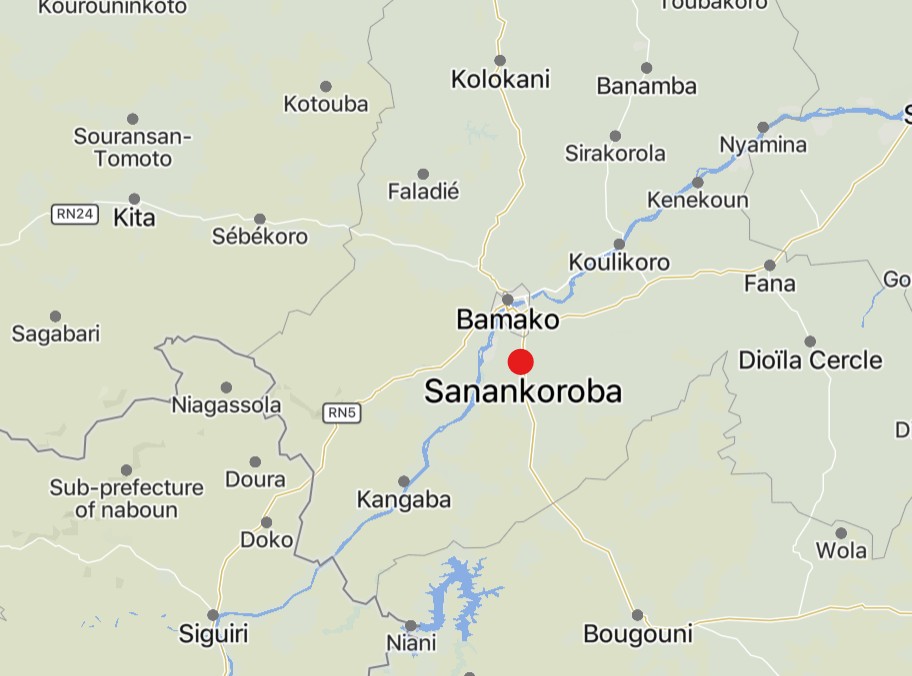
On 23 September 2025, reports emerged that suspected Jama’a Nusrat ul-Islam wa al-Muslimin (JNIM) militants had abducted three foreign nationals, two Emirati citizens and one Iranian national, in the area of Sanankoroba, located in Mali’s Koulikoro Region. One of the Emirati victims, who had reportedly been based in Burkina Faso for several years and was known for his charitable work, owned a private airstrip and was among those kidnapped. The attackers allegedly set fire to his private aircraft during the operation. The abduction occurred just days after JNIM activity was last recorded in Koulikoro on 19 September, underscoring the group’s sustained presence and surveillance capabilities in the region.
The timing of the kidnapping coincided with JNIM’s release of propaganda videos showing around 60 Malian and Burkinabé soldiers held captive from previous attacks. This sequence of events appears designed to amplify the group’s psychological impact and demonstrate its ability to conduct simultaneous operations across national borders. The location of the attack, Sanankoroba (just 34 kilometres south of Bamako), is particularly significant, marking one of the closest JNIM operations to the capital in recent years. This proximity reflects the group’s expanding operational reach and suggests that future abductions or attacks within or near Bamako cannot be ruled out. Koulikoro sits along a key axis linking southern infiltration routes to the capital’s outer defences, positioning it as a critical pressure point in JNIM’s ongoing campaign to destabilise central Mali.
The Sanankoroba kidnapping fits into JNIM’s wider strategy of combining financial and political motives through high-profile abductions. The group has increasingly used kidnappings both to fund operations via ransom payments and to disrupt foreign economic activity, particularly projects run by Chinese, Indian, Turkish, and Gulf investors. The victims of this incident represented lucrative targets due to their business connections and international profiles. The abduction served not only as an act of economic coercion but also as a demonstration of JNIM’s control over key routes and its ability to strike symbolic and high-value targets with impunity.
On 29 October 2025, more than a month after the initial abduction, the two UAE nationals were released near Gao following a reported ransom deal valued at around USD 50 million. In addition to the ransom, the group allegedly received several tonnes of ammunition. According to circulating reports, the handover was facilitated by pro-government GATIA militias and Mauritanian Tuaregs, though this information remains unverified. It is not yet clear whether the Iranian hostage abducted alongside the Emiratis was released as part of the same arrangement. If confirmed, the payment would represent one of the most enormous single ransoms ever paid to a Sahel-based jihadist organisation, providing JNIM with significant financial and logistical resources to sustain and expand its operations.
This incident is part of a broader pattern: in recent months, JNIM has kidnapped at least 12 Chinese, three Indian, and one Turkish national during similar attacks across Mali. These abductions underline the group’s deliberate targeting of foreign workers and economic interests to fund its activities and to force international companies to withdraw from resource-rich regions. By exploiting ransom negotiations and ransom diplomacy, JNIM has effectively blurred the line between insurgency and organised crime.
| | (Claim) Anarchist Claim Incendiary Devices Attack on Vehicles Linked to Former CDU Councillor’s Construction Firm Following Hosting of Far-Right “Sin City Fight Night” in Leipzig, Germany | | |
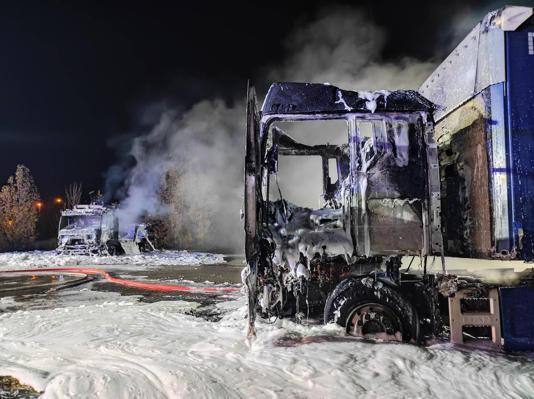
On 02 October 2025, anarchists infiltrated and set fire to cars outside the “Fight Night” event hosted by Sin City Boxgym, which was attended by numerous neo-Nazi-aligned participants, including fighters, organisers, and guests.
An anonymous anarchist collective claimed responsibility for setting fire to two trucks belonging to the Rothkegel construction company in Leipzig’s Knauthain district. The group asserts that they had incendiary devices with them, which they placed near the trucks, framing the act as deliberate retaliation against Rothkegel Baufachhandel GmbH for providing material and logistical support to far-right networks.
The venue for the event was the warehouse of Rothkegel, a facility owned by former CDU city councillor Claus‑Uwe Rothkegel (who served in the Leipzig city council until 2024). The company not only provided the physical venue but also acted as a central sponsor and ticket sales point for the event organised by Sin City Boxgym. Hence, the group accuses Rothkegel of enabling far-right organisations.
The event was allegedly attended by “organised neo-Nazis, bikers, and other unsavoury characters.” The anarchists emphasise that Sin City Boxgym has a long-standing reputation for close connections to Leipzig’s far-right combat sports scene. They further allege that Richard Rothkegel, the current director of the company, personally participated in the event as a fighter, reinforcing what they describe as a “political and economic tie” between mainstream conservative figures and violent far-right actors.
| | TRAC Incident Report: Bandit Leaders Fabricate Peace Talks as the Participants are ‘Fake Bandits’ Which Were Just Hired Locals From Neighbouring Towns, Batagarawa LGA, Katsina State, Nigeria | | |
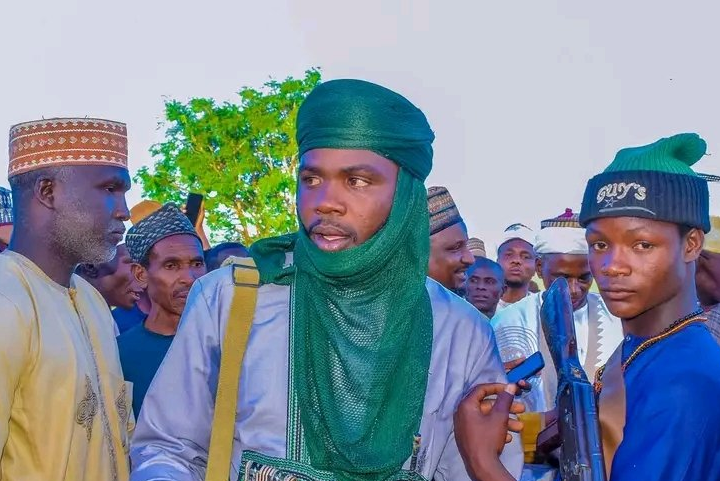
Following a much-publicised peace dialogue between bandit factions and village heads in Batagarawa and Charanchi, it has emerged that many of the supposed “bandits” who attended the event were in fact local residents hired to pose as militants. The revelation casts serious doubt on the authenticity of the negotiations, suggesting that the meeting was more of a theatrical display than a genuine peace effort.
By inflating attendance with hired locals, the organisers sought to create the illusion of large-scale participation and a credible peace initiative. This strategy allowed the bandits to project an image of strength and influence, implying a unified front ready for dialogue. In reality, the key leaders and senior commanders were notably absent, likely to avoid exposure due to fears of ambush, betrayal, or arrest. The appearance of unfamiliar, armed young men, rather than well-known field leaders, highlights the staged nature of the event.
The episode highlights a broader trend in northern Nigeria’s bandit crisis, where such dialogues are often used as a means of leverage rather than a means of reconciliation. By staging a peace process, armed groups can buy time to reorganise, extract concessions, or gain temporary legitimacy in the eyes of both local authorities and affected communities. Meanwhile, the underlying drivers of insecurity (territorial control, ransom collection, and extortion) remain unaddressed.
Rather than marking a step toward stability, the Batagarawa and Charanchi meeting appears to have been a public relations manoeuvre designed to manipulate perceptions of progress. The real consequence is a further erosion of trust between communities and the state, as villagers watch the same factions continue their raids, kidnappings, and extortion campaigns even as they claim to pursue peace.
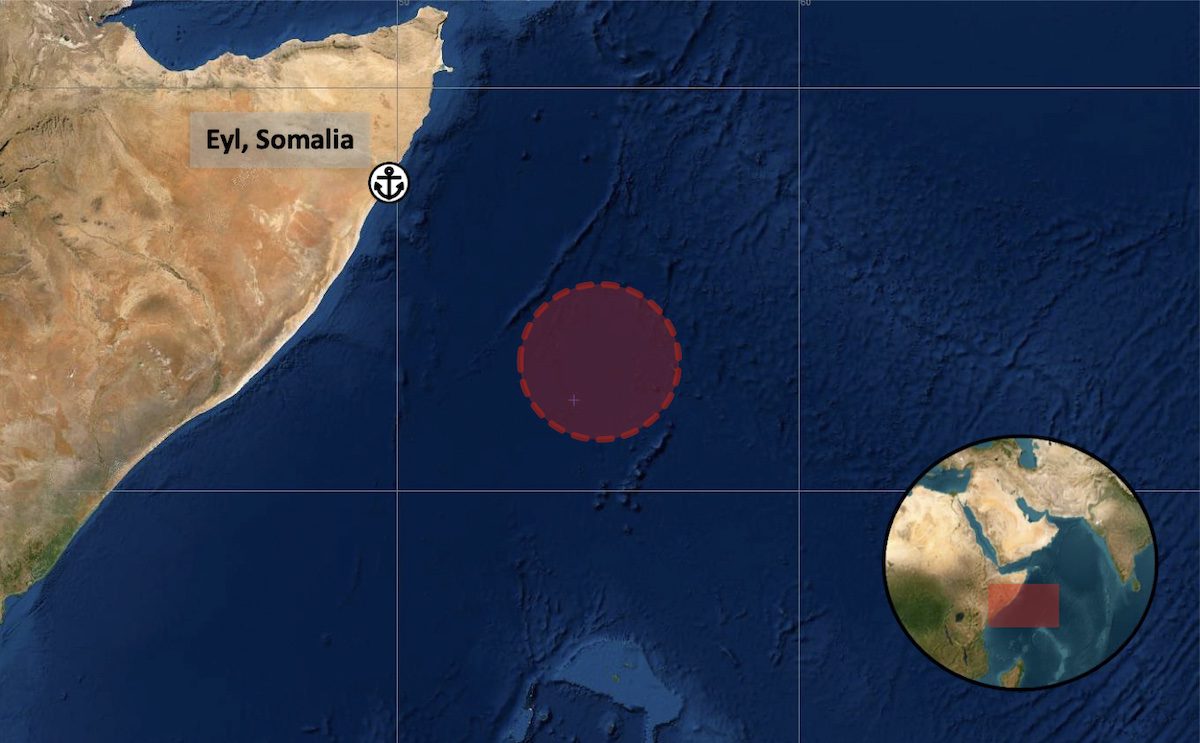
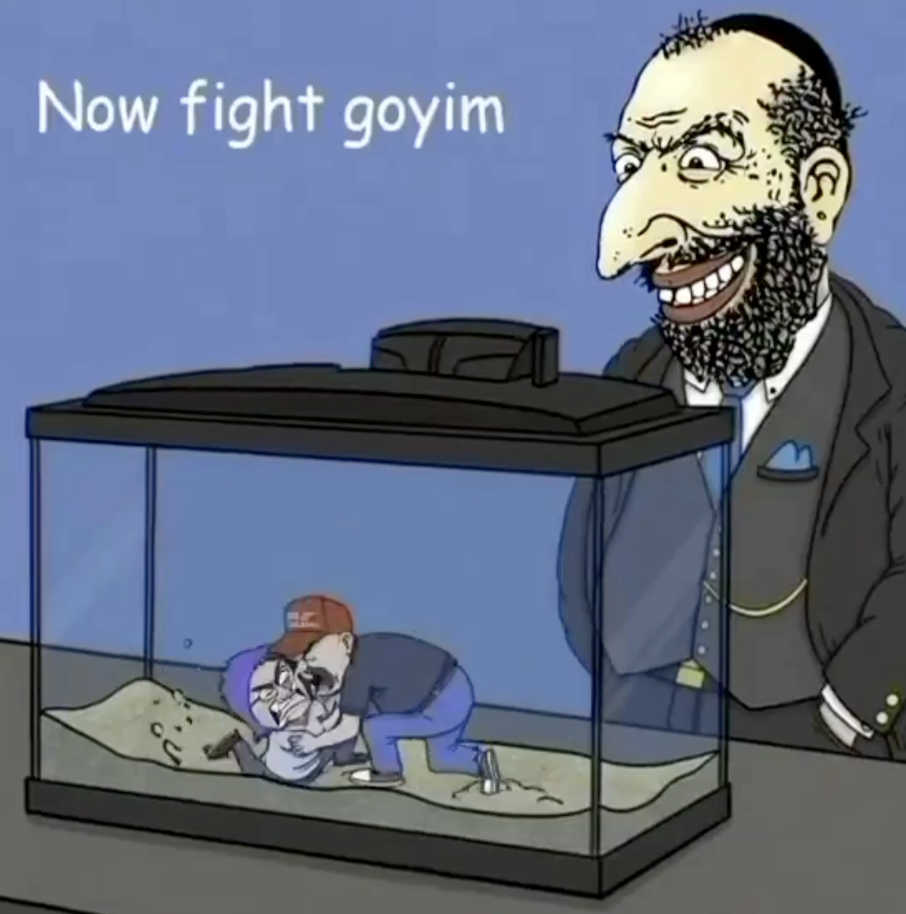
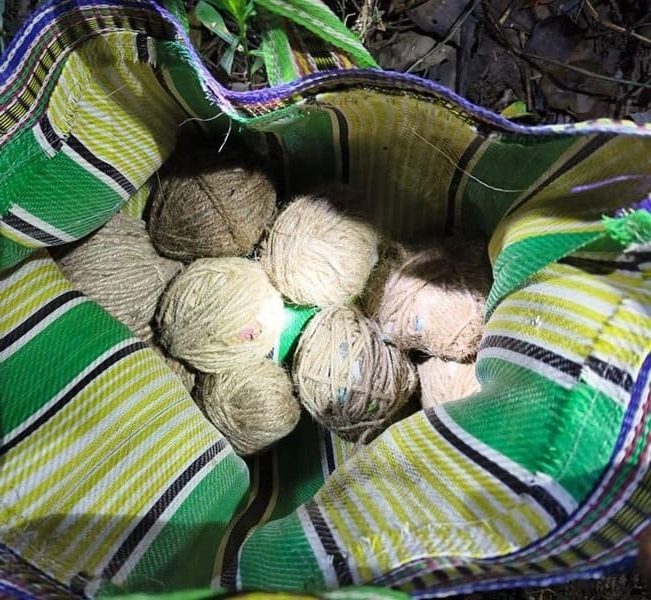
| | TRAC Incident Report: Somali Pirates Fired Upon and Boarded a Malta-Flagged Oil Tanker, Hellas Aphrodite, Off the Coast of Somalia | | (Meme / Right Wing Extremism) Neo-Nazi Accelerationist Memewaffen Shares Poster: ‘Now Fight Goyim’ | | TRAC Incident Report: Indian Security Forces Seized Over 150 IEDs in Shamsherganj Area, Murshidabad District, West Bengal, India | | | | |