July Newsletter

The American Institute for Cognitive Therapy (AICT) is an internationally recognized team of clinical psychologists committed to providing the highest quality cognitive-behavioral treatment across 43 states for a wide range of challenges, including depression, anxiety, phobias, eating disorders, personality disorders, and issues affecting children, adolescents, families, and relationships. Please contact our office by emailing intake@cognitivetherapynyc.com or calling (212) 308 - 2440 to learn more about our services or schedule a complimentary consultation call with one of our expert therapists.

Food Portion Confusion and the Difference Between Overeating and Binge Eating Disorder

By Melissa Horowitz, PsyD

Food Portion Confusion


Choosing the right amount of food to eat for a given meal or snack can be a challenge for many people. Portion sizes can vary widely and are often determined by restaurants, food manufacturers, advertisements, the social environment, the family member that prepares meals in the home or each one of us when confronted by food.


One study notes that in the 1970s, food portions began to increase in size.1 Over time, food portions continued to get larger, and these larger portions eventually became normalized into the ethos of everyday living. While the FDA provides education to the public on how to read nutrition labels and how to think about the portioning of foods, conflicting information about portion sizes still makes it difficult to determine when overeating has occurred. 2


Overeating


Overeating is defined as eating in excess and beyond one’s nutritional or energy need. In another study, participants were asked how they would define overeating. The participants endorsed “eating outside of hunger” as the most common definition followed by “lack of restraint”, “mindless eating” and “eating more than some normative amount.” 3

Overeating can be an objective or subjective experience and implicates a combination of interpreting food labels and understanding one’s satiety threshold. While it can come with its own potential effects on a person’s psychological well-being, it is different than the mental health condition known as binge eating disorder (BED).


Binge Eating Disorder (BED)


BED affects approximately 2.4% of the population, with higher rates in females as compared to males. It can occur across the lifespan and is more likely to occur in more developed countries such as the United States. BED can present in people across weight categories who meet medical criteria for being average weight, overweight or obese. Genetic, biological, social and environmental factors all play a role in the development and maintenance of this condition.4 BED is accompanied by a heightened risk of developing medical conditions including, but not limited to, obesity, type 2 diabetes, sleep issues, gastrointestinal distress and metabolic syndrome.5 BED also commonly co-occurs with other mental health conditions such as mood disorders, anxiety and post-traumatic stress disorder.6


The symptoms of BED may include some or all of the following (see footnote 4):

  • Inability to stop oneself or slowdown from eating objectively large amounts of food in a discrete amount of time
  • Lacking control when in the presence of food during this discrete time period
  • Eating more quickly than usual
  • Eating past fullness
  • Being physically uncomfortable during or after eating
  • Eating even when not hungry
  • Emotional distress after eating 
  • Eating alone or in secret
  • No excessive exercise, purging behavior, laxative use, or restriction of food
  • Binge eating episodes persist each week for at least 3 months


BED Treatment


If you or someone you know may be experiencing these symptoms, consider being evaluated by an eating disorder specialist. Cognitive behavior therapy is a well-established time-limited empirical treatment approach for BED. To learn more, please contact the AICT intake coordinator at 212-308-2440.


1 Young, L. R., & Nestle, M. (2002). The contribution of expanding portion sizes to the US obesity epidemic. American journal of public health, 92(2), 246–249. https://doi.org/10.2105/ajph.92.2.246

2 https://www.fda.gov/food/nutrition-education-resources-materials/nutrition-facts-label

3 Long, E. V., Vartanian, L. R., Herman, C. P., & Polivy, J. (2020). What does it mean to overeat?. Eating behaviors, 37, 101390. https://doi.org/10.1016/j.eatbeh.2020.101390.

4 American Psychiatric Association. (2013). Diagnostic and statistical manual of mental disorders (5th ed.). 

5 Giel, K. E., Bulik, C. M., Fernandez-Aranda, F., Hay, P., Keski-Rahkonen, A., Schag, K., Schmidt, U., & Zipfel, S. (2022). Binge eating disorder. Nature reviews. Disease primers, 8(1), 16. https://doi.org/10.1038/s41572-022-00344-y

6 Mars JA, Iqbal A, Rehman A. Binge Eating Disorder. [Updated 2024 Aug 11]. In: StatPearls [Internet]. Treasure Island (FL): StatPearls Publishing; 2026 Jan-. Available from: https://www.ncbi.nlm.nih.gov/books/NBK551700/


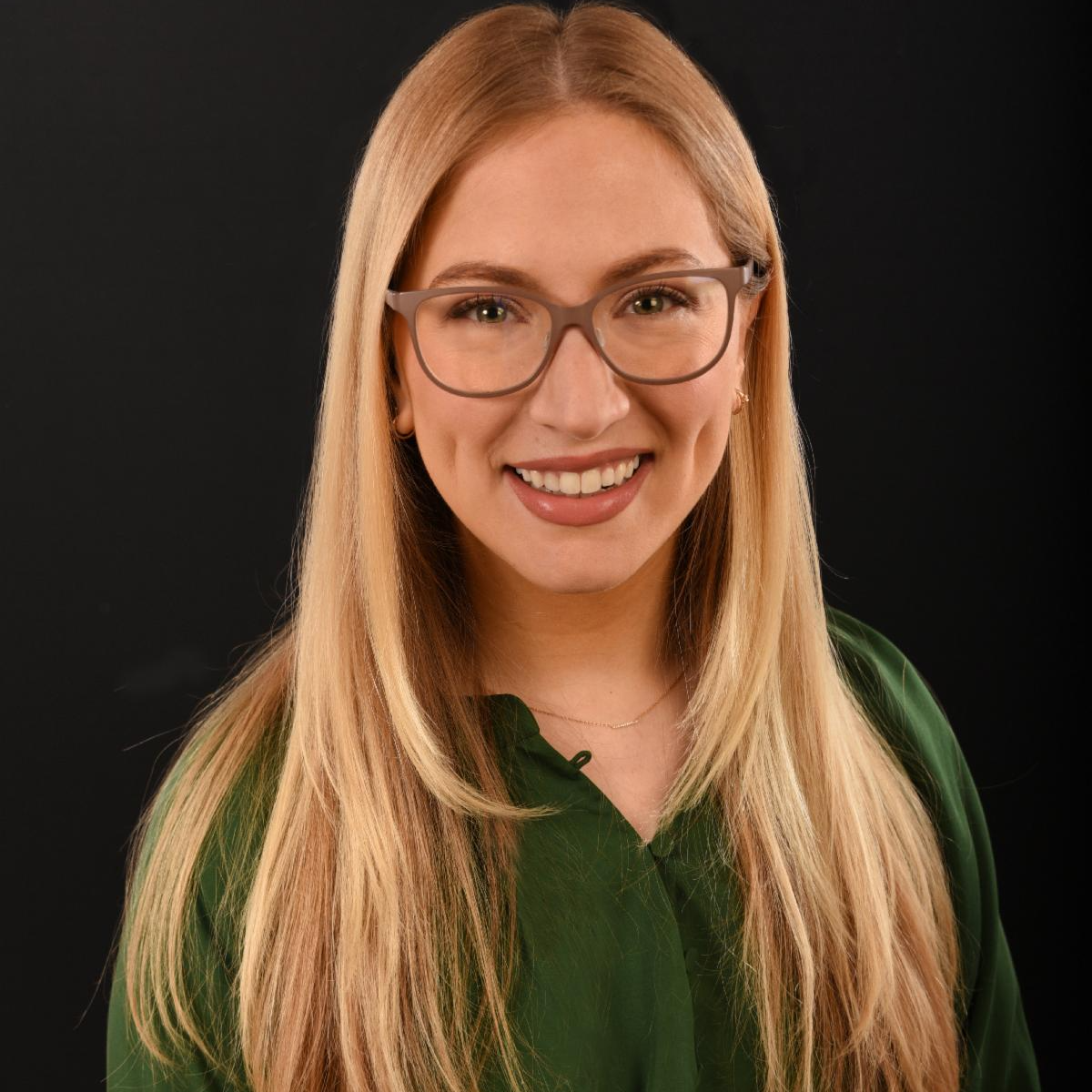
Dr. Melissa Horowitz, PsyD., is AICT’s Director of Clinical Training and Body Image and Eating Disorders. She is a a licensed psychologist in New York, Florida, and Connecticut and is certified by PSYPACT to provide telehealth services to clients in states participating in PSYPACT. Dr. Horowitz is an expert in treating adolescents and adults across the lifespan using cognitive behavior therapy, she specializes in the treatment of eating disorders, body-image concerns, and weight-management. She also specializes in the treatment of mood disorders, anxiety disorders, and obsessive compulsive and related disorders. Dr. Horowitz received her PsyD in clinical psychology from the Philadelphia College of Osteopathic Medicine. In addition to treating clients, Dr. Horowitz is a clinical supervisor in the clinical psychology program at Columbia University, Teachers College, where she supervises doctoral students.

PSYPACT Services at AICT

The Psychology Interjurisdictional Compact (PSYPACT®) is an interstate compact designed to allow teletherapy services across 43 states and territories. AICT has two PSYPACT clinicians, Dr. Melissa Horowitz and Dr. Bruce Zahn, who are accepting new clients in PSYPACT states. See the list of eligible states here and reach out to intake@cognitivetherapynyc.com to schedule a free consultation with one of our PSYPACT clinicians.

Introducing Our New Individualized 6-Week Relationship Skills Bootcamps


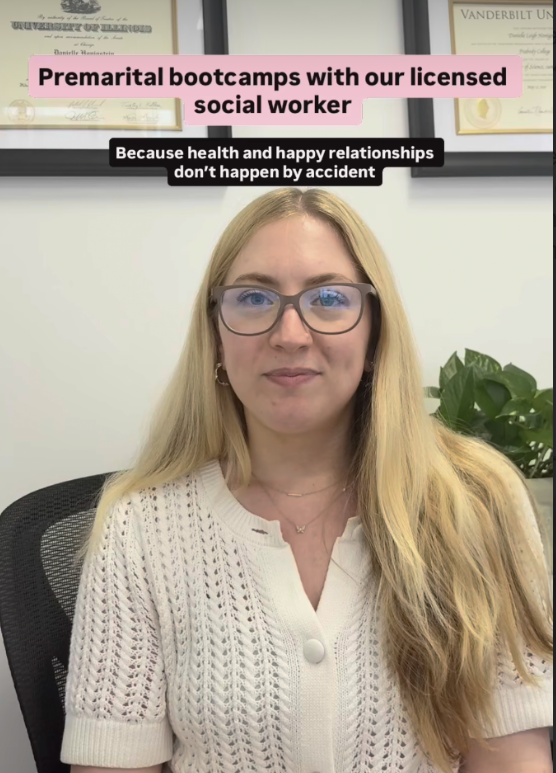
AICT is excited to offer Relationship Skills Bootcamps, led by couples' therapist Danielle Honigstein Kasturi, LMSW. These structured, six-week programs are designed to equip couples with practical, evidence-based tools for building and sustaining a healthy relationship. Each bootcamp draws on PREP (Prevention and Relationship Enhancement Program), an empirically validated curriculum shown to improve relationship satisfaction and communication while reducing conflict and rates of separation.


Whether you're an engaged couple looking to implement the foundational habits of a thriving marriage or have been together for decades and could use a relationship revitalization, our bootcamp will enable you and your partner to communicate more effectively, navigate conflict productively, and gain insight into one another's expectations, goals, and values.


Over six sessions, you'll meet two-on-one with Danielle for engaging, skills-based lessons and guided exercises, with ample opportunity to apply what you learn directly to your own relationship. Bootcamps are offered virtually or in-person to accommodate your preferences and availability.


Contact us at (212) 308-2440 or dhkasturi@cognitivetherapynyc.com to register. Free 15-minute consultation calls are available.

Adult DBT Skills Group at AICT:

Distress Tolerance Module


We are accepting new participants in our DBT Skills Group. The group will meet weekly on Wednesdays from 7:00 PM - 8:30 PM on our HIPAA-compliant Zoom platform. Group is co-led by Kathleen Taylor, Ph.D., and Danielle Honigstein Kasturi, LMSW. New Members can join as late as July 8th.


The DBT group will focus on the Distress Tolerance module. This module is designed to help you tolerate pain more effectively. Grief, pain, isolation, and uncertainty can feel all-consuming, often making it hard to function. This module provides strategies to help you embrace and cope with difficult emotions and situations, encouraging you to face discomfort rather than avoid it and to manage impulsive decisions and actions.


undefined
undefined

Understanding Regret


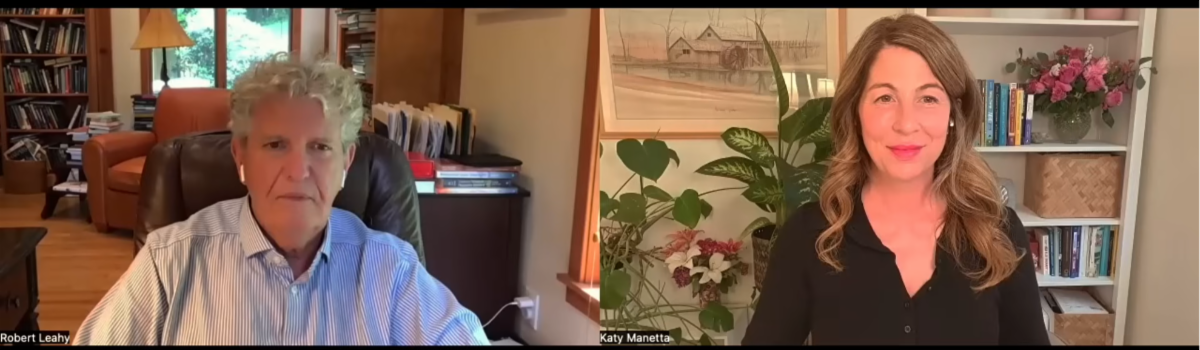
Check out Dr. Robert L. Leahy's, Ph.D. interview with Katy Manetta, Ph.D., on regret for the A-CBT Blog Author Spotlight Series. 

This conversation takes a closer look at:


• Why regret may be one of our most useful emotions

• The difference between productive and unproductive regret

• What we can learn from the regrets of people nearing the end of life

• How conversations with our future selves can guide better decisions

• Existential perfectionism and the pursuit of the “perfect” life

• Why maximizers often experience more regret

• The role of adaptive humility, gratitude, and compassion in emotional well-being

• Clinical implications for helping clients move beyond chronic regret


Listen to the full interview here.

Instagram

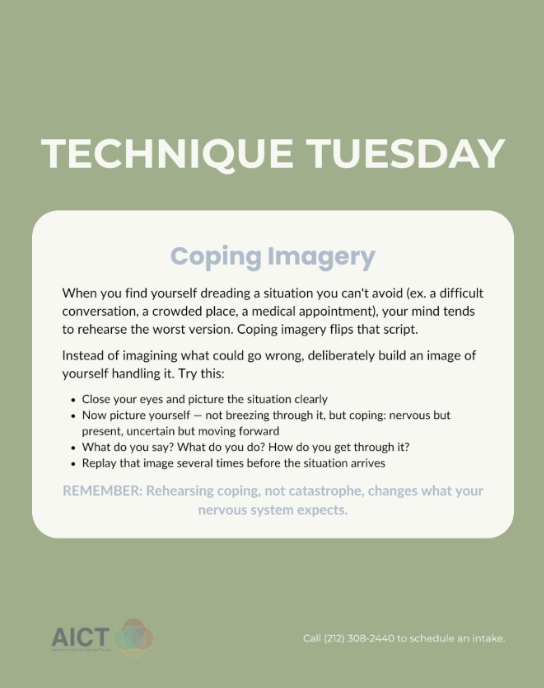
Catch up on our recent Instagram posts

Click on any post to view

Looking to Start Therapy?


Call (212) 308 - 2440 or email intake@cognitivetherapynyc.com to schedule an intake or for more information.


Facebook  X  Instagram  LinkedIn  TikTok  YouTube
The American Institute for Cognitive Therapy
150 East 58th St, 5th Floor Annex
New York, NY 10155
Phone: (212) 308 - 2440 Fax: (212) 308 - 3099