Rail & Labor News from RWU
| | Weekly Digest Number 31 - July 29, 2025 | | Welcome to the RWU Rail & Labor News! This news bulletin is produced and emailed out each Tuesday morning. We hope you find each week's news and information useful. If so, please share with co-workers, friends, and colleagues. If you like, you can sign them up to get all the news from RWU HERE. Or forward them the link. Got a hot tip? Please forward the article and a link to raillabornews@gmail.com. Note: If you read over this news bulletin each week, you will be sure to never miss the important news of what is going on in the railroad world from a worker's perspective! | | THIS WEEK'S RAIL AND LABOR NEWS | | Editor's Note: The carriers are wasting no time in their push for mega-mergers now that the regulatory environment seems to be in their favor. Railroad Workers United will take up the question next week as to whether we support, oppose, or are neutral o the question. The Steering Committee meets August 6th. We urge RWU members to weigh in! | |
Freight Waves / July 26th
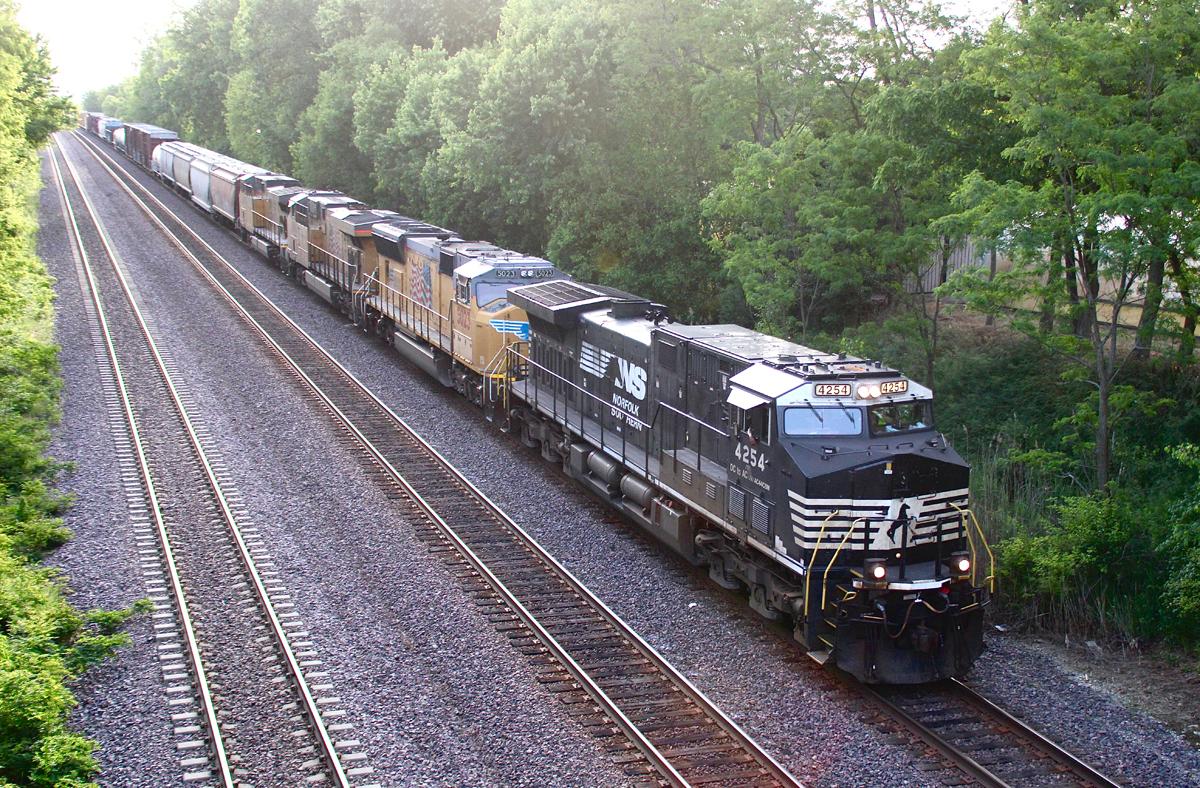
Union Pacific, the largest U.S. railroad, and Norfolk Southern could announce a tentative merger agreement as early as next week, according to a published report. Bloomberg cited sources familiar with the talks in its report Friday.
Omaha-based UP (NYSE: UNP), the largest Class I railroad and NS (NYSE: NSC), headquartered in Atlanta, recently confirmed that they have been in advanced discussions regarding a merger that if successful would create the first transcontinental railroad. A proposed consolidation would produce a rail colossus with $200 billion in market capitalization.
| | Editor's Note: How ironic that transport workers were left out of perhaps one of the few worthwhile things in the bill, no tax on overtime pay. | |
SMART-TD / July 23rd
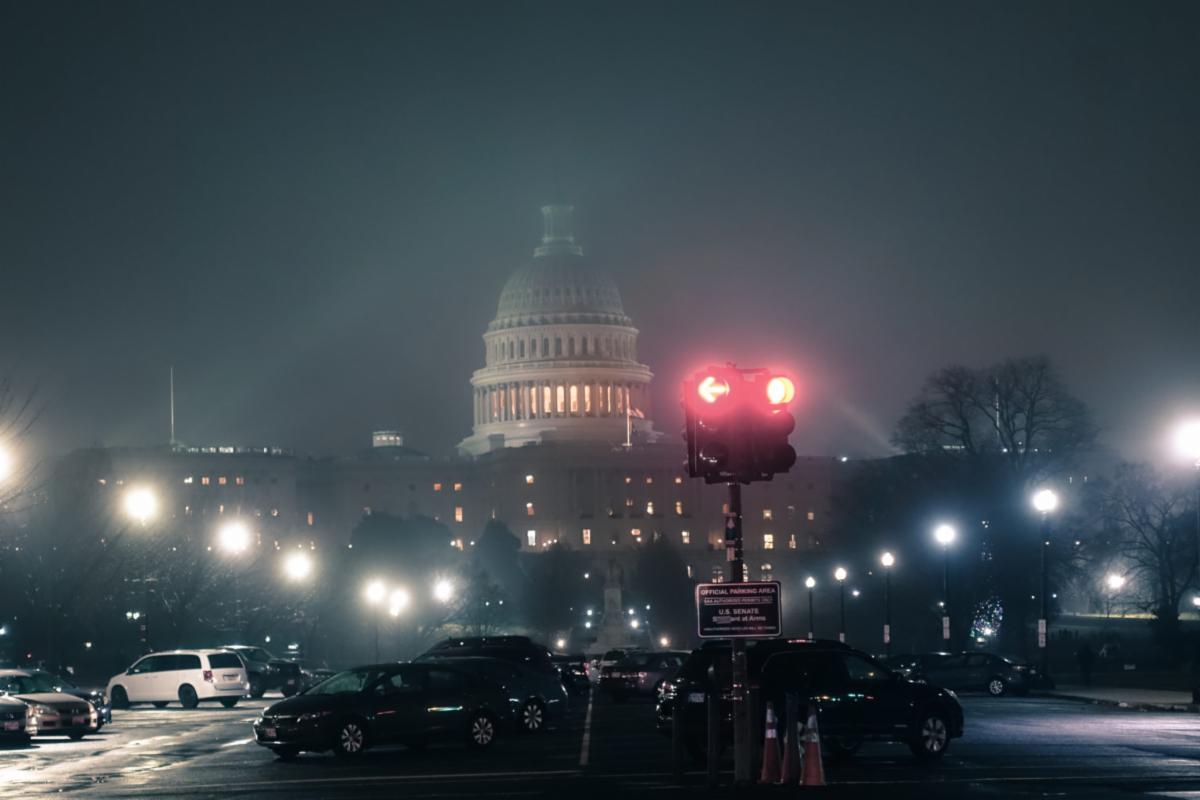
From the moment the Senate passed the One Big Beautiful Bill Act (OBBBA) without including transportation workers in the overtime tax relief, labor unions across the country recognized the need for action.
A broad coalition of labor organizations is now urging Congress to fix a technical flaw in the legislation that unfairly blocks millions of transportation workers, including railroaders, airline crews, truckers, and delivery drivers, from accessing new tax relief provisions intended to benefit hourly workers.
| | Editor's Note: Ironic that in this day and age with all the tech that the rail carriers like to brag about and say they do not need real live human being inspections, that they cannot prevent these types of easily preventable crashes and disasters. | | |
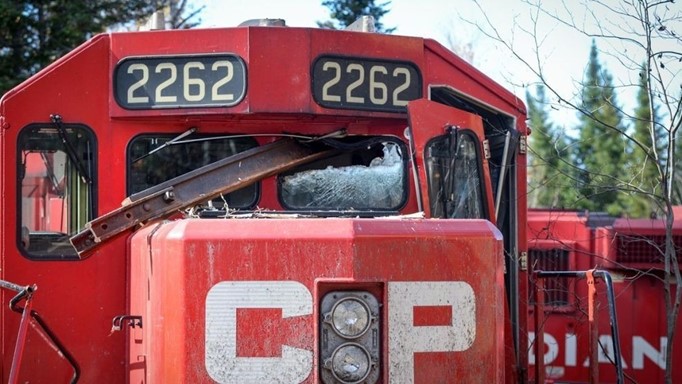
A train engineer is suing Canadian Pacific Railway, saying the company should have known there was a high risk that tracks would be washed out before a train derailment in rural Maine nearly three years ago.
Louis Meyers of Dover-Foxcroft filed a lawsuit against Canadian Pacific on Tuesday in U.S. District Court of Maine in Bangor. The locomotive engineer alleges the company is federally liable and was negligent, in part, because it failed to implement plans for severe weather and monitor track conditions.
Meyers was aboard a train that derailed around 3:15 a.m. on Oct. 19, 2022, when it rode over tracks that had been washed out. Three engines and six railcars derailed, the Milo Fire Department said at the time. There were about 50 cars in the train, the lawsuit said
|
| Editor's Note: As more and more jobs lose the brakeman ("helper"), look for more and more of these types of injuries as switching operations will entail more and more conductors riding cars. In many cases, they will be inexperienced young trainmen all alone with no help. | | |
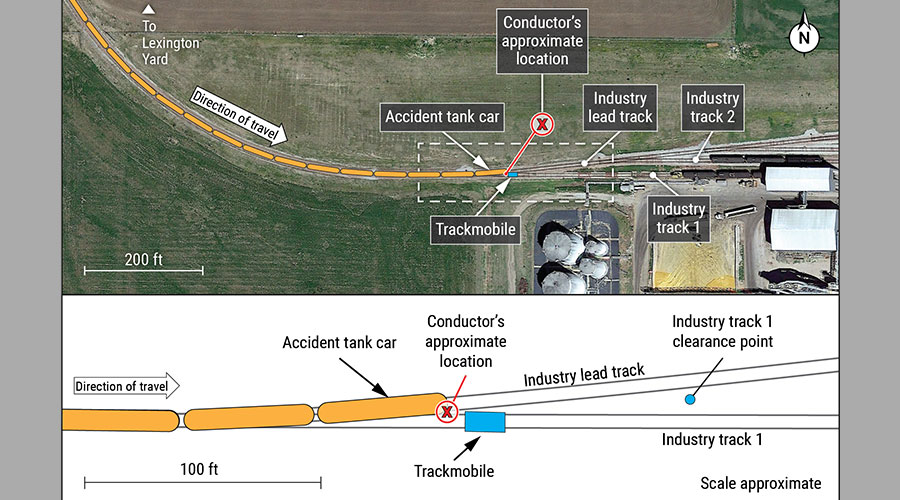
The National Transportation Safety Board this week issued a preliminary report of its investigation into a June 25 accident in which a Union Pacific Railroad conductor was seriously injured while riding the lead tank car during a shoving movement in Lexington, Nebraska.
The incident occurred while the shoving movement took place on the industry lead track at the Chief Ethanol Fuels (CEF) facility in Lexington. The conductor was struck when the lead tank car sideswiped a stationary trackmobile fouling the industry lead track.
| | Editor's Note: How can we ever get anything done in the U.S. if funds are allocated and workers hired, plans made and constructions started ... only to have the rug pulled out from underneath once everything is in motion? | | |
The State of California has filed a federal lawsuit to block the Trump administration’s decision to cancel 4 billion dollars in grants for its high-speed rail project. Last week, President Trump confirmed the funding cut for the planned San Francisco–Los Angeles line, calling the country’s flagship high-speed rail initiative “severely overpriced, overregulated, and never delivered,” claiming it “would never exist.”
Backed by the previous Biden administration and originally pitched as a three-hour electric connection between two of California’s largest cities, the project has become a symbol of delays and cost overruns. Indeed, its budget now exceeds 100 billion dollars. Still, in its legal complaint, filed Thursday in the U.S. District Court in Los Angeles, California argued that the funding withdrawal was “arbitrary and capricious” and violated legally binding agreements with the federal government.
| | Editor's Note: There was a time when Amtrak held a number of these regional "commuter" rail contracts to provide train operations, but outfits like Keolis and Herzog have stolen the contracts away. They notoriously provide slipshod service, and cut costs wherever possible to boost profits. Let's hope they lose this contract! | | |
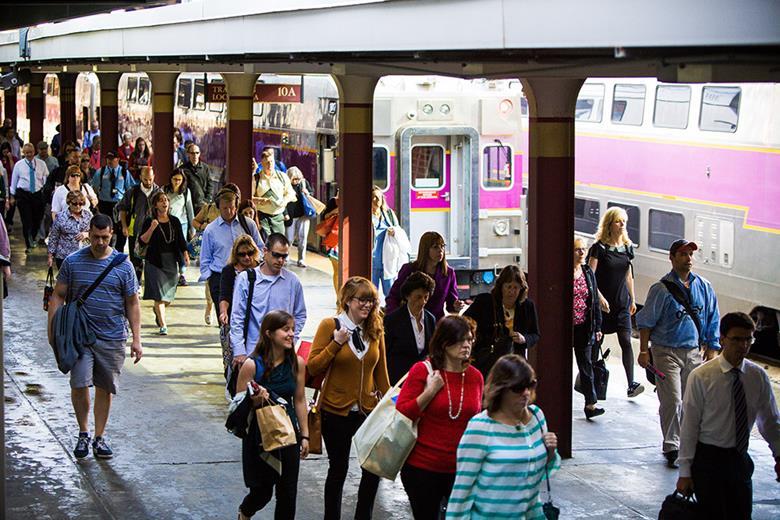
Massachusetts Bay Transportation Authority has begun the process of appointing the next operator of its Boston commuter rail services. The trains are currently operated by Keolis Commuter Services under a contract running to June 30 2027.
The contract will include operation of the passenger services, and fleet and infrastructure maintenance. MBTA said its network of 12 lines totalling 1 125 track-km and 148 stations is the fifth-busiest such system in the country, after routes in the New York and Chicago areas. Around 500 revenue trains carry 90 000 passenger-journeys each weekday, with around 250 revenue trips on both Saturdays and Sundays. The fleet comprises 102 diesel locomotives and 442 coaches, with new vehicles on order and existing equipment being overhauled
| | Editor's Note: As railroaders, we all have witnessed acts of bravery and heroism like that described below. We work together under arduous circumstances and know that are lives are bound up with one another and inextricably linked. We are proud to be a part of a union workforce that stands up for one another, goes to bat for each other, and takes care of each other! | | |
Engineer Trainee, John Hedgepeth of SMART-TD Local 490 is being hailed as a hero for his quick-thinking and selfless actions during a catastrophic derailment involving Norfolk Southern trains in Indiana. Brother Hedgepeth acted instinctively to save the life of his engineer by moving him clear of a locomotive ladder just seconds before molten sulfur from a derailed train engulfed their position.
He then dove from the nose of his engine to try to get himself clear from the fallout of the derailment. Though his actions undoubtedly saved his life and that of his engineer, Brother Hedgepeth was covered in molten sulfur from one of the derailed cars.
He was left with third-degree burns covering a significant portion of his body, along with a broken rib. He likely faces a long road to recovery, requiring travel to the nearest burn treatment center located over 150 miles away in Indianapolis.
| | Editor's Note: It is not hard to see why Mexico's President Claudia Sheinbaum has one of the highest approval ratings of any head of state in the world. Not only is she and her party moving forward on wealth redistribution to the working class, they are moving forward with plans for a national rail revival in that country. Meantime, in the US and Canada, threats to cut, privatize and otherwise downgrade passenger rail continue. | | |
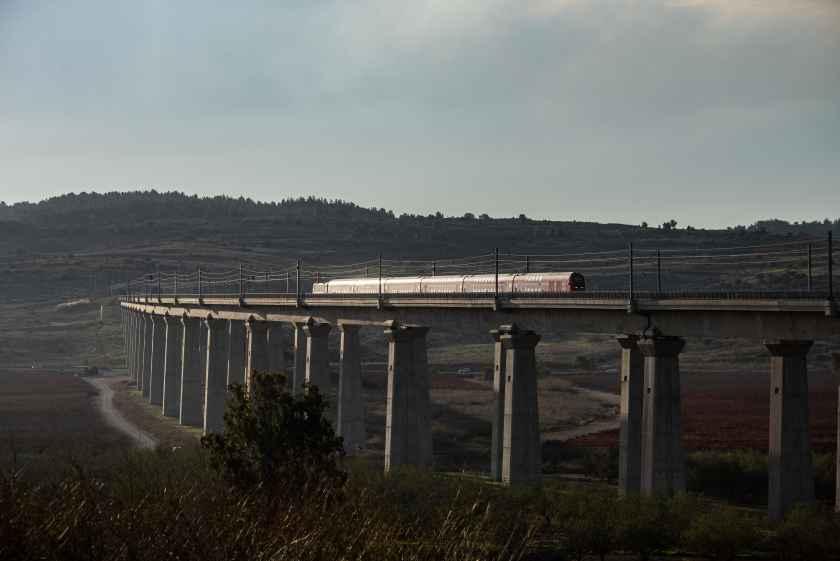
National Railway Plan Mexico’s National Railway Plan is moving forward with key projects to restore intercity long-distance rail services throughout the country. The segments form two pairs of projects already under way and two due to start no later than the end of July, to restore the passenger service to more than 3,400 kilometers (about 2,100 miles) of railway track. These enhancements are intended to rehabilitate the countries long-distance passenger network to a better state than it was in the early 20th century which will significantly enhance tourism access and new opportunities for the industry to grow.
In the past, train was one of the most important means of transportation for travelers internally and externally alike. A lot would change over the ensuing decades, as freight became the focus and passenger rail declined. The National Railway Plan follows a big push to resurrect these services as a means to improve connectivity and provide tourists with eco-friendly and efficient travel options. By addressing these projects the government is focusing on developments that will enhance the experience of tourists who wish to explore Mexico’s diverse areas, as well as the growth of the wider economy.
| | Editor's Note: Shipper groups have complained vociferously to the STB in recent years about the piss-poor service they are receiving for the Class One railroads. It is not surprising that they are wary of more mergers that will reduce their options still further and make the rail freight carriers they depend on even more powerful and recalcitrant. | | |
WASHINGTON — Groups representing rail shippers say they would be opposed to the creation of a transcontinental railroad in the U.S., arguing that further consolidation in the industry would reduce their competitive options, lead to higher rates, and worsen service.
Union Pacific and Norfolk Southern said last week that they are engaged in advanced negotiations about a merger that would create a system that would stretch from coast to coast. If they do reach a deal, industry observers expect a competitive response from BNSF Railway and CSX.
The National Industrial Transportation League, the American Chemistry Council, and the Freight Rail Customer Alliance are watching warily as the rail industry inches its way toward a potential final round of mergers that would leave the U.S. with a pair of transcontinental Class I systems.
Railroads have traditionally said that end-to-end mergers help improve service by eliminating costly and unreliable interchanges. Shipper associations don’t see it that way.
| | Each week, RWU includes a few articles about advances and developments in the larger labor movement that are of interest to railroad workers. Got an artcile to submit for possible inclusion next week? Email it along to raillabornews@gmail.com. Thank you! | | Editor's Note: Rail workers and truckers have a number of issues in common and need to work together on. Here, Truckers Movement for Justice - an RWU ally - builds a coalition with environmentalists to take on the oil and gas industry. | | |
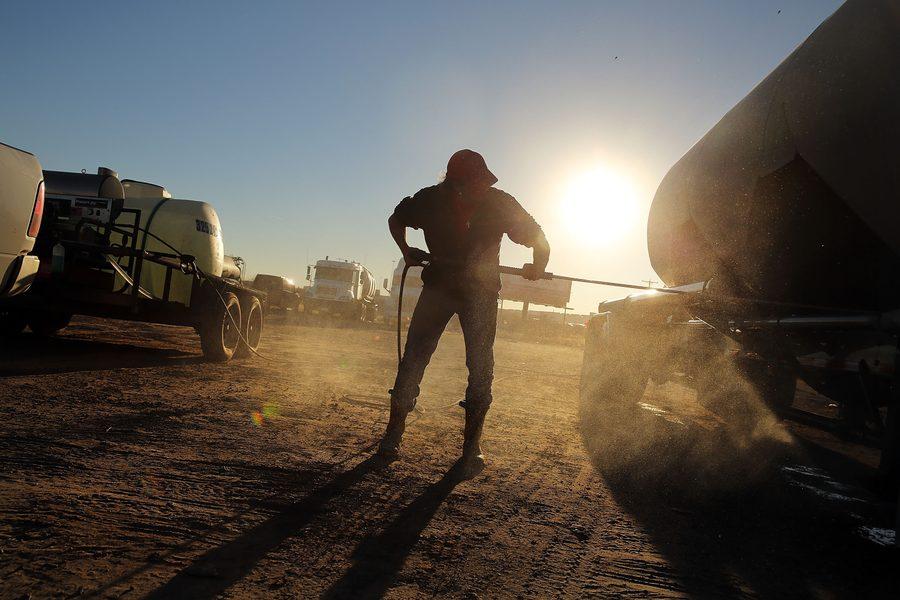
A seemingly unlikely coalition of oil and gas workers and environmentalists have joined forces to ask the federal government for help.
On June 4, the driver advocacy group Truckers Movement for Justice and Ohio Valley Allies, Earthjustice, Oilfield Witness and several other environmental groups sent a letter to Secretary of Transportation Sean Duffy and top officials at the Pipeline and Hazardous Materials Safety Administration and the Federal Motor Carrier Safety Administration. They made a simple request: that regulations around the transportation of hazardous materials be enforced.
It’s not the kind of thing one should need to ask, really, but these particular regulations concern oil and gas waste. The industry generates both an enormous amount of toxic byproducts and the kind of money — and therefore, power — that both boggles the mind and rules nations.
| | Editor's Note: The right-wing mantra to "cut red tape and regulation" sounds good in theory, except that it is all a smoke screen for Wall Street and big business to make money at workers' expense. | | |
If approved, the wide-ranging changes unveiled this month also would affect working conditions at constructions sites and in mines, and limit the government’s ability to penalize employers if workers are injured or killed while engaging in inherently risky activities such as movie stunts or animal training.
The Labor Department says the goal is to reduce costly, burdensome rules imposed under previous administrations, and to deliver on President Donald Trump’s commitment to restore American prosperity through deregulation.
“The Department of Labor is proud to lead the way by eliminating unnecessary regulations that stifle growth and limit opportunity,” Secretary of Labor Lori Chavez-DeRemer said in a statement, which boasted the “most ambitious proposal to slash red tape of any department across the federal government.”
Critics say the proposals would put workers at greater risk of harm, with women and members of minority groups bearing a disproportionate impact.
| | Editor's Note: It is tragic what is happening to OSHA and other branches of government that have been hard fought and won to help protect workers' health and safety on the job. All workers - union and non-union - stand to suffer greatly with the havoc that these politicans are wrecking upon us. | | |
In powerful testimony before the House Education and Labor Workforce Committee yesterday, AFL-CIO Health and Safety Director Rebecca Reindel warned that Trump’s proposed cuts to OSHA’s budget would mean that it will take 266 years to inspect every workplace in the country, up from once every 186 years in 2024.
As Reindel said, “These numbers are not a game; these cuts directly impact people’s lives. American workers have been left behind. They are being forced into an impossible choice—that between their lives and their livelihoods.”
Along with the destruction of the National Institute for Occupational Safety and Health (NIOSH), the decimation of OSHA’s enforcement program and the reduction of penalties announced last week can mean only one thing: more preventable workplace deaths, injuries and illnesses.
| | WEEKLY DERAILMENT DEPARTMENT | | Each Tuesday in this news bulletin, RWU does our best to present a picture of what has been happening over the course of the previous week in terms of derailments in North America, and investigation determinations of previous accidents. NOTE: This list is by no means comprehensive. Smaller and less consequential mishaps are generally not reported here. If the wreck results in injury or fatality, or is especially damaging/extreme, a full article will appear as a feature in the dozen or so rail articles above. Know of a train wreck? Please feel free to forward a link to raillabornews@gmail.com for possible inclusion next week. Thanks! |
| | | |