Providers who did not comply with agency's reporting requirements forced to pay back pandemic aid
The Department of Health and Human Services (HHS) is collecting $100 million in pandemic assistance money from providers who failed to comply with the agency's reporting requirements, a Bloomberg Law report found.
On March 10, HHS's Health Resources and Services Administration (HRSA) sent notices to providers who received more than $10,000 in relief money but weren't compliant with reporting requirements, notifying them that they have 30 days to return the funds. Those who do not return the money will be excluded from future payments, the agency stated.
Funding recipients were required to "submit reports as the Secretary determines are needed to ensure compliance with conditions that are imposed on this Payment," HHS said.
|
|
|
|
ASIPP 24th Annual Meeting
May 5-7, 2022 | Las Vegas, Nevada
|
|
24 YEARS & COUNTING!
Focusing on Fundamentals to Build the Future of IPM
Discussion on health policy with three prominent members of congress:
- The Honorable Ed Whitfield
- The Honorable Larry Buschon
- The Honorable James Comer
Raj/Racz Distinguished Lectures:
- Neuromodulation
- Documentation of medical necessity to perform epidural and facet joint intervention LCDs and evaluation and management services
Multiple General Session Topics:
- Various types of solutions in epidural injections
Keynote speech by Harsha Shanthanna, MD
- Facet joint interventions
- The opioid/illicit drug epidemic
- Compassionate prescribing
|
|
The CDC’s opioid guidelines are being revised, and the proposed 2022 CDC guidelines have been issued. If these guidelines are adopted as proposed, we would have missed an opportunity-to incorporate Interventional Pain Management-yet again. The CDC guidelines is seeking stakeholder comments before April 11, 2022. Your voice and the voice of your patients are critical because the proposed guidelines are suggesting that there is minimal evidence for IPM, and that IPM is not effective, undermining the true role of IPM in both diagnosing and treating the patient holistically.
Ask the CDC for the following in your own words. To submit your comments, identify Docket No. CDC-2022-0024. Federal Rulemaking Portal: http://www.regulations.gov.
The CDC must advocate for multidisciplinary care, personalized for each individual patient. This includes behavioral therapy, restorative therapy, complementary medicine pharmacologic therapies, and Interventional Pain Management (IPM) strategies. This is consistent with the AMA and the 2019 HHS Best Practices report that embrace a multidisciplinary model that includes IPM.
IPM procedures, including epidural and facet joint interventions, spinal cord stimulation, infusion systems, minimally invasive endoscopic surgery, interspinous prosthesis, and other nerve block, in conjunction with opioids, are both safe and effective. The proposed 2022 CDC guidelines are suggesting that IPM procedures have limited evidence and are unsafe. the language that suggests that IPM has limited evidence and is not safe should be removed.
Please contact Congress requesting that they ask the CDC to adopt the 2019 HHS Best Practices report, specifically Section 2.4 dealing with IPM.
|
|
NEXT EXAM DATES:
Part I
Saturday, May 28
Part II
Friday, July 15 & Friday, September 23
|
|
Long-term study finds adolescents do not "recover on their own," as some observers have suggested
Adolescents with substance use disorder (SUD) were more likely to have subsequent prescription drug use and symptoms of SUD in adulthood, revealed a longitudinal analysis that followed high school seniors to the age of 50.
Students with two or more SUD symptoms at age 18 had higher odds of medical prescription drug use and prescription drug misuse in adulthood, and 61.6% of adolescents with the most severe SUD symptoms (six or more) had at least two SUD symptoms in adulthood, reported Sean Esteban McCabe, PhD, of the University of Michigan in Ann Arbor, and colleagues.
"This finding reinforces that the long-term sequelae are more deleterious for those with more severe SUD symptoms during adolescence," the study group wrote in JAMA Network Open. "Notably, most adolescents with severe SUD symptoms do not mature out of symptomatic substance use during the transition from adolescence to adulthood."
|
|
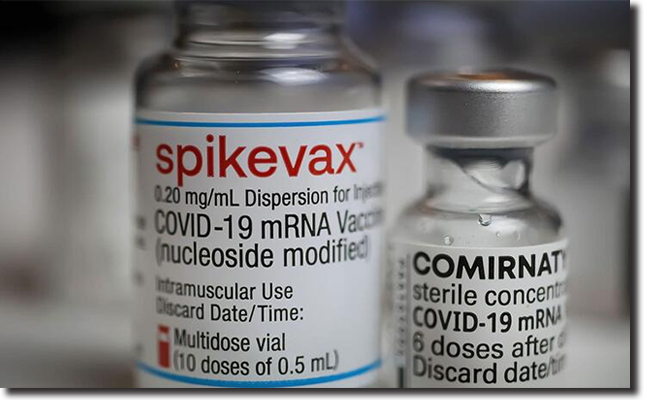
Another round of Pfizer or Moderna shots authorized for older or immunocompromised Americans
A second booster dose of Pfizer or Moderna's COVID-19 vaccine was authorized for adults ages 50 and up, as well as certain populations at risk for severe disease, the FDA said on Tuesday.
In a highly anticipated emergency use authorization (EUA) that was previewed for weeks, older adults may receive a second booster dose at least 4 months after their first booster dose of vaccine, the agency said.
Other populations eligible to receive a second booster dose of the vaccines include individuals with moderate to severe immunocompromising conditions, such as solid organ transplant recipients, or those "living with conditions that are considered to have an equivalent level of immunocompromise" -- ages 12 and up for Pfizer, or 18 years and up for Moderna. This means that immunocompromised people will receive five doses of mRNA vaccine in total: a three-dose primary series, and two boosters.
|
|
The Supreme Court is considering this question in Ruan v. United States
Earlier this month, the Supreme Court heard oral arguments in a case that will impact how doctors can treat patients where opioids are involved. The threshold question in Ruan v. United States, which came to the Supreme Court from the U.S. Court of Appeals for the Eleventh Circuit, is when the care a doctor provides patients crosses the line into a criminal act where the doctor is prescribing opioids.
Xiulu Ruan, MD, practiced medicine as a board‐certified pain specialist in Alabama, and was indicted in 2016 for unlawful distribution of opioids. The jury in the trial court convicted Ruan and other physicians in his practice based on a ruling that did not allow doctors to claim a defense of "good‐faith" where they honestly prescribed opioids under the belief that it was the right thing to do medically. Once the case reached the Eleventh Circuit on appeal, Ruan was essentially doomed, as that federal appellate circuit does not recognize a good-faith defense in cases such as this. He lost and appealed to the Supreme Court on a writ of certiorari, a court process to seek judicial review of a decision from a lower court.
|
|
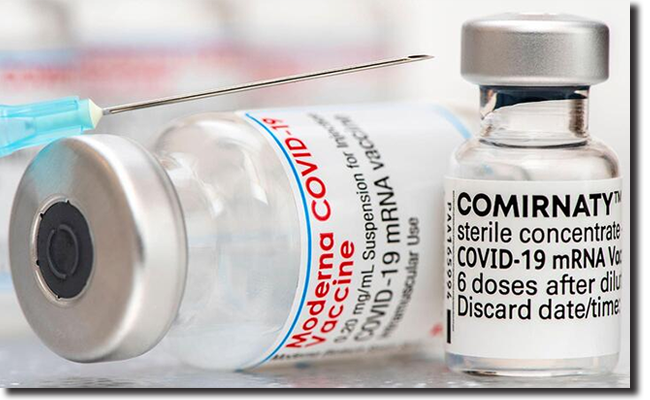
"You can diversify your immune response as much as possible to get maximal protective immunity"
The two mRNA vaccines authorized in the U.S. prompt different immune responses -- and that could suggest a benefit for mixing and matching booster shots, researchers said.
Galit Alter, PhD, of Harvard Medical School in Boston, and colleagues set out to investigate the immune responses driven by three doses of Pfizer or Moderna in a cohort of 73 healthcare workers. Both vaccines induced robust functional humoral immune responses, but there were clear differences, they reported in a paper in Science Translational Medicine.
Moderna appeared to have an advantage in mucosal immunity, as measured by immunoglobulin (Ig) A, while Pfizer had a "really functional IgG response," Alter told MedPage Today.
|
|
- ASIPP Members Only Site Information - |
|
-
To log in for the first time you will need to click “forgot password” at the bottom of the login window.
- Check your email and then log in as directed.
-
If you have problems logging into your account, click here.
|
|
Pain Medicine Case Reports (PMCR) and Editor-in-Chief Alaa Abd-Elsayed, MD, PhD would like to invite you to submit case reports and case series to the PMCR journal. Your article will be published free of charge.
Open access journals are freely available online for immediate worldwide open access to the full text of published articles. There is no subscription fee for open access journals. Open access journals are no different from traditional subscription-based journals: they undergo the same peer-review and quality control as any other scholarly journal.
Interested in becoming a member of the PMCR Editorial Board?
Editorial board members are asked to review 2-6 manuscripts per year. Please submit your most up-to-date CV to sgold@asipp.org for consideration.
For more information or to submit your articles, click here.
|
|
| CASE REPORT |
Benjamin D. Ashworth, MD, and Miles R. Day, MD
Abstract
BACKGROUND: Trigeminal neuralgia (TN) causes intolerable pain that can be difficult to treat. Cryoablation is an underutilized pain management technique that can be incorporated into the treatment algorithm. Iovera® is a new handheld device that is small and lightweight making it very maneuverable and user friendly. It causes less tissue trauma enabling a more tolerable recovery period.
CASE REPORT: This case involves a 43-year-old woman with a history of idiopathic TN with concomitant continuous pain in the ophthalmic and maxillary divisions. After successful diagnostic blocks of the peripheral branches of the aforementioned nerves, iovera® was selected for the definitive procedure.
CONCLUSIONS: This device offers the benefit of shorter procedure time with less tissue trauma and easy maneuverability. It completely eliminated the patient’s pain from TN, which is known to be a debilitating disease. Longer periods of relief combined with less tissue damage and shorter procedure times make this an attractive option for pain relief in patients with TN or superficial neuropathic pain.
KEY WORDS: Trigeminal neuralgia, cryoablation, iovera
|
|
New edition now available! |
|
| PROSPECTIVE STUDY |
Sairam Atluri, MD, Matthew B. Murphy, PhD, Ryan Dragella, PhD, Jessica Herrera, BS, Kwadwo Boachie-Adjei, BS, CPH, Sachi Bhati, Vivek Manocha, MD, Navneet Boddu, MD, Pavan Yerramsetty, MD, Zaid Syed, Meghana Ganjam, Divit Jain, Zaynab Syed, Nikhil Grandhi, and Laxmaiah Manchikanti, MD
Abstract
BACKGROUND: Regenerative medicine interventions are applied to assist in the repair, and to potentially replace or restore damaged tissue through the use of autologous/allogenic biologics and it continues to expand. The anti-inflammatory, immunomodulatory, and regenerative properties of bone marrow mesenchymal stem cells (BM-MSCs), and investigation into their therapeutic efficacy and safety in patients with severe chronic low back pain, have not been demonstrated in controlled studies. Multiple pain generators have been hypothesized to be responsible in severe spinal degeneration and it is difficult to identify a single pain generator; consequently, resulting in inadequate therapeutic results.
OBJECTIVES: The study was undertaken to evaluate the effectiveness of autologous bone marrow MSCs in the treatment of chronic low back pain due to severe lumbar spinal degeneration with involvement of multiple structures.
STUDY DESIGN: Prospective, open-label, nonrandomized, parallel-controlled, 2-arm exploratory study.
SETTING: A private, specialized, interventional pain management and regenerative medicine clinic.
METHODS: The treatment group patients received a one-time bone marrow concentrate injection into spinal structures (i.e., discs, facets, spinal nerves, and sacroiliac joints), along with conventional treatment, whereas, the control group received conventional treatment with nonsteroid anti-inflammatory drugs, over-the-counter drugs, structured exercise programs, physical therapy, spinal injections and opioids, etc., as indicated.
Outcomes Assessment: Outcomes were assessed utilizing multiple instruments, including the Oswestry Disability Index (ODI), Numeric Rating Scale (NRS-11), EuroQOL 5-Dimensional Questionnaire (EQ-5D-3L), Global Mental Health (GMH), and Global Physical Health (GPH). Multiple outcomes were assessed with primary outcomes being minimal clinically important differences (MCID) in ODI scores between the groups and/or a 2-point reduction in pain scores.
In the study group, total nucleated cells, colony forming units-fibroblast, CD34-positive cell numbers and platelets were also recorded, along with post-procedure magnetic resonance imaging changes. Outcomes were assessed at 1, 3, 6, and 12 months.
RESULTS: Significant improvement was achieved in functional status measured by ODI, pain relief measured by NRS-11, and other parameters measured by EQ-5D-3L, GMH, and GPH, in the study group relative to the control group at all time periods. The results showed significant improvements at 12-month follow-up with 67% of the patients in the study group achieving MCID utilizing ODI when compared to 8% in the control group. Greater than 2-point pain reduction was seen in 74% of the patients at 3 months, 66% of the patients at 6 months, and 56% of the patients at 12 months. Both MCID and pain relief of 2 points were significantly different compared to the control group. Opioid use decreased in the investigational group, whereas, there was a slight increase in the control group. Age, gender, opioid use, and body mass index did not affect the outcomes in the stem cell group.
LIMITATIONS: Single center, nonrandomized study.
CONCLUSIONS: The first available controlled study utilizing BM-MSCs in severe degenerative spinal disease with interventions into multiple structures simultaneously, including disc, facet joints, nerve roots, and sacroiliac joint based on symptomatology, showed promising results.
KEY WORDS: Low back pain, spinal degeneration, disc, facet joint, sacroiliac joint, regenerative medicine, autologous, bone marrow mesenchymal stem cells
|
|
| COVID-19 IMPACT SURVEY |
Laxmaiah Manchikanti, MD, Vidyasagar Pampati, MSc, Sachin "Sunny" Jha, MD, Mahendra R. Sanapati, MD, Amol Soin, MD, Shalini Shah, MD, Alan D. Kaye, MD, PhD, and Joshua A. Hirsch, MD
Abstract
BACKGROUND: As with many others in the house of medicine, the COVID-19 pandemic has adversely impacted the practice of interventional pain management. This in part relates to various state health authority or medical board restrictions with reductions in patient volume for evaluations, follow-ups, and procedures. Of course, the pandemic continues to persist which is in turn leading to longer-lasting effects. Our previous survey was performed in March 2020. At that time, there was a national lockdown in the United States with COVID-19 disease qualifying as a pandemic by the World Health Organization (WHO). The pandemic caused by COVID-19 disease continues to have far-reaching implications on how we deliver routine care to patients and its effect on patient care, economic aspects, and health of interventional pain management providers.
OBJECTIVE: To assess the current and expected future impact of the COVID-19 pandemic on interventional pain management practices in a physician survey. The study was performed based on performance in 2021 compared to the 2019 pre-COVID era.
METHODS: The American Society of Interventional Pain Physicians (ASIPP) administered a 16-question survey to their members by contacting them via a commercially available online marketing company platform. The survey was completed on www.constantcontact.com.
RESULTS: The results showed that 88% of the providers experienced a reduction in income and a similar number expect decreases over the next 12 months. A large proportion of respondents (73.3%) reported a reduction in revenue of 11%-25%. In contrast, another 21.5% reported a revenue decline of 26%-50%, and 29% reported 11%-25% increase in expenses. Overall, new patient volume decreased 11%-25% based on the response from almost 63%, whereas almost 9% reported a decline of 26%-50%. In contrast, established patient volume declined 1%-10% as reported by 64% of the respondents, compared to an 11%-25% decrease by a small proportion of 14%. All interventional procedures showed significant decreases across the board, with 69% of the respondents reporting a decline in-office procedures, 64% in ambulatory surgery center (ASC) procedures, and 57% in hospital outpatient department (HOPD) procedures, ranging from 11%-25%.
LIMITATIONS: The survey included a relatively small number of member physicians which could introduce sampling error. Consequently, it may not be generalizable for other specialties or even to pain medicine.
CONCLUSION: The COVID-19 pandemic has put interventional pain practices throughout the United States under considerable financial and psychological stress. This study seeks to quantify the extent of economic loss and other challenges resultant from the pandemic. Almost 99% reported a decrease in revenues in the last 12 months, with 86% reporting an expected reduction in the next 12 months and 49% reporting an increase in expenses. Declines have been reported in all sectors with new patients, office procedures, ASC, and HOPD procedures, except for established patient visits, which have shown minor declines compared to other domains. Understanding the issues facing interventional pain management physicians facilitates the development of strategies to actively manage provider practice/well-being, and to minimize risk to personnel to keep patients safe.
KEY WORDS: Interventional pain management, burnout, interventional pain physician, corona COVID-19, financial stress, anxiety, depression
|
|
Since this malpractice insurance program officially launched in November 2018, ASIPP has signed up hundreds of providers with an average savings of 30%. This is professional liability insurance tailored to our specialty and will stand up for us and defend our practices.
Norcal Mutual is A-Rated by AM best and is licensed in all 50 states. To read a few important points to keep in mind about the program, including discounts, administrative defense, cyber coverage, aggressive claims handling, and complimentary award-winning risk management CME activities, click here.
|
|
ASIPP® has formed a partnership with Henry Schein and PedsPal, a national GPO that has a successful history of negotiating better prices on medical supplies and creating value-added services for independent physicians. Working with MedAssets, PedsPal provides excellent pricing on products like contrast media that alleviate some of the financial pressures you experience today.
|
|
ASIPP® is now offering our members the benefit of a unique revenue cycle management/ billing service.
We have received a tremendous amount of interest in the ASIPP® billing and coding program.
Click here to learn more about the negotiated rate for practices and more!
|
|
|
up-to-date news related to you, your practice, and your patients!
|
|
|
|
|
|
|