|
Sunday 8th of October 2023
Sunday of the 7th Ecumenical Council
| | |
|
|
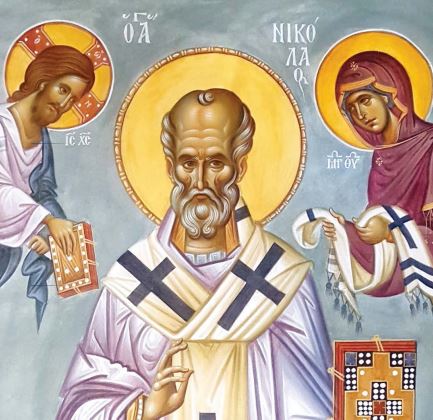
Saint Nicholas Greek Orthodox Church & National Shrine
The original Saint Nicholas Greek Orthodox Church was part of the vibrant multi-ethnic World Trade Center neighborhood. A centerpiece of the community since its founding in 1916, the Church was ultimately destroyed when the South Tower collapsed on 9/11/2001.
Now rebuilt and reopened as the Saint Nicholas Greek Orthodox Church and National Shrine, we welcome all people to the fullness of the Orthodox Faith and to join the continued mission of bringing light and life to Lower Manhattan.
| |
STEWARDSHIP
LINK & QR CODE
| | |
Monday, 16th of October
Intercessory Prayers
for peace in the World & for Healing of Body and Soul
12:30 PM - 1:15 PM
| |
|
Wednesday, 18th of October
Paraklisis
Intercessory Prayers
for peace in the World & for Healing of Body and Soul
12:30 PM - 1:15 PM
Friday 20th of October
Paraklisis
Intercessory Prayers
for peace in the World & for Healing of Body and Soul
12:30 PM - 1:15 PM
Sunday 22nd of October
7th Sunday of Luke
Matins 9:30 AM
Divine Liturgy 10:30 AM
| |
- Τῇ ΙΕʹ τοῦ αὐτοῦ μηνὸς μνήμη τοῦ ἁγίου Ἱερομάρτυρος Λουκιανοῦ, πρεσβυτέρου Ἀντιοχείας τῆς μεγάλης.
- Τῇ αὐτῇ ἡμέρᾳ μνήμη τοῦ ὁσίου Πατρὸς ἡμῶν Σαβίνου Ἐπισκόπου.
- Τῇ αὐτῇ ἡμέρᾳ μνήμη τοῦ ὁσίου Πατρὸς ἡμῶν καὶ Ὁμολογητοῦ Βάρσου, Ἐπισκόπου Ἐδέσσης.
- Τῇ αὐτῇ ἡμέρᾳ μνήμη τῆς ἀθλήσεως Μοναχοῦ τινος καὶ Μάρτυρος, καὶ ὠφέλιμος διήγησις περὶ αὐτοῦ.
- Μνήμη τοῦ ὁσίου καὶ θεοφόρου πατρὸς ἡμῶν Εὐθυμίου τοῦ νέου, τοῦ ἀπὸ Ἀγκύρας.
- Τῇ αὐτῇ ἡμέρᾳ μνήμην ἐπιτελοῦμεν τῶν ἁγίων καὶ μακαρίων Πατέρων, τῶν ἐν Νικαίᾳ συνελθόντων τὸ δεύτερον, ἐπὶ τῶν εὐσεβῶν καὶ φιλοχρίστων βασιλέων Κωνσταντίνου καὶ Εἰρήνης, κατὰ τῶν δυσσεβῶς καὶ ἀμαθῶς καὶ ἀπερισκέπτως τὴν Ἐκκλησίαν τοῦ Θεοῦ εἰδωλολατρεῖν εἰπόντων καὶ τὰς σεπτὰς καὶ ἁγίας εἰκόνας καταβαλόντων.
Ταῖς τῶν ἁγίων Πατέρων πρεσβείαις, ὁ Θεός, ἐλέησον ἡμᾶς. Ἀμήν.
| |
- On October 15, we commemorate the holy hieromartyr Lucian, Presbyter of Greater Antioch.
- On this day we commemorate our devout father Sabinus the Bishop.
- On this day we commemorate our devout father Barsus the Confessor, Bishop of Edessa.
- On this day we remember the contest of a Monk who became a martyr. There is an edifying story about him.
- We also commemorate our devout and God-bearing father Euthymius the New of Ancyra.
- On this day we also observe the memory of the holy and blessed Fathers who convened in Nicea for a second time, under the Orthodox and Christ-loving emperors Constantine and Irene, against those who in an impious, uneducated, and thoughtless manner said that the Church of God practiced idolatry and who had taken down the august and holy icons.
By the intercessions of the holy Fathers, O God, have mercy on us. Amen.
| |
Divine Liturgy of St. John Chrysostom | |
Ἀπολυτίκιον Ἀναστάσιμον.
Ἦχος Β'.
Ὅτε κατῆλθες πρὸς τὸν θάνατον, ἡ ζωὴ ἡ ἀθάνατος, τότε τὸν ᾅδην ἐνέκρωσας, τῇ ἀστραπῇ τῆς θεότητος· ὅτε δὲ καὶ τοὺς τεθνεῶτας, ἐκ τῶν καταχθονίων ἀνέστησας, πᾶσαι αἱ δυνάμεις τῶν ἐπουρανίων ἐκραύγαζον· Ζωοδότα Χριστέ, ὁ Θεὸς ἡμῶν δόξα σοι.
Resurrectional Apolytikion.
Mode 1st.
When You descended unto Death, O Lord, You who are immortal Life put Hades to death, by the lightning of Your divinity. And when You raised the dead from the netherworld, all the hosts of heaven sang aloud to You, "O Christ God, Giver of life, glory to You!"
Τῶν Πατέρων.
Ἦχος πλ.Δ'
Ὑπερδεδοξασμένος εἶ, Χριστὲ ὁ Θεὸς ἡμῶν, ὁ φωστῆρας ἐπὶ γῆς τοὺς Πατέρας ἡμῶν θεμελιώσας, καὶ διʼ αὐτῶν πρὸς τὴν ἀληθινὴν πίστιν, πάντας ἡμᾶς ὁδηγήσας· πολυεύσπλαγχνε, δόξα σοι.
For the Fathers.
Mode Plagal 4th
Supremely blessed are You, O Christ our God. You established the holy Fathers upon the earth as beacons, and through them You have guided us all to the true Faith, O greatly merciful One, glory be to You.
Ἀπολυτίκιον
Ἦχος δʹ.
Ἁγίου Νικολάου Ἀρχιεπισκόπου Μύρων τῆς Λυκίας
τοῦ θαυματουργοῦ
Κανόνα πίστεως καὶ εἰκόνα πραότητος, ἐγκρατείας διδάσκαλον, ἀνέδειξέ σε τῇ ποίμνῃ σου, ἡ τῶν πραγμάτων ἀλήθεια· διὰ τοῦτο ἐκτήσω τῇ ταπεινώσει τὰ ὑψηλά, τῇ πτωχείᾳ τὰ πλούσια, Πάτερ ἱεράρχα Νικόλαε· πρέσβευε Χριστῷ τῷ Θεῷ, σωθῆναι τὰς ψυχὰς ἡμῶν.
Apolytikion.
Mode 4.
Saint Nicholas the Wonder-worker
Archbishop of Myra in Lycia
A rule of faith are you, and an icon of gentleness, and a teacher of self-control. And to your flock this was evident, by the truth of your life and deeds. You were humble and therefore you acquired exalted gifts, treasure in heaven for being poor. O Father and Hierarch St. Nicholas, intercede with Christ our God, and entreat Him to save our souls.
Κοντάκιον
Ἦχος Βʹ.
Προστασία τῶν Χριστιανῶν ἀκαταίσχυντε, μεσιτεία, πρὸς τὸν Ποιητὴν ἀμετάθετε, μὴ παρίδῃς, ἁμαρτωλῶν δεήσεων φωνάς, ἀλλὰ πρόφθασον, ὡς ἀγαθή, εἰς τὴν βοήθειαν ἡμῶν, τῶν πιστῶς κραυγαζόντων σοι· Τάχυνον εἰς πρεσβείαν, καὶ σπεῦσον εἰς ἱκεσίαν, ἡ προστατεύουσα ἀεί, Θεοτόκε, τῶν τιμώντων σε.
Kontakion
Mode 2nd
O Protection of Christians that never falls, intercession with the Creator that never fails, we sinners beg you, do not ignore the voices of our prayers. O good Lady, we implore you, quickly come unto our aid, when we cry out to you with faith. Hurry to intercession, and hasten to supplication, O Theotokos who protect now and ever those who honor you.
| |
|
Τιτ 3:8-15
Τέκνον Τίτε, πιστὸς ὁ λόγος, καὶ περὶ τούτων βούλομαί σε διαβεβαιοῦσθαι, ἵνα φροντίζωσιν καλῶν ἔργων προΐστασθαι οἱ πεπιστευκότες θεῷ. ταῦτά ἐστιν καλὰ καὶ ὠφέλιμα τοῖς ἀνθρώποις · μωρὰς δὲ ζητήσεις καὶ γενεαλογίας καὶ ἔριν καὶ μάχας νομικὰς περιΐστασο, εἰσὶν γὰρ ἀνωφελεῖς καὶ μάταιοι. Αἱρετικὸν ἄνθρωπον μετὰ μίαν καὶ δευτέραν νουθεσίαν παραιτοῦ, εἰδὼς ὅτι ἐξέστραπται ὁ τοιοῦτος καὶ ἁμαρτάνει, ὢν αὐτοκατάκριτος. Ὅταν πέμψω Ἀρτεμᾶν πρὸς σὲ ἢ Τυχικόν, σπούδασον ἐλθεῖν πρός με εἰς Νικόπολιν, ἐκεῖ γὰρ κέκρικα παραχειμάσαι. Ζηνᾶν τὸν νομικὸν καὶ Ἀπολλῶν σπουδαίως πρόπεμψον, ἵνα μηδὲν αὐτοῖς λείπῃ. μανθανέτωσαν δὲ καὶ οἱ ἡμέτεροι καλῶν ἔργων προΐστασθαι εἰς τὰς ἀναγκαίας χρείας, ἵνα μὴ ὦσιν ἄκαρποι. Ἀσπάζονταί σε οἱ μετ 'ἐμοῦ πάντες. Ἄσπασαι τοὺς φιλοῦντας ἡμᾶς ἐν πίστει. ἡ χάρις μετὰ πάντων ὑμῶν. Ἀμήν.
Tit. 3:8-15
Titus, my son, the saying is sure. I desire you to insist on these things, so that those who have believed in God may be careful to apply themselves to good deeds; these are excellent and profitable to men. But avoid stupid controversies, genealogies, dissensions, and quarrels over the law, for they are unprofitable and futile. As for a man who is factious, after admonishing him once or twice, have nothing more to do with him, knowing that such a person is perverted and sinful; he is self-condemned. When I send Artemas or Tychicos to you, do your best to come to me at Nicopolis, for I have decided to spend the winter there. Do your best to speed Zenas the lawyer and Apollos on their way; see that they lack nothing. And let our people learn to apply themselves to good deeds, so as to help cases of urgent need, and not to be unfruitful. All who are with me send greeting to you. Greet those who love us in the faith. Grace be with you all. Amen.
| |
|
Gospel Readings
Λου ηʹ 5 - 15
Εἶπεν ὁ Κύριος τὴν παραβολὴν ταύτην· Ἐξῆλθεν ὁ σπείρων τοῦ σπεῖραι τὸν σπόρον αὐτοῦ. καὶ ἐν τῷ σπείρειν αὐτὸν ὃ μὲν ἔπεσε παρὰ τὴν ὁδόν, καὶ κατεπατήθη, καὶ τὰ πετεινὰ τοῦ οὐρανοῦ κατέφαγεν αὐτό· καὶ ἕτερον ἔπεσεν ἐπὶ τὴν πέτραν, καὶ φυὲν ἐξηράνθη διὰ τὸ μὴ ἔχειν ἰκμάδα· καὶ ἕτερον ἔπεσεν ἐν μέσῳ τῶν ἀκανθῶν, καὶ συμφυεῖσαι αἱ ἄκανθαι ἀπέπνιξαν αὐτό. καὶ ἕτερον ἔπεσεν εἰς τὴν γῆν τὴν ἀγαθήν, καὶ φυὲν ἐποίησε καρπὸν ἑκατονταπλασίονα. ταῦτα λέγων ἐφώνει· Ὁ ἔχων ὦτα ἀκούειν ἀκουέτω. Ἐπηρώτων δὲ αὐτὸν οἱ μαθηταὶ αὐτοῦ λέγοντες· Τίς εἴη ἡ παραβολή αὕτη;. ὁ δὲ εἶπεν· Ὑμῖν δέδοται γνῶναι τὰ μυστήρια τῆς βασιλείας τοῦ Θεοῦ, τοῖς δὲ λοιποῖς ἐν παραβολαῖς, ἵνα βλέποντες μὴ βλέπωσι καὶ ἀκούοντες μὴ συνιῶσιν. Ἔστι δὲ αὕτη ἡ παραβολή· ὁ σπόρος ἐστὶν ὁ λόγος τοῦ Θεοῦ· οἱ δὲ παρὰ τὴν ὁδόν εἰσιν οἱ ἀκούσαντες, εἶτα ἔρχεται ὁ διάβολος καὶ αἴρει τὸν λόγον ἀπὸ τῆς καρδίας αὐτῶν, ἵνα μὴ πιστεύσαντες σωθῶσιν. οἱ δὲ ἐπὶ τῆς πέτρας οἳ ὅταν ἀκούσωσι, μετὰ χαρᾶς δέχονται τὸν λόγον, καὶ οὗτοι ῥίζαν οὐκ ἔχουσιν, οἳ πρὸς καιρὸν πιστεύουσι καὶ ἐν καιρῷ πειρασμοῦ ἀφίστανται. τὸ δὲ εἰς τὰς ἀκάνθας πεσόν, οὗτοί εἰσιν οἱ ἀκούσαντες, καὶ ὑπὸ μεριμνῶν καὶ πλούτου καὶ ἡδονῶν τοῦ βίου πορευόμενοι συμπνίγονται καὶ οὐ τελεσφοροῦσι. τὸ δὲ ἐν τῇ καλῇ γῇ, οὗτοί εἰσιν οἵτινες ἐν καρδίᾳ καλῇ καὶ ἀγαθῇ ἀκούσαντες τὸν λόγον κατέχουσι καὶ καρποφοροῦσιν ἐν ὑπομονῇ. Ὁ ἔχων ὦτα ἀκούειν ἀκουέτω.
Lk. 8:5-15
The Lord said this parable: "A sower went out to sow his seed; and as he sowed, some fell along the path, and was trodden under foot, and the birds of the air devoured it. And some fell on the rock; and as it grew up, it withered away, because it had no moisture. And some fell among thorns; and the thorns grew with it and choked it. And some fell into good soil and grew, and yielded a hundredfold." And when his disciples asked him what this parable meant, he said, "To you it has been given to know the secrets of the kingdom of God; but for others they are in parables, so that seeing they may not see, and hearing they may not understand. Now the parable is this: The seed is the word of God. The ones along the path are those who have heard; then the devil comes and takes away the word from their hearts, that they may not believe and be saved. And the ones on the rock are those who, when they hear the word, receive it with joy; but these have no root, they believe for a while and in time of temptation fall away. And as for what fell among the thorns, they are those who hear, but as they go on their way they are choked by the cares and riches and pleasures of life, and their fruit does not mature. And as for that in the good soil, they are those who, hearing the word, hold it fast in an honest and good heart, and bring forth fruit with patience." As he said these things, he cried out,"He who has ears to hear, let him hear."
| |
|
SIXTH SUNDAY OF LUKE
October 15
THE GOSPEL READING
Luke 8:26-39
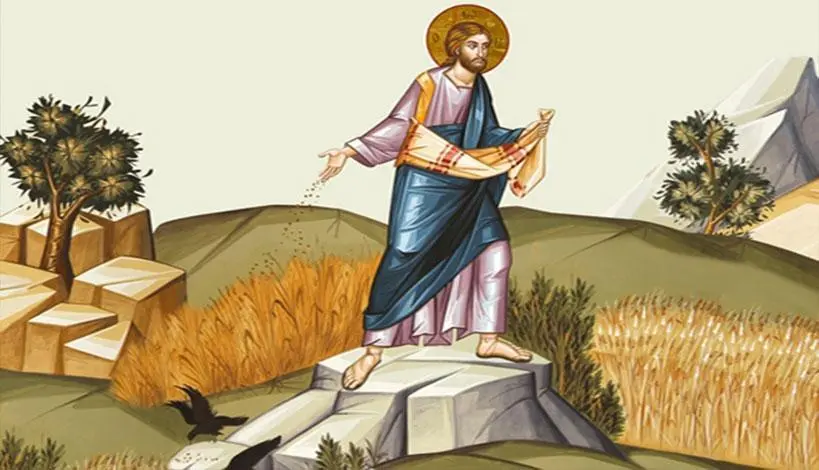
[Parable of the Sower]]
The Lord said this parable: “A sower went out to sow his seed; and as he sowed, some fell along the path, and was trodden under foot, and the birds of the air devoured it. And some fell on the rock; and as it grew up, it withered away, because it had no moisture. And some fell among thorns; and the thorns grew with it and choked it. And some fell into good soil and grew, and yielded a hundredfold.” And when his disciples asked him what this parable meant, he said, “To you it has been given to know the secrets of the kingdom of God; but for others they are in parables, so that seeing they may not see, and hearing they may not understand. Now the parable is this: The seed is the word of God. The ones along the path are those who have heard; then the devil comes and takes away the word from their hearts, that they may not believe and be saved. And the ones on the rock are those who, when they hear the word, receive it with joy; but these have no root, they believe for a while and in time of temptation fall away. And as for what fell among the thorns, they are those who hear, but as they go on their way they are choked by the cares and riches and pleasures of life, and their fruit does not mature. And as for that in the good soil, they are those who, hearing the word, hold it fast in an honest and good heart, and bring forth fruit with patience.” As he said these things, he cried out “He who has ears to hear, let him hear.”
THE SERMON
Parables are stories using everyday life to teach spiritual truths about God, about His Kingdom, and about our lives. The word “parable” refers to a short narrative that has spiritual value, even if not necessarily literally true. There may be several connections between a specific parable and the reality it portrays. Parables are the teaching method Jesus chose most often to explain eternal life, and to show the love of God and the expectations He has for us.
In this passage, the Lord tells a parable of a sower sowing a field. The parable teaches us about our choices and the dispositions of our hearts. We may sometimes find ourselves not keeping the Word of God, and not bearing fruit, that is, not improving our spiritual growth. Nevertheless, God calls us to recognize the hardness of our hearts, and to turn to Him so that we may open ourselves to Christ in the Holy Spirit and bear fruit.
Behind every parable, there is a deeper meaning of our faith. The Sower, who is God, goes about in a field that has been plowed, walking in between the crevices with a bag of seeds, throwing them on both sides. He sows the Word of God, who is Christ, so that He may take root in our hearts and bear many blessings in our lives and the lives of others.
In the first case, the seed falls by the wayside, so the devil plucks it because it does not take root and, therefore, is not “profitable.” It never bears fruit.
In the second case, the seed falls on the rocky part of the field and does not grow any lasting roots. The temporary growth disappears when harmful things, like temptation or a trial of suffering, come to us. We might wrongly think God has abandoned us, so we turn our backs on Him and fall away. Again, the seed bears no fruit.
In the third case, the seed falls in the part of the field with thorns, and these thorns represent the riches, cares, and pleasures of life. In other words, the Word of God does not take root because the lust of the flesh, the lust of the eyes, and the pride of life choke it.
In the last case, the seed falls on noble and good hearts which hear it and keep it and, therefore, become profitable, as they bear much fruit and yield a crop. These are the hearts that are open to God, hear His Word, and keep it. The Word of God, which is the presence of Christ, transforms the hearts that long for God to dwell in them.
Different situations may occur to us at different times, but they are not necessarily permanent. As such, the parable is both a warning for us to guard our hearts in God, and an invitation to turn around when we have not kept the Word of God in our hearts.
Saint Cyril of Alexandria says that some of us might enter the church and feel joyful that it is full of people. We hear the Gospel and praise God, and we hear the sermon and praise the preacher, but when we go out, we forget what we heard and go about our usual business without storing the words of God in our hearts. So that the Divine Seed, the Word of God, may blossom in us well, he says, let us first cast out of our minds worldly cares and unprofitable anxiety which makes us seek the things of this world.
God the Sower sows and teaches, and His Word falls upon His listeners everywhere. We might choose to become like hard soil, that is, we might choose to harden our hearts to Christ and His Word. We might also choose to forget the Word of God when we hear it, so we become like a rock, where roots cannot get water. We might even prefer to follow the things of this world, so that they become thorns and choke the Word of God in us.
On the other hand, like a good soil, we may choose to open our hearts sincerely to Christ, so that He, the Word of God, will take root, change us, and cause us to be fruitful. Jesus says that those who become fertile soil do three things: keep the Word, bear fruit, and do so with patient endurance. Holding the Word with an honest and good heart, we bring forth fruit with patience. This is a powerful message for all of us today.
We rush daily to achieve our goals, even materialistic ones, in this life. Most of the time, we realize that we need patience to accomplish our goals. More importantly, as we grow in Him through His Word, we begin to understand and be inspired to rush with great zeal to grow spiritually. As we open ourselves to His Word, our hearts are set aflame to seek spiritual goals in our lives. Through patience, humility, prayer, participation in the sacraments of the Church, and continued study of the Scriptures and other Orthodox literature, we achieve our goals.
He who has ears to hear, let him hear, the Lord says. Jesus often uses this phrase to teach us to keep our spiritual senses awake so faith can take root in our souls. We have human senses such as sight, hearing, smell, taste, and touch. We also have spiritual senses that we obtain in baptism and the Holy Spirit. We hear God’s Word, and we open the eyes of our hearts (also known as the nous) by participating in the work of the Holy Spirit. We taste and see that the Lord is good, as we receive His Body and Blood in Holy Communion. We smell the prayers through the incense, and we touch the physical creations that God has sanctified, such as icons, water, and oil. As we develop our spiritual senses, we naturally begin to spread the Gospel and invite everyone on earth to experience the love of our God and Creator.
The positive impact of the parables depends on the hearers’ willingness to hear. Jesus often calls upon His hearers to listen carefully. We, as human beings, are created by God through the Word, Who is Christ, in the Holy Spirit. As such, we have the potential to respond to God’s Word if we do not choose to close our ears to Him. Jesus not only speaks the words of life, but He is the Word, and He is the Light Who is life-giving power. God calls us to receive that Light and that life by opening our ears and opening our hearts.
As the seed grows in the field and bears fruit when it finds good soil, water, and sun, so also does the Word of God grow in our hearts to transform us into new people. When He finds the soil of faith, the water of good works, and the sun of grace, we become the vineyard of the Lord, and we bear everlasting fruit.
The Son of God is the Vine, and we are the branches. The Father is the Sower, He is the Vinedresser, that is, the one who cultivates vines. Jesus is the Seed and the Sun, and the Holy Spirit is the water. We receive His Life, His Word, His sacraments, and eternity, as He is the Tree of Life Who nourishes us, the branches. We bear fruit for our own salvation, as well as the salvation of others.
The Lord asks us to open our hearts to Him, to become hearers of the Word. We have the free will to make our hearts and souls fertile ground for the grace of God.
When we read the Scriptures daily, we become fertile ground for the Word of God. When we prepare our hearts to hear and participate in the words of the Divine Liturgy, which contains the Word of God, Jesus Christ, we become soil that bears much fruit. When we partake of His Body and Blood, we eat of the Tree of Life and inherit Paradise. By opening our ears and hearts to Christ the Logos, we are transformed, and with patience, we bear much fruit for our salvation and the whole world’s salvation.
| |
|
St. Nicholas Greek Orthodox Church & National Shrine
130 Liberty Street, New York, NY 10007
Tel.: (646) 519-6773
www.stnicholaswtc.org
info@stnicholaswtc.org
MAILING ADDRESS
ATTN.:
FR.ANDREAS VITHOULKAS
4 WORLD TRADE CENTER
FLOOR 49
150 GREENWICH ST.,
NEW YORK,10007, NY
| | | | |