In the latest issue of Discoveries: | | |
🔬 Discover how Sanford Burnham Prebys Medical Discovery Institute scientists developed a new approach for unlocking the untapped drug discovery potential within the largest family of cell membrane receptors called G protein-coupled receptors.
🧫 Explore research regarding the gene connecting Down syndrome and congenital heart defects, including the development of a potential roadmap for finding genes driving other kinds of defects, such as intellectual disability or in bone formation, seen in children with Down syndrome.
🧠 Meet Paul Boutros, PhD, MBA, the first computational biologist to oversee a National Cancer Institute (NCI)-designated Cancer Center.
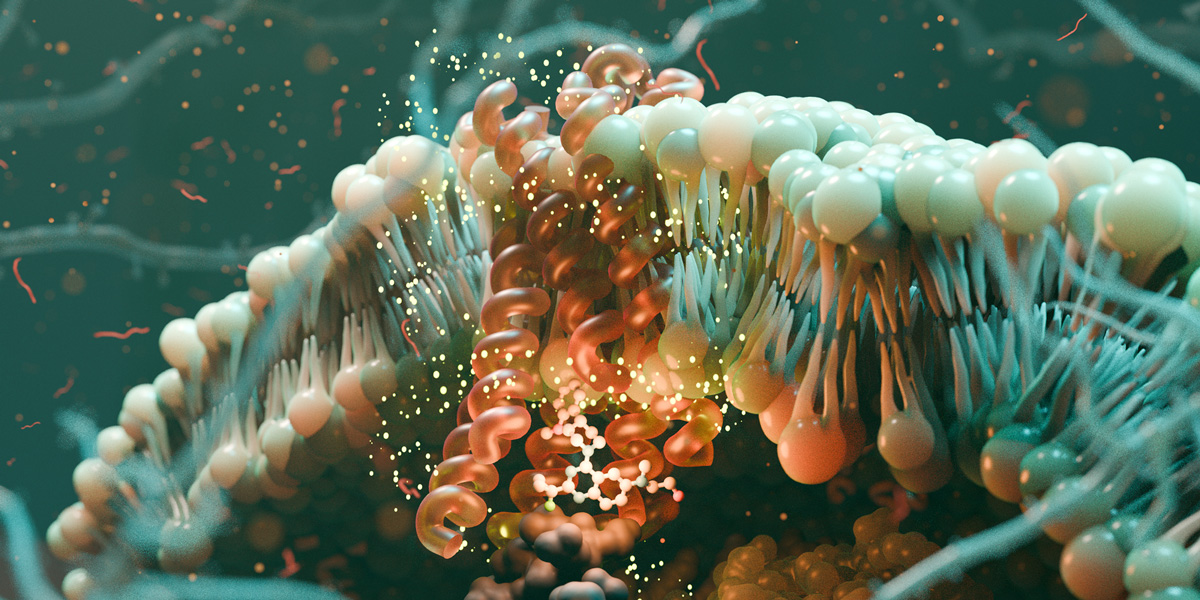
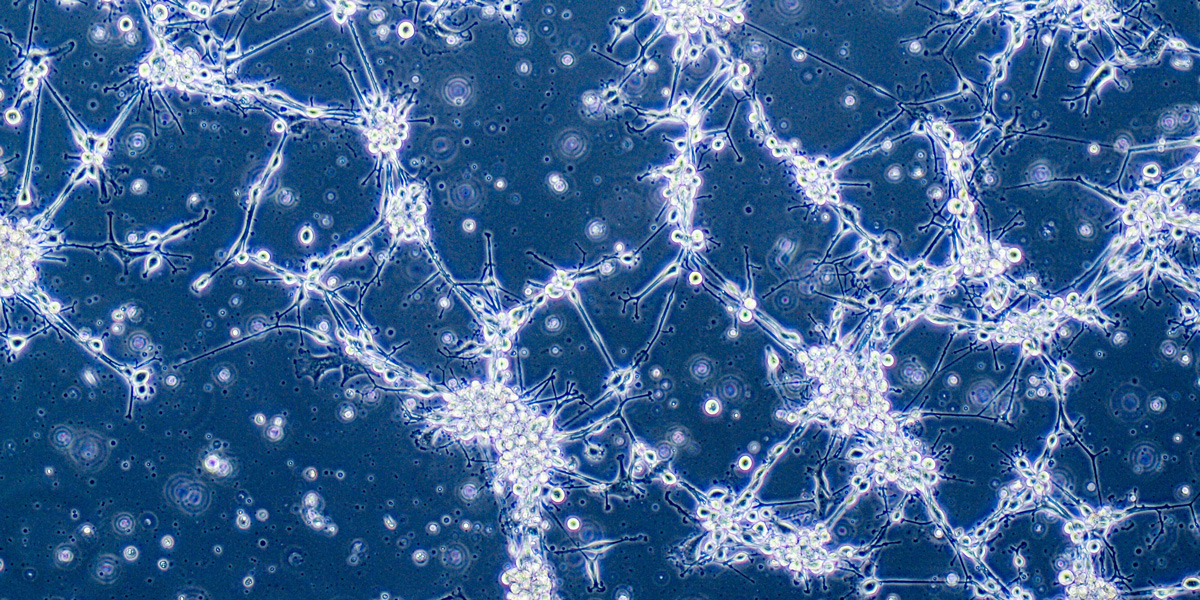
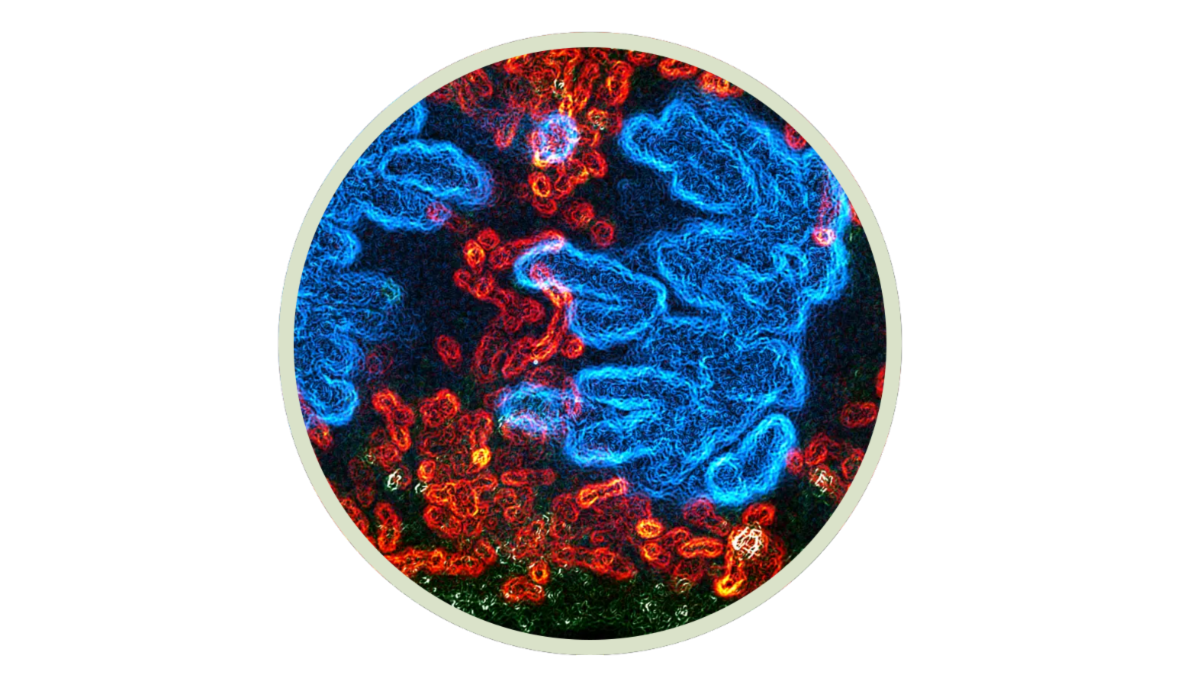
| | Image credit: Behnoush Hajian, PhD, Sanford Burnham Prebys | | Bias can lead to better therapies | | |
Scientists at Sanford Burnham Prebys, the University of Minnesota and Duke University published findings in Nature demonstrating how a small molecule can bind a G protein-coupled receptor on the inside of the cell and bias or more specifically direct the receptor’s signaling.
Steven Olson, PhD, the executive director of Medicinal Chemistry at the Center for Therapeutics Discovery, explains in the news release that by learning to control how compounds bias signaling, drug designers can leverage those that favor therapeutic pathways while preventing changes in other pathways that result in unwanted side effects.
A companion Nature Research Briefing highlights how these “molecular glues” and “bumpers” on receptors can bias signaling inside the cell, offering a new framework for designing safer, more selective drugs.
| | Hunting for the chromosomal genes that break the heart | | |
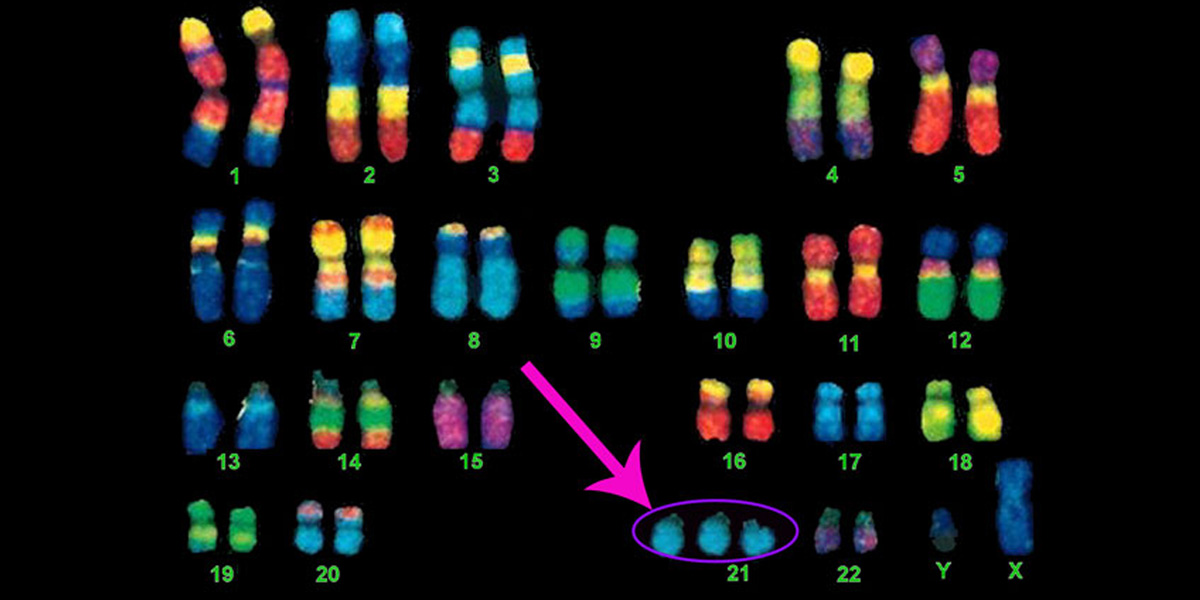
Three copies of chromosome 21 cause Down syndrome, and roughly half of affected children also have congenital heart defects.
In a new paper published in Nature, a team of scientists, including first and co-corresponding author Sanjeev Ranade, PhD, assistant professor in the Center for Cardiovascular and Muscular Diseases and Center for Data Science and Artificial Intelligence at Sanford Burnham Prebys, identify a nuclear binding protein as a key contributor to congenital heart defects related to Down syndrome.
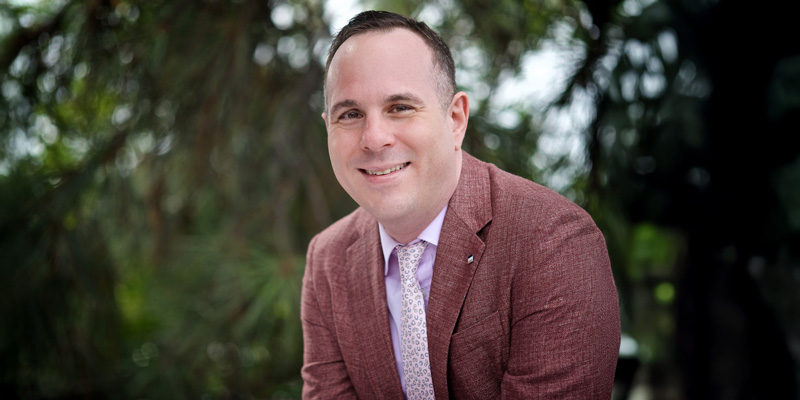
| | Paul Boutros named Cancer Center director at Sanford Burnham Prebys | Earlier this month, Paul Boutros, PhD, MBA, joined the Institute as the new director of the National Cancer Institute (NCI)-designated Cancer Center. | | Paul Boutros, PhD, MBA
Image credit: Sanford Burnham Prebys | | |
Boutros’ lab and collaborators focus on how the diverse elements of clinical, molecular and imaging data can be linked and leveraged to personalize therapies for cancer patients.
As the first computational biologist to oversee an NCI-designated Cancer Center, he will guide the center’s mission to advance discoveries from the lab to the clinic and improve outcomes for people affected by cancer worldwide.
| | Sanford Burnham Prebys expert surveys science on how to treat the most common brain cancer | Glioblastoma is one of the most aggressive and treatment-resistant forms of brain cancer. | | | Physician-scientist Theophilos Tzaridis, MD, recently highlighted research focused on the disease in the scientific journal Frontiers in Oncology.
Tzaridis, a postdoctoral fellow at Sanford Burnham Prebys Medical Discovery Institute in the lab of Peter Adams, PhD, showcased efforts to improve existing treatments and find new potential therapies. | | IRA Gifts to Support Research | | |
If you’re 70½ or older, you can make a tax-wise gift to Sanford Burnham Prebys directly from your IRA. This simple giving option allows you to support faculty, students, and groundbreaking biomedical research—while reducing your taxable income. Please contact us at giving@sbpdiscovery.org or (858) 795-5035.
How it works:
- Give up to $108,000 annually through a qualified charitable distribution.
-
Contact your IRA administrator to initiate a tax-free transfer or send a check payable to Sanford Burnham Prebys.
- Ensure your name, address, and gift designation are included.
-
You may also name Sanford Burnham Prebys as a beneficiary of your IRA.
Benefits:
- Gifts are not subject to income tax.
- Count toward required minimum distributions (age 73+).
-
Can fulfill multiyear pledges or establish endowed funds.
Please contact Sandy Liarakos, CFRE, CSPG, Vice President of Philanthropy at sliarakos@sbpdiscovery.org or (858) 795-5035.
| | A Conversation About: Aging and Metabolic Disorders | |
We welcomed members of the San Diego community to the latest event in the “A Conversation About” community engagement program on October 14.
Attendees participated in an engaging afternoon exploring the connections between aging and metabolic disorders. The panel discussion featured experts from Sanford Burnham Prebys, the University of California San Diego School of Medicine and UC San Diego Health.
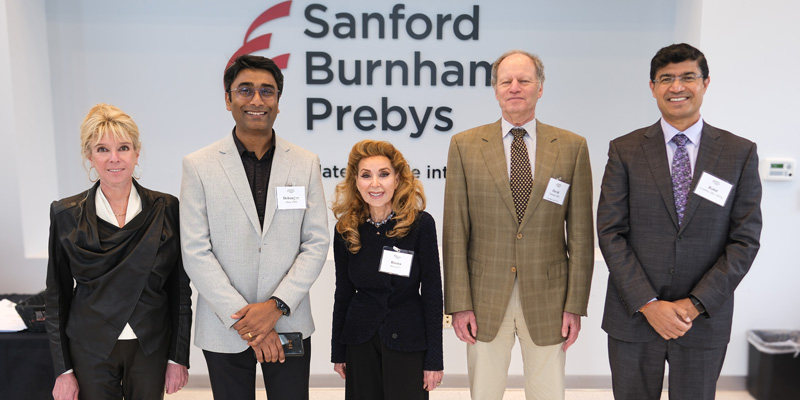
| | From left: Tatiana Kisseleva, MD, PhD, Debanjan Dhar, PhD, Reena Horowitz, David Brenner, MD, and Rohit Loomba, MD, MHSc.
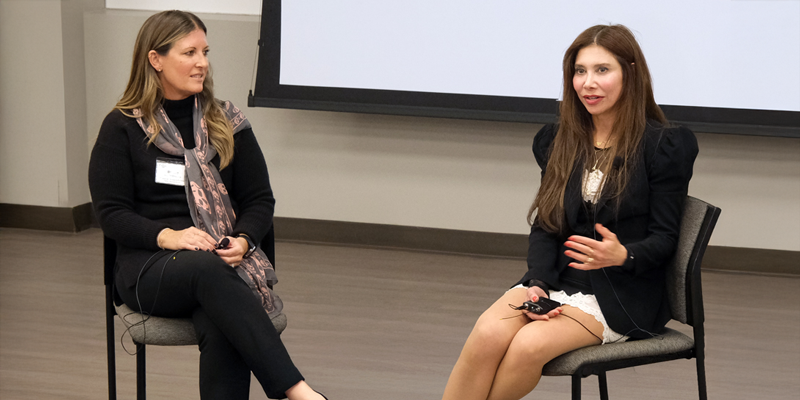
Image credit: Sanford Burnham Prebys | | Sanford Burnham Prebys hosts inaugural event in the Women in Science Lecture Series | Susan Tousi, MBA, CEO, at DELFI Diagnostics, opened the event by discussing the lessons she learned throughout her career journey. | | Brooke Emerling, PhD, and Susan Tousi, MBA. Image credit: Sanford Burnham Prebys | | |
At DELFI Diagnostics, she is leading a team focused on improving the detection of lung cancer.
The event also featured a fireside chat and audience question-and-answer session with Tousi and Brooke Emerling, PhD, director and associate professor in the Cancer Metabolism and Microenvironment Program at Sanford Burnham Prebys.
| |
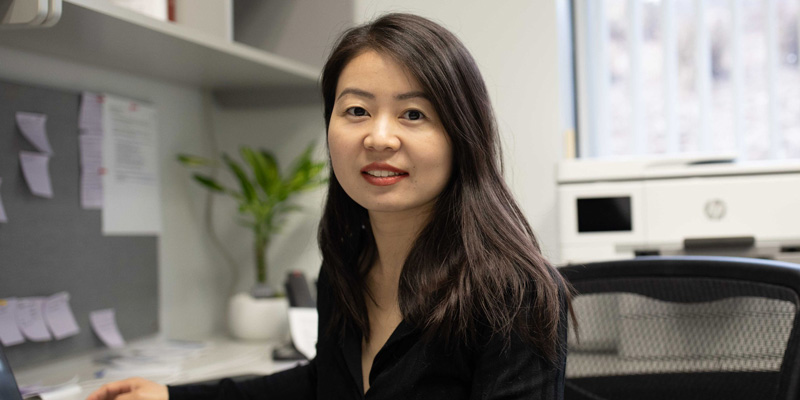
Xueqin (Sherine) Sun awarded $600,000 V Foundation grant to study one of the most common and deadly brain cancers
Sherine Sun, PhD, will use the award to follow up on her lab’s research regarding a hidden weakness in glioblastoma tumors that could lead to a new treatment. The team’s goal is to advance an approach that may lead to new therapeutic strategies for patients.
| | Sherine Sun, PhD
Image credit: Sanford Burnham Prebys | | How research skills built a safety career | |
Scientific achievement is typically measured in terms of the work of its principal investigators, their labs and colleagues. But good science requires safe science.
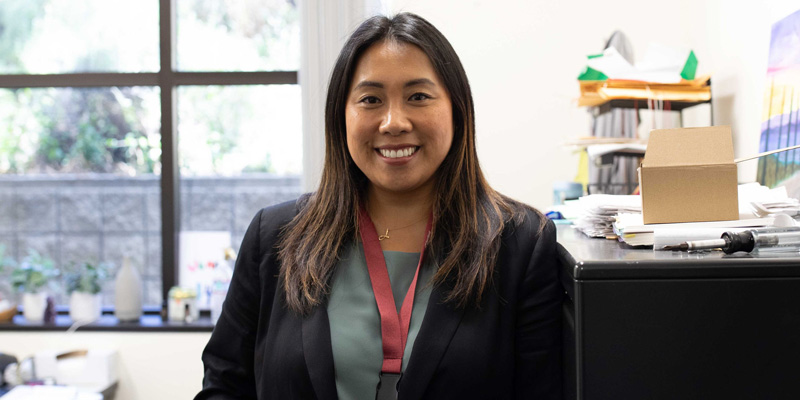
In an essay published in Lab Manager Jennifer Ramil, MBA, director of environmental health and safety at Sanford Burnham Prebys, recounts her own journey from bench to biosafety.
| | Jennifer Ramil, MBA
Image credit: Sanford Burnham Prebys | | |
A micrograph depicting a dividing embryonic human kidney cell. Green marks the cellular boundary, red marks the mitochondria and blue shows the separating chromosomes.
Image credit: Sayantan Datta
| | | | |