|
Honoring the American Worker:
The History of Labor Day
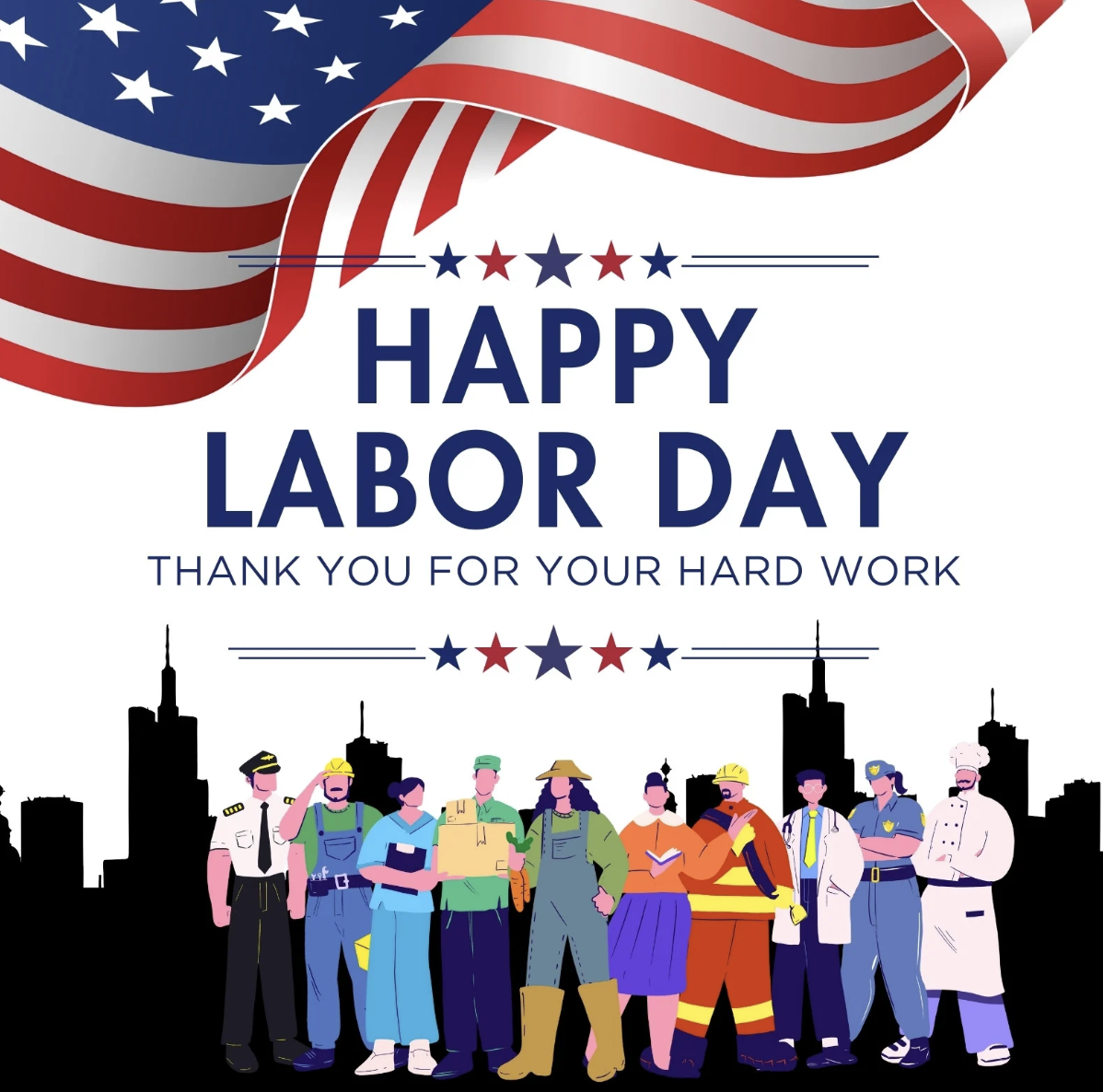
Labor Day, observed on the first Monday in September, honors the dedication and achievements of American workers. First celebrated in 1882 and made a national holiday in 1894, it grew out of the labor movement’s fight for fair wages, safe conditions, and dignity in the workplace. Today, while it marks the close of summer, Labor Day remains a reminder of the enduring contributions of America’s workforce and the progress made in securing rights that benefit us all.
Each year on the first Monday of September, our nation pauses to observe Labor Day—a holiday dedicated to the contributions and achievements of American workers. It is a day that not only marks the transition from summer to fall but also serves as a reminder of the vital role that hardworking men and women have played in building and sustaining our country.
The roots of Labor Day stretch back to the late 19th century, a time of rapid industrial growth in the United States. Workers often faced long hours, unsafe conditions, and little protection. In response, labor unions organized to advocate for fairness, dignity, and safe working environments. On September 5, 1882, the first Labor Day parade took place in New York City, as thousands of workers gathered to demonstrate solidarity and demand recognition.
Momentum grew quickly. By 1887, several states had formally adopted Labor Day as a holiday, and in 1894, following the turmoil of the Pullman Strike, President Grover Cleveland signed legislation establishing Labor Day as a national holiday.
Today, while many Americans enjoy parades, family gatherings, and a well-earned day of rest, the true meaning of Labor Day remains clear: it is a time to honor the enduring spirit of the American worker and to reflect on the progress made in ensuring safe and fair labor practices.
As we celebrate this holiday, let us remember the generations of workers whose dedication and perseverance have shaped the opportunities we enjoy today.
|