|
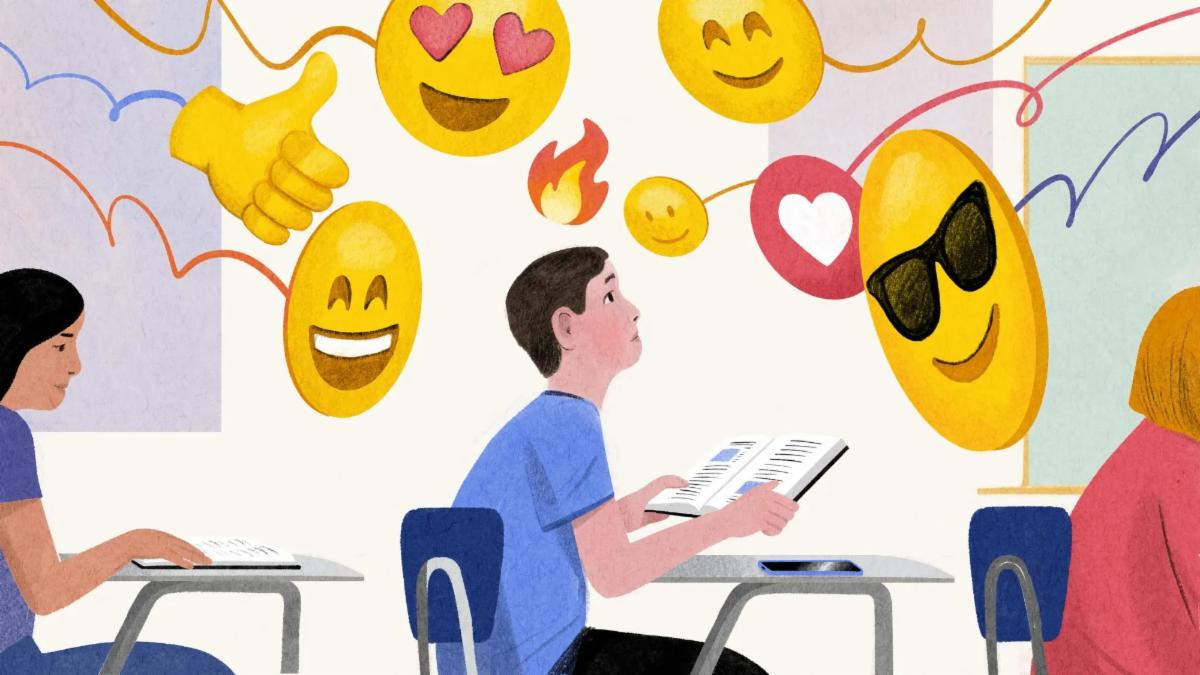
Learning rigorous material in college coursework demands sustained attention. With the spread of cellphones and social media designed to capture, recapture, and monetize our attention, dividing it into ever smaller bites, concern has grown that the human attention span has dwindled irreparably. A recent Edutopia article on the topic debunks this belief. The authors point to studies over time that show the human capacity for sustained attention has held fairly steady at an average of 15-20 minutes. As they note: "There’s no clear evidence that our attentional capacity has changed. But something does appear to be shifting in the way people allocate attentional resources" (emphasis mine).
The conclusion of one cited 2026 study caught my eye: The exposure to short bites of media and the constant emphasis on speed, for example with progress bars, has made human beings more aware of how quickly (or slowly) things happen, and more anxious to finish one thing to get on to the next. As the authors sum up: "It’s not that attention spans are getting shorter, it’s that we’re more sensitive to delays." Another cited 2026 study adds that tasks and experiences that deliver quick rewards or results with less effort are perceived as more valuable. By contrast, learning — with its heavy time and effort demand — can come out poorly in a cost-benefit analysis.
Coaches, it is not easy to encourage students to turn attention resources toward high-effort, high-time-cost goals that offer high value down the road. But we have tools. Here are some of my ideas about how to apply the five directives the article offers:
-
Teach students how attention works. Ask them how they perceive their own attention span (many feel social media has shredded it). Share this and other research-based information. Invite them to reflect on a new perspective, and ask: What ideas does this bring up for you?
-
Work within, not against, cognitive limits. Encourage students to investigate how long they can work before they need a break, and what type of break will provide relief without taking the mind so far away that it is tough to drag it back.
-
Make effort feel worthwhile. As students, how can you connect [a specific effort] to your larger academic goal? Career goal? How does it build durable skills that can maximize your employability and promotability?
-
Reduce distractions. Invite learners to define their own distraction challenges and come up with specific ways to address them.
-
Reset expectations. Emphasize the value of starting where you are, and then aiming for realistic, incremental change.
Discover the value of a LifeBound training for your own professional development.
To learn more or explore which option is right for you, visit lifebound.com.
|