This week’s LIO edition is all about Biodiversity Day. The theme this year is “Acting Locally for Global Impact”. It highlights the belief that success in halting and reversing biodiversity loss depends on the world's ability to leverage the vital role of local action in support of government-led actions. It is a two-way street. Governments must create an environment that supports participation from all actors who are in turn expected to act on these opportunities to contribute.


It is widely recognized that climate change and biodiversity are interconnected. Biodiversity is affected by climate change, which alters the habitats of many species, requiring them to either adapt or migrate to areas with more favourable conditions. As climate changes, it affects where and how animals and plants live and determines whether these species can continue to thrive.


The activities below introduce students to exploring our surroundings and uncovering biodiversity in their everyday environment. The International Day for Biological Diversity provides an excellent opportunity for students and teachers to explore biodiversity issues and contribute to the goals of this campaign by taking action in their own communitites.


Grades K-3

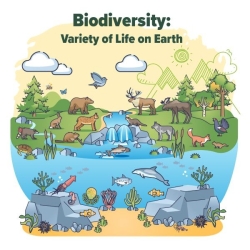
Biodiversity: all kinds of living things

This resource introduces young learners to the concept that biodiversity includes all living things, from the smallest insects to the largest plants and trees. Students discover how nature works together, why it is important to protect the environment, and how their everyday choices can make a difference. Through simple, age-appropriate ideas, they are encouraged to care for nature both at home and at school


Activities

  • Biodiversity: all kinds of living things helps students discover how nature works together, why it is important to protect the environment, and how their everyday choices can make a difference
  • Complete the Get to Know Nature activity. Students become nature reporters in this outdoor experience that involves detailed investigations of the plants and animals in the local community.
  • Get outside and play biodiversity bingo, watch the video, then complete your bingo card
  • Become a Budburst Buddy! Read the story of Lily and Sage as they learn what stories plants can tell from making observations. Then use the observation sheets to go outside and make your own observations and become a budburst buddy

Grades 3-6

Biodiversity and Climate Action

This lesson engages students in understanding biodiversity and climate action by exploring how living things are interconnected within ecosystems and why this diversity is essential for environmental health. Through inquiry-based and experiential learning, students investigate how climate change and other environmental changes disrupt habitats, impact species survival, and reduce ecosystem stability. Activities such as the Habitat Game and the Canadian Ecosystems Food Web task allow students to actively explore what organisms need to survive and how species depend on one another.


Activities

  • Play the Habitat Game: Survival Shuffle to learn what species need to survive and how they respond to environmental challenges
  • Biodiversity: all living things are important helps students deepen their understanding of biodiversity by exploring how nature provides essential services, examining the threats facing biodiversity, and discovering how their everyday choices and actions can help protect it
  • Get outside and see how many different species you can locate in your backyard with My Backyard Biodiversity. Compare your backyard creatures with other students
  • Have students create a Biodiversity Mosiac, artwork that reflects their interpretation of biodiversity. Students can work together to create a large collaborative representation of healthy biodiversity on Earth

Grades 7-9

Biodiversity and the balance of nature

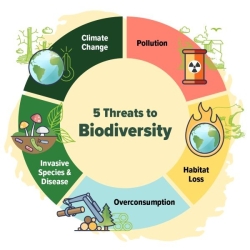
This resource helps students understand biodiversity at the genetic, species, and ecosystem levels. It explains how these levels are interconnected and support life on Earth. Students deepen their understanding of how ecosystems function together. The lesson introduces ecosystem services and the benefits nature provides to humans. It also examines the major threats facing biodiversity today. Students explore actions they can take to help protect the natural world.


Activities

  • Watch How Does Climate Change Affect Biodiversity; after viewing, have students discuss if the biggest climate change threat to biodiversity is the amount of CO2 humans are adding to the atmosphere, the faster rate, or both? Have students describe some of the impacts that global change in temperature is expected to have on biodiversity
  • Participate in The Protect Nature Challenge which encourages Canadians to take everyday actions that help protect biodiversity and nature.
  • Natural Inquirer has students use interview techniques to research and write about an animal or plant affected by climate change
  • Have students participate in a Biodiversity Audit of their local grounds, following similar steps as scientists in the field. Based on their findings, they will evaluate the property based on how well it can support species and devise a plan for how they can increase its biodiversity score

Grades 9-12

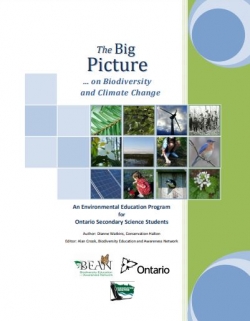
The Big Picture on Biodiversity and Climate Change

Biodiversity is currently under threat from climate change conditions on planet Earth. This highly experiential learning resource explores the relationship between biodiversity, climate change and human health. In addition to drawing attention to the importance of species diversity, the resource provides both ideas and support for students to take action in their community. 


Activities

  • Watch Biodiversity 101 to learn about the importance of biodiversity and how ecosystems and species are interconnected
  • Climate Change and Your Ecological Area has students investigate interrelationships among plants and animals in an ecosystem and explore how climate change might affect those interrelationships and the natural community 
  • Complete the Big Picture activity on page 4, an enviro-thon style collaborative exercise. Students race to complete a set of challenges in the pursuit of a common goal. The final goal is the completion of a collage of images linking climate change and biodiversity concepts
  • Participate in The Protect Nature Challenge which encourages Canadians to take everyday actions that help protect biodiversity and nature.

About Learning Inside Out


Above you will find a selection of activities, broken down by various grade levels. These guides will be released biweekly and archived on our Learning Inside Out page, so you can always access the full catalogue.


Some of the activities have been modified from resources on our R4R database, simplified and adapted for both outdoor learning in the school yard or at-home as needed. The activity descriptions above should contain all the information and links that you need!


We want this guide to work for you, so your feedback is invaluable to us.

Use the feedback button at the bottom of this Guide, or email us at info@LSF-LST.ca.


Follow us on social media for continued weekly highlights & other exciting opportunities through the school year!

Facebook  Twitter  Instagram  Linkedin  

Please share widely with any parents and teachers in your life!

Learning for a Sustainable Future (LSF) is a Canadian charity with over 25 years of experience working within the education system. Our Resources for Rethinking (R4R) database is an award-winning collection of resources that are peer-reviewed by certified teachers and connected to curriculum in all provinces and territories. R4R is recommended on many Ministry of Education websites.