|
Day 10, Sunday, November 19
ALICANTE
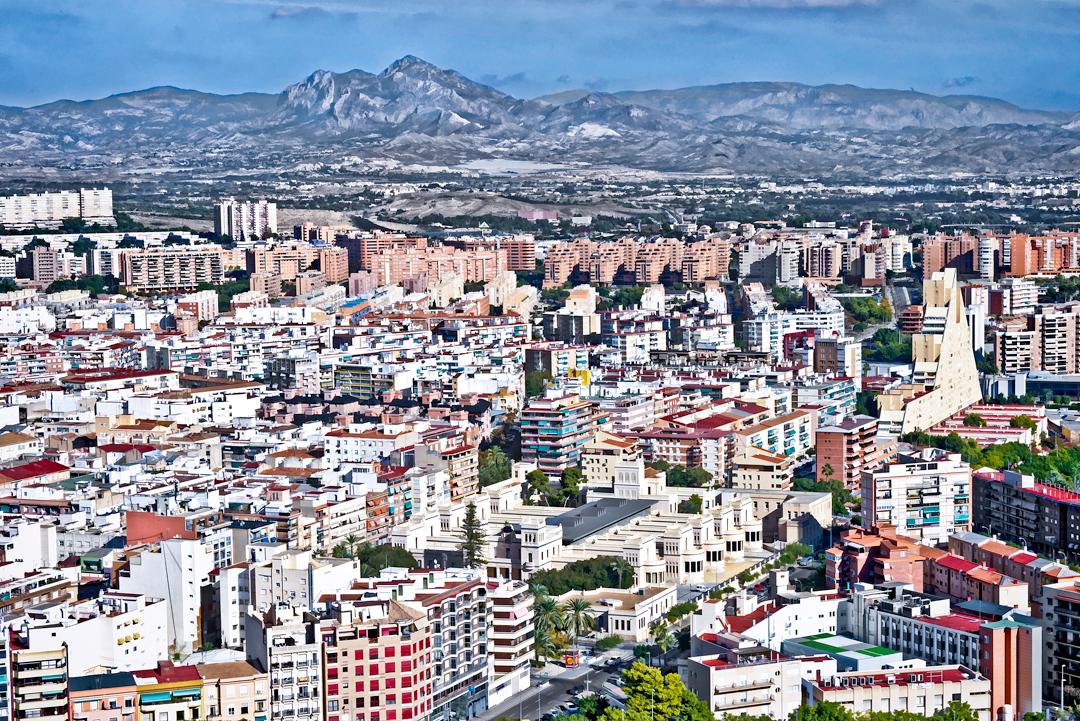
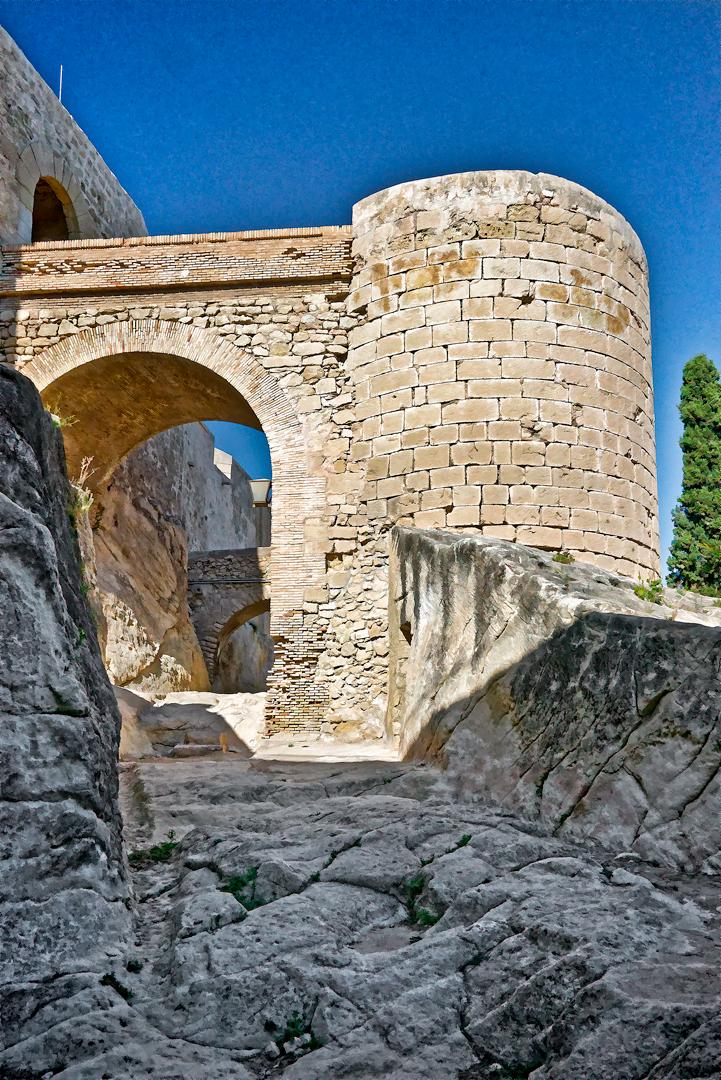
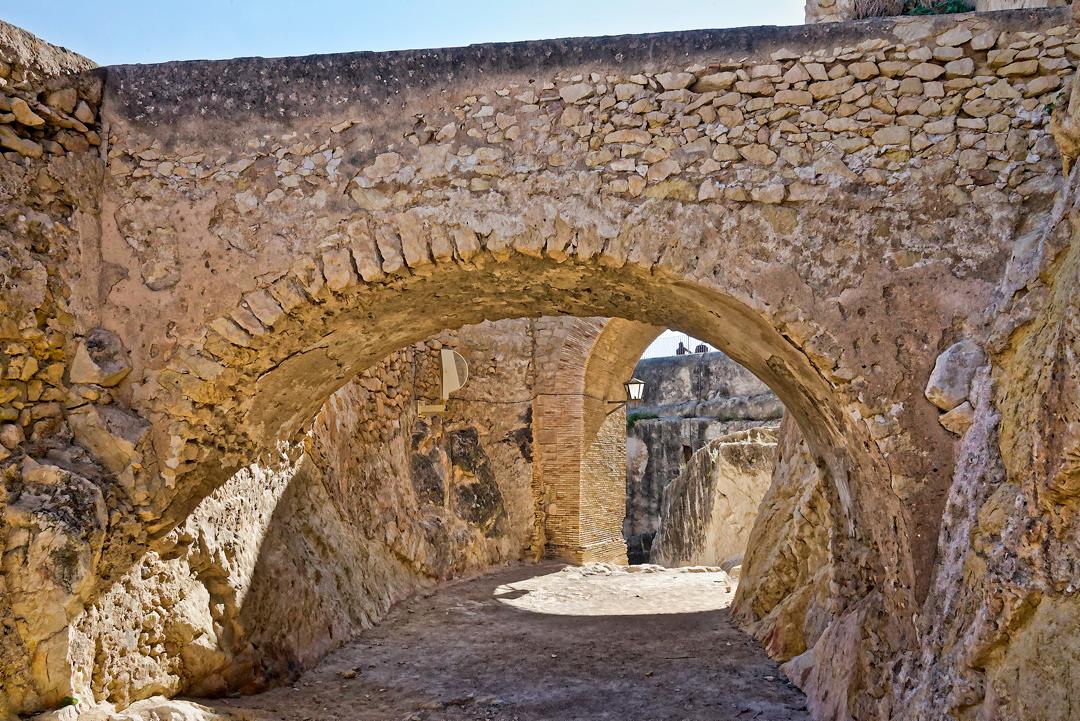
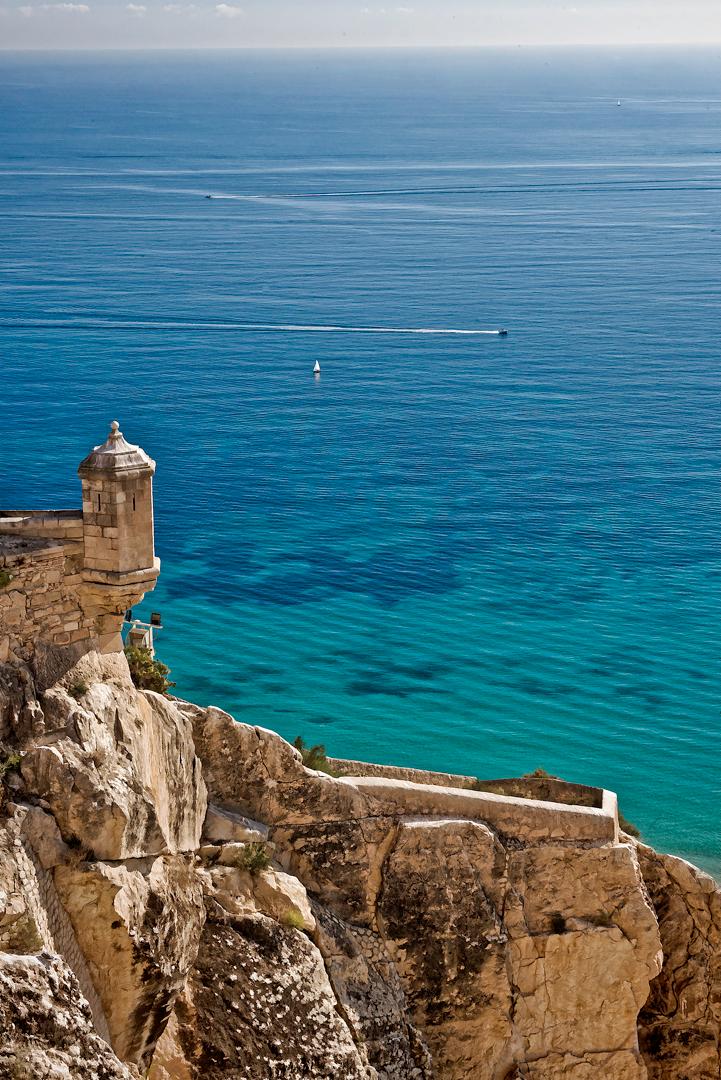
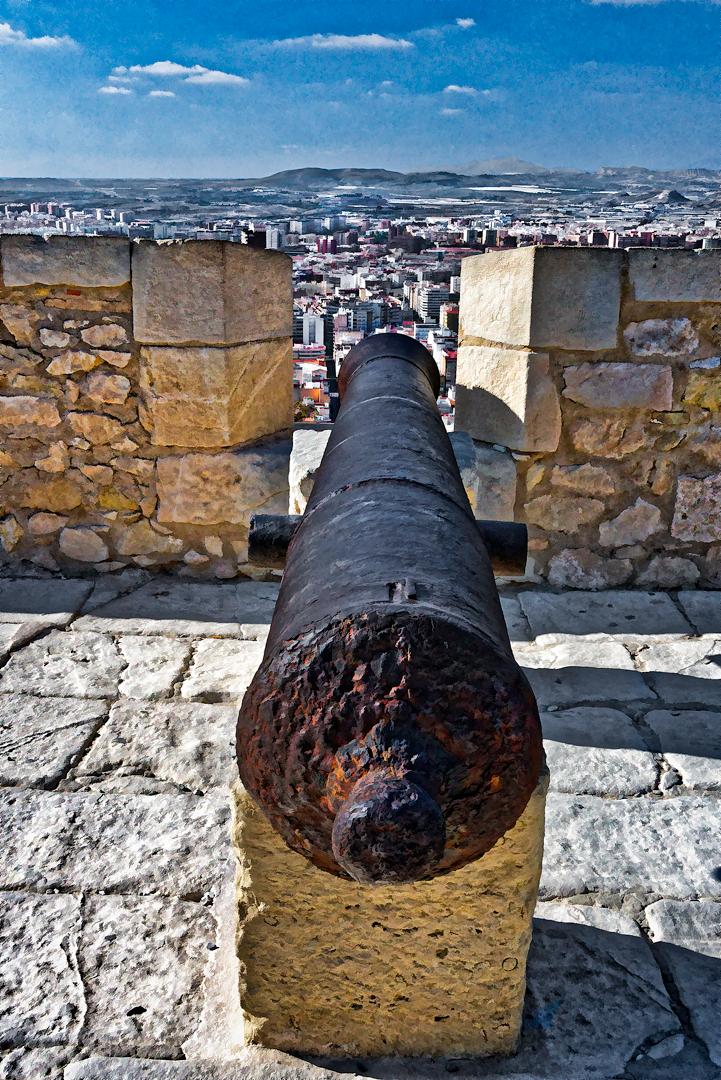
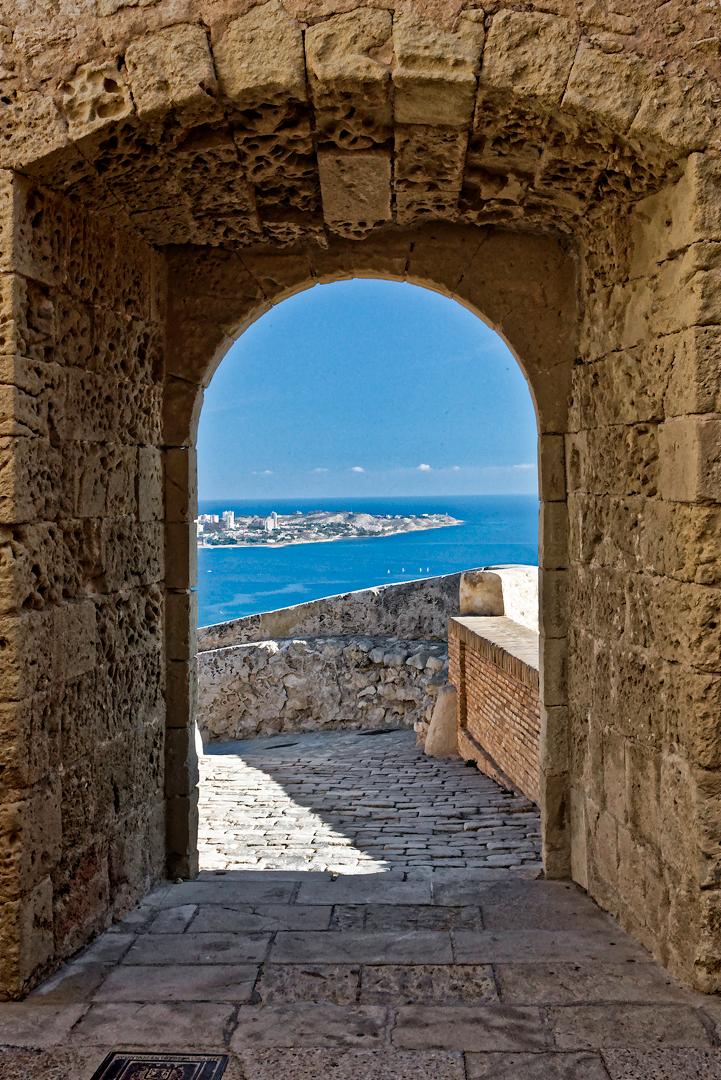
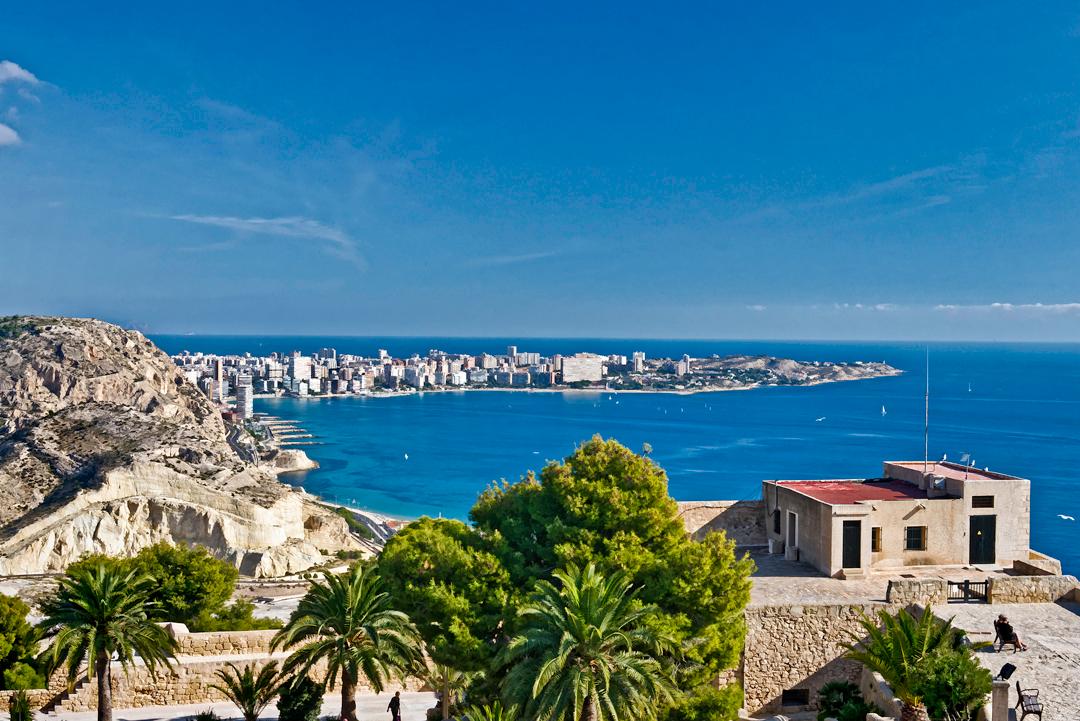
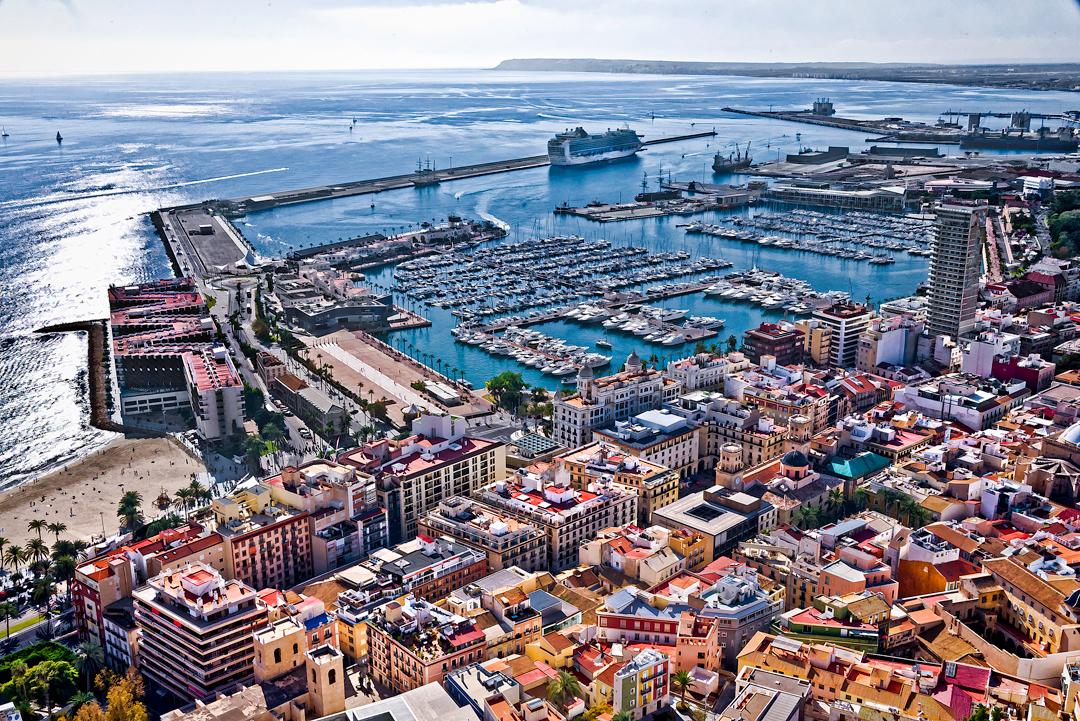
Today we toured Alicante, a major city about halfway down the Mediterranean coast. We are approximately 600 kilometers (375 miles) southwest of Barcelona. Like Valencia and almost every Spanish city, the city center is guarded by a neat medieval stone castle/fort combo.
But first, we enjoyed a shower in another pristine modern polished tile bathroom. We have noticed that if we get up early, say 8 am; we have the bathrooms (actually the whole RV park) all to ourselves. The Spanish are not early risers.
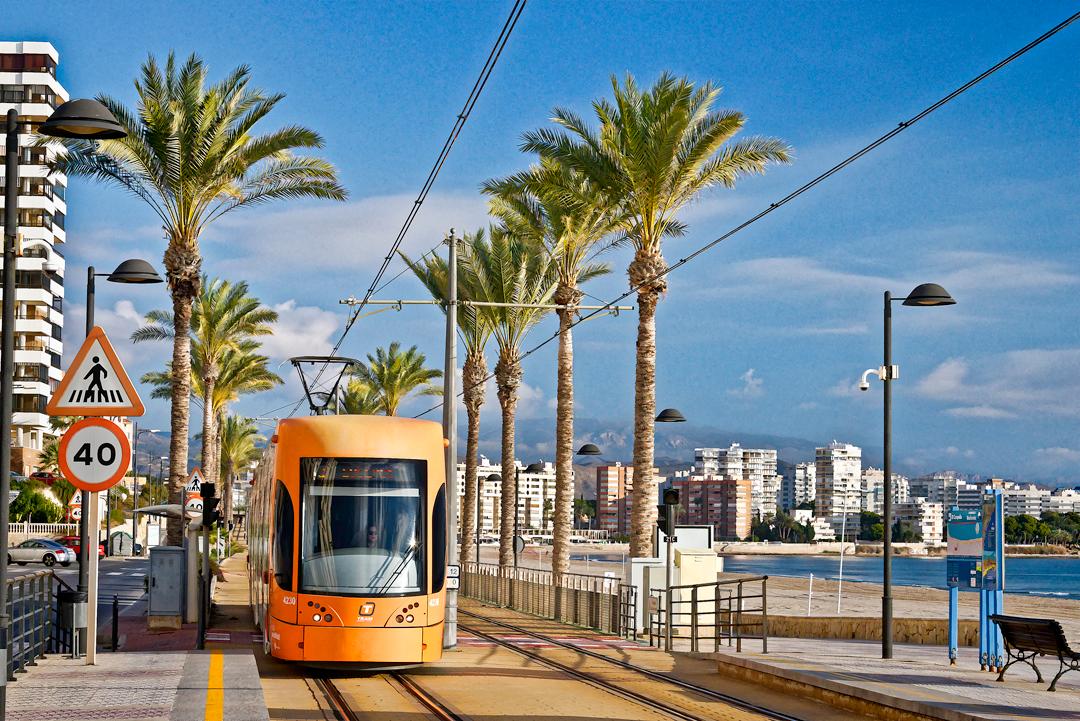
We had a choice between riding a bus into Alicante, right in front of the park, or riding the tram three blocks away. We chose the tram because it followed the beach, and the bus went inland along a long stretch of blasé Miami-style high-rise apartments. Besides, trains always top buses.
The tram, a narrow gauge light rail system, is smooth, sleek, quiet, and modern. The Spanish know how to build trains. Too bad Governor Walker turned down the rail system offered by the Obama administration back at the beginning of Walker’s administration. Part of the deal negotiated by Walker’s Democratic predecessor included a Spanish company building the train cars in Milwaukee. It would have been a first-class train.
There was a slight learning curve in figuring out the schedules, how to pay, and the stops – everything was in Spanish, but there were just enough words spelled close to English or close to an English substitute word that we could decipher some things. A great example is “window” – ventana. OK, it’s not close to ‘window’, but a window is a kind of a vent to the outside, which seems to be the root of ventana, and when used in a phrase, we could sort of figure it out. Well, sort of….. So, all four of us would look at a sign or a set of instructions and pick out words and context like an American game show. Heinrich knows a little French as well as German and English, all so-called Romantic languages, so he figures out the most. As previously mentioned, most signs are written in various languages, but English isn’t always included.
In most major European cities, commuter trains go underground when they enter the city center. There again, European subway stations are clean and modern. The tram dropped us off under the Central Market. A long escalator brought us to a bustling downtown intersection in front of the massive Center Market building, much like the one in Valencia. Unfortunately, it was closed on Sunday.
|