Announcement-Header.png

2026 Fred Sanfilippo-ASIP Visiting Lectureship


In 2019, Dr. Fred P. Sanfilippo, Professor of Pathology and Laboratory Medicine, Professor of Health Policy and Management, and Director of the Emory-Georgia Tech Healthcare Innovation Program at the Emory University School of Medicine (Atlanta, GA), provided a financial gift to the ASIP to establish and endow the Fred Sanfilippo-ASIP Visiting Lectureship Program. This program provides funding for ASIP members who are in the early stages of their academic careers to travel and visit other departments/institutions to give one or more research presentations as a distinguished visiting lecturer. The primary goal of this program is to provide exposure of promising young faculty to members of the larger pathobiology research community, increasing their national recognition and reputation.


Dr. Sanfilippo is a long-time member of the ASIP, beginning as a resident-trainee in 1977 and has served the Society in several roles including as ASIP President (2002–2003). Most recently, he received the 2025 ASIP Gold-Headed Cane Award at Pathobiology 2025 in Portland, OR—with the focus of his lecture on mentorship in career development. 


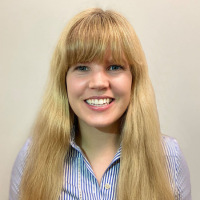
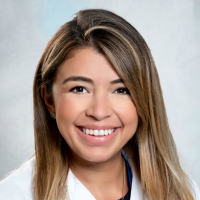
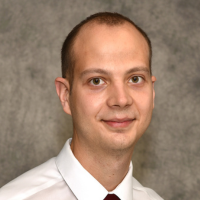
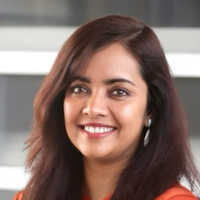
Five ASIP members have been selected to receive the 2026 Fred Sanfilippo-ASIP Visiting Lectureship: Drs. Amy C. Engevik, Stephania Libreros, Goran Micevic, Tapasree Roy Sarkar, and Daisy Y. Shu.

Amy C. Engevik, PhD

Dr. Amy Engevik is an Assistant Professor in the Department of Regenerative Medicine and Cell Biology at the Medical University of South Carolina (Charleston, SC). She earned her PhD in physiology and systems biology from the University of Cincinnati (Cincinnati, OH).


Dr. Engevik’s lab studies the molecular motor Myosin Vb, which is responsible for proper delivery of proteins to the apical membrane of epithelial cells.

Loss of functional Myosin Vb results in a congenital diarrhea disorder in humans. Mutations in Myosin Vb also give rise to liver cholestasis and is now linked to the development of colorectal cancer (CRC) and gastric cancer. 

Stephania Libreros, PhD

Dr. Stephania Libreros is an Assistant Professor in the Department of Pathology at Yale University (New Haven, CT), where she is a member of the Vascular Biology and Therapeutics Program and the Yale Cancer Center. She earned her PhD in integrative biology/immunology at Florida Atlantic University (Boca Raton, FL).

Dr. Libreros’ lab focuses on uncovering the biochemical, immunological, and molecular mechanisms that restore tissue-specific resolution of inflammation following pathological insults and seeks to understand why these processes sometimes fail, resulting in chronic inflammation or cancer. A central focus of her research is the elucidation of lipid and lipid mediator signaling pathways that regulate myeloid cell function and heterogeneity, and how these pathways govern the resolution phase of inflammation.

Goran Mićević, MD, PhD

Dr. Goran Micevic is an Assistant Professor of Dermatology and Pathology and member of the Cancer Immunology program the Yale School of Medicine (New Haven, CT). He earned both his MD and PhD at the Yale School of Medicine. His research in cancer immunology is focused on the intersection of T cell biology and epigenetic regulation in melanoma, including uncovering novel targets, developing prognostic tools and combining epigenetic and immune-based therapies to improve outcomes for patients with cancer.

Tapasree Roy Sarkar, PhD 

Dr. Tapasree Roy Sarkar is an Assistant Professor in the Department of Biology at Texas A&M University (College Station, TX). She earned her PhD in biological engineering from Purdue University (West Lafayette, IN). Dr. Sarkar’s research focuses on understanding how the tumor microenvironment (TME) drives tumor progression and therapeutic resistance in breast cancer.

Using integrated in vitro, in vivo, and organoid models, her work aims to define the cellular and molecular mechanisms by which the TME regulates cancer cell behavior and treatment response.

Daisy Y. Shu, PhD

Dr. Daisy Shu is a Scientia Senior Lecturer in the School of Optometry and Vision Science at the University of New South Wales (Sydney, New South Wales). She earned her PhD at the University of Sydney (Sydney, New South Wales) in the Lens Research Laboratory headed by Dr. Frank Lovicu.

The Shu lab explores the role of mitochondrial and metabolic dysfunction in retinal eye diseases including age-related macular degeneration and proliferative vitreoretinopathy. She is focused on the molecular mechanisms of epithelial- and endothelial-mesenchymal transition in lens and retinal disease.

These new recipients were announced during Pathobiology 2026: Mechanisms of Disease in Fort Myers, FL, last month. We look forward to hearing about their institutional visits and following how this experience impacts their careers long-term.

Facebook  X  LinkedIn  Instagram  YouTube  Bluesky