Welcome to the University of Oklahoma Carceral Studies Consortium Newsletter. The Carceral Studies Consortium strives to build a community for intellectual exploration that includes faculty, staff, graduate students, community members, practitioners, and organizers.
Carceral Studies is concerned with the independent function and nexus of the political and social systems that organize, shape, sustain, and entrench practices of punishment, surveillance, incarceration, and harm.
|
|
Carceral Studies Conversations Podcast |
|
"Slavery as a Mode of Sociality" with Dr. Dylan Rodríguez |
|
|
|
On this episode, Dr. Dylan Rodríguez discusses the persistence and logics of anti-Black chattel slavery as a mode of sociality, the U.S. as a self-narrated reformist nation, freedom movements, knowledge production, and the role of academics and the university in radical liberation projects. Rodríguez is a Professor of Media & Cultural Studies at UC Riverside. His research focuses on how historical regimes and logics of racial and racial-colonial violence become normalized features of everyday state, cultural, and social formations. He is currently President of the American Studies Association and serving as a Freedom Scholar working towards social and economic justice.
|
|
|
|
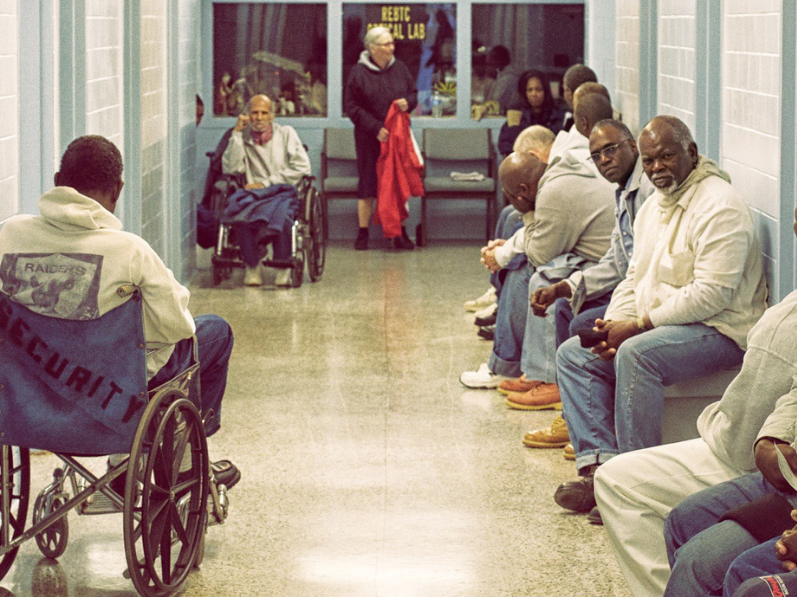
After a Louisiana doctor’s license is suspended and reinstated, these doctors may have restrictions on their licenses that limit these doctors from being able to perform some basic functions of health care. Within the Louisiana Department of Corrections, ten out of eleven doctors overseeing prisoners’ health care have such a restricted medical license. “The result,” according to Alexander Adams, “puts the 34,000 people currently incarcerated in Louisiana at risk of preventable suffering from treatable conditions or illnesses—or worse, dying an unnecessary or excessively painful death.” Advocates of better care recognize that it’s hard to pin down one root cause of Louisiana prison’s poor medical outcomes, yet they agree hiring a majority of physicians with restricted licenses contributes. Hiring physicians with disciplinary histories, Adams writes, “works as a mechanism to keep prison health units staffed,” which can be harder to fill because of stigma and lower pay. Niyogi, who is fighting for better care in Louisiana prisons, argues that the state needs to hire people trained in trauma-informed care, but the system invests more in surveillance, security, and punishment than providing care.
|
|
|
|
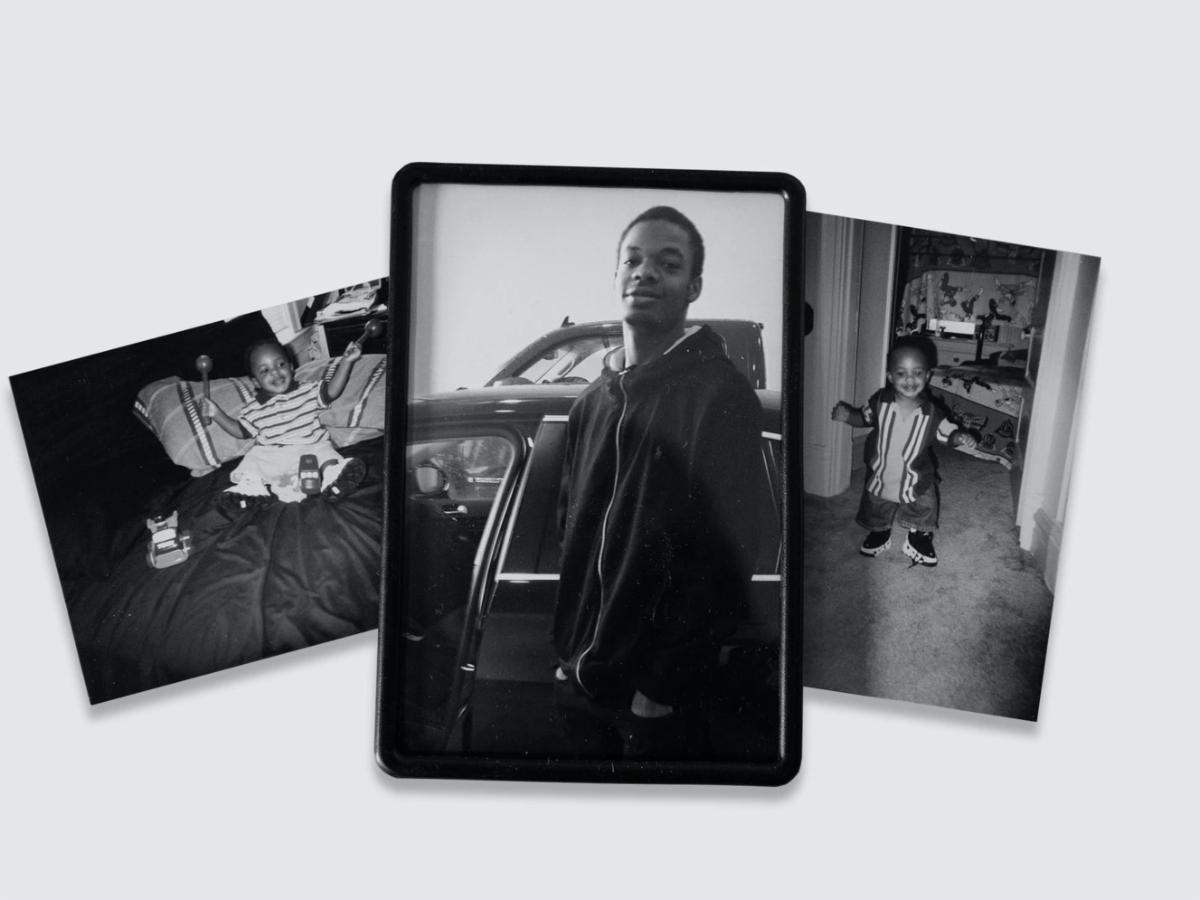
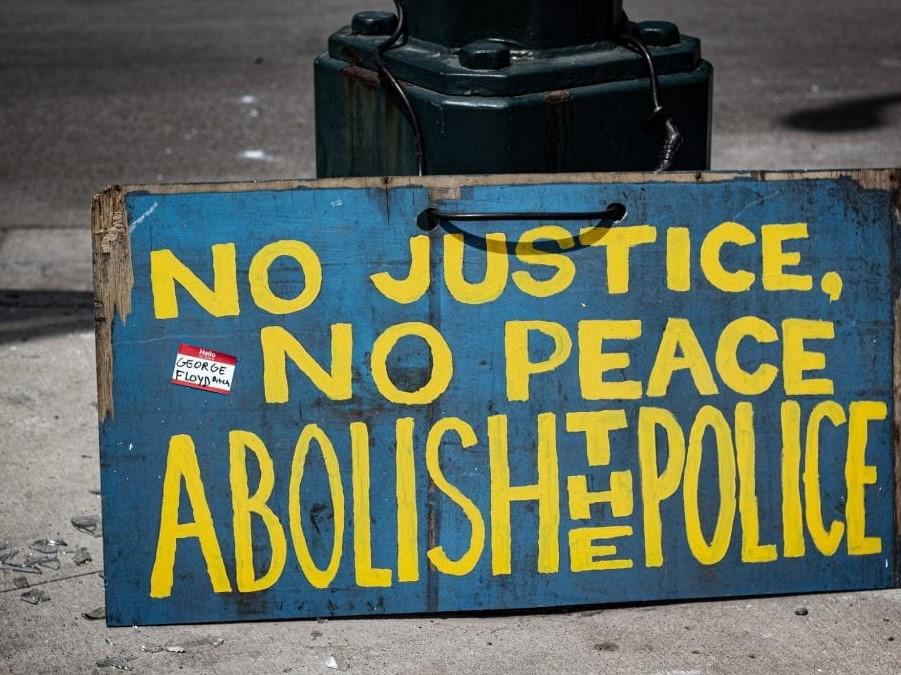
Cortez Bufford was shot and killed by a St. Louis police officer Lucas Roethlisberger in 2019. The city is still investigating the homicide, and no charges have been filed. The circumstances of the homicide, according to the investigation of Allison Flowers and the Invisible Institute, contradict the officer’s testimony of how the events transpired. Even though some of the officer’s statements that can be factually disproven, Flowers notes, “we’re supposed to believe that Cortez pointed his gun at [Roethlisberger] and that [Roethlisberger] could have seen in the very dark gangway.” Roethlisberger, a celebrated officer in the department who won the superintendent’s Medal of Valor, had been the subject of previous complaints for his actions with Black citizens prior to his killing Bufford. Flowers concludes: “Police themselves are sometimes a threat to public safety — especially if you are a Black citizen like Cortez Bufford... It’s just common sense to reduce these trivial interactions with law enforcement, because they produce deadly outcomes again and again.”
|
|
|
|
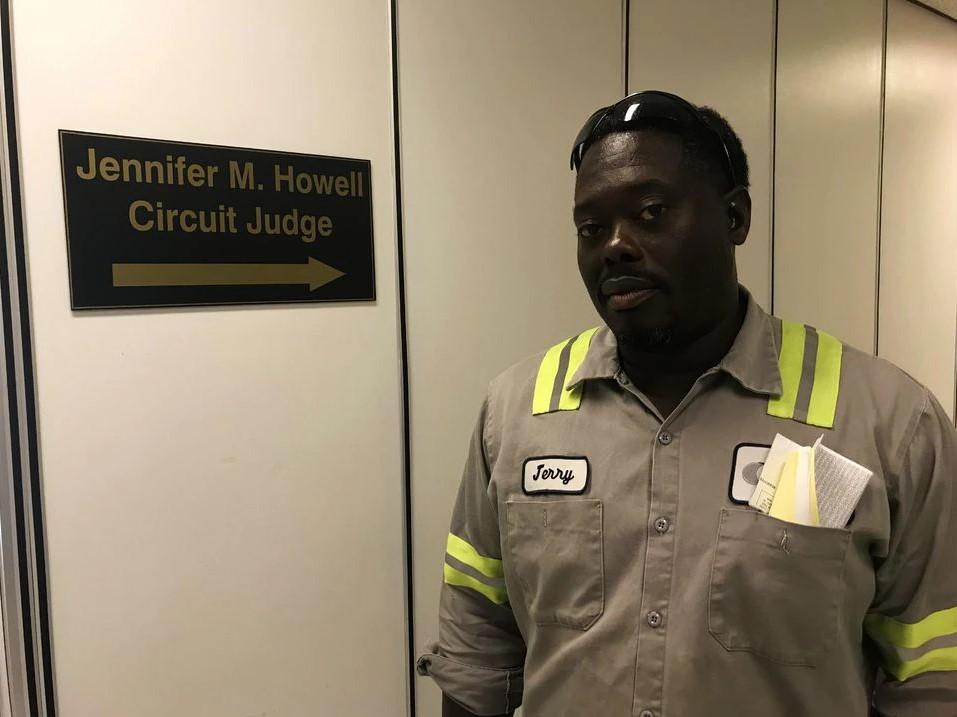
When people plead guilty in Morgan County or Cullman County in Alabama, they typically must sign a Notice and Waiver of Indigency Status as a condition of their plea deal. This form says that the signer “is giving up his right to claim that he is unable or incapable of complying with the payment provisions of his plea agreement.” Local defense attorneys and experts say that this likely violates contract law and both the U.S. and Alabama constitutions. The plea deals and payment provisions require defendants to make monthly payments towards fines, fees, and restitution. Despite the well-documented barriers to defendants finding gainful employment and making payments on court fees and costs of everyday living, the waiver eliminates their ability to use financial struggles as an excuse to not continue paying their court-ordered debts. The terms of the plea deal state that if a defendant fails to meet the payment provisions, they can be held in contempt of court and find their probation or parole revoked. Jerry Gholston, a man who appeared in court to make payments stemming from a 1996 case for which he was pardoned, says: “It’s robbery. They just get you in and out of jail for this. They lock you up for owing fines and fees and you lose whatever job you’ve got. It’s like a revolving door of poverty. They want to keep people in the system once you’re in the system.”
|
|
|
|
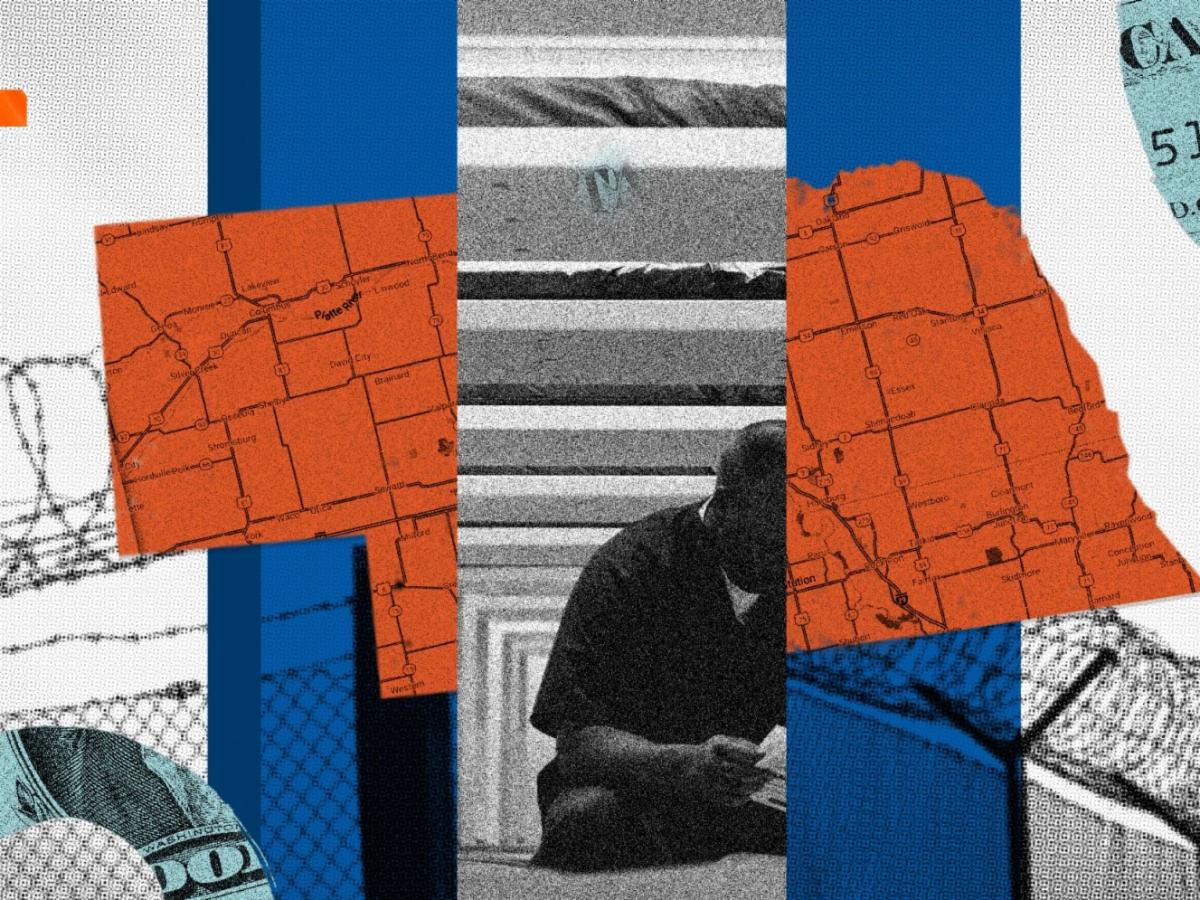
Throughout the 1980s and 1990s, small towns supported new prisons in their community because of the promise of jobs and local investment. Those promises often failed to materialize. As Nebraska now seeks to erect a new prison, few places want it sited in their communities. Doug Koebernick, the inspector general for Nebraska prisons, explains this shift: “I think there are a few reasons for that, including the realization that it isn't really an economic development driver.” While most states are not building new prisons, Nebraska, whose prison population has increased by more than 25 percent over the past 15 years, is looking to build a new prison facility. Prisons had promised local communities economic development. Keri Blakinger notes: “I realized that while it’s better for many prisoners to remain near cities, where they can maintain the relationships they’ll need to succeed on the outside, those aren’t the places where constructing a prison looks good for economic development.”
|
|
|
|
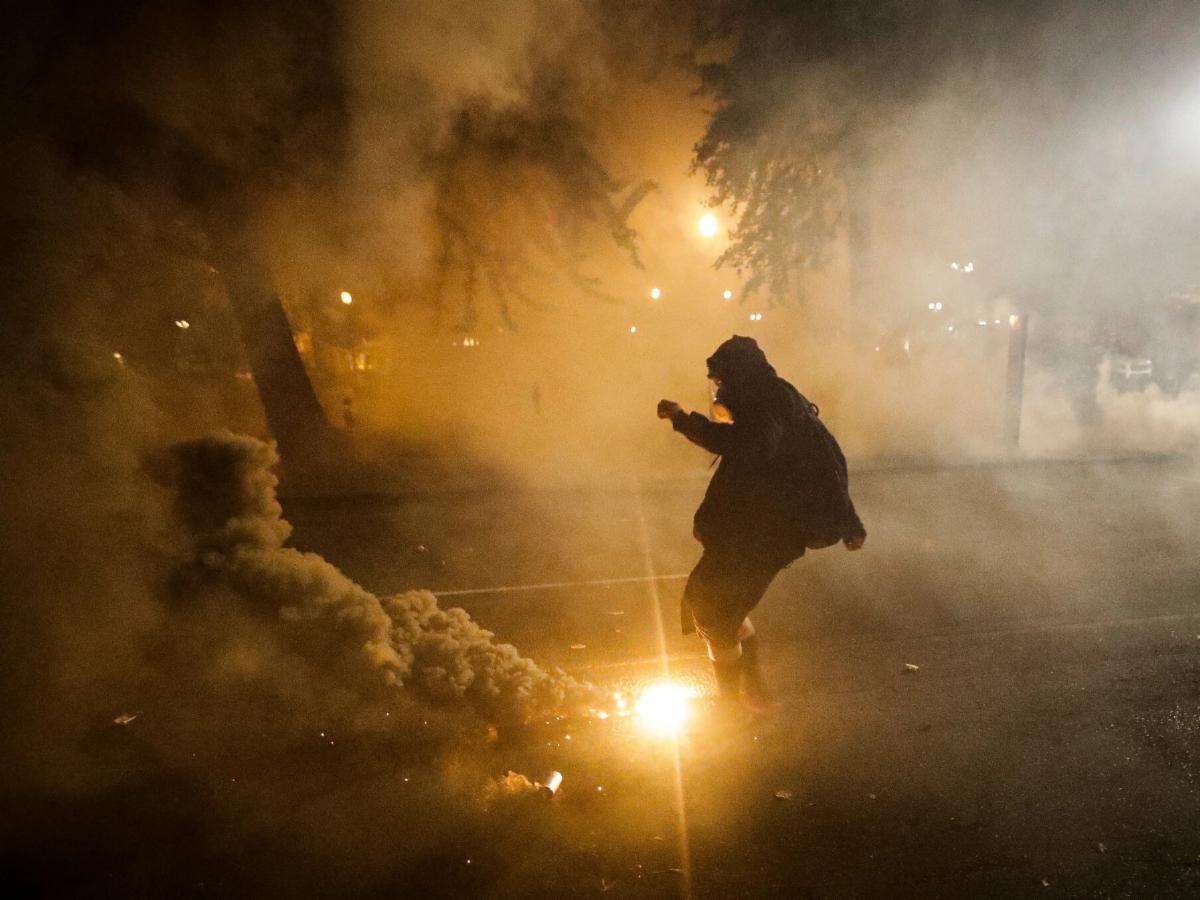
House Democrats opened an investigation into the health effects of tear gas used by police. Four Democrats wrote a letter to government agencies and companies noting: “The United States has agreed not to use tear gas in war. However, tear gas is frequently used in this country by law enforcement as a ‘riot control agent.’ Given this domestic use, we would have expected an analysis demonstrating that tear gas products are safe to use on humans, but we have not seen this.” More than 100 law enforcement agencies used tear gas against civilian protesters last summer, which, according to Luke Broadwater, was “the most widespread domestic use of tear gas against demonstrators since the long years of unrest in the late 1960s and early ’70s.” Lawmakers have been concerned with long-term adverse health effects, such as a report that military personnel exposed to tear gas were 2.5 times as likely of being diagnosed later with acute respiratory illnesses.
|
|
|
|
“Abolitionists across the history of the United States,” Julia Bernier writes, “have thought historically in attempting to change the worlds in which they lived.” Black abolitionists used history and Black narratives to construct a past that could help argue for a world without slavery and oppression. Abolitionists, for example, invoked Haiti and its history to provide a model for both past and future. Bernier reminds us: “History can tell us not just about the past, but serve as a reminder of what is possible, and what is at stake.” Abolitionist organizers, like those protesters last summer who tore down monuments to white supremacy and settler colonialism, can help disrupt what has been, what is, and what can be. An abolitionist understanding of history, too, reveals the failures of centuries of reform, and, as Bernier concludes, “The study of history should help us all understand how the time of reform is past. It should bring us all closer to abolition, which is to say the future.”
|
|
|
|
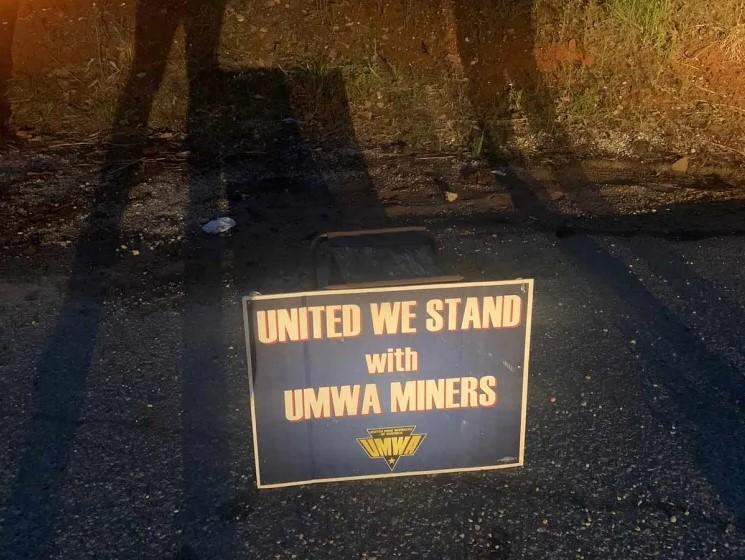
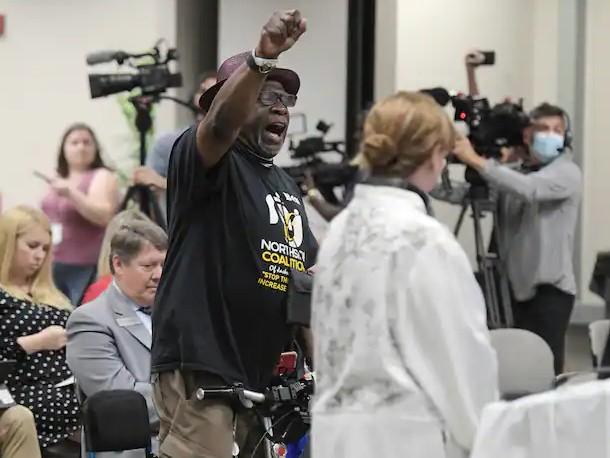
On 1 April 2020, 1,100 miners at Warrior Met Coal in Brookwood, Alabama walked off the job and initiated the United Mine Workers of America’s first strike in the state’s coal mining industry in four decades. The UMWA’s District 20 in Alabama is one of the most racially integrated chapters in the country, and union organizing has a rich history in the state. When the mine changed ownership five years ago, Warrior Met cut miners’ pay by $6 per hour, eliminated many paid holidays, restricted ability to earn overtime pay, and cut safety standards and working conditions. With that contract now under renegotiation and Warrior Met’s finances having improved considerably, Warrior Met is not restoring pay, benefits, or conditions to the miners. The company filed a court injunction to limit the number of people allowed on the picket line at one time (10), and it has called in state and local police as well as its own private security to enforce the cap and surveil picketers. The UMWA’s drone has caught footage of a truck driving directly into the picket line—the third such attack on the strikers in as many days—yet strikers say, according to Kim Kelly, “local police have shown little interest in pursuing the perpetrators. In one case, police are actually looking to arrest one of the victims, on the allegation that they used pepper spray on the driver in self-defense.” Kelly concludes: “The strike continues, even as the miners are now faced with the additional worry of company violence on top of the day-to-day struggle of keeping their kids fed and a roof over their heads.”
|
|
|
|
Thousands of educators across the country gathered to oppose efforts to restrict what teachers can say in class about racism, sexism, and oppression in America. Several thousand teachers signed the pledge: “We, the undersigned educators, refuse to lie to young people about U.S. history and current events — regardless of the law.” Since the murder of George Floyd, many schools have tried to reckon with systemic racism in the U.S., yet this effort, as Valerie Strauss notes, "sparked a backlash among conservatives.” Republican-led legislatures in at least fifteen states have undertaken efforts to ban the teaching of critical race theory, which is a framework that illuminates and understands how racism is systemic—embedded in law and policy. While many teachers are not teaching critical race theory, they are addressing, according to Strauss, “systemic barriers that have harmed students of color.” Teachers say the laws have a chilling effect. Sixth-grade teacher Monique Cottman notes: “So all the teachers who would have done a little bit of what I was doing — anti-racism work and culturally responsive teaching — they’re not going to do anything next year. They’re already declaring, ‘I’m not doing nothing,’ or ‘It’s not safe,’ or ‘I don’t want to lose my job.’”
|
|
|
|
Although Americans often focus on moments when freedom was granted by the government such as the passage of the Thirteenth Amendment in 1865, enslaved people throughout history received, took, reclaimed, and sued for their freedom. Daina Ramey Berry argues: “Now Juneteenth—the holiday commemorating the day enslaved people in Galveston, Texas, were informed of the end of the Civil War and the beginning of their tentative freedom—has become a symbol for this granting of freedom to Black people by the United States. But the truth is that Juneteenth is a celebration of just one way that Black people either created freedom or found it, often on their own terms.” Enslaved people stole and created spaces of freedom rather than waiting idly for proclamations and decrees. Since 1866, Black people have celebrated Juneteenth to bear witness to slavery and ensure that younger generations would not forget the significance and meaning of freedom. Berry concludes: “Black people continuously claimed their freedom, in every historical moment, always preceding and precipitating movements by governments, institutions, and corporations. [But] This country has consistently failed to recognize their claim.” Black people are still fighting for the right to vote as well as histories and curricula that acknowledge the legacy of white supremacy.
|
|
Announcements & Opportunities |
|
Welcome Matt Bejar, 2021-2022 CSC Graduate Fellow
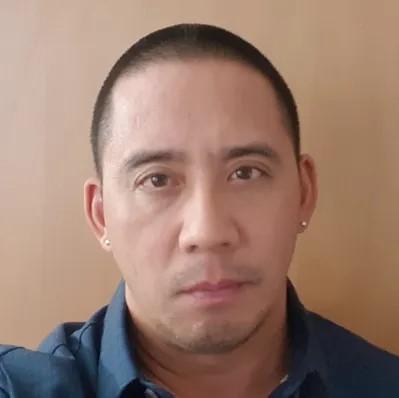
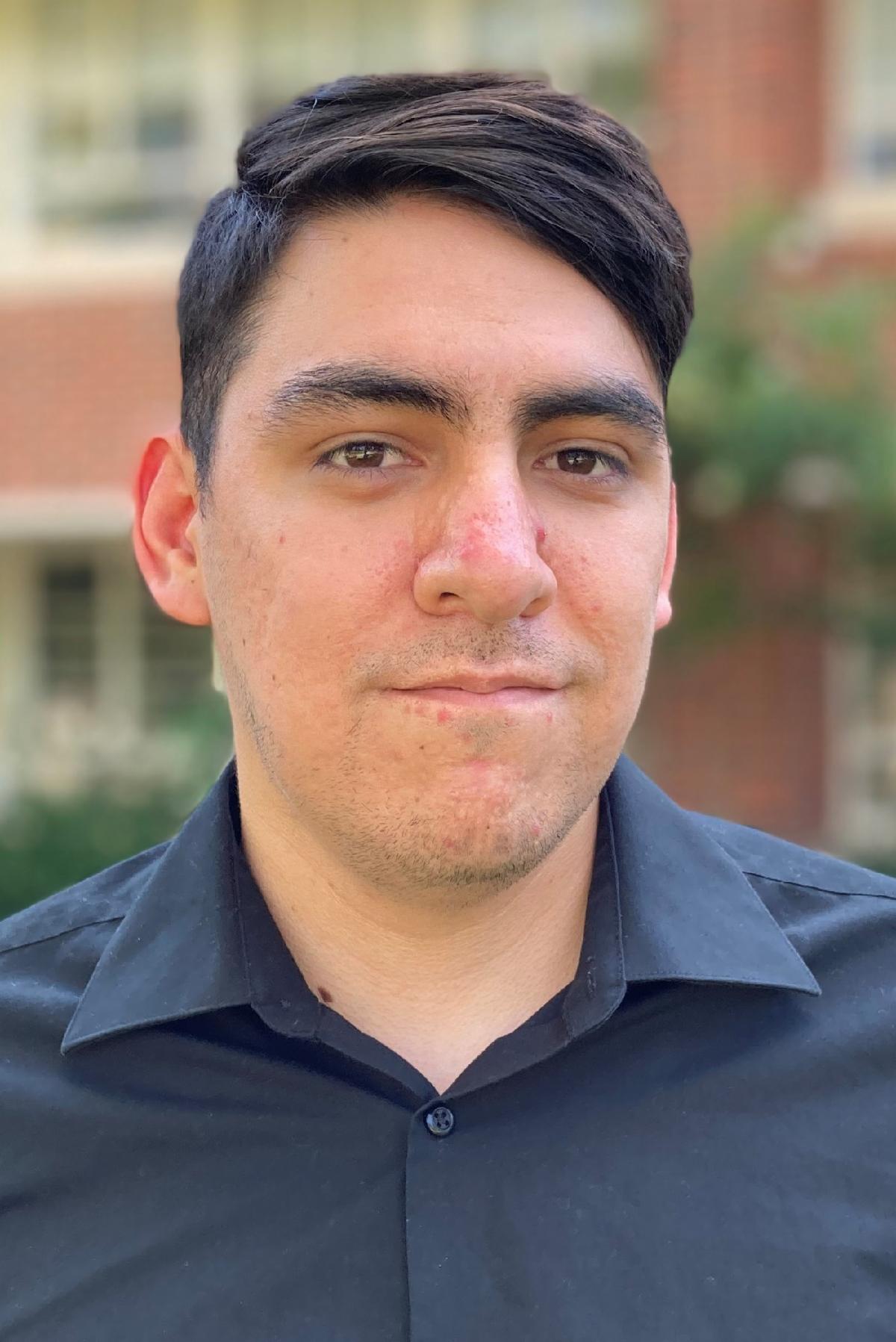
Matt Bejar (pictured) will be joining the Carceral Studies Consortium as our 2021-2022 graduate fellow, starting July 1, 2021.
The Consortium would like to take a moment to thank Alex Finkelstein, Ph.D. candidate in History, who served as our inaugural grad fellow during the 2020-2021 academic year. Alex was instrumental in establishing the CSC's podcast, newsletter, reading groups and more. Alex recently received a 2021-2022 Nancy L. Mergler Dissertation Completion Fellowship, and will be focusing on his project entitled "Prison Valley, U.S.A.: The Making of a Carceral Capital, 1861-1994" during the coming year. He will remain on the CSC board as a core affiliate member. Thank you, Alex, for your service to the CSC!
About Matt
Matt is pursuing his Ph.D. in Sociology with an emphasis in Criminology and the Sociology of the Family. He received his Bachelor's in Secondary Education (History) and his Master's in Sociology from Arizona State University. Matt’s research interests in criminology focus on the theoretical explanations of crime in society. From a control theory perspective, these interests include the agents of the carceral state, the situational opportunities of crime, and the limitations of the criminal legal system. His current projects include a comparison of criminological theories utilizing attitudes towards antiheroes in television and an investigation into self-control related to adult deviance. The former will be presented at the 2021 Society for the Social Problems annual meeting. He also teaches Intro to Sociology. Outside of academic pursuits, Matt enjoys competitive chess and caring for his two ferrets.
Welcome to the team, Matt!
|
|
|
ABOUT
The Consortium Newsletter will offer a roundup of a few selected articles that reflect today’s news, organizing, and thinking related to the carceral state. We understand that freedom work is built on education and engagement. Education requires an understanding of contemporary issues informed by their historical context. We hope that these curated articles will help you analyze the issues that we face and understand the community that we strive to construct.
Join the conversation!
We encourage feedback, suggestions, and article suggestions. Please reach out to carceralstudies@ou.edu with any ideas, thoughts, or recommendations.
If anyone you know is interested in receiving this newsletter and other information from the Carceral Studies Consortium, please forward them this email and they may click this link to subscribe.
|
|
Land Acknowledgment
The University of Oklahoma is on the traditional lands of the Caddo Nation and the Wichita & Affiliated Tribes. This land was also once part of the Muscogee Creek and Seminole nations. It also served as a hunting ground, trade exchange point, and migration route for the Apache, Cheyenne, Comanche, Kiowa, and Osage nations. Today, 39 federally-recognized Tribal nations dwell in what is now the State of Oklahoma as a result of settler colonial policies designed to confine and forcefully assimilate Indigenous peoples.
|
|
The University of Oklahoma is an equal opportunity institution. ou.edu/eoo |
|
|
|
|
|
|