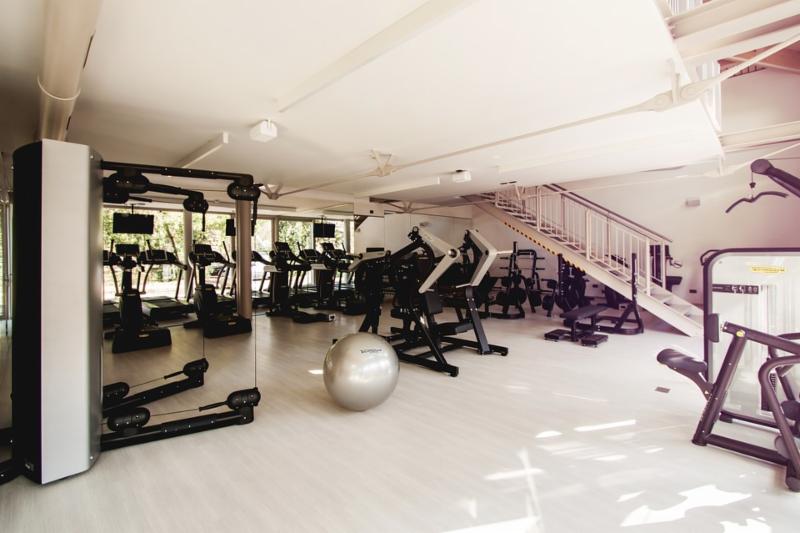
The simple movement that predicts strength, balance, independence—and how long you stay in control of your own life.

Squat exercises aren’t just for athletes. You can do them as part of your regular exercise routine.


They strengthen your lower body, targeting your glutes and quadriceps.

They also make you use your core muscles.


Other muscles that benefit from squats are:


Squats burn calories and might help you lose weight.

They also lower your chances of injuring your knees and ankles. As you exercise, the movement strengthens your tendons, bones, and ligaments around the leg muscles. It takes some of the weight off your knees and ankles.


They help make your knees more stable, too.


What’s more, squats may also help boost your bone mineral density for stronger bones. It adds strength to your skeleton, mainly in the spine and lower body.


Squats improve your flexibility, too. As you become older, your tendons, muscles, and ligaments become less elastic. Regularly doing squats can help slow down this process and limber you up.


Squats help you feel and look good. Squatting helps shape up your legs and butt since it targets the glute and inner thigh muscles. As your buttocks become firm, your posture and balance might improve.


How to Do Squats

Do squats the right way to protect yourself from getting injured. Poor form can take a toll on your spine and knees over time. 


Squats are one of the most popular exercises, but often done incorrectly. Proper form can strengthen your lower body and core.


gym-woman-stretching.jpg

The right way to do a squat is to:


  • Stand with your feet apart and parallel to each other.
  • Place your hands on your thighs.
  • Look up and lift your chest.
  • Bend your knees to a 90-degree angle, putting all your weight on your heels and sitting back slowly.
  • Your knees shouldn't go beyond your toes, and your head and chest should stay upright.
  • Hold the position for 5 seconds.
  • Rise back up, pressing through your heels, and straighten your hips back to the starting position.
  • Repeat five times.


Another type of squat is a chair squat. This can be especially helpful if you're a beginner.


‌Squats are one of the most effective strength-training exercises around. If you’re not working out already, talk to your doctor before you get started. They can let you know if squats are safe for you to do. You might also want to think about working with a professional strength trainer, who can make sure you’re using the right form.


If you found this Health Matters update helpful, feel free to share it with someone you care about. It might be exactly what they need today.


https://www.accesshealthcare.solutions/images/123456.png
 
Sign up for the Tribal Health Concierge Program
Please complete the form below, and email the completed form to:


No Enrollment Necessary
two_doctors.jpg
Give us a call.
Schedule an appointment to better understand your health and preventative measures you can take to improve your quality of life.
 
Call at 562-505-5600 or e-mail 
info@accesshealthcare.solutions to get started today.
 
Face Mask 2
Bayer Diabetes:
 
Berkeley Wellness:
 
CBS Health:
 
Cleveland Clinic:
 
CNN Health:
 
Diabetes News:
 
Diabetic Connect:
 
Harvard Health:
 
Health Canal:
 
HealthDay:
 
Huffington Post Health:

Essential Workers
Mayo Clinic:
 
MD Anderson News:
 
Medical News Today:
 
Memorial Sloan Kettering Cancer Center:
 
NBC News Health:
 
New York Times Health:
 
News Medical:
 
Reuters Health:
 
Sanofi Diabetes:
 
Time Magazine Health:
 
UCLA Health:
 
US News & World Report Health:
 
WebMD:
 
Yahoo! Health:

ACCESS HEALTHCARE SOLUTIONS | www.accesshealthcare.solutions
Published by Access Healthcare Solutions, Copyright © 2024. All Rights Reserved.