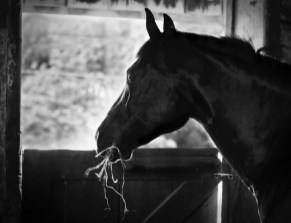
Hay and bedding are two of the top sources of mould and particulate in a horse’s environment. Much can be done to defend against dust and potential causes of equine asthma starting with simple changes to barn management practices.
The CVMA honours OVC faculty member, Dr. Scott Weese for his integral role in helping communicate pertinent information to veterinary teams during the COVID-19 pandemic.
Dr. Luis Arroyo, professor in the Department of Clinical Studies at the University of Guelph’s Ontario Veterinary College, uses the horse robo-gut to understand how various food compounds are digested. By manipulating the mechanical gut, he can observe how certain GI diseases affect the animal and suggest potential treatments.
1hr Video from Equestrian Canadawith Roly Owers of World Horse Welfare: Using Science to Maintain Equestrianism’s Social License Confirmation
Have youupdated your profileyet for access to our Member's only page and the new Horses 101 E-book?
EQUINE JOBTRACK
EquineJobTrack.cahas listings for all kinds of jobs in the #equine industry in Ontario and beyond: Trail guide, Administration, A-circuit barn assistant, Managers, Grounds keepers, Grooms, #horse care takers, Stable help, Foal attendants, Exercise riders, many positions at the racetrack and more!
Information for subscriptions is collected and protected in compliance with the University of Guelph's Guidelines on the Protection of Privacy and Access to Information. The information collected will not be shared or used by a third party and will be kept confidential.
To ensure delivery of this publication, please add jbellamy@uoguelph.ca to your address book
Please support Equine Guelph's welfare education and research programs.