|
UT Energy Bulletin | March 2026 |
| | | |
UT’s Horizon Supercomputer To Support Unprecedented AI Resources
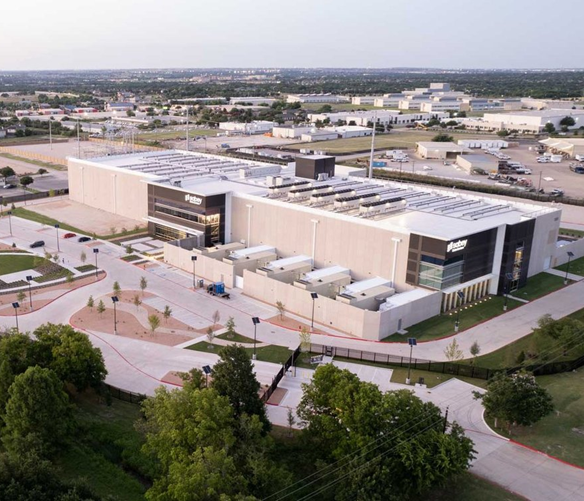
National Science Foundation funding of nearly half a billion dollars will power the Horizon supercomputer, a project set to deliver ten times the simulation speed of Frontera, the current leading academic system, also at UT. Led by the Texas Advanced Computing Center (TACC), this "unprecedented" AI resource will support large-scale research in science and engineering.
Read More
| | | |
Phases & Stages Ep 8 — High Plains | What Does a Massive Solar Plant Mean for a Small Texas Town?
At more than 600 megawatts…the Frye Solar Plant has more power capacity than the town it operates in has official residents. Located on almost six square miles, about an hour north of Lubbock in Kress, Texas - population 592 - the project is a microcosm of the energy industry expansion occurring throughout the Lone Star State.
Listen Now
| | | |
Canada Nickel and The University of Texas Successfully Complete Carbon Sequestration Pilot at the Crawford Nickel Project
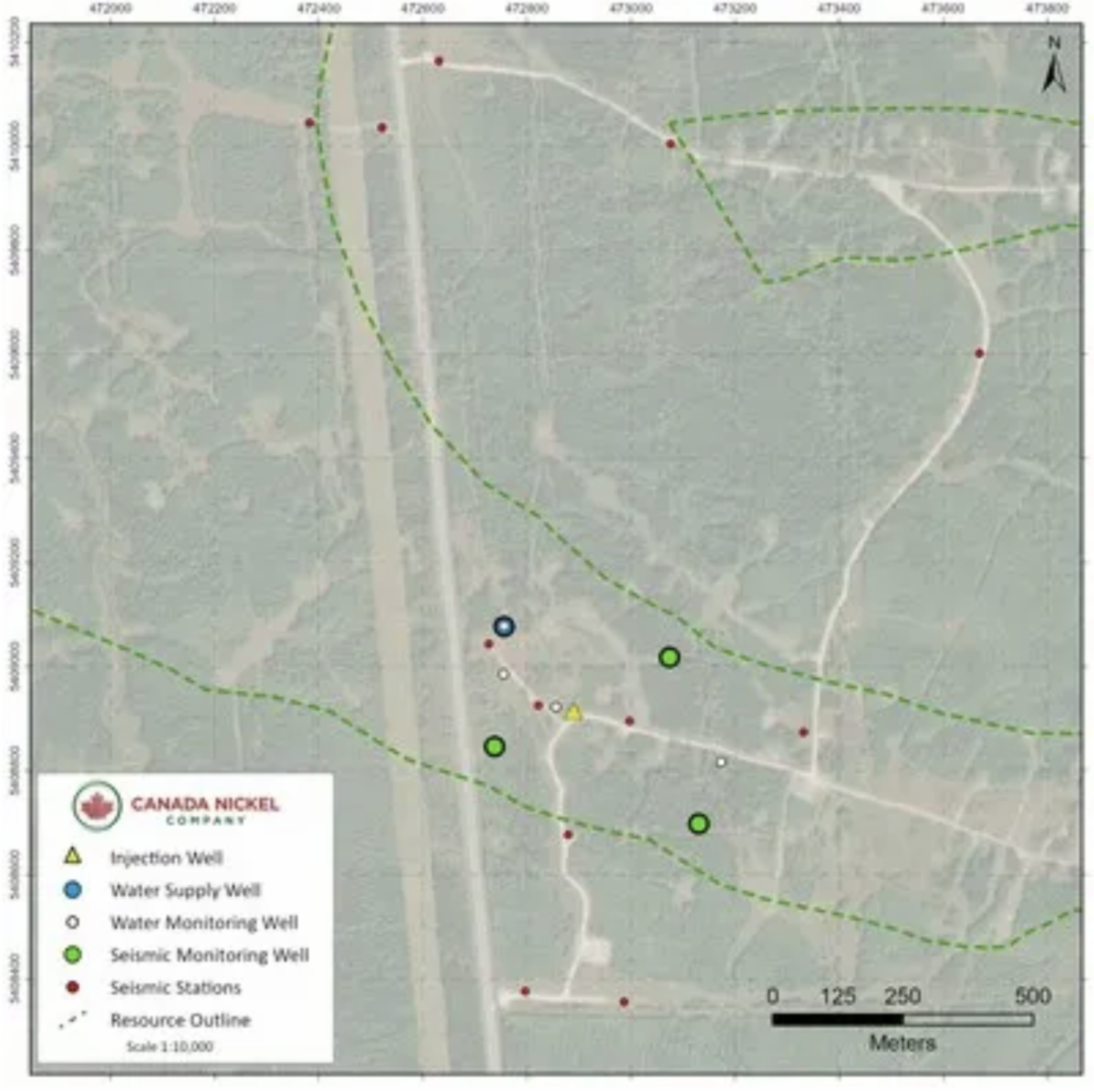
The University of Texas at Austin has successfully partnered with Canada Nickel Company to demonstrate an innovative in-situ carbonation process at the Crawford Nickel Sulphide Project. By injecting pressurized CO2 into the project's rock formations, researchers confirmed that the carbon can be permanently chemically stored, showcasing a transformative method for the mining industry to achieve net-zero operations while producing critical minerals.
Read More
| | | |
UT Grad Awarded Prestigious Gates Cambridge Scholarship to Further Carbon Cycle Research
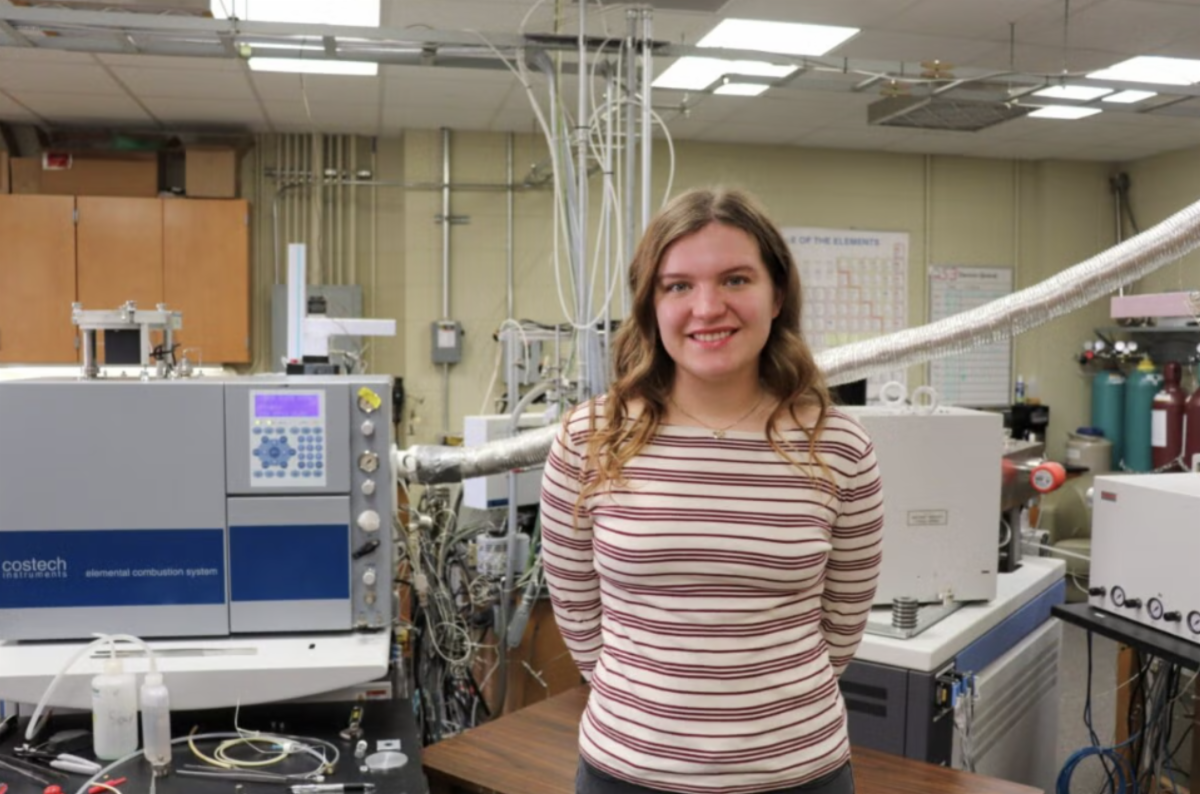
Maddie Fail, a recent UT Austin double major in government and environmental science, has been selected as one of 26 U.S. students to join the 2026 class of Gates Cambridge Scholars. Fail will pursue a Ph.D. in Earth sciences at the University of Cambridge, where she plans to use machine learning and remote sensing to study carbon storage and release in peatlands.
Read More
| | | |
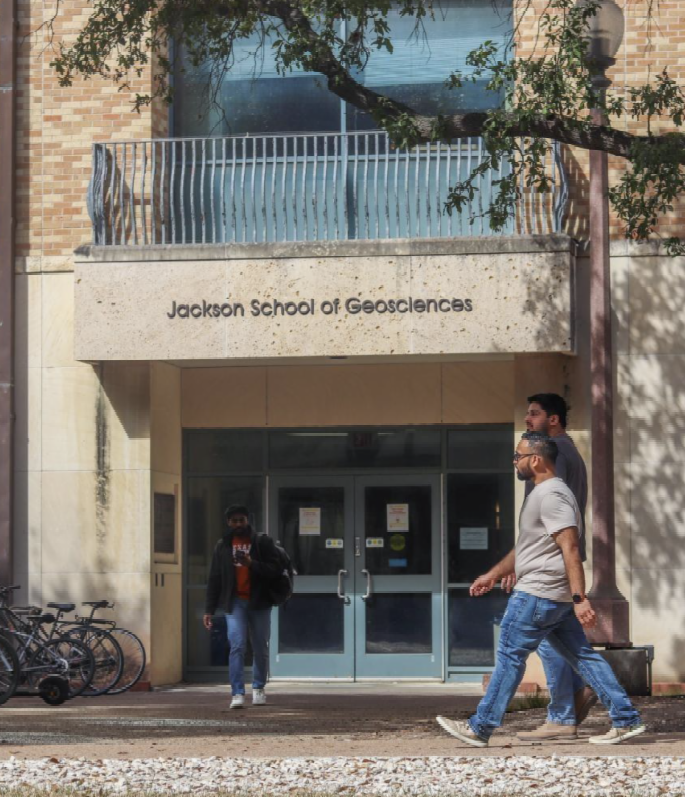
Jackson School of Geosciences Launches $1 Million Strategic Investment Plan
The Jackson School of Geosciences announced a new Strategic Investment Plan that organizes interdisciplinary research across its three units around geohazards, energy and global change, and planetary dynamics. Associate Dean for Research Michael Young explained that the initiative is designed to break down silos, accelerate collaboration, and position the school ahead of the curve when federal research funding stabilizes.
Read More
| | | |
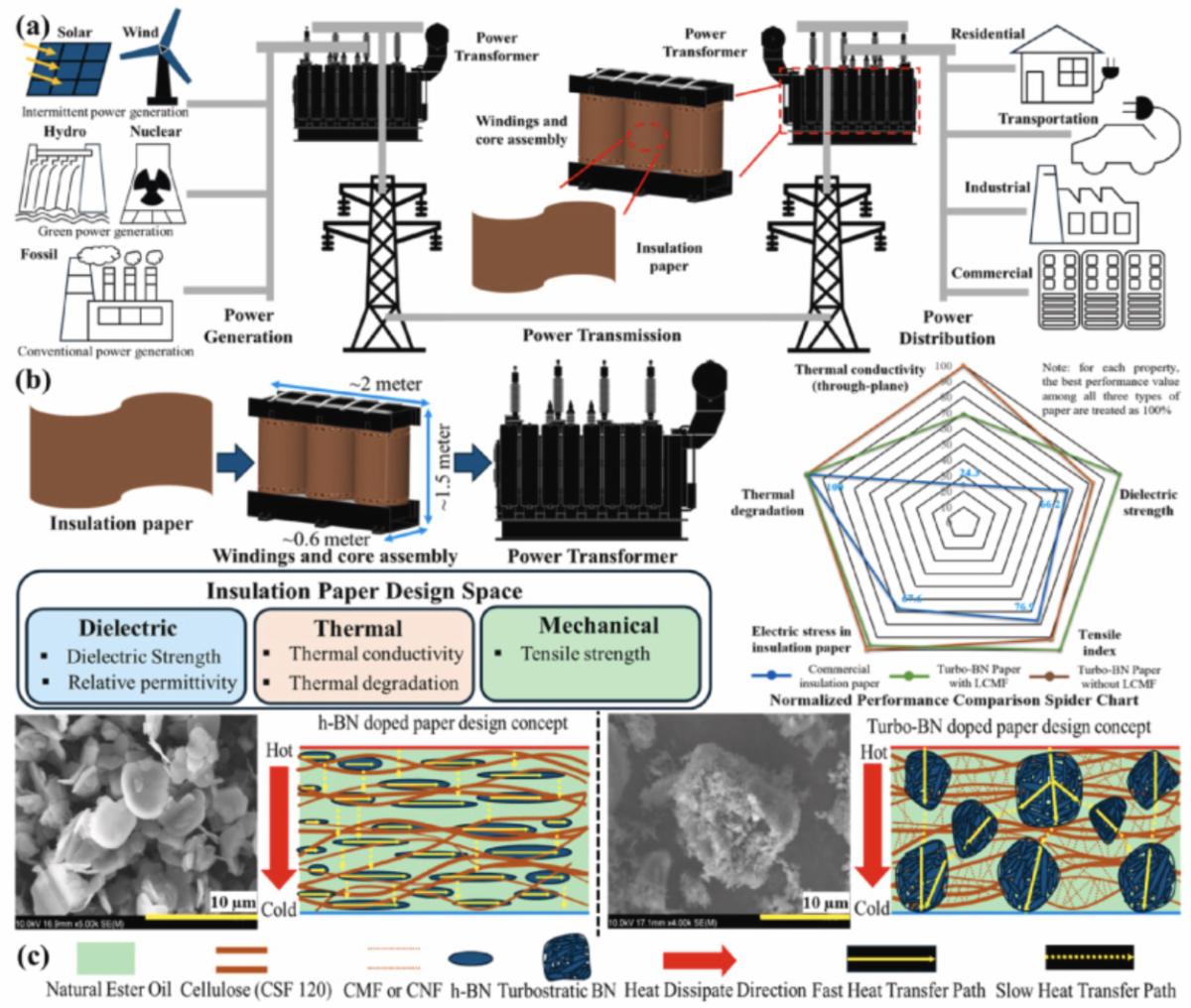
Recent Advances from Professor Bahadur's Group
Professor Vaibhav Bahadur from the Texas Materials Institute has been recognized for his recent research into gas hydrates, which has significant implications for both energy transport and carbon sequestration. His work explores the fundamental physics of hydrate formation and inhibition, providing critical insights that can help prevent pipeline blockages in the oil and gas industry and enhance the efficiency of long-term subsea carbon storage.
Read More
| | | |
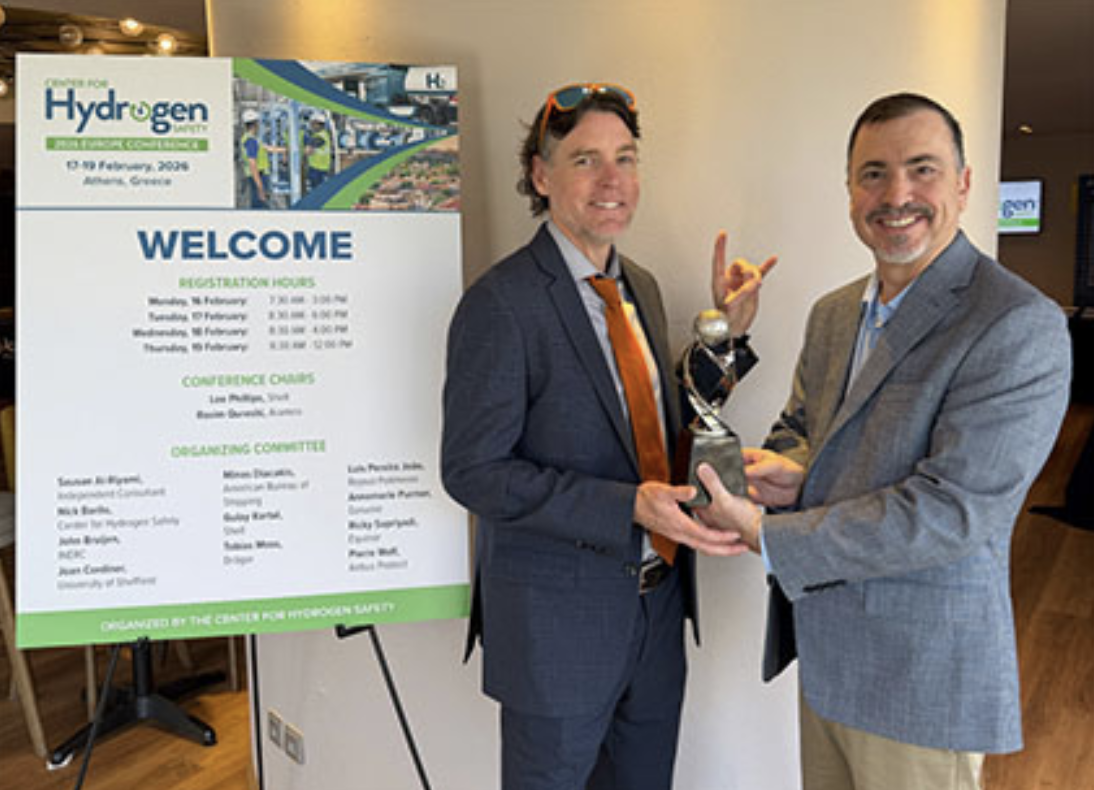
Hydrogen ProtoHub Receives Safety Award and Launches Industrial Affiliates Program
The UT Austin Hydrogen ProtoHub recently established an Industrial Affiliates Program (IAP), which brings industry partners into an Executive Advisory Council to help set technical priorities, review research goals, and support ongoing safety standards. Meanwhile, the ProtoHub received the Hydrogen Safety Excellence Award from the American Institute of Chemical Engineers’ Center for Hydrogen Safety in recognition of its commitment to rigorous safety protocols in large-scale hydrogen demonstrations.
Read More
| | | |
A UT Student’s Journey to the Future of Geology Research
Camila van der Maal, a geology student at the Jackson School of Geosciences, has spent her time at UT Austin immersing herself in hands-on research opportunities few undergraduates encounter. She was invited by Professor Peter Flemings to join an expedition aboard a drilling vessel in the Gulf of Mexico to study methane hydrates — an experience she credits with transforming her academic trajectory and inspiring her to pursue a Ph.D. Van der Maal’s academic journey as a first-generation college student exemplifies the impact of UT's scholarship programs funded by endowments and other alumni support.
Read More
| | | |
UT System and NASA Partner to Expand Space Research and Student Opportunities
The University of Texas System and NASA's Lyndon B. Johnson Space Center have signed a new Space Act Agreement. The agreement is designed to unite UT centers and institutions with NASA staff, programs, and projects. For UT researchers, the deal reduces administrative friction. Students across a wide range of disciplines stand to benefit as well — from medicine and environmental science to cybersecurity and law, since virtually every field plays a role in supporting human spaceflight.
Read More
| | | |
Pioneering AI for Science: Why UT is a Digital Twin Powerhouse
The University of Texas at Austin is establishing itself as a global leader in "digital twin" technology, using AI-driven virtual models to simulate and optimize complex physical systems. By integrating real-time data with advanced physics-based computing, UT researchers are transforming how we approach climate modeling, aerospace engineering, and energy infrastructure.
Read More
| | | |
When Blackouts Occur During Heat Waves, Austin Homes Pose Major Risk
A new study led by UT Austin researchers is the first to assess indoor heat vulnerability for every single-family home in an entire city, using Austin as a testbed. The study found that if a grid blackout were to coincide with a heatwave, 85% of Austin's single-family homes would pose a significant risk of death to elderly residents, with the Rundberg and St. John neighborhoods identified as the most vulnerable.
Read More
| | |
|
Thermal decomposition pathways and interfacial reactivity in potassium-ion batteries: focus on the electrolyte and anode
This study evaluates the thermal safety of potassium‑ion batteries and finds that low‑flammability electrolytes do not necessarily reduce thermal risk. Interactions between potassium salts, solvents, and graphite anodes can trigger exothermic reactions at relatively low temperatures, with thermal activity beginning earlier than in comparable lithium‑ion systems despite lower total heat release.
Read More
|
| | Follow the Energy Institute on Instagram for Special Events & Opportunity Announcements | |
The Energy Institute's Instagram channel is a great way to keep up with the latest energy news and events from UT Austin and the larger energy ecosystem. | | |
Energy Institute
Jorge Piñon was quoted in the The Guardian warning that Cuba's energy transition strategy underestimates the investment required to modernize its ageing infrastructure, noting that roughly 16% of all electricity generated is lost in transmission due to the deteriorating grid.
Piñon was also quoted by Barron's and NPR explaining that diesel shortages in Cuba have a cascading impact on decentralized electricity production through generators, as well as on transportation, agriculture, and the water sector.
Piñon participated in a panel discussion titled “Consequences for Cuba of a Course Correction in Venezuela,” hosted by the Cuban Research Institute at Florida International University. Watch the video.
Piñon was also cited in The Hill discussing Cuba’s “zero hour” as Trump and Rubio tighten diplomatic and economic pressure on the regime, accelerating the energy and humanitarian crisis on the island.
| |
School of Law
David Spence was quoted in MarketWatch noting that building power plants in Texas is easier than in any other state due to fewer regulatory requirements, making it a major draw for data center developers attracted to cheap power and a subdued regulatory backdrop.
| |
Cockrell School of Engineering | Center for Energy and Environmental Systems Analysis
Ben Cahill was quoted in The New York Times🔒 noting that ADNOC CEO Sultan Al Jaber has totally transformed the company and the way the oil sector is managed, as the Abu Dhabi national energy giant expands aggressively into natural gas, renewables, and international acquisitions under his leadership.
| |
Cockrell School of Engineering | Hildebrand Department of Petroleum and Geosystems Engineering
Hugh Daigle was quoted by ABC News explaining why Kharg Island — which processes 90% of Iranian oil exports — is geographically unique and strategically critical due to its deep waters.
Daigle was also quoted on Marketplace noting that California refineries cannot easily switch to alternative crude sources because converting to heavier oils requires costly infrastructure that takes years to build.
Speaking to the Financial Times🔒 and PBS NewsHour, Daigle highlighted that supply chain disruptions and refinery damage from the U.S.-Israel war on Iran could keep energy prices elevated well beyond the duration of military operations.
| |
Cockrell School of Engineering | Walker Department of Mechanical Engineering
Michael Webber wrote an op-ed in the Houston Chronicle🔒 arguing that decades of investment in efficiency, domestic production, and renewable energy have made the U.S. economy far more resilient to global energy shocks, even as the Iran war drives higher prices.
Webber was featured on the Energy Capital Podcast discussing the dramatic surge in U.S. electricity demand driven by data centers, electrification, and population growth, and why Texas is well-positioned to lead the next stage of energy development.
| |
Webber Energy Group
Joshua Rhodes spoke with Fox 9 about wholesale electricity prices in Texas in the context of rising electricity costs nation-wide.
| |
Bureau of Economic Geology
Susan Hovorka was quoted in AAPG Explorer discussing the complexity of EPA Class VI permitting for carbon capture and storage, noting that public concern around CO₂ injection wells is largely grounded in a lack of information.
Tingwei "Lucy" Ko was quoted in Eos, noting that geologic storage of hydrogen in salt caverns is a promising option for managing the intermittency of solar and wind energy, though geological constraints and siting challenges remain.
| |
IC2 Institute | Bureau of Business Research
The UT Austin Bureau of Business Research was cited in Texas Tribune after estimating that average demand on the Texas grid could nearly triple by 2050, fueling growing interest in small modular nuclear reactors (SMRs) as Texas emerges as a key national testing ground.
| | | |
The Last Nuclear Renaissance
March 24, 2026 | 5:30 PM – 7:00 PM
Rowling 5.210 | The University of Texas at Austin
More Information
| | | | | |
Students: Book Chat and Signing
with Ben Soltoff, lead author of Disciplined Entrepreneurship for Climate and Energy Ventures
March 27, 2026 | 4:00 PM – 6:00 PM
GLT Room 1.106
More Information
| | | | | |
New Energy Summer Summit
Applications Open Through April 1, 2026
More Information
| | | | | |
Register Now for Energy Week 2026
April 6 – 10, 2026
The University of Texas at Austin
Register Now
| | | | | |
Apply Now for the 2026-2027 Chevron Energy Graduate Fellows Awards
Deadline: Wednesday, April 15, 2026 at 11:59 PM.
The University of Texas at Austin
Learn More
| | | | | |
Net-Zero Transition in the Context of Geopolitical Fragmentation: How Can Macroeconomic Modelling Help?
April 22, 2026
Paris, France
More Info and Registration
| | | | | |
Save The Date: EEMDL 2026 Annual Event
October 13-15, 2026
The University of Texas at Austin
| | | Thank you to our partners and sponsors for supporting the UT Energy Institute | |
| | | |