|
Honoring Medgar Evers: A Life of Courage, Sacrifice, and Justice
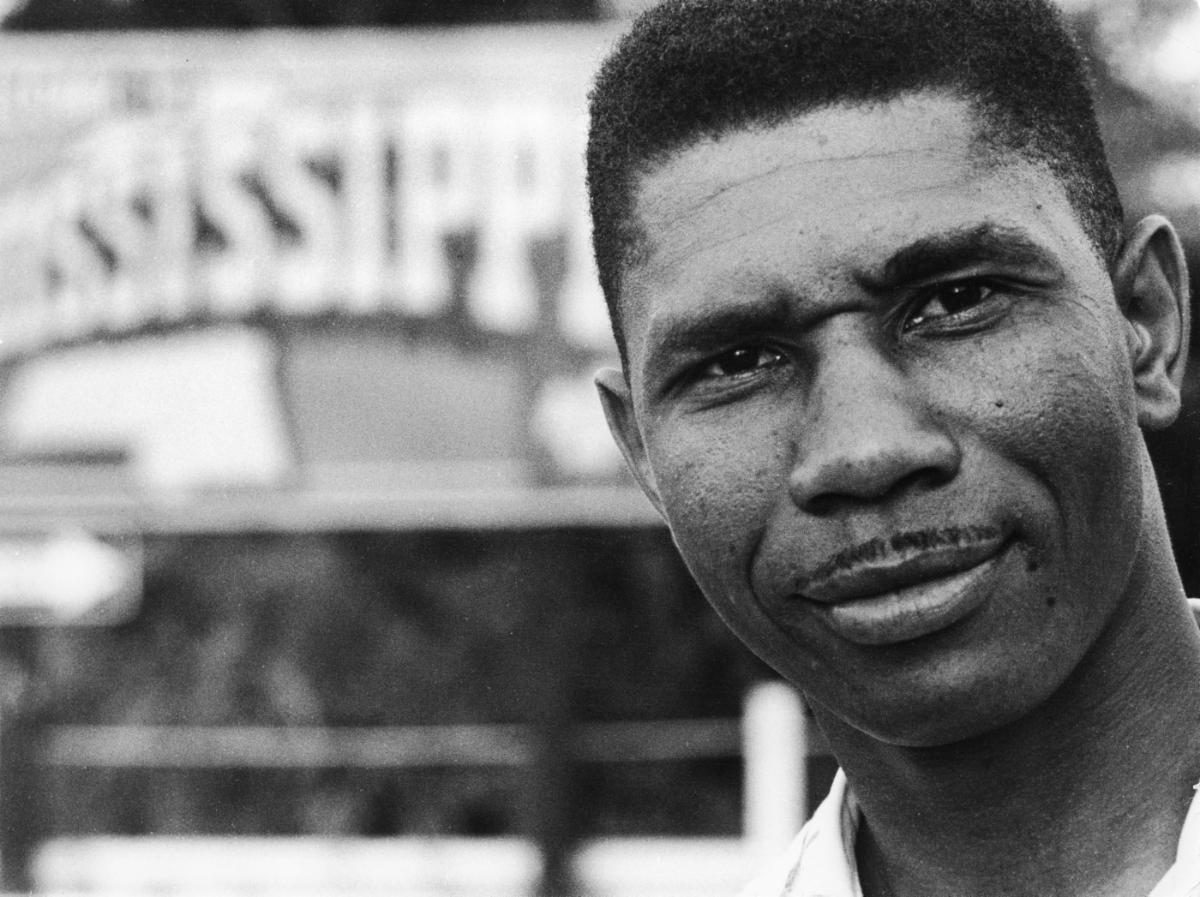
Today, we honor the life and legacy of Medgar Wiley Evers, born on July 2, 1925, in Decatur, Mississippi. A trailblazing civil rights activist, World War II veteran, and the NAACP’s first field secretary in Mississippi, Evers dedicated his life to the relentless pursuit of racial justice and equality in the face of violent opposition. His work helped lay the foundation for the Civil Rights Movement of the 1960s—and his sacrifice galvanized a generation.
Medgar Evers grew up in the segregated South during the height of Jim Crow laws. After serving in the U.S. Army during World War II—including participating in the D-Day invasion in France—Evers returned home determined to fight for the rights he had risked his life to defend abroad. He earned a degree in business administration from Alcorn College (now Alcorn State University), where he also met his wife, Myrlie Beasley, who would later become a civil rights leader in her own right.
In 1954, just weeks after the landmark Brown v. Board of Education decision, Evers became the NAACP’s first field secretary in Mississippi. In this role, he organized voter registration drives, boycotts of discriminatory businesses, and investigations into racial violence. He worked tirelessly to end segregation at the University of Mississippi, support Black families victimized by racial terror, and challenge the culture of silence around racial injustice.
One of his most high-profile efforts was supporting the family of Emmett Till, the 14-year-old boy brutally murdered in Mississippi in 1955. Evers helped gather evidence and public attention around the case, further exposing the brutal realities of racism in the South.
On June 12, 1963, just hours after President John F. Kennedy delivered a national address in support of civil rights, Medgar Evers was assassinated in the driveway of his home in Jackson, Mississippi. He was 37 years old. His murder shocked the nation and fueled widespread outrage. More than 5,000 people attended his funeral, and he was buried with full military honors at Arlington National Cemetery
It took more than 30 years for justice to be served. His killer, Byron De La Beckwith, a known white supremacist, was finally convicted in 1994 after two previous trials ended in hung juries.
Medgar Evers’ courage continues to inspire generations. His widow, Myrlie Evers-Williams, became chair of the NAACP and a prominent advocate for justice. His life has been honored through schools, streets, and institutions bearing his name.
|