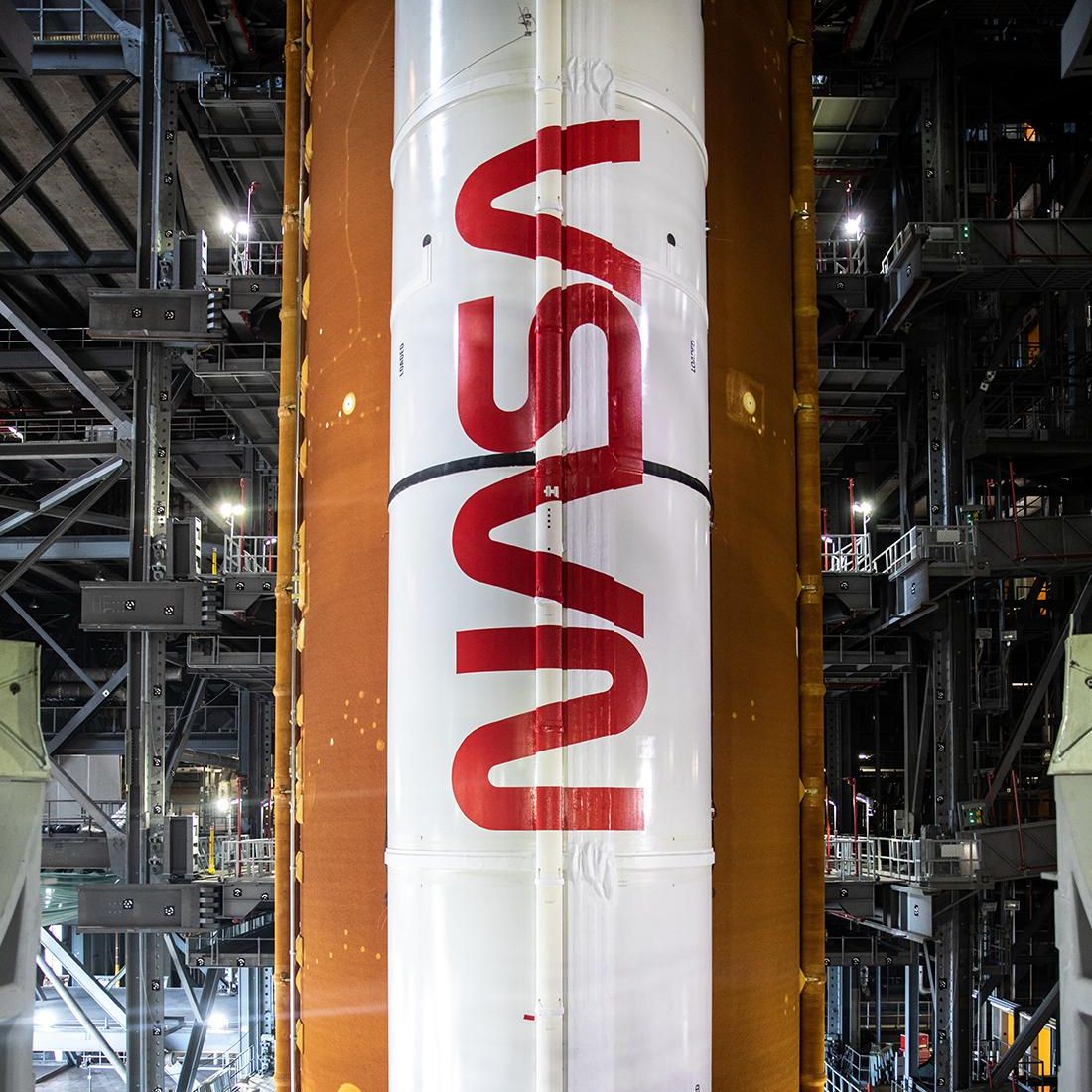
Inside the Vehicle Assembly Building at NASA’s Kennedy Space Center in Florida, technicians continue to prepare our super-powerful Space Launch System (SLS) rocket and next-generation Orion spacecraft for the Artemis I mission.
Artemis I is the first in a series of increasingly complex missions that will enable human exploration to the Moon and Mars.
This uncrewed mission will launch from Space Launch Complex 39B at our modernized Kennedy Space Center in Florida. Over the course of about four to six weeks, Orion will travel 280,000 miles from Earth, thousands of miles beyond the Moon. Orion will stay in space longer than any ship for astronauts has done without docking to a space station and return home faster and hotter than ever before. Launch is currently slated to take place no earlier than August 29, 2022. |
|
Plus, we’re inviting digital creators to register to attend the launch for our in-person NASA Social. Selected guests will be invited to blog, tweet, or post about the Artemis I launch in person. If your passion is to communicate and engage the world via social media, then this is the event for you! Sign up here.
|
|
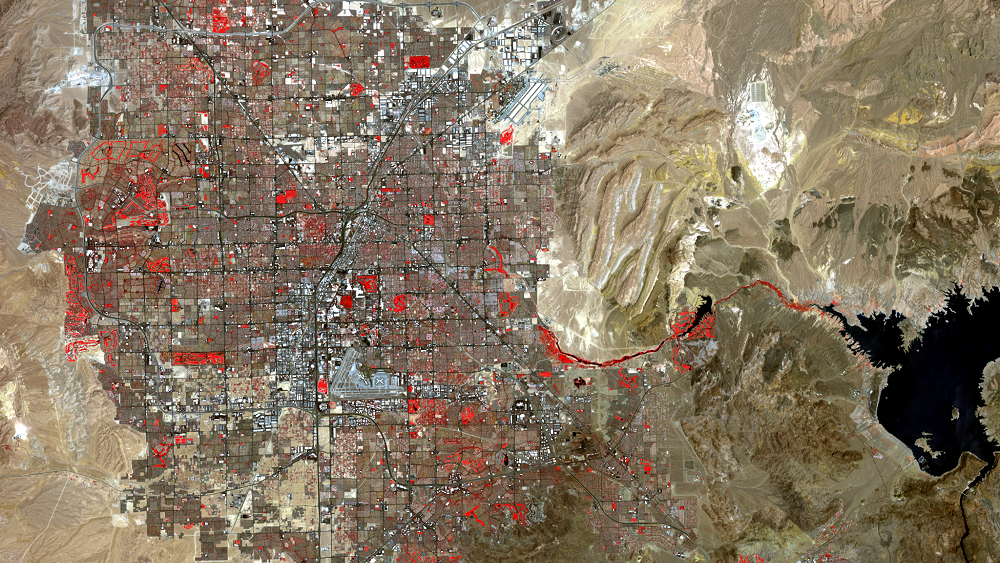
Landsat Turns 50 – We're celebrating 50 years of Landsat, the NASA-U.S. Geological Survey satellite program for observing Earth’s land surfaces from space. Since the first Satellite was launched July 23, 1972, Landsat’s eyes in space have revolutionized the way we track changes to our planet's land and water resources. |
|
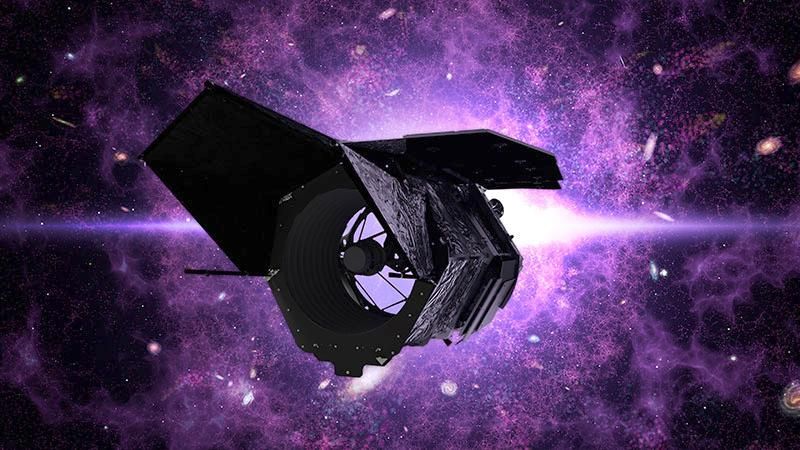
A Ride for Roman – NASA has awarded a contract to SpaceX for the launch services of the Nancy Grace Roman Space Telescope, our next-generation observatory. Contracted to lift off in 2026, Roman will help scientists answer pressing questions in cosmology, including dark matter, dark energy, exoplanets, and more. |
|
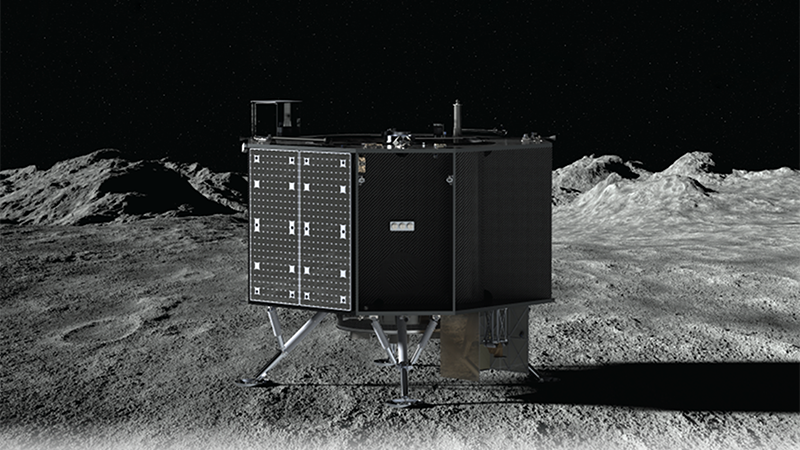
Lunar Deliveries – As part of our Commercial Lunar Payload Services initiative, Draper has been selected to fly science to the far side of the Moon in 2025, while the delivery of VIPER, NASA’s water-hunting robotic lunar rover, is now targeting no earlier than November 2024. |
|
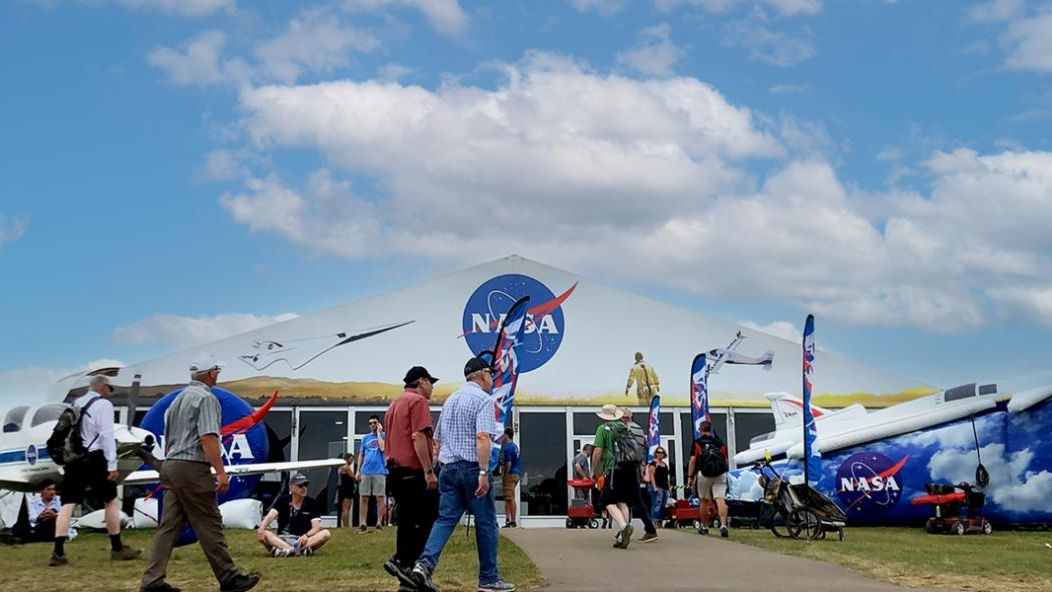
Oh Gosh, Oshkosh! – Hang out with NASA at EAA AirVenture Oshkosh 2022, the world’s largest airshow, from July 25-31. We’ll be hosting meet-and-greets, hands-on STEM experiments, panels with our scientists, giveaways, and even showcasing Artemis models! |
|
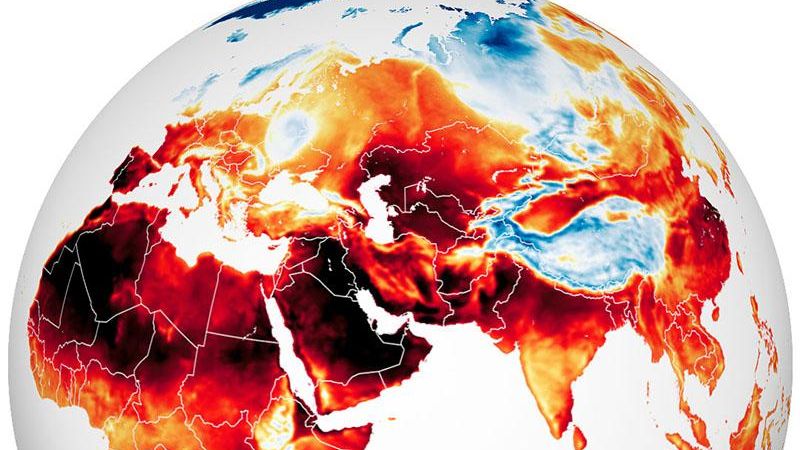
Heating Up – Extreme weather is producing record-high temperatures across western Europe and parts of Asia, with many regions rising above 104 degrees Fahrenheit (40 degrees Celsius). Learn more about how NASA’s satellites are monitoring the heat wave. |
|
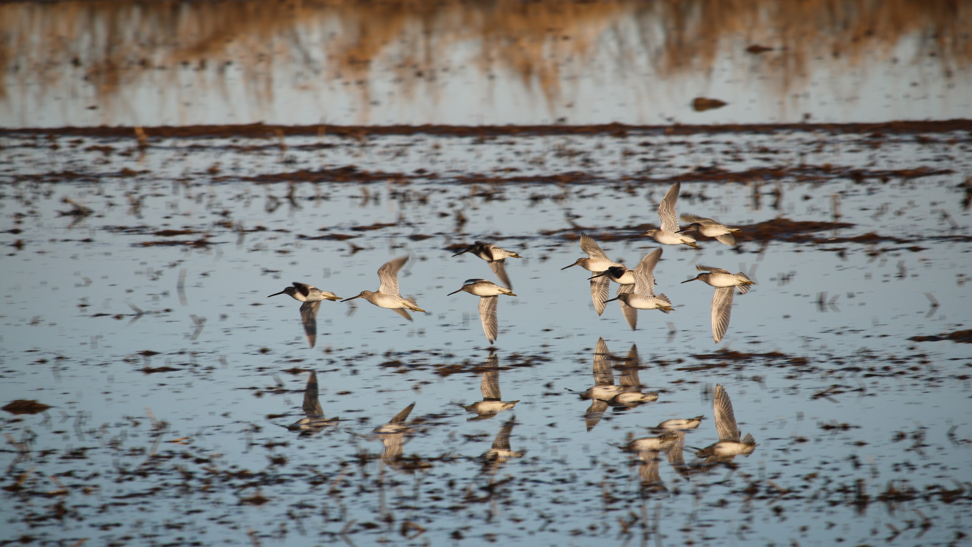
Birds of a Feather – Every spring, migratory birds fly from South and Central America to the continental U.S. A new NASA study used more than 20 years of data to demonstrate that the timing of bird migrations is influenced by large climate patterns originating thousands of miles away. |
|
|
|
Meet Chyrette Copeland, a procurement office contract specialist at NASA’s Goddard Space Flight Center.
"Procurement is the piece that pulls everything together including the science, the engineering, and the finances...[it] makes the science and engineering possible."
|
|
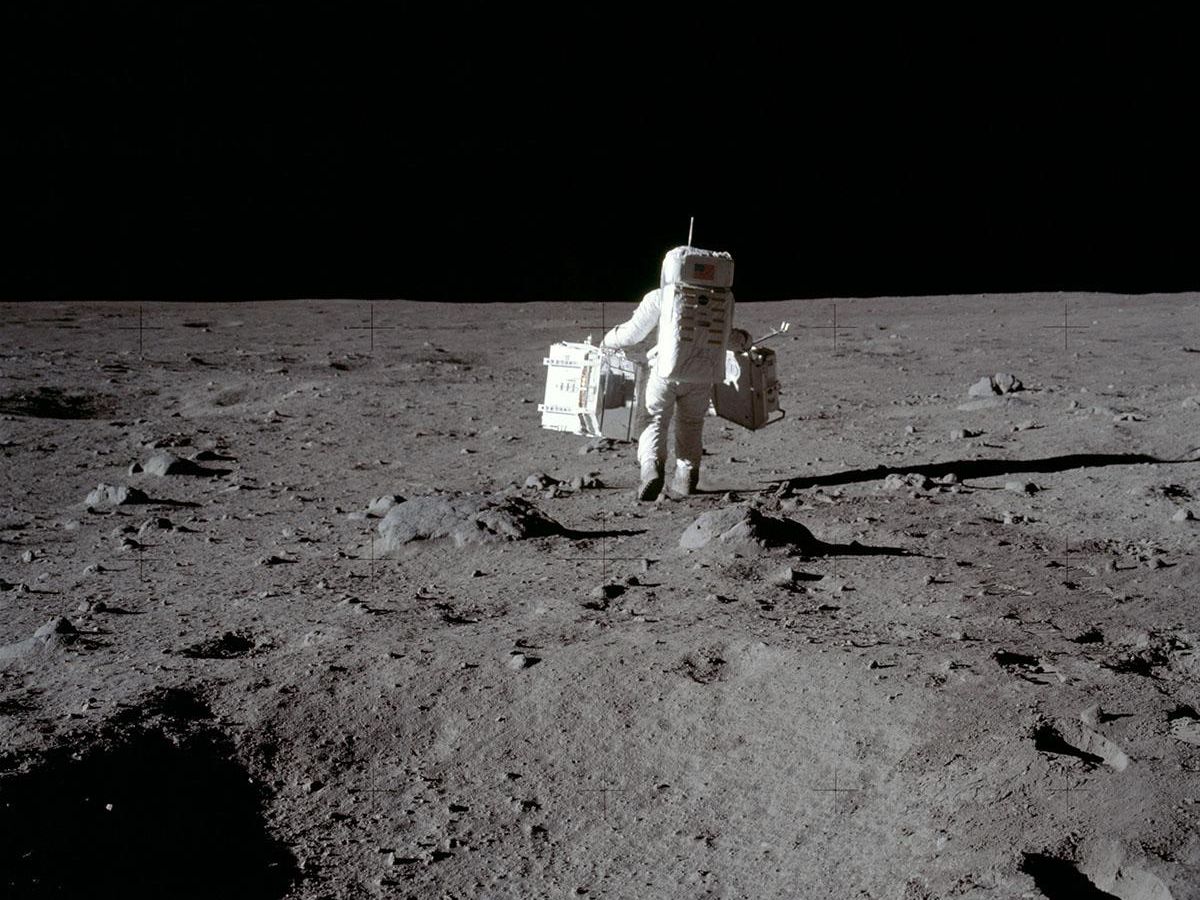
Apollo 11 astronaut Buzz Aldrin carries a pair of experiments with both arms at Tranquility Base in the Moon's Sea of Tranquility, in this photo taken on July 20, 1969.
Image credit: NASA
|
|
Explore NASA
A Weekly Bit of Space in Your Inbox
|
|
|
|
|
|
|