Connecting and Enhancing Community Engagement | | |
Summer '26 Wrap-Up
Science Outreach
| | | | |
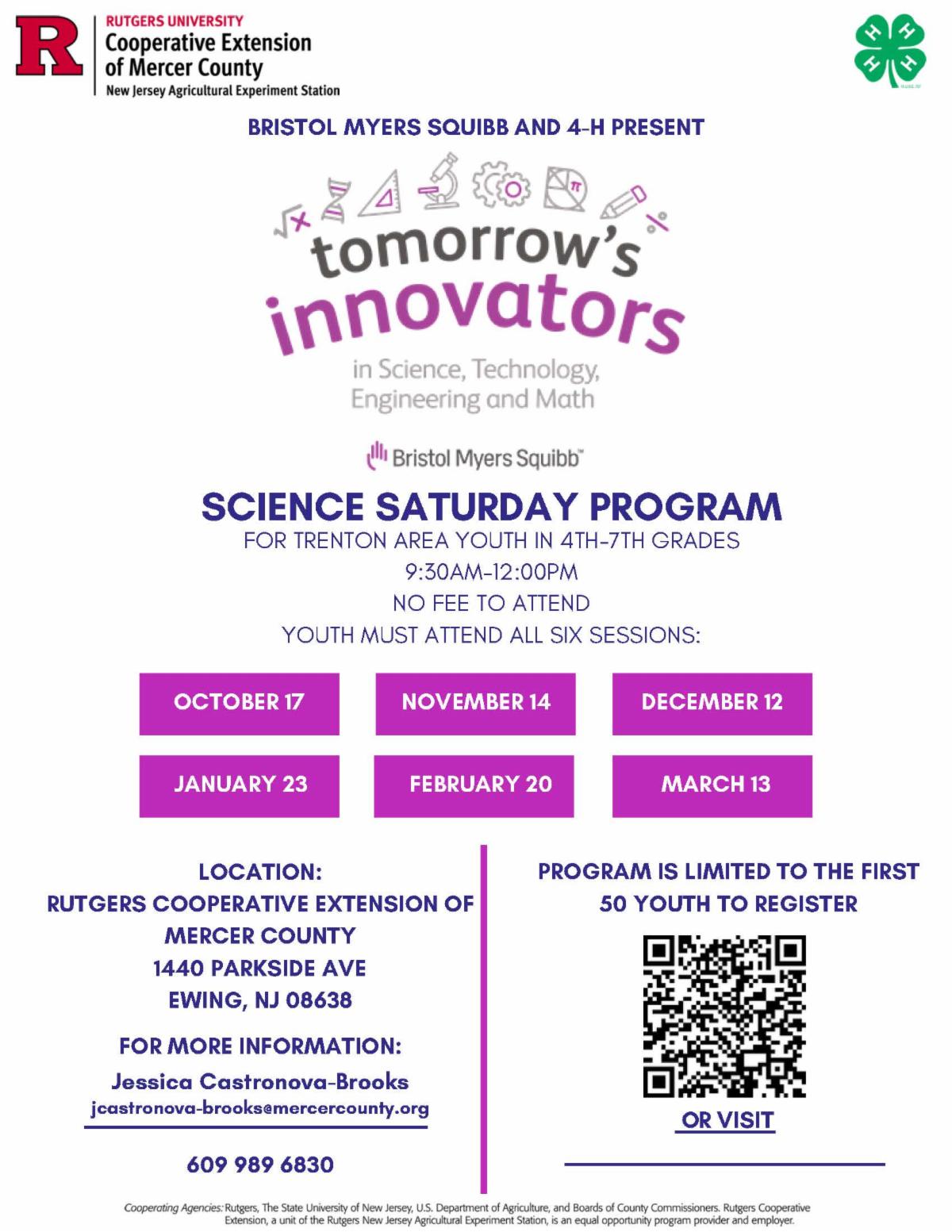
4H STEM Pathfinders Visit Campus
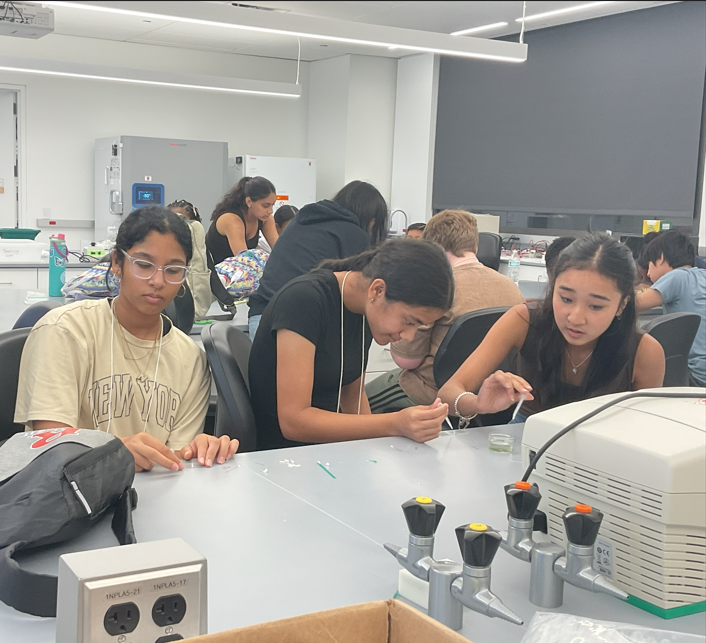
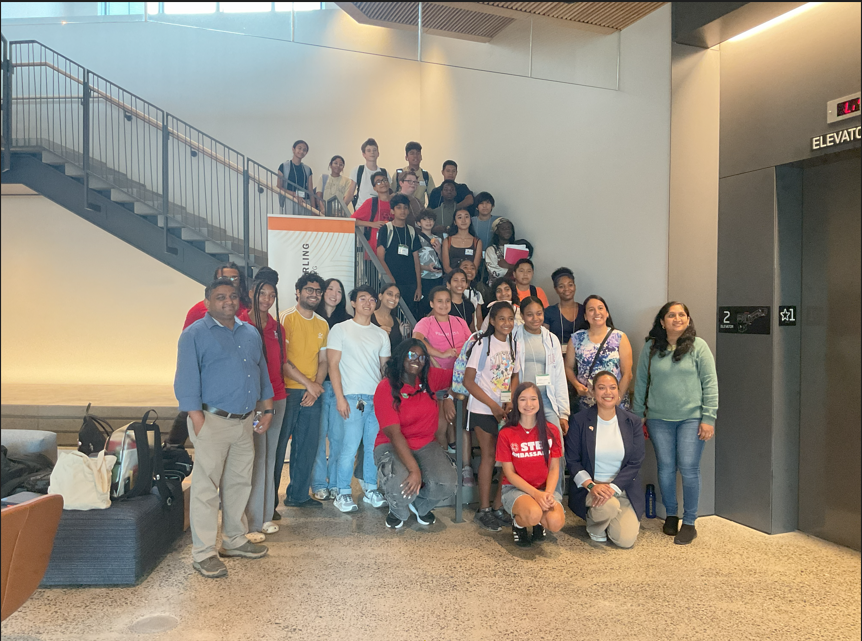
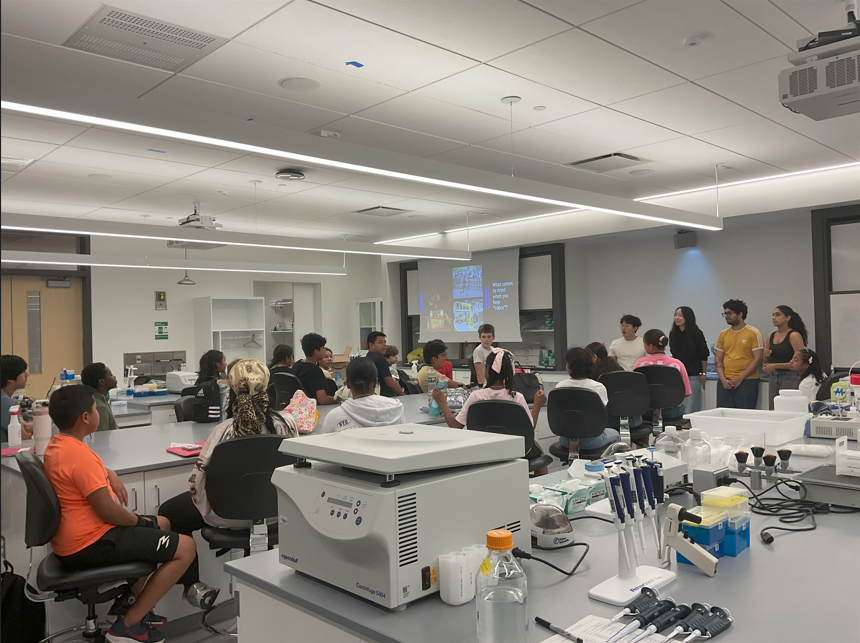
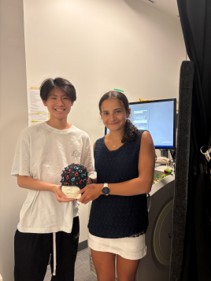
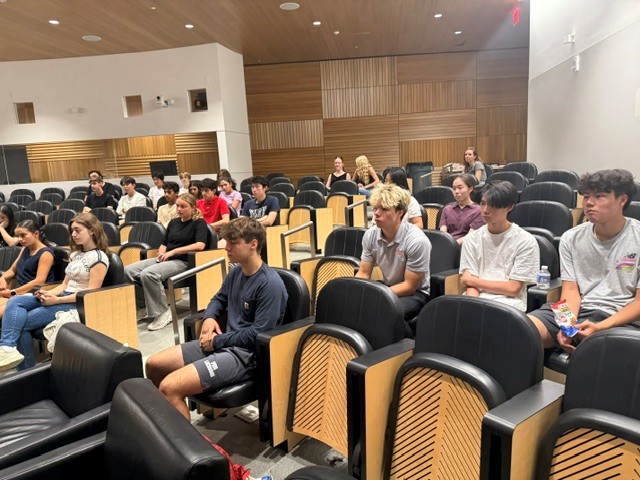
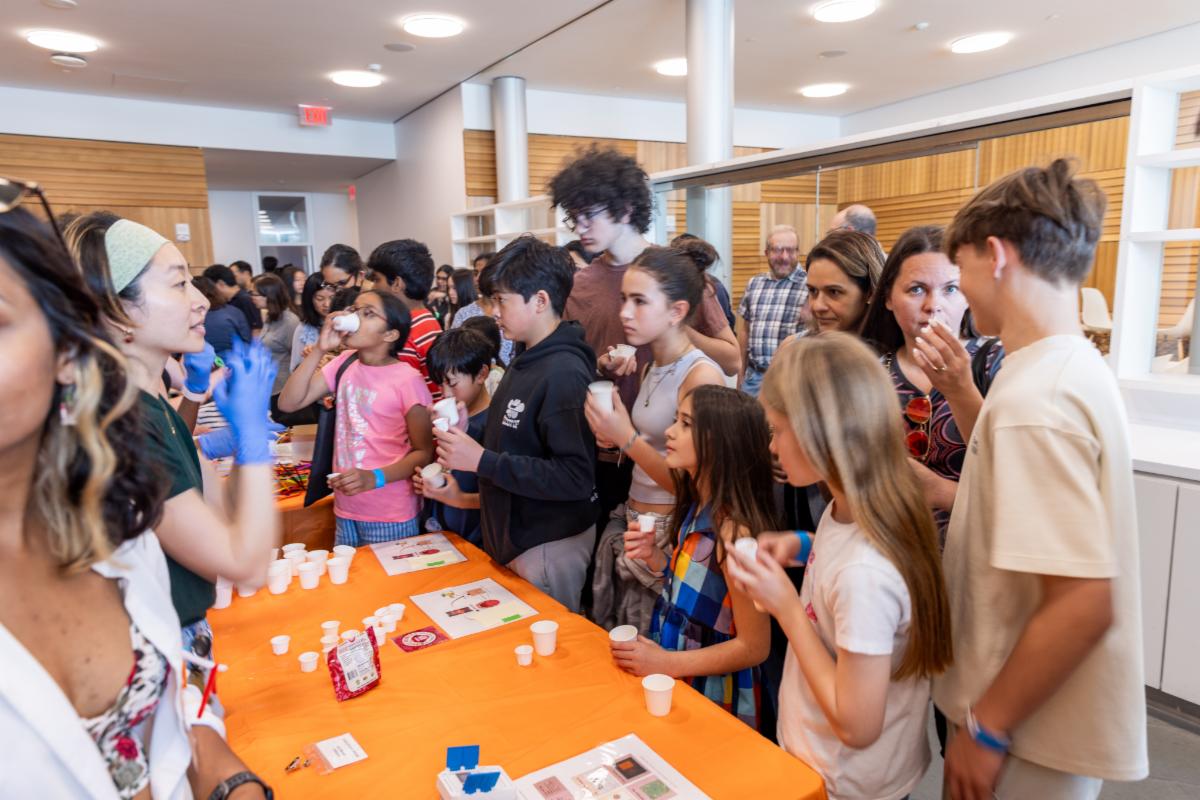
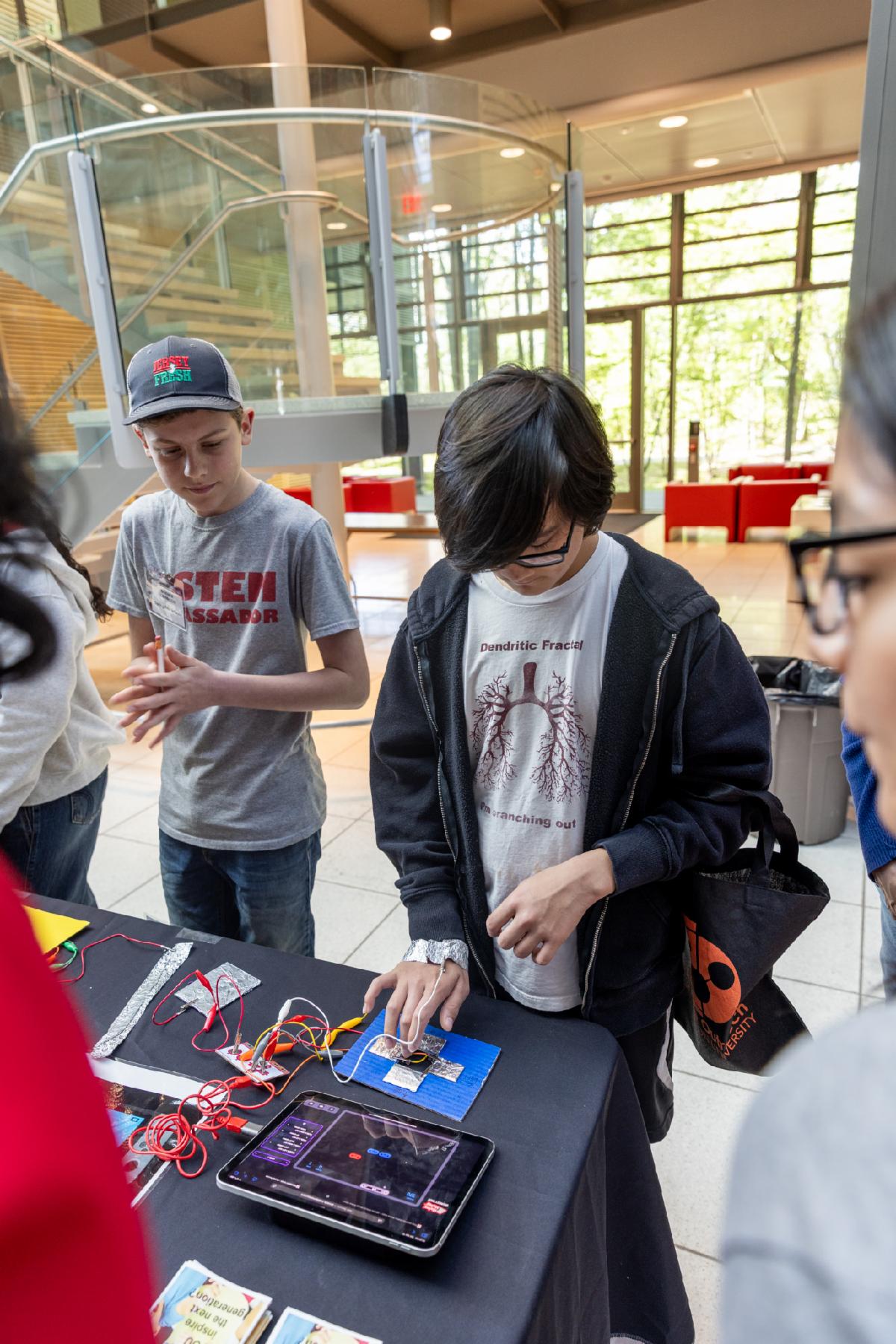
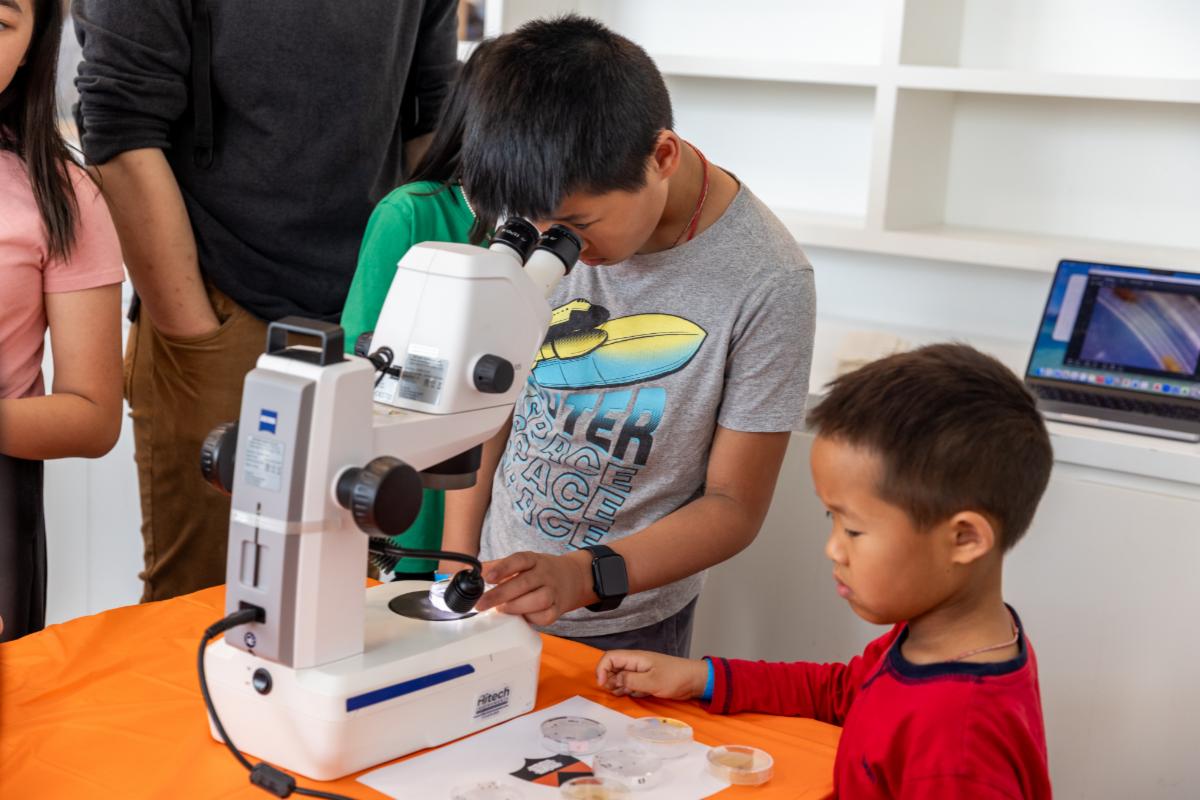
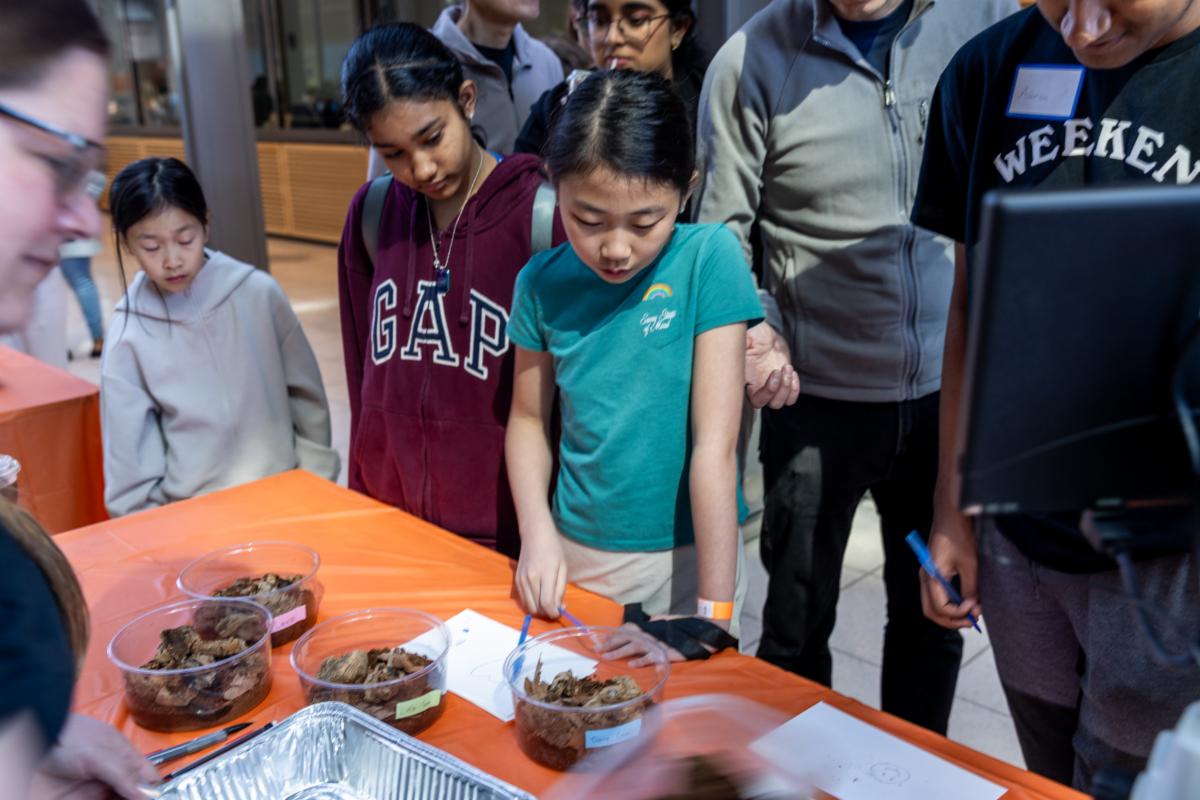
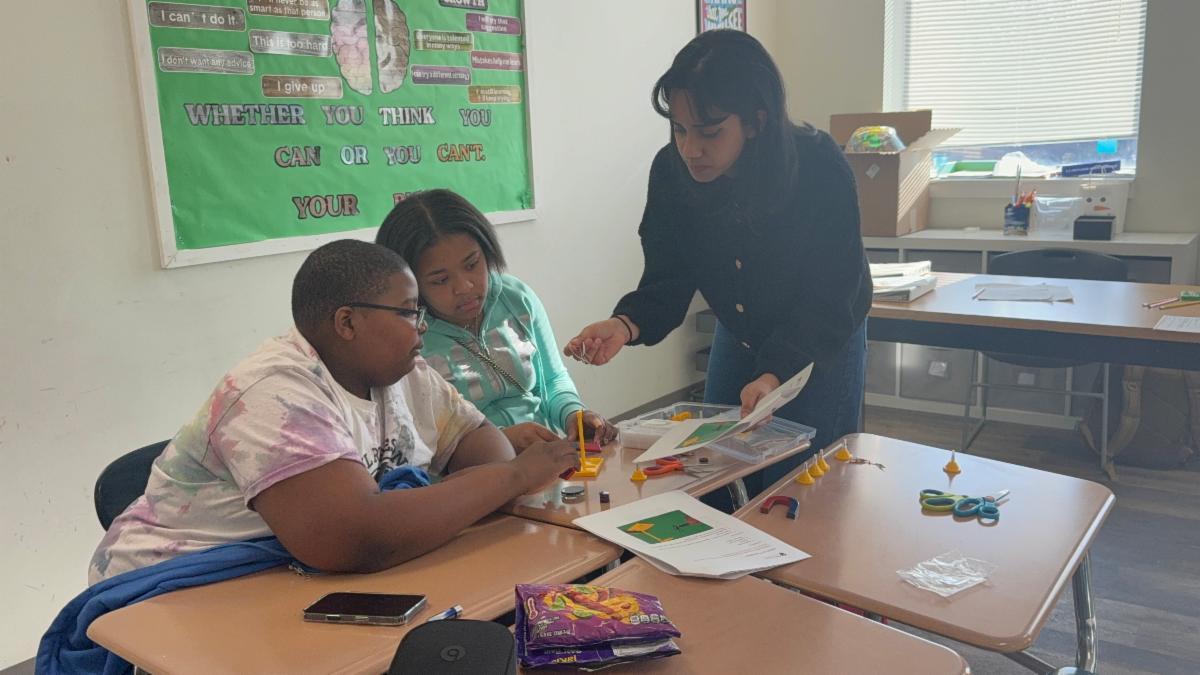
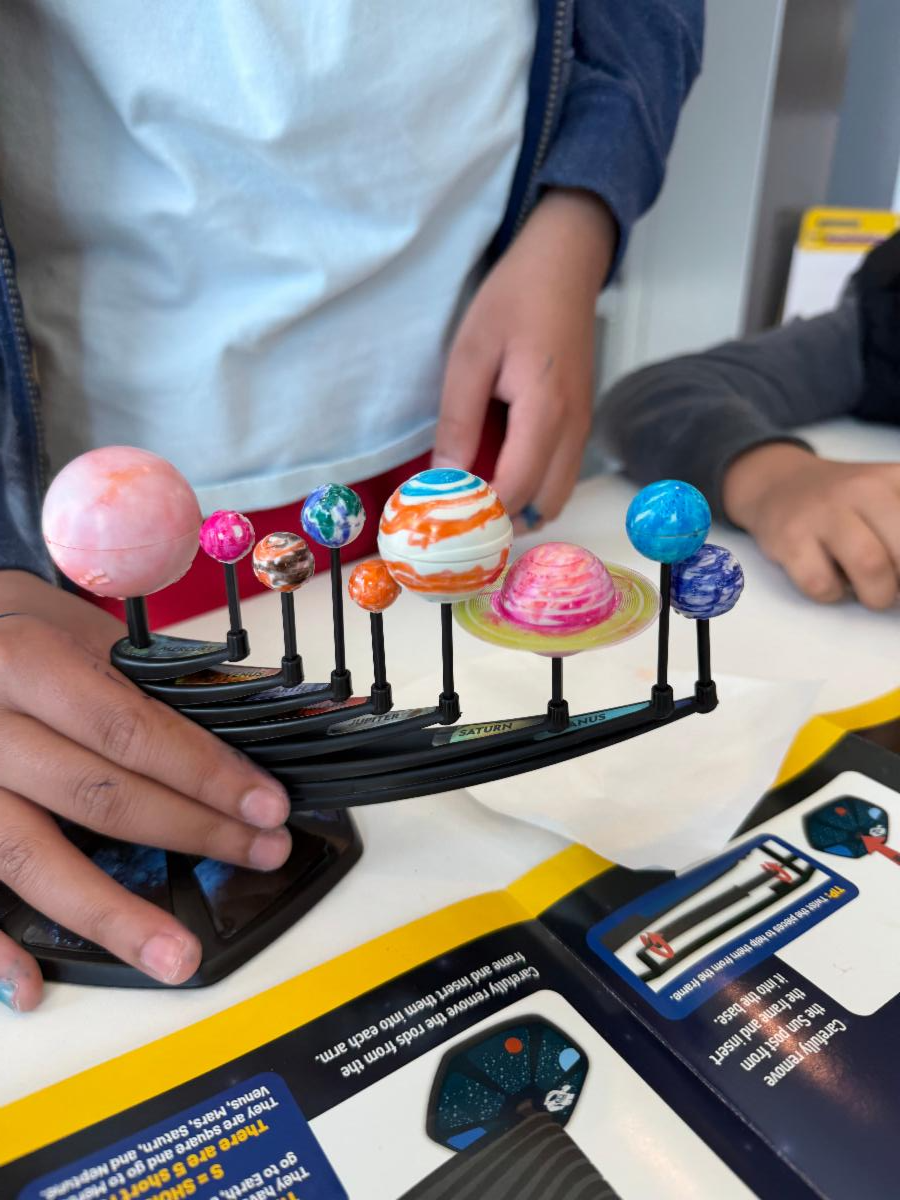
Earlier this month, 20 students from the 4-H Rutgers Cooperative Extension of Mercer County had a memorable experience at the Omenn-Darling Bioengineering Institute. Members of the Bioengineering Outreach Group designed and prototyped three interactive activities that introduced students to cutting-edge scientific concepts in a fun and accessible way.
Students had the opportunity to create Central Dogma DNA Bracelets, an activity that helps students visualize the flow of genetic information from DNA to proteins. Students also participated in a microscope workshop focused on finding water bears (tardigrades), giving them a chance to explore the microscopic world and learn about some of nature’s most resilient organisms. In addition, students built soft robotic arms, an innovative activity that introduces principles of engineering, robotics, and biomimicry through hands-on design and construction.
By connecting young learners with researchers and providing hands-on discovery experiences, this partnership exemplifies Science Outreach's mission to spark curiosity, build confidence, and inspire the next generation of scientists and engineers. We are grateful to Joan Rong and the Bioengineering Outreach Group for their enthusiasm and commitment to expanding STEM opportunities for youth.
| | |
Science Outreach Volunteers
Needed for Fall 2026
Sign up NOW for specific science outreach opportunities.
Volunteers are needed for upcoming outreach opportunities at Urban Promise, area libraries, the Boys and Girls Club, and STEM conferences. Sign up with friends or lab mates. Lyft transportation is available.
Outreach opportunities available starting September 2026. You will be contacted by September 15. Please contact scienceoutreach@princeton.edu for addtional information.
| | | The Laboratory Learning Program | | | | |
The Laboratory Learning Program:
A Successful Summer
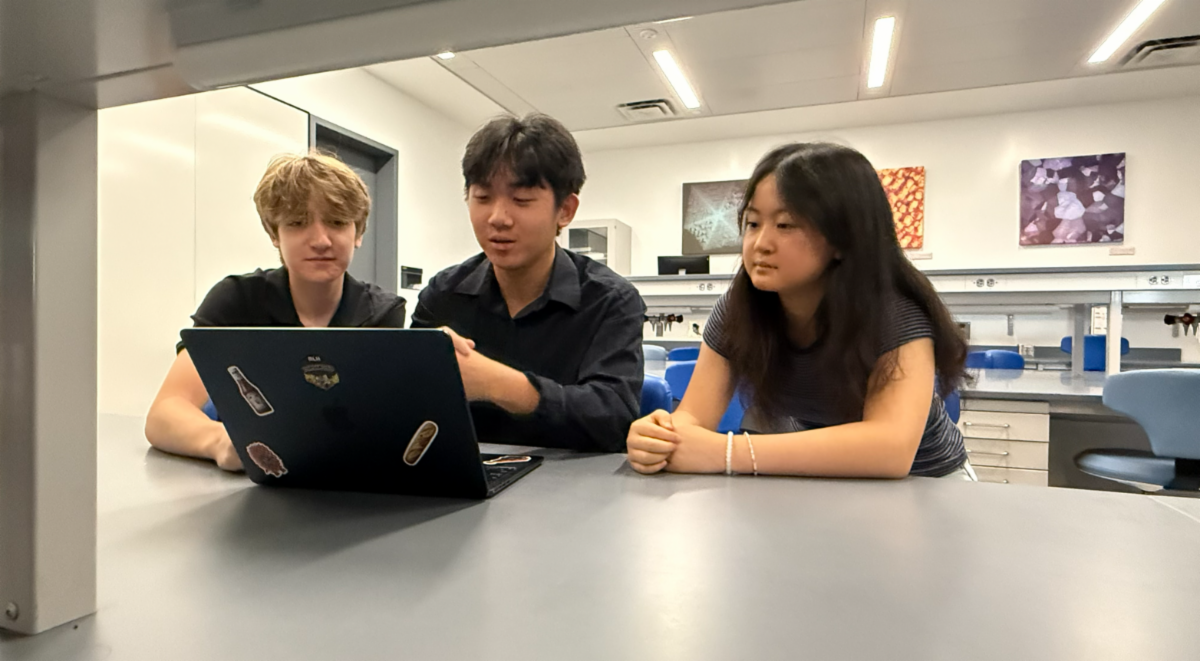
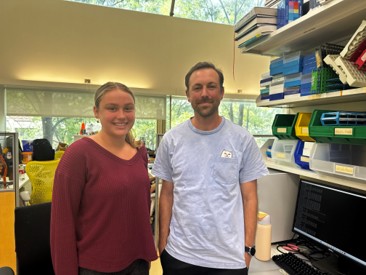
This summer, 59 students from local high schools completed a free research experience in science and engineering labs on our campus, where they were closely supervised by Princeton faculty and research staff. The students reported impactful research and learning experiences. Thank you to the faculty and departments who hosted LLP students.
For the first time in the history of the LLP program, five students received funding through Mercer County's One-Stop Career Center to support paid internships for the research they conducted this summer. This funding for local students has been a huge addition to the LLP program.
Please contact lab-learning@princeton.edu if you would like to host a student in your lab next summer. Applications for faculty to host a student open in November 2026.
| | | |
Laboratory Learning Program
Students In Action
| | |
LLP Student: Kaia Wainwright
Research Department:
Chemistry
Research Focus:
This summer I have been developing a machine learning system to quantitatively assess clasping behavior in mice using DeepLabCut, enabling automated behavioral analysis to help detect neurodegeneration in aging mice from video data. My work has included training and augmenting models, using Princeton’s Della high-performance computing cluster for large-scale computation, and using RStudio to analyze and interpret behavioral datasets. Through this project, I have gained experience with computational neuroscience, artificial intelligence, and data-driven behavioral research.
| |  | |
LLP Student:
Charlotte Wei
Research Department: Mechanical and Aerospace Engineering Department
Research Focus:
I am researching how to use behavior inspired neural networks to learn the inherent structure and theory underlying maximally smooth voice leadings in tonal music. We are exploring geometric models of music pieces, beginning from modeling musical notes as agents and songs as collective behaviors. Rules of collective behavior learned from the songs may verify existing theory or reveal new insights into methods for smooth voice leading.
| | | |
LLP Student: Aritra Ray
Research Department: Psychology
Research Focus:
I’m investigating if the writings of people in involuntary isolation tend to fixate on topics more than the writings of those not in isolation. Using a dataset that documents the texts of authors written in environments in both involuntary isolation and social environments, my research contributes to a broader conversation about the concentration of social content in works written in isolation. A greater tendency to fixate on certain topics in environments of isolation carries implications about the thought horizon for individuals isolated from social content.
| | | |
LLP Student: Nina Tadych
Research Department: Chemical and Bioengineering
Research Focus:
This summer I'm working with my mentor to engineer bacteria that can break down and consume chemicals within plants called opines. Plants typically only produce opines when their DNA is hijacked by certain pathogenic bacteria. We're using plants that already carry inserted genes causing them to produce opines, paired with engineered bacteria that can eat those opines and release beneficial nutrients back to the plant. Another project we're working on is developing a visual reporter system called RUBY, which turns plants red during an immune response. I'm super grateful to be able to spend some time in the lab at Princeton.
| | | |
LLP Student: Nina Hassimi
Research Department:
Ecology and Evolutionary Biology
Research Focus:
The students are working with the Department of Ecology and Evolutionary Biology (EEB) osteological collection under the supervision of Mary McLaughlin, together with Daniel Vásquez from the Simoes Lab. They are classifying and cataloging vertebrate skeletal specimens that were recently relocated from Guyot Hall to the new Environmental Studies building. As part of this work, they have gained hands-on experience with 3D imaging techniques, including photogrammetry, surface scanning, and computed tomography (CT), to digitize the collection and generate morphological data for future research.
| | | |
LLP Student: Thomas Solitro
Research Department: Chemical and Biological Engineering
Research Focus:
Our research project is on active colloids, particles that consume energy to move autonomously. My work involves helping to fabricate these micromotors, which have a particular surface geometry that allows them to create a chemical gradient under UV light, propelling them forward. This type of UV-activated motion will also lead to collective behaviors such as phase separation. I also have been creating computational programs to analyze the motion of these particles under the microscope.
| | | |
LLP Student:
Angela Zhang
Research Department:
Mechanical and Aerospace Engineering Department
Research Focus:
We are working on the project, "Multi-agent systems: Generating music with BINNs". We're adapting the Behavior-Inspired Neural Network (BINN) architecture to symbolic music, treating musical voices or MIDI pitches as interacting agents whose latent preferences evolve through nonlinear opinion dynamics. Through training the model on a selection of Bach chorales and a selection of pop songs, we have generated short samples through prediction. Our current follow up work focuses on investigating and understanding smooth voice-leading motion.
| | | |
LLP Student:
Krishay Maskara
Research Department:
Mechanical and Aerospace Engineering
Research Focus:
I am researching how artificial intelligence can better understand and create computer-aided design models used in engineering. My project explores whether representing a design as a structured graph of parts, operations, and geometric relationships can help AI reason more accurately than treating the design as a flat sequence of commands.
| | | |
LLP Student:
Oceana Li
Research Department:
Department of Civil and Environmental Engineering
Research Focus:
I am working on an agentic paper retrieval system that integrates Model Context Protocol (MCP) with a domain-finetuned Small Language Model (SLM). MCP enables the SLM to access and parse a massive water engineering paper database locally, preventing privacy risks and reliance on cloud APIs. Using a hybrid search method, the most relevant papers and their metadata are returned based on a user's query. Furthermore, the user may also chat with one or more papers to enhance comprehension and/or extract specific details.
| | | |
LLP Student:
Zafir Shamsi
Research Department:
Mechanical and Aerospace Engineering
Research Focus:
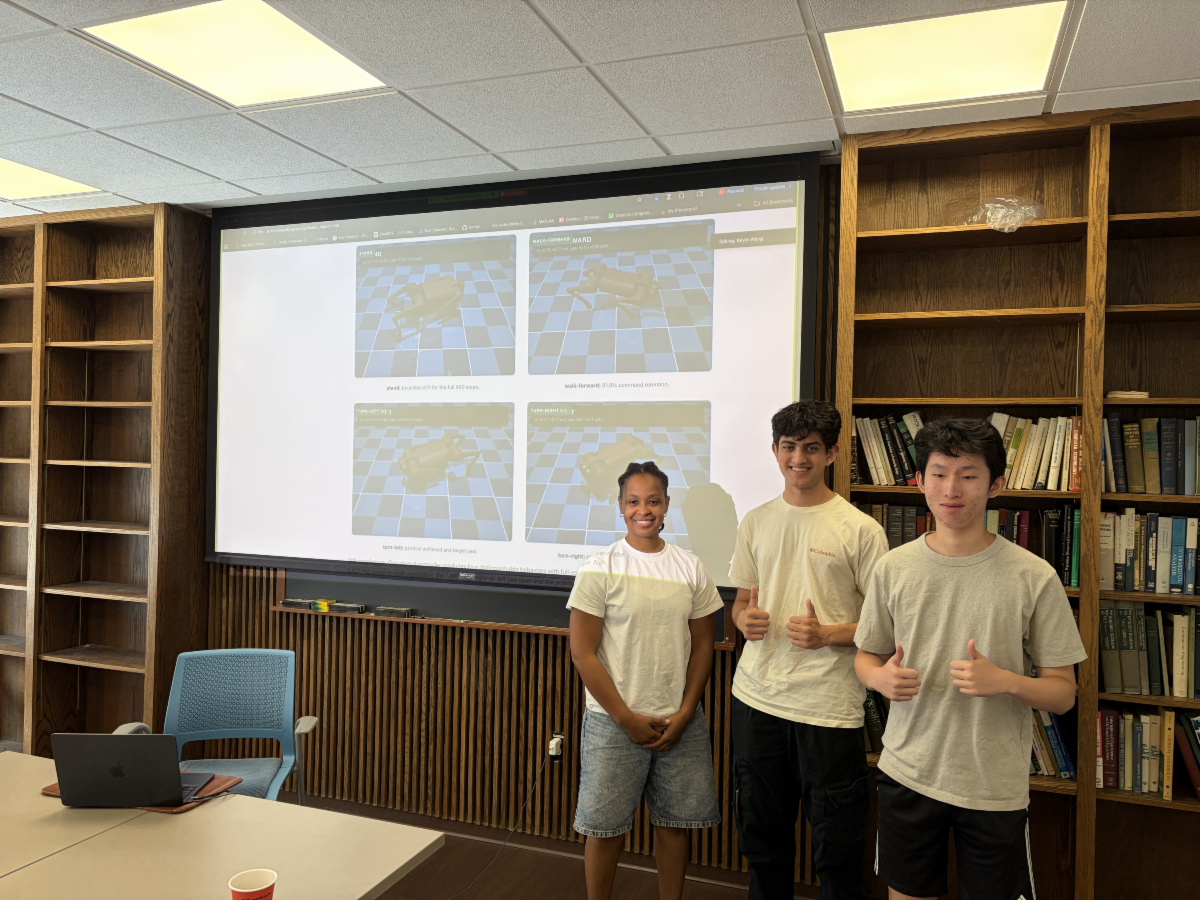
I am working in the Allen-Blanchette Group on morphology-aware multi-agent reinforcement learning for quadrupedal locomotion. Our approach models each actuated joint as an individual agent, with joints of the same type sharing policy parameters and communicating through a graph representation of the robot’s physical structure. We are investigating whether higher-order relationships—such as limb modules, bilateral symmetry, support polygons, and gait cycles—can improve the learning and generalization of reusable motion primitives.
| | | |
LLP Student:
Scarlett Liu
Research Department:
Civil and Environmental Engineering
Research Focus:
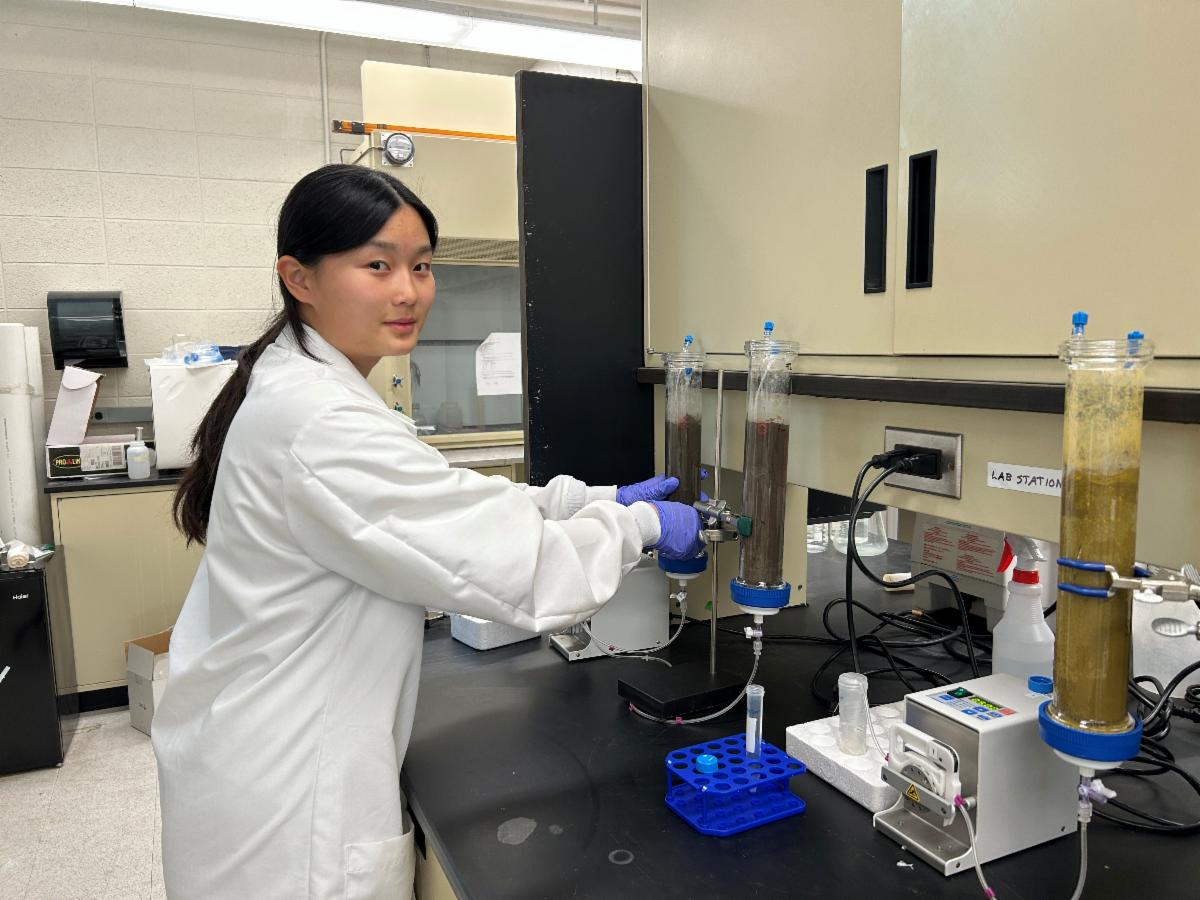
I am researching bioremediation of PFAS using Acidimicrobium sp. strain A6 by investigating how iron amendment and redox conditions influence the Feammox process under field-relevant conditions. My work supports open-column experiments designed to bridge the gap between laboratory studies and real contaminated sites. I collected biological and geochemical data, including pH, redox potential, Fe(II), ammonium, and qPCR measurements, to monitor A6 activity and treatment performance. The long-term goal is to develop practical strategies for scaling biological PFAS remediation in the environment.
| | | |
LLP Student:
Abby Knowles
Research Department:
Department of Chemistry
Research Focus:
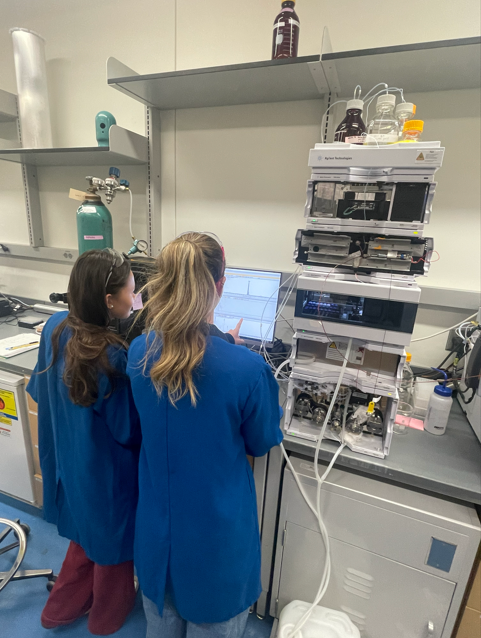
This summer, Abby has discovered and is studying a new enzyme that makes a peptide! We are characterising the protein, looking at the different amino acids it can accept, and looking at the proteins surrounding it to see what other modifications could be going on when making the final product! We hypothesise that we have found a gene cluster that makes a modified peptide, which are highly important products in the pharmaceutical industry. The picture shows us at the LC-QTOF with our peptide peak.
| | | |
LLP Student:
Sevanna Knoch
Research Department:
Molecular Biology
Research Focus:
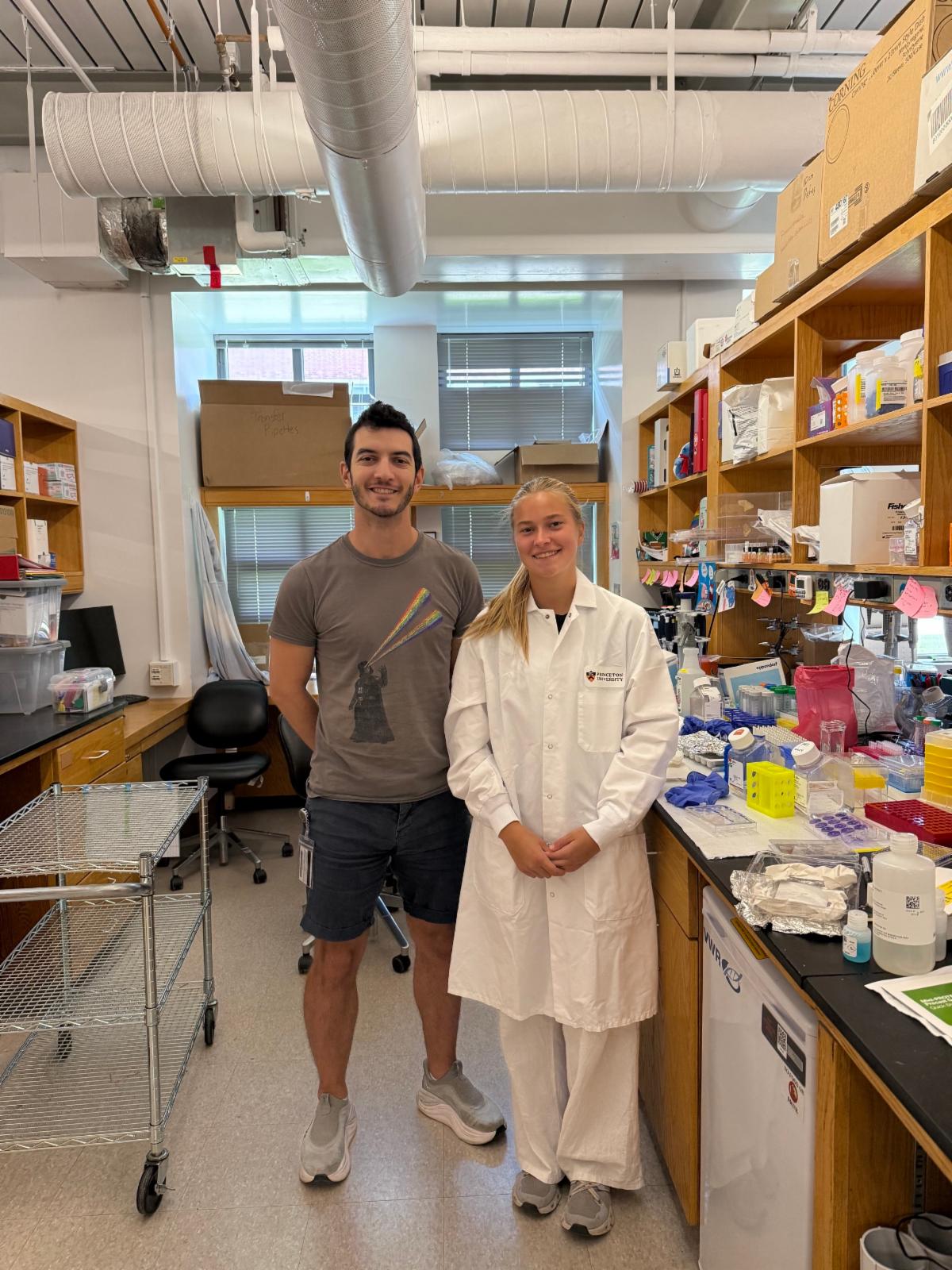
This summer, I worked in the Lynch Lab alongside Nicolò Bancaro, where my project focused on investigating how cholesterol directly affects tumor-cell behavior in vitro using the B16F10 melanoma cell line. The goal of the study was to determine whether different concentrations of cholesterol could alter cell proliferation.
| | | |
LLP Student:
Layla Lynch
Research Department:
Molecular Biology
Research Focus:
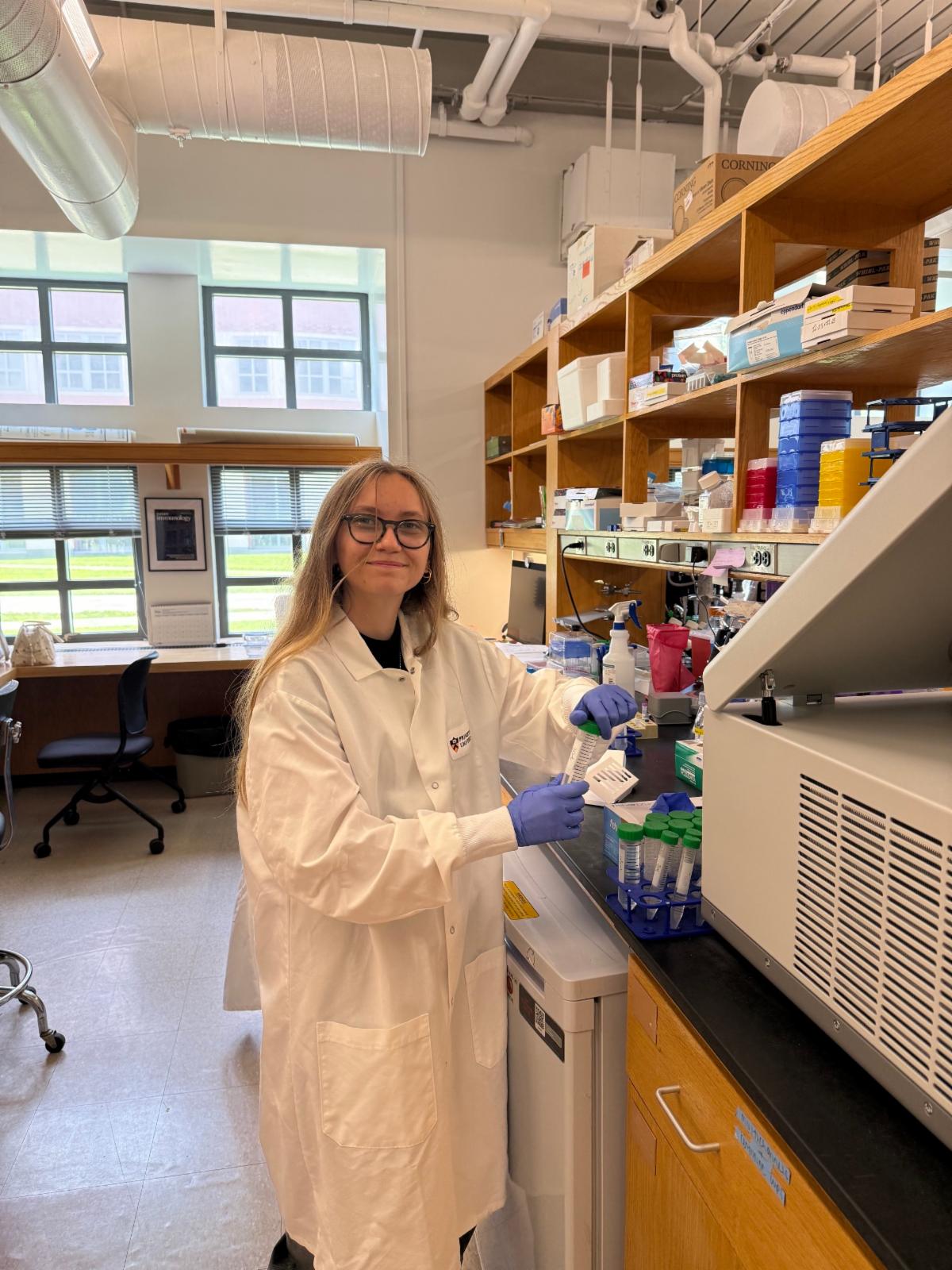
I am very grateful for getting the opportunity to experience this program. The learning lab program has allowed me to explore different procedures including cell culture, organoid culture, ELISA, RNA extraction, and various types of imaging which has expanded my knowledge of medicine and knowledge of our bodies systems.
| | | |
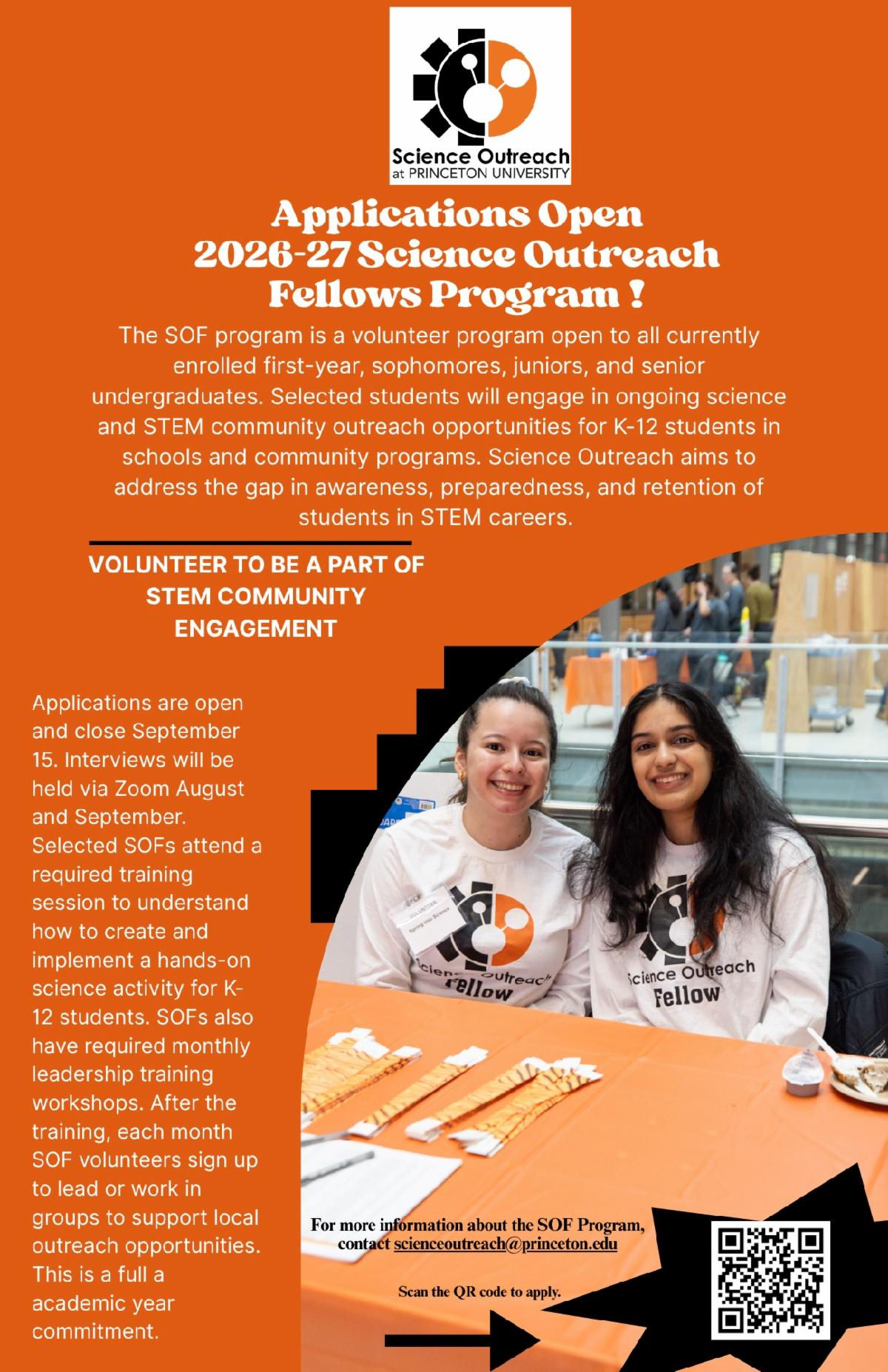
Applications are OPEN for the Science Outreach Fellows (SOF) leadership program for the 2026-27 academic year. Please share this information with your undergraduate students and groups. The SOF program is a volunteer initiative in which undergraduate students engage in STEM outreach with K-12 students in schools and community programs. All classes are welcome to join.
Click the link below or scan the QR code in the flyer.
Apply by September 15.
| | |
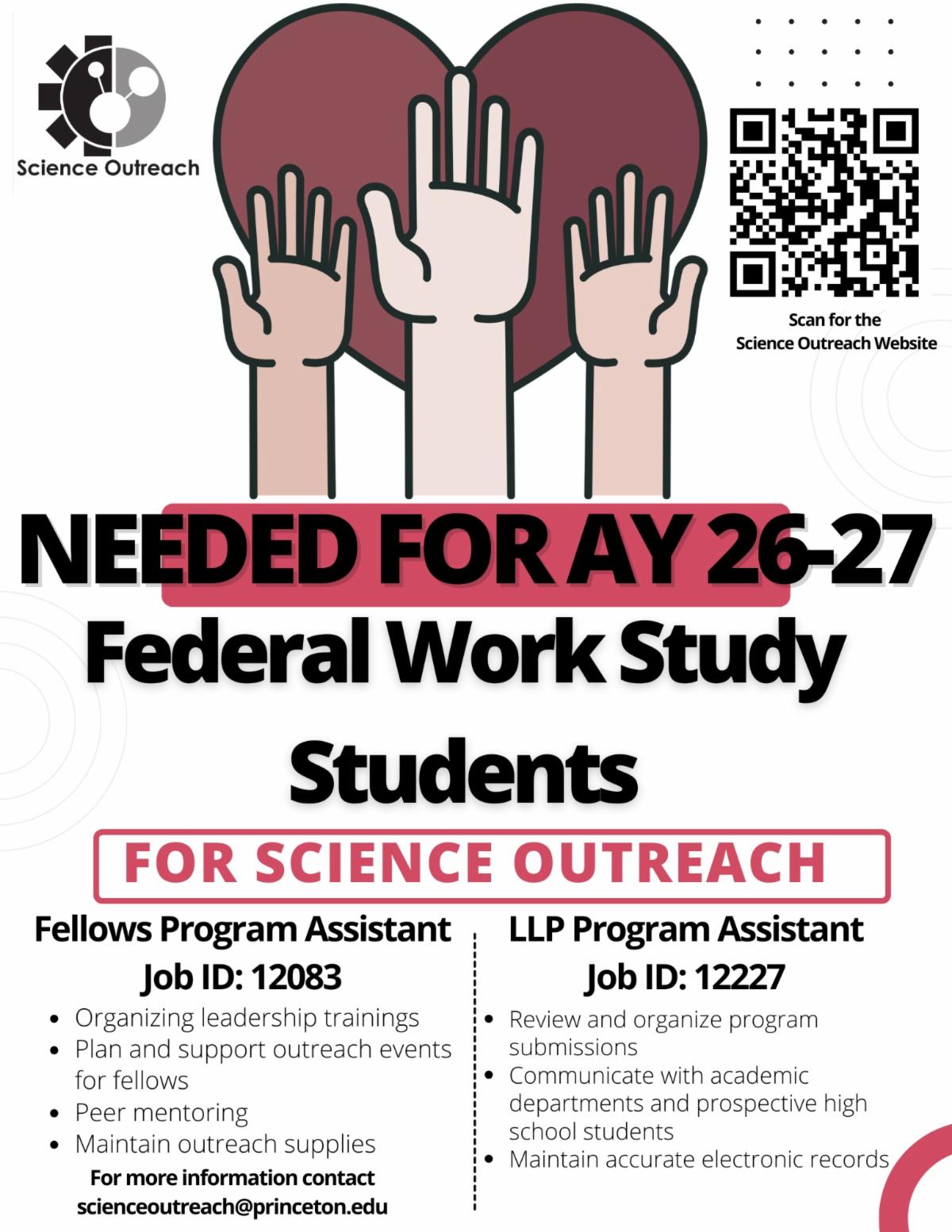
Science Outreach is looking for Federal Work-Study students.
See JobX for more information.
| |
Policy for Minors......Did You Know
Princeton University has a policy for programs involving minors. Are you planning to invite a group of students to your campus building or to your lab for an outreach event? Did you know that all groups of K-12 students (and groups) visiting campus must be registered to be on campus? Please contact Paryn Wallace, Associate Director of Science Outreach, to discuss how to officially register your outreach event and how to make it an impactful activity for the students.
| | | Do You Need Outreach Support For Your NSF Grants | | |
Science Outreach
FALL 2026
VOLUNTEER OPPORTUNITIES
| | | | |
Volunteers Needed for
Fall 2026
Outreach Opportunities!
Fall is here! Science Outreach programs provide impactful science opportunities in our community. Please indicate your interest in volunteering for upcoming outreach opportunities this semester. K-12 students in our surrounding community are excited to participate in your hands-on, engaging science experience to increase their awareness and knowledge of science and STEM.
For more information, contact scienceoutreach@princeton.edu.
| | |
Let's Track Your Community Outreach
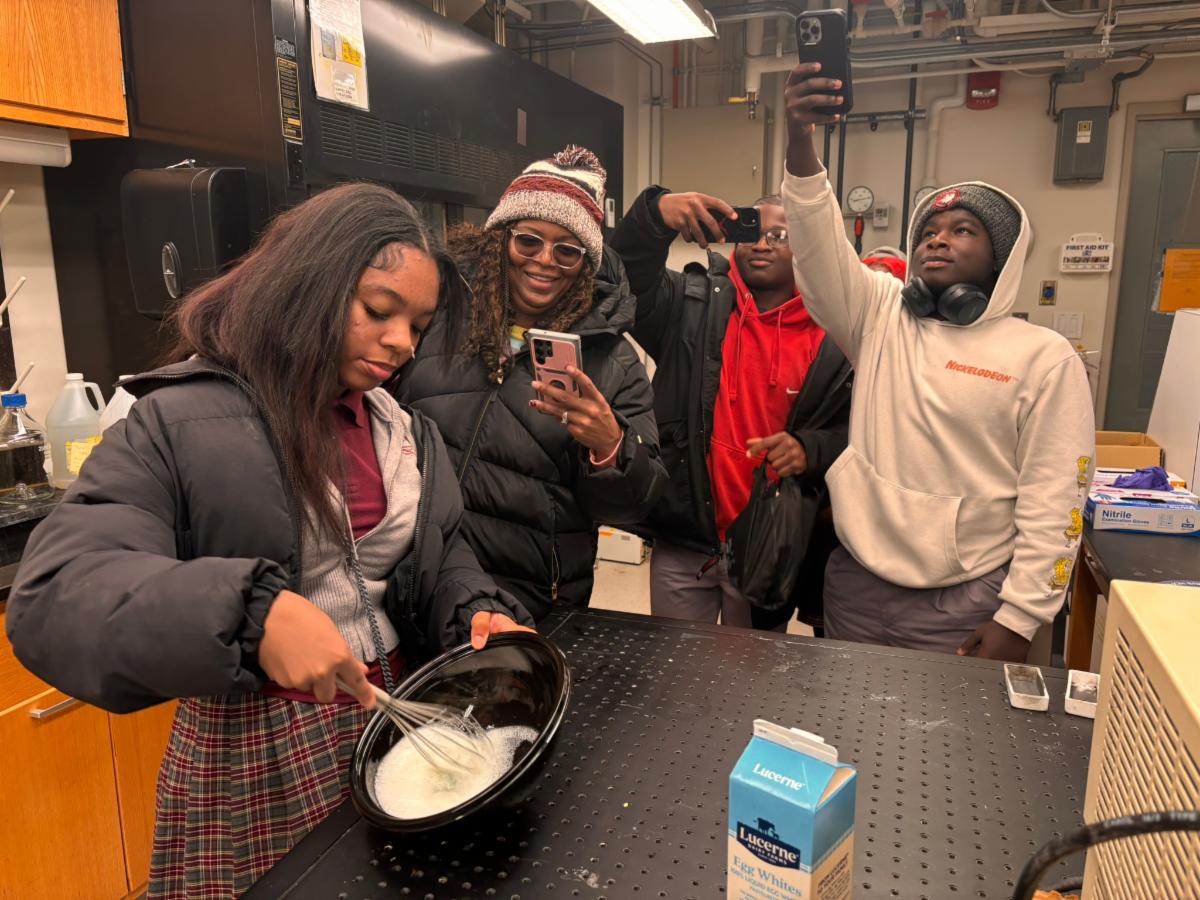
If you, your lab, or your department facilitated an outreach opportunity, please complete the tracking form and upload a photo from your event. We will feature your opportunity in the next edition of the Science Outreach newsletter.
| |
| |
Connect with Science Outreach
Sign up here to subscribe to the Science Outreach listserv and receive the Science Outreach newsletter.
| |
Please share this Science Outreach newsletter in your department with undergraduate and graduate students, postdocs, faculty, and researchers.
Thank you for your support!
| | | | |
For more information contact:
Paryn A. Wallace ~ parynw@princeton.edu
Associate Director of Science Outreach
https://scienceoutreach.princeton.edu
Science Outreach - 609.258.7732
Princeton University
| | Connect with Science Outreach on Social Media! | | Science Outreach ~ Princeton University ~ scienceoutreach@princeton.edu | | | | |