ONE MONTH AWAY:
REGISTER FOR NACD'S ANNUAL MEETING
|
NACD's Virtual Annual Meeting is less than a month away! Have you registered? This year, it only costs $50 to attend!
The 75th Annual Meeting, scheduled Feb. 1-10, 2021, will celebrate NACD's 75th Anniversary with the theme, "NACD's 75th Anniversary: A Diamond Out of the Dust."
Don't miss out on an exciting 75th Anniversary panel, which will look back on NACD's legacy through an engaging discussion with a past NACD president, a former NACD CEO, and a former chief of the Natural Resources Conservation Service (NRCS).
Do you qualify for free registration? Conservation districts that have paid their dues at a platinum or diamond level this year are entitled to free registration as part of their membership benefits! Platinum level members may receive up to 10 free registrations, and Diamond level members can receive up to five free registrations! New Lifetime Members of Friends of NACD are also eligible for free registration. Please consider making a donation to the Friends of NACD program to qualify. Contact events@nacdnet.org with your name and email to begin processing.
|
GEORGIA ANNOUNCES FIRST ROUND OF
GCAP FUNDING
|
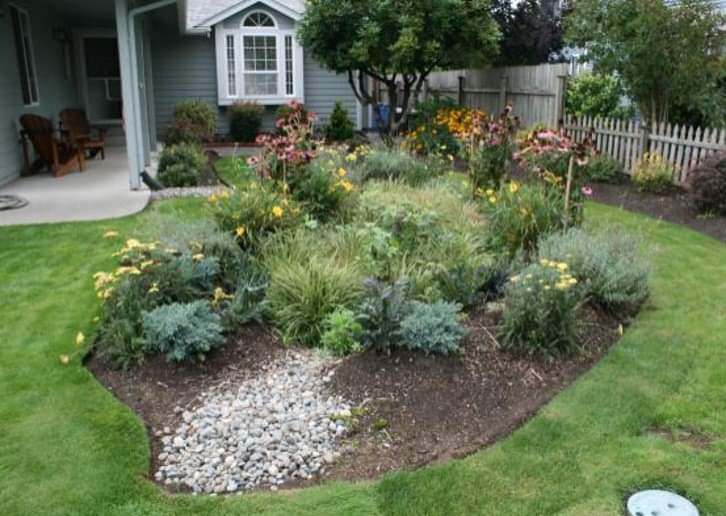
Last week, the Georgia Association of Conservation Districts (GACD) and the Fulton County Soil and Water Conservation District (SWCD) announced the recipients of the very first round of funding from the new Georgia Conservation Assistance Program (GCAP). Over $20,000 will be awarded to eight homeowners to install green infrastructure practices to reduce stormwater runoff and water pollution on their residential land in urban Fulton County. The nonprofit Trees Atlanta will partner with GACD to install these green infrastructure practices.
“We are very pleased to announce the first recipients of the Georgia Conservation Assistance Program," said Alan Toney, chair of the Fulton County SWCD. "This important partnership will help reduce stormwater flooding, improve water quality, protect homeowner’s property, and improve the general livability of our neighborhoods.”
Funds for the program are provided by the Natural Resources Conservation Service (NRCS). To learn more, visit GACD's website. |
NATIONAL GEOGRAPHIC HIGHLIGHTS MICHIGAN DISTRICT'S GREAT LAKES CONSERVATION
|
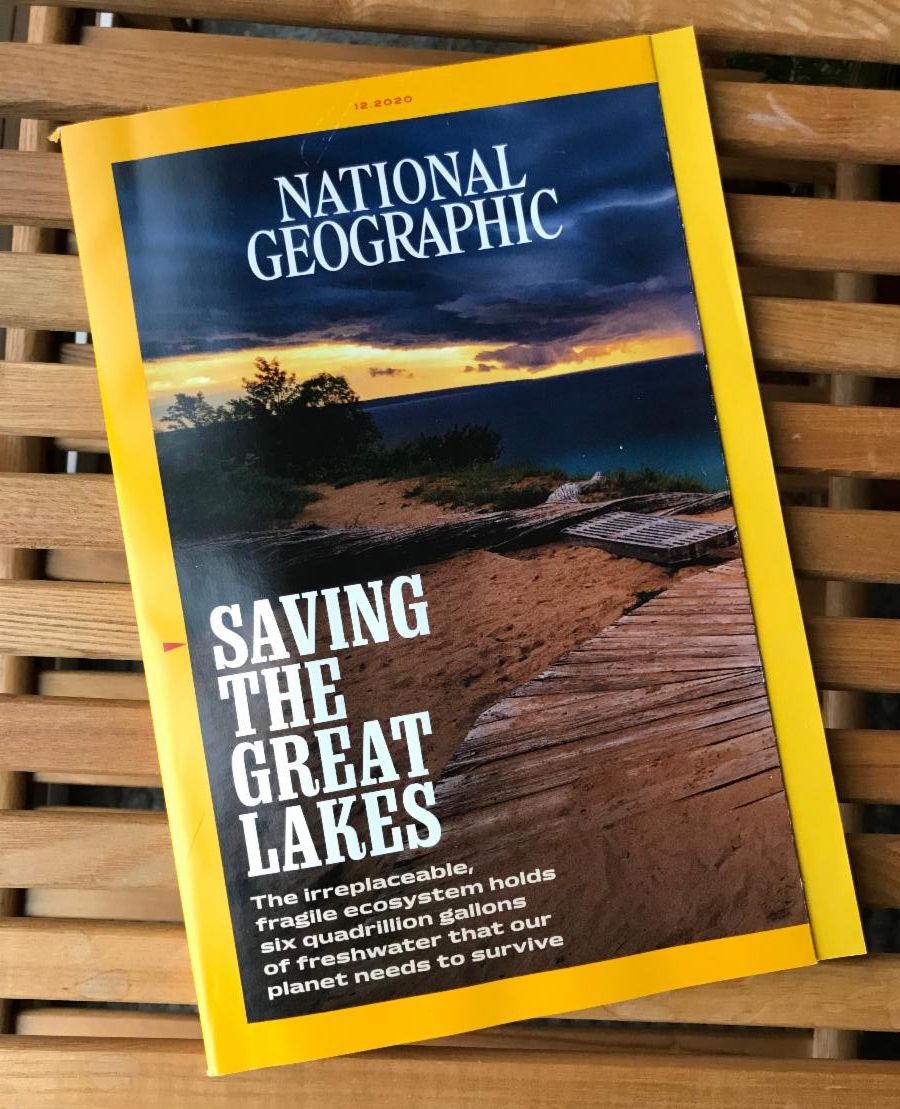
Peek inside the National Geographic's December 2020 issue, and you might see some familiar names. In the summer of 2019, a writer and photographer visited and interviewed Michigan's Van Buren Conservation District staff and several local farmers for an article on the Great Lakes.
“We were excited to be able to share some of the positive work we’re doing that benefits both farms and water quality,” said Conservation Technician Colleen Forestieri. “We’re working with the University of Notre Dame to research the effectiveness of farm conservation practices, and that caught National Geographic’s eye. The Great Lakes are under a lot of stress, but we were able to show that there’s a lot being done to protect our beautiful lakes.”
In the fall of 2020, the conservation district used grant funding from the Great Lakes Restoration Initiative to provide cost-share to farmers to install over 2,000 acres of cover crops in the Hartford area. Cover crops are plants grown on farm fields in the off-season to protect and improve the soil.
“We’re concentrating our efforts in a small watershed at the moment to see if we can see an effect on water quality if we really blanket the area with conservation practices,” said Watershed Coordinator Erin Fuller. “The statewide average for cover crops is somewhere around six percent, but with this program, we have about 50-60 percent of agricultural acres cover cropped in this small area.” Cover crops reduce runoff and erosion in the off-season – benefitting water quality – and also improve soil health and balance soil moisture which benefits the farmer.
“We’re really grateful we’ve had so many farmers work with us," said Forestieri. "It’s not easy to adopt new practices, but they have taken that leap of faith and are beginning to see the benefits to their operation." The conservation district has funding to cost-share cover crops and other conservation practices in select areas for the next three years.
The full write-up, entitled “Saving the Great Lakes,” is available in the December 2020 issue of National Geographic magazine and online here.
|
IOWA LAUNCHES S.T.A.R. PILOT AREA |
The Conservation Districts of Iowa (CDI) has identified and launched a pilot area for the promotion of the Saving Tomorrow’s Agricultural Resources (S.T.A.R.) initiative. After signing a memorandum of understanding with the Champaign County Soil and Water Conservation District (SWCD) to bring S.T.A.R. to Iowa in 2019, CDI obtained grant funding to pilot the program in 25 counties in the east-central region of the state for crop year 2021. Iowa S.T.A.R. is an initiative to incentivize conservation efforts and to assist producers with land access, market incentives and profitability.
The funding allows CDI to dedicate staff to the S.T.A.R. program, to more widely promote it and to be able to offer incentive payments to the counties in the pilot area based on the number of fields enrolled in the program. Carlee Sabus, CDI’s program manager, is providing leadership to the S.T.A.R. program.
During the past year, a S.T.A.R. steering committee was organized to administer all aspects of the Iowa program. In addition, a S.T.A.R. science committee, comprised of agricultural experts and university scientists from across the state, met several times to assess and determine specific environmental concerns and commonly used agricultural tillage and nutrient practices in Iowa. A S.T.A.R. field evaluation form specific to Iowa was developed and approved by both committees in early 2020, and is available on CDI’s website.
In addition to CDI’s promotion of S.T.A.R., two large area agricultural suppliers are advancing the program and its benefits through the use of their field staff to distribute the field evaluation form and to promote the program.
CDI is excited to assist landowners and producers in the pilot area to utilize the free S.T.A.R. program to evaluate their nutrient and soil management practices on individual fields, with the ultimate objective being to meet or exceed the goals of the Iowa Nutrient Strategy. Learn more at CDI's website.
|
HUDSON-ESSEX-PASSAIC SCD, N.J. |
In 2016, together with the Natural Resources Conservation Service (NRCS), NACD awarded funding through the Urban Agriculture Conservation (UAC) Grant Initiative to the Hudson-Essex-Passaic Soil Conservation District (SCD) in Newark, N.J.
The funds in part supported the Rutgers Veterans Environmental Technology and Solutions (VETS) program, which provides unemployed local veterans with urban agricultural training and job skills. Spearheaded by Rutgers Cooperative Extension of Essex County, in partnership with the Hudson-Essex-Passaic SCD, the Rutgers VETS program strengthens distressed Newark communities by cultivating green infrastructure projects that promote healthy eating for Newark children and families, as well as preparing veterans for employment in industries such as horticulture, landscaping, agriculture, stormwater management and environmental restoration.
With the UAC grant, the VETS program successfully engaged in education and outreach efforts with Newark community members, especially veterans. Even though the VETS workshops were open to all community members, Program Coordinator Rodney Spencer, a veteran himself, focused program recruitment toward veterans and prioritized their involvement when class sizes were limited. As a result, 35 percent of individuals who attended the VETS workshops—22 workshops in total—came from the veteran community. Spencer held VETS workshops in conjunction with urban agriculture efforts throughout the community, from public lots and schools to neighborhoods. In the heart of Newark, Spencer and a dedicated crew of veterans maintained a community garden and provided informal outreach to local residents. Beekeeper and veteran Royston Allman was brought on as a valuable program member who provided beekeeping educational workshops to the state's East Orange residents.
Rutgers VETS sustains several partnerships that expand opportunities for local veterans in the green economy. The East Orange Sustainable Food Alliance was established with the help of East Orange and the East Orange Veterans Affairs hospital, and a partnership with nonprofit La Casa de Don Pedro, which works to provide job placement for veterans and others with recent urban horticulture training. Rutgers VETS continues to support all trainees by providing supplies, access to tools and expertise whenever needed.
|
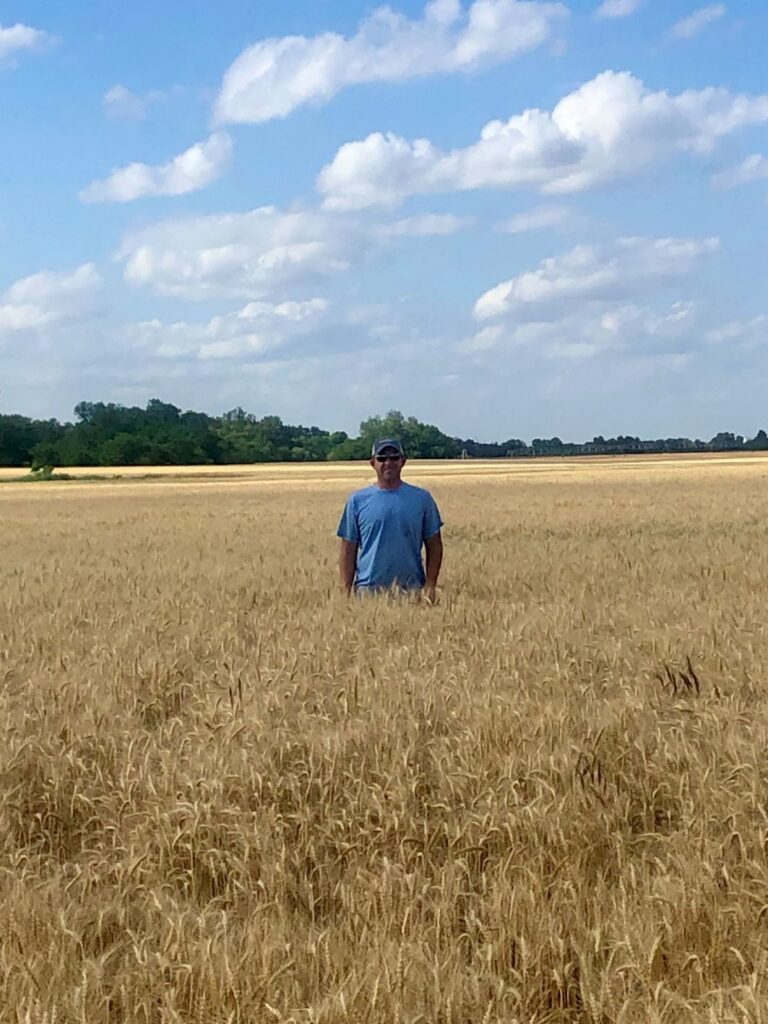
Matt Braun farms in Hobart, Okla., with his father Bill. His operation consists mainly of wheat, with some cotton and milo, and approximately 300 head of cattle.
The Braun farming operation wasn’t always a diverse operation. At one time, their only crop was conventional tilled, continuous wheat. Thanks to the U.S. Department of Agriculture (USDA)'s Conservation Stewardship Program (CSP), Braun has been able to try some of the conservation practices that have helped other farmers improve their soil health, as well as their yields.
Braun's first CSP contract gave him the funding assistance needed to start incorporating cover crops into his operation. The program allowed Braun to try some conservation practices and observe how they could improve his operation.
“We just kind of picked it up and ran with it from there,” Braun said. “Basically by being incentivized to implement those practices through CSP, it made us a better operation. So, we see the value of conservation and doing things the right way.”
Through the CSP program, farmers like Braun also get the advantage and support of the Natural Resources Conservation Service (NRCS) and local conservation district staff to advance toward their goals for their operation.
Today, Braun’s operation includes a crop rotation of wheat, cotton and milo, cover crops, no-tilling and grazing his cattle on his wheat and cover crops. The soil organic matter is increasing by a rate of 0.1 percent per year, and the depth of the dark topsoil is steadily increasing. But Braun says the biggest improvement from changing their farming practices is the rate of water infiltration.
To learn more about Braun’s operation, visit his NACD profile online. If you or someone you know would like to become a member of the NACD Soil Health Champions Network, please visit the NACD website for more information or contact NACD North Central Region Representative Beth Mason at |
|
NACD Offices Closed Monday for MLK Day |
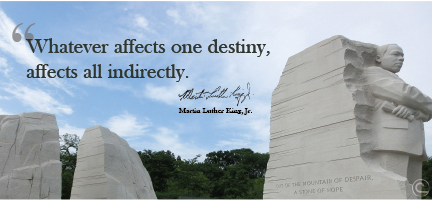
NACD’s offices will be closed next Monday, Jan. 18, in observance of Martin Luther King, Jr., Day. |
FSA Announces General CRP Signup Period |
Last week, the U.S. Department of Agriculture (USDA)'s Farm Service Agency (FSA) announced a new general signup for the Conservation Reserve Program (CRP). Landowners can sign up for the program through their local FSA office through Feb. 12, 2021. CRP provides an annual rental payment to landowners who agree to remove their cropland from production and plant long-term, resource-conserving plant species. CRP is a competitive program, offering 10-year contracts to landowners who will achieve the highest soil erosion, water quality and wildlife benefits through the program.
For the 2018 Farm Bill, NACD successfully pushed to expand the acreage limit in CRP and create new opportunities for landowners to enroll. FSA is allowed to enroll 25 million acres in CRP this year, up from 24 million in 2018. By 2023, this acreage cap will have grown to 27 million acres. Learn more at FSA's website.
|
DMI Hiring Environmental Stewardship
Team Members
|
Dairy Management Inc. (DMI) has two positions available in Des Plaines, Ill., as part of their Net Zero Initiative (NZI), an industry-wide effort to make technology and best practices more accessible and affordable to farms of all sizes through research, on-farm pilots and a generation of new revenue opportunities for farmers.
|
North Carolina
Hosts 2021 Virtual Annual Meeting
|
Last week, the North Carolina Association of Soil and Water Conservation Districts (NCASWCD) held its 2021 Virtual Annual Meeting. During the two-day meeting, sessions were held each morning until noon.
The first day included comments from North Carolina Agriculture Commissioner Steve Troxler, a memorial service and committee meetings. The second day featured a business session and reports from partners and the association’s eight committees.
At the conclusion of the meeting, officers and area chairs were sworn in. Blount Knowles of Bertie County was sworn in as NCASWCD president. Frank Williams remains North Carolina’s NACD board member, and Myles Payne serves as NACD's alternate board member.
|
USDA Seeks Members for Advisory Committee on Urban Agriculture |
The U.S. Department of Agriculture (USDA) is seeking members for a new advisory committee on urban agriculture, part of a broader effort to focus on the needs of urban farmers.
The 12-person committee will advise the secretary of agriculture on the development of policies and outreach relating to urban, indoor and other emerging agricultural production practices, as well as identify any barriers to urban agriculture.
Interested individuals or organizations may nominate themselves or others by March 5, 2021. Learn more here.
|
Donate to the NCF Auction Today! |
The National Conservation Foundation (NCF) Auction is still seeking donations for this year's Virtual Auction! This is a great opportunity to support conservation, and this year, it is even easier to be a part of the excitement, as everything will be completely virtual, and you can bid on items from the comfort of your own home.
NCF will host their auction during the 2021 NACD Virtual Annual Meeting to support the NCF-Envirothon, the Next Generation Leadership Institute (NGLI) and conservation education. The online format will include item descriptions and photos and will allow a bidder to track each item for the duration of the auction. This year, bidders will have an extended period of time to participate. The 2021 NCF Virtual Auction will open at 1:30 p.m. Eastern on Friday, Jan. 29, 2021 and will close at 1:30 p.m. Eastern on Wednesday Feb. 10, 2021.
Donate items for the auction today! This year, with the online format, we are asking that contributors hold onto items until after the auction and ship their donations directly to the winning bidder. Any and all items are welcome. For more information, please contact NACD South Central Region Representative Keith Owen at
|
NACD Offers Special Winter Discounts
on Marketplace
|
During the months of January and February, take advantage of NACD's special price for polo shirts, available for both men’s and women’s fits, on our Marketplace! These comfortable and classic style polos are a great choice for office wear or fieldwork. For only $24.99, get a business casual polo shirt that you can make an everyday wear.
Platinum, diamond and gold level NACD members making a single purchase of $100 or more from the Marketplace can benefit from 20 percent, 15 percent and 10 percent discounts, respectively. To learn more about NACD's membership incentives and levels of discounts, please visit NACD's Membership webpage or email us at stewardship@nacdnet.org.
|
Register Now:
NASCA Webinar
on Conservation Partnerships
|
The National Association of State Conservation Agencies (NASCA) is hosting a webinar, scheduled for Tuesday, Jan. 26 from 10:00 a.m.-12:00 p.m. Eastern, and will focus on building and maintaining conservation partnerships.
Webinar participants will have the opportunity to hear from retired Natural Resources Conservation Service (NRCS) state conservationists on how to build and maintain partnerships at the local, state and national levels. The webinar welcomes participation and the sharing of your own experiences with partnership building.
|
SHI Offers On-Farm Economics Webinar |
The Soil Health Institute (SHI) will host a webinar on Tuesday, Jan. 19 from 12:00-1:00 p.m. Eastern, featuring on-farm economics in assessing soil health.
Measuring and assessing soil health are critical for understanding how changes in agronomic management practices affect the capability of soil to support cropping systems.
This webinar will feature an evaluation of the economics of adopting Soil Health Management Systems developed from 125 interviews with farmers and accounting for changes in management. This presentation will focus on how financial outcomes of adopting Soil Health Management Systems compare to more conventional production practices.
|
Promote your conservation district or state association's tree sale, annual meeting, webinar, field day or more on NACD's Calendar of Events!
|
|