News and information to help journalists serve the public and stay safe.
|
|
Is newsroom culture evolving?
In an online conversation about
dismantling racism in journalism
, CNN Digital Senior Vice President of news, opinion and programming
S. Mitra Kalita
said
, “There is a pipeline of failed white male media executives directly to teach in journalism schools, and I think we have to stop that. That is a part of the problem.”
We reached out to
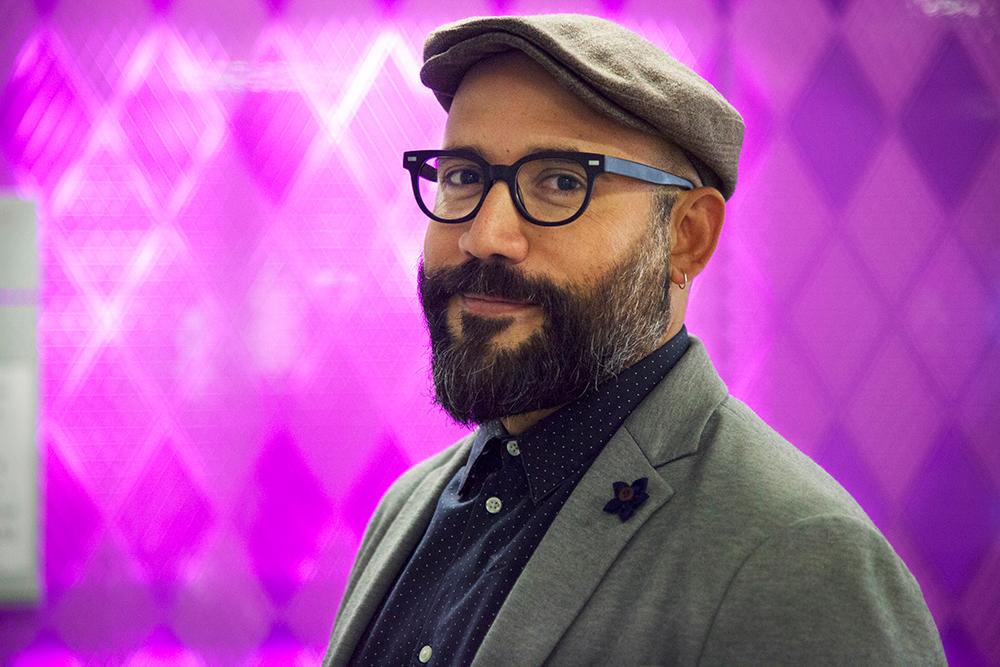
Robert Hernandez
, associate professor of professional practice at USC Annenberg School of Journalism, to discuss whether these personnel changes reflect a broader shift around diversity and inclusion in media, and how academia can help.
Why do you think the industry has been so slow in addressing racial inequities within?
Hernandez
:
Well, from my perspective as a professor, there is no pipeline problem. J-schools across the country have trained and prepared talented, diverse voices ready to work in our industry, but they are often overlooked when hiring. The classic problem that the hiring manager goes with A) “we can’t find any”, which is B.S., or B) using the false “good fit” model, which is based on the hiring manager's comfort. If they do get hired – often via a fellowship rather than a full-time job for some reason – the experiences I routinely hear about within the newsroom is problematic. From micro-aggressions to straight-up racism, it is no wonder why journalists of color don’t stay in our industry. Those that do stay, work harder than others to prove themselves. Yet they get overlooked when it comes to a promotion, let alone a leadership position. We see this with people of color and with women; there is no excuse except racism, sexism or both.
Do you believe that journalism schools are doing enough to encourage diversity both in terms of faculty and students?
Hernandez
:
“Enough” is different depending on who is defining it. From my perspective – as a professor and when I was a student decades ago – J-schools, albeit imperfect, were not the main problem. Every year we graduate talented, diverse voices. These include coders, data journalists, etc. We routinely hear we need to hire in our industry, but these incredible students aren’t given those opportunities.
J-schools across the country can do more, of course. Especially by
not hiring failed editors
to transfer their bad leadership from the newsroom to the classroom, inflicting more harm on generations of journalists. Like newsrooms, universities need to hire faculty that reflects the community it is aiming to serve.
|
|
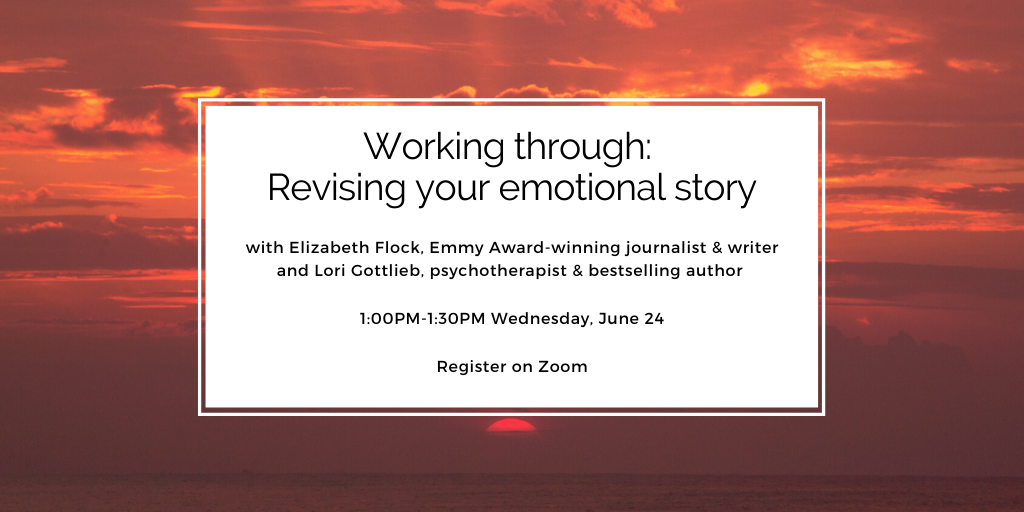
Many journalists are covering a physical and mental health crisis while they also may be struggling to cope themselves. This conversation will examine how to work through this moment, by looking at the stories we’re telling ourselves about it, how these stories affect our emotional lives, and consequently, the stories we are reporting and writing.
|
|
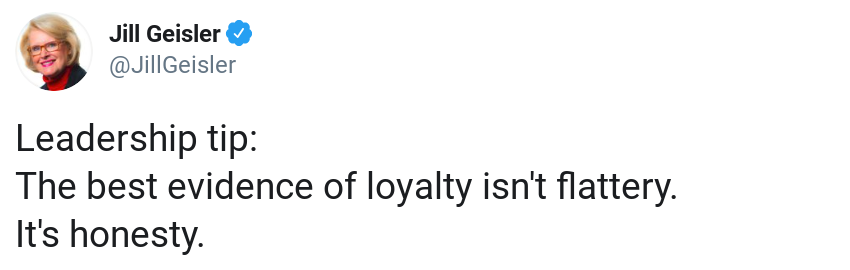
Advice from
Jill Geisler
, Bill Plante Chair in Leadership & Media Integrity, Loyola University Chicago, Freedom Forum Fellow in Women’s Leadership
|
|
|
There’s no doubt a layoff — whether your first or third — can be professionally traumatizing. They take a personal toll as well.
Studies show
that losing the stability that comes with working can be hazardous to mental and physical well being.
As more journalists and communicators face the possibility of layoffs against the backdrop of the pandemic, here are some tactics for what to do when faced with that grim reality.
|
|
This newsletter is written & edited by the National Press Club Journalism Institute staff: Beth Francesco, Holly Butcher Grant, Jim Kuhnhenn, and Julie Moos.
Send us your questions and suggestions
for topics to cover.
|
|
|
|
|
|
|