Far Routt


News & Updates From Routt County Search & Rescue

Spring Edition - April 2024

Tactical Plan - Table of Contents

 
  • Team Debrief: Stats and Missions
  • Radio Chatter: News & Announcements
  • Backcountry Beta: Tips & Trends - Spring Hazards
  • Team Talk: RCSAR History - From Landline to InReach
 

Team Debrief - RCSAR Mission Reports


By The Numbers

RCSAR Mission Statistics

2024 Year-to-Date Statistics

Calls For Service

24

Fieldable Missions

22

Hours Spent On Missions

75

Number Of Trainings

20

Total Training Hours

45

Dispatch

Select Mission Summaries


RCSAR had 22 fieldable missions in the first quarter of 2024. Below are a few missions we would like to highlight. Note that many of the team's missions this winter have been multi-agency efforts. We are grateful for the expertise and professionalism of our partners.

January 21, 2024


Injured Snowmobiler on Buffalo Pass


Two snowmobilers became stuck, with one suffering a minor injury, in Jackson County near Grizzly Lake. Shortly after 6:00 PM, RCSAR was requested to assist by Jackson County SAR (JCSAR) since the location was near the Routt County border. A team of snowmobilers and skiers was dispatched, with a second team following in a tracked UTV and ATV. Once the team left the groomed trails near Fish Creek Reservoir, they encountered a dense fog and patchy blowing snow, making for slow travel. With visibility limited to under 100 feet, the team navigated the meadows by compass until reaching a tree line, where they reoriented and adjusted travel direction. The team repeated this process for nearly 3 miles before reaching the snowmobilers. The RCSAR team assisted the snowmobilers safely back to the Fish Creek Reservoir, where they were transported in the UTV back to the trailhead. The RCSAR team was out of the field at 2:00 AM.


January 29, 2024


Injured Snowmobiler on Rabbit Ears Pass


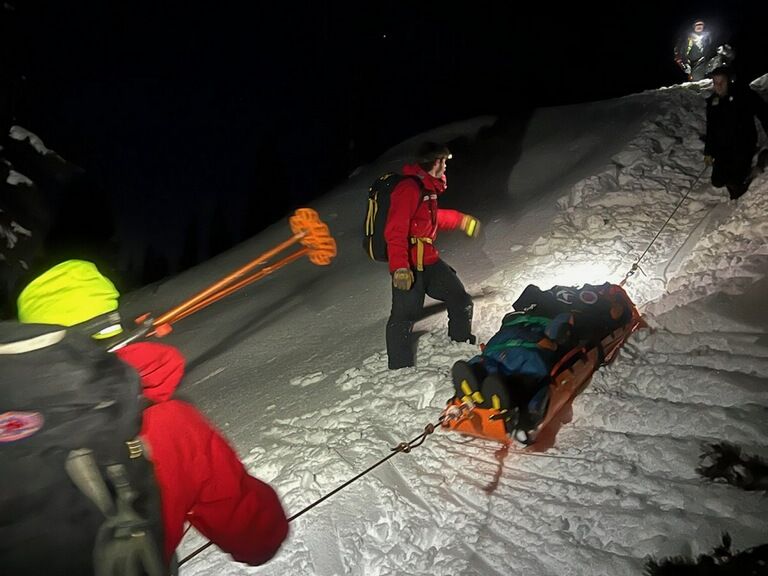
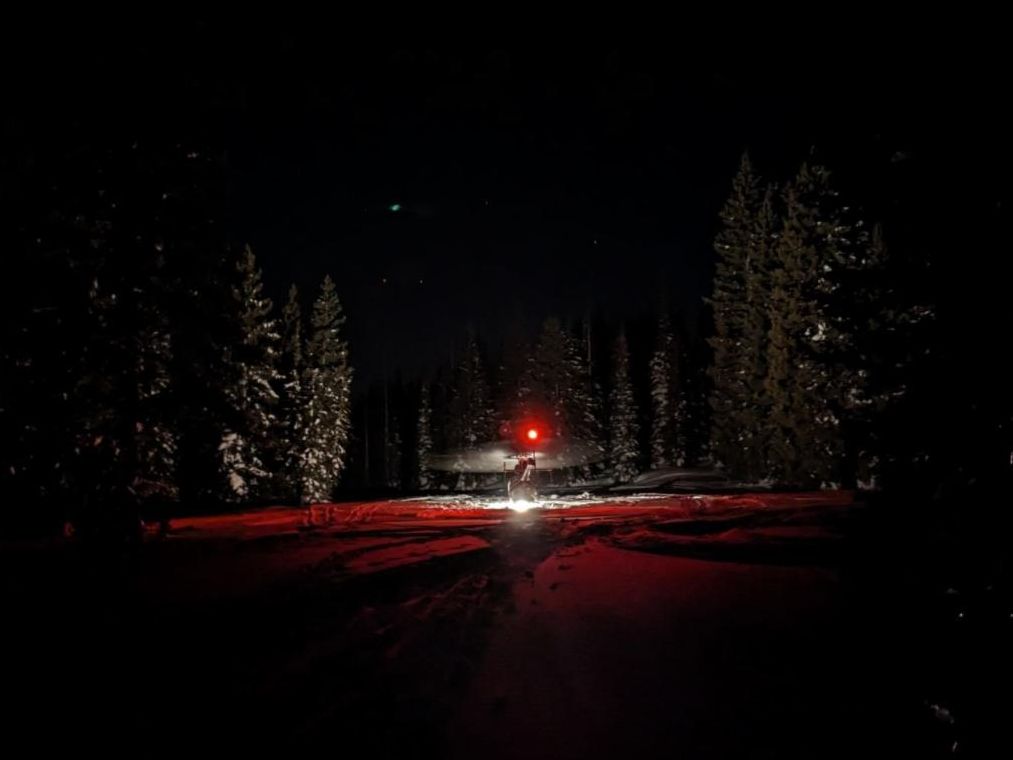
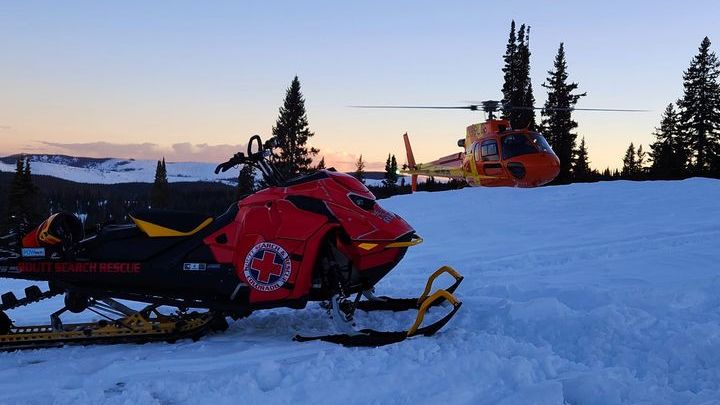
RCSAR was paged to assist a snowmobiler with a suspected broken leg on Rabbit Ears Pass. Due to the remote location and the severity of the snowmobiler's injury, RCSAR requested assistance from Classic Air Medical. The helicopter was able to locate the snowmobile party from the air and dropped paramedics to asses the patient. The Classic Air Medical pilot then transported two RCSAR team members with skis and rescue equipment from staging at Dumont Lake to the snowmobiler's location. An additional ground team consisting of four RCSAR team members and a medic from Steamboat Springs Fire Rescue snowmobiled to the location, bringing additional rescue gear and a patient toboggan. The injured snowmobiler was located on a steep slope, requiring the team to use a rope system to lower the patient to the bottom. From there, the team transported him in the toboggan to the waiting helicopter. Classic Air Medical flew the injured party to the hospital, and the RCSAR team escorted the remaining snowmobilers back to the trailhead.


February 3, 2024


Injured Snowmobiler in California Park


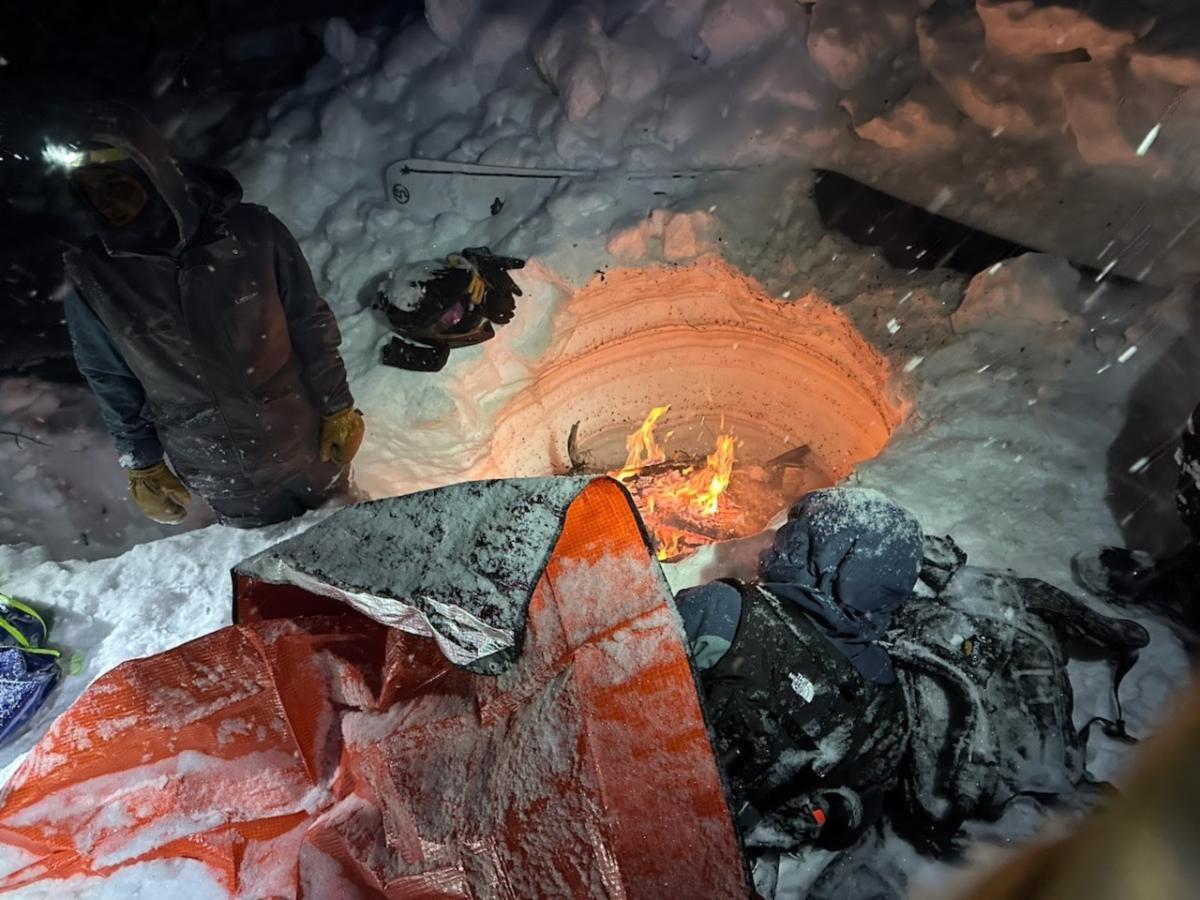
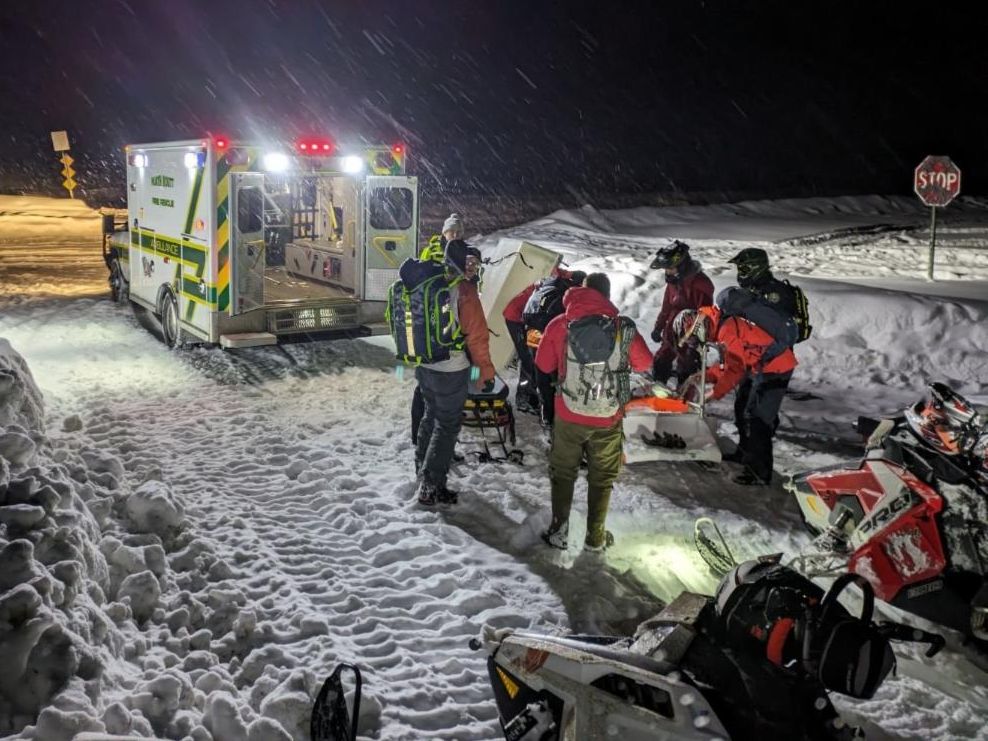
RCSAR received notification of an Apple SOS activation from an injured snowmobiler in the California Park area. This remote part of the county is not easily accessible. Four RCSAR team members rendezvoused with two West Routt Fire firefighters at the end of winter road maintenance on County Road 80 (RCR80) north of Hayden to snowmobile to the patient. An additional RCSAR team member and a Steamboat Lake State Park Ranger snowmobiled over Sand Mountain on Forest Service Road 42 from Hahns Peak Village. North Routt Snow Riders mobilized to groom FSR42 while the teams packaged the patient for transport. All responders in the field traveled with the patient on the freshly groomed route back to Steamboat Lake, while RCSAR dispatched a second team to bring equipment from RCR80 around to Steamboat Lake. Due to deteriorating conditions in the midst of a strong winter storm, Routt County Road and Bridge dispatched a grader to assist with plowing RCR80 for the team's access. In all, the rescuers covered 68 miles on snowmobiles over the course of the 7.5 hour mission.


March 19, 2024


Medical Emergency on Rabbit Ears Pass


While team members were assembled and getting ready for a weekly field training, RCSAR received a page to assist Jackson County SAR (JCSAR) with the rescue of a snowmobiler who was suffering a medical emergency on Rabbit Ears Pass near Walton Peak. The team quickly diverted from training and sent a team of six members to assist with the rescue. Classic Air Medical was unavailable due to other calls, thus, JCSAR enlisted the help of Flight for Life Colorado (FFL). RCSAR team members arrived as the FFL helicopter was landing nearby and assisted the FFL crew members and JCSAR with readying the patient for transport and loading them into the helicopter.


Radio Chatter - News & Announcements

Snowmobile Training


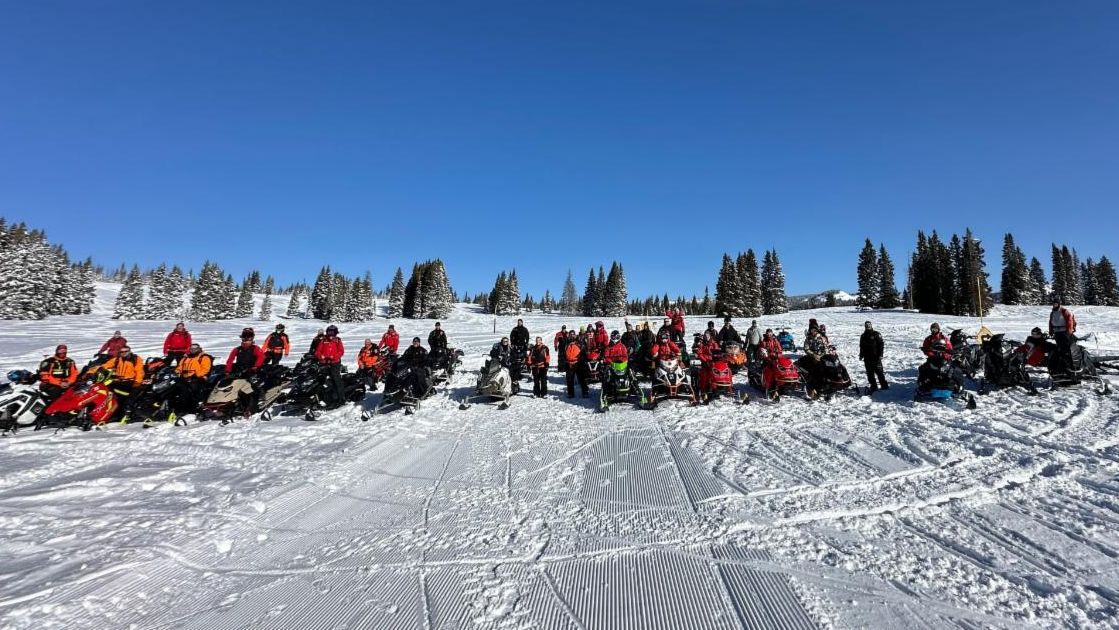
On February 18, 2024, RCSAR hosted an interagency snowmobile training on Rabbit Ears Pass. Colorado Parks and Wildlife Officers provided expert instruction. In addition to the 13 RCSAR team participants, members of the following agencies attended the training: Routt County Sheriff's Office, Routt Powder Riders, West Routt Fire Protection District, Jackson County SAR, Moffat County SAR, Grand County SAR, Grand County Sheriff's Office, Grand County EMS - Mountain Medical Response Team, BLM - Colorado, and USFS - Medicine Bow-Routt National Forests. In addition to great networking, the agencies enjoyed a beautiful sunny day of riding and improving skills in perfect powder conditions.

International Women's Day


On March 8, 2024, International Women's Day, RCSAR recognized the eleven women who volunteer their time and expertise to the team. At this time, 26% of the team's active members are women, including an Incident Commander, two Board members, and three Team Leaders. All of these women are an integral part of the team. Additionally, RCSAR recognizes the four women who volunteer their time on the team's fundraising/outreach committee. We can't thank them enough for all the efforts they put in to keep our team adequately funded.

Three Forks Ranch Fundraiser


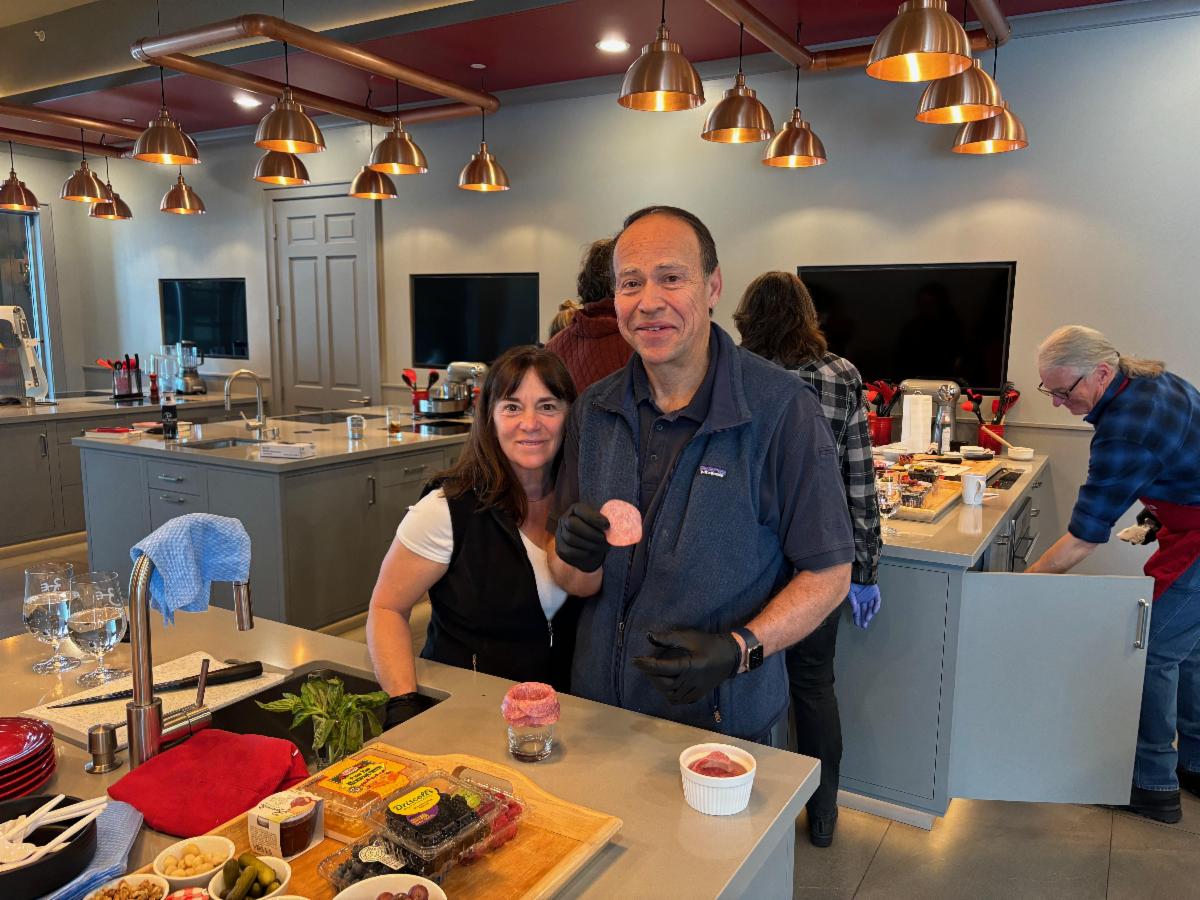
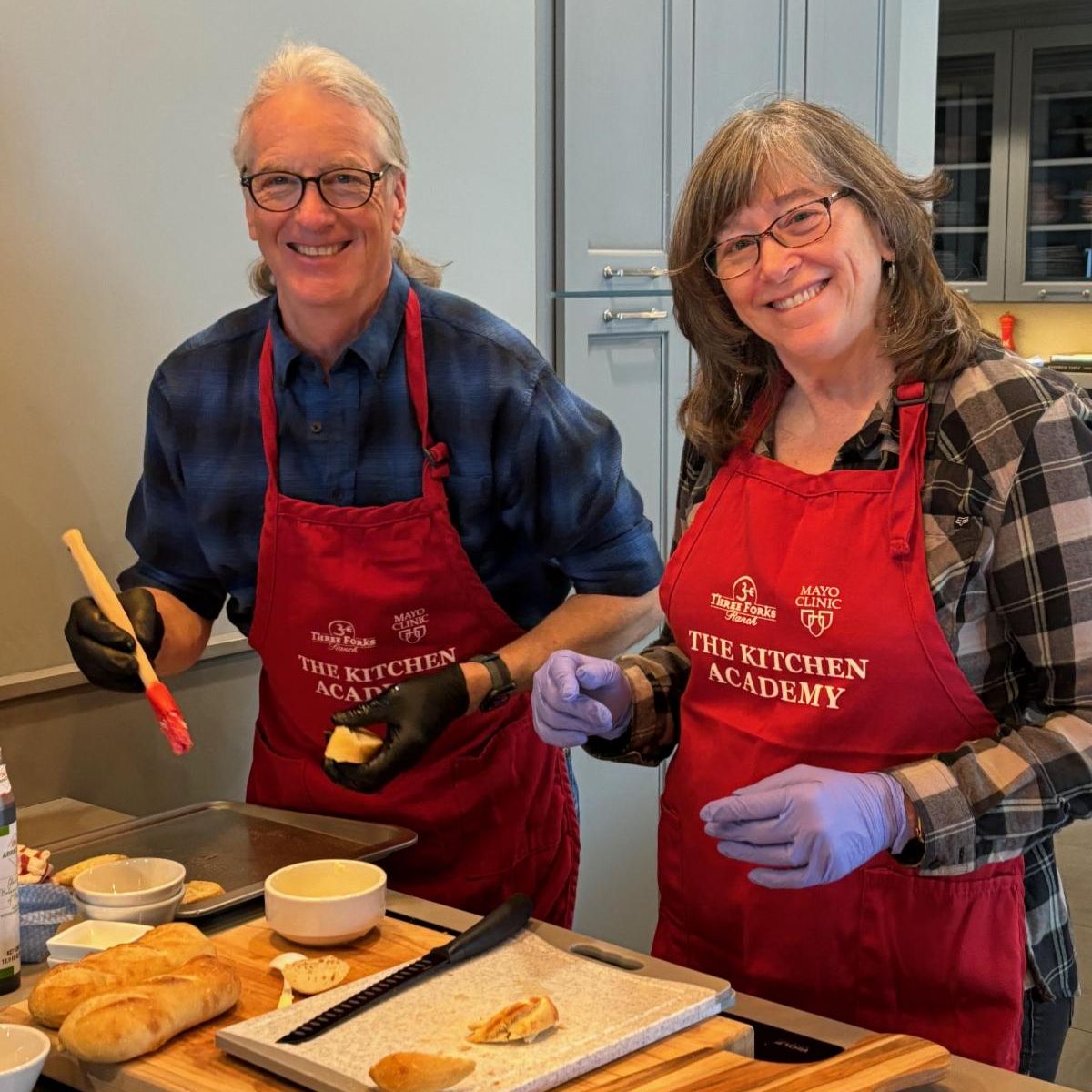
Once again, Three Forks Ranch donated a weekend supporting RCSAR. An all-inclusive stay offered at a fraction of the regular price was held March 29-31, where guests enjoyed all meals, drinks, activities, spa treatments and gratuities. Besides delicious meals, cozy visits by the fire, and breathtaking surroundings, guests participated in activities like snowshoeing, ice fishing, cooking classes and snow cat skiing. We appreciate Three Fork Ranch's continued support of RCSAR and our volunteers.


Backcountry Beta - Tips & Trends


Spring Hazards


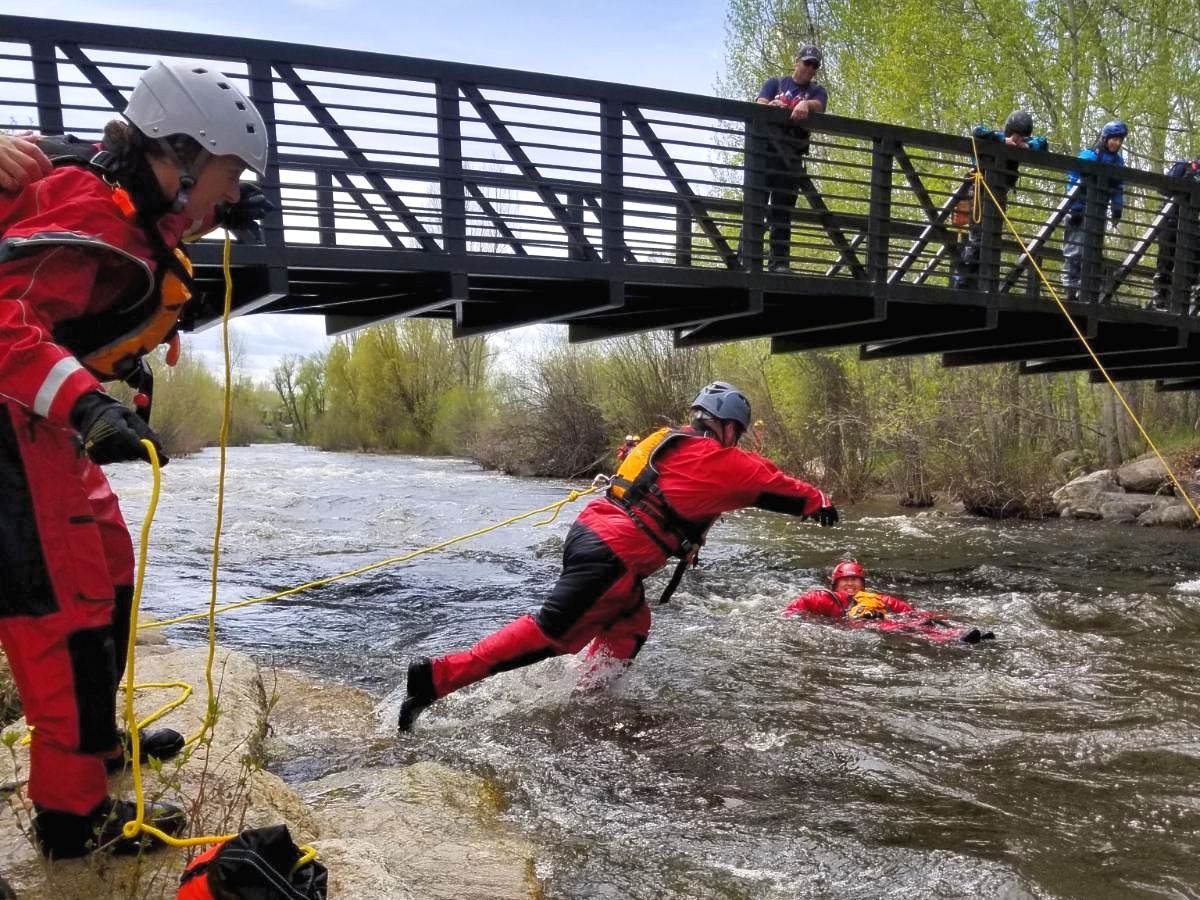
As we head into spring, snow melt can create additional challenges and hazards in the backcountry. A creek that you might easily cross in the morning, could be a raging river in the afternoon. As this happens, stream banks can erode and become unstable and the line you took across earlier may no longer be viable. The fast-moving water of a creek in the afternoon can knock you off your feet and be extremely cold. Always be cautious when crossing a creek or river, as slippery footing can quickly send you downstream.


High flows bring additional hazards for those recreating on the water such as low bridges, floating debris in the channel and strainers along the banks. For those enjoying early spring runoffs in rafts, kayaks and paddleboards, ensure that you are wearing the appropriate cold water apparel, helmet and PFD.


A spring snowpack is subject to melt and freeze cycles: when the snow surface is frozen it is likely to be hard, icy and slippery. Once it has warmed, the surface may be susceptible to wet slide avalanches and/or cause hikers to post-hole and sink as the snow softens in the afternoon. With this freeze-thaw cycle comes increased rock and ice fall hazards.


As areas of higher elevation melt, shallow creeks are likely to melt quicker than other areas, possibly down to the ground. Be mindful of these gullies or fragile snow bridges created by the snow on top of a creek melting more quickly than the snow around it; some have been observed to be close to 5 feet deep.


Team Talk


RCSAR History: From Landline to InReach


How times have changed!


‘Back in the day’ stories, you know, the ones your parents or grandparents have told you about walking 3 miles uphill in 2 feet of snow every day to get to and from a school that never had a single snow day? Inevitably, the storytellers had it far harder than you ever will, or at least you hope you ever will! While sometimes funny and often awe inspiring, ‘back in the day’ stories are woven into our western culture and the fabric of our lives. They remind us to be grateful for what we have and often have something to teach us about preparedness, grit, and determination. 


Let’s talk about Routt County Search & Rescue ‘Back in the Day’


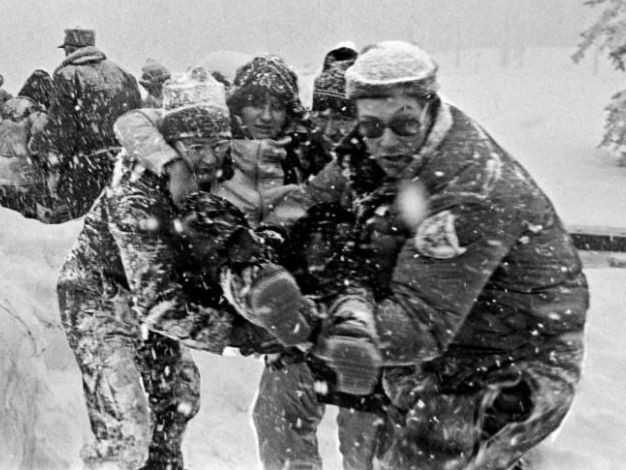
Prior to cell phones, Garmin InReach, Spot, and other satellite messaging devices being commonplace, anyone needing help in the backcountry had to first get to a landline. Imagine, you and a friend are halfway down the Mica Lake trail late in the day and your friend slips on some loose rock, falls hard, and screams in pain. His leg is clearly broken and he cannot bear any weight on it. He outweighs you by 100 lbs. – there is no way for you to get him out of the Zirkel Wilderness area for medical care. It’s 1970. The only way to get help is to leave your friend with food and water, run pell-mell to the trailhead, and drive to the nearest landline. In 1970, this was likely in Clark. Time: approximately 2-3 hours just to get to a phone to ask for help.


In the earliest days of search and rescue in Routt County, 911 had not yet been introduced. A call to the Sheriff’s Office connected you with dispatch. Dispatch contacted the Sheriff, who contacted the person on-call for RCSAR. A phone tree was then put in action to field a rescue team. As all of these calls were via landline, garnering a group for the rescue required finding team members at home or tracking them down in some other way. Once located, notified of the rescue, and briefed on the location and nature of the injuries, available RCSAR team members headed out of town with their own knowledge of the backcountry, a map and compass for navigation, and all their own equipment in their personal vehicles. Time: very best case 2 hours, worst case 3-4 hours to develop a rescue plan, prepare a team, and depart for the Zirkel Wilderness area.  


Lacking radios, once on the way to a rescue and in the field, RCSAR team members did not have any way to communicate with the Sheriff’s Office or each other. They were on their own to execute the rescue without access to additional input or support. If an ambulance was needed at the trailhead, it was requested prior to leaving town, or after the person was brought out of the backcountry and someone could make it back to town to call for an ambulance. Chuck Vale, one of the founders of RCSAR, reminisced that ‘back in the day’, the team had to call the doctor on-call to make sure a doctor and nurse would be at the Emergency Room as it was not staffed 24/7. Time: Injured party to ER, best case 4 hours; worst case 5-7 hours. In this scenario, it would take 8-14 hours for your friend to arrive at the ER. 


As rudimentary as the communications were back in the 1970s and 1980s, RCSAR successfully executed hundreds of searches and rescues in those 20 years, including rescuing survivors of the Rocky Mountain Airways plane crash on Buff Pass, by bringing outstanding skills, resourcefulness, and preparedness, along with exceptionally hard work and sacrifice, into the backcountry.


Routt County Search & Rescue Now


Today, a lost or injured party might be able to call for help via their cell phone or satellite messenger device, like a Spot or Garmin InReach. Dispatch notifies RCSAR team members via pager and a cell phone app, and they respond via the app to indicate their availability.


RCSAR team members meet in town at RCSAR’s headquarters and travel to rescues in RCSAR vehicles. The team often knows the exact location of the injured or lost party and the recommended route to reach and evacuate them. Team members are fully equipped with GPS navigation tools and radios. They are in full communication with each other, the Incident Commander, and all other involved first responders via the State’s DTRS radio system, e.g., North and West Routt Fire Protection Districts, Steamboat Springs Fire Rescue, Routt County Sheriff’s Office, and Classic Air Medical. An ambulance can be dispatched as needed to meet the team at a trailhead, and patients can be transported to the 24/7 fully staffed Yampa Valley Medical Center.


Technology has greatly enhanced RCSAR’s ability to get into the backcountry to rescue someone as quickly as possible. In emergent situations, team members don’t have to wait for the Incident Commander to finish all mission planning before leaving headquarters because plans can be shared via radios and locations updated via a GPS mapping program. The Incident Commander can guide the mission from headquarters, again using these technology resources.


Technology has also improved the safety of RCSAR team members because they have more knowledge of the mission and the location of the lost or injured person, and they can communicate if they need additional resources or information. The internet also allows the team and IC to access current weather and avalanche forecasts, see real-time conditions on webcams and video conference with a CSAR State Coordinator if needed. With enhanced technology and the availability of other resources, such as Classic Medical, your friend could arrive at the ER in as little as 4 hours. 


Oh No, My Cell Phone is Out of Battery!


Technology is a great resource, yet it can lull backcountry adventurers into a sense of complacency. It doesn’t always work, and it’s vital to have a back-up plan. What to do:


  • No cell service or emergency device? Find someone else with a cellular or GPS connection or get to the nearest landline or area with service. Note: always try to call or text 911 as your phone may have service but via another provider. If so, you will be able to talk to dispatchers.
  • Always travel with a friend and share your plans with someone.
  • No navigation? Carry a paper map and compass and be familiar with your surroundings. Navigation apps are awesome, however, if you run out of battery or didn’t download an offline map, they don’t work.
  • Help will be a long time coming? Always be prepared to spend the night out and carry the 10 essentials, including a way to charge your phone or SOS device.
 
Visit Our Website
 Make A Donation
     Contact Us      
  We're On Social 
LinkedIn Share This Email