|
CMS has published the 2024 Physician Fee Schedule, and the news is not good. If Congress does not act, a sequestration order will be issued within 15 days of the end of the congressional session, reducing Medicare reimbursements by 4%, beginning in 2024. Please take action to preserve our patients’ access to care.
Medicare payment cuts for physicians in 2024 include:
Medicare Physician Fee Schedule Cuts = -3.36%
- The Centers for Medicare and Medicaid Services are proposing a -3.36% decrease in payments in 2024 for services under the Medicare Physician Fee Schedule.
- Medicare physician payment has been reduced 26% adjusted for inflation from 2001–2023.
Medicare Sequestration = -2%
- Medicare sequestration of -2% has now been extended through 2032, because of a temporary delay for 1½ years.
PAYGO = -4%
- PAYGO cuts of -4% have never been enacted in the past; however, if Congress leaves without action, these will go into effect.
We encourage every ASIPP member to join us in the effort to contact every member of Congress. You can start by contacting the senators and representatives of your district. It is essential that we act soon and participate in meetings with members of our Congress, as well as starting a letter campaign involving physicians, providers, nurses, staff and most importantly, the patients.
Click here to see the enclosed fact sheet.
If you choose to send your own letters, click here to view a sample physician letter you may want to use.
Click here to submit a physician letter through VoterVoice.
To get your patients involved, we have created a sample patient letter. You can ask your patients to sign the letter and then have them or your staff enter the letter into VoterVoice.
Click here to submit patient letters through VoterVoice.
| |
Early Bird Registration is open for ASIPP Members!
Register now for 10% off!
| |
|
Why are health insurance costs going up even though inflation is down?
Inflation that has sent the cost of groceries and rent soaring over the past three years is now surfacing in health insurance.
The average cost for a family health insurance plan offered through an employer jumped 7% this year to $23,968 − the highest rate increase in a decade, according to the annual employer health benefits survey released Wednesday by KFF, a private health foundation. Prices are far higher than they were a year ago when premiums increased by 1%.
Insurance costs for individuals also rose 7% to $8,435, the survey said.
Read More
| |
|
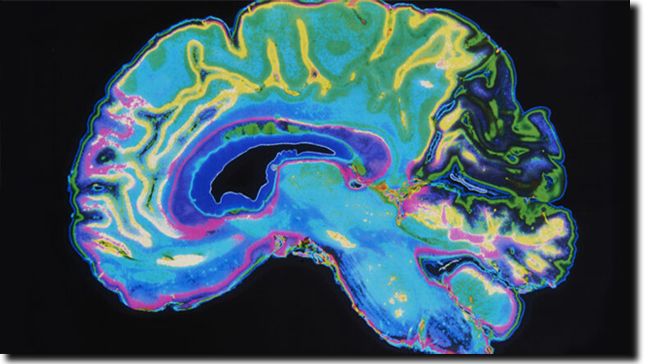
Why depression after traumatic brain injury is distinct — and less likely to respond to standard treatment
Traumatic brain injury multiplies the risk of major depression eightfold. While the emotional trauma of whatever caused such deep damage may be understandable, from a blast in a war zone to a blow on the playing field, there’s a physiological component, too, that neuroscientists have long suspected but have been unable to identify.
“As clinicians, a lot of us had a gut feeling that [TBI-associated depression] is a different disease,” said Shan Siddiqi, a Harvard Medical School assistant professor of psychiatry and a clinical neuropsychiatrist at Brigham and Women’s Hospital in Boston. “Why did nobody detect it before? I think the reason is because unlike other psychiatric disorders, TBI caused a sort of structural reorganization of the brain.”
Now, thanks to improved imaging techniques and the advent of brain stimulation, there may be a way to first map and then target brain circuits disrupted by TBI that lead to a specific form of depression. Siddiqi led a cohort study that pinpoints a distinct brain connectivity profile in TBI-associated depression, one that was independent of TBI (not all patients with TBI develop depression), major depressive disorder, post-traumatic stress disorder, and depression severity across different types of patients.
Read More
| |
|
Excellent opportunities for Residents & Fellows
at ASIPP's 2024 Annual Meeting:
- Resident & Fellow Scholarship
- Abstract Session and Podium Presentation for Best Abstracts during General Session
- Half-Day Session dedicated to Young Physicians in Pain Management
| |
|
Gabapentin as Post-Op Painkiller Gets a Cold Shower
Placebo-controlled trial offers no justification for widespread use
Gabapentin failed to outperform placebo as an analgesic for pain after major surgery, according to a study presented here.
No clinically significant benefit was seen for the active drug in terms of length of hospital stay, opioid use, patient-reported acute pain, or quality of life, reported Ben Gibbison, MBBS, of the University of Bristol in England.
Several measures actually seemed to favor placebo, he said during a late-breaking abstract session at the American Society of Anesthesiologists annual meeting. Trends toward less severe pain, when assessed 4 months after surgery, and better quality of life were seen in the placebo group.
Read More
| |
Abstract submissions are open for
ASIPP's 2024 Annual Meeting!
The submission deadline is January 22, 2024.
Don't miss your chance to be part of an exceptional event,
sharing insights and discoveries that shape the future of pain management.
| |
|
The 'Pink Tax' Wake-Up Call for the Healthcare Industry
All genders should have equal access to care
A recent Deloitte report, "Hiding in plain sight: The health care gender toll," sheds light on a concerning gender disparity in healthcare, revealing the disproportionate financial burden that women bear in accessing medical services compared to men.
A few key findings from the report include:
The "pink tax": The report discusses the "pink tax" in healthcare, which refers to a phenomenon where products and services explicitly marketed to women are priced higher than equivalent products and services marketed to men. In healthcare, this can manifest in various ways: the cost of maternity care, pricing of gendered health products, and gender bias in medical research.
Out-of-pocket costs: Out-of-pocket healthcare costs are estimated to be over $15 billion more per year for employed women than for employed men. Women's out-of-pocket medical costs consistently exceed men's among 19-64-year-olds, even when excluding pregnancy-related services. For those with single coverage, female employees have approximately $266 more in out-of-pocket spending per year than male employees. This represents over 18% more than men's out-of-pocket costs.
Read More
| |
- ASIPP Members Only Site Information - | |
-
To log in for the first time you will need to click “forgot password” at the bottom of the login window.
- Check your email and then log in as directed.
-
If you have problems logging into your account, click here.
| |
|
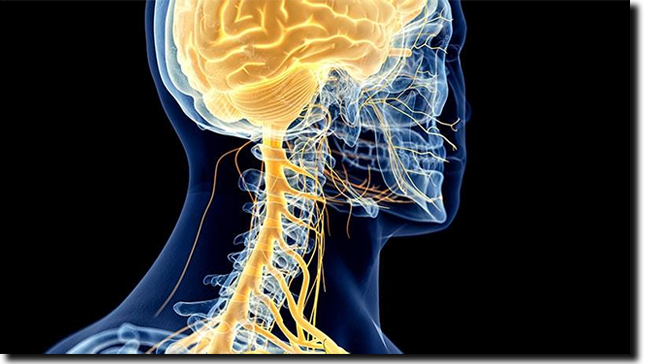
Scientists Find the 'On' Switch for Energy-Burning Brown Fat
A process your body uses to stay warm in cool weather could one day lead to new therapies for obesity.
Scientists have, for the first time, mapped the precise nerve pathways that activate brown fat, or brown adipose tissue (BAT), a specialized fat that generates heat. Low temperatures kick brown fat into gear, helping the body keep its temperature and burning calories in the process.
"It has long been speculated that activating this type of fat may be useful in treating obesity and related metabolic conditions," said Preethi Srikanthan, MD, an endocrinologist and professor of medicine who oversaw the research at the UCLA School of Medicine. "The challenge has been finding a way of selectively stimulating [it]."
Read More
| |
Pain Medicine Case Reports (PMCR) and Editor-in-Chief Alaa Abd-Elsayed, MD, PhD would like to invite you to submit case reports and case series to the PMCR journal. Your article will be published free of charge.
Open access journals are freely available online for immediate worldwide open access to the full text of published articles. There is no subscription fee for open access journals. Open access journals are no different from traditional subscription-based journals: they undergo the same peer-review and quality control as any other scholarly journal.
Interested in becoming a member of the PMCR Editorial Board?
Editorial board members are asked to review 2-6 manuscripts per year. Please submit your most up-to-date CV to sgold@asipp.org for consideration.
For more information or to submit your articles, click here.
| |
|
| CASE REPORT |
Treatment of Low Back Pain Elicited by Middle Cluneal Neuralgia: Case Report and Literature Review of Interventional Treatments
Colton Reeh, MD, Royce Copeland, DO, Loc Lam, DO, Christian Vangeison, DO, Andrea M. Trescot, MD, & Emanuel N. Husu, MD
Abstract
BACKGROUND: Cluneal neuralgia is increasingly becoming recognized as an etiology of low back pain. The majority of the literature on cluneal nerve interventions describes modalities targeting the superior cluneal nerves with little emphasis on the middle cluneal nerves.
CASE REPORT: A 21-year-old woman with a medical history of congenital myelomeningocele with tethered cord at L5-S1, status post 3 decompressive releases, presented to the clinic with chronic low back pain and associated sacroiliac paresthesia. Over 11 months, she underwent 7 ultrasound-guided bilateral middle cluneal nerve blocks, without corticosteroid, resulting in significant, immediate pain relief sustained for 4 to 6 weeks.
CONCLUSIONS: A nerve block with local anesthetic has proven to be therapeutic for middle cluneal neuralgia, but with varying long-term efficacy. The use of radiofrequency ablation, peripheral nerve stimulation, regenerative medicine, and alcohol neurolysis have shown promise as long-term therapeutic options and as a substitute for invasive surgical release.
KEY WORDS: Alcohol neurolysis, cluneal nerve block, middle cluneal neuralgia, peripheral nerve stimulation, prolotherapy, radiofrequency ablation, tethered cord
Read More
| |
|
| SYSTEMATIC REVIEW |
Associations Between Headache (Migraine and Tension-Type Headache) and Psychological Symptoms (Depression and Anxiety) in Pediatrics: A Systematic Review and Meta-analysis
Heejin Lee, MD, Saeyoon Kim, MD, and Min Cheol Chang, MD
Abstract
BACKGROUND: There have been no recent meta-analysis studies on specific psychological symptoms (depression and anxiety) according to the type of primary headache disorder in children and adolescents.
OBJECTIVES: We performed a meta-analysis of various psychodiagnostic scales. Psychological symptoms of primary headache disorders have been reported in previous studies.
STUDY DESIGN: A systematic review and meta-analysis.
METHODS: We conducted systematic reviews using the PubMed, Embase, Cochrane Library, and Scopus databases up to October 19, 2022. Ten studies were selected by applying the inclusion criteria. The psychological symptoms (depression and anxiety) of children and adolescents with migraine and tension-type headache (TTH) were compared with those of healthy controls using scale scores. All statistical analyses of the pooled data were performed using RevMan 5.3 software.
RESULTS: Psychodiagnostic tools to assess depression scored higher in patients with migraine than in healthy controls; however, most anxiety-related scores were not significantly different between the migraine and control groups. In contrast, anxiety-related scores were higher in patients with TTH than in healthy controls, but the score to measure the degree of depressive symptoms was not significantly different from the control group in patients with TTH.
LIMITATIONS: A limited number of studies for each scale were included. In addition, each scale has different sensitivities and specificities, which may have affected the results. In addition, we did not evaluate the differences in psychological symptoms according to the frequency and severity of headaches.
CONCLUSIONS: Depression is more associated with migraine; whereas, anxiety is more associated with TTH than healthy controls. Therefore, the screening and assessment of psychological symptoms should be performed in children and adolescents with primary headache disorders.
KEY WORDS: Headache, migraine, tension-type headache, depression, anxiety, children, adolescents
Read More
| |
|
| SYSTEMATIC REVIEW |
Radiofrequency Thermocoagulation Through the Foramen Rotundum Versus the Foramen Ovale for V2 Primary Trigeminal Neuralgia: A Systematic Review and Meta-analysis
Fan Feng, MD, Qianqian Xu, MD, Qun Wu, MD, Chengqian Jia, MD, and Yi Cai, MD
Abstract
BACKGROUND: Percutaneous radiofrequency thermocoagulation (RFT) through the foramen rotundum (FR) is a new approach for the treatment of V2 trigeminal neuralgia (TN). Some studies have shown the novel method seems to have advantages over traditional RFT through the foramen ovale (FO). The optimal interventional surgical strategy for isolated V2 TN remains controversial.
OBJECTIVES: The purpose of our study was to perform a systematic review and meta-analysis to evaluate the clinical results of RFT through the FR and the traditional FO puncture approach.
STUDY DESIGN: A systematic review of randomized controlled trials for thermocoagulation through the foramen rotundum versus the foramen ovale for V2 primary trigeminal neuralgia.
METHODS: Randomized controlled trials or nonrandomized controlled trials published from January 2000 through October 2022 that compared RFT through the FR and the FO for V2 primary TN were found through a comprehensive search in 3 electronic databases (PubMed, EMBASE, Cochrane library). A total of 3 studies (105 patients) were included in this systematic review and meta-analysis.
RESULTS: The results indicate that there are no statistically significant differences between the FR group and the FO group in terms of postoperative immediate effect rate (postoperative one week) (P > 0.1; standardized mean difference [SMD] = 0.67 [0.26- 1.71]) and recurrence rate (P > 0.1; SMD = 0.67 [0.26 - 1.71]). The long-term effect rate (postoperative one year) was significantly higher in the FR group (P < 0.05; SMD = 0.12 [0.01 - 0.22]). The FO group had a significantly higher total complication rate compared with the FR group (P < 0.01; SMD = 0.12 [0.03 - 0.53]).
LIMITATIONS: The limitations of this systematic review and meta-analysis include the small range of study populations. Heterogeneity caused by inconsistent follow-up time, outcome measurements, and RF parameters are other limitations.
CONCLUSION: In conclusion, RFT of the maxillary nerve through the FR for the treatment of primary V2 TN had a better long-term effect rate and fewer complications in comparison with thermocoagulation of the Gasserian ganglion through the FO. No differences were found between both interventions in terms of immediate effect rate and recurrence rate.
KEY WORDS: Radiofrequency thermocoagulation, primary trigeminal neuralgia, foramen rotundum, foramen ovale, systematic review, meta-analysis
Read More
| |
|
ASIPP is now in collaboration with Curi Medical Liability Program
| |
|
Since this malpractice insurance program officially launched in November 2018, ASIPP has signed up hundreds of providers with an average savings of 30%. This is professional liability insurance tailored to our specialty and will stand up for us and defend our practices.
Curi is a full-service advisory firm that serves physicians and their practices. Their valued advice is grounded in your priorities and elevated in your outcomes. They are driven by a deep understanding of your specific circumstances in medicine, business, and life. To read a few important points to keep in mind about the program, including discounts, administrative defense, cyber coverage, aggressive claims handling, and complimentary risk management CME activities, visit our website.
| | |
ASIPP® has formed a partnership with Henry Schein and PedsPal, a national GPO that has a successful history of negotiating better prices on medical supplies and creating value-added services for independent physicians. Working with MedAssets, PedsPal provides excellent pricing on products like contrast media that alleviate some of the financial pressures you experience today.
| |  |
ASIPP® is now offering our members the benefit of a unique revenue cycle management/ billing service.
We have received a tremendous amount of interest in the ASIPP® billing and coding program.
Click here to learn more about the negotiated rate for practices and more!
| |
up-to-date news related to you, your practice, and your patients!
| | | | |