Surprise Leaders Consider Pushing Back on ICE Facility — But Is It Already Too Late?
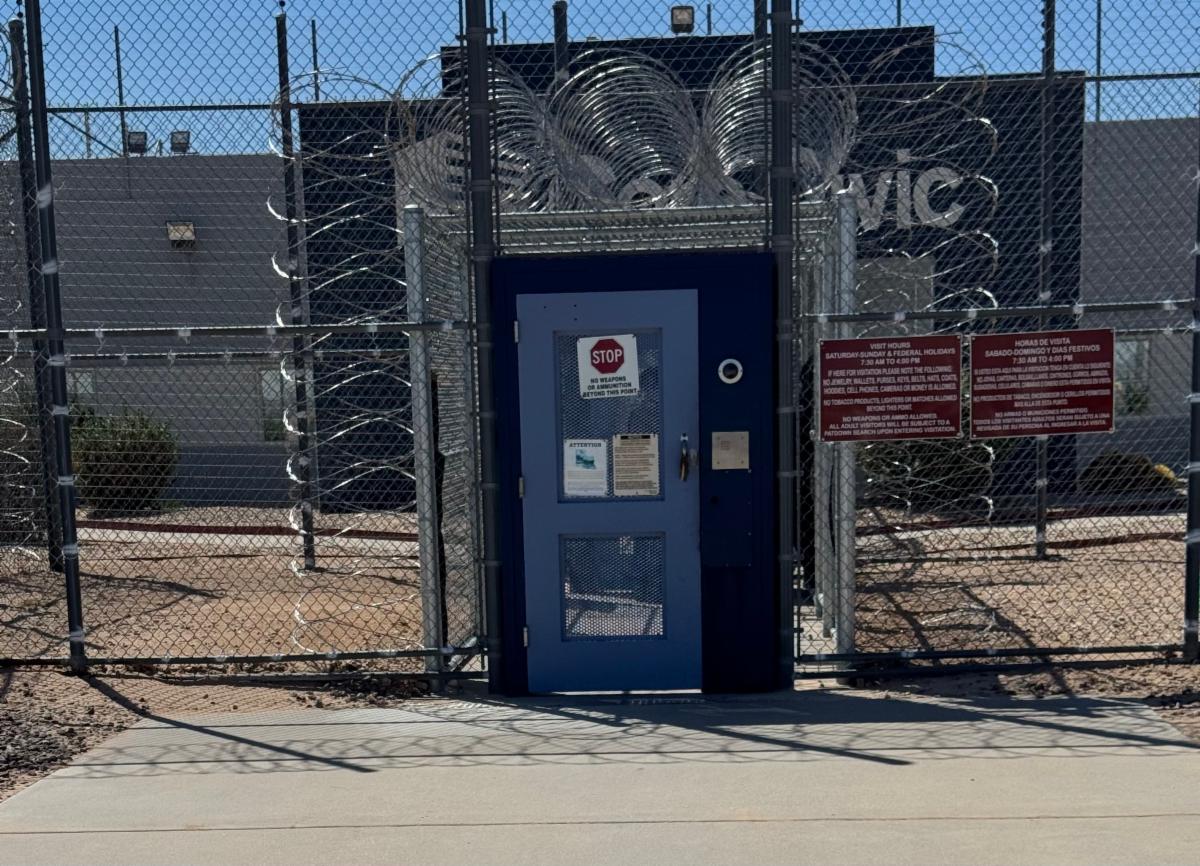
At the April 7 meeting, leaders in Surprise took a step many residents have been waiting for — beginning a serious discussion about how to push back against the planned ICE detention facility quietly purchased by the federal government earlier this year.
Across the country, cities that—like Surprise—were blindsided by the Department of Homeland Security purchasing warehouse space without local input are beginning to push back. In Chicago, city leaders have explored zoning challenges and demanded formal agreements to protect local resources. New York City officials have taken legal action and imposed limits on how migrant facilities operate within city boundaries. In Denver, leaders have pushed for reimbursement agreements and clearer federal accountability for costs tied to public safety services. Meanwhile, communities in El Paso have demanded transparency and federal coordination as they deal with the long-term impacts of being a primary intake location. The pattern is clear: when federal decisions are made without local partnership, cities are increasingly willing to assert their authority, demand accountability, and, when necessary, fight back. States and cities have rights.
Surprise Councilmember Chris Judd, whose district includes the site near Dysart and Sweetwater, placed the item on the agenda, signaling growing concern inside City Hall. His request focused on protecting local authority, safeguarding water resources, and standing up for residents — all issues that have been raised repeatedly over the past two months.
This was the first council discussion since city officials met with Department of Homeland Security regarding the project. DHS confirmed the facility would house single adults for short stays — typically three to seven days — before transferring them to larger processing centers in El Paso or Salt Lake City, or deporting them to their home countries.
But as with many federal promises, the details remain murky.
Promises Without Paper
DHS officials outlined several assurances:
- No unwarranted patrols in neighborhoods
- No entry into schools, churches, or senior centers
- Opportunities for city officials to tour the facility
- Environmental reviews and site plans shared
- Creation of a community oversight board
They also floated reimbursement for lost property tax revenue and discussed potential agreements to offset police, fire, and EMS costs.
But here’s the problem: none of it is in writing.
Councilmembers Johnny Melton and Chris Judd both raised the obvious question — how do you enforce promises that don’t legally exist?
There is talk of working with Congressman Paul Gosar to formalize agreements, but at this point, the city is being asked to trust a federal process it had no role in shaping.
The Real Concerns: Water, Location, and Long-Term Impact
Judd’s frustration was clear — and justified.
This facility is being placed in the middle of an established community. While the land is zoned industrial, it sits near schools, neighborhoods, and critical infrastructure. This is not an isolated desert site — it is part of a growing, family-oriented city.
Water is another major concern.
Initial estimates for a larger version of the facility suggested usage of up to 269,000 gallons per day. Even with the reduced 542-bed plan, the actual demand remains unknown. Under Surprise’s own ordinance, any use above 100,000 gallons per day requires council approval — raising the question: does the city even have authority here, or will federal power override local law?
That brings us to the Supremacy Clause — the federal government’s ability to bypass local control. It’s the same clause being used to push this project forward despite strong community opposition.
Luke Air Force Base Concerns
There is another issue that cannot be ignored — proximity to Luke Air Force Base.
The proposed site sits within the base’s departure zone, where overnight residential use is forbidden under state law. Judd argued that allowing this facility to move forward could jeopardize the mission of Luke — one of the most important economic and national security assets in the West Valley.
If that argument holds legally, it may be one of the strongest paths forward for the city to challenge the project.
A Heated Public Response
Residents showed up in force. More than 70 people signed up to speak, though comments were limited due to time constraints.
Much of the opposition was passionate — and at times, inflammatory.
State Senator Analise Ortiz and others called for the facility to be stopped “at all costs,” while protesters outside City Hall turned the issue into a broader political demonstration.
Let’s be honest — that kind of rhetoric doesn’t help.
We can strongly oppose this facility — and I do — without resorting to exaggerated or divisive language. This is too important of an issue for political theater.
The Bigger Reality: This Isn’t Just About Surprise
Here’s the truth many don’t want to say out loud:
This facility is not about deportation — it’s about detention. Many cities accross the nation are allowing ICE to use prisons to house detainees as they do not have enough room in detention centers since many people are not actually being deported. Because of the room in this facility I believe the promise of only 542 derainees is a false promise and will change due to "need for space."
Across the country, and here in Arizona, we are seeing a massive increase in habeas corpus petitions — legal filings that force the government to justify holding someone in custody under the Fifth Amendment.
In the United States District Court for the District of Arizona:
- Only 2 habeas petitions were filed in March of last year
- Nearly 350 were filed last month alone
- Over 900 have already been filed in the first three months of 2026
That is not normal. That is a system under strain.
The reality is many countries are not accepting deportees due to lack of travel documents. As a result, detainees sit in facilities longer — and increasingly challenge their detention in court.
Many are ultimately released.
So we are not solving the problem.
We are warehousing it.
Where Do We Go From Here?
I do not want this facility in Surprise — and frankly, I don’t want it anywhere.
It will change the character of our city. It places strain on resources. And it represents a federal overreach that cuts local communities out of decisions that directly impact them.
But we also have to face reality.
We must keep a secure border. That is non-negotiable.
And at the same time, we need a long-term solution for those already here.
That is why Congress must act — and pass legislation like the Dignity Act — creating a legal pathway for individuals who:
- Are working
- Paying taxes
- Not relying on government benefits
- And pass background checks
We can enforce our laws and still be a nation of fairness and order.
Final Thought
The next Surprise City Council Meeting will be critical.
The question is no longer whether residents are concerned — they clearly are.
The question is whether local leaders are willing to move beyond discussion… and take meaningful action. I have faith they will.
Because if they don’t?
As Councilmember Judd warned — we may be living with this decision forever.
|