Volume 2 | February 2026 | | |
Welcome to Our Incredible New Team Member
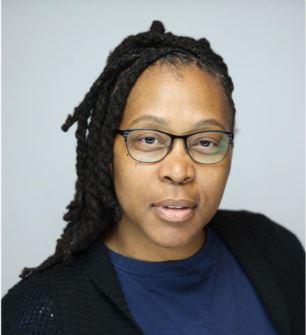
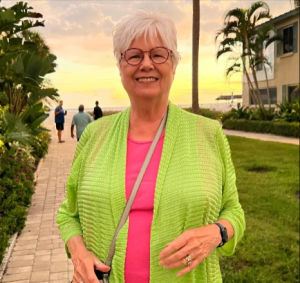
We are beyond thrilled to announce that Akua Rose Feathers has joined WRAP, Inc. as our Education and Development Administrator. She will be managing all WRAP virtual seminars, assisting with development of new products and topic-specific recertifications, and continuing as a Lead ALF facilitating Seminar III.
Akua has been a WRAP subcontractor for 2 years, facilitating countless WRAP I, II, and III seminars across the country and virtually. She offered a dynamic keynote address at the 2025 WRAP Symposium in Montana (and some powerhouse karaoke vocals).
In addition to 10 years as a WRAP Facilitator and ALF, her recent work includes conducting a longitudinal mixed-methods study exploring burnout, resilience, and belonging among Black women professionals through the lens of human development and the WRAP framework. She is an ideal addition to our team, and you'll love working with her!
Akua can be reached at afeathers@wellnessrecoveryactionplan.com.
| |
Looking Forward
New Opportunities and Resources
-
Spanish-language WRAP Facilitator Manual, Updated Edition. This Spanish translation of the 2024 Facilitator Manual will be available in the bookstore in early spring. It includes the digital downloads and slides.
-
Virtual ALF Recertification. This 18-hour recertification is open to ALFs who were certified or recertified since December 2023 through WRAP. We will be offering at least one every 2 months.
-
Evening Virtual WRAP Seminar I. Since not everyone can take WRAP during work hours, we are offering an evening session in April. If it proves to be popular, we will look into providing more evening or weekend seminars to better fit time zones outside of America.
Upcoming Resources
-
WRAP Advanced Level Facilitator Manual, Updated Edition. This manual is planned to debut this spring. It takes WRAP facilitation back to what was originally intended by Mary Ellen Copeland, and she was instrumental in the updates.
-
WRAP for the Effects of Gaslighting. This new workbook is being created with the input of Sarah Morales, expert and thought leader on the topic of gaslighting, and focuses on how WRAP can be an integral part of healing from gaslighting. Gaslighting is a form of emotional abuse where the abuser manipulates you into doubting your reality. It should be available by late spring.
-
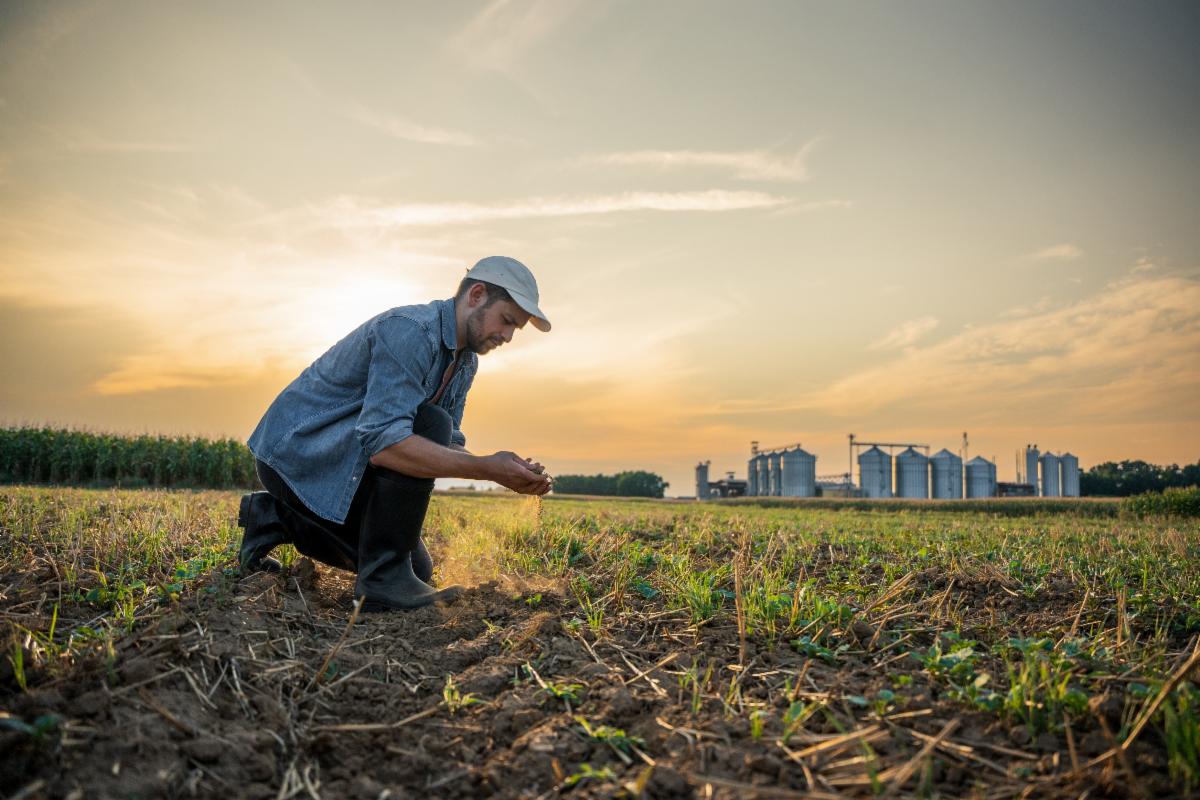
WRAP for Farmers and Rachers. We are creating a combo WRAP book/workbook to help support the wellness of farmers and ranchers. Studies show higher rates of anxiety and depression in farmers and ranchers compared to the general population. Factors such as extreme weather, financial instability, and labor shortages contribute their stressors. Mental health resources are viral for their well-being, and we can't wait to have this resource available for them.
-
WRAP for Perinatal, Pregnancy, and Postpartum Challenges. This workbook will offer personal stories and content tailored to those who are facing challenges such as birth issues, substance use, adoption, postpartum depression, anxiety, medical or pregnancy complications, miscarriage, birth defects, etc. This product will be available later this year.
| |
Quick Reminder About WRAP Copyright
We want to remind everyone that all WRAP, Inc. products are protected by copyright. This doesn't mean you have the right to copy our products; it means you do NOT have the legal right to do so.
Copyright is an intellectual property law that protects original works of authorship as soon as an author fixes the work in a tangible form of expression. These works include books, pamphlets, slides, publications, photographs, illustrations, sound recordings, blog posts, and so much more!
The use of another's copyrighted work without permission is called "infringement." Infringement can include unauthorized reproduction (copying), distribution, or creation of a derivative (modified) work. No changes can be made to copyrighted material without prior written permission from the owner.
This means anyone who is copying and distributing WRAP materials, changing them to create their own versions or products, posting WRAP resources on websites or social media, or creating their own products with the WRAP name are violating copyright law. This is illegal.
A common question is: “How many changes do I have to make in someone else’s work before it becomes my own, and I am no longer in danger of being sued for copyright infringement.” The answer is simple: You are not entitled to create derivative works from any copyrighted work. Here are a few examples of copyright infringement:
- Adapting WRAP material or creating derivative (similar to, imitates) works.
- Copying, scanning, or distributing WRAP material without written permission from WRAP, Inc.
- Creating unauthorized merchandise with the WRAP logo.
- Copying content (text or photos) from WRAP website without permission.
- Posting WRAP resources, or sections of WRAP, on websites or social media.
There is only one WRAP. If you’re a Certified WRAP Facilitator, we ask that you use the copyrighted products from our bookstore for WRAP seminars. If not, you aren’t providing WRAP as Mary Ellen intended it to be.
Any WRAP Facilitators who are found to be copying or changing WRAP material or otherwise violating copyright laws will lose their certification. The only WRAP materials that can be copied and distributed are the digital downloads that are part of the Facilitator Manual and used in a WRAP Seminar.
WRAP is life changing and everyone who participants in WRAP seminars deserves to receive the official materials and the evidence-based training, including the products that are required for trainings.
If you have any questions, please contact us at info@wellnessrecoveryactionplan.com.
| |
Are You or Your Facilitators Actually Certified?
WRAP is an evidence-based practice and requires Facilitators who are currently certified and holding fidelity. It cannot be offered by anyone else or it isn't WRAP!
Reminder If You Are a Facilitator or ALF
WRAP Seminar I must be offered by at least two currently certified WRAP Facilitators/ALFs. If you are past 5 years on your certification, you must recertify before offering any more WRAP Seminar I groups.
WRAP Seminar II must be offered by at least two currently certified ALFs. If you are past your past your 2-year certification, you MUST recertify before co-facilitating any WRAP Seminar II trainings. Otherwise, the Facilitators you train won't be considered certified, and you are at risk of losing all WRAP certification. If you've already signed up for one of the April or May recertifications, your certification will be extended until then.
If you live outside of the U.S. and are in need of your Facilitator or ALF recertification, please contact us at trainings@wellnessrecoveryactionplan.com. We will soon be offering virtual trainings for those living in a country without Lead ALFs.
Reminder if You Are a Potential Participant
If you're planning to take a WRAP Seminar I or II and aren't sure whether your Facilitators/ALFs are currently certified, you can look at the WRAP Facilitator Directory on the website, or contact WRAP, Inc. at trainings@wellnessrecoveryactionplan.com to find out. You deserve the true WRAP!
| |
WRAP-Branded Slides and Certificates Now Available
The WRAP Seminar I slides and certificates have been changed to reflect WRAP, Inc. ownership and are available in the digital downloads section of the WRAP Facilitator Manual, Updated Edition.
If you have purchased the manual, or received it in a Seminar II, but lost your link to the downloads, please contact us at books@wellnessrecoveryactionplan.com with the name it was ordered under. If you received it in a Seminar II, send along a copy of your certificate so we can verify that you attended the training.
| |
Focus Group for Farmers and Ranchers
WRAP is planning to create a book and training for farmers and ranchers, and we are looking for people interested in participating in a focus group.
This would involve going through a virtual WRAP Seminar I at no cost.
If you would like to be involved, let us know at info@wellnessrecoveryactionplan.com with the subject line: FAMERS & RANCHERS. Please include your preferred times to meet.
Although most WRAP trainings are during the day, we want to hear what times work best. It’s possible that instead of a typical virtual Seminar I comprised of four 4.5-hour sessions, this focus group could be shorter segments and meet for 6 weeks. The focus group will be facilitated by Certified WRAP Facilitators from the agricultural community.
| |
From the Heart: A Reflection on Eating Disorders Awareness Month
by Lynn Patrone, WRAP Executive Director
February is Eating Disorders (EDs) Awareness Month, and I wanted to take an opportunity to bring this very dangerous and life-threatening concern to the forefront for our WRAP Family by sharing my journey with Anorexia Nervosa over many decades.
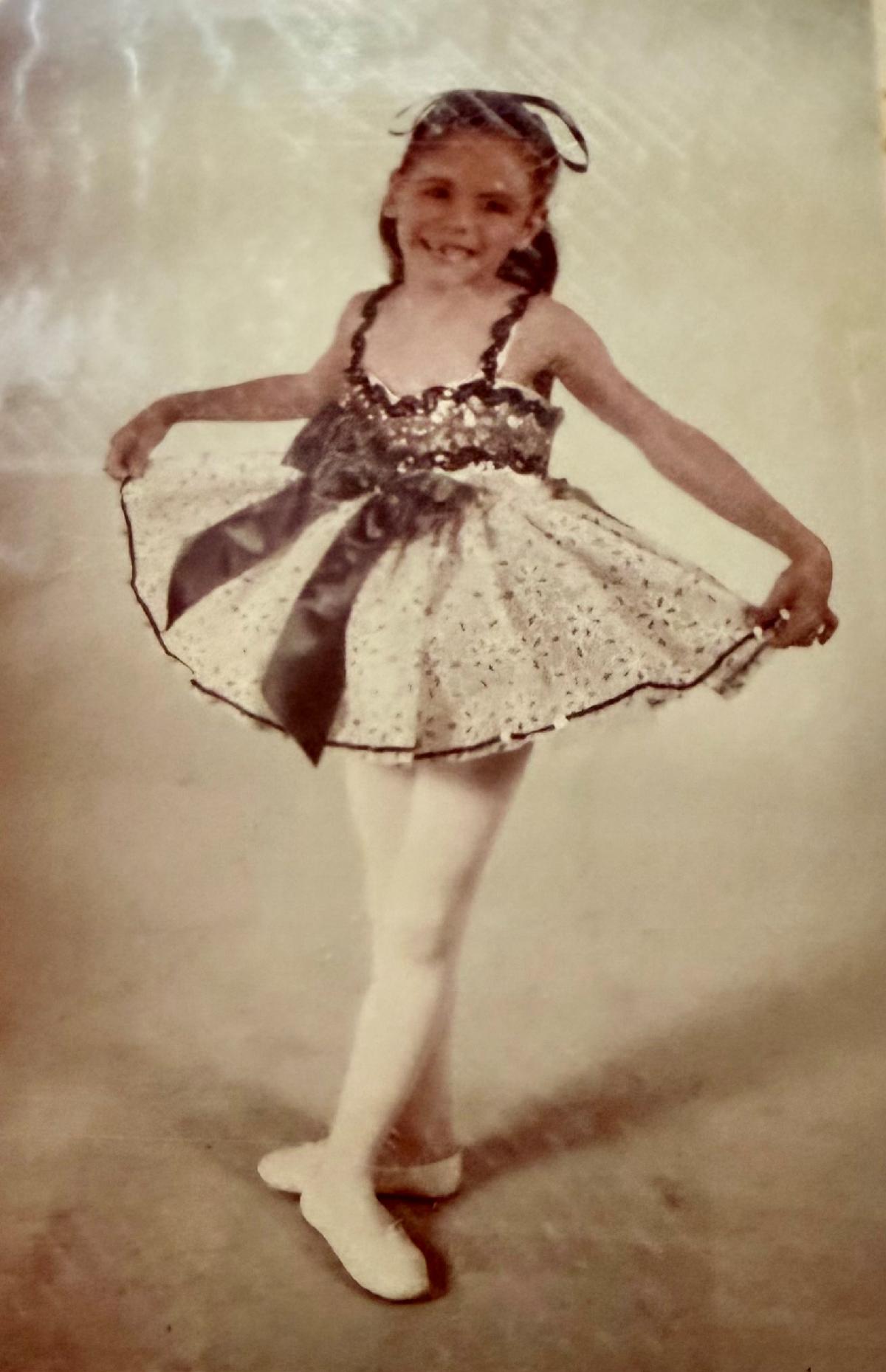
At the age of 11, I believed that I needed to lose weight, which was completely untrue. I was a very underweight child most of my life. I started taking ballet lessons at the age of 3 and continued learning new styles of dance ultimately leading to perform as the years went on. I performed my 1st solo to the song “I Will Survive” by Gloria Gaynor and there was an immense amount of pressure placed on me to make the spotlight and be the “hit of the show”! Wow-that was a lot of pressure for an 11-year-old little girl. I had been dancing 4 hours a day and by the time I entered high school as a dance major, my dance instruction increased to 8 hours a day.
My dance career included ballet, jazz, tap, pointe and modern jazz. I eventually auditioned at the Philadelphia High School for Creative and Performing Arts and was accepted into the 2nd graduating class. By 13, in my freshman year of high school I was also dancing for the Philadelphia Civic Ballet Company in the evenings and by 10th grade, it was recommended that I audition for the Pennsylvania Ballet Company where I was accepted. Sounds all great, right???
For 4 hours a day I danced in high school and 4 hours an evening I danced at Company 5 days a week. Entering my sophomore year of high school, my father became very ill due to complications from diabetes and had to have both of his legs amputated in order to save his life. I became my father’s caretaker throughout his hospitalization and eventually when he came home from the hospital for a wait period while his prostheses were being fitted.
Being the determined 13 year old that I was, I knew that somehow, I had to help him learn how to walk because in my young mind, I thought if he didn’t learn to walk, he was going to die, and that was unimaginable.
Eventually, he did to learn to walk and was sent home as his protheses were made. He was home for a few weeks and after a long journey of depression, physical pain, and endurance that he overcame in learning how to walk, he had a major stroke and massive heart attack and died 5 days later.
I felt that somehow, I had caused his death with my caretaking. Did I give him too much insulin? Or maybe not enough?? That question plagued me for years. Within weeks of his death, I was forced to leave my home, age 15, I grew up very quickly. What does all of this have to do with my ED? I reverted to my 11-year-old mindset . . . trying to lose weight when I was still very underweight. I began starving myself and could go for days on end without nourishment.
| |
My role as caretaker was due to other family challenges we were experiencing relating to addiction. My days during 10th grade (1982) consisted of school, dancing and very willingly caring for my father. I would take a break in between school and Company and rush over to Jefferson Hospital in Philadelphia to motivate my father to learn to walk. What I did not know at the time was that he was struggling with depression and was not motivated to want to walk. His words to me one day were “I am a 45-year-old man. What kind of a father can I be with no legs.” At this time, he was fulfilling the role of 2 parents.
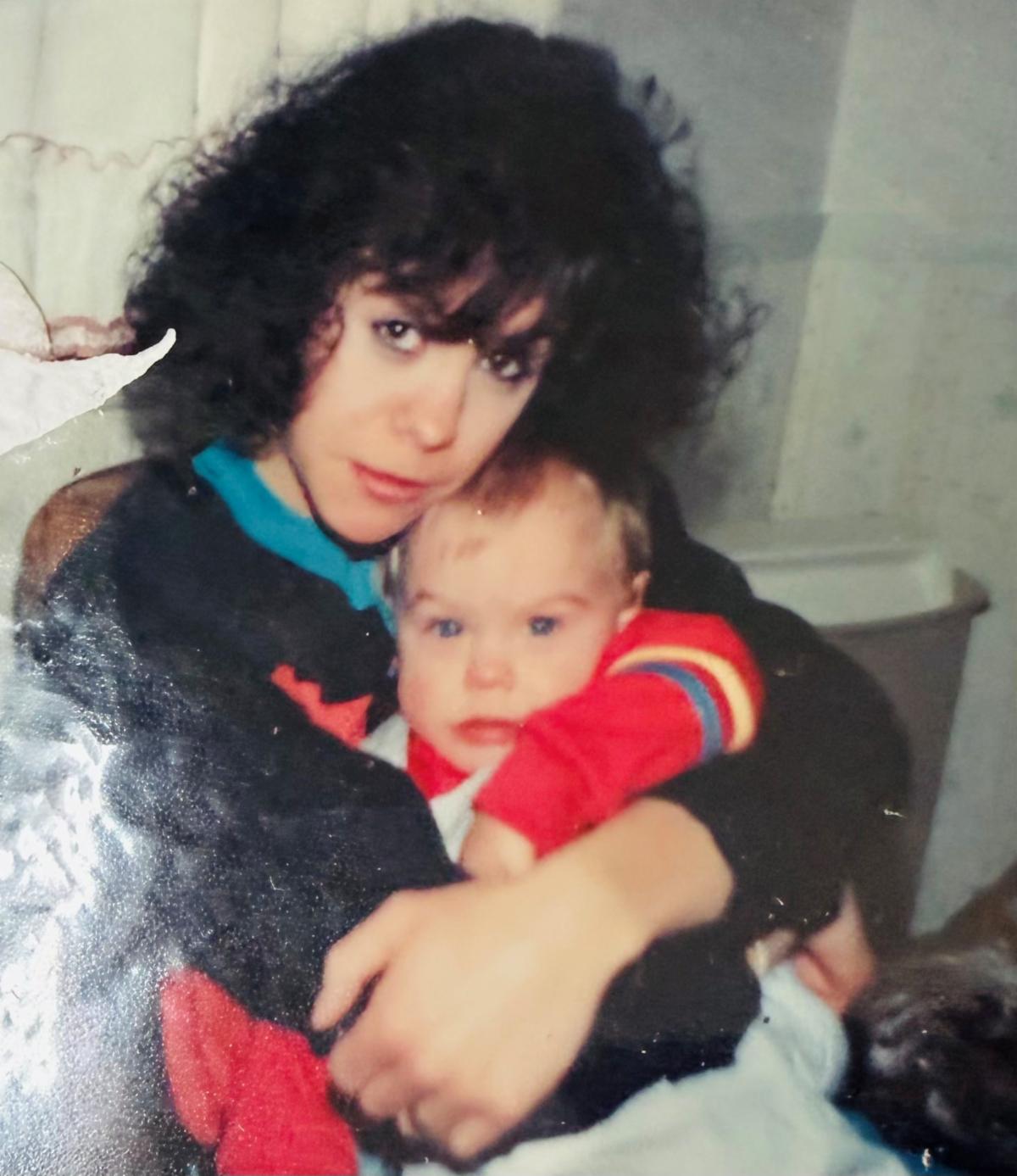
After several years of sleeping wherever I could, and finally somehow graduating high school, I got married at age 19. Within a year, I gave birth to my first daughter and my son within the next 5 years. After the birth of my son, and many struggles in my marriage, the depression set in with a vengeance. I was told I had postpartum depression. While that was true, what they didn’t know was that I had been struggling with depression since the age of 9. My way of coping with the depression was to starve myself in the hopes that I would die.
After 9 months of this pattern and losing significant weight, I was admitted to a hospital at the weight of 69 pounds. I spent 6 weeks there in physical recovery and intensive mental health therapy.
EDs do not “go away." They are lifelong diseases and, in my life, the underlining causes were significant trauma, abandonment, loss, and sexual abuse.
I share a bit of my story to highlight the dangers and importance of EDs. I have found throughout my journey that many think that EDs are about wanting to be thin. That is absolutely not true! EDs are a physical and mental health life-threatening disease. My hope has always been to bring the real issue to light.
EDs have nothing to do with the food . . . they are a manifestation of many difficulties. In recovery from Anorexia Nervosa. as well as bulimia and other EDs, one has to learn how to consume food properly, be treated for the difficulties that led to the ED, and to fight the will to want to relapse. I did well on my recovery journey until my second daughter was born 6 years later when I was 30. At that point, I once again experienced postpartum depression and was hospitalized. By this time I'd been battling depression and an ED for 21 years.
I am now 59 years old and my struggle with Anorexia is always a concern. However, through WRAP, I have learned how to manage it, in particular, though using my Daily Plan, taking Personal Responsibility, recognizing my Triggers, and using my Action Plans. As for the major depression, that demon is something that still plagues me. But I'm also winning that battle because of WRAP being in my life! I have not only learned how to manage my illnesses but also how to build my Support system and use the Bill of Rights as a blueprint for my life.
My hope is that we, as a WRAP family, can recognize, understand, advocate to educate society about the life-threatening dangers of EDs and show the world there is hope!
My personal feeling about EDs is that they are a silent mental illness because of the shame, guilt, and embarrassment people struggle with that much of society doesn't truly understand. If you struggle with an eating disorder, please keep hope that recovery is possible!
| |
Exciting News: New York University's McSilver Institute and WRAP
We're happy to share the news with the WRAP community! We can't wait to bring WRAP seminars to this prestigious and highly impactful institute.
"The McSilver Institute in partnership with Alliance for Rights and Recovery, Center for Practice Innovations and InUnity Alliance is pleased to announce the launch of the Psychiatric Rehabilitation Resource Library (PRRL), a new statewide initiative from the New York State Office of Mental Health (OMH). This program is designed in to expand access to high-quality, evidence-based and evidence-informed psychiatric rehabilitation curricula, training, and resources for providers across New York State.
This initiative will support Personalized Recovery Oriented Services (PROS) programs and other OMH-licensed, operated, funded, and designated providers, ensuring the workforce has the tools, materials, and training required to deliver effective, person-centered psychiatric rehabilitation services. Through curriculum development, technical assistance, and coordinated access to evidence-based practices, this project will strengthen implementation of psychiatric rehabilitation practices statewide.
At the end of this project, an online library of psychiatric rehabilitation group curricula will be made available for all providers in New York State to utilize and adapt in practice, and providers will also gain access to trainings in proprietary models such as BRITE, WRAP, and Cognitive Remediation.
McSilver and its partners look forward to collaborating with providers, stakeholders, and training partners as we work together to enhance recovery-oriented, skill-building services for adults with serious mental illness throughout New York."
| | |
The Power of Gratitude Lists
by Carol Bailey Floyd, WRAP Community Member
Making a gratitude list is one of the most powerful things I do to uplift myself. It can be as simple as writing 1-2-3-4 or recognizing random gratitudes as I proceed through my day. On even the worst day, there are good things happening here and there.
Here are some examples of my lists
Simple Gratitude List
- Laptop
- Notebook paper
- Pens
- Printer
- Books
- Magazines
- Bookcases
- Writing
- Reading
- Conversation
Extended Gratitude List
- I love my laptop because it opens new worlds to me every day.
- Blank notebook paper makes me feel full of writing possibilities.
- I enjoy pens of every color - particularly purple, turquoise, and green.
- Thank heavens for my printer! How could I operate without it?
- Books are often my passports to the vast universe of amazements.
- Magazines of every kind fascinate me. Browsing. Reading. Appreciating.
- I have 11 bookcases and I treasure every book in them.
- Writing is my top wellness tool. Spontaneous journaling takes me to places of calm, personal wisdom, comfort, energy and more.
- Reading elevates me and is one of the top pleasures of my life.
- What could be better than an interesting conversation? Or a chat with a stranger?
On days when I am feeling low, I count 10 good things in my mind as the day progresses. Here is an example of what some of my gratitudes might be:
- Ice water
- New book
- People watching
- Notebook
- Purple pen
- My cell phone
- Chair
- Table
- Writing
- Cafe
If I am having a really terrible day, I count 20 or 25 good things. I can always write them down as I am proceeding through my day to power them up.
Emergency Thank You Therapy
On days when the low-down dirty dog blues have overtaken me, I do what I call “Emergency Thank You Therapy” and itemize things in my immediate area:
- Thank you for this sofa
- Thank you for the blanket
- Thank you for this TV
- Thank you for this pillow
- Thank you for this cup of tea
- Thank you for this window
- Thank you for these slippers
- Thank you for this nightgown
- Thank you for these curtains
- Thank you for this cell phone
I often make this declaration out loud for emphasis. I do this until I feel more settled. It never fails to bring me back to the reality of my blessings.
Night-Time Gratitude
Make a list of five things that made you feel grateful during the day. If you keep your lists in a notebook, you can look at them later and they will lift your spirits.
To help you relax and get ready for sleep, you can make a mental list of things in general that make you feel grateful. Keep thinking until you drift off to sleep. Another advantage is that you will probably wake up feeling good.
Gratitude is one of the most important empowering supports ever - and it’s free! Take advantage of all the ways you can cultivate gratitude in your life. You might be happily surprised at the positive results.
| | Upcoming Seminars and Trainings | |
Seminar I, Virtual
April 13-16: For people new to WRAP! 12-4:30 pm (ET)
April 20-24: New! Evening sessions, 7-11:30 pm (ET)
Facilitator Recertification
-
March 10-12: Virtual WRAP Facilitator Recertification: Virtual Facilitation of WRAP Seminar I, 12-4:30 pm (ET)
-
April 22-24: Virtual WRAP Facilitator Recertification: Virtual Facilitation of WRAP Seminar I, 12-4:30 pm (ET)
Seminar III or ALF Recertification
-
March 23-25: In-person Seminar III. WRAP licensee Step By Step will hold a Seminar III at its Philadelphia office in Clifton Heights, PA. To register, email lcorey@stepbystepusa.com.
-
April 21-23: In-person Seminar III / ALF Recertification, Dupont, Washington
-
April 28-30: In-person Seminar III / ALF Recertification, Phoenix, Arizona
-
May 12-15: Virtual WRAP ALF Recertification, 12-4:30 pm ET (ONLY for ALFs who have already certified through WRAP)
| | |
March is Criminal Justice Month, which focuses on promoting societal awareness regarding the causes and consequences of crime, as well as strategies for preventing and responding to crime.
We believe in second chances and the possibility for recovery and change. WRAP is offered to both people who are incarcerated and prison staff through state Department of Corrections, individual prisons, and re-entry programs. It has changed the lives of countless people and reduced rates of recidivism.
| | |
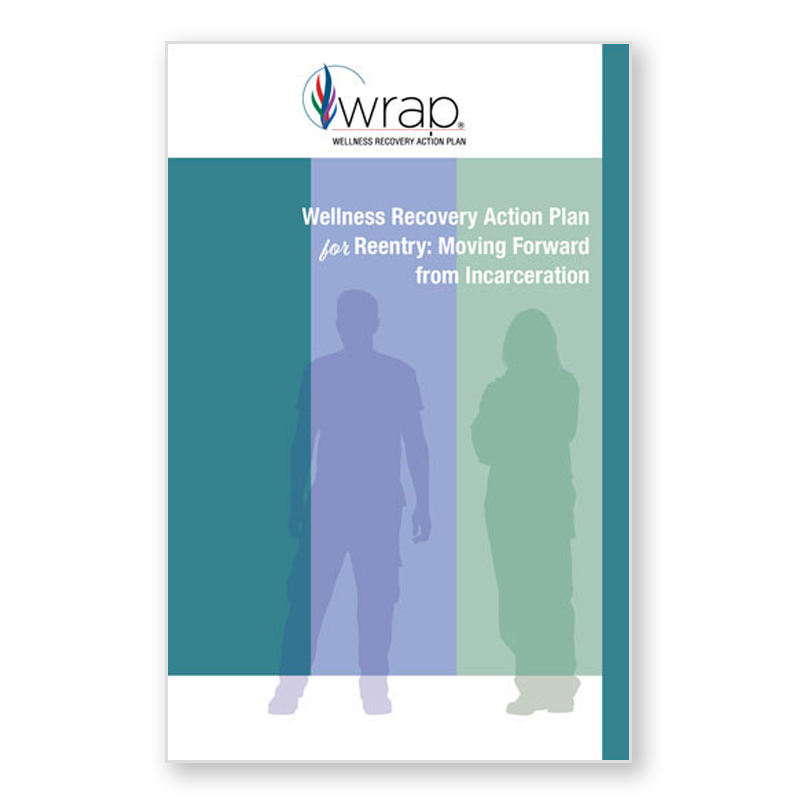
Wellness Recovery Action Plan for Reentry: Moving Forward from Incarceration is an adaptation of Wellness Recovery Action Plan (WRAP) designed specifically to support those who are currently incarcerated, who have previously been incarcerated, or who have had other contact with the criminal justice system.
WRAP has long been used by individuals who have had justice-system involvement to create a life that is not defined by the things that happened on their worst day.
This book was written with contributions and personal stories from those who have lived WRAP behind walls and back in the community. Its purpose is to support justice-involved individuals to perform at their optimum and achieve success in their efforts towards mental, physical, emotional, and spiritual wellness pre- and post-release, both during incarceration and as returning citizens.
| | | | |