MBHC's
collective pulse newsletter
| | |
May | 2026
Boundaries & Self-Respect
| | Welcome to the Collective Pulse... | |
Boundaries can be difficult, yet they are essential for creating healthy relationships. They shape how we are treated by others and deeply influence how we feel about ourselves. Self-respect often grows from our ability to recognize, communicate, and honor our boundaries.
Because of socialization, life experiences, trauma, and relational patterns, many people struggle with asserting boundaries in ways that feel safe, clear, or empowering. Yet boundaries are one of the most important ways we navigate our lives, relationships, energy, and emotional well-being. For this reason, this month’s newsletter theme is “Boundaries & Self-Respect.”
This newsletter is a collection of our therapists’ reflections, insights, skills, feedback, and offerings surrounding this important topic. We hope it brings support, encouragement, and meaningful tools for your journey.
Thank you for being here with us.
|
Pulse Check with 5 Questions:
Katherine Dillon,
LPC she/her
What modalities or approaches feel most aligned with your way of working, and why?
~I feel aligned with Internal Family Systems and Acceptance and Commitment Therapy. Both approaches are non-pathologizing, non-judgmental, and emphasize compassion and curiosity.
What is something you’ve learned from your clients that has deeply impacted you as a therapist or as a person?
~A privilege of being a therapist is being trusted with the thoughts that people rarely share with anyone else. The feelings and struggles that make people feel isolated or "weird" are often ones that I hear frequently. Witnessing these inner-most experiences has taught me that we are all far more alike than we realize.
What’s a small, everyday ritual that helps you reconnect to yourself between sessions?
~I try to take walks when possible. Nature and movement are grounding for me.
What is a phrase you often say to clients?
~"That sounds pretty human of you." I tend to say this when clients judge themselves for feelings that are completely normal.
If you could bottle one feeling and offer it to every client at the start of a session, what would it be?
~I would offer a dose of self-compassion. I think this is key to productive reflection!
Katherine practices in Lawrence and specializes in addressing anxiety disorders, depression & life's challenges. Kat utilizes IFS, ACT and exposure therapy as modalities for therapeutic support.
| |
Genevieve Akins, LPC, she/her
Therapist & Group Facilitator for LGBTQ Teen Groups
LGBTQ+ Group Starting
| |
Hello,
I am excited to share an opportunity for LGBTQ+ teens to join a therapy group, beginning the first week of June, designed to provide support, connection, and empowerment. The group will offer a supportive environment for teens to explore their identity, discuss unique challenges they may face, and build coping strategies. Depending on need and preference, sessions will be held in Topeka, Lawrence, and virtually.
Potential Topics Include:
- Exploring and understanding gender identity and sexual orientation
- Overcoming stigma and internalized bias
- Building resilience and coping with stress
- Navigating healthy relationships and boundaries
- Self-advocacy and the coming-out process
- Finding community and belonging
The group is designed to be a safe and inclusive space, where confidentiality, curiosity, and respect are paramount.
Contact:
Genevieve@mbhealingcollective.org for more information about the group.
| | |
Experience Somatic Practices
Prior to setting a boundary or asserting yourself, try to notice your body
& move forward when your body & mind are ready.
-
Orienting: Slowly look around your space, allowing your eyes to land on objects to signal to your brain that you are safe
-
Pendulation: Shift focus between a tense part of your body and a calm, neutral, or pleasant area, spending 10–15 seconds on each to release tension.
-
Somatic Tracking: Curiously observe sensations in your body (tightness, warmth) without trying to change or judge them.
Cheryl Herzog-Arneill, LMSW, SEP practices in Lawrence, KS & Overland Park, KS and specializes in Somatic Experiencing & Trauma
| |
“Boundaries, Boundaries, Boundaries.....Don't Leave Home Without Them”
~J. Brown
| | |
Let's Talk About Boundaries & Self Respect
Self-respect is the foundation of how you experience your life. It shapes your decisions, your relationships, and the way you treat yourself on a daily basis. At its core, self-respect is the recognition that your needs, values, and well-being matter and the commitment to honor them through your actions.
One of the most powerful ways self-respect shows up is through boundaries. Setting boundaries is the ultimate act of self-respect, acting as a protective, invisible line that safeguards your time, energy, and emotional well-being. Healthy boundaries strengthen relationships. They allow you to show up honestly and consistently, while preventing resentment from quietly building beneath the surface. In this way, boundaries are not harsh or selfish - they are one of the most compassionate things you can practice.
Self-respect also means asserting your needs, even when it feels uncomfortable. It’s taking responsibility when you make mistakes without tearing yourself down. It’s staying true to your values, prioritizing your health, and practicing self-compassion instead of constant self-criticism. Most importantly, it’s knowing your inherent worth - and making choices that reflect that belief.
If you want to understand your level of self-respect, start with honest reflection. Ask yourself: What truly matters to me? What values guide my decisions? Then look at your relationships. Are the people around you supportive, encouraging, and respectful of who you are? Do they uplift your goals, opinions, and lifestyle? Just as importantly, consider how you treat yourself. Do you allow yourself to have needs without judgment, or do you dismiss them?
There are also clear signs when self-respect may be slipping. You might feel constantly drained, like you’re giving more than you have. You may struggle to say no, feel unsupported, or notice that your actions don’t align with what you believe is important. A common pattern is offering kindness and understanding to others while being overly critical or neglectful toward yourself.
Putting self-respect into action doesn’t require a complete life overhaul but instead it starts with small, consistent choices. Begin by honoring your needs without guilt. Practice setting limits, even in simple situations. Pay attention to where you’re overextending yourself and gently pull back. Surround yourself with people who respect and support you and create distance where that respect is lacking. And throughout it all, speak to yourself with patience and compassion.
We often hear the golden rule: treat others the way you want to be treated. Self-respect asks you to apply that same standard inward. When you begin to treat yourself with fairness, care, and consistency, everything else including your confidence, your relationships, and your sense of peace, starts to follow.
~Mikayla Sova, LSCSW practices in the Lawrence, KS office & specializes in DBT.
| |
Monthly Collective Recommendations:
Exploring boundaries & self-respect
| | |
Book recommendation:
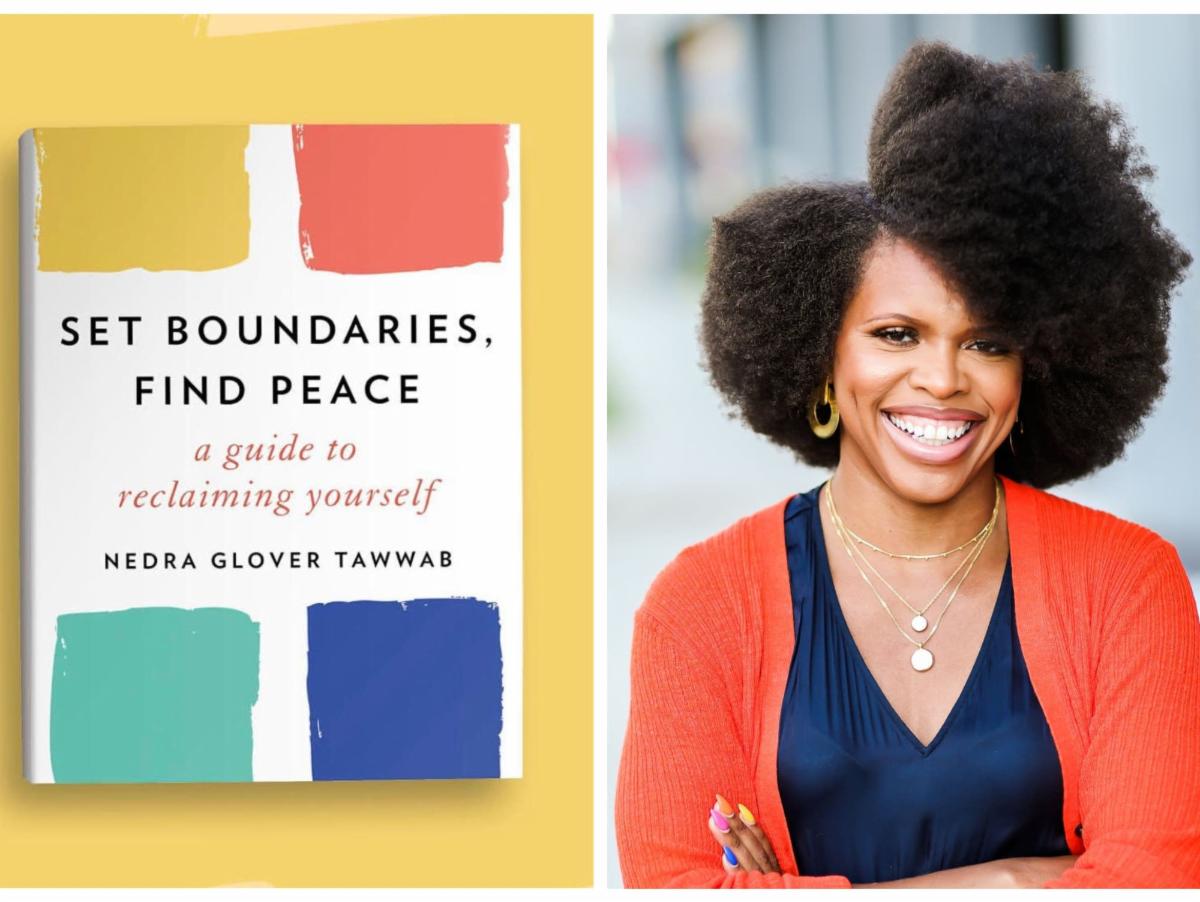
Set Boundaries, Find Peace by Nedra Glover Tawwab
This is a grounded, practical, and compassionate guide to understanding and communicating healthy boundaries in relationships, work, family, and daily life. Tawwab’s approach is clear, relatable, and empowering without being harsh or rigid. She is a therapist & relationship expert. There is also a workbook available to accompany this book.
| | |
Movie Recommendation:
The Perks of Being a Wallflower
This heartfelt and emotionally powerful film explores identity, friendship, trauma, belonging, and the importance of self-worth and healthy relationships. Through the journey of its main character, the movie gently highlights how past experiences can shape our boundaries, our sense of self, and the ways we allow others to treat us.
The Perks of Being a Wallflower offers an honest and compassionate look at healing, connection, and the courage it takes to honor ourselves more fully.
| | |
Podcast Recommendation: Unlocking Us with Brené Brown
In this thoughtful and engaging podcast, Brené Brown explores themes of vulnerability, courage, boundaries, self-worth, and authentic connection through conversation. Unlocking Us invites listeners to reflect more deeply on what it means to live wholeheartedly, communicate honestly, and build healthier relationships with ourselves and others.
For those exploring the connection between boundaries and self-respect, this podcast offers meaningful insights and practical wisdom.
| | “NO." - is a complete sentence — Anne Lamott | | Journal Prompt: Where in my life do I need stronger boundaries in order to feel more peaceful, authentic, and connected to myself? | | Why People Pleasing is Hurting You | |
You can do hard things! Thank you for being here & part of an intentional community.
We all need one another. Next month, we’ll be talking about
Identity & Authentic Expression: Exploring self, voice, truth, and aligned living
| | | | |