We Wish You a Safe and Happy 2023! |
|
Looking Back at Some 2022 Stories from The New England Journal of Higher Education ...
|
|
|
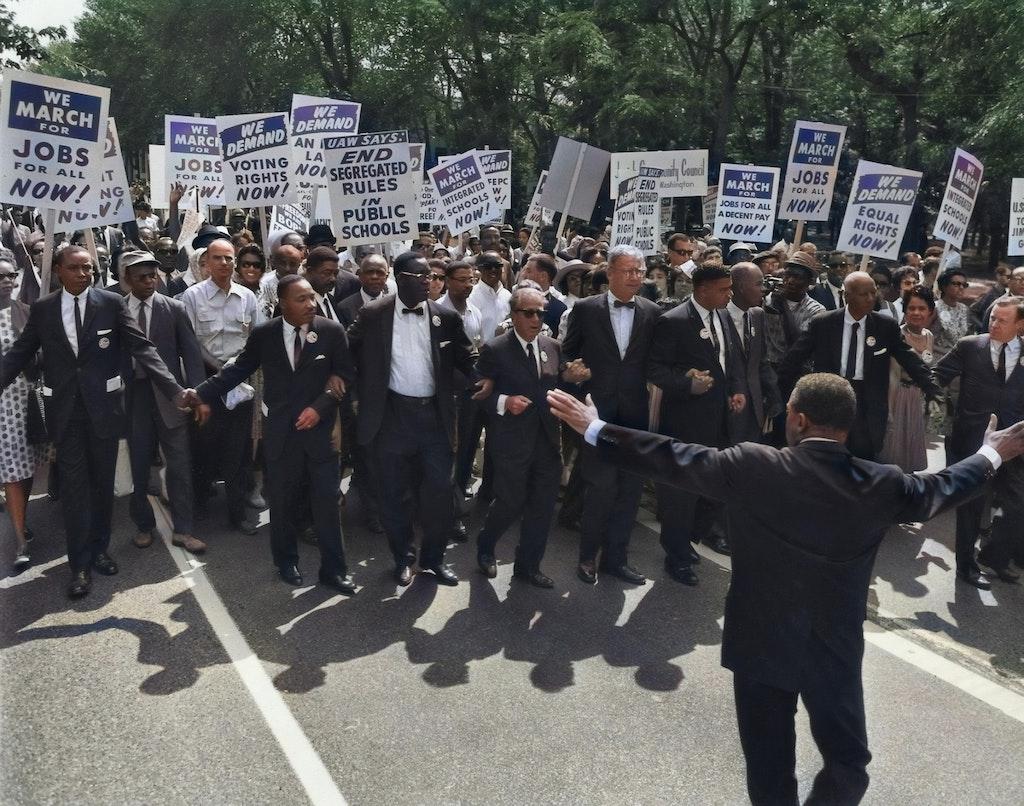
In January, as we celebrated Martin Luther King Jr., and colleges across the country held the sixth annual National Day of Racial Healing, Pierre Morton, the chief diversity officer at Franklin Pierce University, urged Americans to make the world a better place. "We all have the capacity to do extraordinary things each day. Whether it’s mentoring someone in need, respecting someone’s preferred pronouns and gender identity, writing your congressperson or senator, or simply sharing a kind word with your neighbor, each act demonstrates the sacredness of humanity," Morton writes. "As Americans reflect on this week’s celebrations in our own way, we can and should take the opportunity to unlock the possibility present in each of us to make the world a better place."
|
|
|
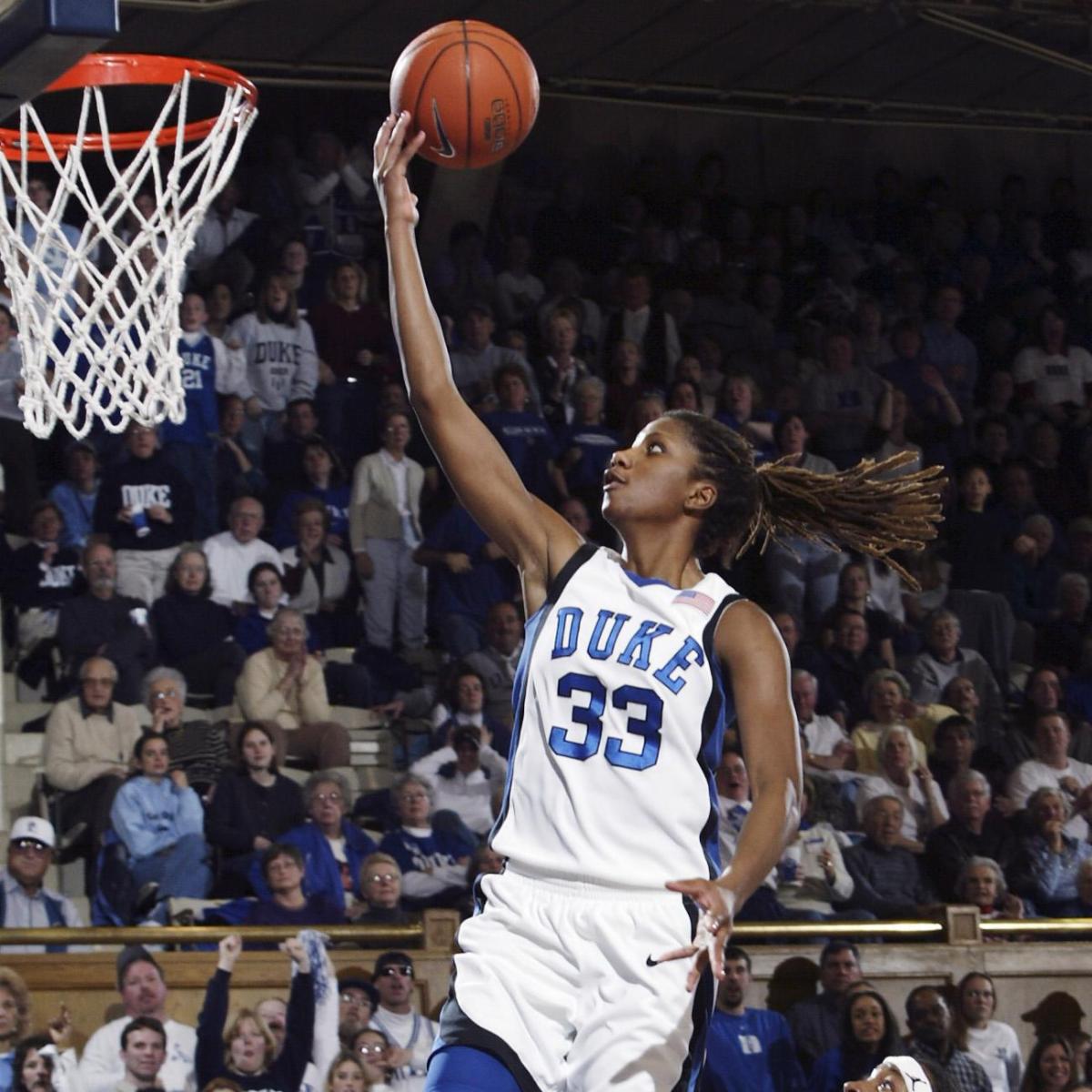
The rules around compensation for college athletes has changed. Players still cannot be paid directly for their play. But, like pro athletes, they can license and profit off their name, image and likeness (NIL). And as with any change involving big-money sports, bigger-money commercial opportunities, popular celebrities and the law, the new playing field "will open opportunities for the crafty and nimble, along with traps for the greedy and unwary," writes Iciss Rose Tillis, an attorney at the firm of Hall Estill and former WNBA and Duke University basketball player. Tillis and her coauthor, Hall Estill colleague Jon A. Epstein, say it's too early to predict all those opportunities and traps, but offer some issues to consider as institutions and students grapple with the strange new world of NIL.
Pictured: Attorney Iciss Rose Tillis playing for Duke
|
|
|
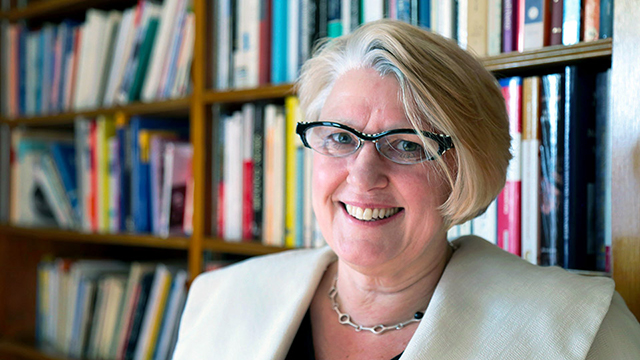
A Florida bill that would prohibit discussions of sexual orientation and gender identity in kindergarten through third grade public school classrooms has made its way toward the desk of Gov. Ron DeSantis. Mount Holyoke College President Sonya Stephens writes that the bill dubbed by opponents, the “Don’t Say Gay” bill, is less about protecting students than it is about fueling America’s political divide. The Florida bill is part of a nationwide trend as 15 similar bills now move through other state legislatures. Stephens notes that Republicans have found linking divisive issues of race, sexual orientation and gender identity to parents’ concerns about what their children are being taught in public schools is an effective means to win at the ballot box—as Gov. Glenn Youngkin’s recent victory in Virginia indicates. Not only do these bills undermine the real progress LGBTQ people have made in our society over the past 50 years, Stephens writes, but they also further erode trust in some of our most dedicated and undercompensated public servants: school teachers and administrators.
Pictured: Mount Holyoke College President Sonya Stephens
|
|
|
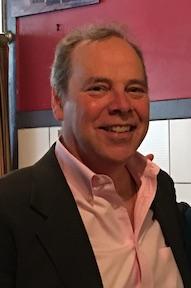
Courage has become a superlative attribute in our age. Healthcare workers courageously work on the frontlines of Covid-19. Ukrainian President Zelensky exhibits courage against foes of democracy. These figures risk their personal security for the benefit of others and higher ideals. Higher education is also newly interested in courage as a centering ideal. But "courage’s unique ingredient—personal risk—is uniquely threatened on campus," writes Kyle Sebastian Vitale of the Heterodox Academy. Vitale reflects on a recent incident at Yale University in which student protesters disrupted a bipartisan Federalist Society panel about religious freedoms. "The Yale event featured little personal risk," he writes. "Students hid behind signs and cries that freedom of speech justified their actions. Missing was the vulnerability of actual discussion, and with it the risk of one’s views undergoing scrutiny. This was about abolishing discomfiting views, not the small sacrifice of listening to others."
|
|
|
As the public’s interest in vaccines and therapeutics skyrocketed, a Boston University student in Benjamin Wolozin’s Systems Pharmacology class worked to overhaul an article on reverse pharmacology, moving it from what’s known on Wikipedia as a "stub"—a short, incomplete article—to a comprehensive description of hypothesis-driven drug discovery. ... Until students in Wellesley College’s “Dante’s Divine Comedy” class started working on their Wikipedia articles, little could be learned about the women Dante referenced. Now, it's a robust reference. ... Student editors in Mary Mahoney’s History of Medicine class at Trinity College improved a number of medical articles, including those on pediatrics, telehealth, pregnancy and Mary Mallon (better known as Typhoid Mary). In the handful of months since students improved these articles, they’ve been viewed more than 932,000 times. ... LiAnna Davis, chief programs officer at Wiki Education, offers these and other New England examples of how the small nonprofit's Wikipedia Student Program supports college and university faculty who want to assign their students to write Wikipedia articles as part of their coursework. It not only improves Wikipedia’s coverage of their disciplines, but also provides digital media literacy skills at a time when misinformation and disinformation cast doubt on the reliability of news sources.
|
|
|
The 39 million American adults with some college, but no degree, deserve better opportunities than what our current system has to offer, writes Adam Bush, co-founder of College Unbound (CU), the nontraditional college, based in Providence, R.I. CU is designed specifically for working adults looking to advance in their current careers, move into new vocations or spark change that improves the quality of life for themselves and others. CU’s single major in "Organizational Leadership and Change" is built around student projects for which students meet weekly in professional or place-based cohorts to advance their scholarship, building community, engagement and momentum for learning. All students complete at least 10 credits for prior learning, accelerating their time to completion by more than three semesters. And College Unbound focuses on ways that college can be accessed through trusted providers of lifelong learning such as free "learning circles," with an option for college credit, such as the Providence Public Library and Providence Community Library.
|
|
|
Tidbits from the NEJHE Beat |
|
|
Brief items from the "NEJHE Beat"—that unique constellation of issues connected to higher education and also to social justice, economic and workforce development, regional cooperation, quality of life, academic research, workplaces and other topics that together say "NEJHE."
|
|
|
I n October, I wrote NEBHE colleagues letting them know I would be retiring from the organization and the editorship of The New England Journal of Higher Education (NEJHE) in early January 2023. I joined NEBHE in 1988 and, in 1990, became editor of NEJHE (then called Connection: New England’s Journal of Higher Education and Economic Development). I noted in my letter to colleagues that I strongly believe the regional journal is a key strength of NEBHE that should continue to be appreciated and bolstered. We often characterized Connection and NEJHE as America's only regional journal on higher education and its impact on the economy and quality of life. In addition, the topics we've covered are just too important to cast our gaze elsewhere. New England's challenging demography—where some states now see more deaths than births—means there are fewer of us to nourish a creative workforce and exercise clout in Congress. This makes our historical strength in attracting foreign students and immigrants to build our communities and industries all the more important. Growing chasms in income and wealth between chief executives and employees, meanwhile, agitate antidemocratic and racist forces. While too many critics dis snowflakes, dangerous trauma grows among students and staff. The killer pandemic exposed our fault lines, but also showed the promise of joining together behind scientific breakthroughs ... and behind one another. See a few more parting thoughts here. And as always, thanks for reading. —John O. Harney
|
|
|
From 1990 to 2010, I wrote quarterly columns on angles in higher education and New England for The New England Journal of Higher Education and its predecessor Connection: The Journal of the New England Board of Higher Education. Readers will find that in some ways, very little has changed since then. Here are links to these “Editor’s Memos” …
|
|
|
The Commission on the Future of Higher Education in Prison held its first meeting last Friday at the Hacker Reactor in MIT's Innovation Center. Convened by NEBHE and The Educational Justice Institute at MIT (TEJI)—and funded with a $250,000 grant from the Ascendium Group—the Commission will formally assemble more than 80 individuals throughout New England who represent key stakeholders, including postsecondary and corrections leaders, current and previously incarcerated individuals, employers, legislators and governors. The Commission will develop an action agenda, policy recommendations, strategies and next steps to align institutions, policymakers, prisons, and industry to increase the life and career readiness of formerly incarcerated people—and facilitate their successful transitions to work and sustained contributions to the wellbeing and competitiveness of the region and nation. Visit here for more on the New England Commission on the Future of Higher Education in Prison.
|
|
|
NEBHE published its 2022 Annual Report, providing an overview of the interstate compact's programs, including Tuition Break, Policy & Research, The New England Journal of Higher Education (NEJHE) and the State Authorization Reciprocity Agreement (SARA) as well as NEBHE initiatives on Open Educational Resources (OER), college transfer, the North Star Collective Faculty Fellowship aimed at uplifting BIPOC (Black, Indigenous and people of color) faculty on college campuses, and the future of postsecondary education for people in prison.
|
|
|
NEJHE NewsBlast is a summary of NEJHE content and other news around NEBHE prepared weekly by NEJHE Executive Editor John O. Harney and emailed every Wednesday to opinion leaders and practitioners. When responding to NEJHE content, please make sure that your remarks are relevant, courteous and engaging. Individuals are responsible for their comments, which do not represent the opinions of the New England Board of Higher Education. We urge commenters to briefly note their occupational or other interest in the topic at hand. Please refrain from offensive language, personal attacks and distasteful comments or they may be deleted. Comments may not appear immediately. Thank you for staying engaged.
|
|
NEJHE NewsBlast is sponsored by
|
|
For more information about partnering with NEBHE, click here
or send an email message to our events coordinator Marla Phippen.
|
|
© 2020 New England Board of Higher Education |
|
|
|
|
|
|
|