|
March 2026 Connections
Information for caregivers to help children thrive!
| | Why “Being Together” Matters More Than You Might Think | | |
As parents and caregivers, we often wonder:
What really helps my child grow? Am I doing enough?
These questions are often more common when we think about raising children who may need support with their development. The answer may be both simpler and more powerful than we expect:
Being together in a way that feels safe and connected is one of the most important things we can offer our children.
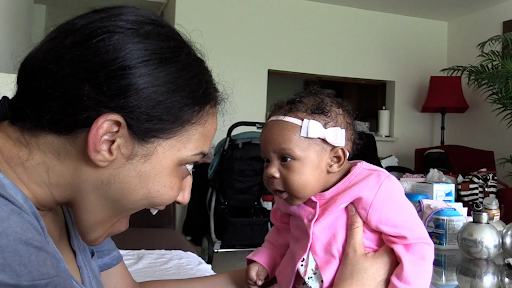
Connection isn’t a trendy concept; it is a quality that children need from adults to support their development. Developmental science tells us that we are biologically attuned to respond more fully when we are in connection with another person.
From the very beginning, a child’s brain and body are shaped through relationships. When a child feels close, understood, and supported, it strengthens:
- Their emotional well-being;
- Their ability to regulate feelings;
-
Their immune system and overall health; and
-
Their sense of confidence and belonging.
| | |
In fact, research shows that strong social connection is linked to better health, resilience, and even longevity. Before a child can learn, play, or connect, their nervous system is asking one essential question:
“Am I safe?”
| | | |
This sense of safety isn’t just physical - it is felt. Safety is the foundation. Everything else builds from there.
When children feel safe:
- Their thinking brain comes online; and
- They can engage, explore, and connect.
When they feel unsafe:
- They may become reactive, withdrawn, or overwhelmed; and
- Learning, playing, and feeling connected become much harder.
| |
Connection Happens Through Co-Regulation
Children don’t learn to calm or regulate themselves alone. They learn through us, with us, from us. This is called co-regulation - when your calm presence and responsiveness help your child find their way back to balance.
Children’s nervous systems are constantly picking up cues. Parents don’t have to be perfect; there is no “perfect” in parenthood! However, being present, available, and responsive is what builds connection grounded in a sense of safety. Even when things don’t go smoothly (and they won’t!), repairing the connection builds trust and resilience.
A child’s nervous system is always listening for cues of safety.
| |
Simple things go a long way:
-
Predictability and consistency - steady presence is most helpful
-
Nurturing voice and body language
- Offering choices
- Staying curious about their experience
| | Connection before correction is a powerful place to start.
When children feel safe and connected, something important happens. | | | Caregivers, think of a time your child was frustrated by a difficult task or overwhelmed by a busy room. Your immediate response may have either calmed your child or fueled their emotions. As you stay centered in how you guide and co-regulate, often through connection, you are able to signal safety to their nervous system, building trust that they aren’t alone in their big feelings. Connection is the key. | | |
Every moment of connection, no matter how small, is shaping their brain, their body, and their sense of belonging.
We know that parents, caregivers, and educators need support and connection, too. When they feel resourced, it becomes easier to offer that steady presence every child needs.
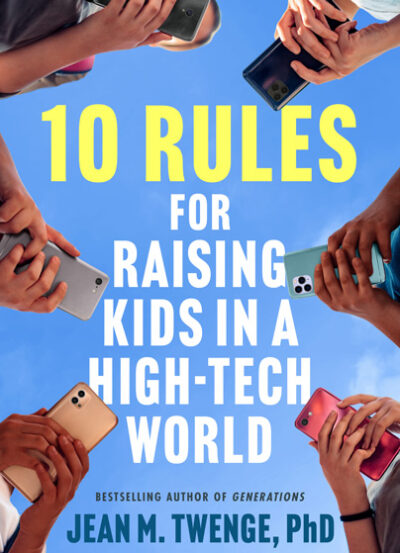
To deepen understanding of these principles and connect with a supportive community, we invite you to join our DFX Dialogues Book Club Series and be on the lookout for other family-based resources from DFX.
| | We are pleased to share this article, which is drawn from a keynote address our co-founder, Tracy Stackhouse, delivered to the ICDL 2026 International DIR® conference in Union, N.J., at Kean University in March, 2026. This is one of the many ways DFX and our team are working to bring the innovation we offer to families in Colorado and share our Therapy that fits® approach with other providers and families around the world. | | You are invited to join us for DFX Dialogues, a bi-monthly book club for caregivers and DFX team members. We have selected books that focus on the intersection of development and mental health. We have copies to lend or you can find them online or at your local library. | | |
MARCH IS DEVELOPMENTAL DISABILITIES AWARENESS MONTH
At DFX, we believe that everyone should be understood, have agency to determine their future, and be given the support they need to participate fully in their communities. We are working every day to expand understanding of the strengths and potential of people who are neurodiverse and those who have developmental differences whether visible or invisible, all of whom have so much to give to the world and deserve to be respected, welcomed, and supported in living to their fullest.
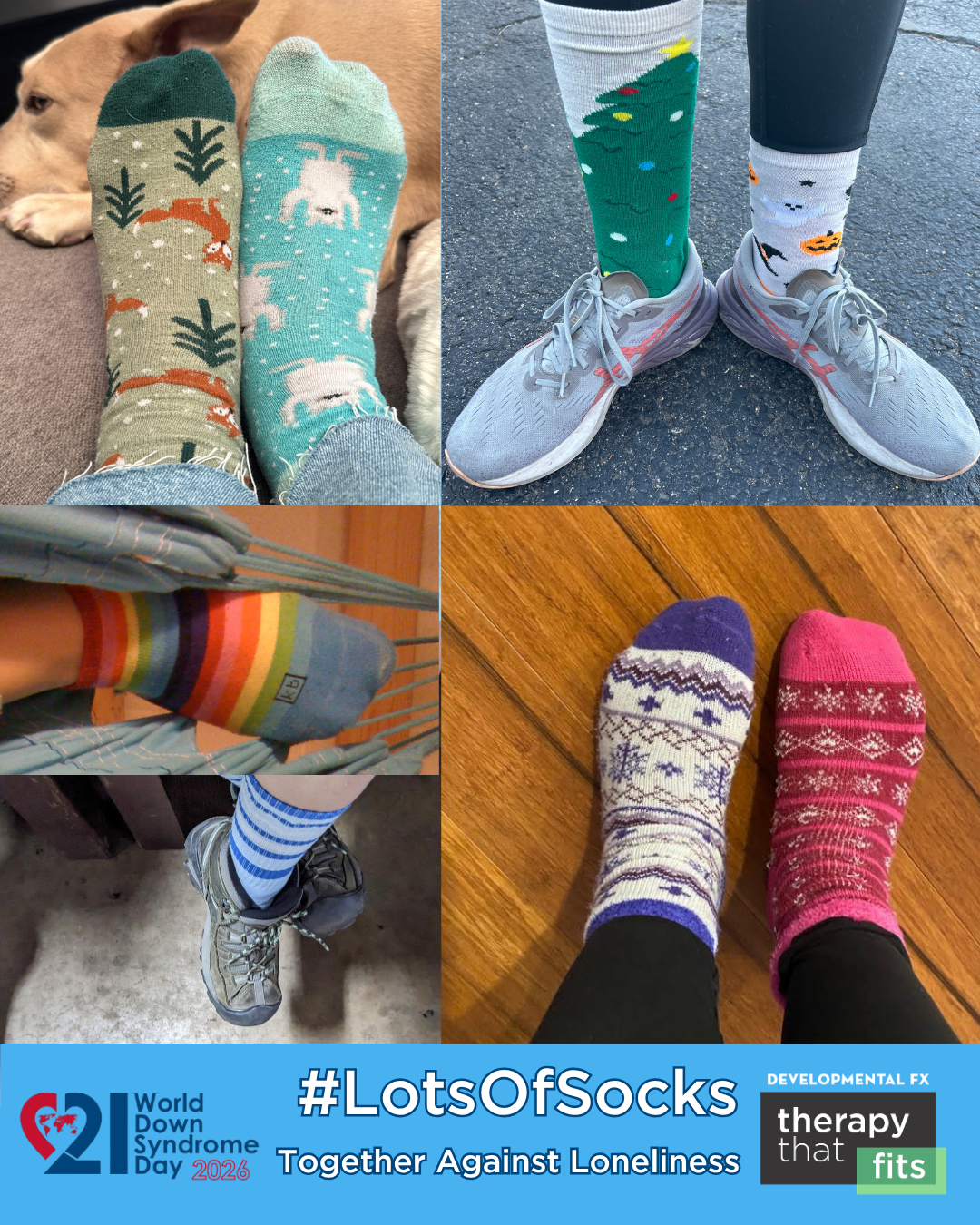
| | World Down Syndrome Awareness Day was on March 21 and the DFX team was rocking their socks to foster conversations about Down Syndrome. | | World Autism Awareness Day is April 1. People with autism are our children, siblings, parents, and neighbors and are engaged in their communities across roles and professions. Spreading misinformation about the causes of autism is harmful, ableist, and disrespectful. | | CELEBRATE NEURODIVERSITY! | | SHARE YOUR OPINION
Our partners at Denver International Airport (DEN) are seeking input from our community to inform their efforts to better support neurodiverse travelers and passengers with cognitive or sensory processing differences. | DEN is exploring the concept of a dedicated sensory-supportive room within the post-security area. | | | The survey closes on March 31, 2026. | | Thank you for being part of the DFX family and helping us bring Therapy that fits® to more kids! | |
| DFX is working to create systemic change by establishing a culture of engaged belonging in which children of all abilities and backgrounds will thrive. | | | | |