Spike in Rejected Signatures Raises Concerns About New Verification Procedures
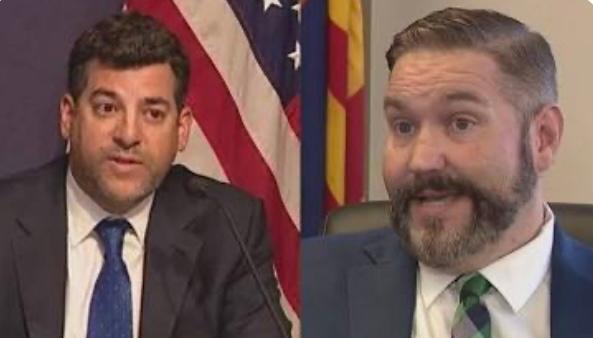
New signature verification procedures implemented by Maricopa County Recorder Justin Heap MAY have resulted in thousands of legitimate ballots being rejected in November’s all-mail, off-year election. Heap presented these changes during the Nov. 19 Maricopa County Board of Supervisors canvass meeting, where board members raised questions about a sharp increase in rejected ballots.
A Dramatic Increase in Rejected Ballots
Nearly 6,000 ballots were rejected due to signature issues — 0.8% of the roughly 700,000 votes cast. This is more than double last year’s rejection rate, and significantly higher than previous jurisdictional elections:
- 2021: 0.1% rejected
- 2023: 0.3% rejected
- 2025: 0.8% rejected
If this same rejection rate had occurred in 2024, more than 15,000 ballots would have been discarded — enough to alter the outcome of multiple close races.
Board Chairman Thomas Galvin noted the “significant increase in bad signatures,” and Supervisor Kate Brophy McGee said she was “very concerned” about the spike.
What Changed Under Recorder Heap
Heap implemented a new verification process requiring two people from different political parties to review each signature. To enhance transparency, observers may now circulate the room and view the screens. However, this has a trade-off: personal identifying information such as phone numbers and addresses is now hidden from verifiers.
Now the screen the citizens view past signatures on has as many as six signatures to compare to and the signatures can be enlarged and moved side by side to more accuracy.
In past elections, this additional information helped confirm voter identity when signatures had naturally changed over time. Without it, more signatures are flagged as questionable and sent to the curing process.
The change in procedure is a positive change providing bipartisanship and saving time when it counts. But the result of a significantly higher rejection rate concerns many voters. The goal is for every legal vote to count. Does this election prove there is roughly an 8% fraud rate in our elections?
Tens of Thousands Flagged — But Not All Cured
Mail-in voting director Ray Valenzuela reported that 30,000 signatures were flagged as questionable in this election. Staff attempted to contact voters by phone, email, and text, but many never responded.
U.S. Senate candidate Ruben Gallego shared his own experience, noting that even long-time mail voters may miss cure notifications due to spam filters or travel.
Ultimately, 5,903 ballots with signature issues were not cured in time and were rejected.
Who Was Affected?
According to available data:
- Republicans: 36%
- Independents: 35%
- Democrats: 27%
- Age 25 or younger: 30%
- Likely Hispanic voters: 15%
Did This Catch Fraud? Unlikely, Experts Say
Former Recorder Stephen Richer dismissed the idea that the spike reflects increased fraud detection, calling it unrealistic that individuals would forge signatures just to influence small, local elections.
“I’d guess fewer than five of the 5,903 rejected were actually attempts at fraudulent voting,” Richer said on X.
Potential Impact on 2026 Elections
Recorder Heap argued that the higher rejection rate was due to the nature of an all-mail election, claiming that many voters who typically vote in person had fewer signatures on file. However, previous all-mail elections did not experience this level of rejection.
With the 2026 midterm election expected to draw more than 1.5 million voters, the current system could result in 80,000 or more ballots flagged for elevation unless the office significantly increases staffing and adjusts procedures.
Citizens Run Our Elections
It s important to remember the Recorder's Office and the Board of Supervisors oversee our elections but it is our fellow citizens that carry out the duties. We the people are the signature reviewers. We the people are poll workers. We the people help cure ballots as well.
Supervisors Call for Action
Supervisor Galvin issued a public warning:
“I expressed my deep concern that too many valid ballots were rejected due to the new signature verification policy. At this rate, over 15,000 ballots would have been rejected in the 2024 presidential election. Only 7,220 were rejected that year. Stay tuned.”
|