Changes to the TRICARE Reimbursement Manual 6010.58-M, April 1, 2015 edition, Change 72 (August 7, 2023), Chapter 9, Ambulatory Surgery Centers (ASCs), can be found at this here.
Please see Section 2 for a full description of the applicable changes. This change will create TRICARE and Medicare Fee-For-Service ASC reimbursement parity for all authorized ASC procedures. Consequently, access to care in the ASC setting for TRICARE beneficiaries will improve because of this change.
|
|
Anastasya Chuchulo, MD and Abubaker Ali, MD
Abstract
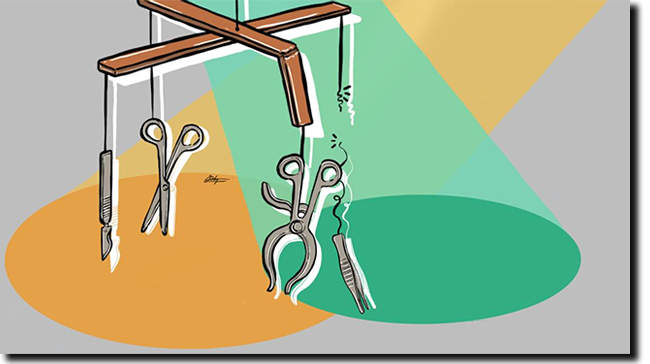
The surgical platform for robotic-assisted surgery has enabled many surgeons to join a popular trend in minimally invasive surgery, which offers prospective benefits to patients (eg, shorter hospital stays, earlier recovery, and less pain) and operational benefits to surgeons. Surgeons without minimally invasive surgical training typically acquired during fellowship training are generally able to perform complex procedures with the robotic platform due to its ergonomic suturing instrumentation, tremor stabilization, 3D visualization, and 4-arm control by a single surgeon. Prospective benefits, however, must be balanced against prospective risks. This article explores the multitude of factors that persuade both surgeons and patients to choose robotic surgery over open surgery or conventional laparoscopy and explores whether evidence exists to support its use despite sometimes conflicting research.
History of Minimally Invasive Surgery
Minimally invasive surgery (MIS) has come a long way in the more than 120 years since gynecologist Dimitri Ott examined the peritoneal cavity of a woman in 1901 with a head mirror and a speculum through a culdoscopic opening. Almost 85 years later, in 1985, Erich Mühe performed the first laparoscopic cholecystectomy in Germany. The change to the surgical field that laparoscopy brought about has been one of the most revolutionary in the history of surgery. Prior to the 1990s, the surgical dogma was “the bigger the cut, the better the surgeon.” This attitude began to change with the shift to not only less invasive surgery but also surgical practices that were driven by popular patient demand. It was estimated that, by 1992, about 80% of cholecystectomies were being performed laparoscopically, and laparoscopic cholecystectomy has since become the gold standard of care for patients worldwide suffering from biliary colic. The explosion of interest in this novel technique was driven by patient demand for surgeries whose incisions could be covered with mere band-aids at the completion of the case. Patients wanted smaller scars, less pain, and less recovery time.
|
|
Interventional Techniques in IPM
Review Course & Cadaver Workshop
|
|
Regenerative Medicine
Review Course & Cadaver Workshop
|
|
After her emergency medicine group was acquired by a staffing firm backed by a large private equity (PE) firm, Michelle Wiener, MD, said the workflow changes came swiftly.
"Our staffing has been greatly reduced," the Detroit physician said. "At this point, we have no say in anything. We have no say in the scheduling. We aren't allowed to see what is billed under our name. The morale has really gone down."
Wiener, who practices at Ascension St. John Hospital, said she and fellow physicians have repeatedly brought their concerns to TeamHealth, which in 2015 took over St. John Emergency Services PC. TeamHealth is owned by PE giant Blackstone.
|
|
We are living in an era of increasing sensitivity to our diversity and the ways we interact, but also an era of growing resistance to change and accommodation. As clinicians, we hope to be among the sensitive and the progressive, open to improving our views and interactions. And as part of our respect for those we treat, we seek to speak clearly with them about our assessment of what is disrupting their lives and about their options.
Using the right words is crucial in that work. Well-chosen words can be heard and understood. Poorly chosen words can be confusing or off-putting; they may miscommunicate or be offensive. Maintaining the quality of clinician-patient communication requires special care, because one party is expert and the other may not be, and because only one party is identified as ill. Careful choice of words is also important among colleagues, who may not always mean the same things when using the same words.
In psychiatry, consumer knowledge and access are growing. There are effective standard treatments and promising new ones. But our terminology is often antique and obscure. This is so despite a recognition that some terms we use may communicate poorly and some are deprecating.
|
|
Virtual
ABIPP Part I; ABIPP Path - Combined DCCPM/CSM virtual exam; ABIPP Competency Exam in IPM; ABIPP Competency Exam in Regenerative Medicine
Memphis, TN
ABIPP Part II - Practical Portion; ABIPP Competency Exam - Practical Portion; ABIPP Regenerative Medicine Competency Exam - Practical Portion
|
|
The number of people who died by suicide in the U.S. hit an estimated record 49,000 in 2022, a 2.6% increase over the prior year, government data showed last week.
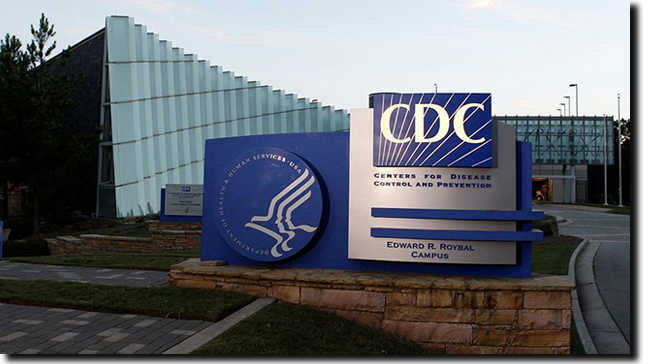
Over half of all U.S. suicides in 2022 involved firearms, according to figures from the Centers for Disease Control and Prevention (CDC).
"Nine in 10 Americans believe America is facing a mental health crisis. The new suicide death data reported by CDC illustrates why," U.S. Health Secretary Xavier Becerra said in a statement.
He added that many people still believe that asking for help is a sign of weakness.
|
|
More than 3 years into the COVID-19 era, most Americans have settled back into their pre-pandemic lifestyles. But a new dominant variant and rising hospitalization numbers may give way to another summer surge.
Since April, a new COVID variant has cropped up. According to recent CDC data, EG.5 – from the Omicron family – now makes up 17% of all cases in the U.S., up from 7.5% in the first week of July.
A summary from the Center for Infectious Disease Research and Policy at the University of Minnesota says that EG.5, nicknamed “Eris” by health trackers, is nearly the same as its parent strain, XBB.1.9.2, but has one extra spike mutation.
|
|
Abstract submissions are open for
ASIPP's April 4-6, 2024 Annual Meeting!
The submission deadline is January 22, 2024.
Don't miss your chance to be part of an exceptional event,
sharing insights and discoveries that shape the future of pain management.
|
|
COVID hospitalizations are slowly rising again this summer, causing scientists and clinicians to rethink if or when the disease will become a seasonal illness
As social distancing and safety measures have faded away, vacations and gatherings have returned this summer—but so has COVID.
“The virus is still around, still causing disease, still causing morbidity and mortality. And I think with the declaration of the [U.S. federal] public health emergency being over, some people have become somewhat complacent,” says Archana Chatterjee, dean of Chicago Medical School and vice president for medical affairs at Rosalind Franklin University of Medicine and Science. “That worries me.”
|
|
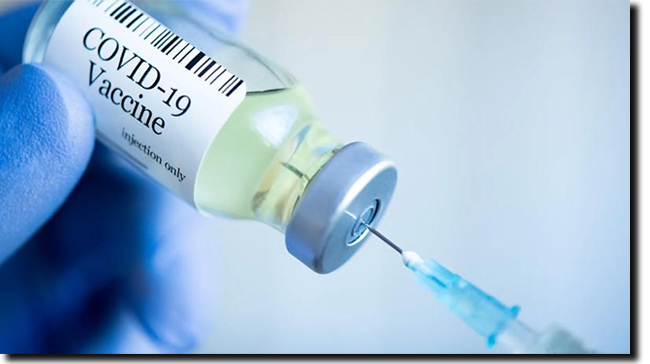
With COVID-19 cases apparently on the rise again, you may be wondering when to get your next COVID-19 booster vaccine. Do you arm yourself again now to better protect yourself against a Summer surge or do you wait for it, wait for it, wait for the next updated version of the booster to be available this Fall? Well, in most situations, you probably want to wait until the Fall but there are some caveats.
Here’s the situation with the next booster formulation. In June, after an advisory panel to the U.S. Food and Drug Administration (FDA) recommended that the next round of COVID-19 boosters be targeted against the Omicron XBB.1.5 subvariant of the severe acute respiratory syndrome coronavirus 2 (SARS-CoV-2), Pfizer, Moderna and Novavax began working on such vaccines. These won’t be completely new types of vaccines. Rather they will use the same mechanisms and structures as the vaccines that have already been used. For the mRNA vaccines, it will include mRNA that can get your cells to produce Omicron XBB.1.5 spike proteins. The Novavax adjuvanted protein vaccine will simply include the Omicron XBB.1.5 spike protein. These XBB.1.5 boosters will likely be available by the late September, or early October range. But surprise, surprise, there’s no word of a definite date. So, don’t expect the timeline to proceed like an atomic clock. Things could end up getting delayed for a few weeks. In general, that’s still only about a couple of months away, assuming that you treat vaccination like the premier of the movie “Barbenheimer” and partake in it soon after it's available.
|
|
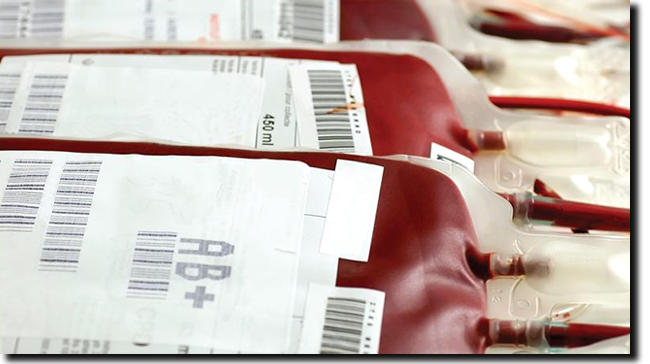
Since the early months of the COVID-19 pandemic, scientists have investigated whether ABO blood group is related to the risk of SARS-CoV-2 infection and illness.
After all, nearly 20 years ago, researchers reported that type O blood was associated with a lower risk of the original SARS. In addition, other studies had linked type O blood to a higher risk of infection by cholera, norovirus, and Helicobacter pylori.
“It’s probably why we still have ABO blood groups in the population,” with each of them having an advantage, depending on the disease, Sean Stowell, MD, a transfusion specialist at the Brigham and Women’s Hospital and Harvard University in Boston, explained in an interview.
|
|
- ASIPP Members Only Site Information - |
|
-
To log in for the first time you will need to click “forgot password” at the bottom of the login window.
- Check your email and then log in as directed.
-
If you have problems logging into your account, click here.
|
|
A new study confirms the robust link between cannabis use and schizophrenia among men and women but suggests that young men may be especially susceptible to schizophrenia from cannabis abuse.
Of note, investigators estimate that roughly 15% of schizophrenia cases among young males may be preventable by avoiding cannabis use disorder (CUD),
"The entanglement of substance use disorders and mental illnesses is a major public health issue, requiring urgent action and support for people who need it," study co-author Nora Volkow, MD, director of the National Institute on Drug Abuse, says in a news release.
|
|
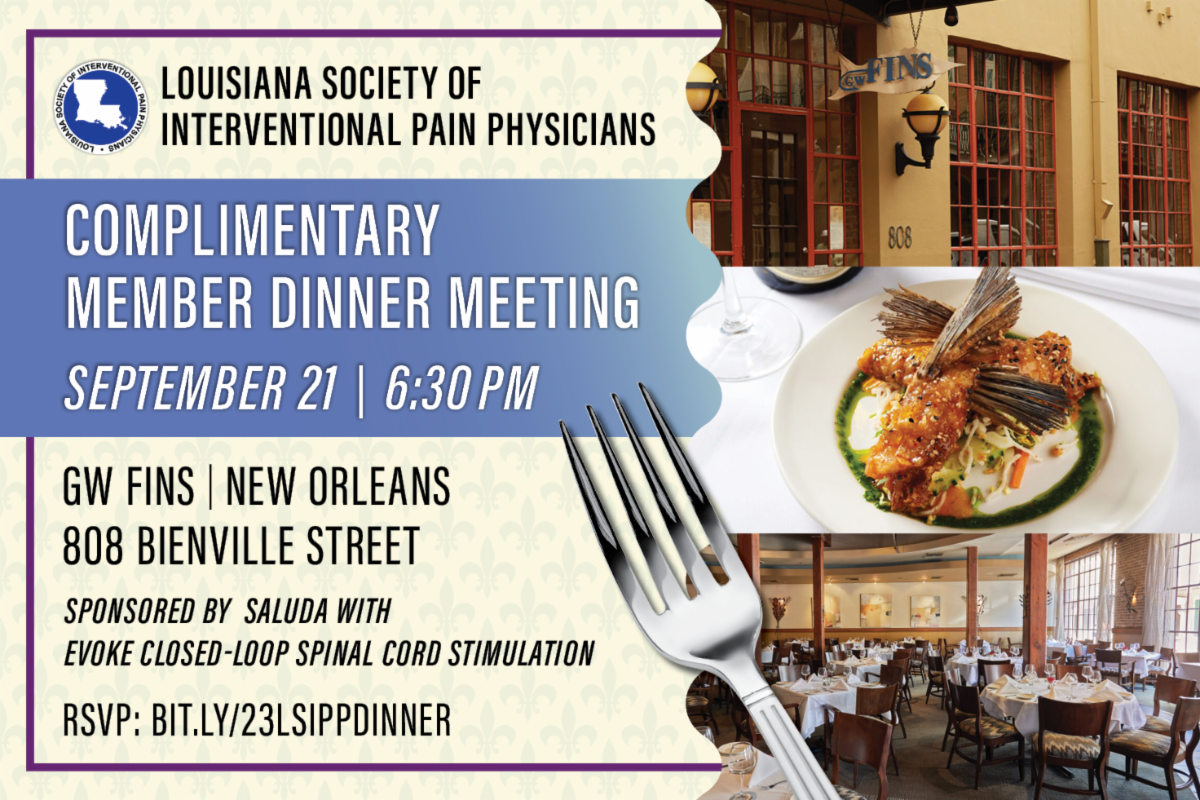
Attention LSIPP Members
You are invited to a complimentary member dinner at GW Fins,
September 21, 6:30 PM
|
|
Pain Medicine Case Reports (PMCR) and Editor-in-Chief Alaa Abd-Elsayed, MD, PhD would like to invite you to submit case reports and case series to the PMCR journal. Your article will be published free of charge.
Open access journals are freely available online for immediate worldwide open access to the full text of published articles. There is no subscription fee for open access journals. Open access journals are no different from traditional subscription-based journals: they undergo the same peer-review and quality control as any other scholarly journal.
Interested in becoming a member of the PMCR Editorial Board?
Editorial board members are asked to review 2-6 manuscripts per year. Please submit your most up-to-date CV to sgold@asipp.org for consideration.
For more information or to submit your articles, click here.
|
|
| CASE REPORT |
Terence Hillery, MD, Suzanna Shermon, DO, David Di Lorenzo, MD, Chong Kim, MD, and Gustaf Van Acker, MD, PhD
Abstract
Background: Chronic knee pain is a significant cause of morbidity for which radiofrequency ablation (RFA) of genicular nerves (GN) may be considered. However, treatment effectiveness depends on accurate placement of RFA probes, and there remains uncertainty on GN anatomical location.
Case Report: A 21-year-old man presented with 2 months of severe knee pain following a canoe trip. Hoffa’s fat impingement was diagnosed with magnetic resonance imaging (MRI), and a subsequent fat pad injection was unsuccessful. After GN blocks, RFA provided 90% relief for 4 weeks. At this time, RFA was performed with probe placement determined by the patient’s MRI-mapped GN neurovascular bundle location. At 8 weeks, the patient continues to have 100% left knee pain relief.
Conclusion: This case suggests that MRI-mapped GNs may assist in planning genicular RFA to improve probe and nerve apposition.
Key words: Genicular nerve, magnetic resonance imaging, radiofrequency ablation
|
|
| RANDOMIZED CONTROLLED TRIAL |
Safaa Sayed Noaman, BSc, Essam Sharkway Abdallah, PhD, Saeid Metwaly Abou-elyazeid Elsawy, MSc, Mohamed Abd EL-Radi, PhD, and Mahmoud Mohamed Kamel, MD
Abstract
BACKGROUND: Postoperative pain after hip arthroscopy remains a major cause of patient dissatisfaction in the immediate postoperative period. Adequate postoperative analgesia is associated with increased patient satisfaction, earlier mobilization, and decreased opioid consumption.
OBJECTIVES: Therefore, there is a need for safe, reliable, and opioid- and motor-sparing methods of achieving postoperative analgesia following hip arthroscopy. We evaluated the efficacy of pericapsular nerve group (PENG) block vs fascia iliaca block (FIB) in reducing postoperative pain and analgesic consumption in the first 24 hours following hip arthroscopy.
STUDY DESIGN: A prospective randomized double-blinded control clinical trial.
SETTING: At the arthroscopy unit of the orthopedic department of Assiut University Hospitals, Assiut, Egypt from 2019 to 2022.
METHODS: Forty-three patients comprising 18 women and 25 men scheduled for hip arthroscopy were randomized to receive a preoperative block with PENG or FIB from March 2019 to March 2022. The mean age was 27.9 years (standard deviation [SD], 6.2 years; range, 18-42 years) and the mean body mass index was 25.13 kg/m2 (SD, 5.08 kg/m2). Patients were randomized into 2 groups: group A comprising 20 patients that received FIB; and group B comprising 23 patients that received PENG block. The efficacies of FIB and PENG block were evaluated using Visual Analog Scale scores.
RESULTS: Statistically significant differences in median pain scores and mean at rest pain scores were observed between the 2 groups at all measured time points following surgery (i.e., 6, 12, 18, and 24 hours). Further, dynamic pain scores (with hip flexion) scores significantly differed between the 2 groups at 24 hours postoperatively (P = 0.001). PENG block significantly decreased postoperative opioid use compared to FIB. Total opioid use in the 24-hour postoperative period was lower in the PENG group compared to the FIB group (16.5 ± 9.9 vs 27.5 ± 9.6; P < 005).
LIMITATIONS: Different hip pathologies and different interventions lead to different outcomes. Also, a larger sample size and longer follow-up duration are required.
CONCLUSIONS: PENG block may represent the ideal regional anesthesia modality for hip arthroscopy as an alternative to more conventional regional nerve blocks, such as FIB, femoral nerve block, and lumbar plexus block. PENG block is reproducible, easily performed in the preoperative setting, and appears to spare motor function while providing prolonged sensory analgesia.
KEY WORDS: Pericapsular, nerve group block, fascia iliaca block, peripheral nerve blocks, hip arthroscopy
|
|
| RANDOMIZED CONTROLLED TRIAL |
Ahmed S. Foula, MD, Laila S. Sabry, MD, Ahmed F. Elmulla, MD, Maher A. Kamel, MD, and Adel Ibrahim Hozien, MD
Abstract
BACKGROUND: A diseased shoulder due to pain, stiffness, or weakness negatively affects patients’ quality of life and their ability to carry out activities of daily living. Adhesive capsulitis is a disease characterized by shoulder pain and global limitation of movement in the shoulder joint. Many interventions have been proposed for the treatment of primary adhesive capsulitis. The current study compares the effect of ultrasound-guided intraarticular injection of ozone versus steroid versus intraarticular application of pulsed radiofrequency.
OBJECTIVES: The primary outcome of the current study was to compare the improvement in the Visual Analog Scale (VAS) after the 3 treatment modalities. The secondary outcomes included functional improvement measured by the Shoulder Pain and Disability Index (SPADI) and level of inflammatory biomarkers measured by serum intercellular adhesion molecule (ICAM-1) and high-sensitivity C-reactive protein(hs-CRP).
STUDY DESIGN: The current study is a prospective, double blinded, randomized controlled trial. We employed a double blinding technique for both the patients and the outcome assessors.
SETTING: Our study was carried out at the Medical Research Institute, Alexandria University, Egypt, after approval of the local ethical committee (IORG0008812). The study was registered in the “clinical trials library for protocol registration and results system” with number NCT04724317.
The study included 45 patients with a diagnosis of primary adhesive capsulitis.
METHODS: Patients were randomly assigned to 3 equal groups: steroid group, ozone group, and pulsed radiofrequency group. Pain and global shoulder functions were assessed using the VAS at rest and with movement, range of motion (ROM), and the SPADI. Moreover, ICAM-1 and hs-CRP were measured as inflammatory markers.
RESULTS: The results of the current study reveal that all patients in all groups have had a statistically significant improvement after their intervention regarding pain, disability, ROM, and inflammatory markers. Pairwise comparisons revealed that improvement of the VAS during movement had a statistically significant improvement starting from the second week and continuing to the fourth and eighth week. VAS during rest had a significant improvement starting from follow-up week one in the steroid group. Moreover, improvement in the ROM and SPADI scores started from the second week follow-up. Percent improvement was calculated for each group and there was a statistically significant difference between groups in VAS at rest and ROM in the pulsed radiofrequency group compared to the steroid group.
Regarding inflammatory markers, both ICAM-1 and hs-CRP had a significant improvement after all 3 interventions with no statistically significant difference among the groups.
LIMITATIONS: This study is a single-center study. A shortage of previously published data, and heterogeneity in the published methodology of the 3 interventions limited our discussion data for comparison with the previous literature.
CONCLUSION: Ultrasound-guided shoulder joint intraarticular injection of steroid, ozone, or pulsed radiofrequency application all result in a significant improvement in pain, disability, and ROM in primary adhesive capsulitis. They can be used as an effective treatment modality for this condition. Comparing groups statistically, the pulsed radiofrequency group had a more delayed, but statistically better long-term improvement compared to the other 2 groups.
KEY WORDS: Adhesive capsulitis, pulsed radiofrequency, ozone, shoulder, glenohumeral joint, pain, hs-CRP, triamcinolone acetonide
|
|
ASIPP is now in collaboration with Curi Medical Liability Program
Since this malpractice insurance program officially launched in November 2018, ASIPP has signed up hundreds of providers with an average savings of 30%. This is professional liability insurance tailored to our specialty and will stand up for us and defend our practices.
Curi is a full-service advisory firm that serves physicians and their practices. Their valued advice is grounded in your priorities and elevated in your outcomes. They are driven by a deep understanding of your specific circumstances in medicine, business, and life. To read a few important points to keep in mind about the program, including discounts, administrative defense, cyber coverage, aggressive claims handling, and complimentary risk management CME activities, visit our website.
|
|
ASIPP® has formed a partnership with Henry Schein and PedsPal, a national GPO that has a successful history of negotiating better prices on medical supplies and creating value-added services for independent physicians. Working with MedAssets, PedsPal provides excellent pricing on products like contrast media that alleviate some of the financial pressures you experience today.
|
|
ASIPP® is now offering our members the benefit of a unique revenue cycle management/ billing service.
We have received a tremendous amount of interest in the ASIPP® billing and coding program.
Click here to learn more about the negotiated rate for practices and more!
|
|
|
up-to-date news related to you, your practice, and your patients!
|
|
|
|
|
|
|