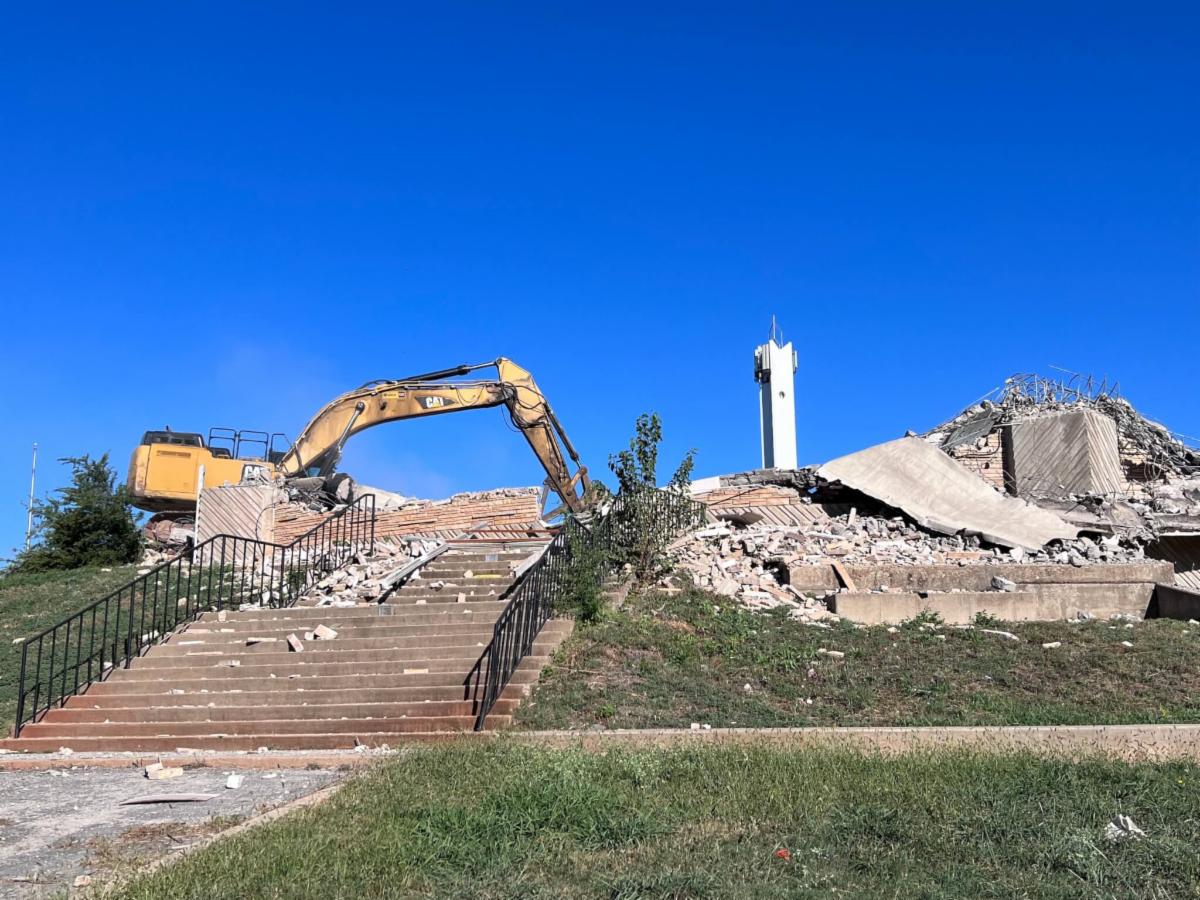
Demolition of First Christian Church, Oklahoma City, Oklahoma, 2022

(Courtesy of Preservation Oklahoma, Inc.)

Preservation in Crisis

Historic places come in all shapes and sizes in Oklahoma. They embody the history, culture, and stories of our earliest Native American ancestors to modern times. Since 1976, the Historic Preservation Fund (HPF) has provided State Historic Preservation Offices (SHPO) and Tribal Historic Preservation Offices (THPO) across the country with funding to help preserve our nation’s historic places. The HPF is provided from Outer Continental Shelf oil and gas lease revenues not tax dollars. Most recently, our Congressionally appropriated fiscal year 2025 funding through the Historic Preservation Fund has not been released. With the call to eliminate the HPF for SHPOs and THPOs in the fiscal year 2026 budget, there is grave concern that many of these offices will not remain.


Preserving history does not happen by accident. It happens because people throughout time have fought to create laws to protect our history, to protect our communities, and to protect our resources. The Oklahoma SHPO plays a small but vital role in supporting everything from Main Street revitalization and building rehabilitations to environmental reviews and disaster recovery.


What does this mean in Oklahoma?

The SHPO is charged with the responsibility to oversee the National Register of Historic Places, Section 106 review and federal agency consultation, Historic Tax Credit review for both the state and federal programs, and coordination of our Certified Local Governments program, as well as other duties such as the Centennial Farm and Ranch program and ArcGIS mapping. With no federal funds, the Oklahoma SHPO has no choice but to reduce contracts, limit project funding, and ultimately, reduce staffing.


Despite the lack of funding, the programs, as prescribed by federal law, must carry on. However, with the reduction in staff, delays in project reviews will likely occur which could hold up development and infrastructure work. There may be missed opportunities for federal and state tax credits that revitalize our downtowns, both metropolitan and rural. It could also cause a breakdown in communication, consultation, and coordination between tribal nations, federal partners, and community members. At worst, it will mean the loss of historic places that matter to our communities, state, and nation.


People across Oklahoma depend on the SHPO. Projects that have depended on the SHPO's participation include large-scale redevelopment such as the Mayo Hotel in Tulsa, First National Center and the Skirvin in Oklahoma City, and the Sunset and Vogue Apartments in Lawton to the smaller-scale developments such as the Hotel Dale in Guymon, Sharp’s Pawn Shop in Bartlesville, and 120 E Broadway in Ardmore. Major federal undertakings that have depended on the SHPO include the crosstown in Oklahoma City, cell towers across the state, new bank construction in Luther, and many bridge replacement projects. If the federal funding for SHPOs and THPOs is eliminated, economic and cultural values are gone.


For over 50 years the states have developed an integrated system that has worked to conserve, rehabilitate, and save historic resources. Removing the SHPOs and THPOs from the federal funding will be devastating for our country, for our state, and for our economy. SHPO staff sign up for these positions because they see the greater good; we are public servants with a clear and concise mission. We strive to collaborate with and empower communities to celebrate, preserve, and commemorate our historic resources through stewardship and public education with a focus on progress and economic stability within the state of Oklahoma.


While some staff have already moved on to other jobs (for which we are grateful), those remaining will attempt to keep the programs moving smoothly for as long as we are here. We do not know for certain how long that will be. Please be patient with those of us who remain.  


Just know that none of us wanted this. This was our family, and it is no more. 


~ Lynda Ozan, Deputy State Historic Preservation Officer

Four Buildings By … Frank William Wallace


A high school dropout from Afton, just 80 miles northeast of Tulsa, never imagined that his architectural legacy would one day transform a city skyline. After serving in World War II, Frank William Wallace enrolled at the University of Arkansas on the G.I. Bill. While his passion lay in the arts, specifically sculpture, he studied architecture, a practical path to support his artistic ambition. 


His big break came while interning under Tulsa architect Cecil Stanfield. When Oral Roberts decided to build his college campus, he approached Stanfield, who had recently designed his headquarters, the Abundant Life Building, in downtown Tulsa. Overcommitted at the time, Stanfield referred Roberts to Wallace, a move that would forever change Wallace’s career and the landscape of Tulsa.


While Wallace never received the name recognition of architects such as Frank Lloyd Wright, Bruce Goff, or Blaine Imel, his architectural fingerprints are embedded in some of Oklahoma’s iconic landmarks.  

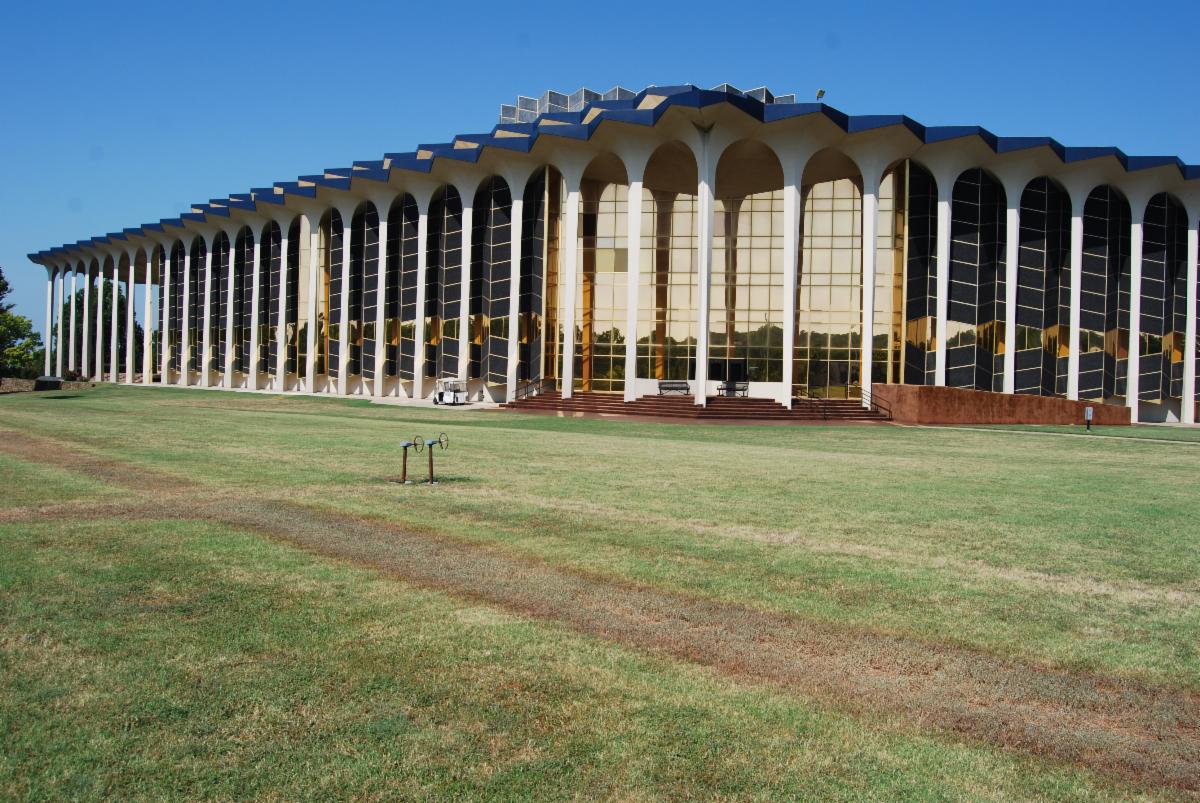
For five years, Wallace worked full-time designing the Oral Roberts University (ORU) campus—a place where he fused structure with spiritual symbolism. Drawing from his sculptural sensibility, Wallace imbued the campus with religious motifs. The largest building, the Learning Resources Center, began construction in 1964. Designed in a triangular layout to represent the Holy Trinity, it featured gold-tinted windows symbolic of honey—a biblical reference to abundance and divinity.

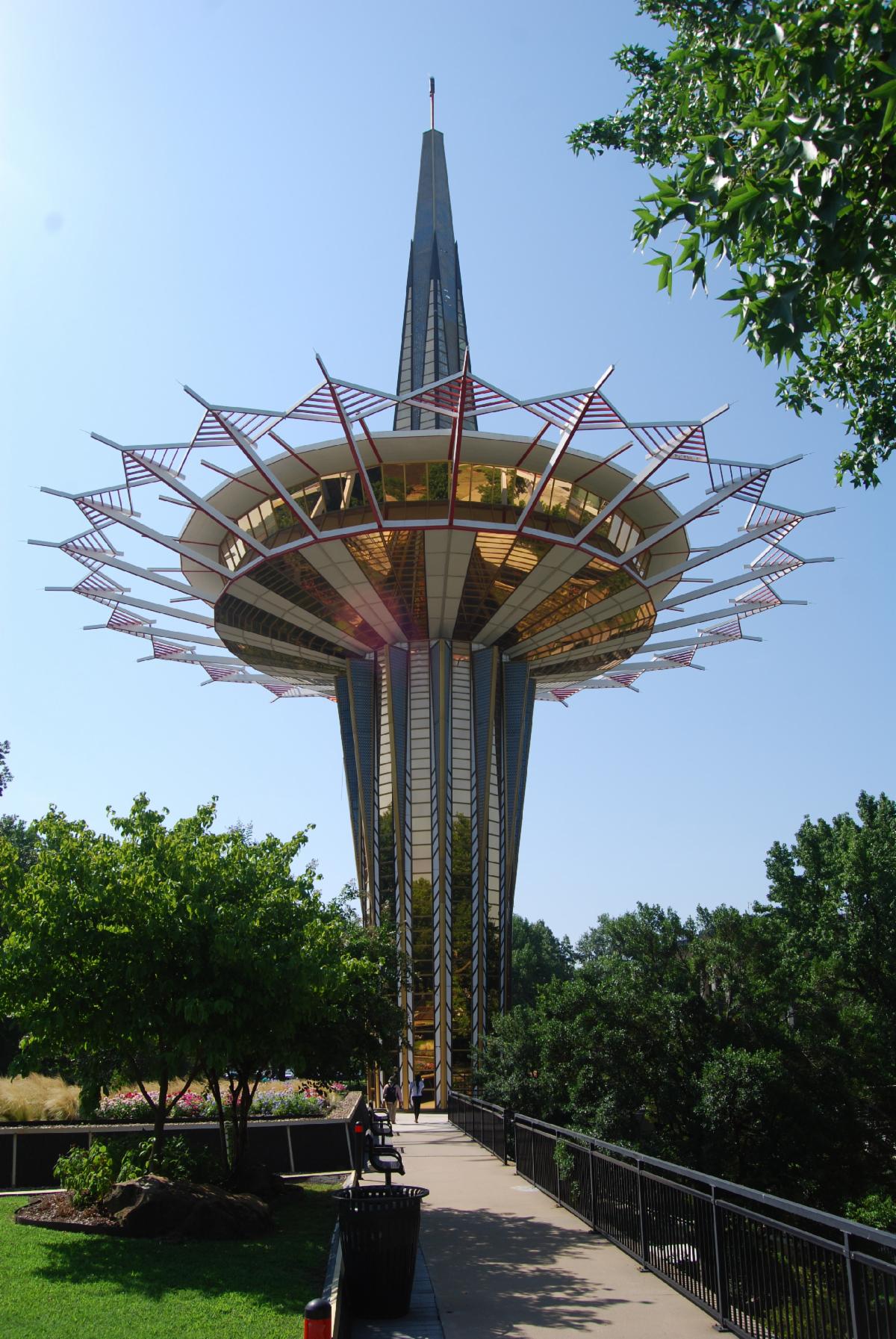
Then came the centerpiece: the Prayer Tower, completed in 1966. At 200 feet tall, the structure became a beacon both physically and spiritually. With a flame at its apex, a spiked crown-like roof resembling the crown of thorns, and warm honey-colored accents, the tower exemplifies Wallace’s ability to turn architectural form into religious metaphor.

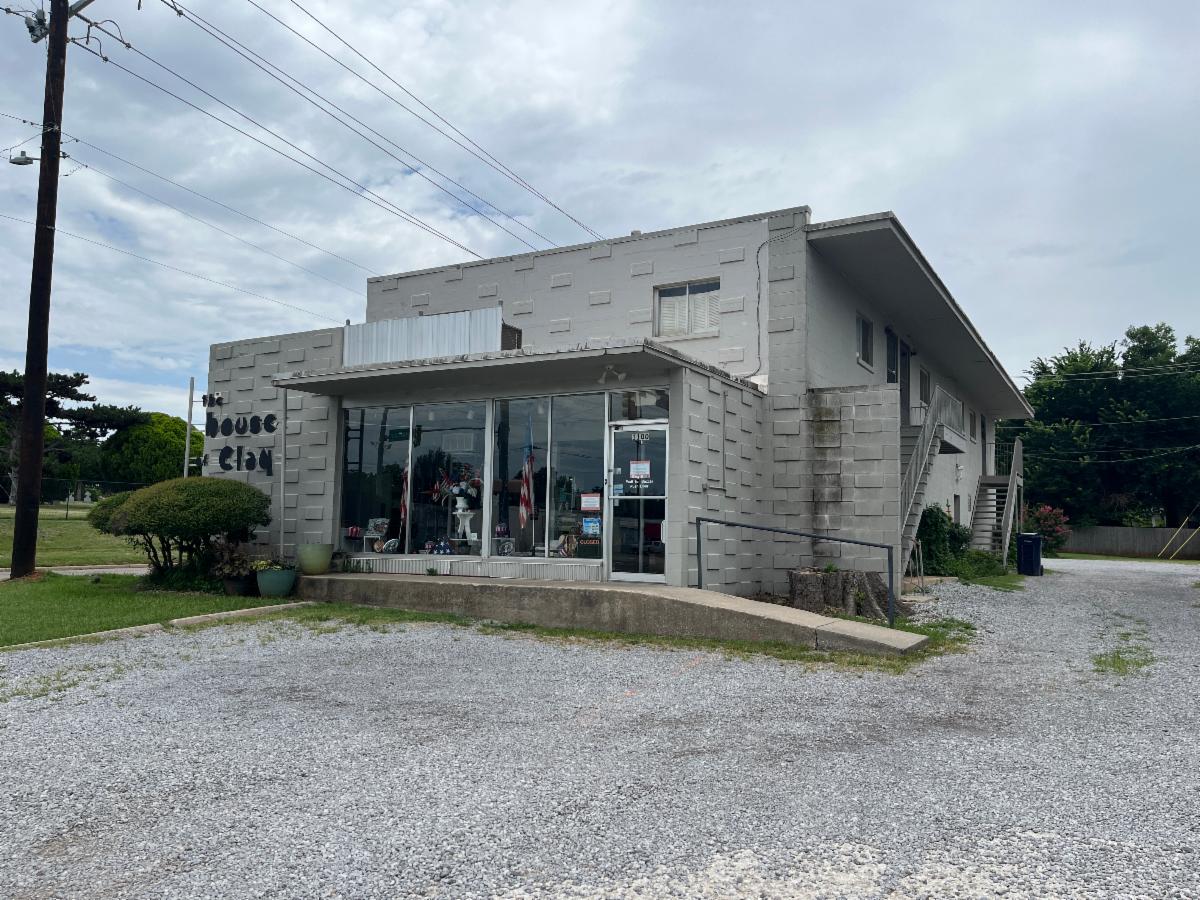
Clay House, 1100 NW 30th Street, Oklahoma City

Wallace’s talents reached beyond the ORU campus. In Oklahoma City, the Clay House—built in 1961—stands as a stark contrast to its neighbors. Amidst a sea of bungalows and Craftsman homes, the two-story concrete structure offers clean modernist lines, a cantilevered soffit, and mixed-use space with retail below and living quarters above. Minimalist in ornamentation, it reflects Wallace’s adaptability and restrained urban design.

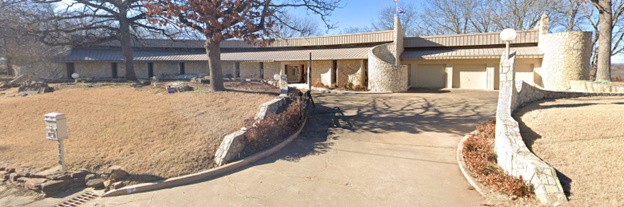
7750 South Jamestown, Tulsa

His most personal project was his own residence at 7750 South Jamestown Avenue in Tulsa, completed in 1980. Designed as a sanctuary, the home features a dramatic blend of natural and sculptural elements: a pond spanned by a private bridge, curving stone walls, an elevated gazebo, and an open-concept interior anchored by a custom metal fireplace that doubles as sculpture. 

Wallace may never have craved the spotlight, but through his work, he communicated in the language of faith, geometry, and material. His legacy is not only measured in buildings but in how he transformed spiritual vision into built reality—one line, curve, and golden reflection at a time.

Virtual Learning for the Remainder of 2025

Virtual learning is always a click away with the OKSHPO!

The Oklahoma Historical Society, State Historic Preservation Office, continues to offer their Lunch and Learn and Webinar series virtually in 2025. The sessions will be held via Big Marker with registration at okhistory.org/shpo/events. 


Effective 2026, all virtual learning will be held via Teams and focus on the SHPO's primary responsibilities under the federal law. Please follow our website for future events.


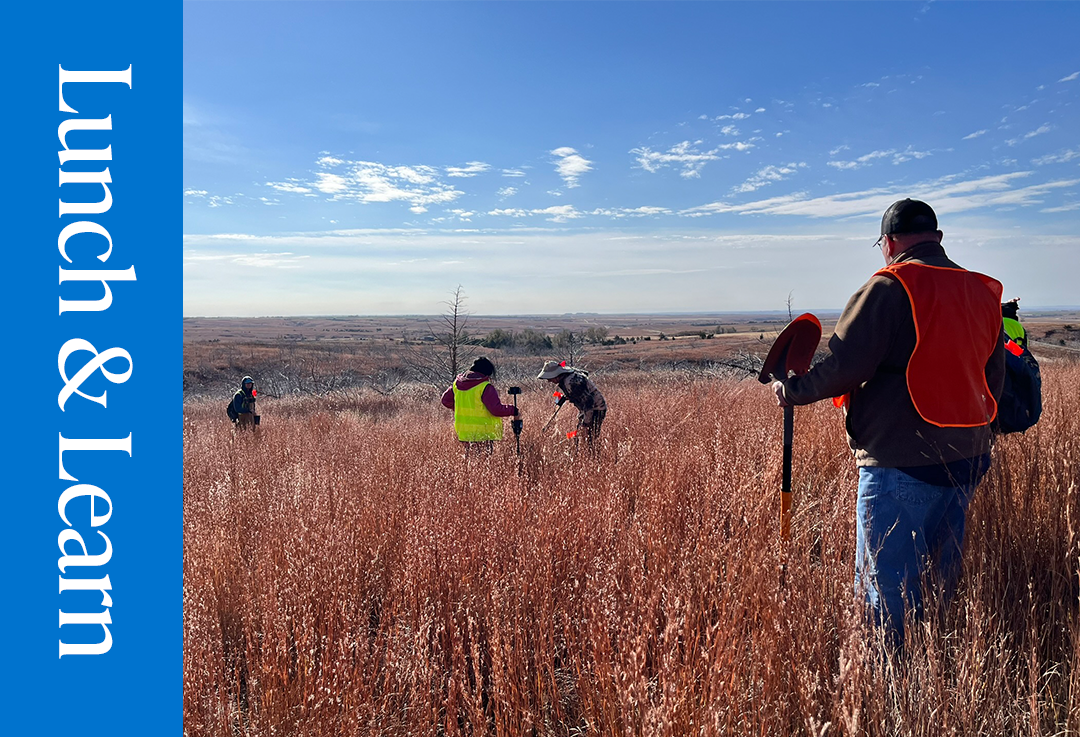
Lunch and Learns


July 8 Lunch and Learn: NTHP Grant Funding (12 p.m./Diana Maxwell and Nicole Vann)


August 12 SHPO Lunch and Learn: The Battle of Turkey Springs (12 p.m./Gerry Robinson)


October TBD Lunch and Learn: Historic Overlay Zoning: What it is and how does it work? (12 p.m./Kathryn Friddle and Felicity Good)


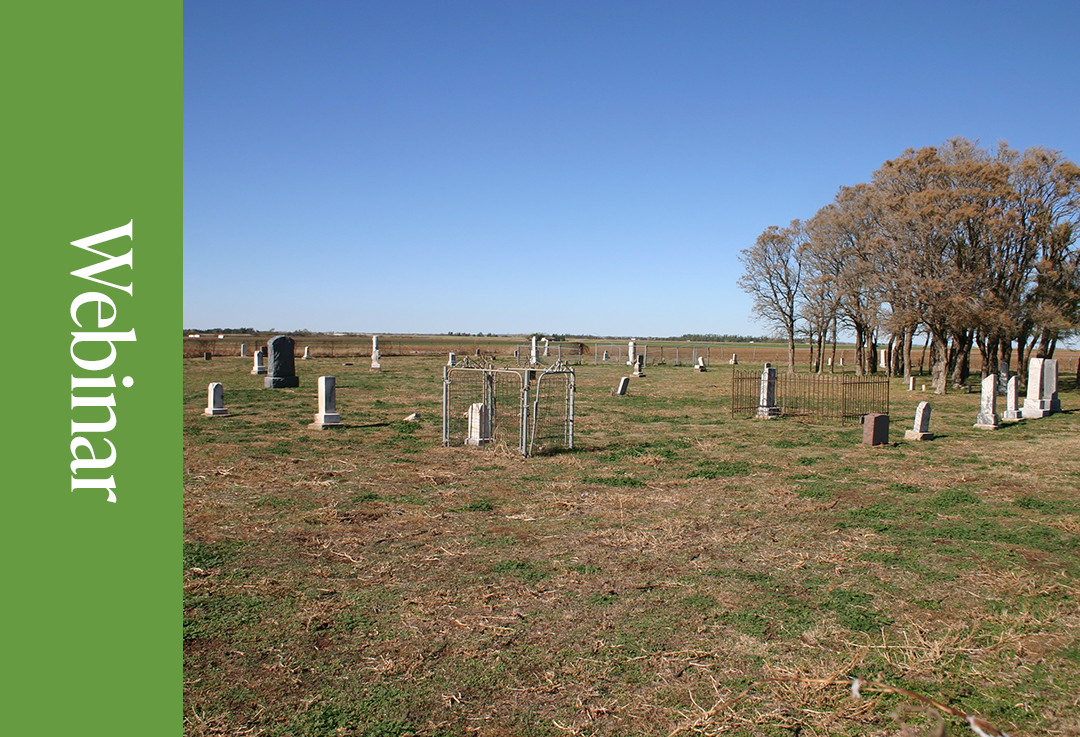
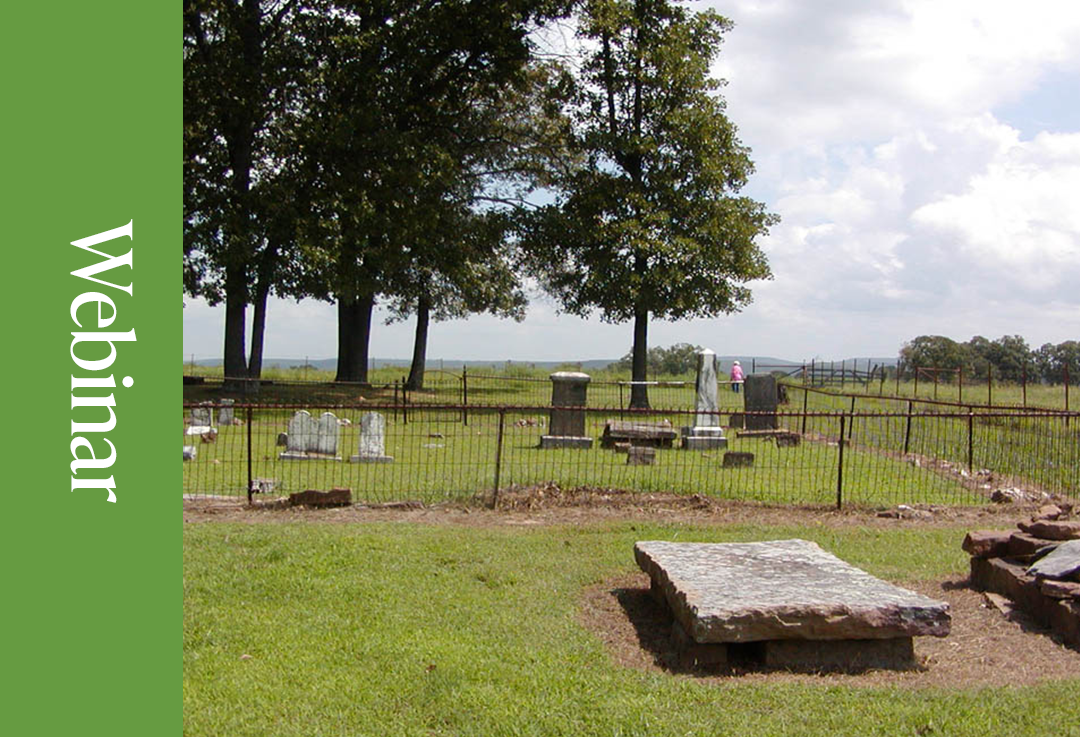
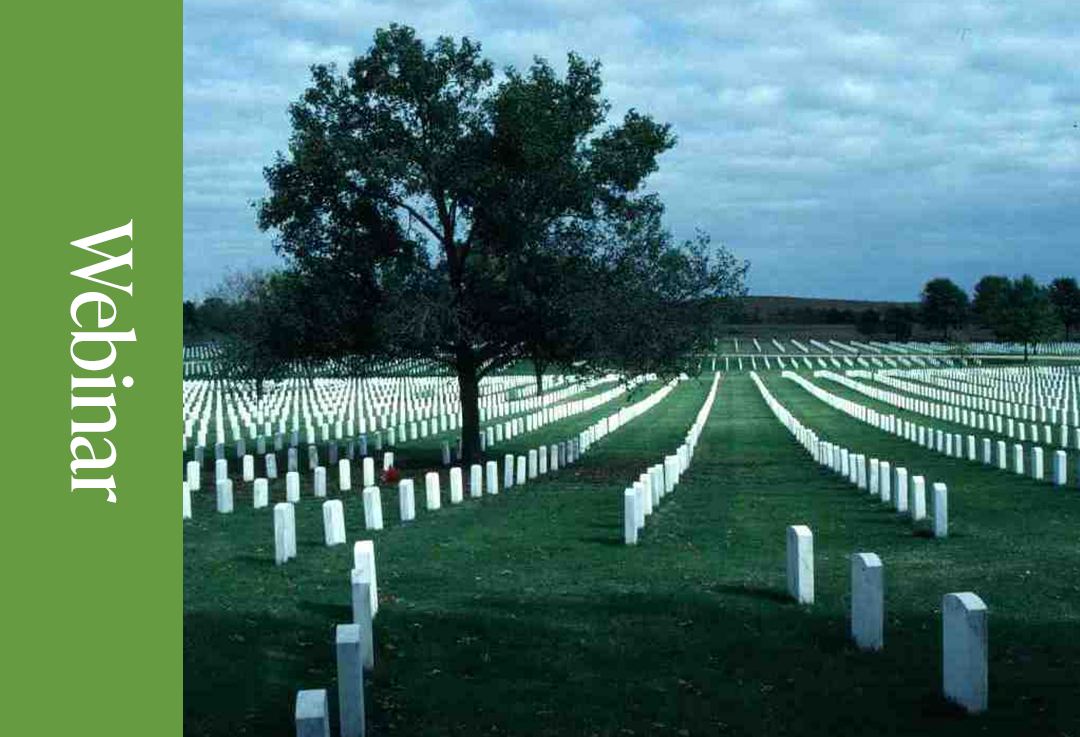
Webinar Series: Saving the Sacred

September 4 "Cemetery Preservation Planning: Session 1" (2 p.m./Jason Harpe, Richard Grubb & Associates, Inc.)


October 4 "Cemetery Research and Recordation: Session 2" (2 p.m./Jason Harpe, Richard Grubb & Associates, Inc.)


November 6 "Cemetery Preservation and Conservation: Session 3" (2 p.m./Jason Harpe, Richard Grubb & Associates, Inc.)


Can’t attend a session or missed one that sounded great? Please visit the Oklahoma State Historic Preservation Office’s YouTube channel for past events at www.youtube.com/@okshpo.


For more information or to register for classes, please contact Lynda Ozan at lynda.ozan@history.ok.org or 405/522-4484.


800 Nazih Zuhdi Drive | Oklahoma City, OK 73105 US

(405)-521-6249

X Share This Email
LinkedIn Share This Email

OK | Preservation Advocate

July 2025

Volume 1, Issue 4