Dear SRNT Genetics and Omics members
Here is our Member Spotlight for this quarter.
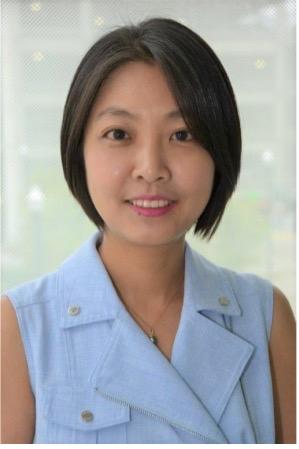
Name: Min-Ae Song
Position: Assistant Professor
Institution: College of Public Health at Ohio State University, USA.
What are your current research interests?
To identify the individual- and population-level health effects of tobacco product use using biomarkers including epigenetic markers and biological aging in order to reduce tobacco-related burdens of health disparities
What is a recent publication or project that you would like to highlight in your member spotlight?
My research focuses on epigenetics as biomarkers in tobacco and cancer research. Of epigenetic components, DNA methylation involves the attachment of a small chemical group, called methyl groups, which can switch genes on or off without changing the DNA sequence. DNA methylation is one of the fascinating biomarkers in public health research, especially in tobacco research, as the methyl group can be modified over time by tobacco use. I also utilize epigenetic aging to assess the biological aging of tobacco users, including smokers and electronic cigarette users. Currently, I am leading several epigenetic research projects, focusing on the effects of tobacco products, especially combustible cigarettes, including menthols, and electronic cigarettes, in susceptible or more vulnerable populations, including patients with pre-existing pulmonary diseases and minority and unrepresented populations. With my expertise in epigenetics, my long-term research goal is to assist regulations in mitigating tobacco-related harmful health effects and informing the public and people considering or using tobacco products for their choices and awareness. I hope my research ultimately contributes to reducing the prevalence of tobacco product use and preventing tobacco-related diseases.
Why did you pick to do what you do? / Why did you choose to become a tobacco scientist?
I have diverse educational and training backgrounds, from bench-top basic science to population-based cancer prevention, tobacco research, and molecular epidemiology. During my post-doc fellowship as part of the Tobacco Centers of Regulatory Science 1.0 at the Ohio State University, I was inspired by multi-disciplinary tobacco regulatory researchers to inform the regulation of tobacco products. I must say that it was an eye-opening experience and training that shaped my long-term research goal to improve public health and reduce diseases and death caused by tobacco use. Thus, I became a tobacco scientist who utilizes epigenetic biomarkers as harmful and reversible health effects of tobacco products.
What have you gained from your research journey? Was there a time you messed up and/or failed? How did you bounce back?
My research journey is somewhat different from others. After I received my MS degree in molecular genetics in Korea, I worked as a research analyst at the University of Hawaii Cancer Center (UHCC), where I closely collaborated with molecular epidemiologists. The research projects working with them were so powerful and rewarding as I expanded my molecular work to translational research in a population-based study. Through this experience, I was highly motivated to go back to school to pursue my Ph.D. However, as a mom of two kids and a full-time research staff, balancing work, school, and family was not an easy journey. My research had ups and downs, from laboratory experiments, data analyses, writing papers, and assisting others. During my difficult time, my mentors and colleagues motivated me to rethink what research means: combining the prefix ‘re’, which means again, and the verb ‘search’, which means to look for. This got me thinking about how I handle challenges, and I became more perseverant and resilient, which helped me bounce back from failure and stressful situations.
Why do you think having an 'SRNT Genetics and Omics' network is important?
I highly value 'SRNT Genetics and Omics' network, as this network can inform multi-disciplinary research questions regarding the biological impact of tobacco products. A genetics and omics strategy in tobacco research is essential in discovering tobacco-related disease biomarkers that are potentially relevant to evaluating tobacco products.
Can you tell us about a time when your research was challenging, and how you overcame the challenge?
With a biology background, I had and even now have a challenging time establishing population-based research. For example, I recently received a racism pilot grant as a multi-PI with my colleague, Dr. Ahmad El Hellani, from our college at OSU, regarding the impact of menthol cigarette bans among African American menthol smokers. Given that my expertise is biomarkers of effects and his expertise is biomarkers of exposure, we had to put our efforts into identifying research teams with expertise in health equity and disparities. Through this project, we plan to work closely with community partners to raise awareness of menthol bans and the health effects of smoking. Thus, we actively seek collaborators with extensive experience working with African American communities. In addition to internal communications with our mentors, we have identified a couple of excellent researchers from this year’s SRNT and several webinars.
What’s one skill you’d like to develop or sharpen in tobacco science?
I would like to develop behavioral and psychological sciences skills in tobacco science. These skill sets will be essential for my future research interest in utilizing biological effect data, including epigenetic aging, for individualized cessation intervention.
What are “research”, “tobacco” and “science” in your local language?
Research: Yeon-gu
Tobacco: Dam-bae
Science: Kwa-hak
What’s your favourite science quote?
“If you want to have good ideas, you must have many ideas.” – Linus Pauling
You can also view Dr. Min-Ae Song, PhD spotlight on the Genetics and Omics Network Page.
Follow these 3 easy steps to access the Genetics and Omics Network Page:
2. Under the “My Profile” section of the page, click on “Groups”.
3. Under “My Groups”, click on the “Genetics and Omics” link.
Are you interested in being our next Member Spotlight? Each quarter, we will feature Genetics and Omics members who are advancing the field of tobacco-related Genetics and Omics.
We would love the opportunity to spotlight you!
To be featured, we kindly ask that you provide a headshot photo and some information about yourself, with the understanding that this information may be included on the website and/or in promotional materials. Fill the form here with a set of questions.
Please email with any questions or concerns. On behalf of Genetics and Omics committee, we thank you for your time and expertise in enhancing the educational and professional development of our members.
We are on Twitter! Follow us: @GeneticsSRNT