|
Departments of Medicine, Neurology, and Pediatrics
| | |
Dear Physician-Scientist Community,
Welcome to the quarterly newsletter of the Physician-Scientist Career Development Program (PSCDP)! Our program is focused on supporting scientific success and fulfillment amongst laboratory-based physician-scientists in the UCSF Departments of Medicine, Neurology, and Pediatrics.
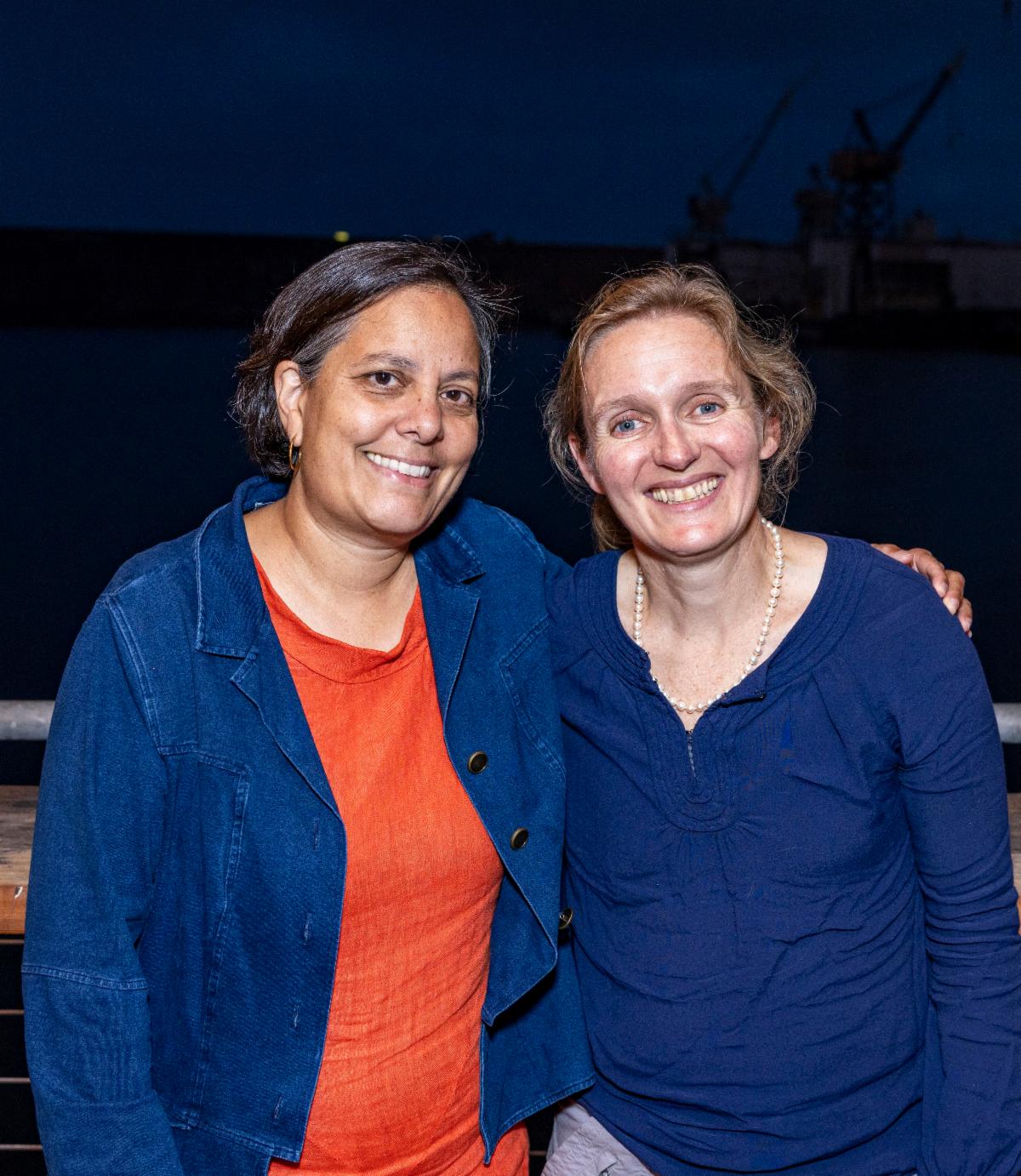
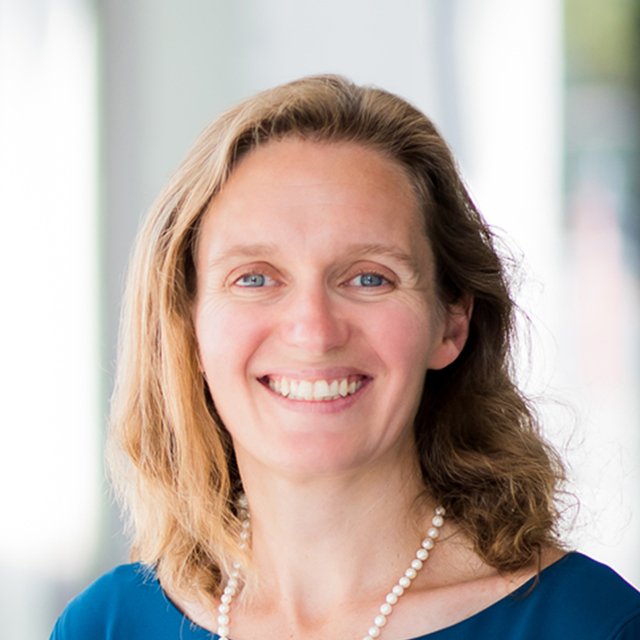
We were happy to see many of you in attendance at our annual first PSCDP Ramon y Cajal Lecture and Dinner “Advice to a Young Physician Scientist”. Our guest speaker, Dr. Annapurna Poduri, MD, MPH of Harvard Medical School, former Deputy Director at the NIH's National Institute of Neurological Disorders and Stroke (NINDS), shared inspiring words of wisdom gleaned from her long career as a physician scientist studying genetic causes of seizure disorders. Following her lecture, many of us headed over to Mission Rock Resort to share community over drinks and dinner. In these challenging times, we loved gathering with all of you to be reminded of the joys and rewards associated with a career as a physician-scientist.
In other news, we want to announce a special upcoming workshop focused on “Navigating Childcare Resources” to be held Wednesday, November 5, 4:30–6:00 PM on the Parnassus campus (register below). A panel of UCSF physician scientist caregivers/parents will share their hard-won advice and experience on navigating pregnancy and the early years of childrearing. Our K08 Workshop series is also ongoing, with the next session scheduled for November 18 (details below).
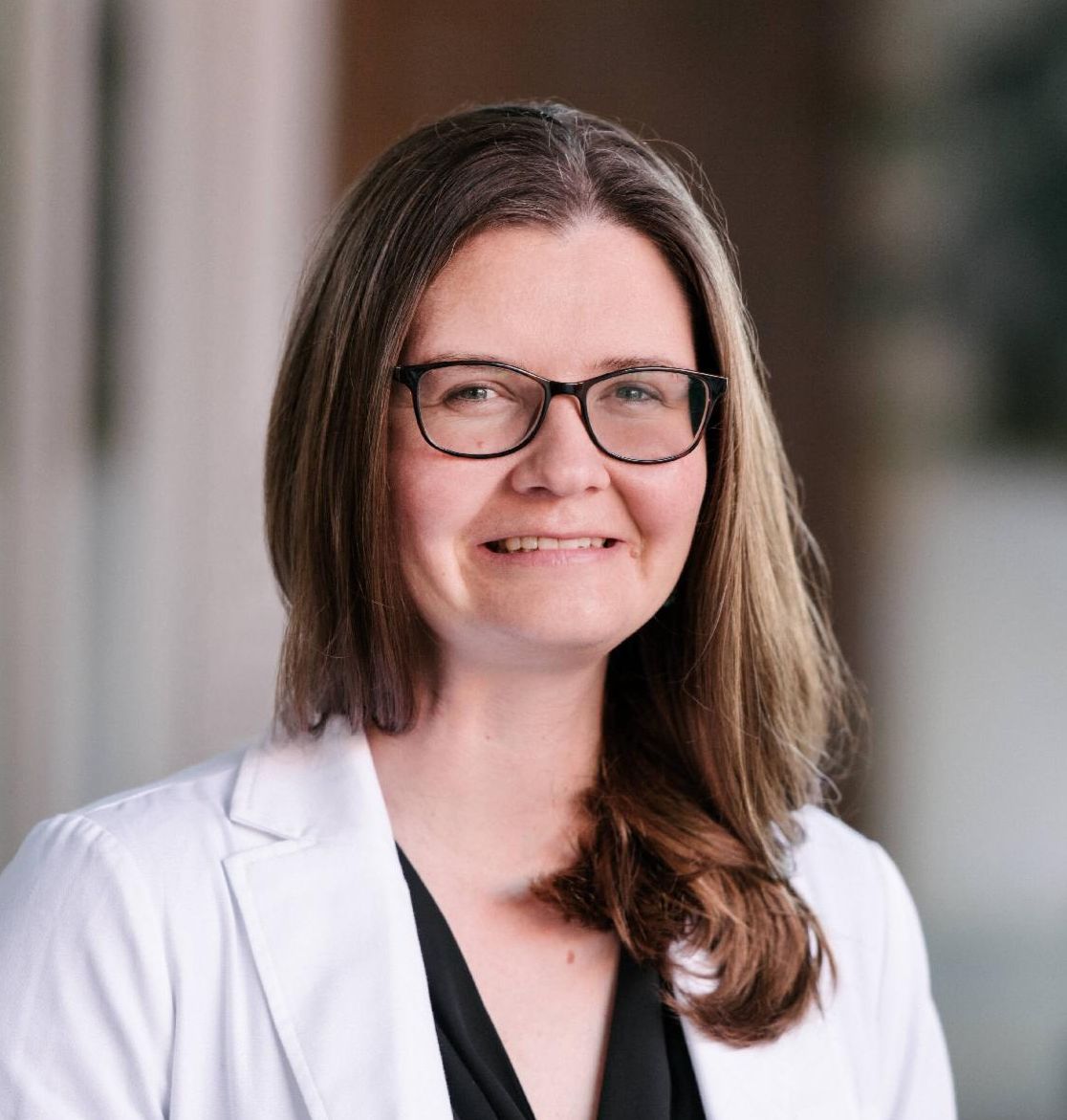
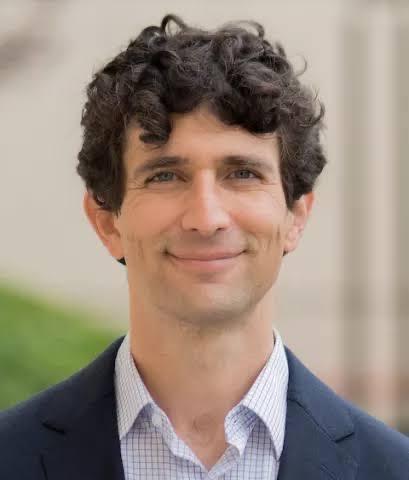
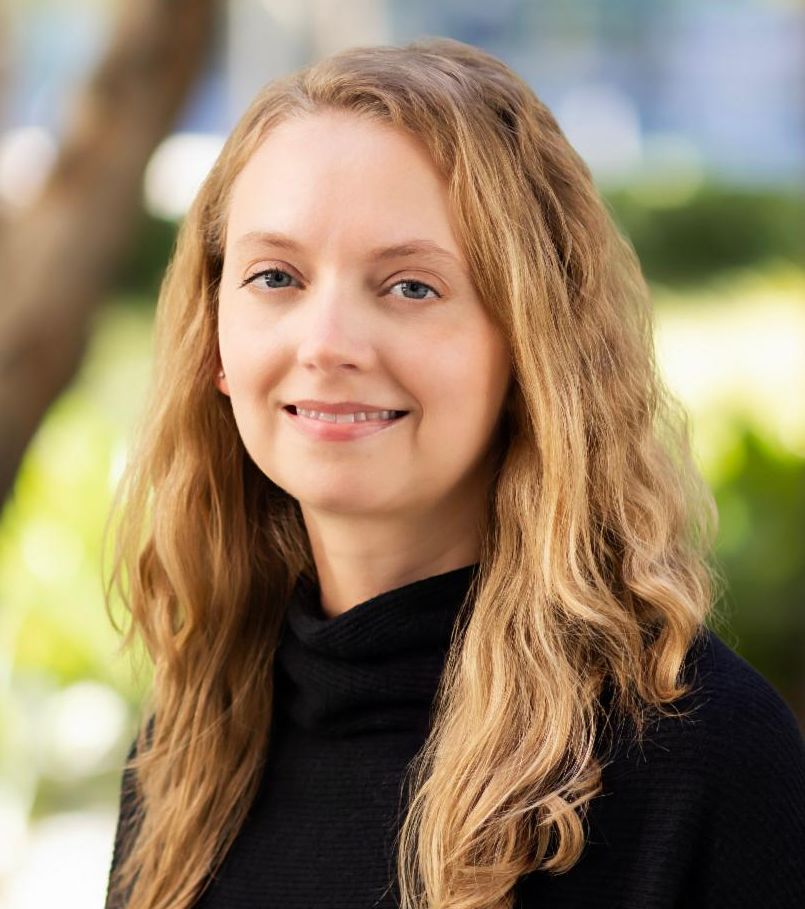
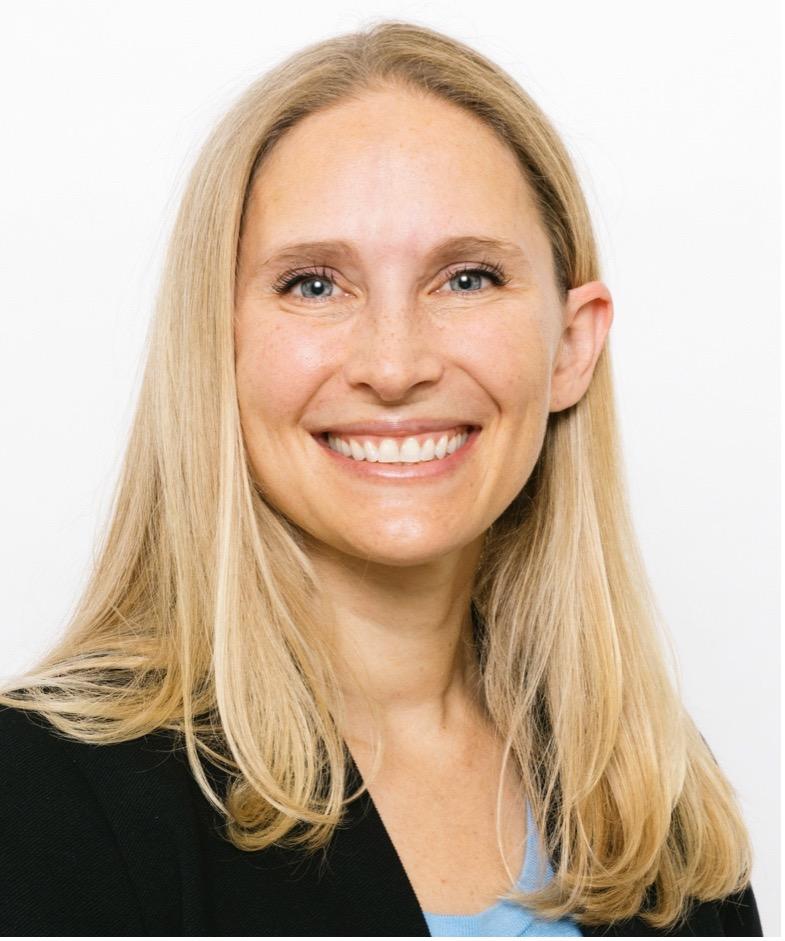
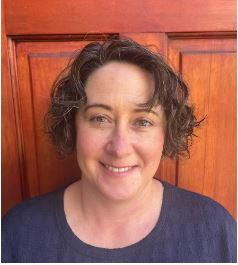
Finally, we want to highlight some changes in our leadership at PSCDP. We welcome our new Program Administrator, Danielle Mizuiri, who takes over for Camille Perez. We thank Camille and our outgoing PSCDP Director, Dr. Alexandra Nelson, MD, PhD for their years of dedicated service. Dr. Nelson will stay on as PSCDP Associate Director along with Dr. Sanjeev Datar, MD, PhD while Dr. Catherine Smith, MD transitions to a new role as Director.
We hope to see you at any of our upcoming events!
Sincerely,
Alexandra, Cathy, Sanjeev, and Danielle
| | |
PSCDP & WPSS Workshop: Navigating Childcare Resources
The workshop will feature a panel of colleagues sharing their experiences navigating different stages of caregiving, including:
- Pregnancy through the end of parental leave
- The first year
- Preschool/daycare
- Pre-K, kindergarten, and elementary school.
Our goal is to create an open and supportive space for discussion, practical tips, and resource-sharing. This event is co-sponsored by PSCDP and the UCSF Women Physician-Scientist Supergroup (WPSS).
Date: Wednesday, November 5, 2025
Time: 4:30-6:00pm
Location: Parnassus Campus, Clinical Sciences Building, Room 1102
There will be food and drink! Please RSVP using the button below.
| |
NIH K08 In-Person Workshop
The workshop will be led by Dr. Rachel Rutishauser and Dr. Alison Nair and focus on basic information about the grant mechanism, provide resources and support for preparing or revising your application.
Date: Tuesday, November 18, 2025
Time: 3:00-5:00pm
Location: Mission Bay Campus, Mission Hall, Room 1406
There will be food and drink! Please RSVP using the button below.
| | Not quite ready to sign up for a workshop, but interested in being notified of future events? Click below to stay informed of upcoming events. | | |
A Conversation with the Dean - Navigating the Current Financial Landscape
School of Medicine Dean Talmadge E. King, Jr, MD, will review the current finances of UCSF in the context of early-stage physician-scientists. Location to be determined, and an RSVP survey will be sent out soon via email.
Date: Tuesday, December 16, 2025
Time: 4:00-5:00pm
Location: Parnassus and/or Zoom
| | Meet our Fellows and Junior Faculty | | In this section, you will find interviews from our remarkable fellows and junior faculty from each of our participating departments. | | |
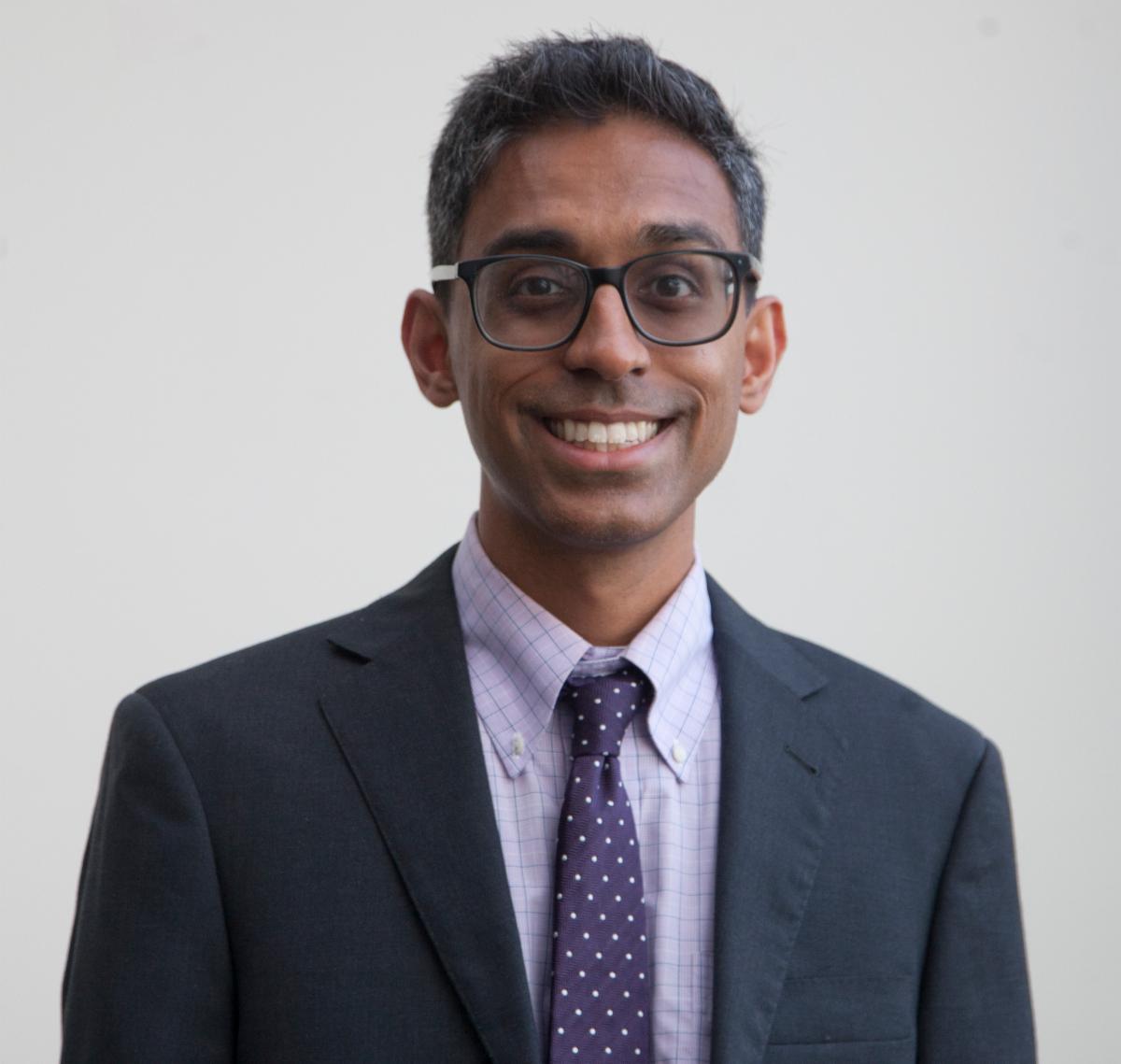
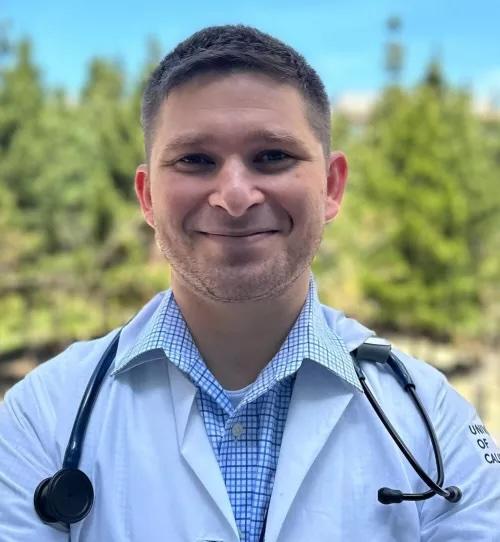
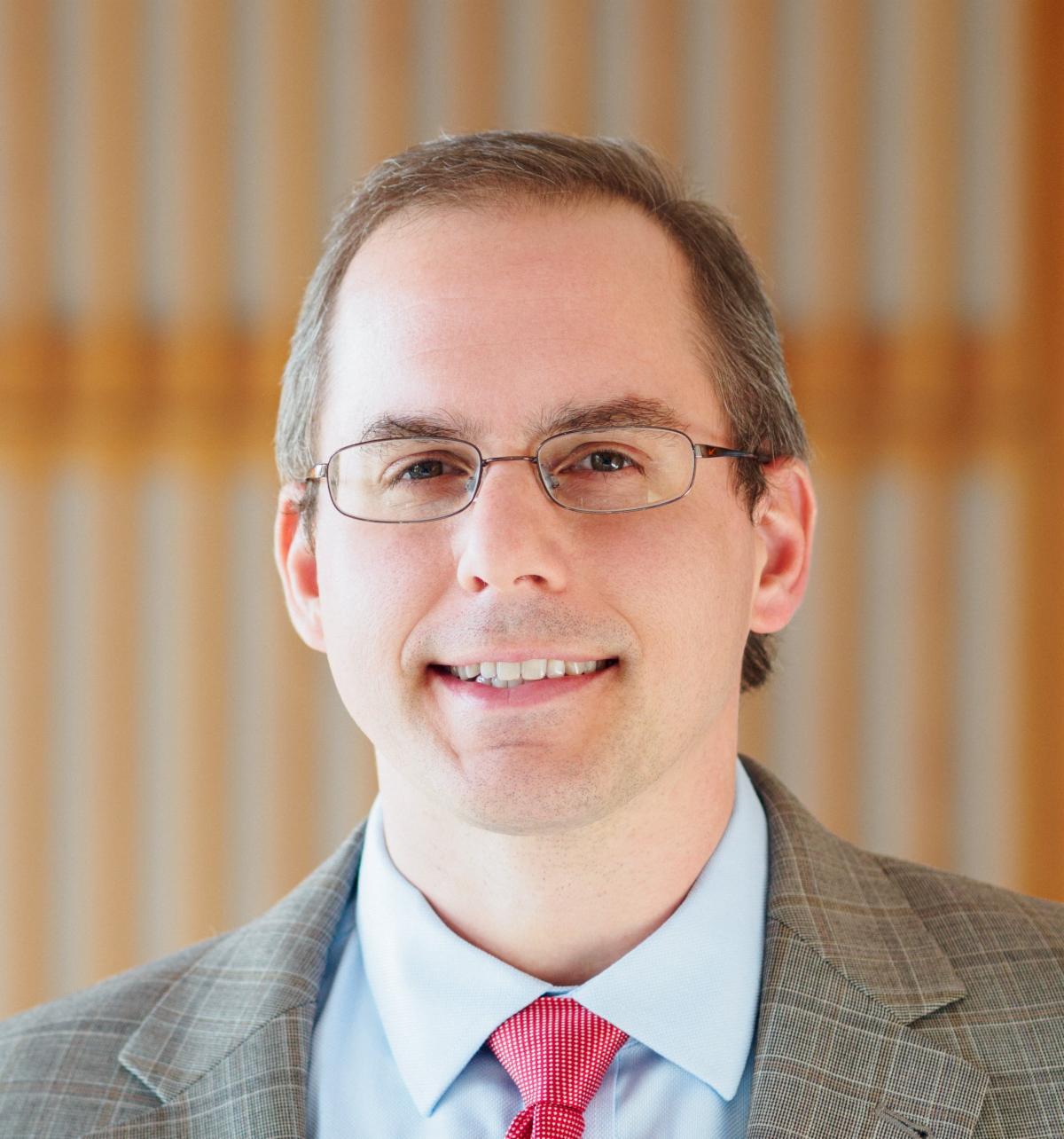
Vaibhav Upadhyay, MD, PhD
Adjunct Assistant Professor
Department of Medicine
Division of Pulmonary, Critical Care, Allergy and Sleep Medicine
| | |
What stage of training are you currently in?
I’m an Adjunct Assistant Professor at the beginning of the K08 year 3.
Describe your laboratory research in 3 sentences.
Every day, I work to understand how a bacterium residing within the gastrointestinal tract affects lung function. We recently discovered that Bifidobacterium adolescentis, a widely prevalent member of the gut microbiome, is sufficient to drive the expression of mitochondrial activity in lung epithelial cells. Mechanistically, we have discovered that B. adolescentis can make millimolar quantities of L-lactate in vitro and in vivo, and L-lactate is sufficient to drive mitochondrial activity in lung epithelial cells by directly functioning as a substrate. I build on this theme, focusing on ARDS where lactate elevations correlate with worse illness severity, and am exploring other contexts important to patients with lung diseases.
What made you want to become a physician-scientist or choose your area of research?
Initially, I was drawn to science and medicine, and I wanted to avoid the debt associated with attending medical school; therefore, it made sense to pursue an MD/PhD. I genuinely enjoyed research during my PhD, in part because I had a very encouraging graduate advisor. Since coming to UCSF, it seems like every conversation I have with someone reaffirms the decision I made to become a physician-scientist long ago.
Describe a major challenge you've encountered in your career as a physician-scientist.
My wife and I have three children, and our oldest child has treatment-refractory epilepsy, autism, and has had two brain surgeries. This has been an incredibly challenging experience on many levels. We are very grateful for the care our son has received in the UCSF Pediatric Brain Center over the years.
Describe something that gives you joy in your current stage as a physician-scientist.
I really enjoy studying something that I think is very exciting, and it took a long time for me to find a question that would be both exciting to me and meaningful to the patients I see.
Do you have a recent accomplishment you would like to highlight, like a presentation, award, publication, grant, or new collaboration?
Upadhyay V, Ortega EF, Ramirez Hernandez LA, Alexander M, Kaur G, Trepka K, Rock RR, Shima RT, Cheshire WC, Alipanah-Lechner N, Calfee CS, Matthay MA, Lee JV, Goga A, Jain IH, Turnbaugh PJ. Gut bacterial lactate stimulates lung epithelial mitochondria and exacerbates acute lung injury [Internet]. bioRxivorg. 2025. Available from: http://dx.doi.org/10.1101/2025.03.24.645052 PMCID: PMC11974820
Do you have a hobby or fun fact you want to share?
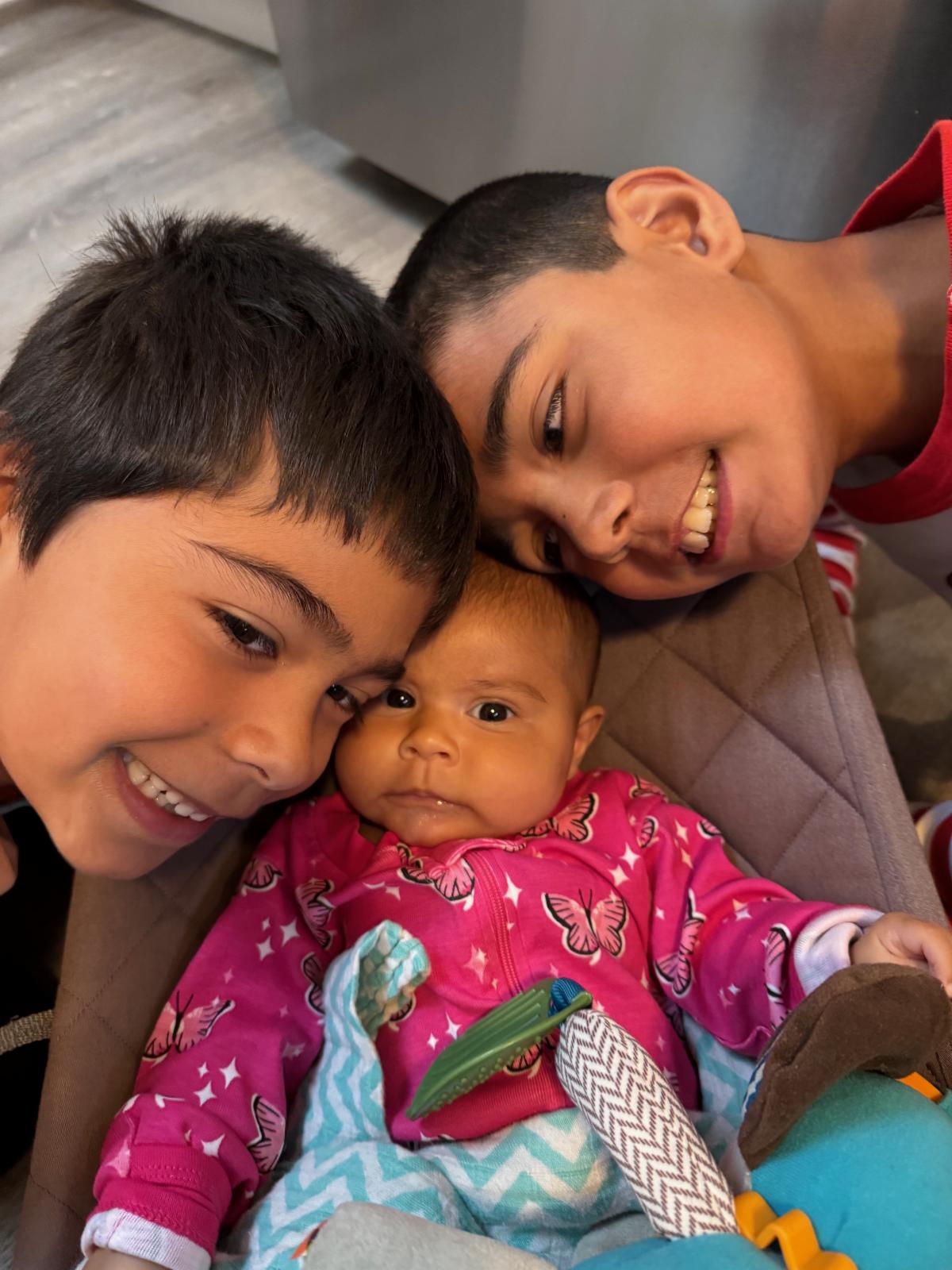
We basically just run after our children at home. Attached is a photo of our three children, who are enthusiastic about Halloween. We put up our decorations in September, including a 7.5-foot animatronic werewolf from Costco.
| | Pictured: Vaibhav's children (L) and Halloween decorations (R) | | |
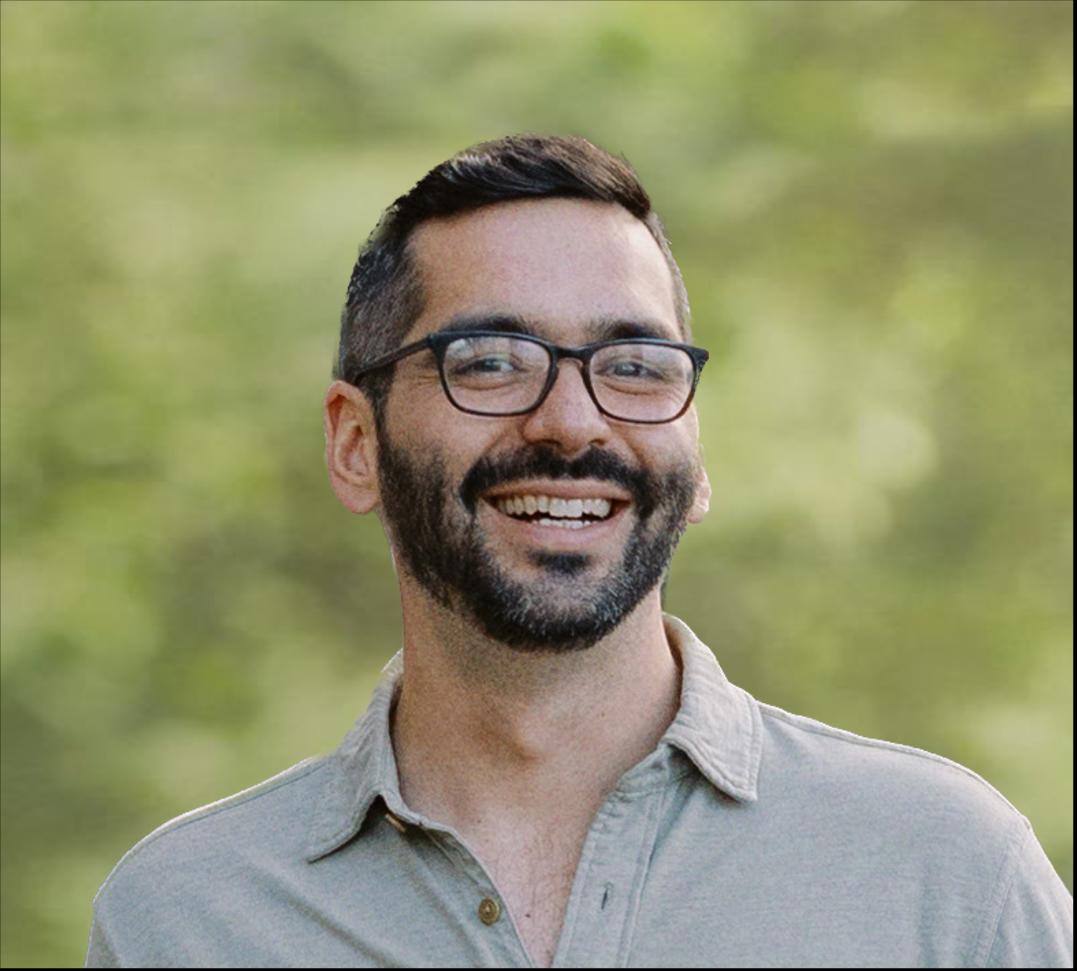
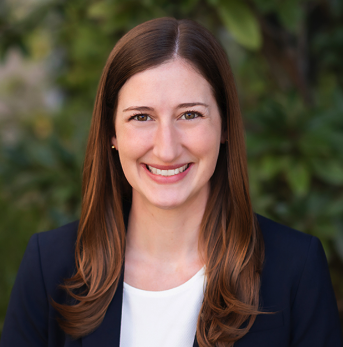
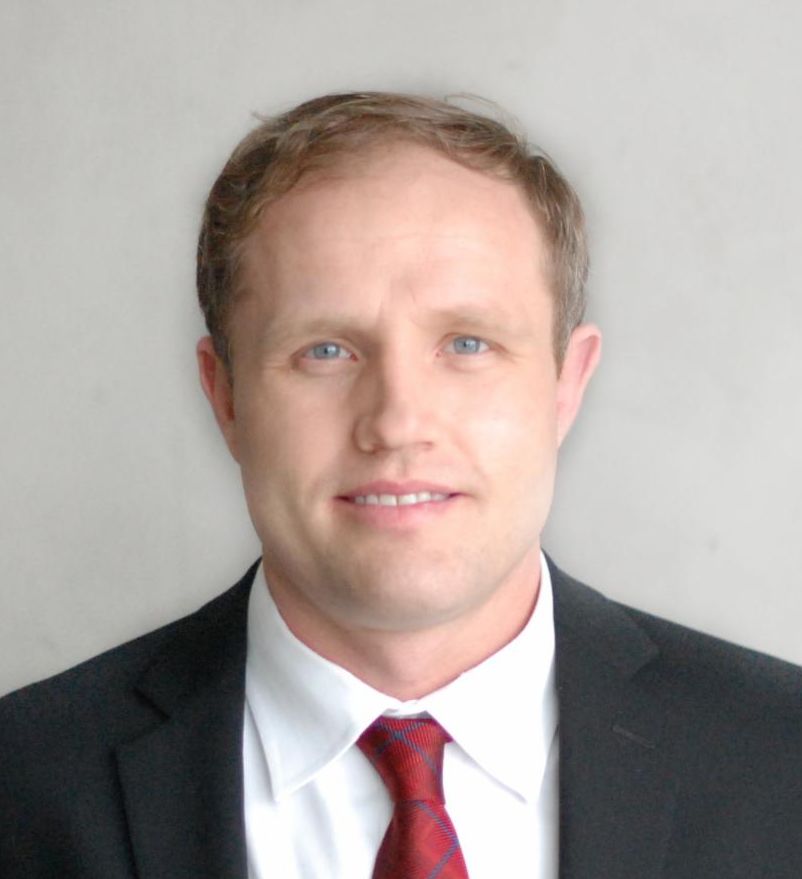
Michael Smith, MD
Assistant Professor
Department of Pediatrics
Division of Critical Care
| | |
What stage of training are you currently in?
Early career faculty, in my second year as an attending
Describe your laboratory research.
I study how the right ventricle remodels in response to pulmonary hypertension. In particular, our group in the Fineman Lab is interested in learning about how the RV adapts over the course of development in response to congenital pressure overload. We study a sheep model of congenital heart disease created using fetal surgical techniques to achieve these aims.
What made you want to become a physician-scientist or choose your area of research?
I love the translational nature of the work we perform in the lab. Large animal models of disease are invaluable in advancing our understanding of cardiovascular diseases, particularly those that primarily affect infants and children. Much of the foundational understanding of fetal and neonatal cardiovascular physiology has come from UCSF researchers, and I am honored to be a part of the group carrying that work forward to help better serve our patients.
Describe a major challenge you have encountered in your career as a physician-scientist.
I am still working out how to balance the research and clinical sides of my career. Though I am lucky to have lots of protected time for research, my clinical weeks and call shifts can be intense and very draining. Keeping my work in the lab going forward during these times requires lots of advanced planning and strategizing that I am still practicing.
Describe something that gives you joy in your current stage as a physician-scientist.
I love discussing and collaborating with other early career researchers at UCSF. It's so fun to hear what other people are working on, and I have gotten some of the best advice on my work from folks far removed from cardiovascular research who are just intellectually curious.
Do you have a recent accomplishment you would like to highlight?
The manuscript describing my primary work over the last 2 years was just published in AJP Heart and Circulatory Physiology. This was the first basic science project that I helped lead start to finish, and I'm very happy with how it turned out! https://journals.physiology.org/doi/full/10.1152/ajpheart.00181.2025
Do you have a hobby or fun fact you want to share?
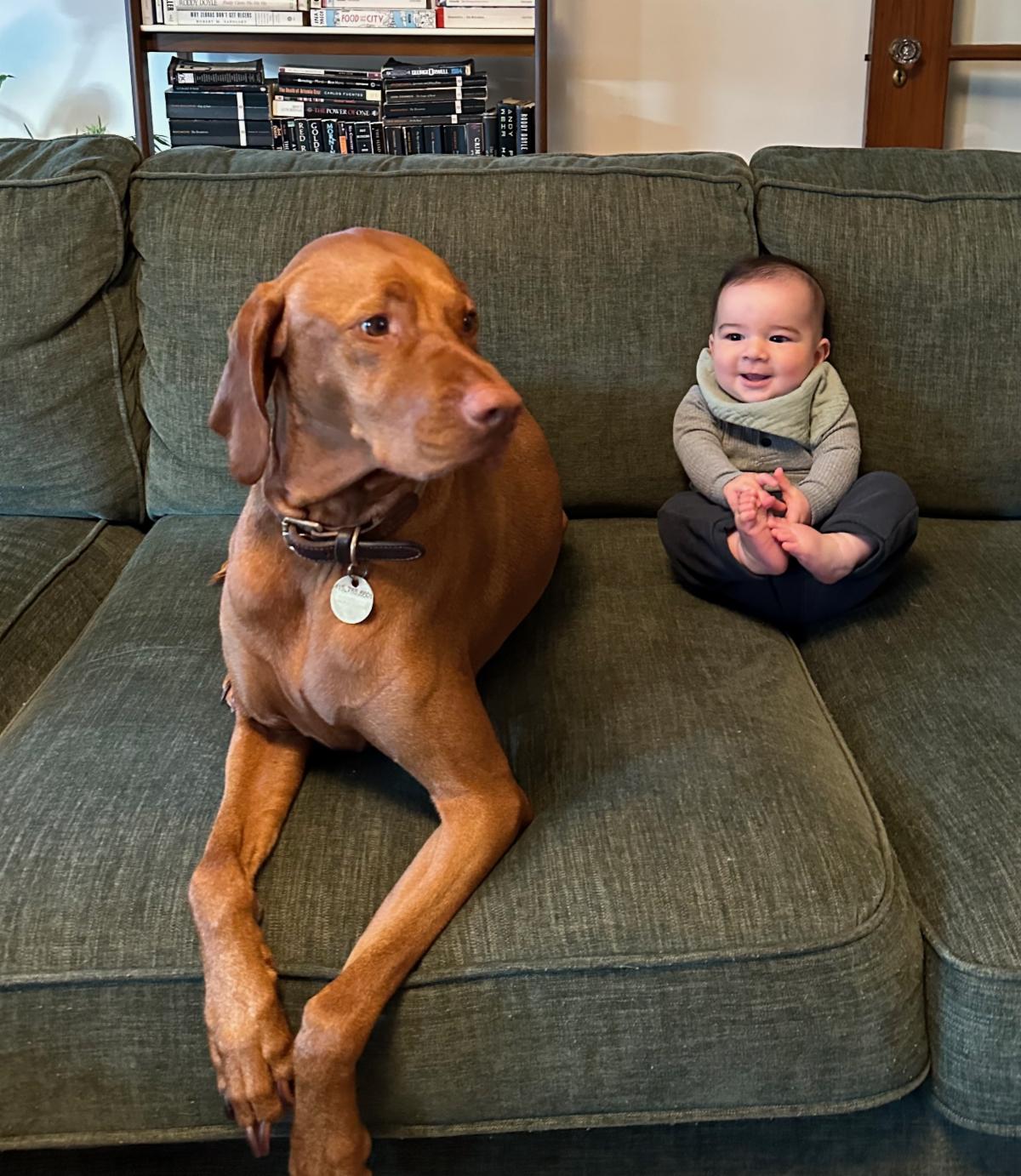
My wife and I just had our first child in April. We are having a blast with our two boys in the attached picture, Bowen (human) and Bennie (pup).
| | Pictured: Michael's two boys Bennie (L) and Bowen (R) | | |
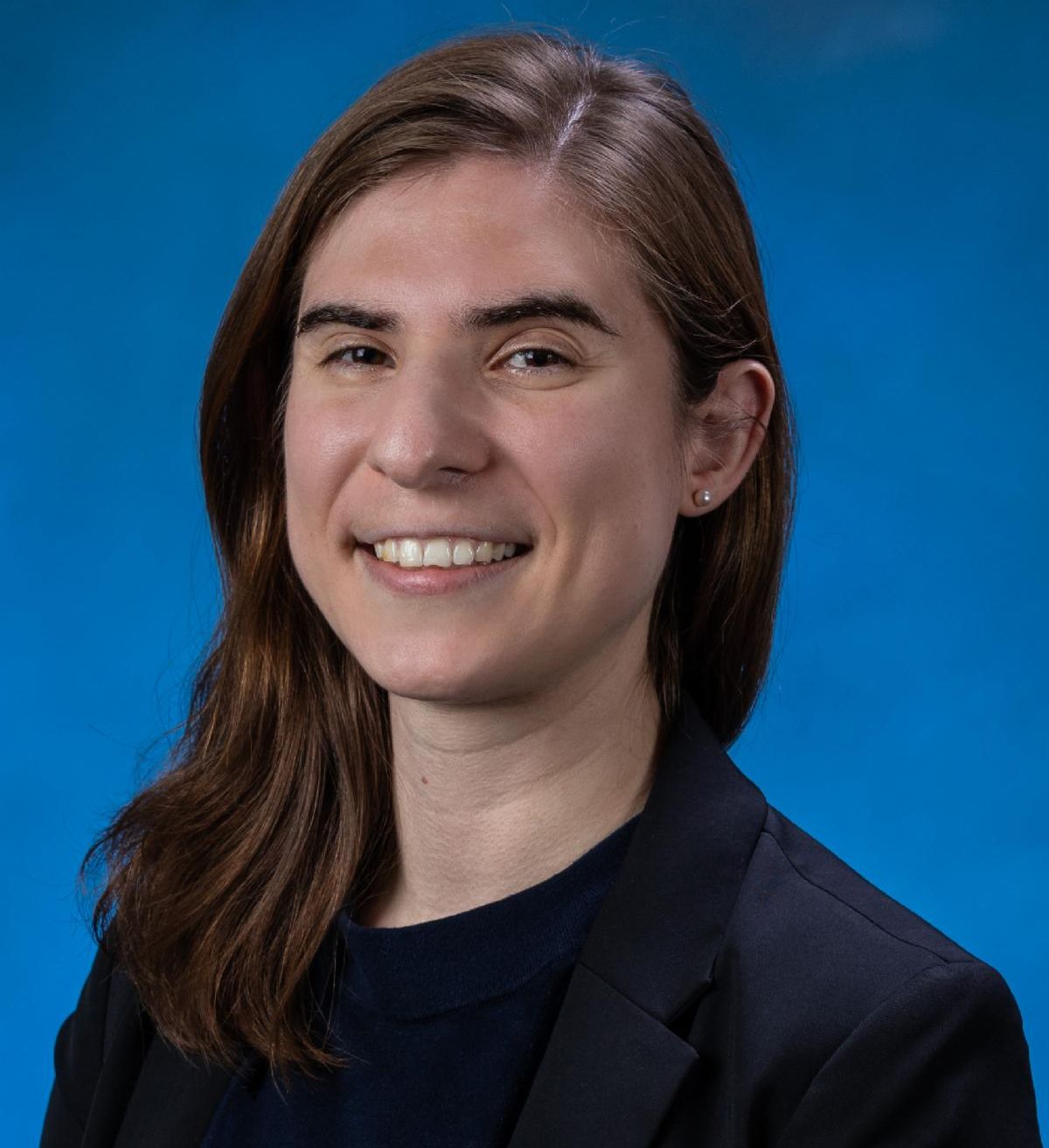
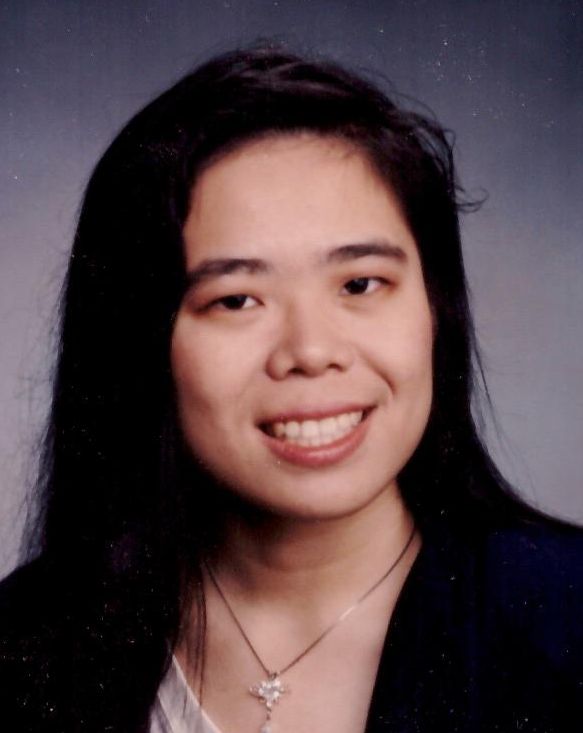
Mary Karalius, MD
Assistant Professor
Department of Neurology
Division of Child Neurology and Division of Neuroimmunology and Glial Biology
| | |
What stage of training are you currently in?
I am junior faculty and just began my second year as an attending.
Describe your laboratory research.
My research uses metagenomic next-generation sequencing (mNGS) and host transcriptomics to study the immune response in pediatric neuroinflammatory conditions. Our goal is to develop immune signatures that can better distinguish between autoimmune and infectious encephalitis. We hope these tools can eventually be applied to cases of unknown encephalitis to help guide diagnosis and treatment.
What made you want to become a physician-scientist or choose your area of research?
I was initially drawn to this field because of the many pediatric encephalitis cases we see in the hospital where, even after extensive testing, we still can’t identify a cause! This makes treatment decisions very challenging and adds to the uncertainty families face, which can be really tough. I hope to help develop better technologies to improve how we diagnose and care for these patients.
Describe a major challenge you have encountered in your career as a physician-scientist.
One of the biggest challenges is trying to balance competing interests/needs—research, clinical care, teaching commitments, mentoring, etc in addition to writing papers and applying for grants. It can sometimes be hard to stay focused and make progress in one area with so many side projects and distractions.
Describe something that gives you joy in your current stage as a physician-scientist.
I truly enjoy collaborating and learning from colleagues across UCSF. It’s inspiring and a privilege to be part of such a vibrant, generous research community where people are always willing to share ideas and work together to improve patient care.
Do you have a recent accomplishment you would like to highlight?
I recently published my first big first-author paper in Stroke, where we used mNGS to study infections in pediatric stroke (https://www-ahajournals-org.ucsf.idm.oclc.org/doi/full/10.1161/STROKEAHA.124.050548). This project was especially meaningful as it was a cross-collaboration between my primary neuroimmunology mentor, Dr. Michael Wilson, and Dr. Heather Fullerton in our pediatric neurology division.
Do you have a hobby or fun fact you want to share?
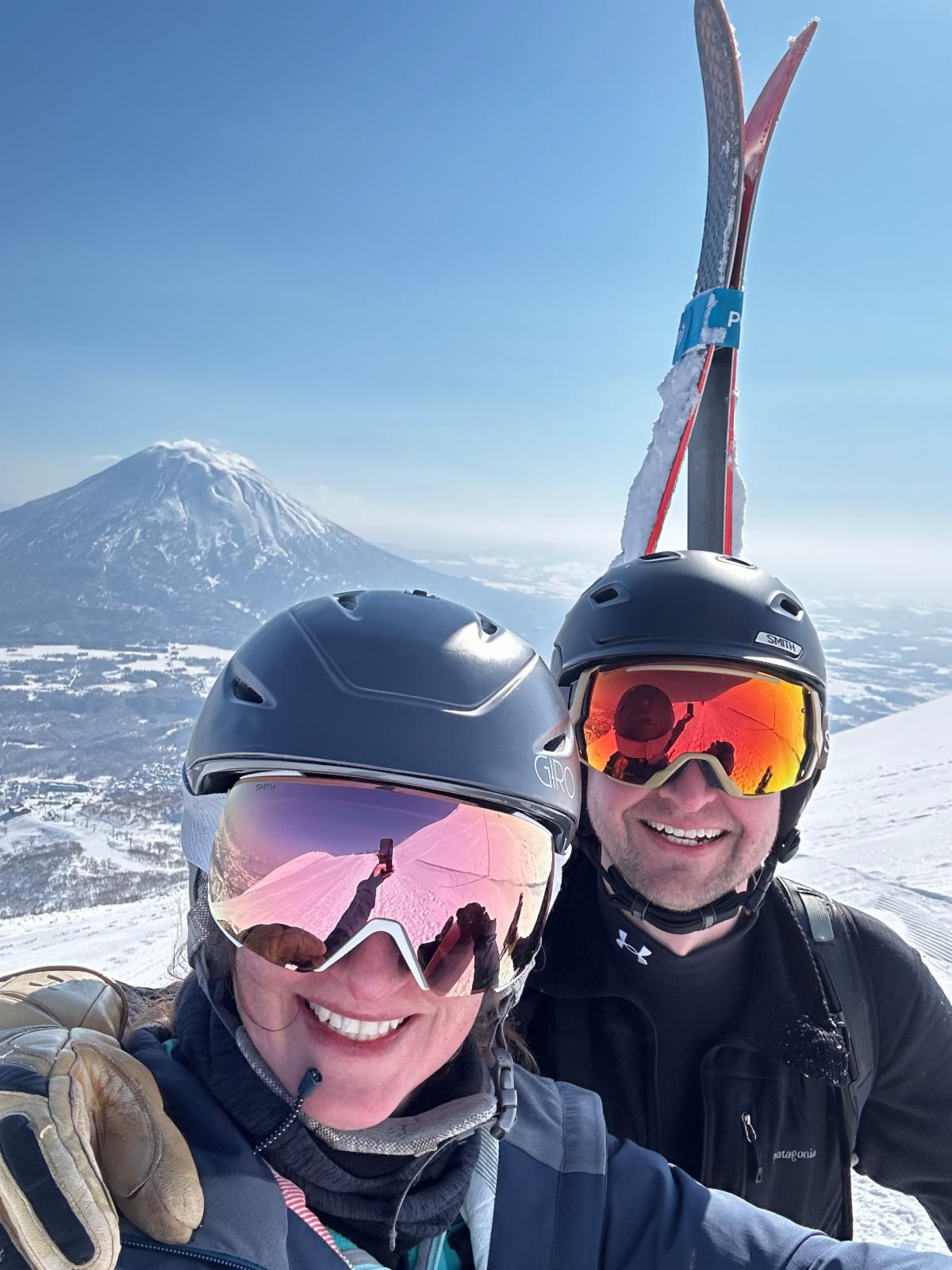
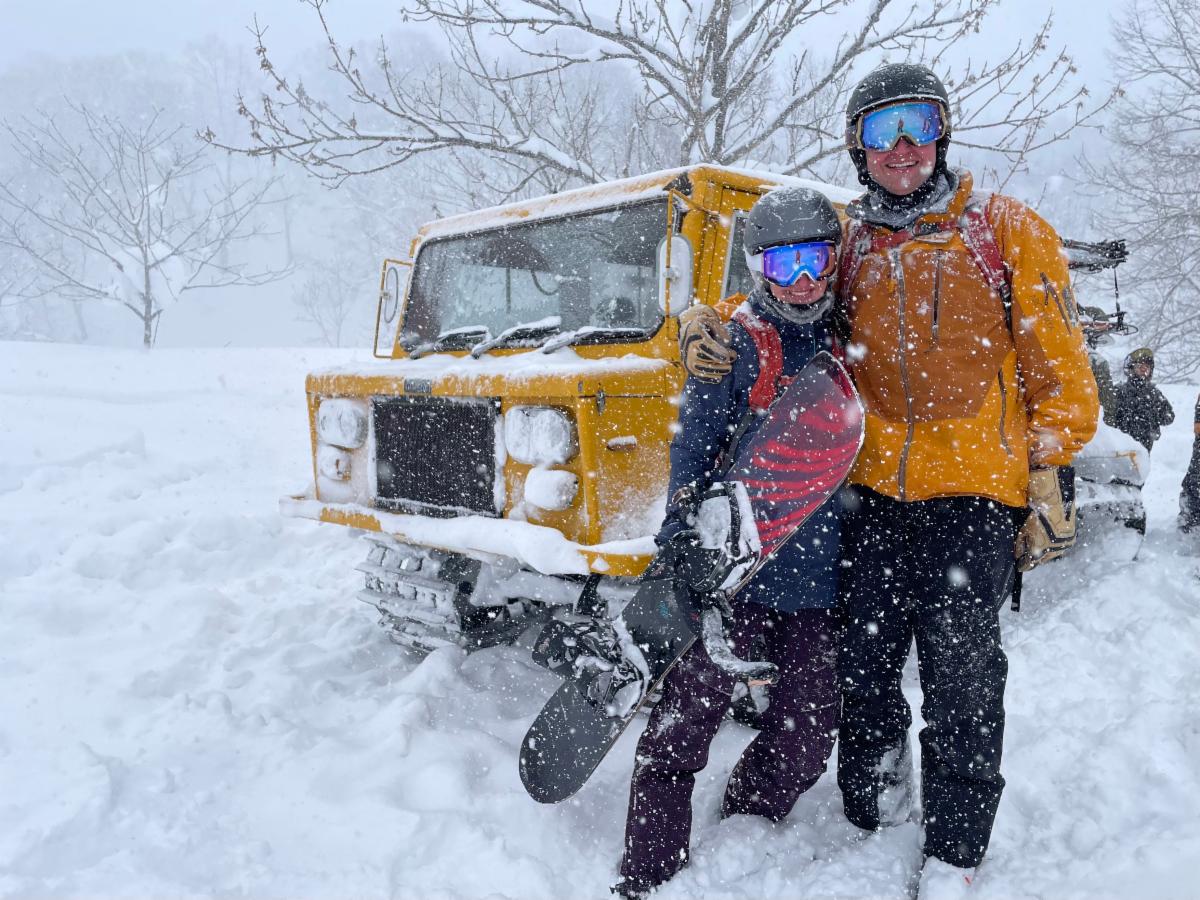
My husband and I love skiing and snowboarding -- we are always on the lookout for fresh powder and new challenging terrain!
| | Pictured: Mary and her husband enjoying the snow | | |
Alexandra Nelson, MD, PhD, Professor in the Department of Neurology and Co-Director of PSCDP, has been appointed as the new director of the Physician-Scientist Scholar Program (PSSP).
The UCSF PSSP was established in 2013 with the goal of providing financial resources, career guidance and protected research time to facilitate the early career development of physician-scientists who have high potential to conduct transformative laboratory-based research to advance human health. Please visit the PSSP website for more information about the program and application details.
| Career Development Awards | |
Aaron Bodansky, MD, Assistant Professor, Department of Pediatrics, received both the UCSF PSSP Award and Burroughs Wellcome Fund Career Award for Medical Scientists (CAMS).
The CAMS program is a highly competitive program that provides $700,000 awards over five years for physician-scientists who are committed to an academic career, to bridge advanced postdoctoral/fellowship training and the early years of faculty service. Please visit the website here: Burrows Welcome Fund for application details.
| |
Evelyn Hoover, MD, PhD, Clinical Fellow, Department of Pediatrics, received the Pediatric Scientist Development Program (PSDP) K12 award for a project titled, "Investigating the Role of Macrophage Ubiquitin Ligase UBR5 in Sensitivity to Fungal Infection."
| | |
Jonathan Chou, MD, PhD, Assistant Professor, Department of Medicine, and Bridget Keenan, MD, PhD, Assistant Professor, Department of Medicine, received the Damon Runyon Cancer Research Foundation Clinical Investigator Award.
Dr. Chou's project is "Defining and exploiting the cancer surfaceome landscape for novel therapeutics."
Dr. Keenan's project is "Improving outcomes for patients with hepatocellular carcinoma and liver disease by circumventing myeloid cell-mediated suppression."
| | Transition to Independence | | |
PSCDP-Sponsored Writing Consultations
PSCDP is pleased to offer a limited number of complimentary writing consultations for physician-scientists with Vanessa Bender, PhD—an expert in scientific communication with over a decade of experience as an editor and consultant.
Selected participants will submit a draft manuscript or grant proposal for detailed written feedback. Vanessa will provide in-depth suggestions and meet 1:1 to discuss her comments and core principles of effective scientific writing.
If you’re interested, apply via the button below!
| | |
Confidential Consultations
Are you facing a significant challenge in your scientific or professional life as a laboratory-based physician-scientist? If you’d benefit from speaking with someone beyond your primary or career mentors, PSCDP offers one-time confidential consultations with a member of our leadership team.
Request a session using the button below.
| | |
Mentoring Committees
PSCDP assembles mentoring committees for laboratory-based physician-scientists in Medicine, Neurology, and Pediatrics during their fellowship and junior faculty years. These committees provide ongoing scientific and career guidance tailored to your professional growth.
If you're interested, register using the button below, and we’ll reach out to start the process.
| | Please visit our website for access to all resources | | | | |