The number of students who sought postsecondary education through exclusively distance modalities grew from a little over 3 million in 2019 to more than 5.8 million in 2020, according to a new report by the National Council for State Authorization Reciprocity Agreements (NC-SARA). The “exclusively” qualifier refers to students who enrolled solely in programs via distance education, as distinct from "hybrid" students, many of whom returned to campus in 2020, but took some of their classes in person while taking others online. NC-SARA and other stakeholders predicted that there would be some sort of increase in exclusively distance education enrollment due to the Covid-19 pandemic, but the near doubling of such enrollments was much more significant than anticipated. |
|
Fall 2021 U.S. undergraduate enrollment dropped 3.2% from last year and 6.5% from the year before, according to the recent National Student Clearinghouse Research Center research report on the status of college enrollment. Undergrad enrollment at private nonprofit four-year institutions dropped less sharply, due partly to a 4.3% increase at highly selective institutions. Graduate enrollment has continued to grow and is 2.1% higher than last year and 5.3% higher than the year before. ... Meanwhile, the Biden administration released the framework for the Build Back Better Act. In the early education sector, childcare and preschool would receive $400 billion, and higher education and workforce efforts would receive $40 billion. ... Read the latest from NEJHE's DC Shuttle, featuring national news drawn from our friends at the New England Council.
|
|
|
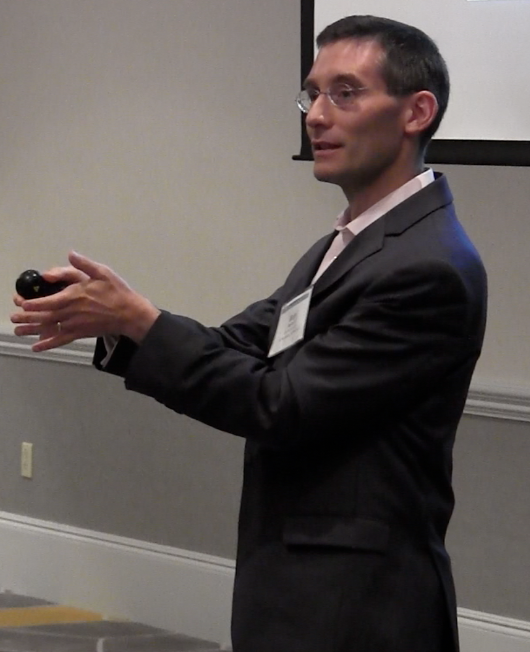
Pictured: Matt Sigelman
|
|
|
Thirteen New England higher education institutions have signed on to NEBHE's new North Star Collective (NSC), a multi-institutional collaborative to boost Black, Indigenous and People of Color (BIPOC) early-career faculty at the region's colleges and universities. NEBHE was also awarded a $20,000 grant from the Hildreth Stewart Charitable Foundation to support the development and implementation of a key part of the program: the NSC Faculty Fellowship. Built on a Reparative Justice Framework, NEBHE developed the NSC to restore, nourish and uplift BIPOC faculty in the region and support leaders as they transform institutions around racial equity. The NSC's 13 founding members are: Bridgewater State University, Clark University, Endicott College, Eastern Connecticut University, Framingham State University, Goodwin College, Rhode Island College, Roger Williams University, Salem State University, Simmons University, the University of Bridgeport, UMass Boston and the University of Southern Maine. |
|
|
ICYMI from The New England Journal of Higher Education ... in Light of this Election Week
|
|
|
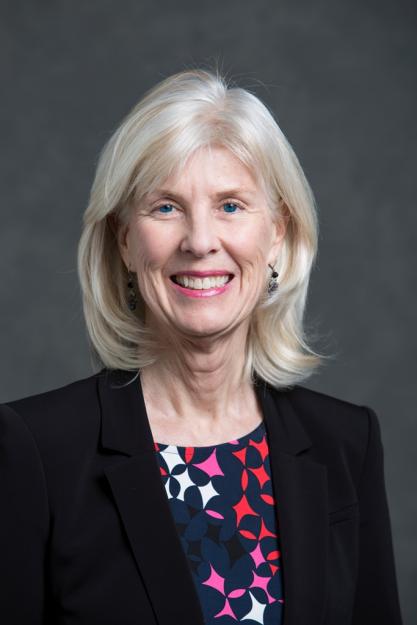
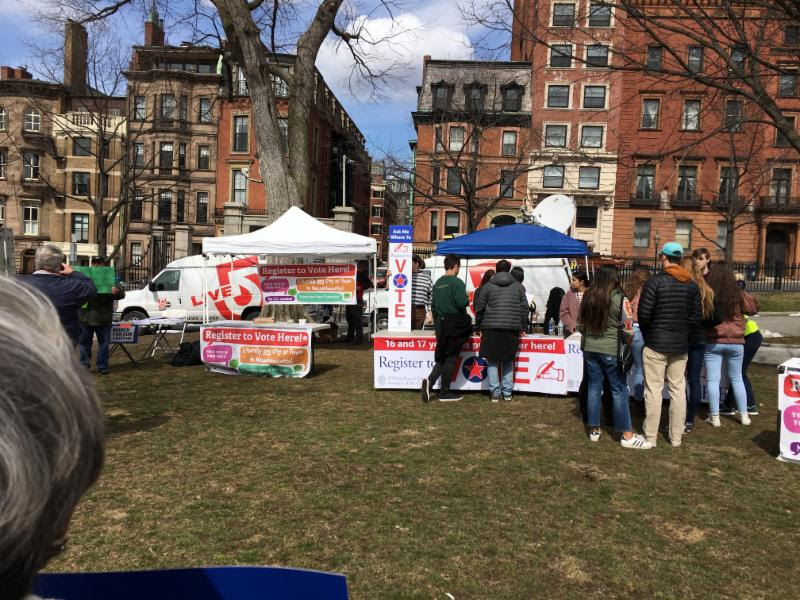
In a NEJHE Q&A, Executive Editor John O. Harney asks Nancy Thomas, director of the Institute for Democracy & Higher Education at Tufts University, about issues in active citizenship, youth voting, red-blue divisions, the impact of social media on politics and the role of higher education. "Colleges and universities not only need to teach what a strong democracy looks like and why students have a responsibility to work for democracy's health and future, but also need to enable student activism on electoral reform. They need to teach students how to run for office or how to effectuate policy change through laws and ballot initiatives," says Thomas. "Students need to get involved in changing systems that underrepresent and disempower most groups of Americans."
|
|
|
NEJHE NewsBlast is a summary of NEJHE content and other news around NEBHE prepared weekly by NEJHE Executive Editor John O. Harney and emailed every Wednesday to opinion leaders and practitioners. When responding to NEJHE content, please make sure that your remarks are relevant, courteous and engaging. Individuals are responsible for their comments, which do not represent the opinions of the New England Board of Higher Education. We urge commenters to briefly note their occupational or other interest in the topic at hand. Please refrain from offensive language, personal attacks and distasteful comments or they may be deleted. Comments may not appear immediately. Thank you for staying engaged.
|
|
NEJHE NewsBlast is sponsored by
|
|
For more information about partnering with NEBHE, click here
or send an email message to our events coordinator Marla Phippen.
|
|
© 2020 New England Board of Higher Education |
|
|
|
|
|
|
|