|
Everyone makes mistakes especially while traveling on roadways. The Safe System Approach accounts for this humanity; and the fact that there is a limited amount of impact our bodies can handle. Roadway environments designed with this approach are mindful of human error, integrate multiple layers of protection, and encourage safer road behaviors. Ultimately, it supports safer travel for people walking, people biking, children, older adults, and people with a spectrum of abilities. By designing for the most vulnerable road users, we inherently design transportation systems that are safer for all.
We uplift this holistic systems-thinking approach alongside our mission and values. At Caltrans, we continue our journey towards safe mobility for all, especially people walking, people biking, school children, older adults, and people with a spectrum of abilities.
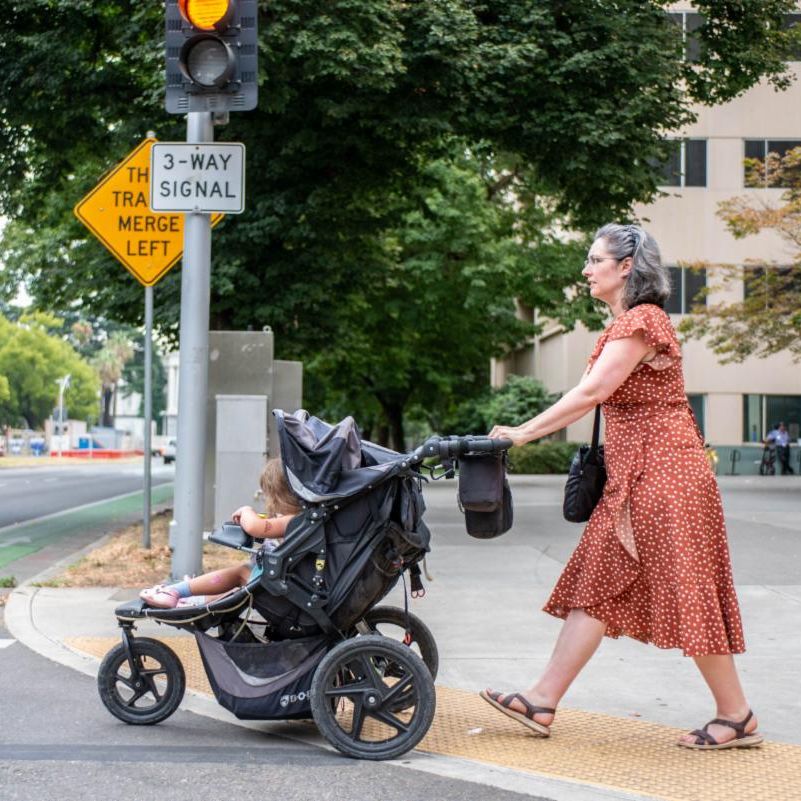
Pictured: A woman and a child using an ADA ramp in downtown Sacramento in August 2024.
Nailah Pope-Harden
Deputy Director, Director’s Office of Equity & Tribal Affairs
| |
| |
FTA 5310 Program Call for Projects - The goal of the Enhanced Mobility of Seniors and Individuals with Disabilities Program is to improve the mobility of seniors and individuals with disabilities by removing barriers to transportation services and expanding the transportation mobility options available. Learn more and apply here by September 3rd, 2025 at 1 p.m.
| | | |
| |
NAAC Meeting in August - The Native American Advisory Committee will meet statewide virtually on August 6, 2025.
| | | | |
On the Road with Caltrans:
Department Highlights
| | District 01: Roundabout Accessibility Training(s) | |
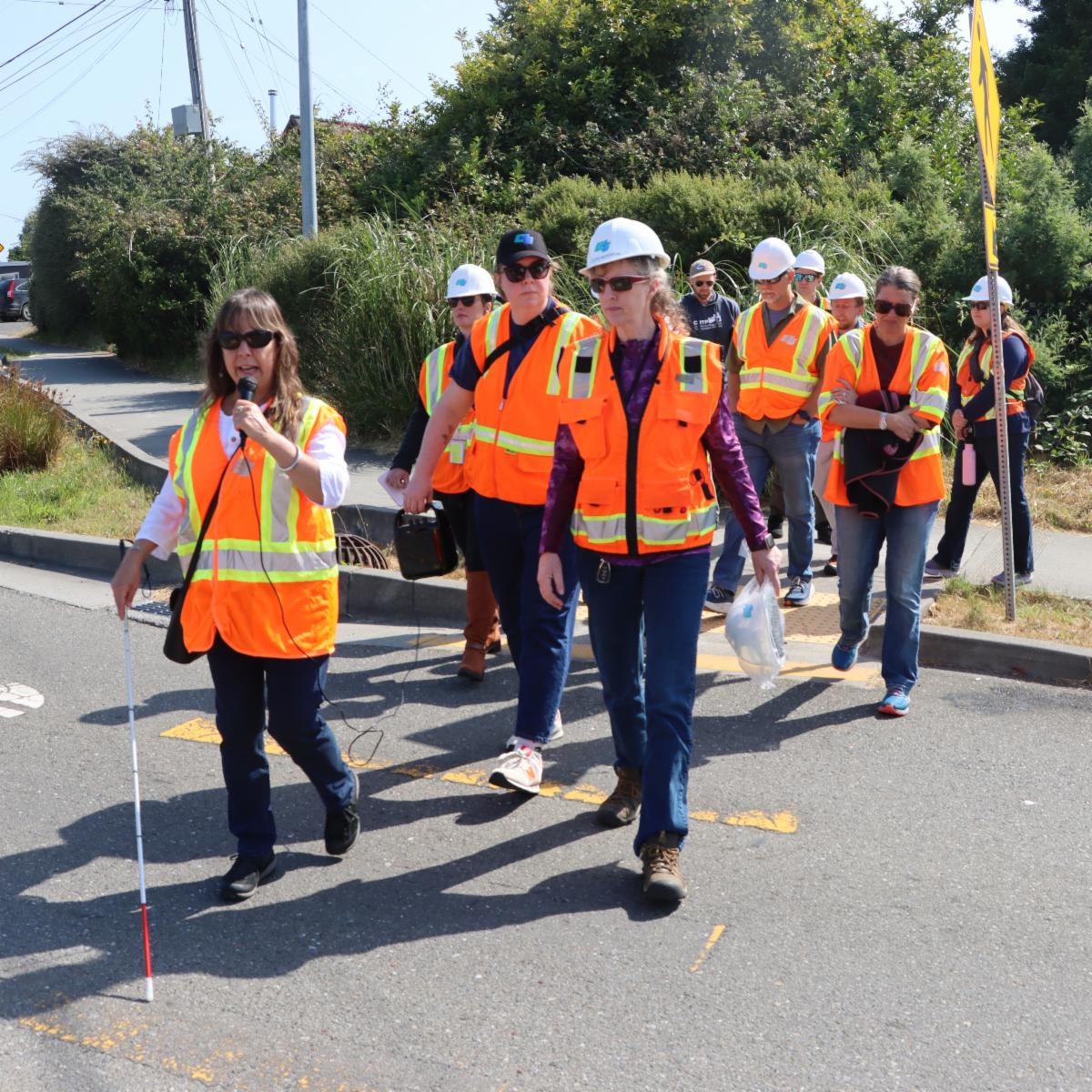
Peggy Martinez, Principal at Creative Inclusion, gave a training on “Roundabout Accessibility and Persons with Disabilities” to Caltrans staff and partners in July 2024. The event was spread across three days. The training emphasized that roundabouts which are designed to be accessible and usable by people with blindness and low vision will also serve other vulnerable populations. The first day was a virtual presentation on how people with blindness and low vision navigate roadways and the challenges roundabouts pose in that navigation. On the second day, attendees visited an existing roundabout and a proposed roundabout location in Arcata, CA. Day three was a virtual debrief of the field visit and a review of the proposed roundabout plans.
Pictured: Peggy Martinez and D01 Caltrans staff crossing a road in Arcata, CA in June 2024.
| | Director’s Office of Equity & Tribal Affairs: Sharing Resources for Improved Disability Access | |
In May 2025, staff from Director's Office of Equity & Tribal Affairs, the Headquarters Division of Local Assistance, and the Office of Civil Rights attended an Alta California Regional Center Client Advisory Committee meeting to share Caltrans resources. The Alta California Regional Center is a private, non-profit corporation working under contract with the State of California, Department of Developmental Services, to provide services to persons, age three and above, with a developmental disability pursuant to the Lanterman Act.
The presentation was an opportunity to provide information to the committee members and center staff on what Caltrans does, where to find information about projects happening in their service area, how to report issues and how to file an ADA grievance with Caltrans. Staff shared the call for projects for the FTA Section 5310-Enhanced Mobility of Seniors and Individuals with Disabilities grant program. This program provides funding to non-profits and public agencies for the purchase of vehicles, mobility management (e.g. training, one stop call center, etc.), and operating assistance to improve the mobility of seniors and individuals with disabilities. The committee members and center staff were excited to learn more about this funding program and our Local Assistance staff was excited about the invitation to come back to present to other service providers the Center works with.
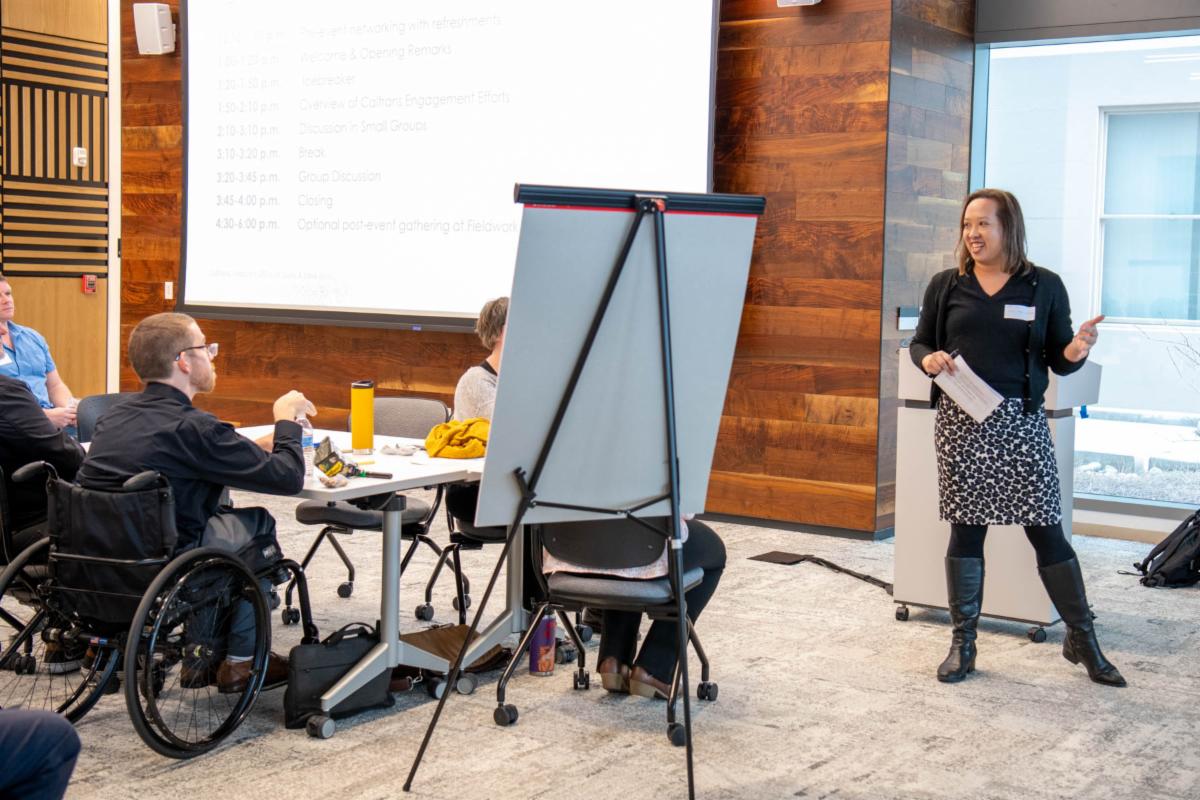
Pictured: Jacob Miller from Alta California Regional Center and Allison Joe from CalSTA during the Sit With Us: Strengthening Caltrans’ Community Engagement listening session in Sacramento in February 2025.
| | Meet our Advisory Committees: Member Spotlight | | Native American Advisory Committee (NAAC) | | |
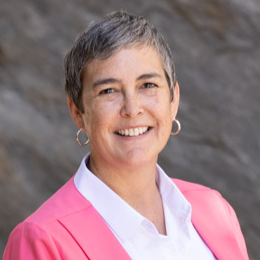
Margaret Park
Chief Planning Officer
Agua Caliente Band of Cahuilla Indians
📍Caltrans District 8
| | |
In her position as the Chief Planning Officer for the Agua Caliente Band of Cahuilla Indians, Margaret is honored to lead a diverse team. She manages all facets of land use including land planning and development, natural resources, water resources, historic & cultural preservation, GIS, real estate, grants and emergency services on the 32,000-acre Agua Caliente Indian Reservation.
Prior to her position with the Tribe, Margaret worked 8 years as a planner in local government and spent 6 years with a private sector engineering and planning firm.
| | “The Agua Caliente Tribe's transportation focus includes impacts of state and interstate highways and rail and freight movement on the Tribe's cultural resources and trust lands" | |
Pictured: Margaret Park poses in front of a stone backdrop.
| | Equity Advisory Committee (EAC) | | |
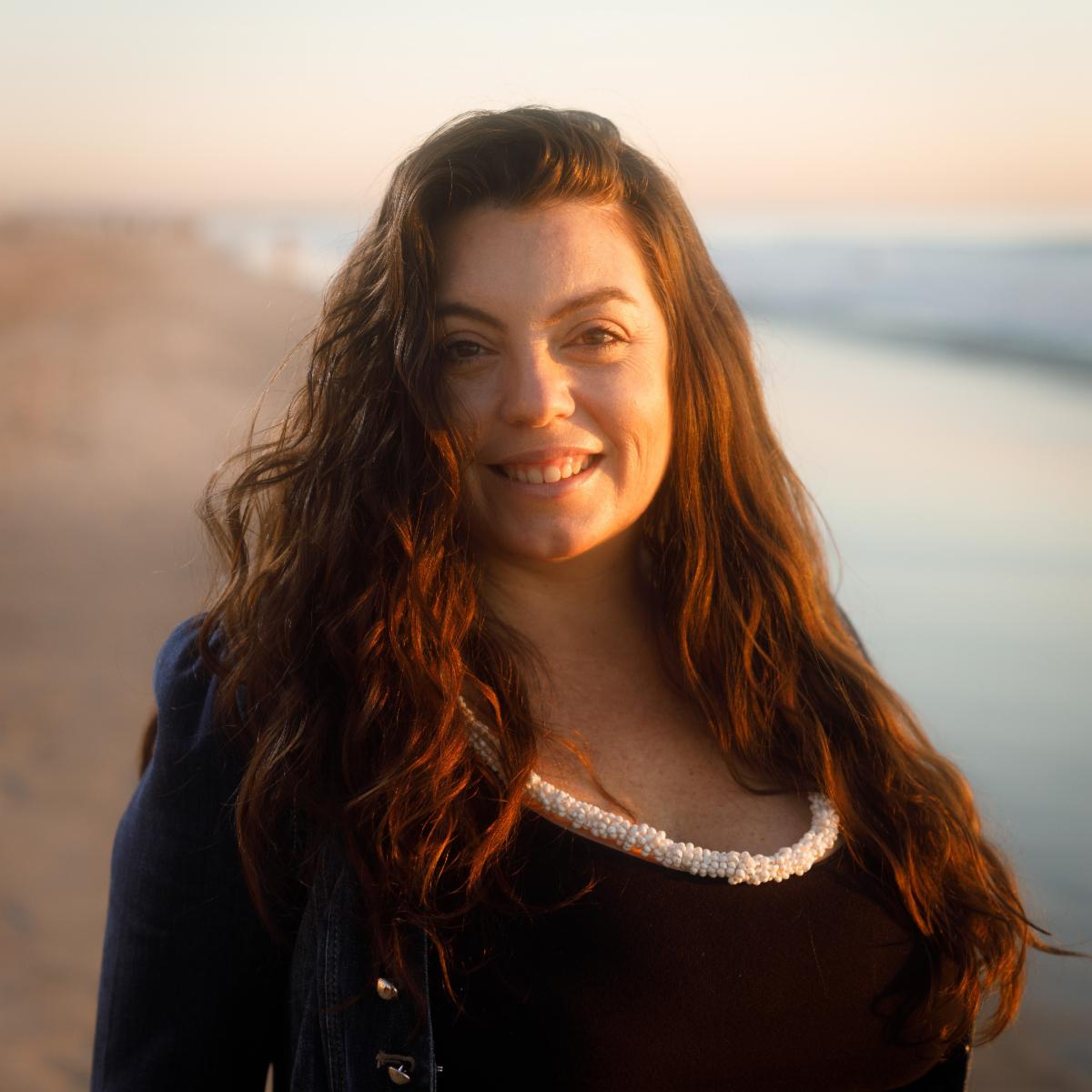
Pualani Vazquez
Injury Prevention Specialist & Community Outreach Coordinator
Scripps Mercy San Diego
📍Caltrans District 11
| | |
As a member of the trauma response team and in collaboration with community-based organizations, Pualani helps develop and implement a diverse array of evidence-based programs via public health outreach. Her primary objective is to diminish the frequency, severity, and fatality of unintentional injuries in San Diego, prioritizing safety and equity in her initiatives.
Pua actively contributes to numerous regional, state and national task forces. She promotes trauma-informed care through authentic community engagement and collaborative efforts. Drawing from her background in transportation safety, she has dedicated her career to cultivating safe road practices for all users, with a special emphasis on high-risk drivers/behaviors and vulnerable road users.
Originally from Hawai’i, she has found her home in San Diego, where she finds joy in advocating for comprehensive safety education alongside her family. Together, they strive to create a community where every individual can traverse securely and safely, fostering an environment of inclusivity and well-being.
| | "My community is all of our communities. Do you know that unintentional injuries are the number one killer of people between the ages of 1 – 44? Most people also do not realize that we can make minor changes in what we do to help keep ourselves safer." | |
Pictured: Pualani Vazquez poses on a sandy beach.
| | Tune into what our team is reading and listening to this month! | | |
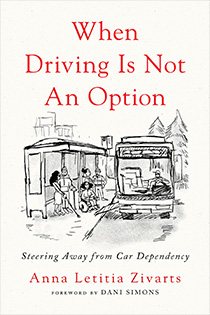
Equity Analyst, Camille Randolph, read “When Driving is Not an Option” by Anna Letitia Zivarts. They share, “This book oriented non-driving away from ‘urbanist, white, male, nondisabled, and financially stable voices’ and instead centers the experiences of involuntary non-drivers. While I relate plenty to this book as a (mostly) non-driver, the book heavily underlines the importance of accessible transportation systems for people with disabilities. In particular, the author shares their inability to drive because of a vision impairment; and therefore, moving from a rural community in Washington state without sidewalks or shoulders on the roads to New York City because of its 24-hour transit system.
| | | |
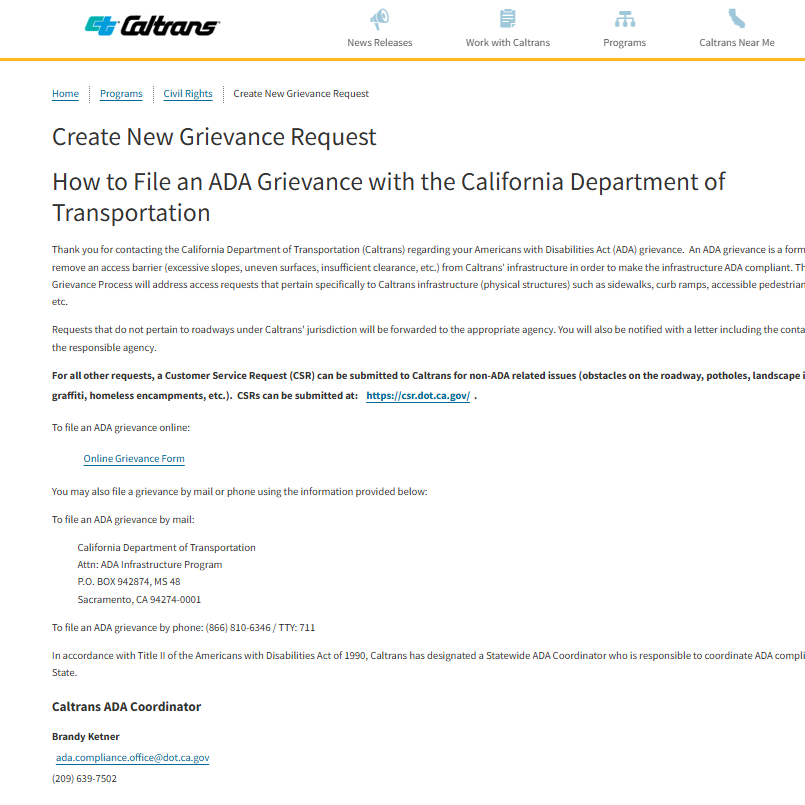
Assistant Deputy Director, Alexis Lantz, draws attention to how to report an ADA Access Barrier or Grievance with Caltrans. You can either contact Caltrans at (866) 810-6346 or submit a grievance online. Things that can be reported include but are not limited to, an access barrier such as a non-compliant transit service or facility, missing curb ramps, sidewalks that are too narrow for wheelchairs to pass, a lack of detectable warnings for vision impaired individuals, and inaccessible pedestrian push buttons at traffic signals on the State Highway System.
| | | | | |