|
|
Defending wildlife and habitat through:
Advocacy
Conservation
Education
|
|
|
In this issue:
- Tips for attracting orioles to your yard
- Hutton work week filled with fun (and a little work)
-
Wind Turbine lighting bill passes: Good for birds and local residents
- Recent report suggests the Lesser Prairie-Chicken should be Kansas' state bird
-
Philanthropy Central: THANK YOU! Matching campaigns yield record funding
- Save the date!
- Join AOK and Smoky Hill Audubon Society on Saturday, June 3 to Celebrate National Prairie Day
-
Chapter Spotlight: Wichita's Birdathon provides needed funds for Chaplin Nature Center
-
AOK Nature Walk Recommendations: Top of the World in Manhattan is a refuge for birds, people, and obedient dogs
|
|
|
Tips for attracting orioles to your home |
|
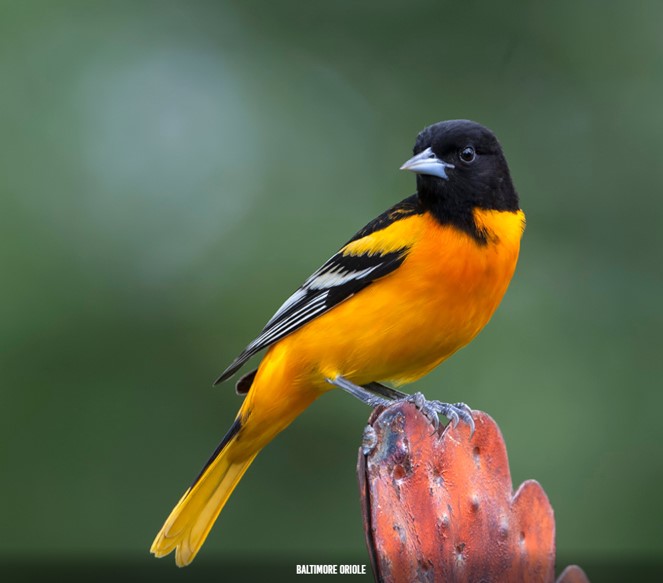
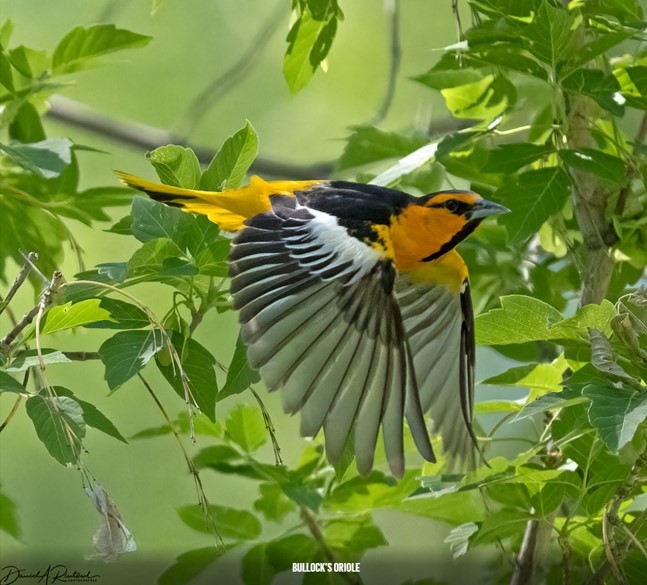
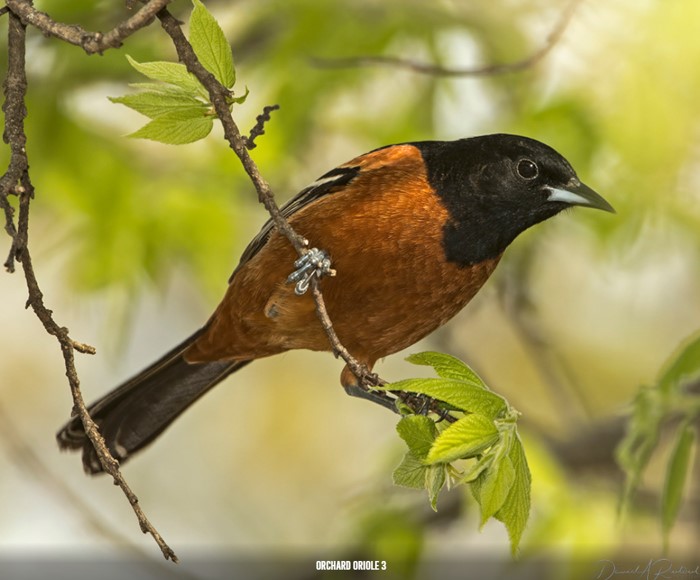
Even though orioles are showy birds, they can be hard to see. They spend their time at the tops of trees where their clear whistled song is loud if not very memorable. Kansas is home to three species of oriole including the flashy orange Baltimore Oriole (top photo to the right) in eastern Kansas, its counterpart in western Kansas, the Bullock's Oriole (middle right), and the dark orange Orchard Oriole (bottom right) found throughout Kansas. Baltimore and Bullock's Orioles hybridize, so it is not uncommon to see birds with mixed characteristics anywhere in Kansas. All three species make nests made of intricately woven grass, often at the tip of a branch. This placement protects it from mammalian predators who can't support themselves on such tiny branches.
Because orioles spend their time at the tops of trees, birders often try to attract them to a feeding station to observe them more closely. Orioles eat fruit and insects, and a common offering includes oranges cut in half down the center or shallow dishes of grape jelly. Grape jelly is full of sugar and should be viewed as a dessert for the birds, but not the main course. Although there are no studies linking jelly to health issues, it is probably best to refrain from providing jelly in large quantities. Like most birds, your bird feeder is only one stop along a bird's daily route and they will continue to other food sources if your feeder is empty. I agree with the Kaufman's recommendation that 1/4 cup of grape jelly in a shallow dish once or twice a day should be enough to appease the birds and bring you enjoyment. That also 'encourages' them to find natural food that is more nutritious. Letting it run out periodically may also reduce the numbers of bees and wasps visiting the food source. Use an 'ant moat' to keep ants out of the food - it is a cup of water placed above the holding wire of hanging feeders. Ants can't swim, so they cannot get to the food. I've also seen birds drink the water from these little cups. Whatever you do, don't forget the shallow dish - there have been instances where birds got jelly on their feathers and were weighted down making them unable to fly. They should not have to jump into the bowl to reach the jelly.
I encourage you to try feeding the orioles - who knows how many orioles you will attract! Below is a link to a study that determined that nearly 200 orioles were visiting their jelly feeder in Nebraska.
|
|
top: Baltimore Oriole
middle: Bullock's Oriole
bottom: Orchard Oriole
|
|
|
Hutton Work Week filled with fun (and a little work) |
|
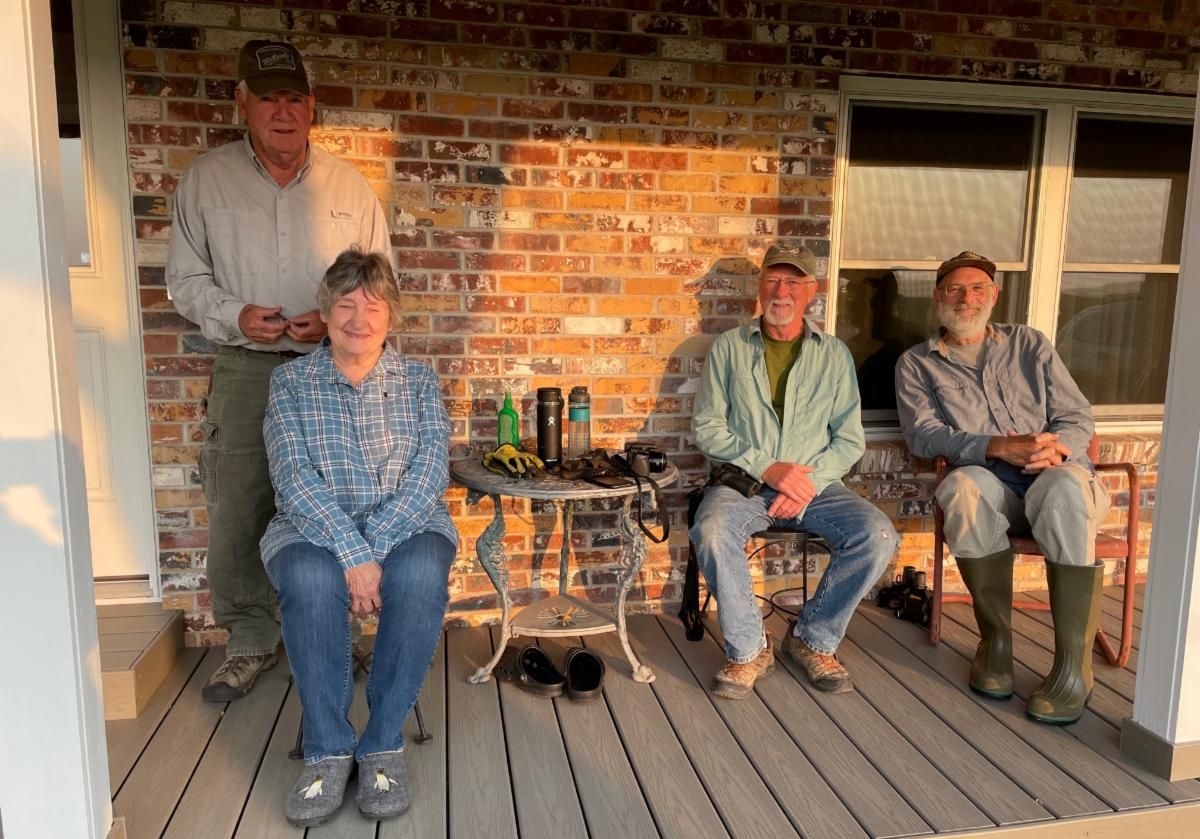
Top photo: Ed, Sil, Tom, and Rod on the Hutton House front porch (look at those clean white posts!)
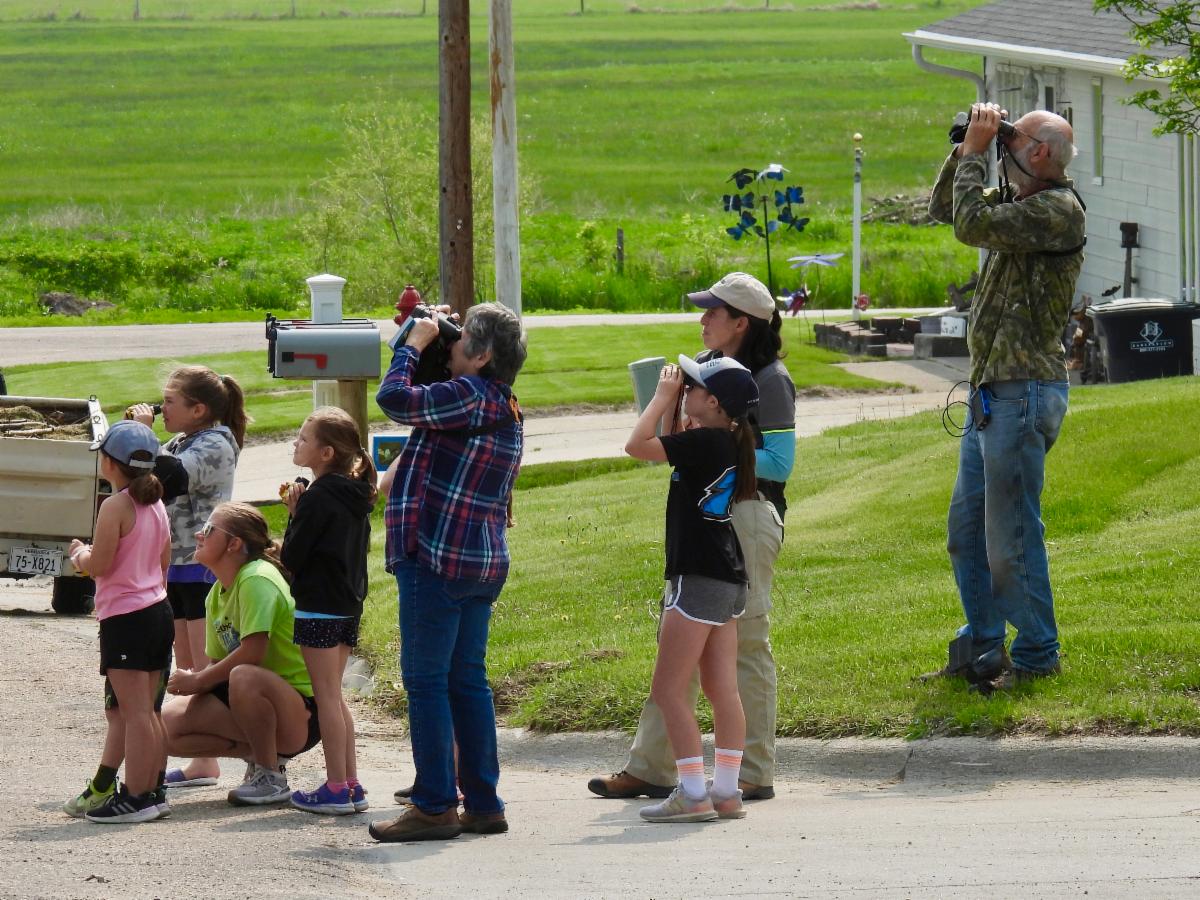
Second photo: Sil and Rod helping kids find birds. Photo courtesy Ed Pembleton ©2023
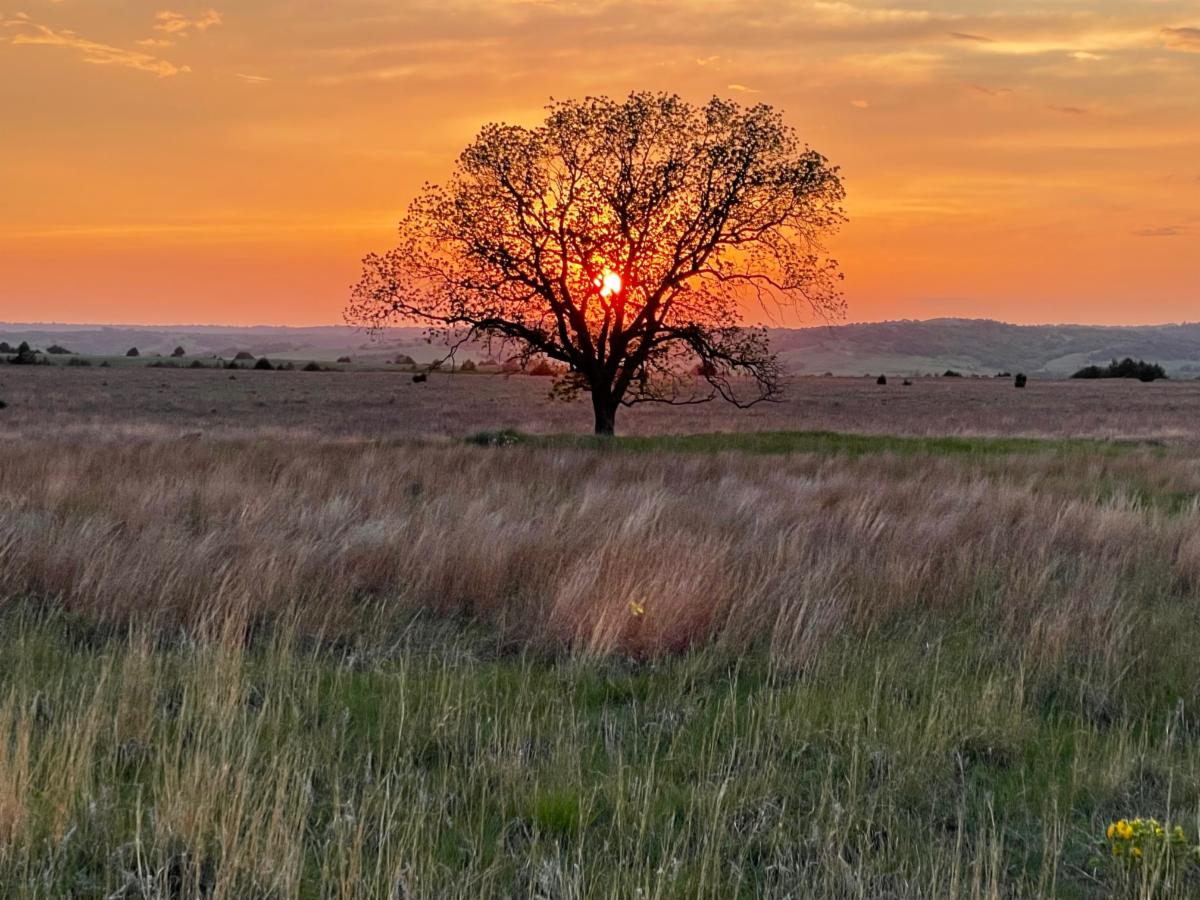
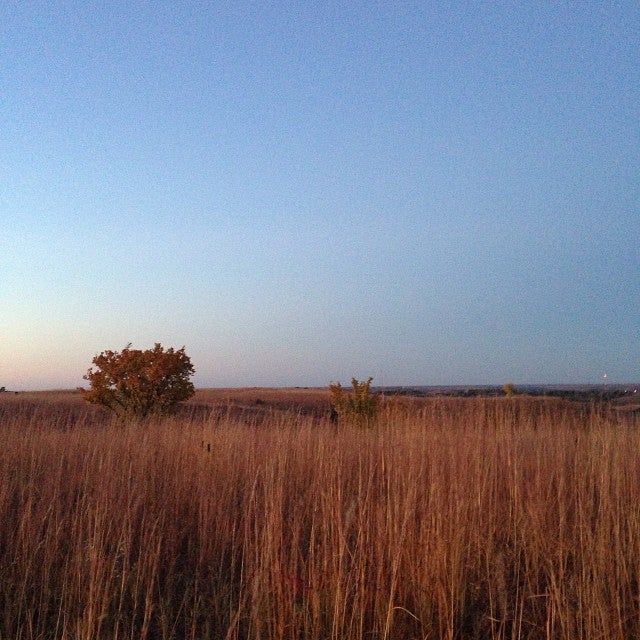
Third photo: Sunset at Hutton on the last evening
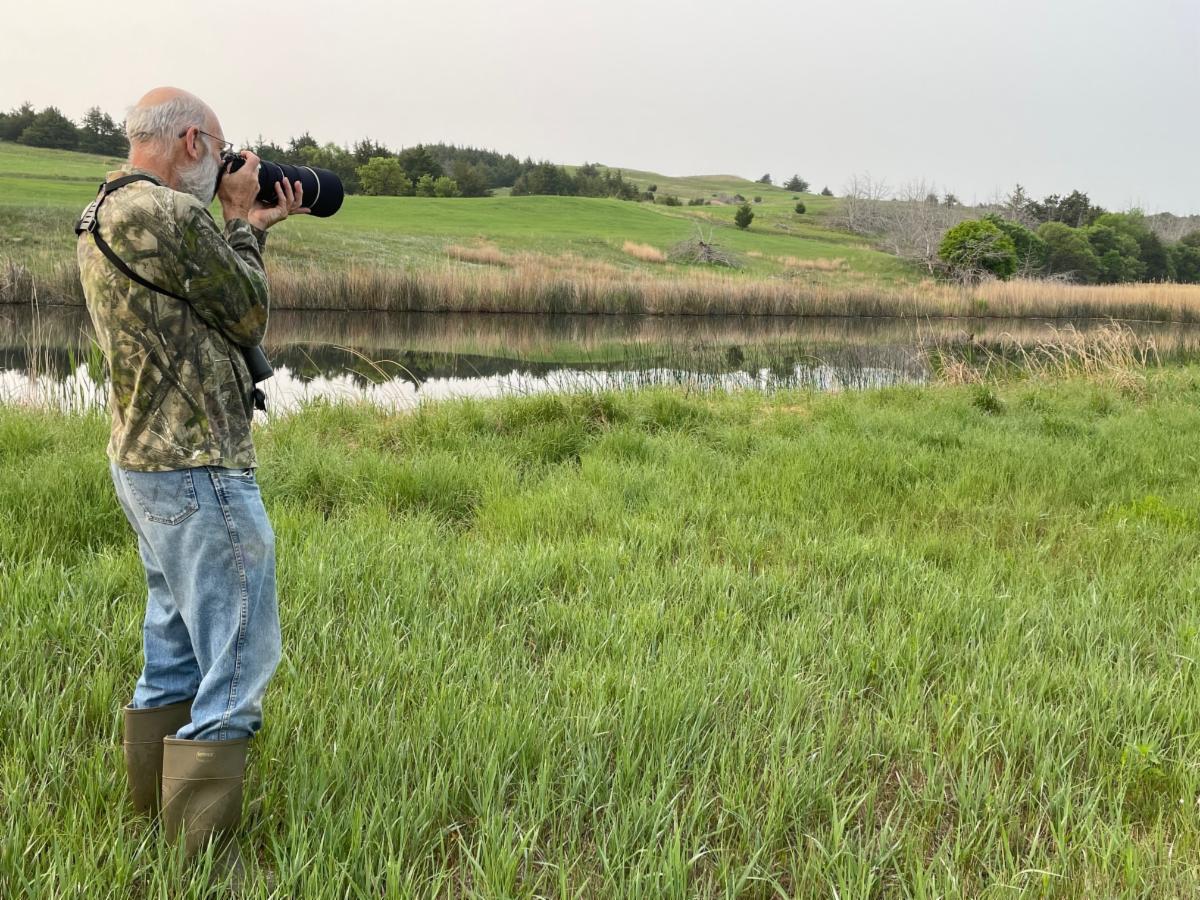
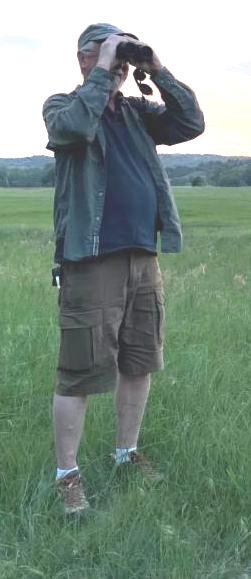
Fourth photo: Rod taking a photo of a bobolink
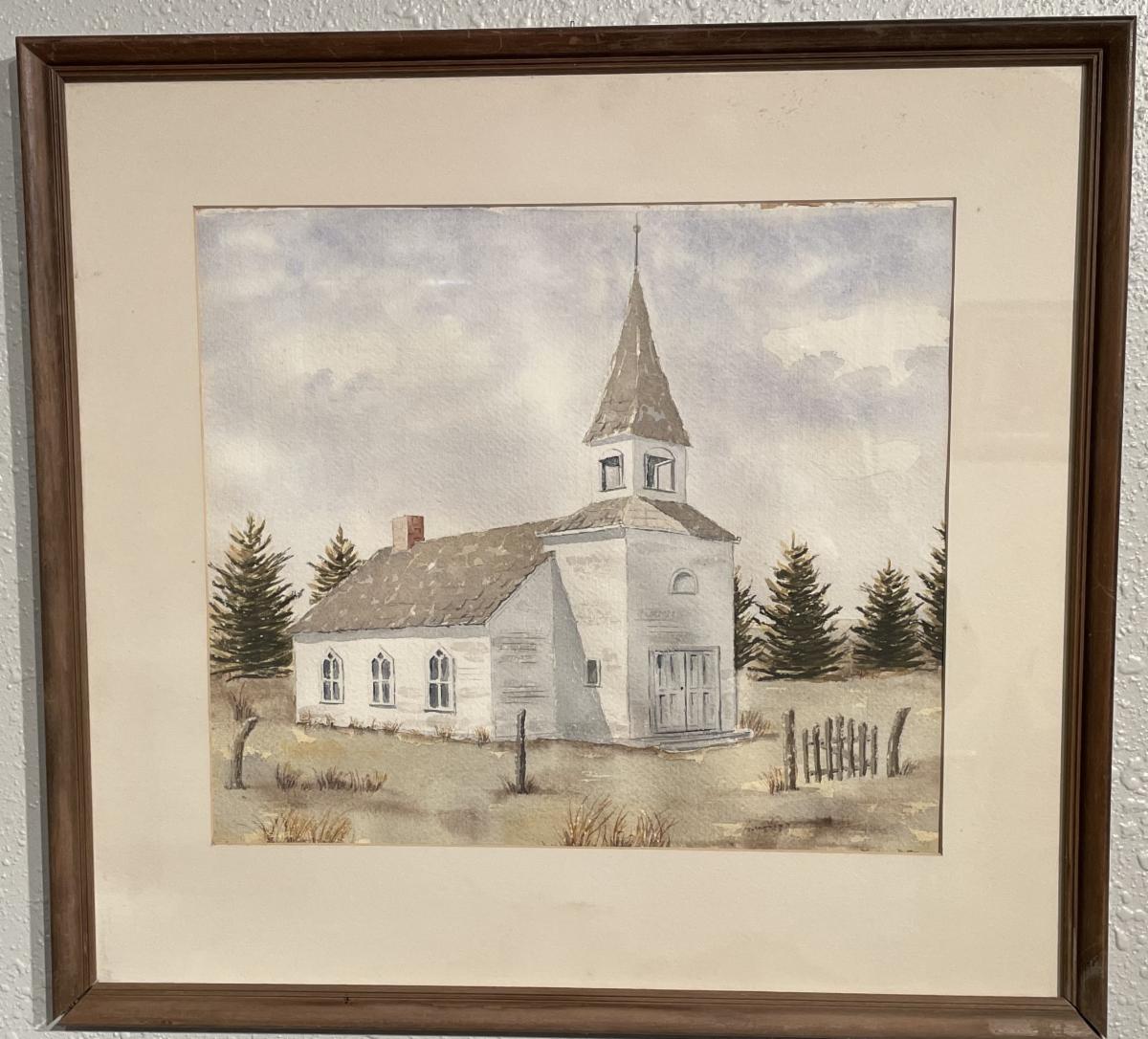
Below left: Painting by Lucille Hutton
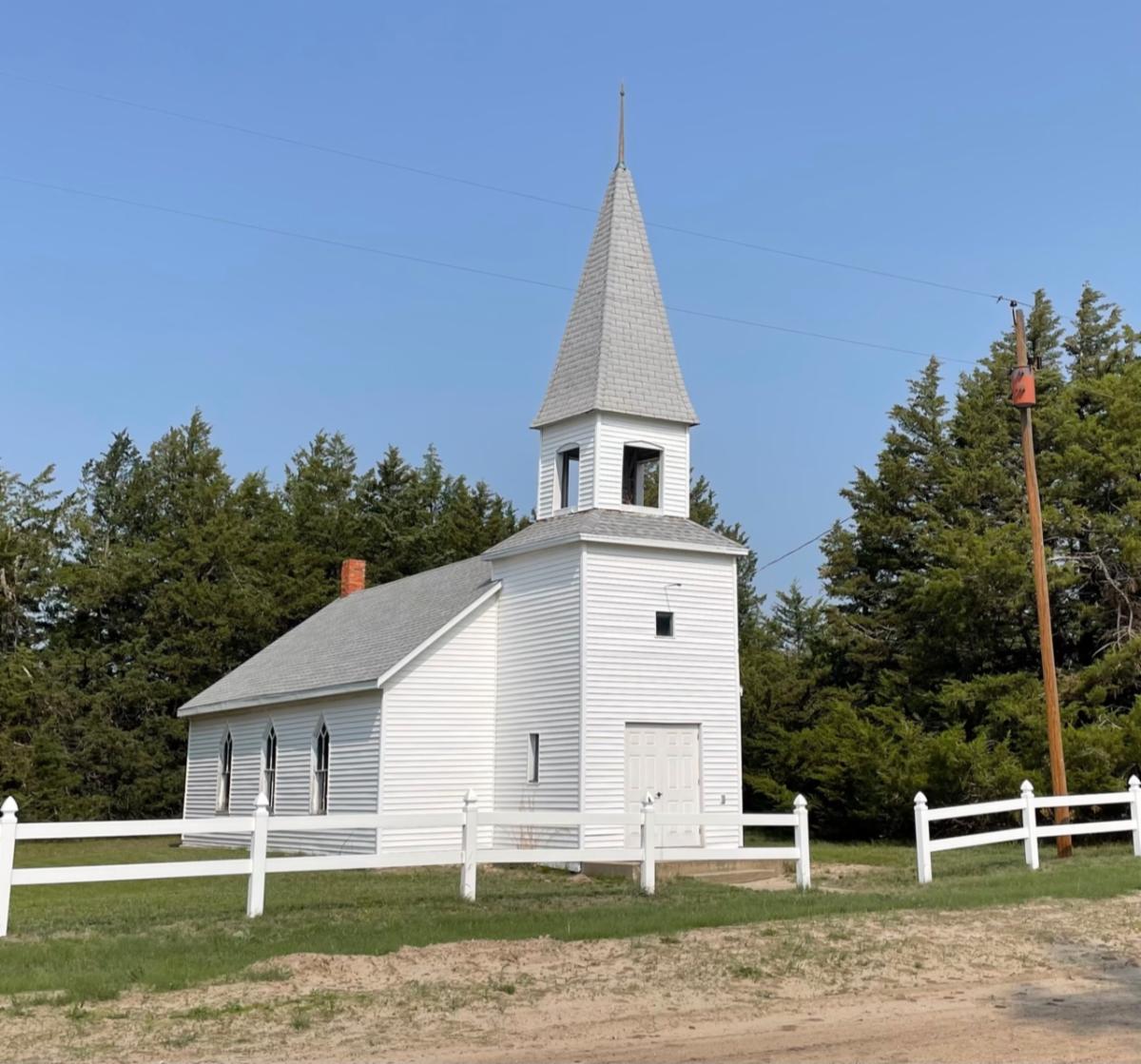
Below right: Photo of Cuba Church today (looks like the cedars have grown!)
|
|
Four intrepid volunteers helped AOK tackle a 'to do' list at our Hutton Niobrara Ranch Wildlife Sanctuary near Bassett, Nebraska - a big THANK YOU to Ed, Sil, Tom, and Rod! We were able to get several significant projects completed: removing cedars from an area that is not able to be burned, removing brush and a tire to improve the landscaping around 'Lazy Easy', cleaning light fixtures and landscaping improvements at the Hutton House, repainting the porch railing, and removing cedars so we could create a wider fire break. (The Hutton House and Lazy Easy are two 4+ bedroom houses that are available for reservations. Call Lana at 402-760-1573 for availability.)
But it wasn't all work! Volunteers are free during the morning and evening to explore the sanctuary and surrounding areas. One morning, we headed west and found Cuba Church, the subject of one of Lucille Hutton's paintings. We were able to help out with a kid-friendly bird walk hosted by Nebraska Game & Parks and the Niobrara Council. One volunteer accompanied Jackie during her rail survey and was treated to serenades by Whip-poor-will as well as Virginia Rail and Sora (See last May's newsletter for more details about this survey). The week ended with a spectacular sunset and 93 species of birds recorded.
Feedback from the volunteers said that they felt like they played more than worked, and that I should talk up the wonderful dinners that I provided. They said it was more of a fun week with a little work!
Our next 'work' weeks at Hutton are July 24-28 and Sept 25-Oct 2. I hope you can make all or part of those weeks!
|
|
|
Wind Turbine lighting bill passes:
Good for birds and local residents
|
|
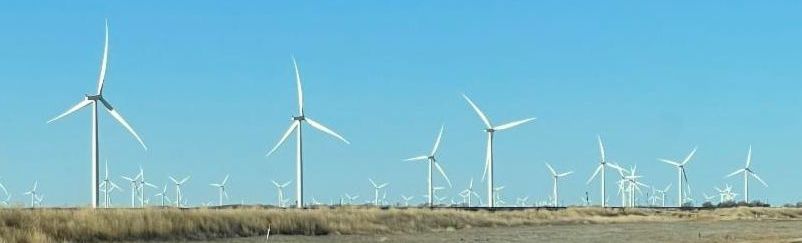
Executive Director, Jackie Augustine, testified in support of Senate Bill 49 in January which would require the installation of light-mitigating technology on new and existing industrial wind turbines. The bill passed the Senate in February, the House in March, and was signed by the Governor in April. When installed, the lights will only turn on when an aircraft is present according to guidelines set by the Federal Aviation Administration. Without this technology, red warning lights may blink all night long. This technology improvement not only provides peaceful enjoyment of the night sky by those that live near the industrial wind complex, but it may also save birds and bats. Regarding bats, a recent scientific review conducted an extensive search of the literature and summarized eight studies that examined the link between lights on industrial wind complexes and bat behavior mortality. Red lights have a tendency to attract migratory bats, although flashing red lights attract fewer bats than those that did not flash. There does not seem to be any differences in bat attraction between lit and unlit facilities. Birds show a similar reaction to lights on industrial wind turbines as bats. Another review suggests that birds can be attracted to red lights and that flashing lights attract fewer birds than steady lights. Although the differences in bird and bat mortality among steady, flashing, and no lighting is small, but we believe this legislation will have a slight positive impact on both birds and bats migrating through the area and also those that reside under turbines.
Photo: Wind turbines near Spearville, KS by JK Augustine
|
|
|
Recent report suggests the Lesser Prairie-Chicken
should be Kansas' state bird
|
|
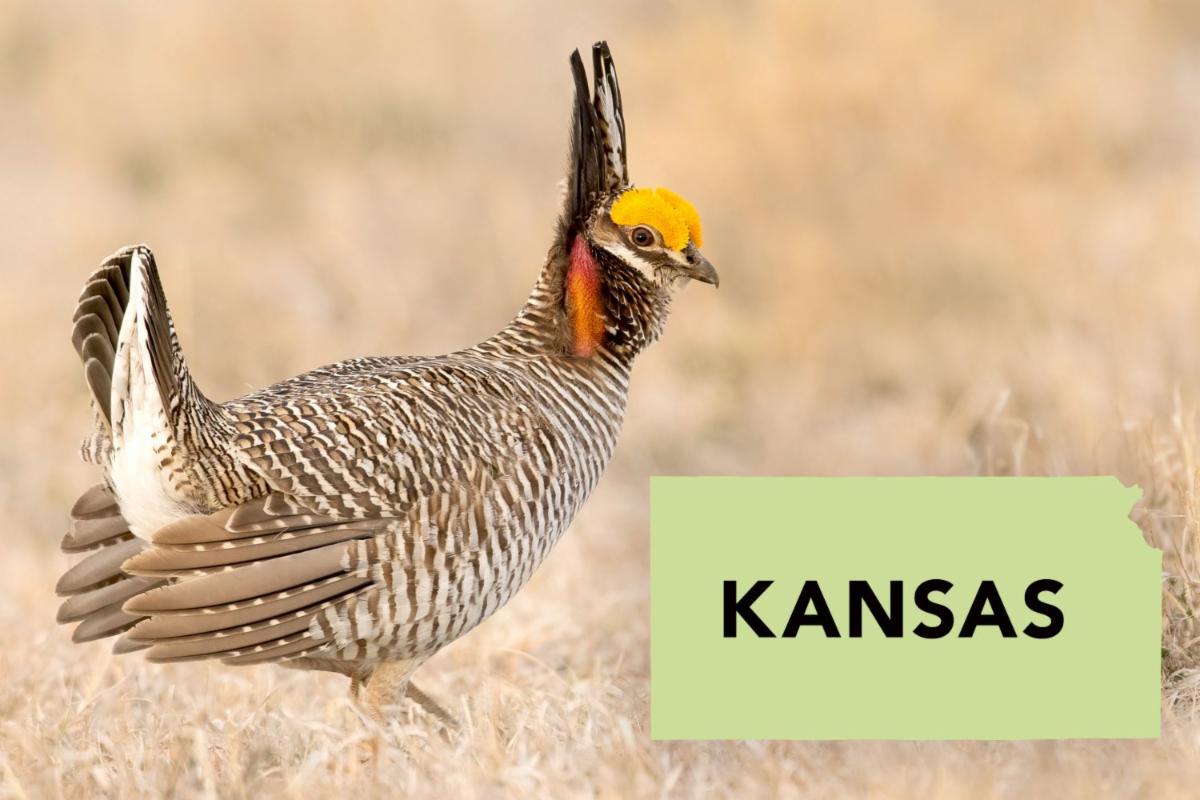
At first glance, the choice of meadowlark for the state bird of Kansas seems appropriate. They are common and charismatic. However, they are common in only the western half of the state with Eastern Meadowlark being more common in the eastern half of the state. We also share Western Meadowlark as a state bird with 5 other states (Montana, Nebraska, North Dakota, Oregon, and Wyoming). Only Northern Cardinal covers more states at 7. State birds are supposed to highlight something unique about the state and inspire others to become more aware of their avian neighbors. If a state bird is shared with multiple other states, does it meet this goal?
A recent study by the Cornell Lab of Ornithology used eBird data to suggest other birds that might be more aligned with this goal. The researchers looked for breeding birds where a large proportion of a bird’s global population could be found in a state. They also wanted a different bird for every state. (In other words, no repeats.)
Lesser Prairie-Chicken meets these criteria for Kansas. About 2/3 of the global population is located in western Kansas. As much as birders love Lesser Prairie-Chickens, it would be hard to replace Western Meadowlark as Kansas' state bird given the current political climate. (See Feburary's newsletter to read about how Kansas politicians are trying to undo the Lesser Prairie-Chicken's 'threatened' listing under the Endangered Species Act.)
|
|
|
Philanthropy Central:
THANK YOU! Matching campaign yields record funding
|
|
Because of supporters like you, who took advantage of Grow Green and Earth Day matches in April and May, we brought in a record $70,000!
We cannot express how thankful we are for your support for AOK's work to be the voice for wildlife and habitat in Kansas. Your donation helps us testify on behalf of wildlife to county officials and state legislators, restore and protect critical habitat for declining species, and share the wonder of wild places with members of the public. THANK YOU!
|
|
|
Audubon of Kansas is planning events for the coming year. Mark these events on your calendar!
June 3: Birding by Ear walk (in conjunction with Smoky Hill Audubon native plant sale 9am-noon; at Smoky Hill Audubon Sanctuary, 2500 W Stimmel Rd, Salina, KS)
July 24-28: Hutton Work Week
September 10: Achterberg Work Day
September 25-29: Hutton Work Week
Oct 1: Open House at Hutton
November 3-5: Celebration of Cranes at Quivira National Wildlife Refuge
February 25-March 10, 2024: AOK-sponsored trip to Guatemala
Hutton is AOK's sanctuary near Bassett, Nebraska
Achterberg is AOK's sanctuary near Lincoln, Kansas
|
|
|
Join AOK and Smoky Hill Audubon Society
on Saturday, June 3
to Celebrate National Prairie Day
|
|
When: This Saturday, June 3rd from 8am until noon
Why? It's National Prairie Day!
What?
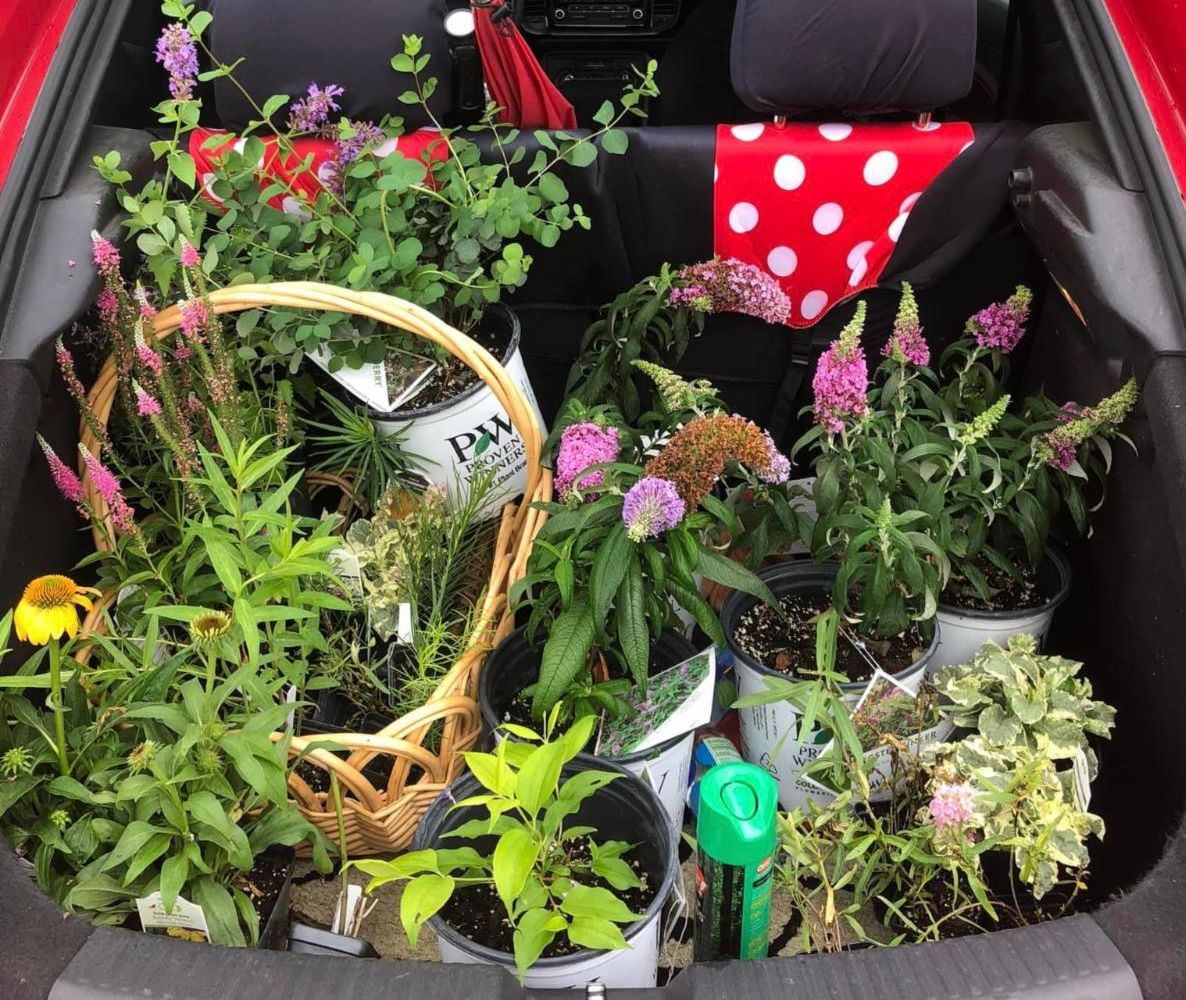
- Dyck Arboretum will have native plants for sale
- AOK's Jackie Augustine will lead groups on a walk to learn to identify birds by sound
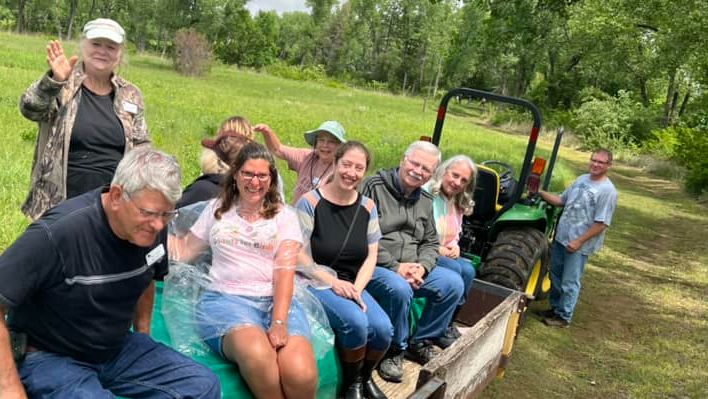
- Smoky Hills Audubon Society will provide free hay rack rides around the sanctuary
- Explore 2.5 miles of mowed trails through prairie, woods, and wetlands
|
|
|
Chapter Spotlight: Wichita's Birdathon provides needed funds for Chaplain Nature Center |
|
Audubon chapters have various types of fundraisers to support their conservation efforts locally. Wichita Audubon Society uses a birdathon for a fundraiser. What is a birdathon? It is an event where teams compete to see the most birds during a given time period, usually 24 hours. People or businesses can donate a certain amount per bird seen, or a specific amount.
Wichita's birdathon is an ongoing tradition with three dedicated teams. Team Painted Buntings focus on Wichita area birds. Team Chaplin Nature Center look for birds in Cowley County, the location of Chaplain Nature Center. Team Roadrunners pick a different county to focus on each year.
All of the proceeds from the birdathon support Chaplin Nature Center, a wildlife sanctuary owned by Wichita Audubon Society.
|
|
|
AOK shares favorite walks,
hikes and birding spots!
|
|
Top of the World in Manhattan is a refuge for birds, people, and obedient dogs
Board member, Michael Donnelly, recommends the hiking trails at 'Top of the World' in Manhattan, KS. You can access the hiking trails from Marlatt Avenue just west off Seth Child Road. There are two parking lots. The first one is 0.1 miles from Seth Child on Marlatt Ave on the left/south side of the road (39.222037, -96.621060). The other one is 70-100 yards on, to the right/north side of the road (39.223209, -96.621918). Marlatt Park South, the first, has nice hilly walks by and through wooded ravines, and open prairie with plum thickets—good for Indigo Buntings, meadowlarks, bobwhite quail, cruising Red-tailed Hawks, and the usual woodland birds. The north side, Marlatt Park North, has a couple of wooded dells, but is more open prairie, with great vistas from hilltops at the west side and on the east, overlooking Seth Child. It is a favorite place to walk dogs as you may meet people with obedient dogs off leash.
For those with mobility concerns, you can also drive to the amazing lookout area from Top of the World Drive (39.229828, -96.619827).
|
|
|
Lana Arrowsmith - Hutton Niobrara Coordinator - Hutton Sanctuary Management & Reservations lanamicheel@gmail.com
Audubon of Kansas
PO Box 1106 - Manhattan, KS 66505
785-537-4385
|
|
|
|
|
|
|