|
The Leaflet
~ September 2026 ~
| | |
UT Gardens, Crossville
by Stacey Haag
| |
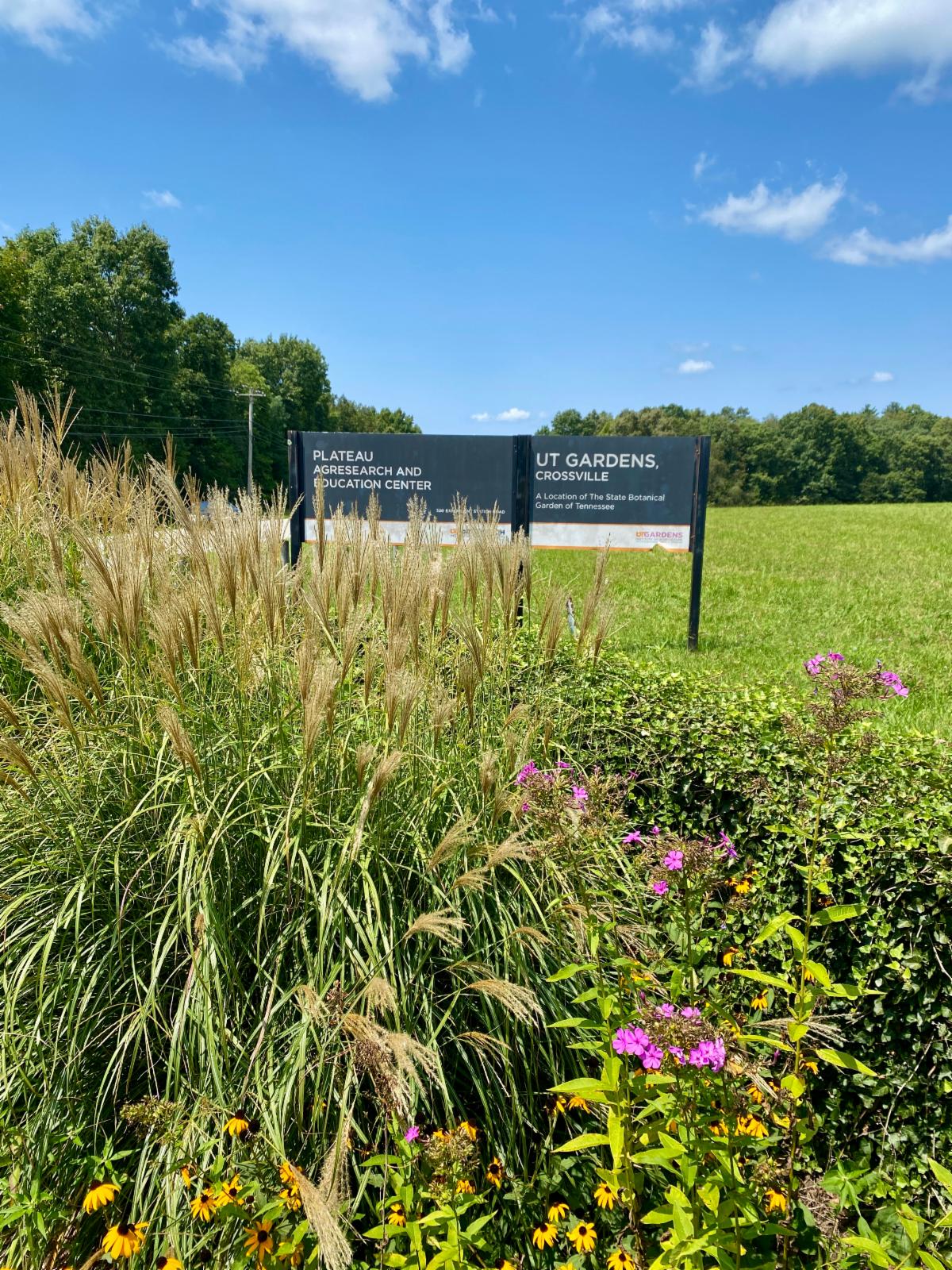
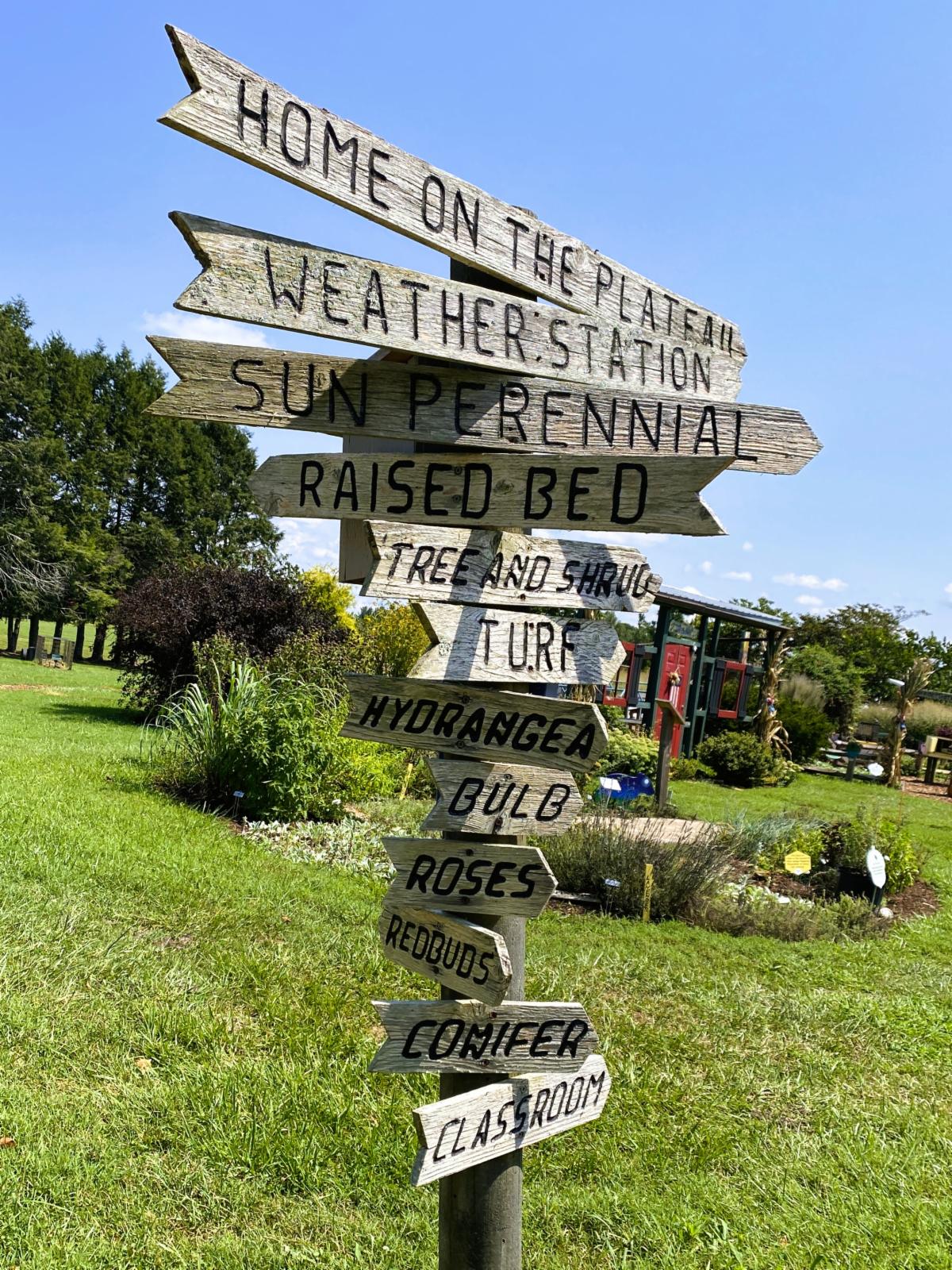
We recently paid a visit to the UT Gardens, Crossville, part of the State Botanical Garden of Tennessee, during a quick road trip. The Gardens are located at the UT Plateau AgResearch and Education Center. In similar fashion to our own demonstration gardens at Highland Rim, these Gardens have served as demonstration gardens for the Cumberland County Master Gardeners since they were established in 2005 when Director of Facilities Walt Hitch reached out to local Ag Agent Gregg Upchurch with a goal of working together to build a space where each graduating Master Gardeners class could practice their skills while providing an educational and inspirational space for visitors.
UT began conducting research trials within the Gardens in 2009, which allowed them to grow and be advertised as a public research and demonstration garden. College interns from UT also use the Gardens as an opportunity to apply their learning. In 2013, the Gardens officially became the third of the UT Gardens.
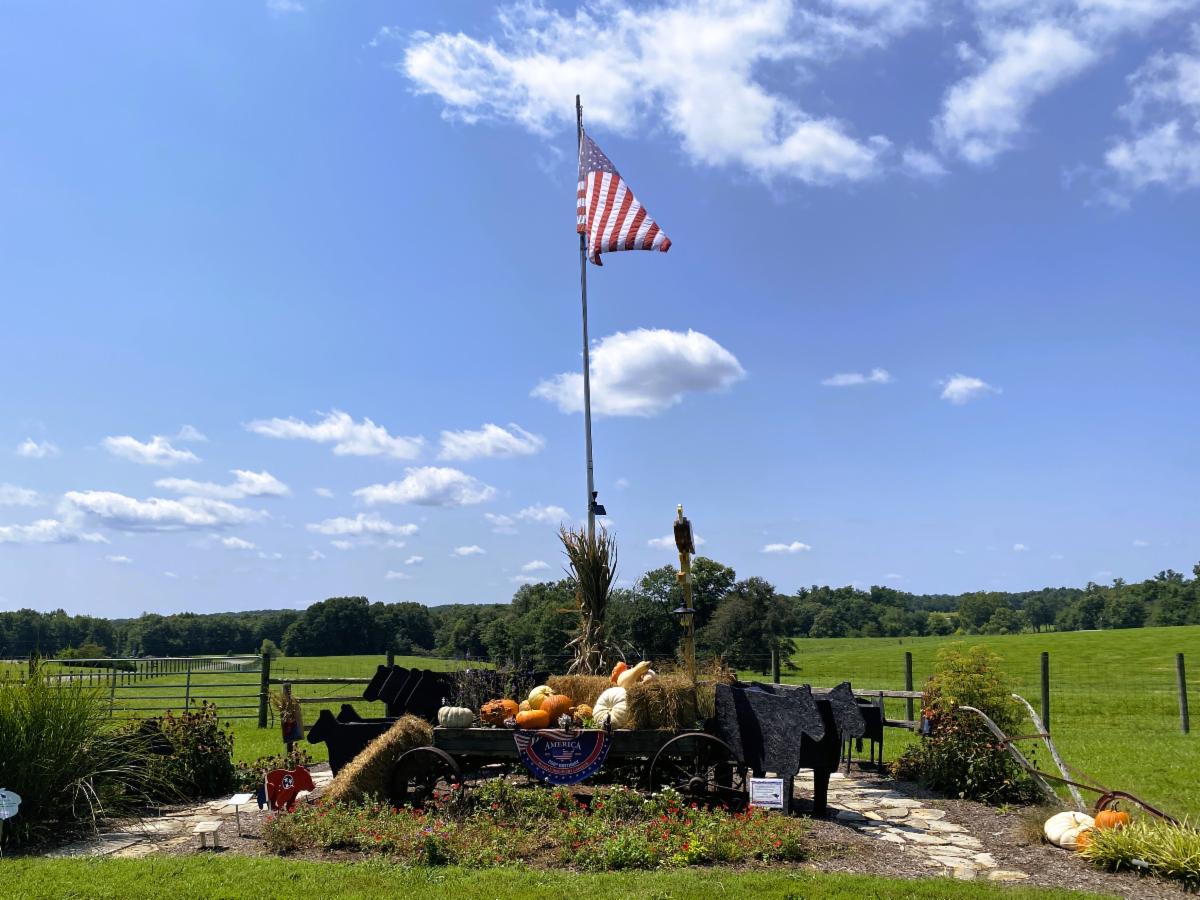
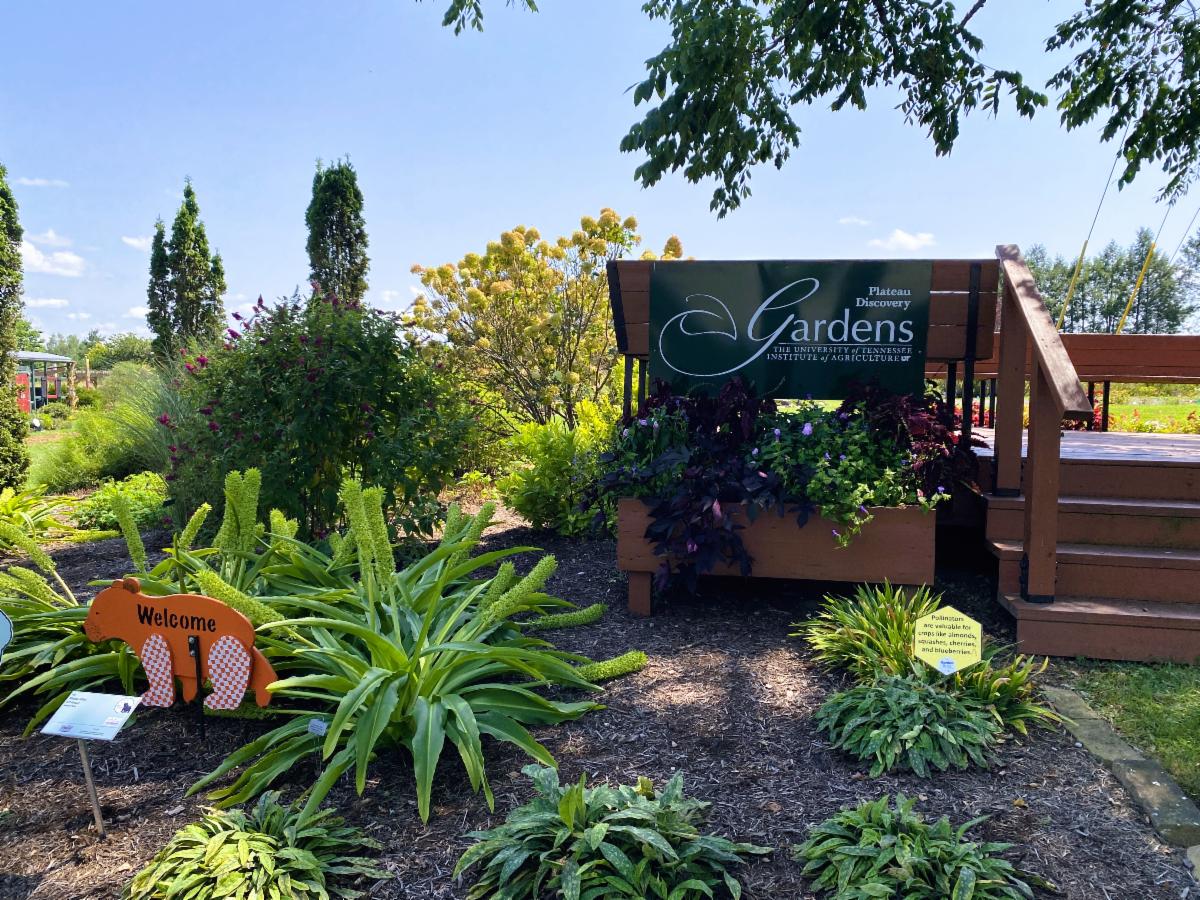
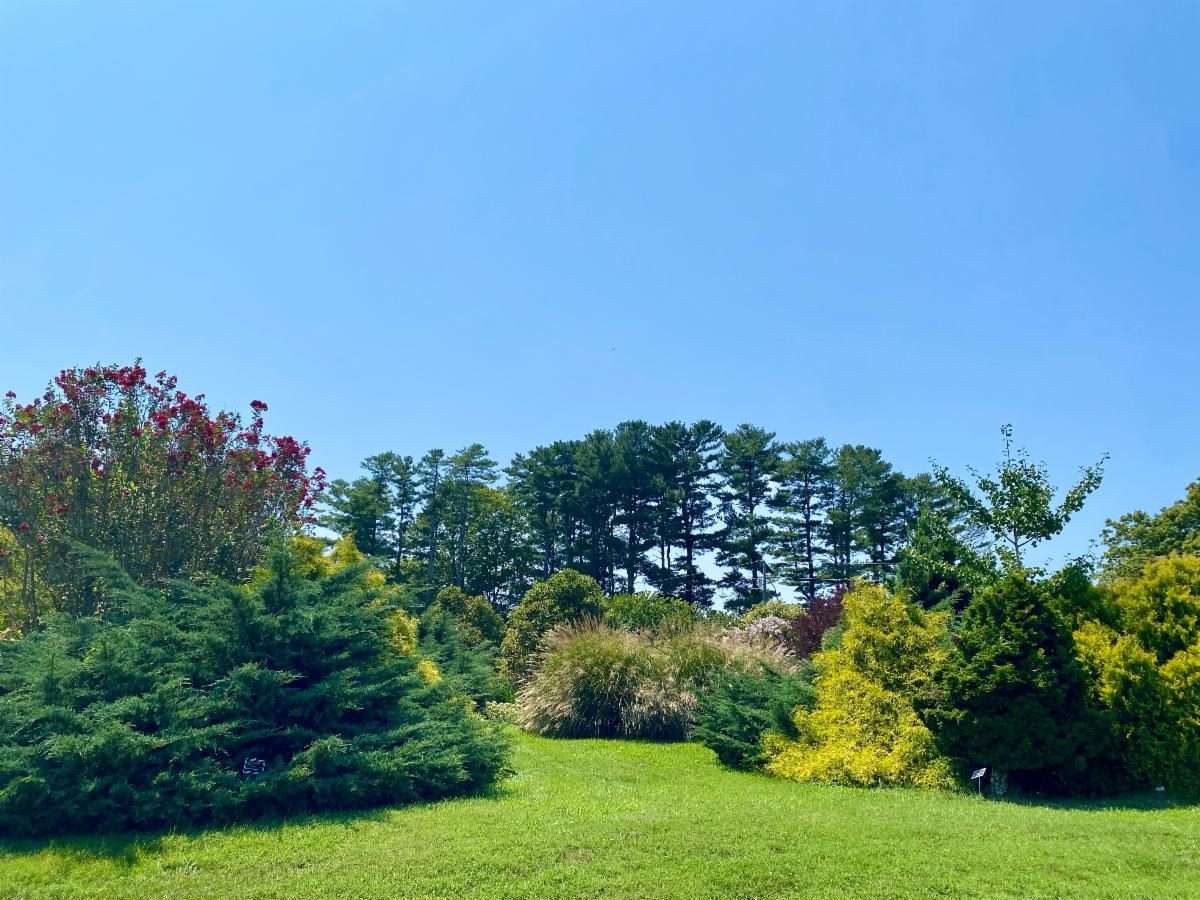
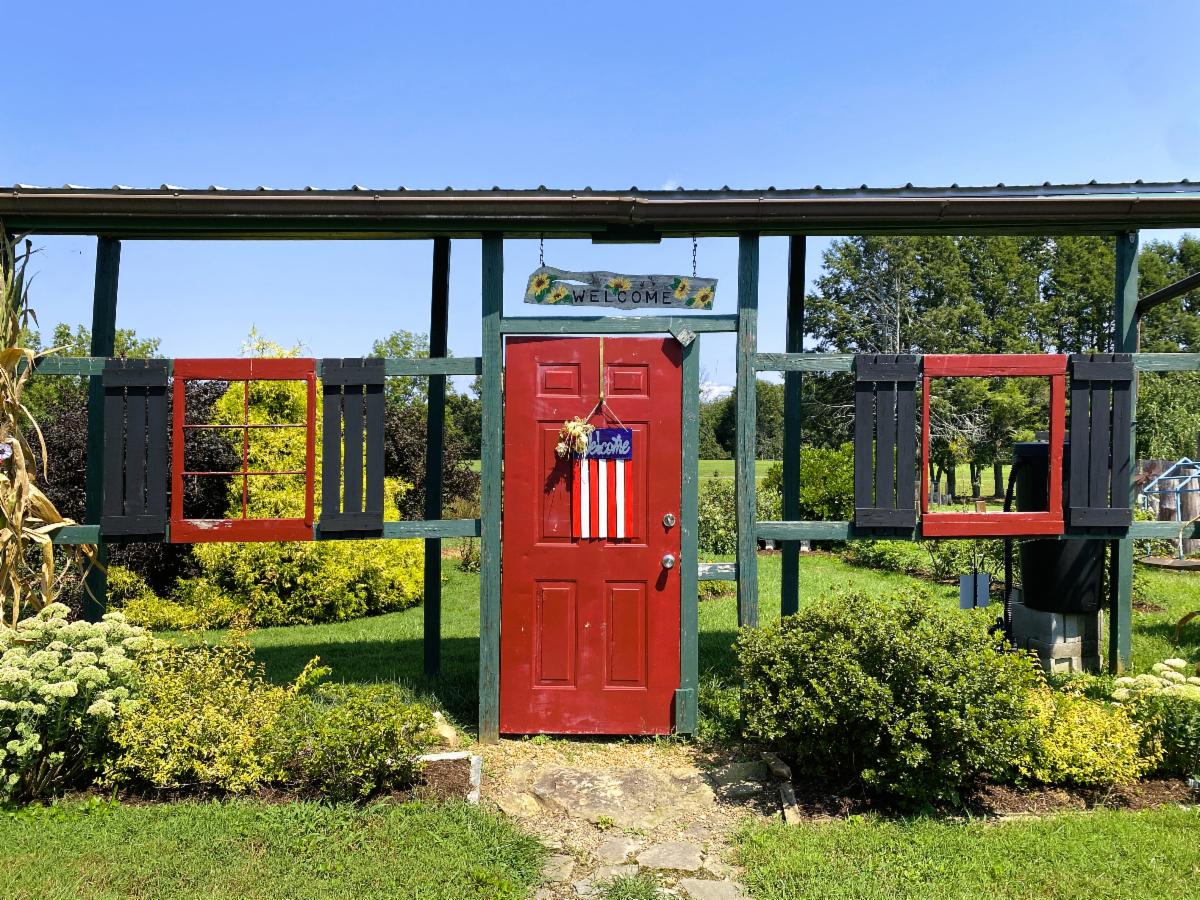
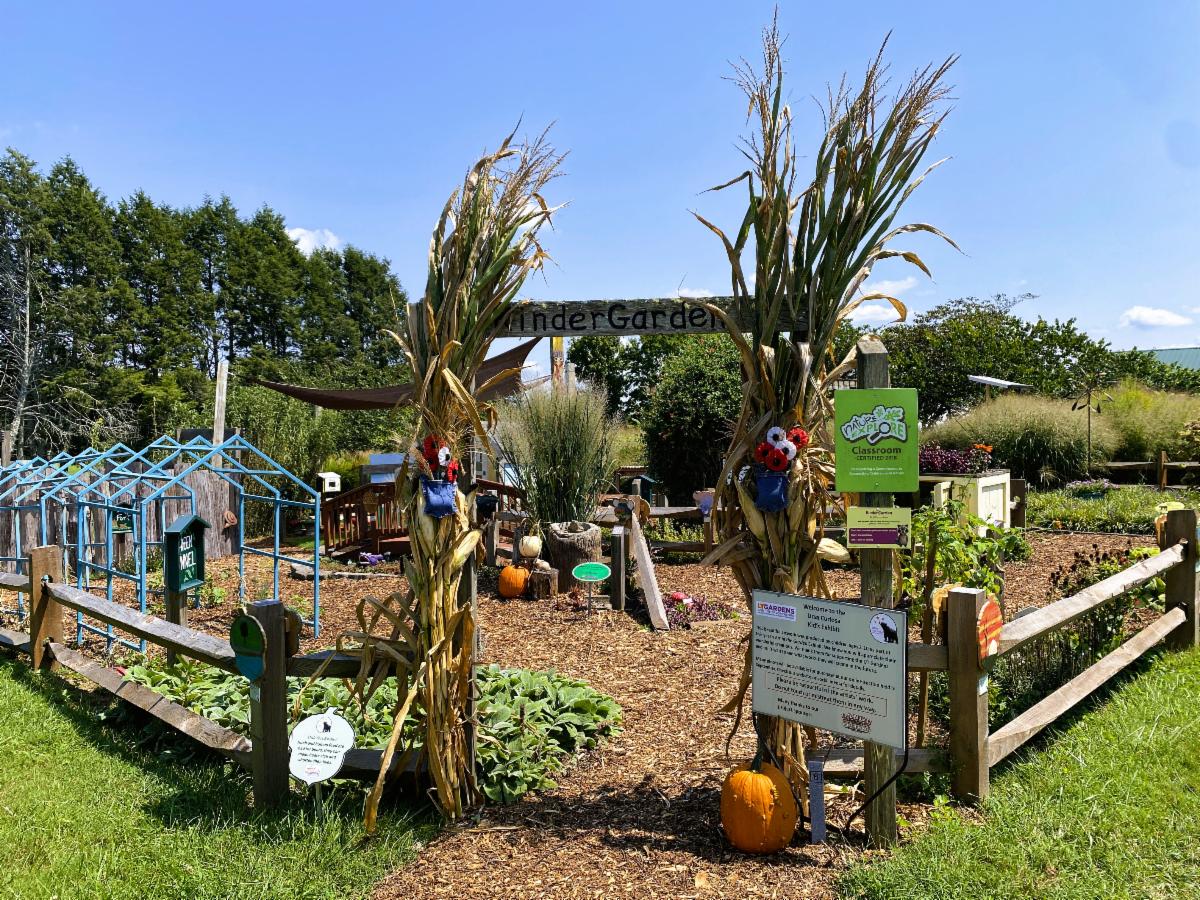
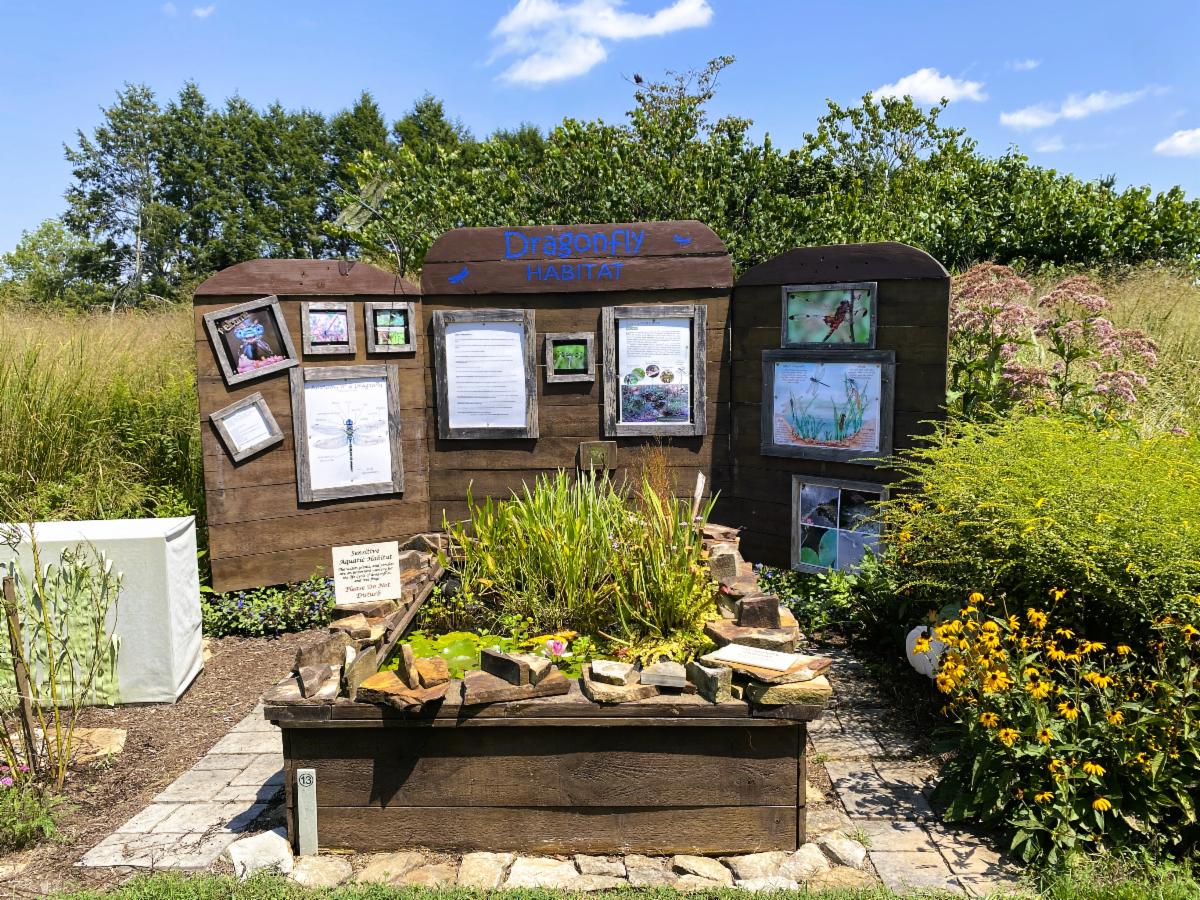
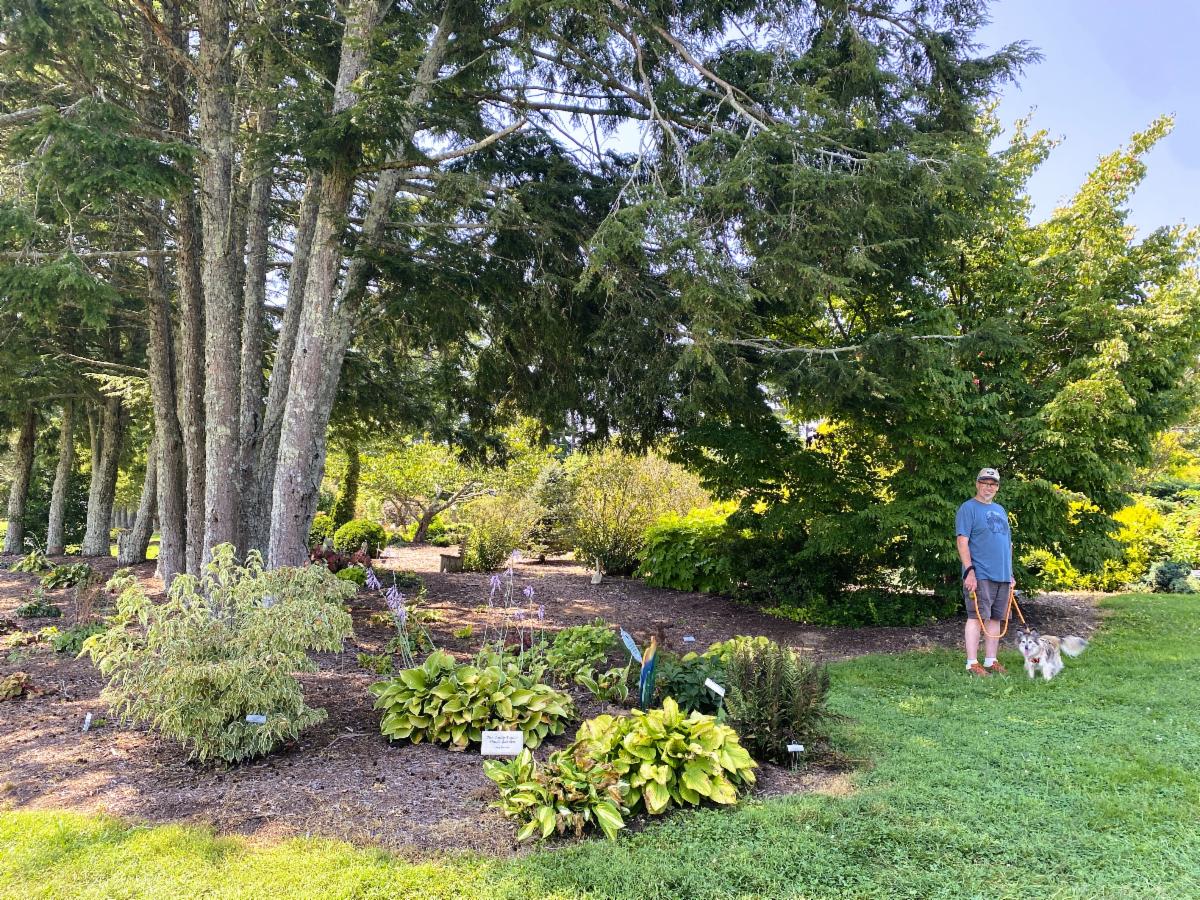
| The Gardens are open during daylight hours 365 days per year. Upon arrival, start behind the brick ranch that houses the gardens' offices, and look for a red birdhouse. Inside, you'll find a visitor's guide and map, as well as other informational flyers and brochures. Next to the red birdhouse, you'll also find a raised deck that serves as a shady place to sit and plan your exploration. Visitors who would prefer a guided tour of the Gardens, or a combination tour including the UT Plateau AgResearch and Education Center, may schedule one by calling their office at 931-484-0034. | The Gardens undulate over a gentle slope of several acres. Clusters of gardens with a specific focus are scattered about in an arrangement that feels natural and uncluttered. Some, like the Andy-Taylor Shade Garden and the adjacent Tree and Shrub Garden, are early projects of previous interns and Master Gardener classes that are now well established and provide respite from the heat and sun during a summer visit. Others, such as the Hardy Hibiscus Trial plot, are newer additions to the Gardens. | While we enjoyed wandering through all of the distinct gardens, some of my favorites included those that teach and inspire the youngest generation. The KinderGarden, installed in 2015, is an interactive space designed with visitors ages 3 to 7 in mind. In 2018, it was certified as a Nature Explore Outdoor Classroom. Installations are all kid-sized, inviting visitors to learn through play--digging, planting, observing, and imagining. Elements focus on exploration through music and movement, imaginative play in forts and a pavilion, creative expression through art and construction, mindfulness through a labyrinth walk, and more. | Not far from the KinderGarden, visitors will find the Dragonfly Habitat, another recent addition that was designed by Vicki May in 2024. This space is a mixture of plantings and a water feature accompanied by informational installations. This garden teaches the environmental importance of dragonflies and their habitat. It also serves as an example of what you can do in your own yard to attract this beneficial insect that devours mosquitos. | |
As you stroll through the gardens, you'll notice creative works of art featuring black bears. These art pieces are part of Ursa Curiosa: A Garden Art Exhibit. The exhibit is twofold, both raising awareness about an important member of their local wildlife community and, upon auction, proceeds to benefit the Gardens.
If, like us, you happen to stop for a visit while traveling through our great state with your furry companion, it's worth mentioning that all UT Gardens are welcoming to well-behaved dogs on a leash. Our dog enjoyed a break from the car to stretch her legs and relax in the shade. She also enjoyed all of the new sights and smells! Just remember, please clean up after your pet, and leave nothing but footprints.
| For more information about classes, events, and visiting, please visit their website here. | | |
The Charlie Miller Butterfly Habitat
by Stacey Haag
| |
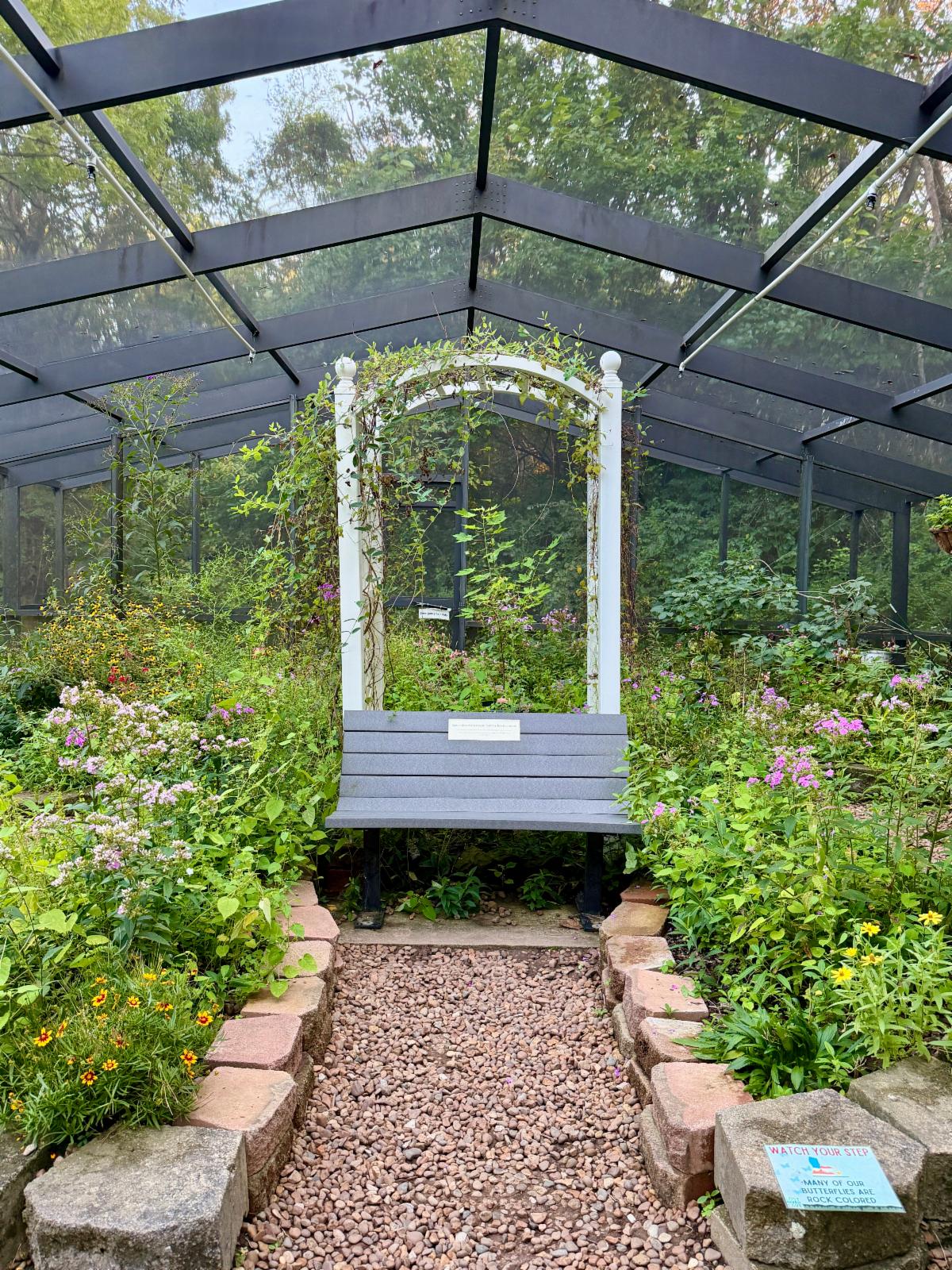
Whenever we find ourselves in Bowling Green, Kentucky with time to spare, we enjoy heading to Lost River Cave for a quick hike. When one of those hikes falls between Memorial Day and Labor Day, we also make sure to visit the Charlie Miller Butterfly Habitat. Our most recent visit was on Labor Day weekend, just before the seasonal enclosure closed.
"The Charlie Miller Butterfly Habitat is a free seasonal experience where visitors can slow down, explore, and connect with nature. Surrounded by native Kentucky butterflies and the plants that sustain them, guests of all ages can witness the wonder of a butterfly’s life up close while discovering the important role pollinators play in our world."
The habitat was built by the Bowling Green Junior Chamber International Senators -- commonly known at the Jaycees -- in 1997 and named for one of their own who had passed away the previous year. Over the past three decades, thousands of guests have visited and learned of not only the benefits of these pollinators but also their plight. The habitat's mission is to educate and enrich lives through connections with nature.
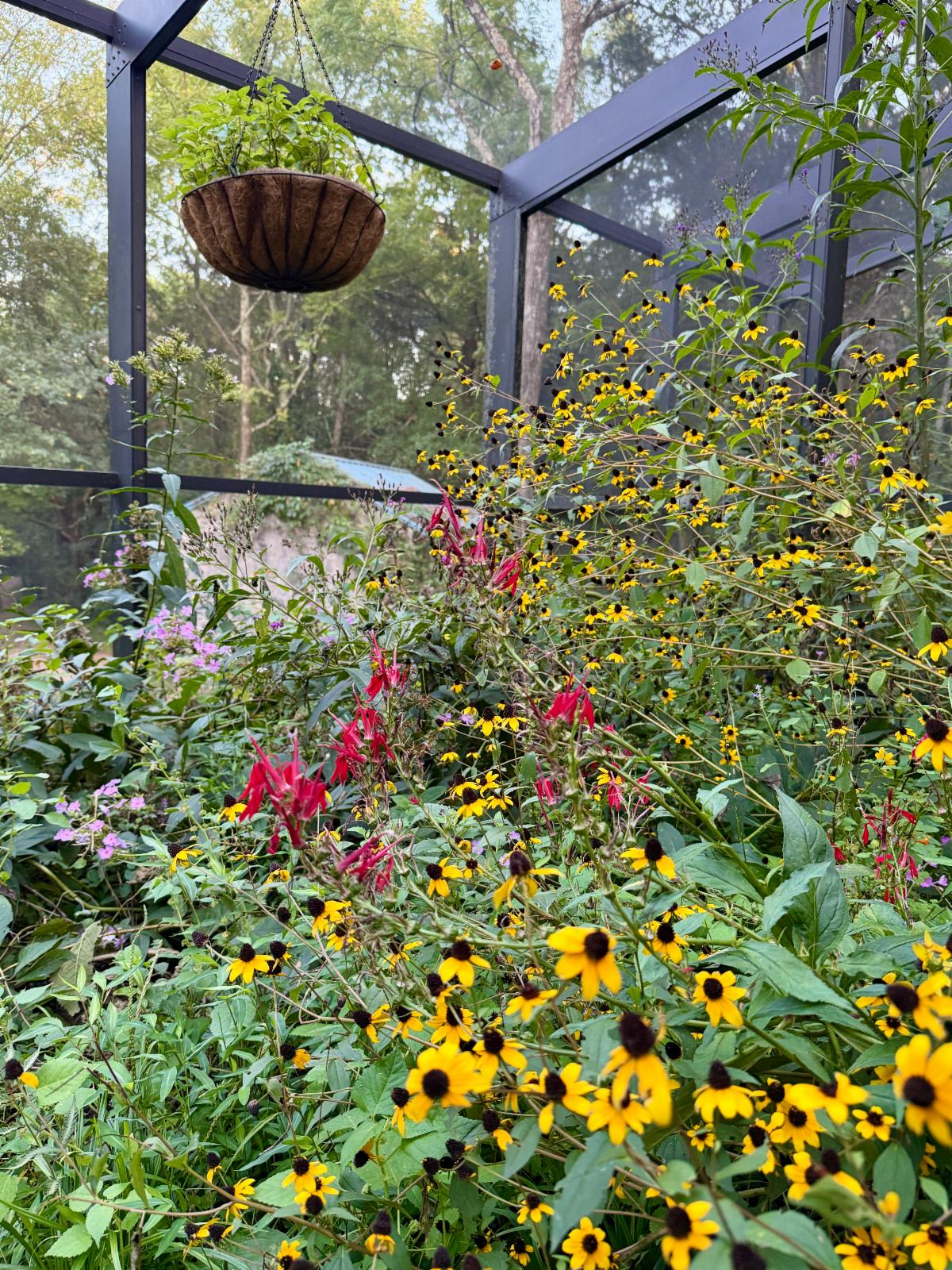
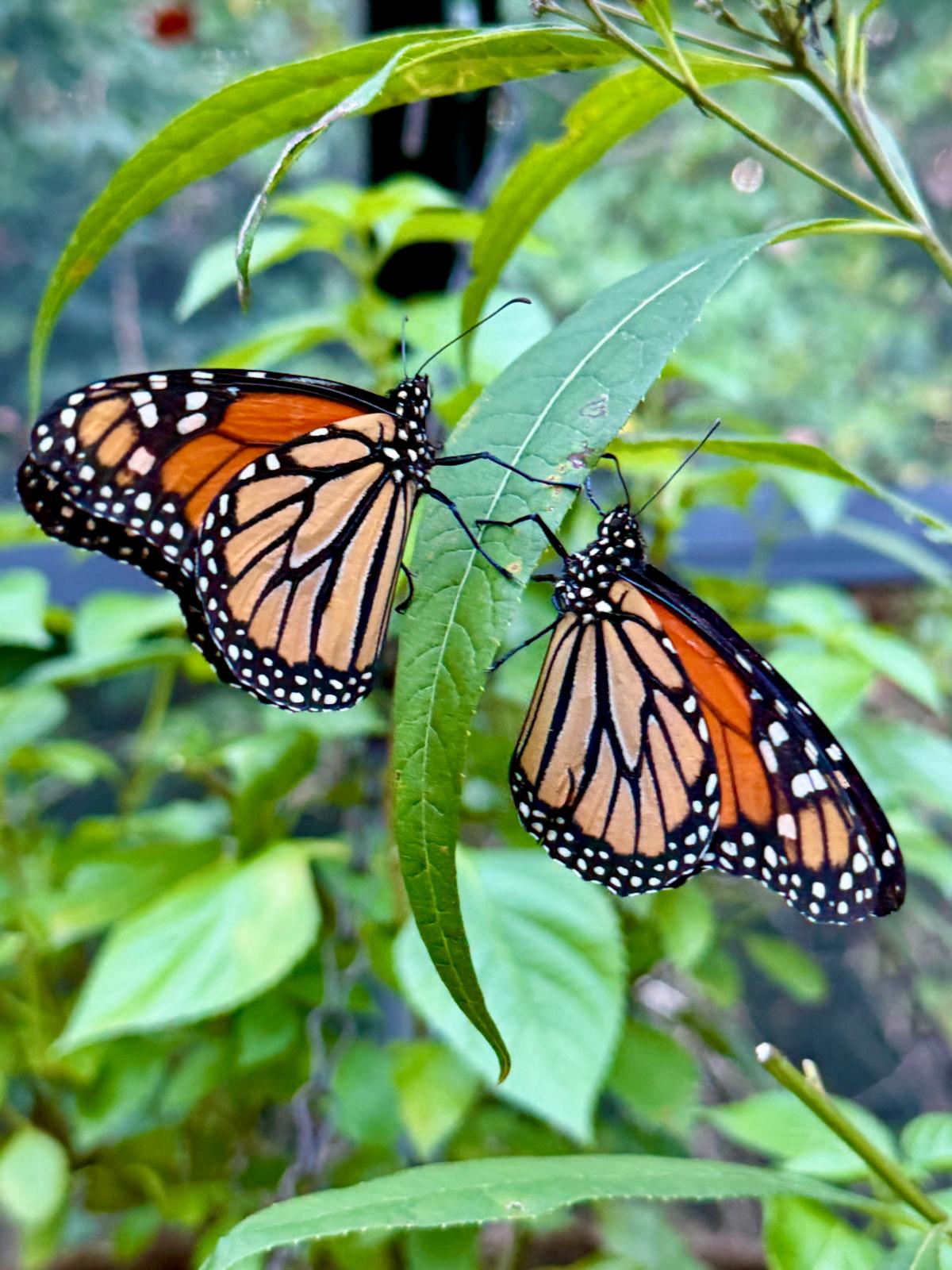
Besides their work to support the native butterfly species in Kentucky, this habitat also serves an education in the native plant species that support a butterfly's life cycle. Visiting gardeners enjoy the habitat just as much as avid lepidopterists.
Lost River Cave hosts occasional events to support the habitat, including butterfly releases. For more information on how to support the habitat or when to visit, please visit their website here.
| | |
In Search of Pawpaw
by Stacey Haag
| They are said to have sustained Lewis and Clark during a severe food shortage on their journey west, provided a quick, foraged snack for freedom seekers during escapes along the Underground Railroad, been enjoyed as prized cultivation on the historic estates of George Washington and Thomas Jefferson, and inspired the traditional Appalachian folk song, "Way Down Yonder in the Pawpaw Patch." With such a storied past, I couldn't help but wonder: "What had become of the pawpaw's former glory?" | |
As an avid hiker, I have silently wished to stumble over a ripe pawpaw fruit during a September or October hike. It hadn't happened yet, partially because I'm a firm believer in staying on-trail during hikes to protect native species and fragile ecosystems. The other dilemma is that the local wildlife doesn't share the same affinity for staying on-trail, so they beat me to ripe fruit every time. I've decided that's fair, especially since they aren't allowed to shop the aisles of my local Kroger and need the calories more than me.
National Pawpaw Day is celebrated on the third Thursday each September. Imagine my surprise when I saw "Pawpaw Day Hike" printed in bold letters under the upcoming events on a local state park's website. I couldn't sign up fast enough!
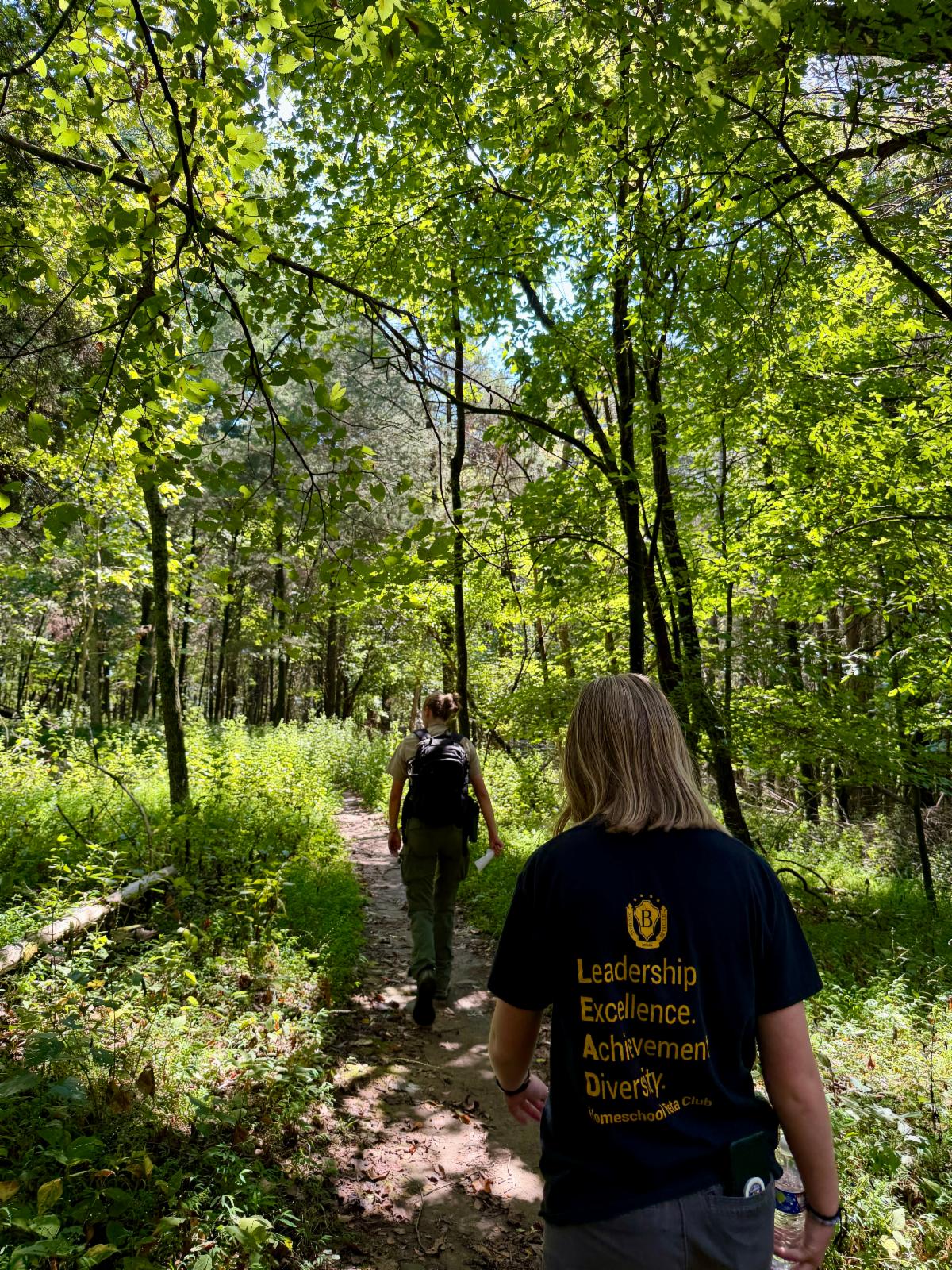
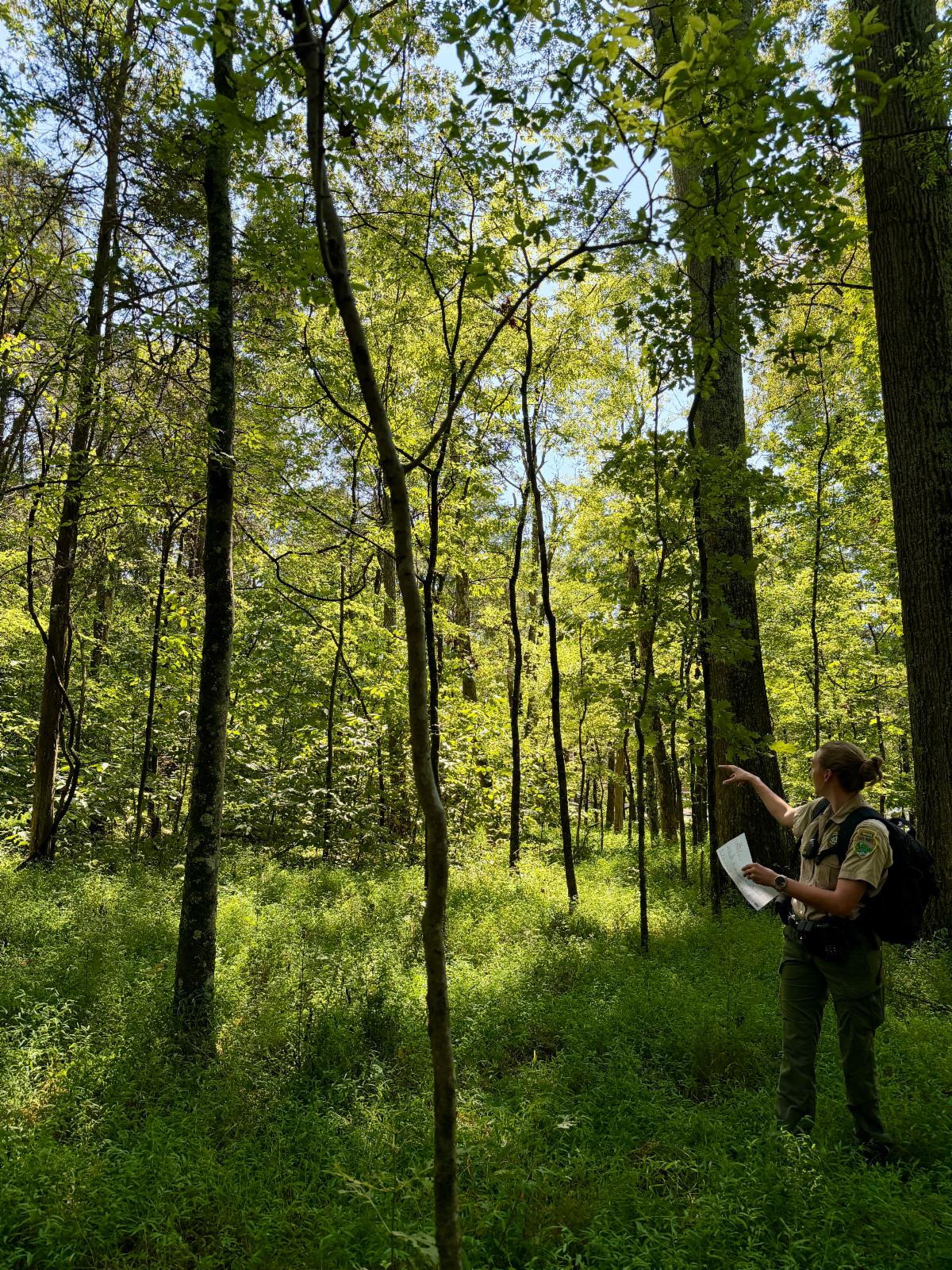
My daughter accompanied me on the ranger-led hike on a hot afternoon, and we set off into the forest, on-trail, mind you. The ranger was enthusiastic as we ventured, telling us that she had been checking over the previous week to make sure we would find ripe fruit along our designated path.
| |
We approached the first grove, our mouths anxiously salivating. The ranger stepped into the thick of invasive Japanese stiltgrass and our eyes began to search above her head. As we did so, she explained why many hobby growers don't have luck with their trees fruiting. As a deciduous, native, understory tree, they are picky about light, most often thriving in dappled sunlight. They will tolerate periods of wet soil, but prefer not to keep their feet wet. They also prefer acidic soil, so they can often be found near pine trees. Okay... Check, check, check. But why weren't we seeing a single fruit in an entire grove?!
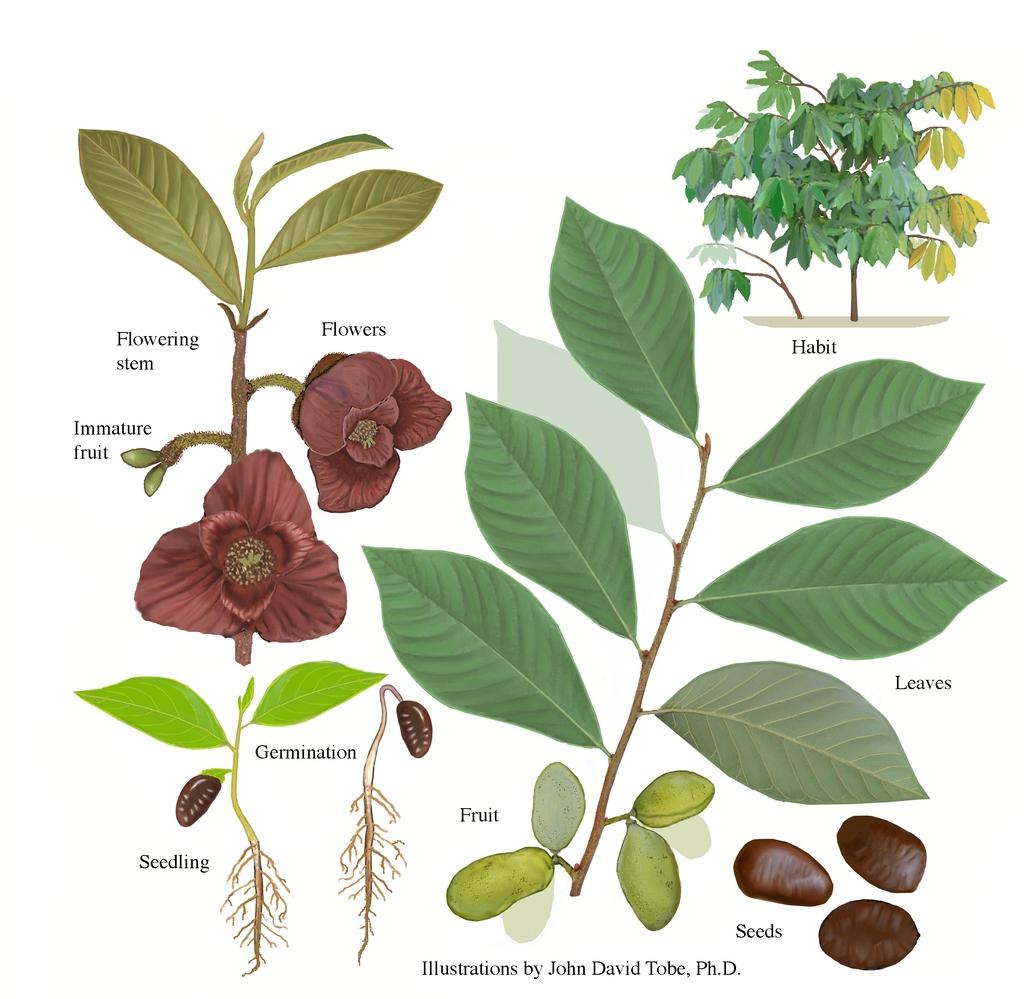
Pawpaw trees are self-incompatible. What does that mean? While their flowers contain both male and female reproductive parts, a genetically different pollinator is required for fruit production. And that grove full of trees spanning a diameter of 50-feet before us? All of the trees were genetic clones. Individual pawpaw trees within a grove connect underground through an intricate root system, meaning that each grove acts as a single clonal organism. For such a grove to fruit, pollen from another grove would need to be introduced.
Pawpaw flowers also rely on fewer, less efficient pollinators. Since they have the odor of rotting meat, they require pollination from carrion flies and beetles. Bees are not interested in this pollinator gig! The tree does, however, serve as an important food source for the zebra swallowtail, official state butterfly of Tennessee.
| |
We continued on our hike, making our way up hills left slick by the previous day's thunderstorm. We didn't have luck at the next grove either, but we may have spied the reason why. A family of white-tailed deer were visible in the forest not far away. While the leaves and bark of pawpaw trees contain bitter, unpalatable compounds that deter deer and other common defoliators, the fruit is highly desirable. As ripe fruit is easily separated from a tree by a gentle shake, it's very likely that the windy storm gave the deer a head start on our foraging endeavor.
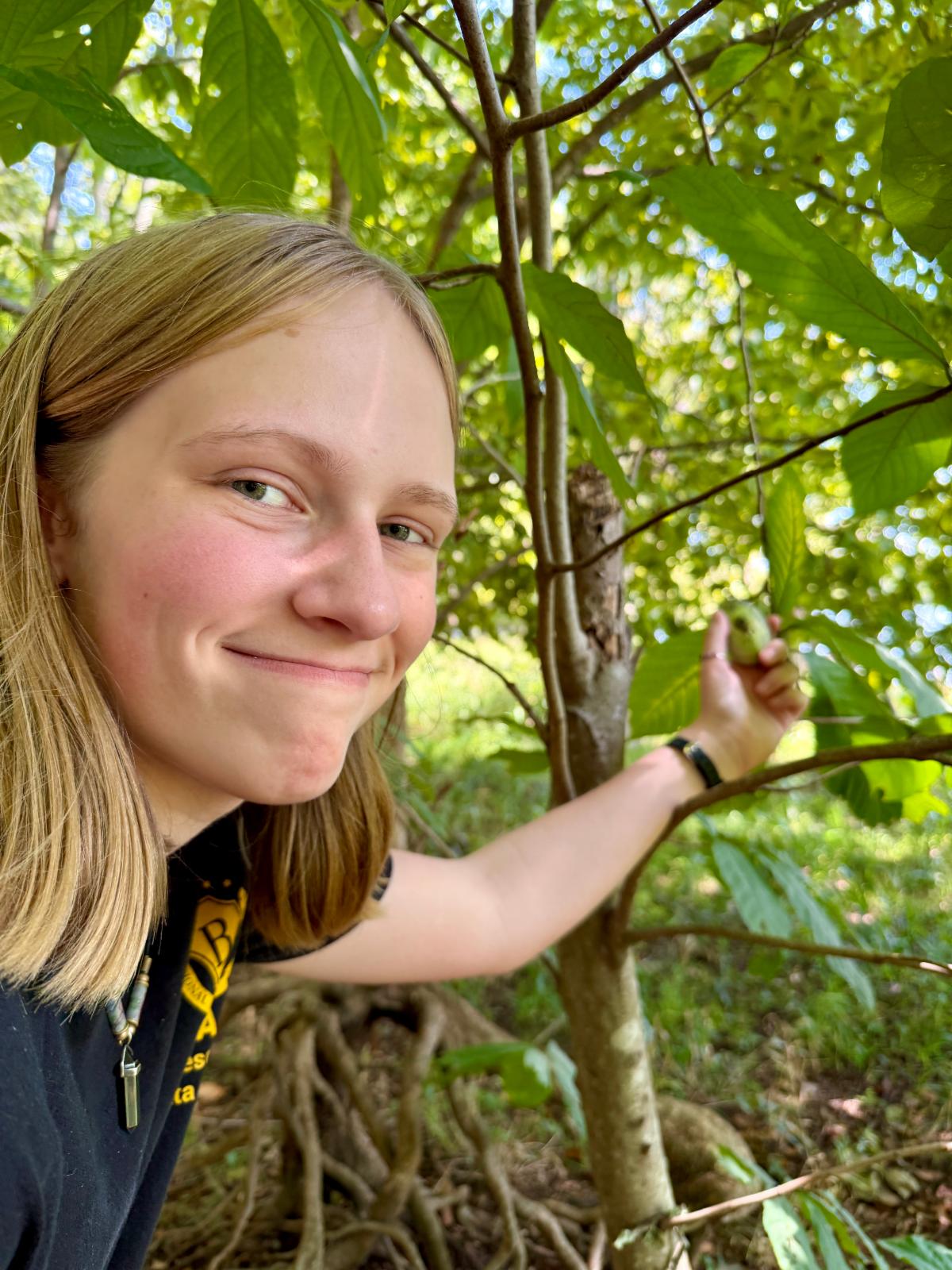
As we approached the hour mark on our hike, we had inspected a few more groves, but all were bare. We switched to a different trail in the park that was at a lower elevation and closer to the water in a riparian zone, an area that the ranger had had luck in during the days prior. After inspecting a few more barren groves, we finally spotted it! There it was, a single fruit hanging low enough for us to reach. Hot and sweaty, on a toasty Tennessee September afternoon, that single, tiny fruit looked like the Holy Grail... until it wasn't. Upon inspection, the fruit was still hard, far from ripe, and an unripe pawpaw will not ripen off the tree. We left it behind for some lucky wildlife to discover in a few more weeks.
| |
We did spot a few more, even larger, fruit nearby; however, they were hanging almost 15-feet above our heads. A gentle shake of the tree told us they too were unripe. Onward we marched.
As we approached the 90-minute mark and almost two miles, the ranger stopped us to share that she had saved the best for last. The grove we were approaching had given her the fruit she had collected only a couple days earlier, before the storm. She had cut and frozen it, just in case she needed a hail mary at the end of an unproductive foraging excursion. She warned us that the frozen-then-defrosted sample would not be as tasty though, so we all carefully inspected the canopy and understory for a ready-to-fall or recently-fallen fruit. Several minutes passed as we all anxiously searched. A false alarm sounded as one was snatched off the ground only to be discovered half-eaten. A forest friend had found it not long before, and we must have interrupted their fruity feast.
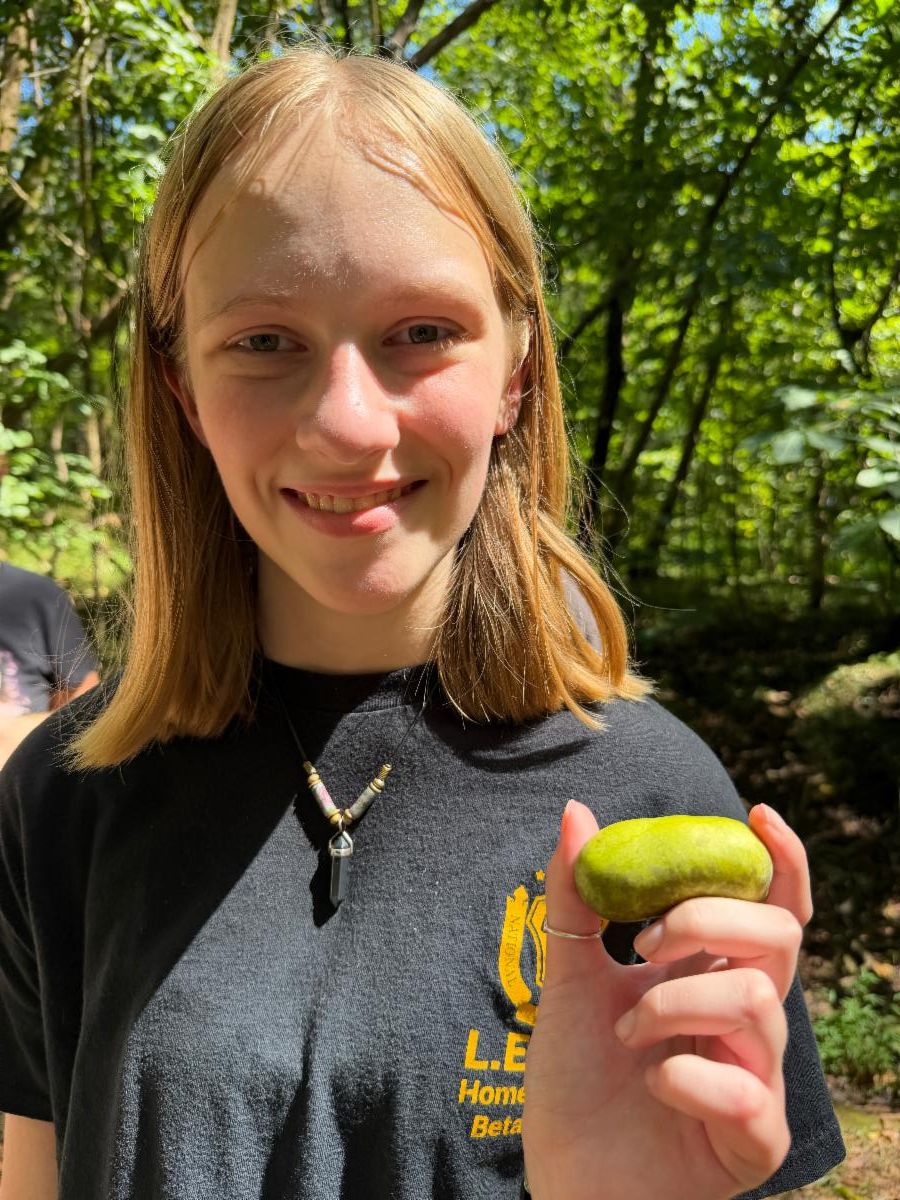
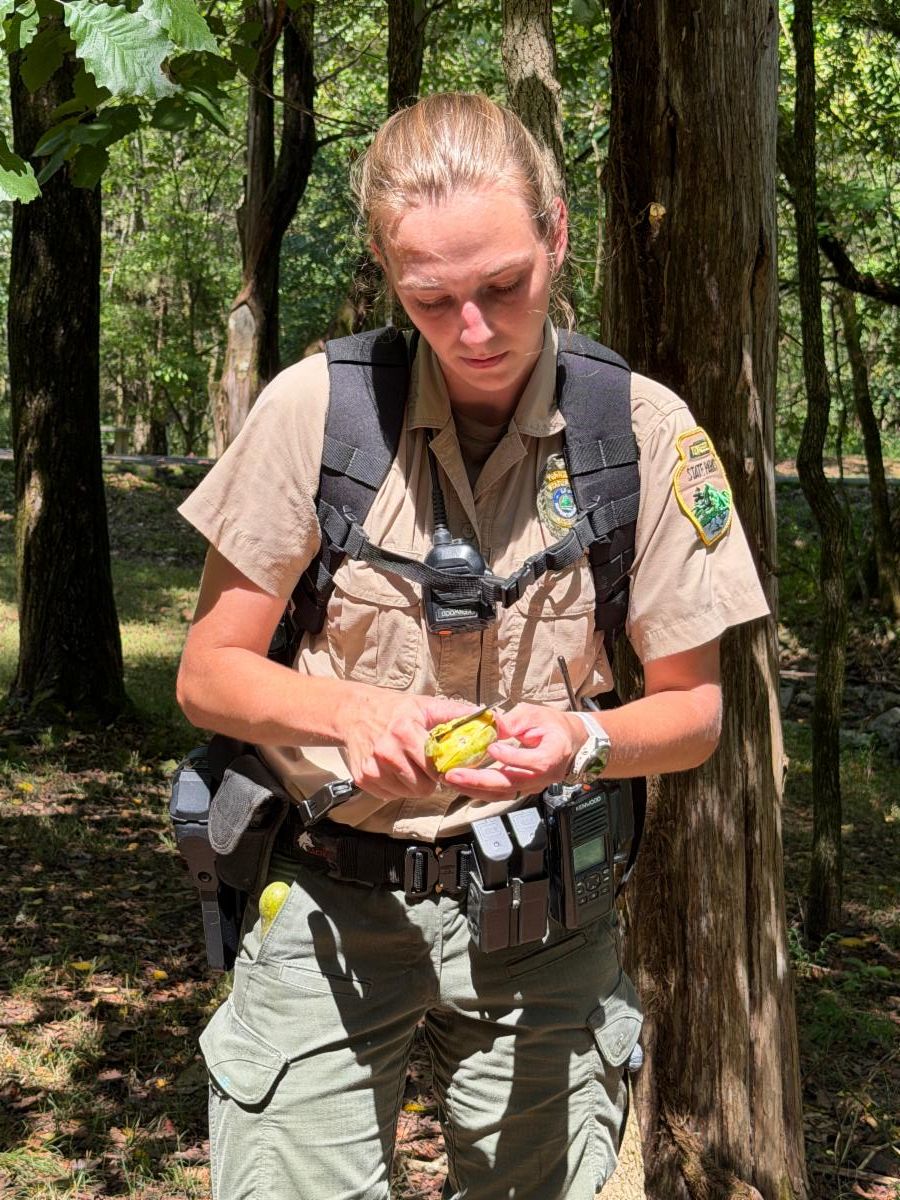
More time passed and we had almost given up hope when two glorious, ripe specimens fell from the canopy! The hikers gathered around as the ranger produced a knife and began to cut around the numerous sizable seeds to divide the flesh. She passed out samples to tired, parched hikers who gazed upon the slippery yellow-orange slivers as if they were a full Thanksgiving spread. Most people enjoyed the taste; a few were surprised, but I heard no complaints.
| |
People usually agree that pawpaws taste like a tropical mix of mango and banana. Some think they also taste a mix of pineapple, others melon. However you describe it, pawpaw is the largest edible fruit native to North America. Once off the tree, the fruit spoils quickly, so it's not very marketable. When the flesh is exposed to air, it quickly oxidizes and turns a rusty brown color. Some of the hikers shared stories of their grandparents preserving the delicacy for as long as possible by making bread (in a similar fashion to banana bread), preserves, and even ice cream. A couple others mentioned coming across them on rare occasion at a farmers' market.
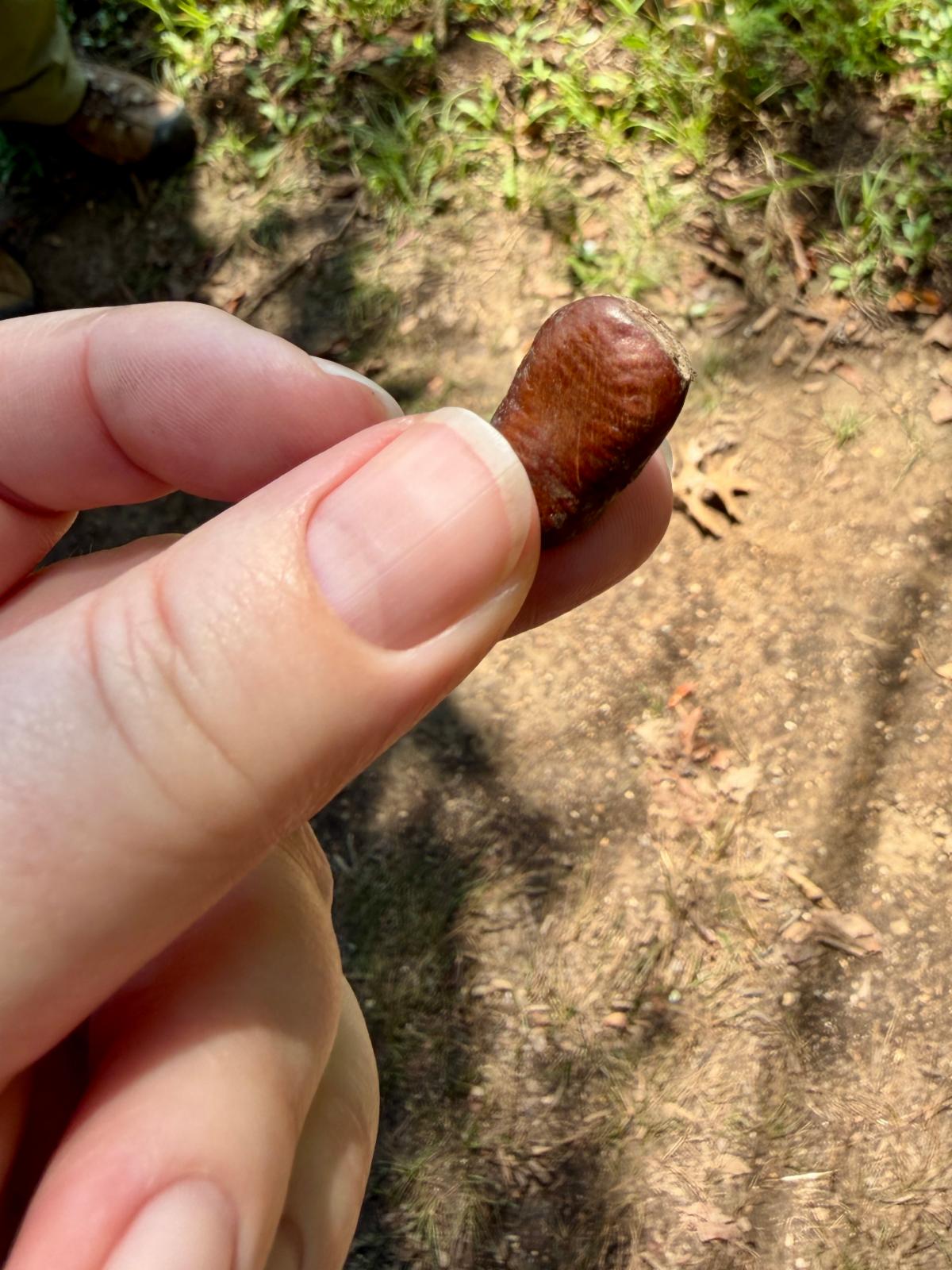
The ranger was kind enough to share the leftover seeds with me, so I took them home to clean and dry. Now, I'll just need to find seeds from a genetically different grove to plant in another area of our property to even wish for the future possibility of fruit -- also dappled sunlight, acidic soil, a riparian zone, carrion-loving pollinators... Come to think of it, perhaps I'll just stick to hiking and foraging.
| | |
Profiles in Gardening...
Juliet Harris
| |
Name?
Juliet Harris
Why did you become a Master Gardener?
After about 4 years of gardening on my own, asking questions, along with YouTube research, I decided to become a Master Gardener to enhance my knowledge and skills in gardening, not only with vegetables but also flowers.
What types of gardening are you most interested in?
Vegetables are my first choice, then flowers.
What are two of your favorite plants?
Since I love vegetable gardens, my favorites are potatoes and loofahs. For flowers, I love bromeliads and zinnias.
What is your favorite thing about Master Gardeners?
My favorite thing is meeting other Master Gardeners and learning new things from their experience.
What other hobbies or interests do you have?
Church ministries, martial arts, and working out.
Where, other than Robertson County, have you lived & gardened?
Robertson County is the only place I’ve ever gardened.
How did you first become interested in gardening?
I started gardening during COVID in 2020. Not knowing a thing about what to do, I prayed and asked God if He was sure that gardening was what I was supposed to do. The answer was YES! So, I started from scratch, like I was baking a cake, where you put a little of this and a little of that, mix it up, and plant. My veggies started growing!
In addition to gardening, do you have experiences, skills, or interests that you would like to practice in the Master Gardeners?
Robertson County Master Gardeners is a great association that, I think, people are not fully aware of the amazing things we do. I'm interested in thinking of additional ways to publicize and advertise Highland Rim, as well as other volunteer activities that we are involved in.
What are two interesting things about you that we don’t know?
I play drums and tambourine in church.
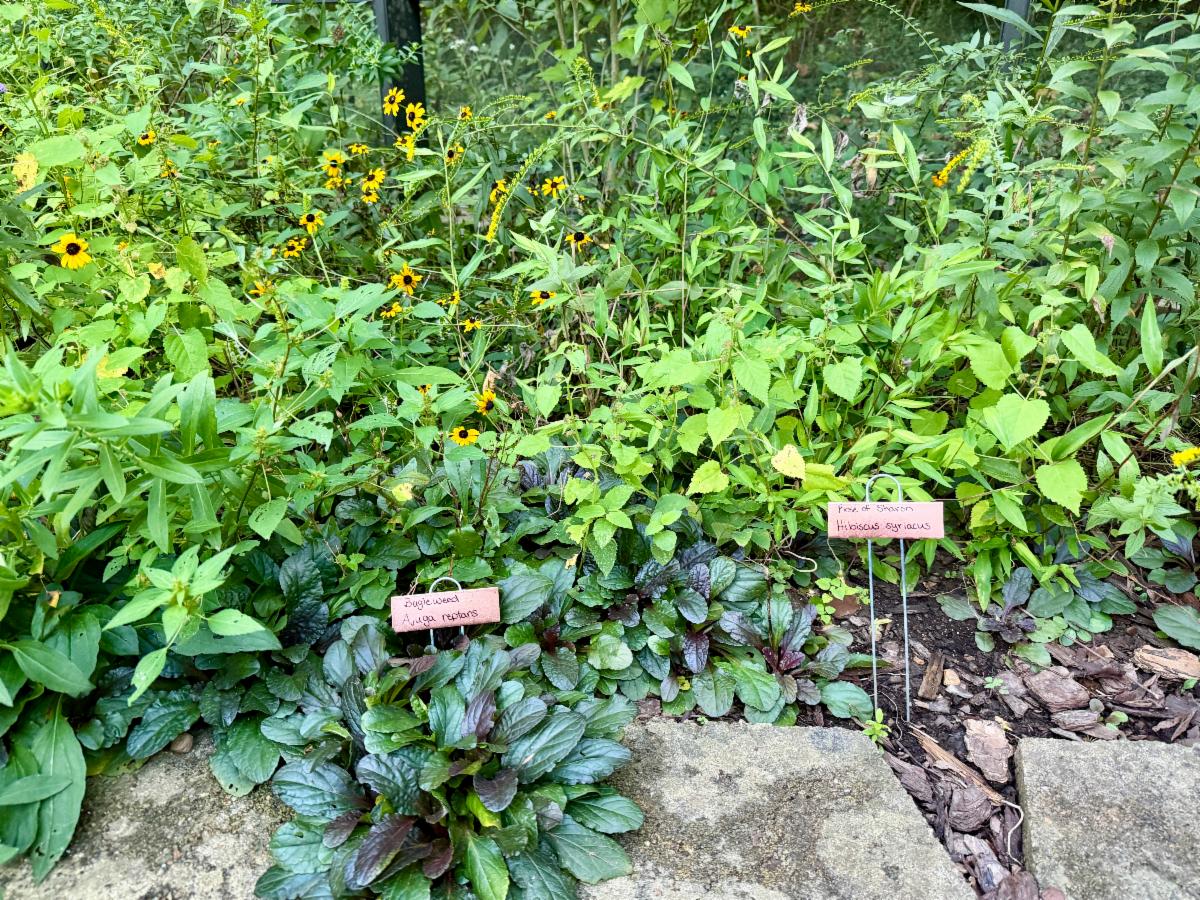
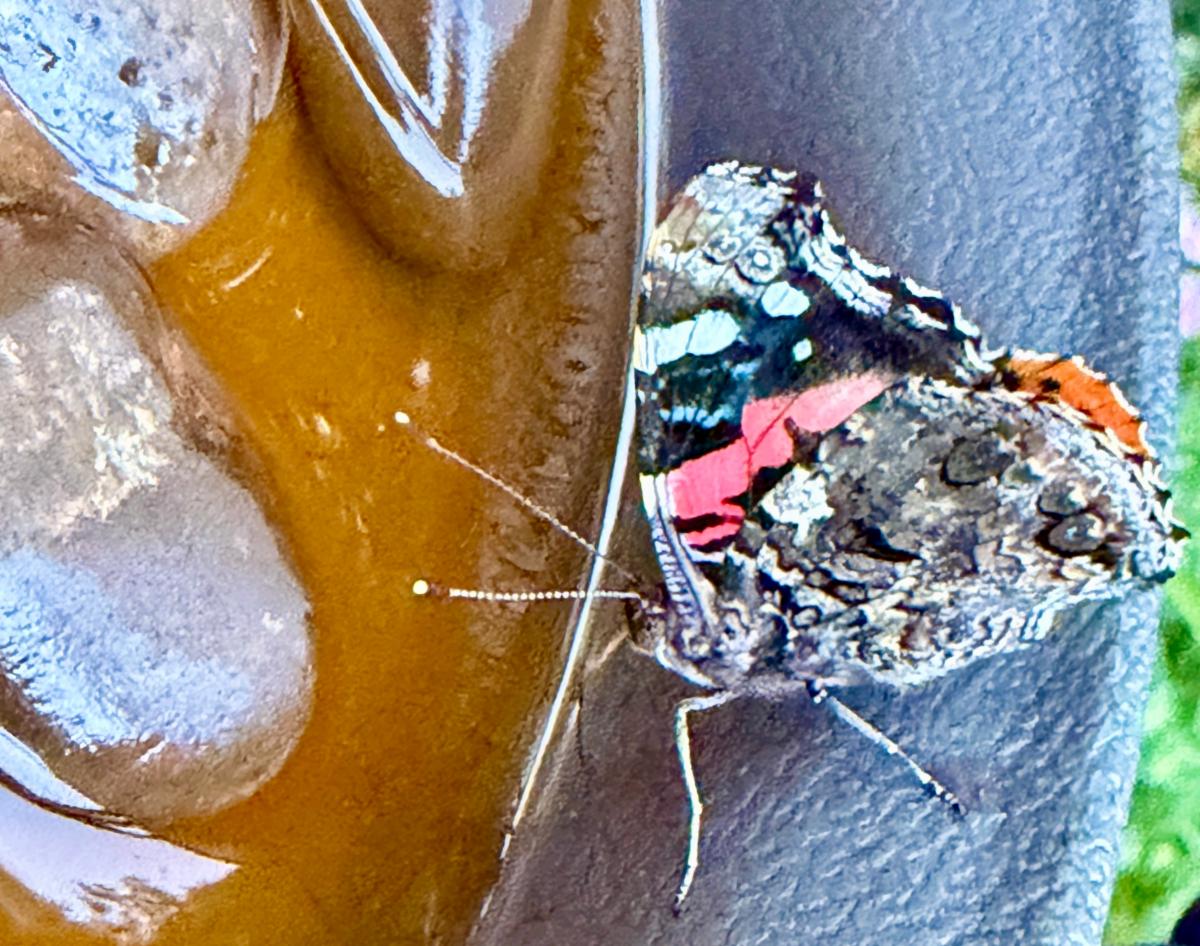
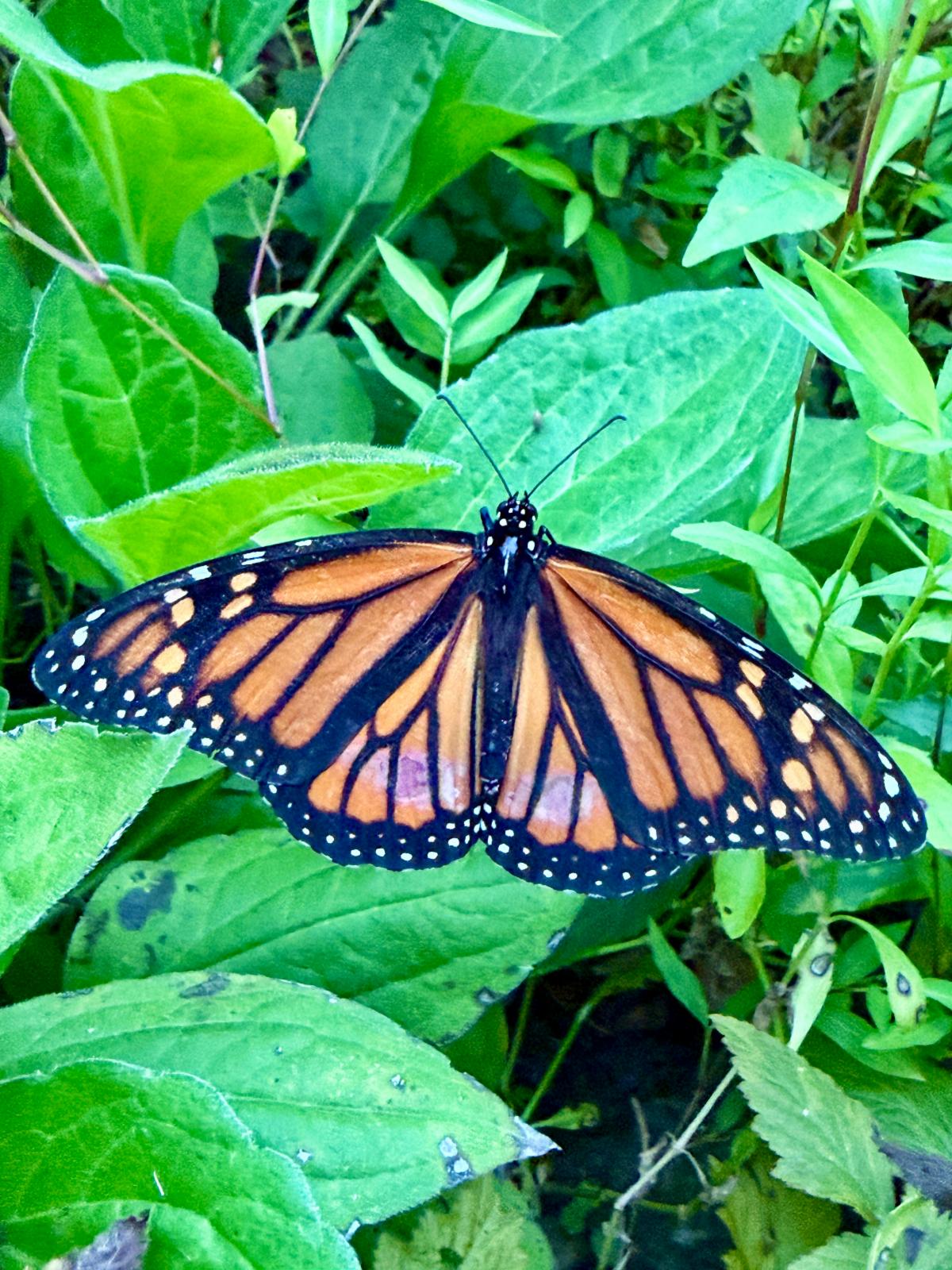
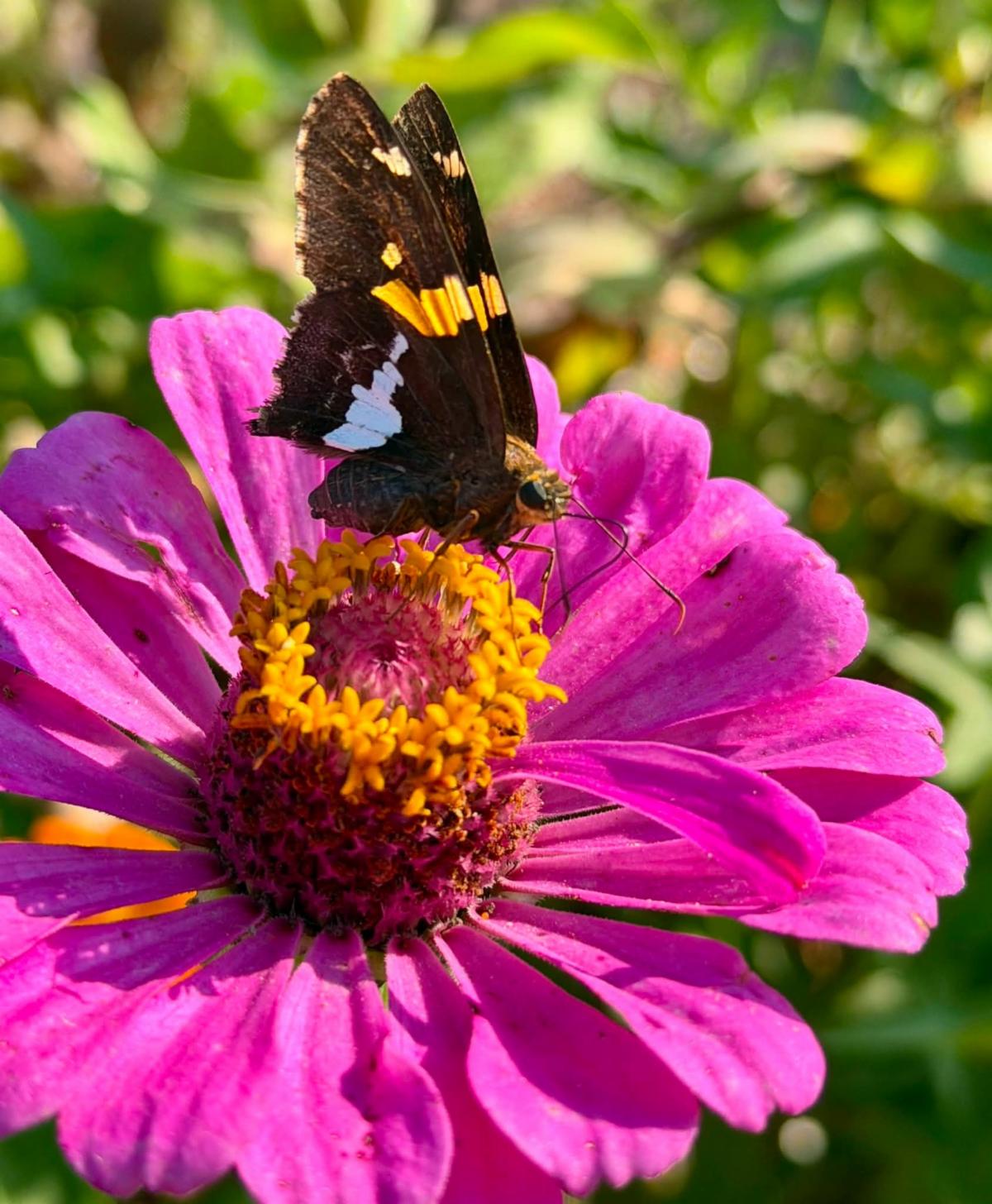
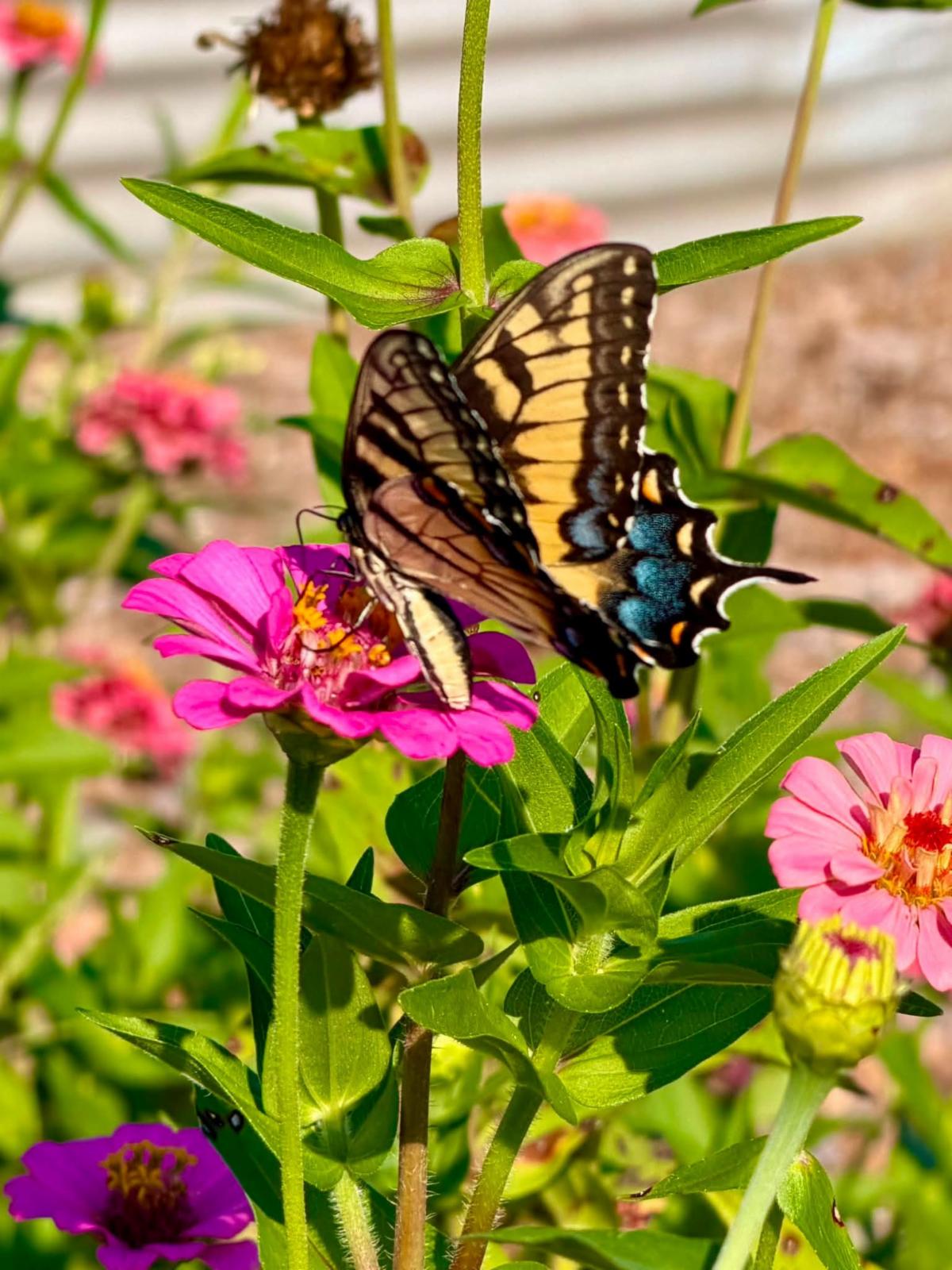
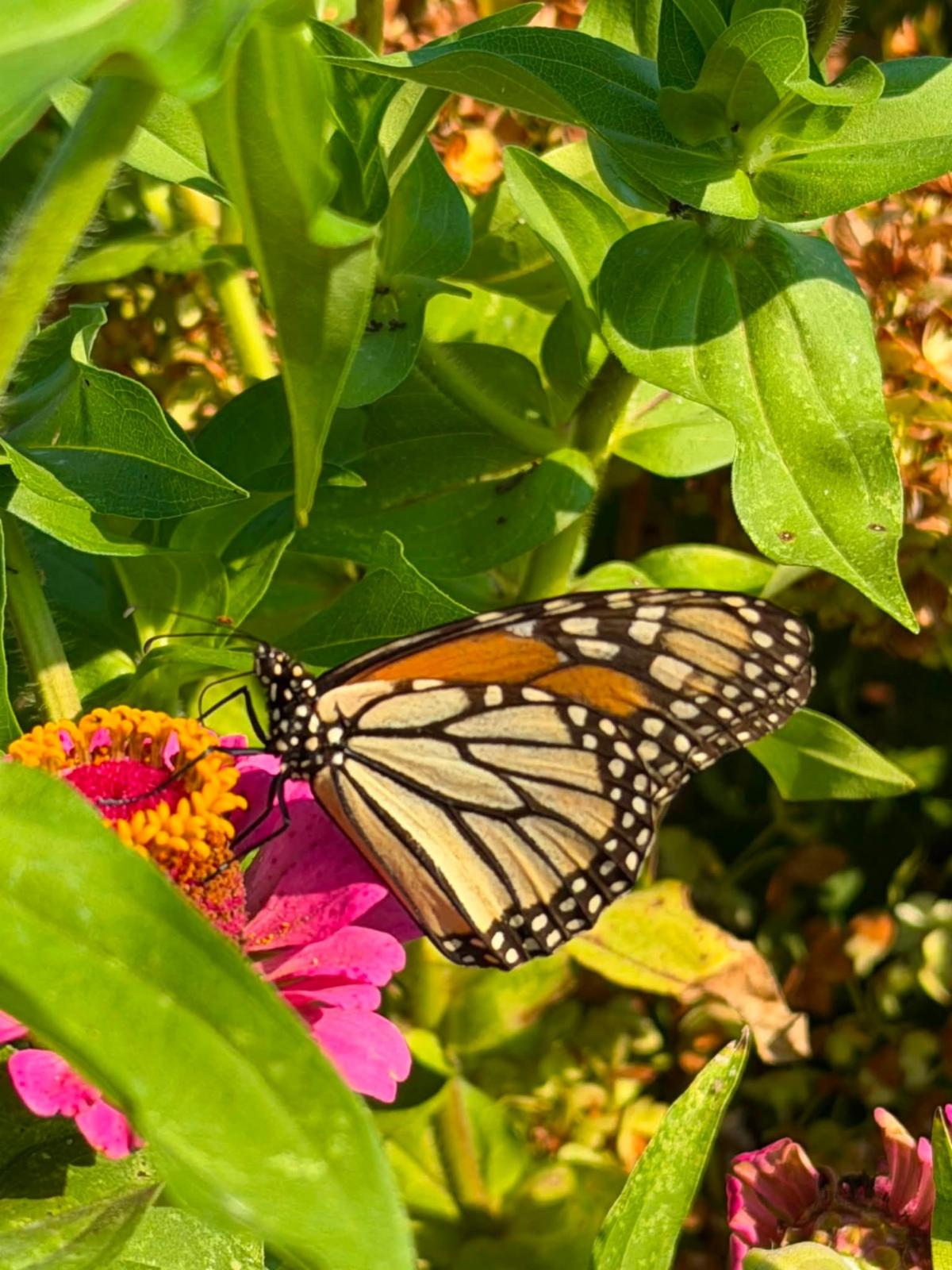
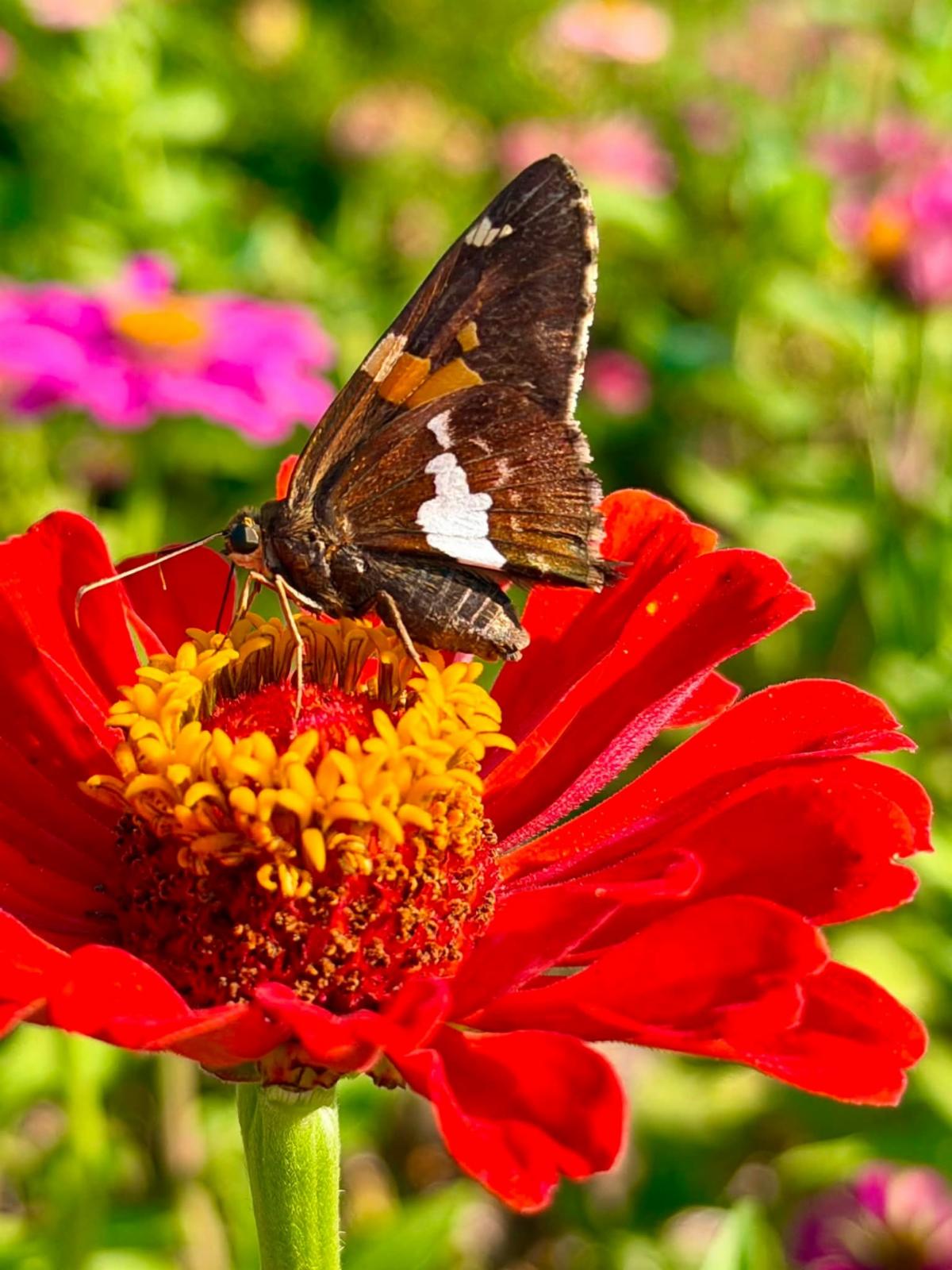
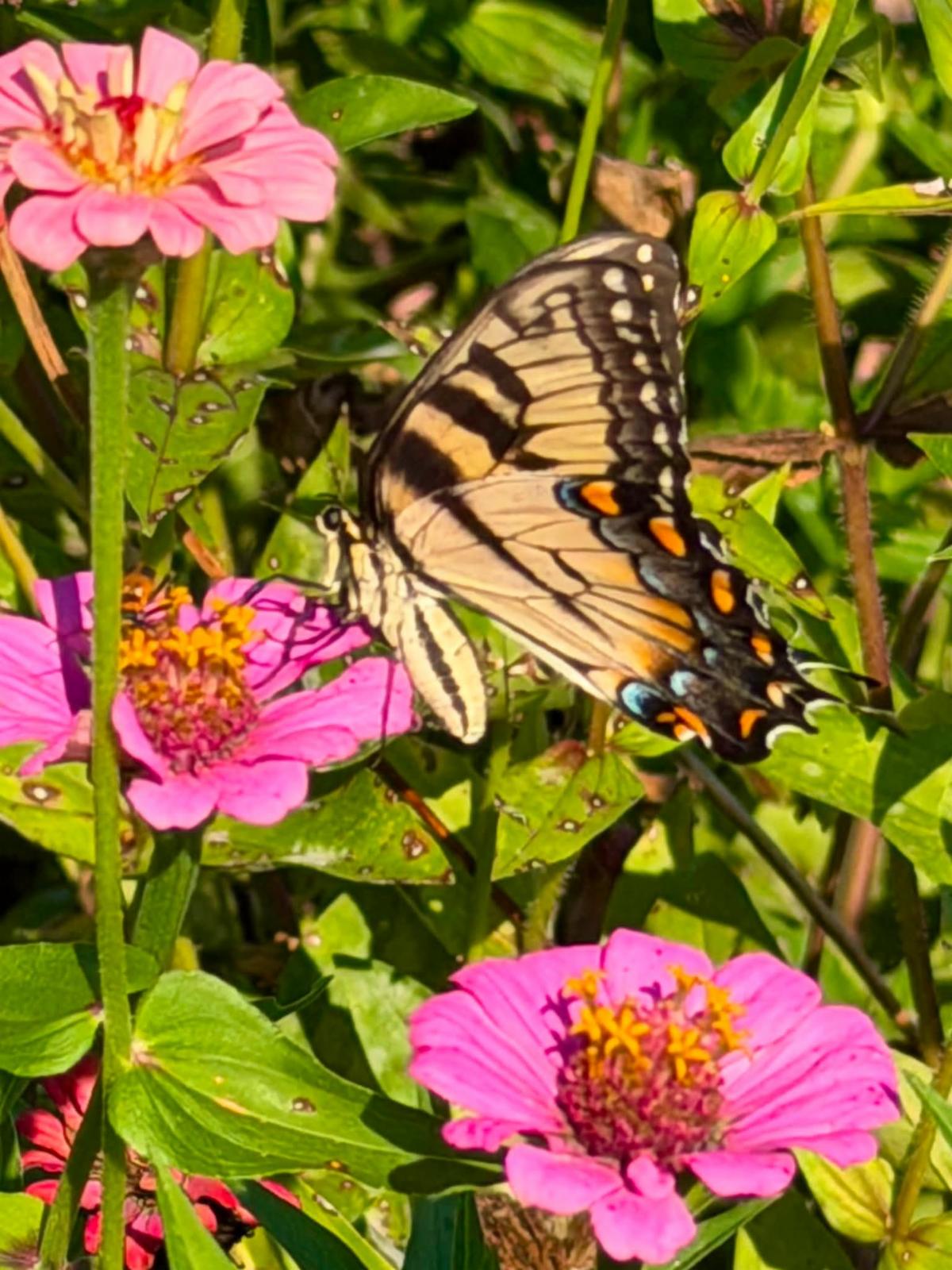
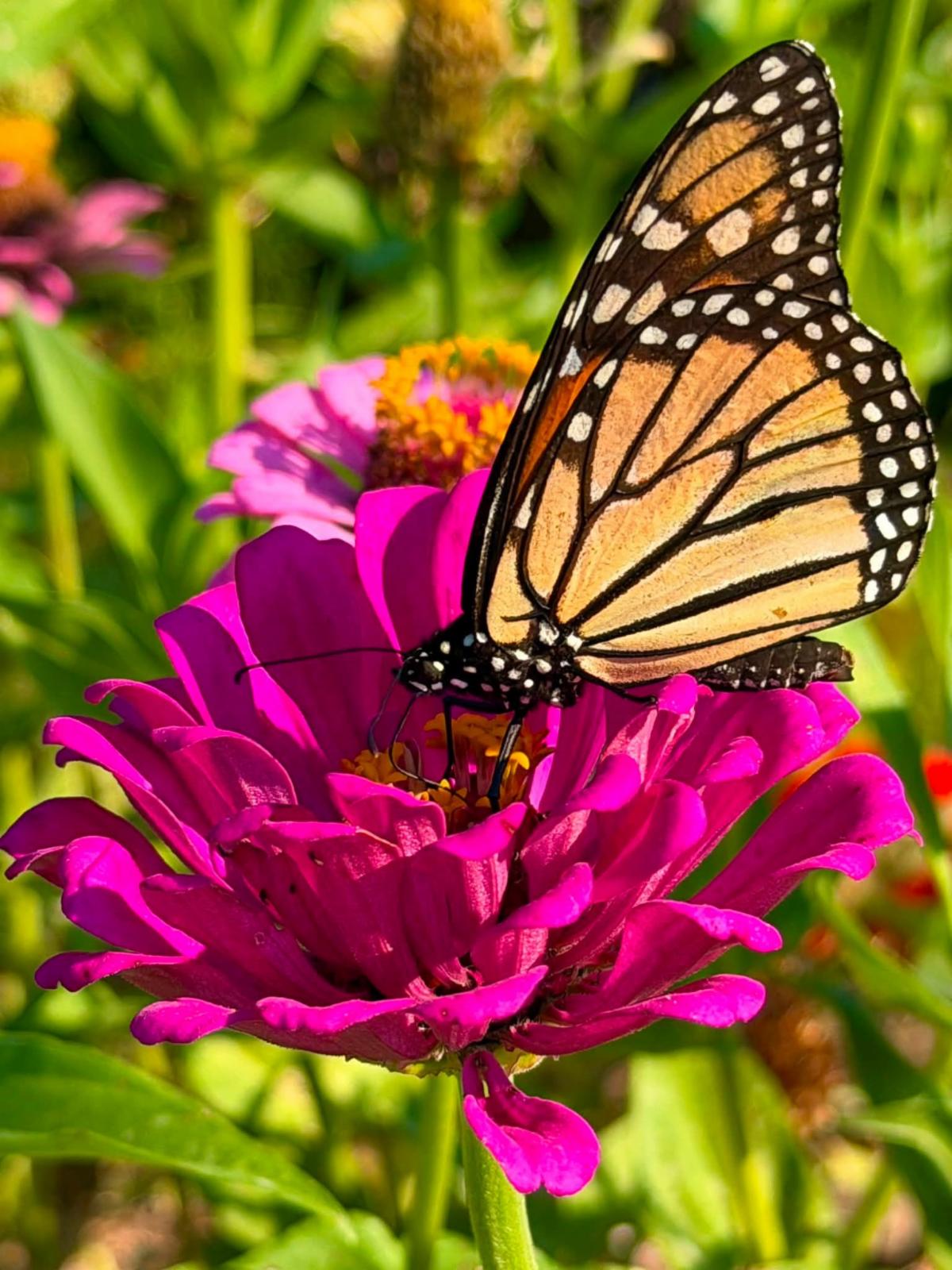
| | Butterflies Visit Highland Rim | | Do you receive Tennessee's UT Extension Master Gardener newsletter? They send out 4-6 newsletters per year. If you'd like to be in the know, click HERE to sign up! | | |
|
Contact Us
President:
Beth Hannabass
(615) 943-2078
bhannabass@comcast.net
Vice President:
Alison Spackman
(530) 906-3463
alisonspackman@gmail.com
Secretary:
Rachael Ragland
(469) 865-0182
rragland7700@gmail.com
Treasurer:
Amy Burnette
(615) 351-1215
amyb.premier@gmail.com
| |  |
|
Master Gardener Coordinator:
Bob Ary
(615) 384-7936
bobary@utk.edu
Webmaster:
Kathy Doss
(615) 636-5410
toprocktn@gmail.com
Facebook Administrator:
Shawn Herman
(615) 948-4376
buerger48@outlook.com
Instagram Administrator:
Kendall Simmons
(423) 314-4712
kendallsimmons2@gmail.com
The Leaflet Editor:
Stacey Haag
(615) 389-4663
binarychick@comcast.net
| | |
Robertson County Master Gardener Association | | | | |