|
Have you ever noticed just how impressive the teeth of orangutans and chimpanzees can be?
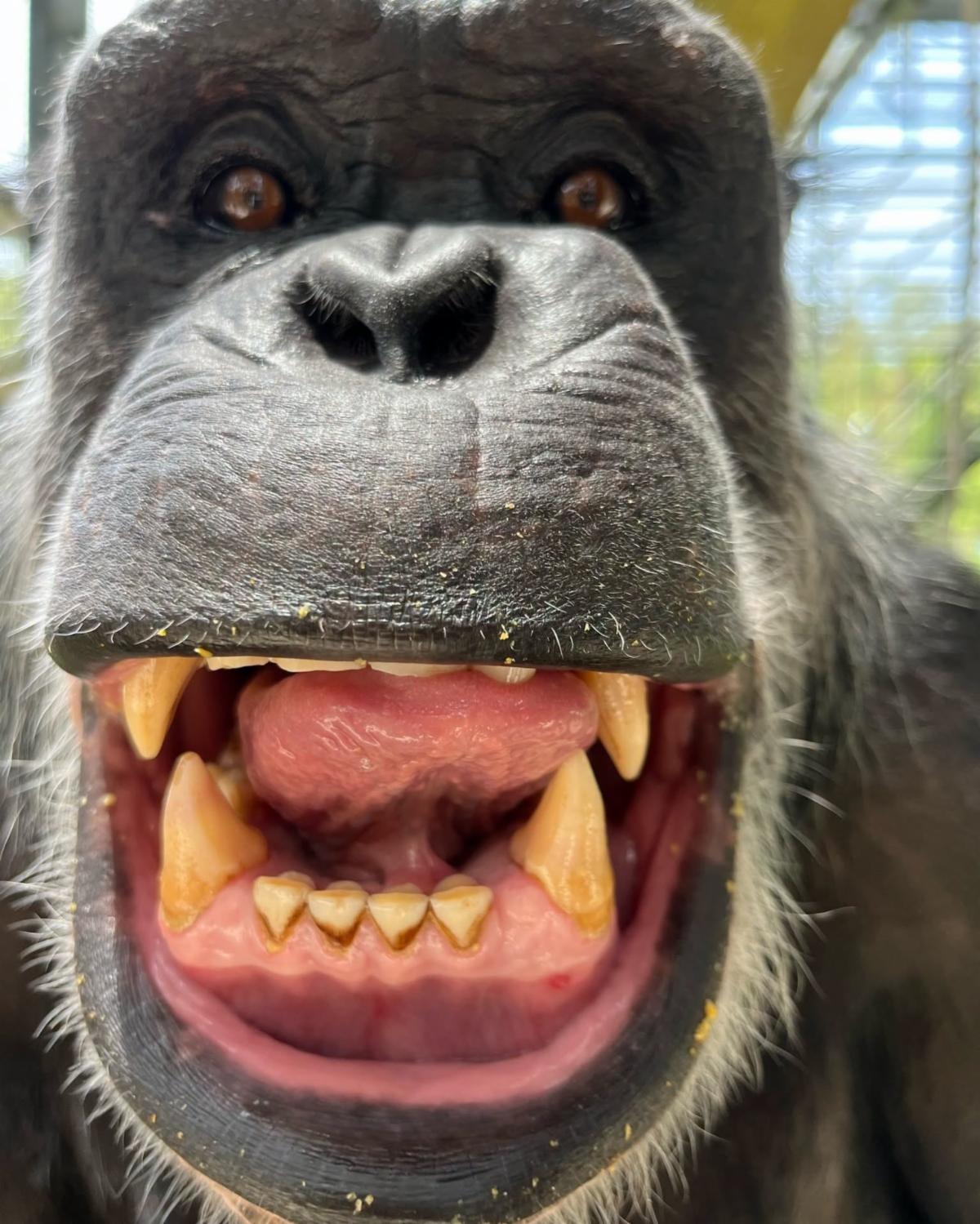
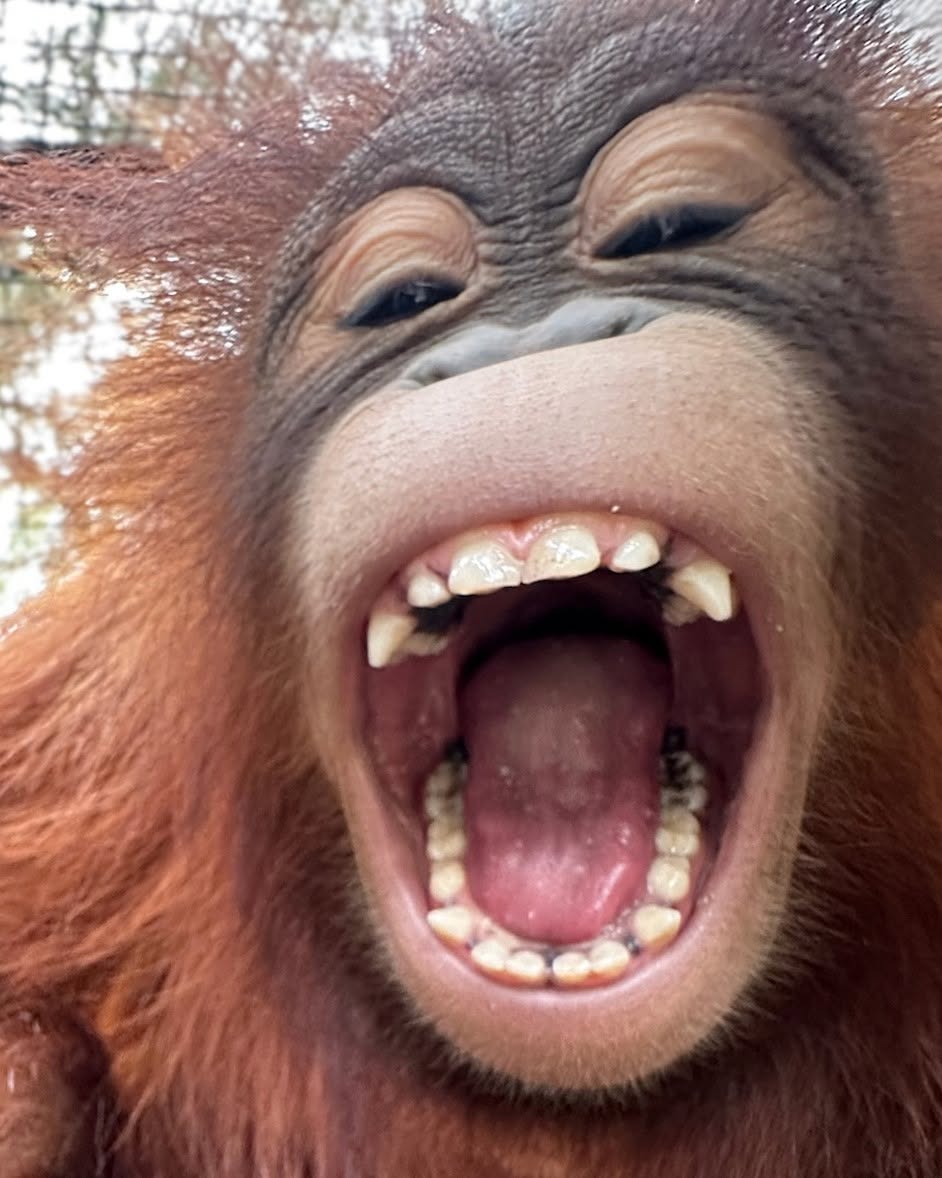
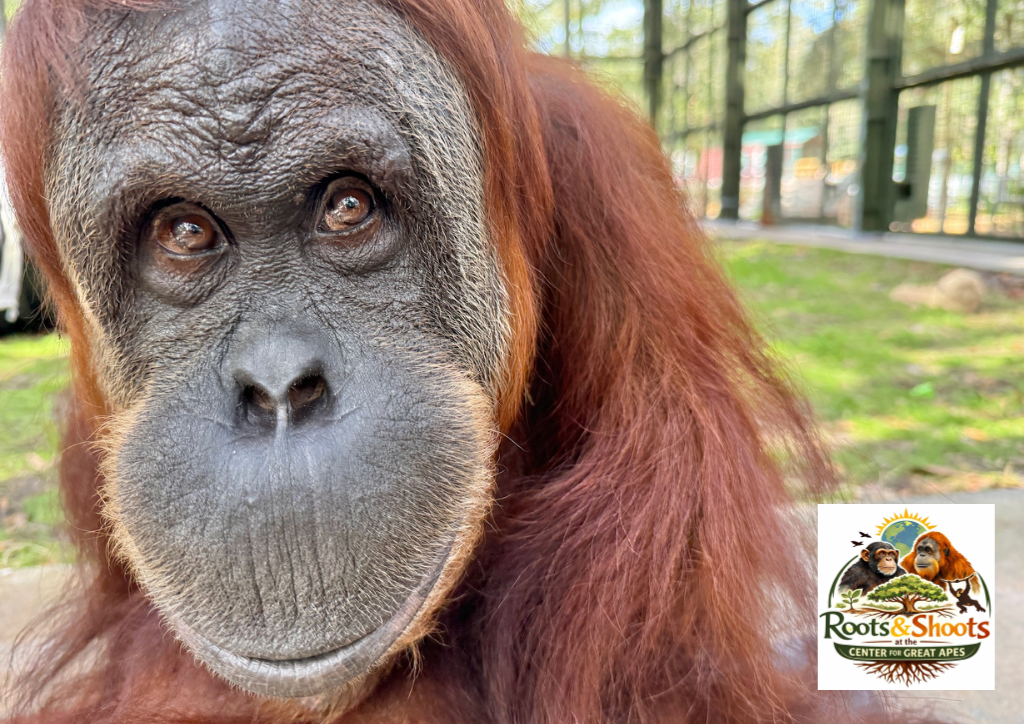
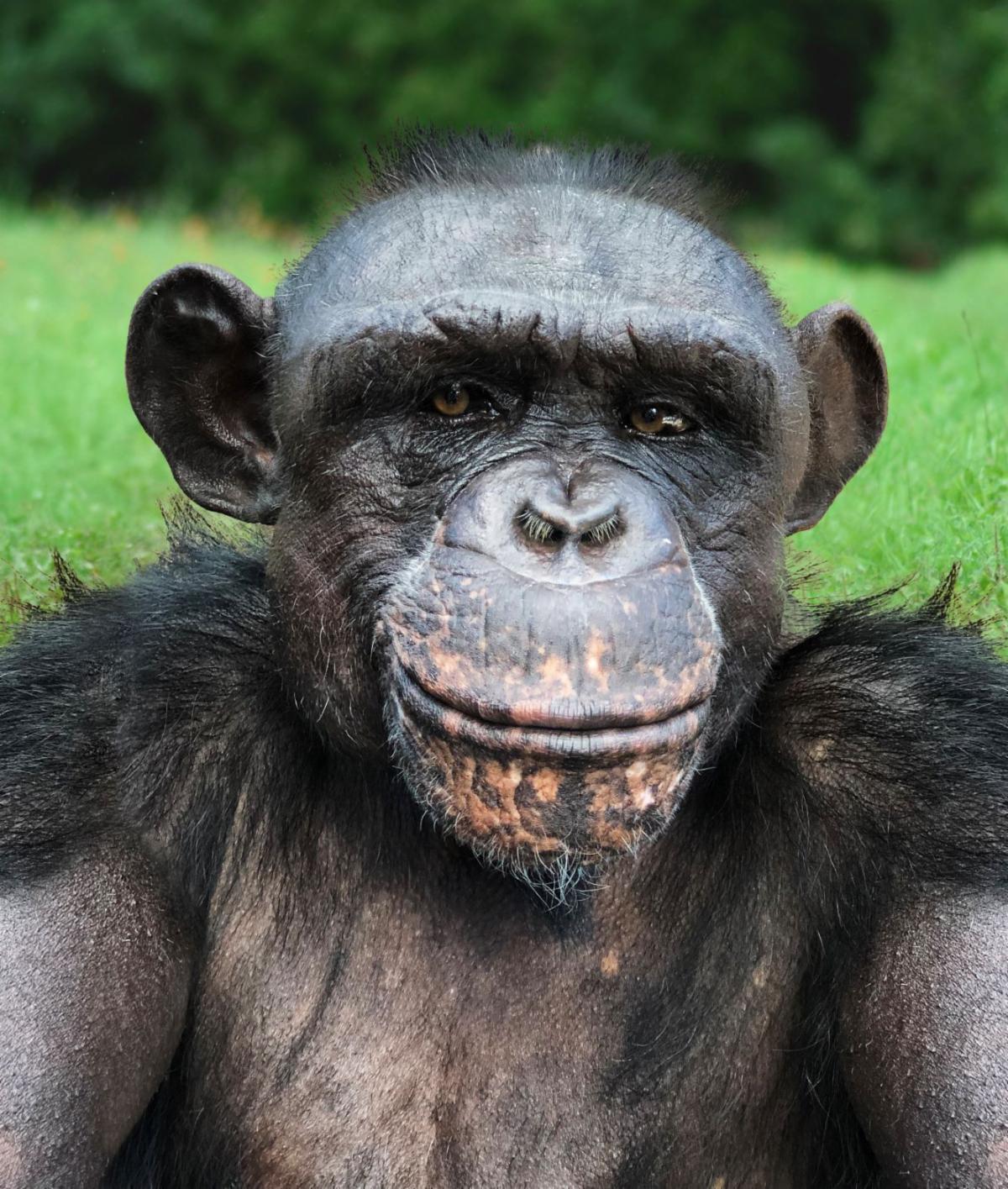
Whether it's a playful grin from young orangutan Cahaya or the striking smile of chimpanzee Murray, every set of great ape teeth tells an interesting story about growth, communication, and life in the wild.
Just like humans, both orangutans and chimpanzees develop baby teeth that are eventually replaced by adult teeth as they mature. In fact, adult great apes have the same number of teeth that we do—32.
Young apes begin losing their baby teeth during childhood, with adult teeth gradually emerging throughout adolescence.
Each type of tooth serves an important purpose. Incisors help bite into food, molars grind fruits, vegetables, and other foods, while canine teeth have evolved for more than just eating.
One of the biggest differences visitors notice between chimpanzees and orangutans is the size of those canine teeth—especially in adult male chimpanzees like Murray. Male chimps often develop large, prominent canines that play an important role in social communication and displays. These impressive teeth can help convey status and send messages to other chimpanzees without a single sound being made.
Chimpanzees even have a special gap in their tooth row, called a diastema, that allows their large canine teeth to fit comfortably when their mouths are closed.
|