Another Year Older: Supporting an Aging Population | | |
As we start a new year, I am thinking about our aging population in California. As a care giver for my own aging parents, I assist them with transportation and am navigating how to support them with maintaining their independence. As we age and our abilities inevitably shift; the likelihood of special accommodations increases. Ensuring that our transportation systems are accessible, reliable, and safe for older adults is not just a matter of convenience, but a critical component of fostering independence and enhancing the quality of life for the communities we serve.
Supporting an aging population requires collaboration and working across sectors. To that end, California’s Master Plan for Aging (MPA) is a commitment to California’s older adults, people with disabilities, and caregivers. Coordinated by the Department of Aging, the MPA is a 10-year “blueprint” for public and private partners to plan for the state’s changing demographics. The plan includes actions to improve navigation for older adults and people with disabilities, especially around eligibility for transit discounts. Learn more about the MPA here and explore the California Integrated Travel Project Benefits site, which aims to streamline transit discount programs across multiple providers. Additionally, Caltrans is working to enhance pedestrian networks along its right of way through its Complete Streets Action Plan (CSAP). The CSAP aims to create a safer and more reliable transportation system for users of all ages and abilities.
Pictured: Two older adults walking along Cabrillo Bridge in District 11 which spans State Route 163.
Nailah Pope-Harden
Deputy Director, Director’s Office of Equity & Tribal Affairs
| |
| | Northern California Caltrans ADA Infrastructure Program Outreach Meeting - Join Caltrans American’s with Disabilities Act (ADA) Infrastructure Program on Wednesday, January 28th from 1:00-2:30 p.m. for a virtual meeting to learn about the Caltrans ADA Infrastructure Program and understand the ADA grievance process. This session will focus on Caltrans Districts (1, 2, 3 & 4) Register here! | | | |
On the Road with Caltrans:
Department Highlights
| | Inclusive Engagement Discussions with the EAC | |
On November 14, 2025, the EAC Community Engagement Policies & Practices Subcommittee had a discussion with the ETA Advancing Community Engagement office focused on engaging with the disability community. The Advancing Community Engagement office develops guidance, tools, and training for conducting equitable engagement for Caltrans plans and projects and was seeking guidance and advice from the subcommittee. The discussion emphasized the importance of equitable engagement with the disability community. Additionally, committee member, Pualani Vazquez, pointed out that accessibility features that help an 80-year-old are equally beneficial for an 8-year-old, demonstrating the universal design principle that an accessible environment benefits everyone. Watch the recording and stay tuned for upcoming Subcommittee meeting information.
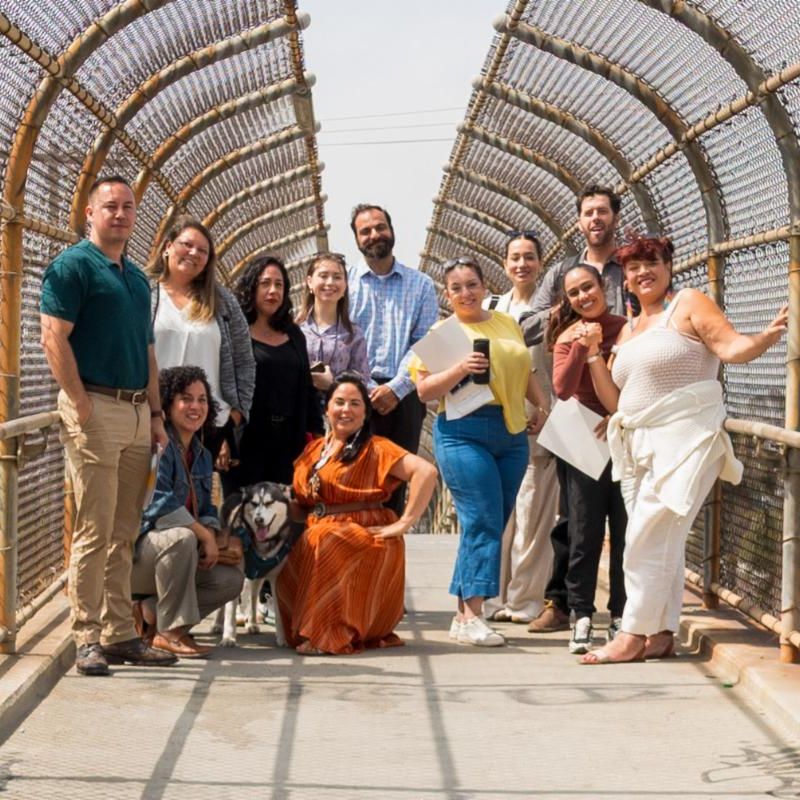
Pictured: EAC members, California Transportation Commission staff, and Caltrans District 11 staff on a walking tour in August 2025 on the Willow Road Pedestrian Bridge in San Ysidro.
| | Meet our Advisory Committee Members | | Equity Advisory Committee (EAC) | |
Keri Akemi-Hernandez
Social & Environmental Justice Community Advocate
📍Caltrans District 4
| | |
Keri Akemi-Hernandez is a woman of mixed and indigenous ancestry. She is of Mohawk, Seneca and Apache descent, as well as of Black and European lineage. She grew up in a multi-generational home, learning traditions from her Grams and community elders in California. Despite economic challenges, she gained rich life experiences from her surroundings. As the eldest daughter, she often walked her sister and herself to school, the store, and relied on walking, biking, or public transportation as she got older.
Keri is an entrepreneur with ventures in real estate, design, and consulting services in the San Francisco Bay Area for over 25 years. She founded the Bear Root Resource Center, focusing on community connections to cultural roots and the land. Passionate and driven, she provides strategic advice for exceptional results.
| | |
She is also an artist and author, with her first children's book in the process of being published. As a community leader, she serves on several boards and actively engages in grassroots efforts to advocate for marginalized and underserved individuals.
“I look forward to developing working relationships Statewide, to identify additional ways to support and amplify efforts that support the EAC’s core values and identify new opportunities to further improve. Throughout the years, I have been able to serve as a bridge to communicate important needs to take direct action to impact policy, organize community members, and to empower individuals to thrive. It is an honor to collaborate with our committee team, and community members to inspire innovative ideas and promote equitable solutions to support a better future for the world around us for our future seven generations to come."
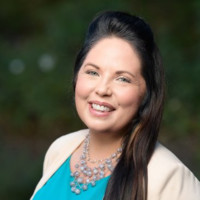
Pictured: A headshot of EAC member, Keri Akemi-Hernandez.
| | Tune into what our team is reading and listening to this month! | | |
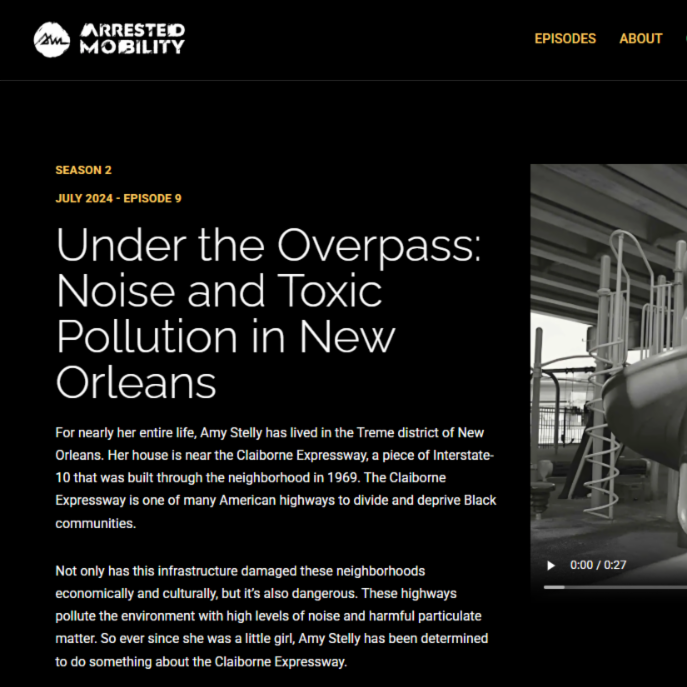
Equity Analyst, Camille Randolph, listened to the "Under the Overpass: Noise and Toxic Pollution in New Orleans" episode of Charles T. Brown's, Arrested Mobility podcast. They share, “The episode talks about the Claiborne Expressway in New Orleans, which exemplifies how infrastructure projects can exacerbate inequalities in economic mobility, air quality, and noise pollution, especially affecting historically Black neighborhoods. I enjoyed hearing about advocacy initiatives to remove the Expressway, which affects an area where my family is from. Listening to this episode got me excited to read Brown’s book titled, “Arrested Mobility: Overcoming the Threat to Black Movement”.
| | | | | |