|
Was the Groundhog, right? Are we really in for more Winter or did we turn the corner to Spring?
Preparing your water and wastewater pumps for spring ensures smooth operation, efficiency, and longevity. By following these steps—inspecting, cleaning, lubricating, priming, and testing—you can prevent breakdowns and ensure your system is ready for the demands of the new season. Regular maintenance not only saves money but also contributes to the reliability of your pump system.
As the seasons change and winter gives way to spring, it's crucial to ensure your water and wastewater pumps are ready for the increased demand that warmer weather often brings. Proper maintenance and preparation can extend the lifespan of your pump, improve efficiency, and prevent costly repairs. Here’s a step-by-step guide to getting your pumps ready for spring.
1. Inspect the Pump and Components
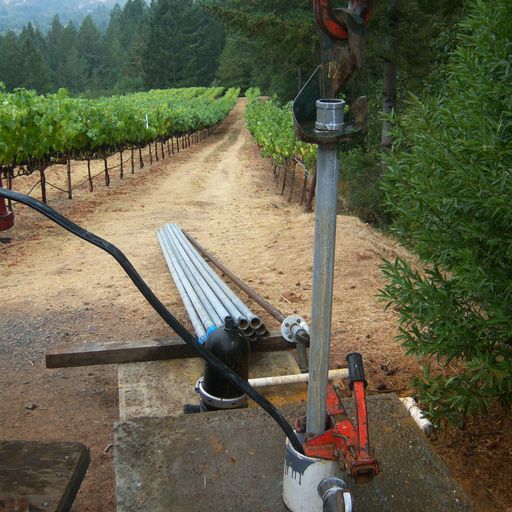
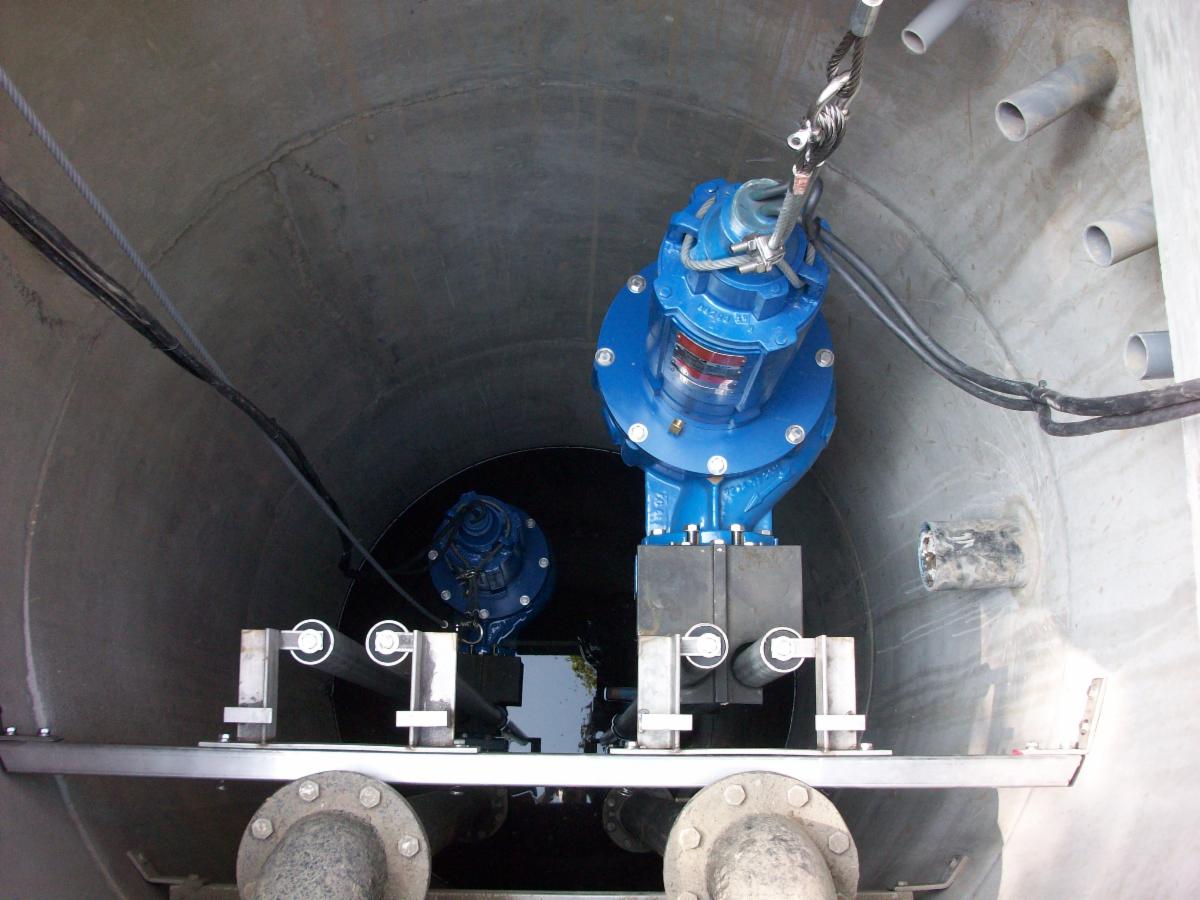
Before you start up your pump, perform a thorough inspection of all components. Check for any visible damage, wear, or corrosion on pipes, fittings, seals, and valves. Look for leaks or signs of deterioration that might have developed over the winter months.
2. Clean and Remove Debris
Over time, debris such as leaves, dirt, and sediment can accumulate in and around the pump system. Ensure that any debris is cleared from intake screens, strainers, and surrounding areas to prevent clogging or damage when the pump is restarted.
3. Check Electrical Components
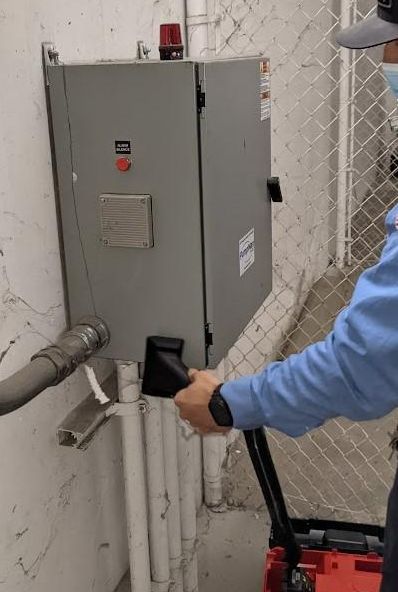
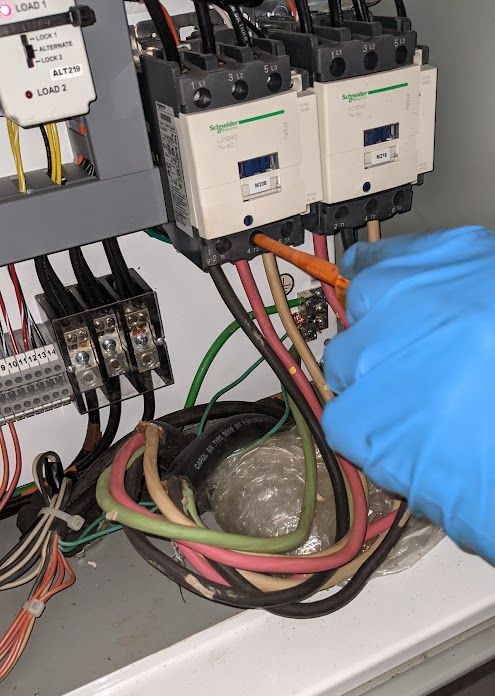
For electrically powered pumps, inspect all electrical connections for corrosion, loose wiring, or frayed cables. Ensure that the control panel, switches, and motor are functioning correctly. If any component appears damaged, consult a professional before restarting the system.
4. Lubricate Moving Parts
If your pump has bearings, seals, or other moving parts that require lubrication, make sure they are properly greased. This will reduce friction, minimize wear, and enhance the efficiency of the pump.
|