|
Rethinking California's Exodus
Greetings!
If you only follow the headlines, California’s migration story seems simple: people are leaving. However, U-Haul’s Growth Index showed only a small difference between outbound and inbound moves—50.6% out versus 49.4% in.
Consider what’s happening among three generations: Gen Z adults, roughly ages 18–29; Millennials, roughly ages 30–45; and Generation X, roughly ages 46–61. U-Haul’s Generational Migration Report ranked California second among net-gain states for Gen Z and third for Millennials. The San Francisco Bay Area was a top-five destination for both generations, while Los Angeles ranked fifth for Gen Z. Among the older Gen X group, San Diego ranked ninth nationally.
San Diego and San Francisco also ranked among the nation’s top 20 growth metros, at #16 and #17, respectively. Those numbers suggest California is not simply losing households. Younger residents are also moving in, and their careers, incomes and housing needs could influence demand for years to come.
Why They're Still Coming
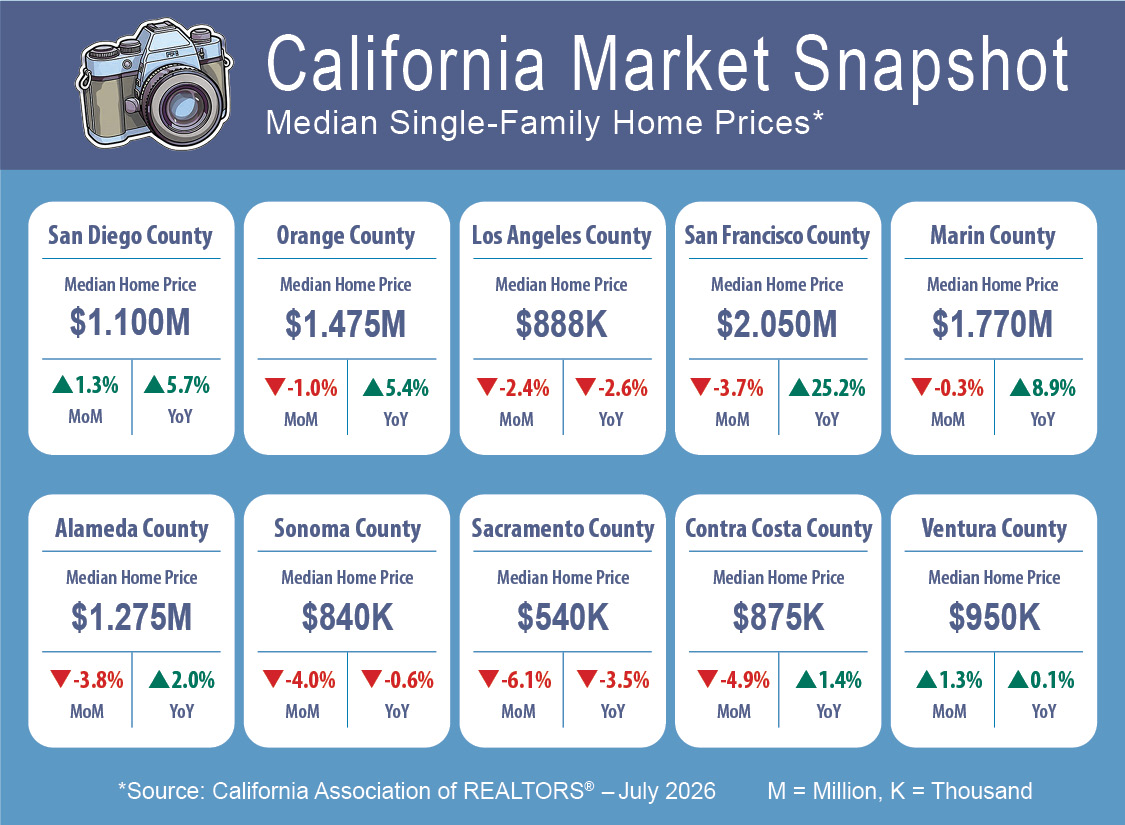
San Diego offers a good example of why California attracts newcomers. Its diverse economy includes defense, technology, life sciences, manufacturing, and tourism, that provide the kind of high-skill jobs that draw workers despite high housing costs.
Orange and Los Angeles counties tell a similar story. Healthcare, professional services, entertainment, aerospace, bioscience and other major industries continue to provide employment opportunities that attract younger workers—even when buying a home can be challenging. The Bay Area remains expensive, but its pull is equally difficult to dismiss. Technology, artificial intelligence, venture capital and life sciences continue to draw highly skilled workers—not only to San Francisco, but throughout Alameda, Contra Costa and Marin counties and into nearby Sonoma.
Different Markets, Different Draws
Sacramento offers a different kind of appeal. Its growing healthcare and education sectors, combined with comparatively lower home prices, can make it attractive to households seeking more space without leaving Northern California. Ventura County occupies its own niche between Los Angeles and the Central Coast, offering access to Southern California employment while maintaining a smaller-market feel.
The larger point is that California is not one housing market—and migration is not one story. Even as U-Haul records more outbound than inbound moves statewide, Millennials and Gen Z continue arriving in major California metros. For homeowners, the more useful question may be less Are people leaving? and more Which communities are attracting tomorrow’s buyers?
These shifts are also a reminder that real estate remains intensely local. The people moving into a community—and what they are looking for—can influence everything from demand and home values to which types of properties sell most readily. If you’re curious about how these changing demographics could affect your local market or your own real estate plans, give us a call. We’re always happy to help.
|