| |
CVML CONNECT: September 2026 -Connecting Our Region- | | | | |
|
September is Workforce Development Month, a time to recognize the people and partnerships that connect learning to meaningful careers. Across the Central Valley and Mother Lode, our colleges and partners are expanding opportunities for students while responding to the needs of local employers.
In this issue of CVML Connect, you’ll find regional workforce updates, sector insights, and opportunities to strengthen that work together. I look forward to gathering with many of you at CCCAOE. It will be an opportunity to learn from one another, celebrate the work happening across our region, and consider what we can build together next.
Thank you for all you do for our students and communities.
McKenna Salazar
Regional Chair and Executive Director
| | | | |
|
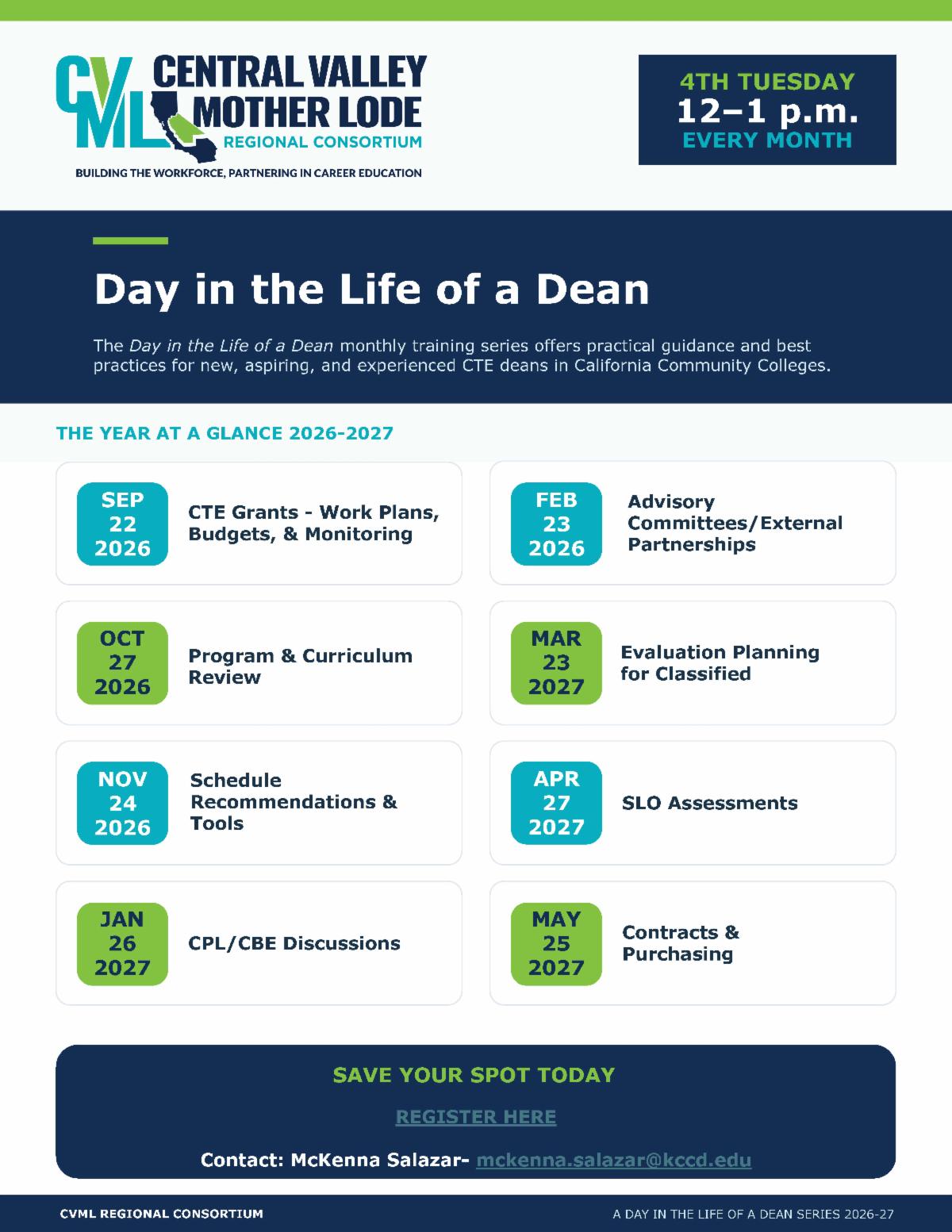
Day in the Life of a Dean
The Day in the Life of a Dean monthly training series offers practical guidance and best practices for new, aspiring, and experienced CTE deans in California Community Colleges.
Register HERE and join us at our next session.
| |
| | | |
Regional Directors Report and Sector Analyses | The August Regional Director Report highlights how workforce activity across CVML is moving from planning toward implementation. This month features $17.29 million in California Jobs First investments, regional efforts to strengthen healthcare capacity, new COE program assessments, expanding apprenticeship and paid work-based learning opportunities, and the Career Nexus Paid Internship Program. The report also highlights upcoming funding opportunities and ways colleges can connect regional investments, employer needs, and workforce partnerships to existing pathways. See what is moving across the region and where there may be opportunities to connect your college’s programs, partnerships, students, and workforce priorities. | | |
August Sector Analyses: Public Safety and Retail & Hospitality
This month’s sector analyses provide quick, data-driven snapshots of two significant CVML workforce sectors. Retail & Hospitality supports approximately 281,700 jobs and continues to provide an accessible entry point into the workforce, with 62% of job postings listing no education requirement and 67% listing no experience requirement. Public Safety supports more than 71,000 jobs, with employment projected to exceed 73,300 by 2029 and more than 14,000 workers age 55 or older, signaling continued growth and replacement needs. The analyses also highlight occupations, hiring activity, in-demand skills, wages, and workforce characteristics that can help inform college program planning, pathway development, and employer engagement. Explore the data and consider where these workforce trends connect with your college’s programs, career pathways, employer partnerships, and opportunities to prepare students for both entry and advancement.
| | | | |
|
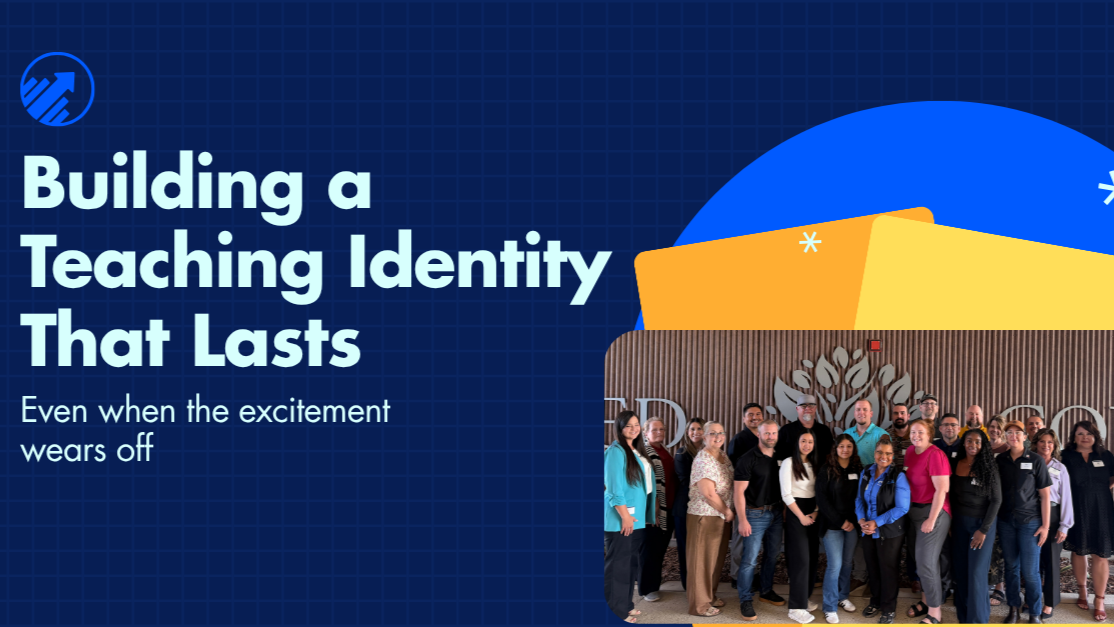
New instructors who come from industry often find teaching harder after the first month, when the novelty fades and everyday challenges become clearer. That uncertainty is a normal part of building a second professional identity, not evidence that they do not belong.
The article recommends three manageable habits: reflect briefly each week, make one small improvement at a time, and talk regularly with a trusted colleague or mentor. It also urges deans and department chairs to check in during weeks four through eight, when support may matter most. The Teaching Excellence Academy aims to help faculty build that foundation and sustain it through the first term.
|
| | | |
| |
Legislative Update: Community College Bachelor’s Degrees | |
On September 18, Governor Newsom signed SB 960 and AB 2694, legislation affecting California community college baccalaureate programs, and vetoed AB 2301, which would have created a limited pilot allowing 10 community college districts to offer affordable Bachelor of Science in Nursing pathways.
Although the outcome raises concerns, particularly for rural, underserved and place-bound students, the work continues. SB 960 and AB 2694 will take effect in January 2028. Until then, colleges may continue submitting baccalaureate proposals under the existing AB 927 process, with submission opportunities on January 15 and August 15, 2027.
Community college leaders and partners will work with lawmakers to address technical and implementation issues while continuing to advocate for high-quality, affordable bachelor’s degrees that students can access in the communities where they live and work.
| "The larger goal has not changed. California needs high-quality, affordable bachelor’s degrees that students can access in the communities where they live and work." -Chancellor Sonya Christian | | | | |
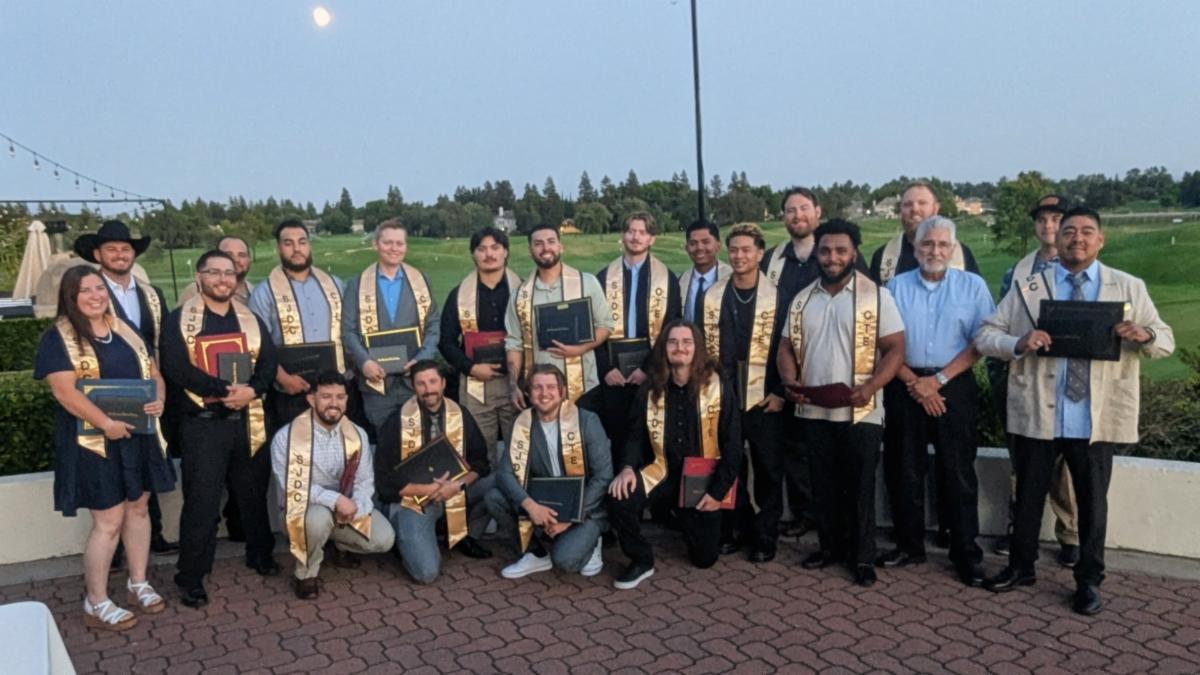
Workforce Pell Grant: Provisional Program Eligibility and College Preparation | Beginning July 1, 2026, the Workforce Pell Grant program expands federal financial aid eligibility to include short-term, career-focused training programs that are between 150 to 599 clock hours of instruction delivered over a minimum of eight weeks and fewer than 15 weeks. This expansion to programs that traditionally have not been eligible for Pell funding is designed to increase access to workforce training that leads directly to employment, particularly for adult learners, working students, and individuals seeking rapid reskilling or upskilling. Read more information HERE. | Graduation photo of our San Joaquin and Calaveras Counties Electrical JATC. Of the 20 apprentices, 2 had perfect attendance for the 5 year program , and 3 had straight As (2 were also perfect attendance).- San Joaquin Delta College | | | | |
Department of Labor
(DOL) Updates | | | | |
New Guidance on Pre-Apprenticeships and Workforce Pell and Registered Apprenticeships | | On September 8, 2026, DOL issued two new guidance documents aimed at expanding and modernizing the National Apprenticeship System: (1) Training and Employment Notice (TEN 05-26), Framework for Effective Pre-Apprenticeships; and (2) Office of Apprenticeship (OA) Circular (2026-04), Opportunities and Flexibilities for Registered Apprenticeship Sponsors to Utilize Workforce Pell. These documents give states, employers, training providers, and education partners clear, actionable steps to better serve jobseekers and employers alike, reinforcing DOL's commitment to strengthening career pathways for American workers. | | |
Pre-Apprenticeships
Developed in coordination with the U.S. Department of Education, the Employment and Training Administration's (ETA) new Pre-Apprenticeship Framework builds a shared understanding of pre-apprenticeship programs and their connection to Registered Apprenticeship. It offers states, employers, and training providers guidance for creating clearly defined on-ramps from pre-apprenticeship into Registered Apprenticeship -- supporting the Trump Administration's commitment to preparing American workers for high-demand, high-paying careers. This framework for effective pre-apprenticeships centers on five core components: (1) direct pathways into Registered Apprenticeship through strong partnerships with Registered Apprenticeship sponsors and employers; (2) industry-driven training and curriculum aligned to Registered Apprenticeship standards; (3) hands-on, work-based learning and career exposure; (4) broad workforce and education partnerships to expand access and leverage available resources; and (5) outcomes tracking and continuous improvement. Together, these five components provide a blueprint for strengthening pre-apprenticeship programs and career outcomes for American workers.
| |  | |
Workforce Pell and Registered Apprenticeship
The Workforce Pell Circular provides guidance on how the workforce system can utilize Workforce Pell to support Registered Apprenticeship. Established by President Trump's Working Families Tax Cuts Act, Workforce Pell expands Pell Grant eligibility to students in eligible, high-quality, short-term workforce programs. The new benefit creates opportunities to strengthen connections between education and training, Registered Apprenticeship and the needs of American employers. The guidance highlights how workers can pursue short-term training that connects to Registered Apprenticeship, how employers and sponsors can build vibrant partnerships with education providers, how colleges can link eligible programs to related instruction, and how states can better align training with high-skill, high-wage, in-demand occupations. The Workforce Pell Circular provides information to Registration Agencies, Registered Apprenticeship program sponsors, employers, education providers and workforce partners on the intersection of Workforce Pell and the National Apprenticeship System. By better understanding where Workforce Pell and Registered Apprenticeship intersect, workers and employers can benefit from more robust pathways that connect education, skills development and employment. These new pre-apprenticeship and Workforce Pell guidance documents continue to advance DOL's work toward President Trump's Executive Order goal of 1 million active apprentices.
| | | | |
OA Releases Registered Apprenticeships 101 Training Module for the Public | |
OA recently released a new course through the Registered Apprenticeship Academy, Registered Apprenticeship 101: Tools and Steps to Build and Sustain RA Programs. This foundational course introduces the value and structure of Registered Apprenticeship and the National Apprenticeship System as a workforce development strategy and its benefits for employers, workers, and partners. It provides key concepts, tools, processes, and practical considerations involved in developing, supporting, and promoting Registered Apprenticeship.
The course is designed for Sponsors, Registration Agencies, Federally Funded Investment Partner / DOL-Funded Investment Partners, Federal Partners, Workforce Partners, Education Partners, or anyone new to or seeking to improve their knowledge of Registered Apprenticeship. It offers a broad, introductory overview of Registered Apprenticeship and includes customized interactions that provide specific information for individual needs. Also, the course identifies actionable steps to start and support programs.
| | | | |
| |
K12 SWP RFA 9 deadline extended from Friday 10/2/26
to Monday 10/5/26 at 5pm. | | | | |
California Department of Education's Career and College Transition Division 2026–27 CTE Director Meeting | |
The California Department of Education's Career and College Transition Division has launched a new Career Technical Education (CTE) Director Meetings webpage. This site will be your central resource for meeting details, registration links, agendas, and updates throughout the year:
CTE Director Meetings - General Information (CA Dept of Education)
Please bookmark the page and check back often for the latest information and resources.
2026–27 CTE Director Meeting Dates
All meetings will be held virtually via Zoom, 9:00–11:00 a.m.
- September 25, 2026
- November 13, 2026
- January 29, 2027
- May 14, 2027
These meetings offer a chance to stay current on CTE and college and career programs, learn about emerging initiatives, and connect with fellow CTE leaders across California.
| | | | |
|
Join us at upcoming events throughout our region. If you have an event you would like to share with us, please submit it HERE.
| | | | |
Explore how regional collaboration can strengthen career education and workforce pathways across the Central Valley and Mother Lode region. | | | | |