https://files.constantcontact.com/9a8597fa001/f76ab13f-9ab7-43a7-9825-78db6a554c84.jpg?rdr=truea=1137007347719

Issue 108

St. Louis Special School District (SSD): 
Teaching BrainWise Since 2010


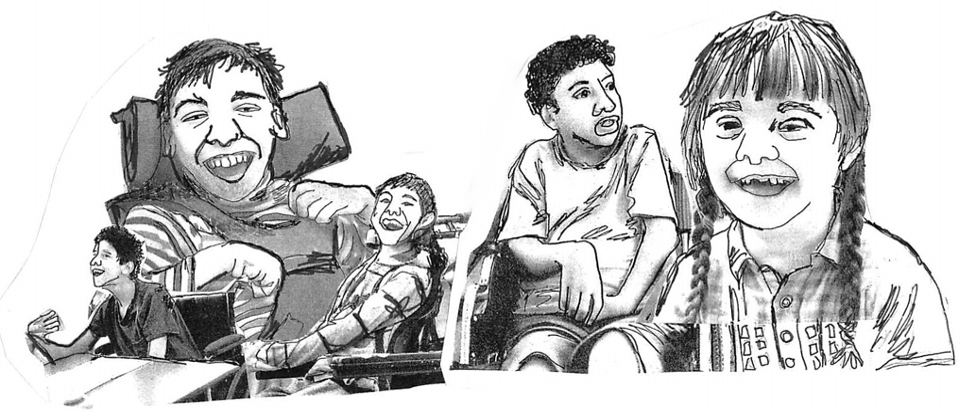
According to the U.S. Department of Education, children with disabilities were systematically excluded from public education for much of U.S. history. Prior to the enactment of the Education for All Handicapped Children Act of 1975, later renamed the Individuals with Disabilities Education Act (IDEA), many states maintained laws that permitted public schools to deny enrollment to children who were deaf, blind, identified as emotionally disturbed, or had intellectual disabilities. In 1970, only one in five children with disabilities had access to public education, while nearly 1.8 million children were completely excluded from the public school system. 

The passage of federal special education legislation in 1975 marked a significant civil rights milestone, establishing the right of children with disabilities to receive a free and appropriate public education and fundamentally transforming educational access and opportunities in the United States. [sites.ed.gov], [gse.harvard.edu]


Rare Support for Disabled Youth Since 1957. In 1957, parents in St. Louis County advocated for their children and partnered with civic leaders and voters to create an educational system that broke this mold -- the Special School District of St. Louis County (SSD). SSD remains one of the most distinctive and forward‑thinking public education systems in the nation. Its county-wide model provides equitable, high-quality services to students with disabilities regardless of their home district, background, or level of need.


BrainWise and St. Louis SSD. For funding reasons, the model has never been fully replicated in other states, although some partial variations exist. SSD continues to stand out as a national example of coordinated, community-driven support for disabled youth. BrainWise was introduced to SSD in 2010 by Dr. Mollie Bolton, a leader in SSD’s curriculum and instruction who later became Chief of Teaching, Learning and Accountability. SSD educators found that BrainWise strengthened their mission to prepare students for independence, employment, and successful adult lives. 


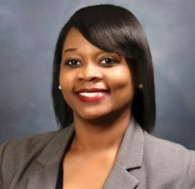
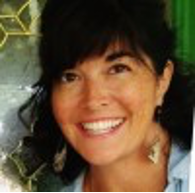
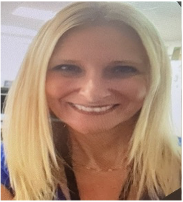
Dr. Bolton retired in 2026, and her longtime colleague, Dr. Wendy Young-Owens, succeeded her. This edition of the BrainWise newsletter recognizes the exceptional educators who continue to guide St. Louis SSD educators to integrate BrainWise into their programs and teach students about the brain and skills to stop and think. Here’s what they said.


Dr. Mollie Bolton

Dr. Wendy Young-Owens

Dr. Melanie Ziabatree

Carrie Aydt, SEB


Why SSD Chose BrainWise. Initially, BrainWise was primarily used by social workers and teachers who worked closely with SEB (Social, Emotional and Behavioral) programs. Five years ago, BrainWise was approved for use by all teachers.


The program’s expansion occurred after staff vetted BrainWise and recognized how it complemented and enhanced the district’s goal to help students be independent and successful. Today, St. Louis SSD serves students at 266 schools, six specialized schools, and two technical high schools across 22 partner districts. An estimated 500 students have taken BrainWise since this approach was implemented. 


Praise for BrainWise. Team members consistently describe the powerful, long‑term impact BrainWise has had on their students. They note that the 10 Wise Ways are easy to integrate into other programs and that BrainWise turns complex thinking skills into simple, concrete tools students of all abilities can understand and use.


The lessons give teachers language and activities that help students recognize how impulsive behavior can take over when they do not “stop and think.” BrainWise breaks complex cognitive processes into clear, repeatable actions that show students how using these skills helps them prevent and manage problems.


Team leaders agree that this structured, visual, hands‑on approach is especially effective for students with special needs, who benefit from learning methods that make abstract thinking skills concrete and easy-to-understand.


Hands-On Learning. BrainWise includes hands‑on activities that engage students and bring abstract concepts to life. Examples include:


·      Building Emotions Elevators to show different feelings and their intensity

·      Creating Red Flags to help students recognize internal (inside) and external (outside) warning signs

·      Learning to distinguish between impulsive behaviors triggered by the Lizard Brain and thoughtful, helpful behaviors produced by Wizard Brain thinking


These activities make problem awareness, emotional regulation, and the steps of problem solving—skills that are often challenging for special‑needs students—clear, concrete, and easy to grasp.


Teaching and Reinforcement. The team agreed that stories and animations are especially appealing to their student population because they shift the focus away from the individual child and place it on characters who face relatable challenges. This safe distance allows students to explore emotions and problem-solving without feeling judged or singled out.


By watching characters recognize red flags, lower their emotions, and use Wizard Brain thinking to apply the 10 Wise Ways, students see abstract concepts transformed into concrete, visual actions they can understand and imitate. Stories make complex thinking skills accessible, engaging, and emotionally safe—creating a powerful foundation for learning and practicing the 10 Wise Ways.


Instructors look forward to sharing examples that use animations such as Toy Story 5 , as well as games and stories that reinforce the 10 Wise Ways.


Moving Forward. During her distinguished tenure with the SSD of St. Louis County, Dr. Bolton helped shape a culture where purpose, passion, and unwavering commitment to students with disabilities guided every decision. As she reflected, “Public education has been more than a career for me—it has been a purpose and a passion.”


This sentiment captures the transformative work she championed and which is continued through the exceptional educators on SSD’s team -- Dr. Young‑Owens, Dr. Melanie Ziebatree and Carrie Aydt. These leaders continue the long legacy of providing a unified system of special education, technical education and support services that provide equitable, innovative, and lasting learning experiences to children with disabilities.


BrainWise strengthens the core competencies prioritized by St. Louis SSD leaders and provides a powerful, enduring foundation for the district’s commitment to helping students with disabilities thrive. Their leadership team has built and implemented a model of excellence that empowers students, supports families, and shows what is possible when educators lead with skill, compassion, and an unwavering belief in every child’s potential.


BrainWise is honored to contribute to their exemplary legacy.

Thank you and take care,

Dr. Pat

On a Lighter Note


Kodi Lee’s America’s Got Talent audition is a powerful and touching introduction to a young, blind, autistic musician and singer. Kodi walked onstage with his mother and then delivered a performance that stunned the judges and millions of viewers.


He went on to win Season 14 in 2019 and has headlined additional shows and events. His debut album, Exactly As I Am, was launched in 2026 during Autism Awareness Month and reflects his message of hope, unity, and joy. 


Kodi Lee’s America’s Got Talent audition