|
By inviting children to experience playful book-based activities, it sets the groundwork for powerful literacy skills. According to an article by Amber Unger in Edutopia, repeated readings over a number of days, followed by different methods of retelling the stories, allows educators and children to experience the book in different ways. Vocabulary words are taught so that children may practice using them while playing.
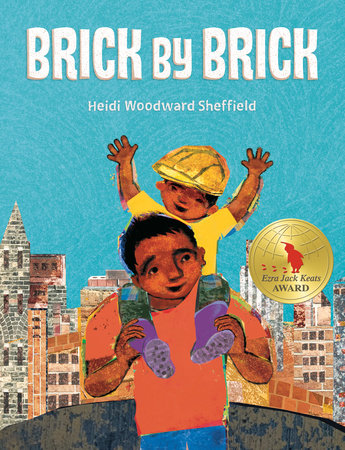
Play is an important literacy tool that boosts comprehension and increases meaningful use of vocabulary. It helps children remember details of stories and allows for higher-order thinking. “Retelling the story allows students the opportunity to authentically practice the vocabulary they are learning,” says Unger, who says that choosing the right book is extremely important. She recommends making sure it is fiction, it has a clear story sequence, it has multiple characters and objects that are central to the story, and it includes Tier 2 vocabulary words.
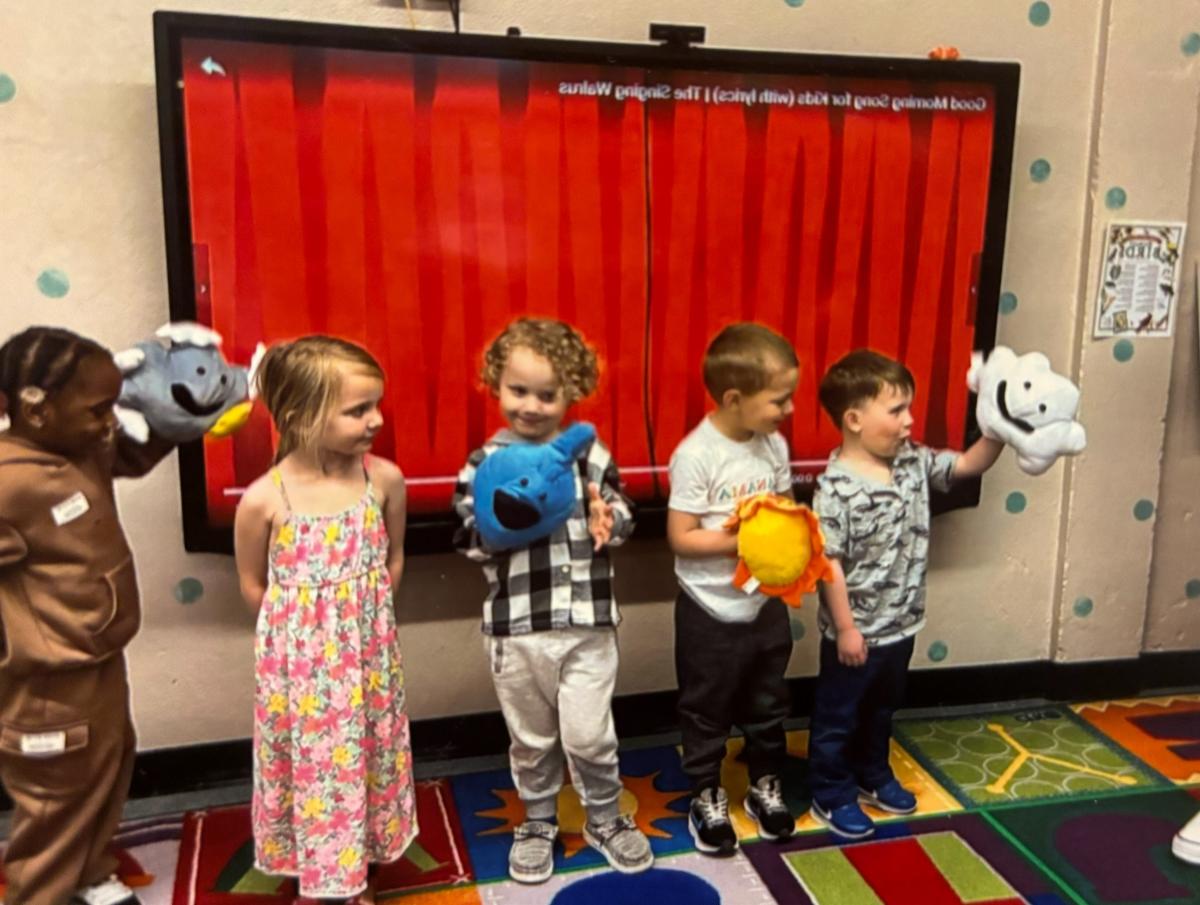
Educators should plan to read, reread, retell, and play for at least five to ten days while creating discussion questions and considering target vocabulary words. When it is time to plan, choose materials that will invite children to reenact the story, including puppets, stuffed animals, plastic figurines, costume pieces, felt board and pieces, props, or even projected videos of the story.
Unger recommends keeping shared reading experiences focused and reviewing target vocabulary words regularly. When embarking on guided play, she says that children should first participate in a whole-group environment, with the educator scaffolding the story. When children seem like they would be comfortable in retelling the story in small groups, educators can introduce the book-based play invitations. An option is to take them on a tour of the classroom and introduce them to materials that have been designated for this experience. After the shared reading experience, children can choose where to play and engage with materials while conversing about what they are doing.
Unger even chooses to connect with families by posting invitations on school social media, encouraging them to have children retell stories at home. She includes a link to a class read aloud. “Shared reading paired with book-based play supports students with exploring the most essential purpose of literacy: the construction of meaning.”
Click here to read more about play and book explorations in Pre-K.
|