Your Monthly News & Updates | |
|
|
It’s hard for me to believe. I don’t feel 80. I’m sure I don’t look a day over 79, and if the light is favorable, 78. I’m in good health, and I do the things that I’m supposed to do to stay that way.
But the inescapable fact is that most people my age are dead.
I have been president of the historical society since 2009, and I definitely do not want to be the last president of an organization founded in 1891. (The Wrentham Historical Society was dissolved in 2013.)
The need is becoming increasingly urgent for fresh faces to advance the society. Since COVID, I concentrate my efforts on what’s most visible: on this newsletter, on responding to inquiries from researchers, and on putting on the five programs, held each year on the first Monday evenings of October, November, February, March, and April. I’m also the fundraiser and the janitor and building and grounds superintendent.
Some other important things have taken a back seat, unfortunately.
Before COVID, like other local historical societies, we used to have more events, more outreach to the schools and the community. Board membership is down, and I can’t do it all. I enjoy the society and don’t plan to walk away altogether, but others, including my successor, need to step up.
We’ll have a board meeting in the next few weeks to consider – and act on – the future of the society. I’ve invited a few additional people who’ve expressed interest in moving the society forward. I hope some readers will join us. If you’d like to help get the society moving again, please call me at 508-613-6606.
| |
|
Monday, Nov 7
7:30 pm
First Parish Unitarian Universalist Church
26 North Street, Medfield
On Monday, November 7, at 7:30 pm in the old meetinghouse, retired Judge Thomas A. Connors of Medfield will speak on the legal history of Norfolk County and its courts. Amid controversy, Norfolk split off from Suffolk county in 1793, and Medfield was initially proposed as the county seat! He will talk about some of the noteworthy cases that have been heard in the 1827 Dedham Superior Court, including Sacco-Vanzetti, the Millen-Faber Needham police officers murder trial, and the 19th century Jason Fairbanks murder trial.
Tom retired in late 2020 after serving 25 years on the bench, the first nine at Dedham District Court, followed by 16 years as a Superior Court Justice, the last six years as Regional Administrative Justice for Norfolk County.
The presentation is free and open to the public. Mark your calendar!
| |
"Medfield’s Master Musician" Presented at October's Meeting | |
|
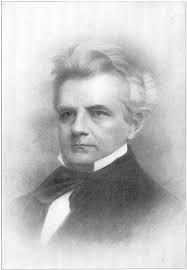
Lowell Mason (1792-1872) is recognized as Medfield’s most famous and accomplished native son – but why?
He was a complex person who loved teaching, performing, and writing music...and a convincing advocate for his methods.
He wrote 1,201 hymns and 487 arrangements – in his lifetime, he sold over 1 million copies of his publications.
He established music schools that attracted hundreds of children as students.
He laid out the basic methods and curriculum for public school music education in the United States and persuaded the Boston School Committee to adopt it in 1838.
He was president of the Handel and Haydn Society for 20 years and conducted numerous concerts.
On his trips to Europe, he was treated like musical royalty.
Also – being named a Lowell Mason Fellow is one of the highest honors conferred by the 130,000-member National Association for Music Education.
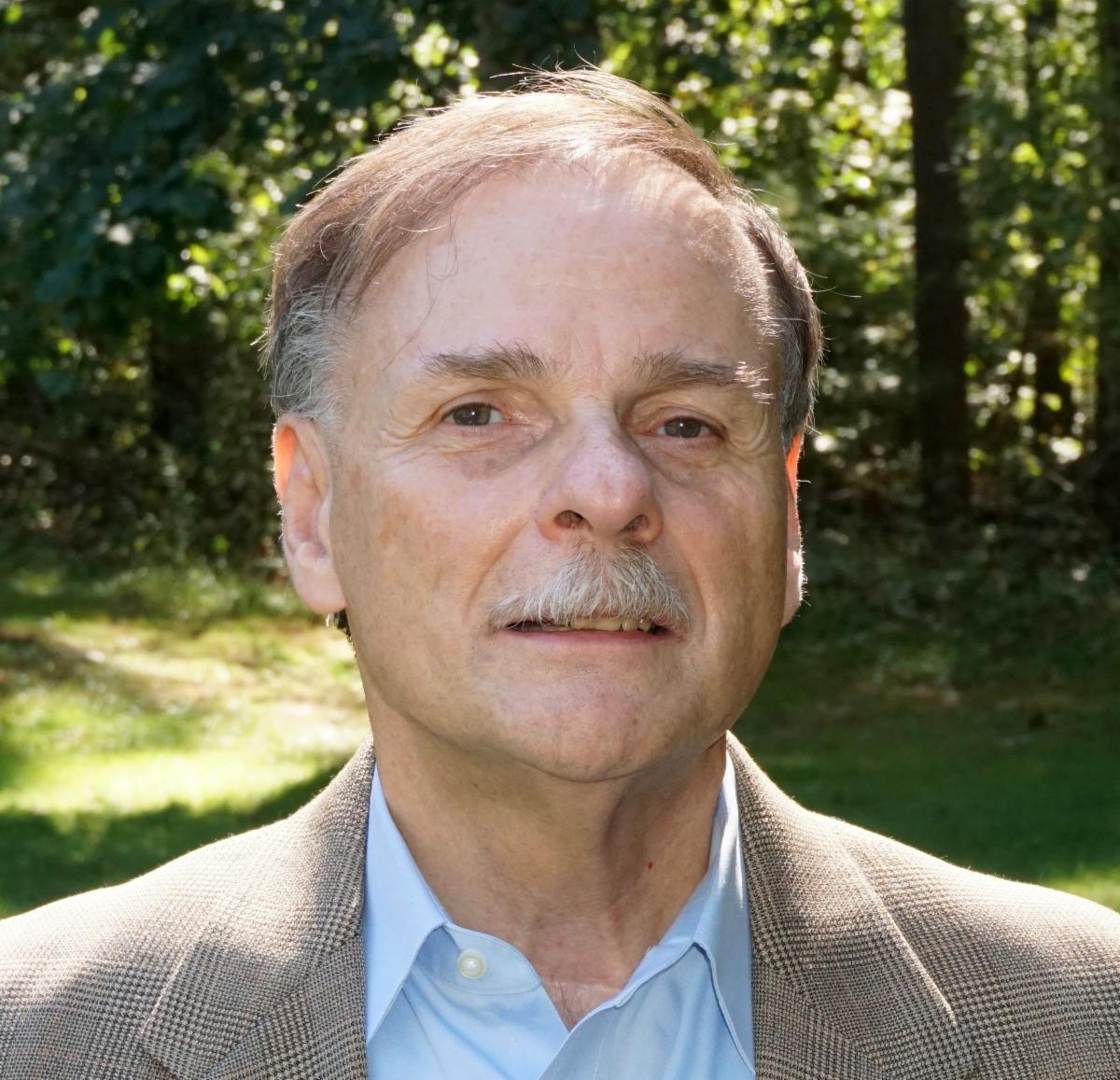
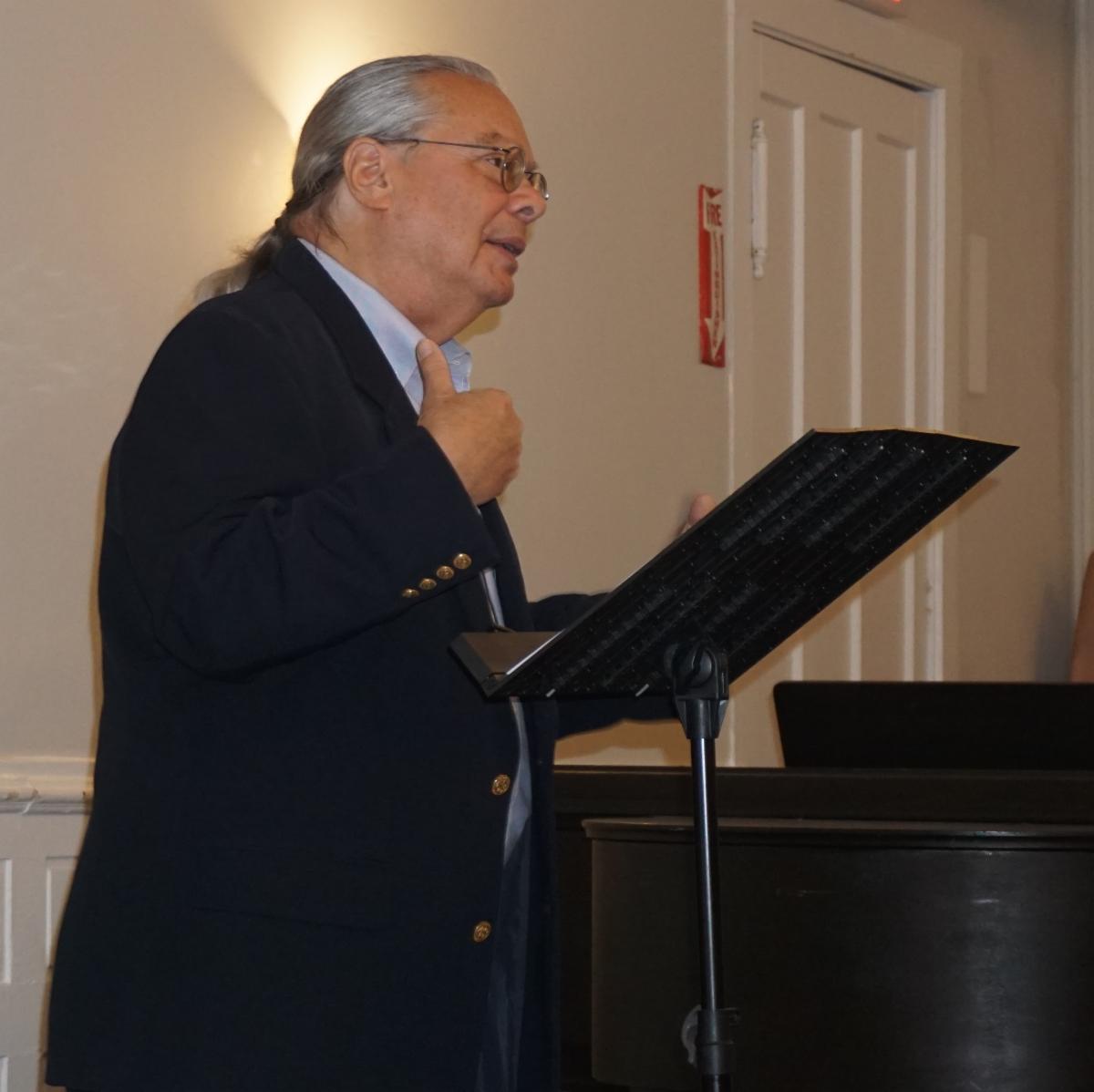
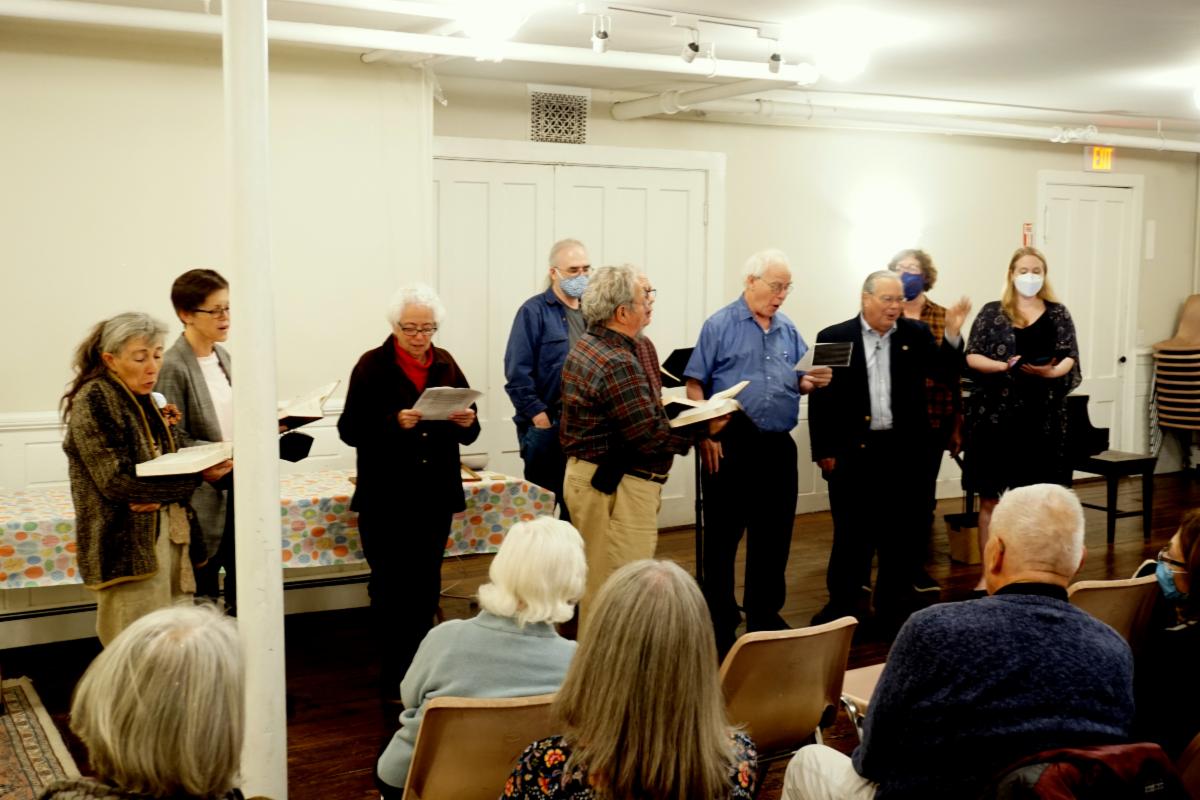
On October 3, Professor Stephen Marini of Wellesley College gave an animated and comprehensive presentation on Mason, aided by friends in the Norumbega Harmony and by Eva Kendrick, music director at First Parish Medfield, where Mason served in a similar position as a teenager the early 1800s.
Here’s a link to Medfield TV’s video of Prof. Marini’s talk.
Click here for Prof. Marini’s lecture notes.
| | |
|
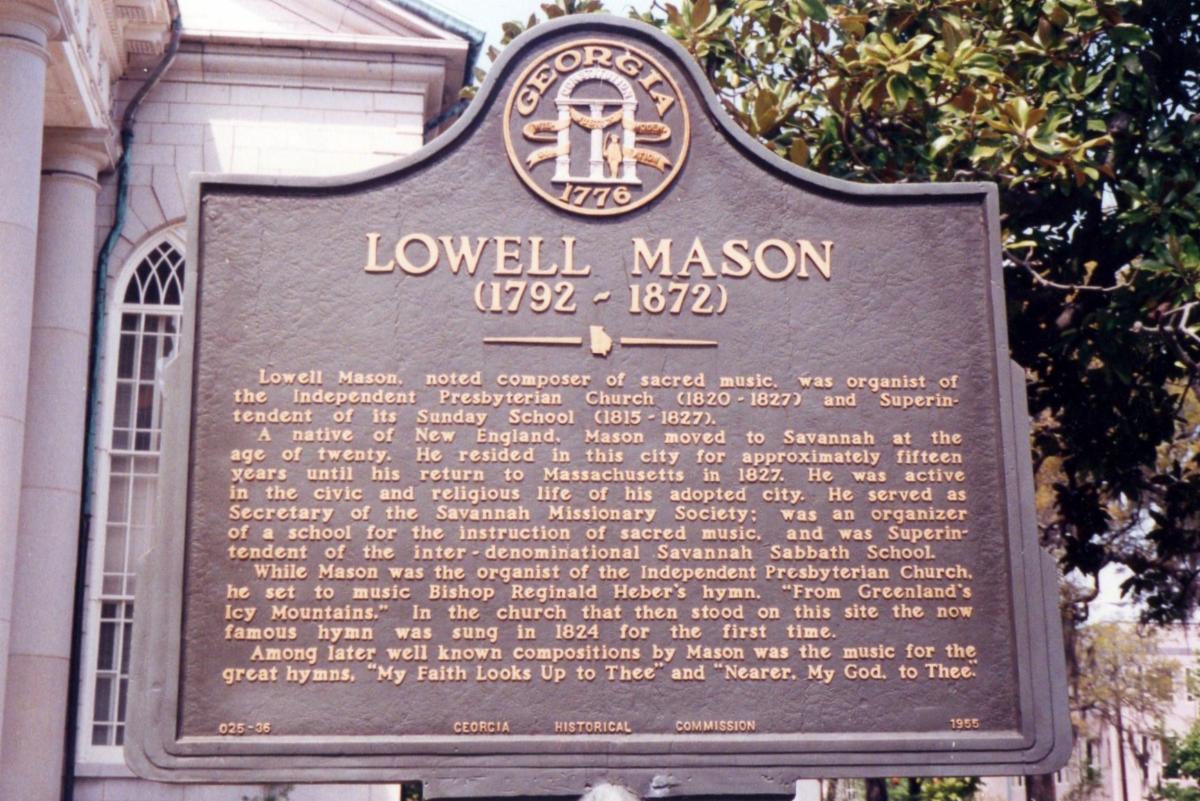
Prof. Marini presenting (left) and Lowell Mason plaque in Savannah, Georgia (right). | |
Norumbega Harmony and Eva Kendrick, music director at First Parish Medfield, sing Lowell Mason songs at presentation. | |
74 Harding Street: Underground Railroad Stop For Sale | |
|
By Richard DeSorgher
Editor’s note: At this writing, this house is actively on the market, but some prospective buyers are in serious negotiation, according to realtor Dennis J. Folan.
| |
|
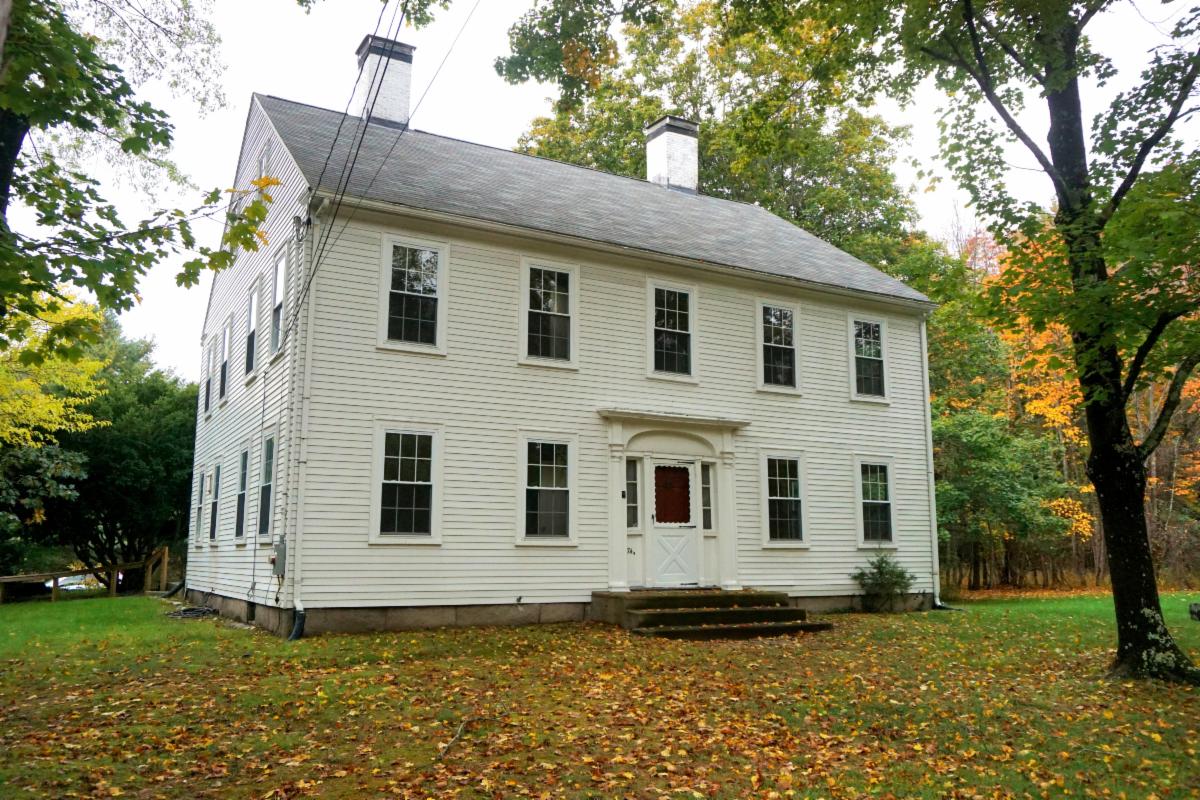
As the house that is bursting with history, it literally can’t stop talking. Today it sits majestically on the knoll at 74 Harding Street, nestled behind a row of protective pines. Parts of it served as the original garrison for the north end of town during the Native American attack in the King Philip War. Inhabited by abolitionists in the years before the outbreak of the Civil War, it served as a stop on the Underground Railroad, generations of Harding family members called it home.
The history of 74 Harding Street began with the fears of the pending King Philip War. With the outbreak of the war in 1675, Medfield began to build some five garrisons or small forts throughout the town to protect the citizenry in the event of an attack. Here on the land that is now 74 Harding Street a garrison was built for those in the north end of town to flee to during an attack.
| 74 Harding Street as seen from the street. | |
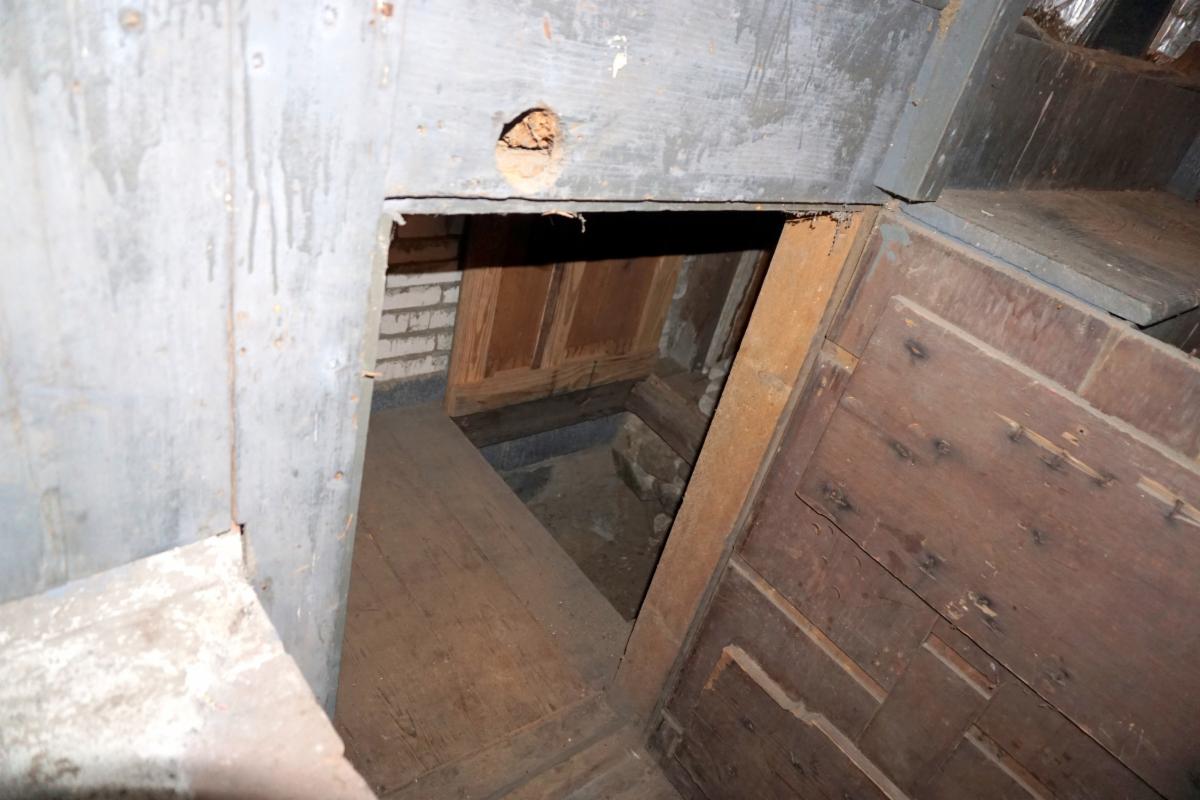
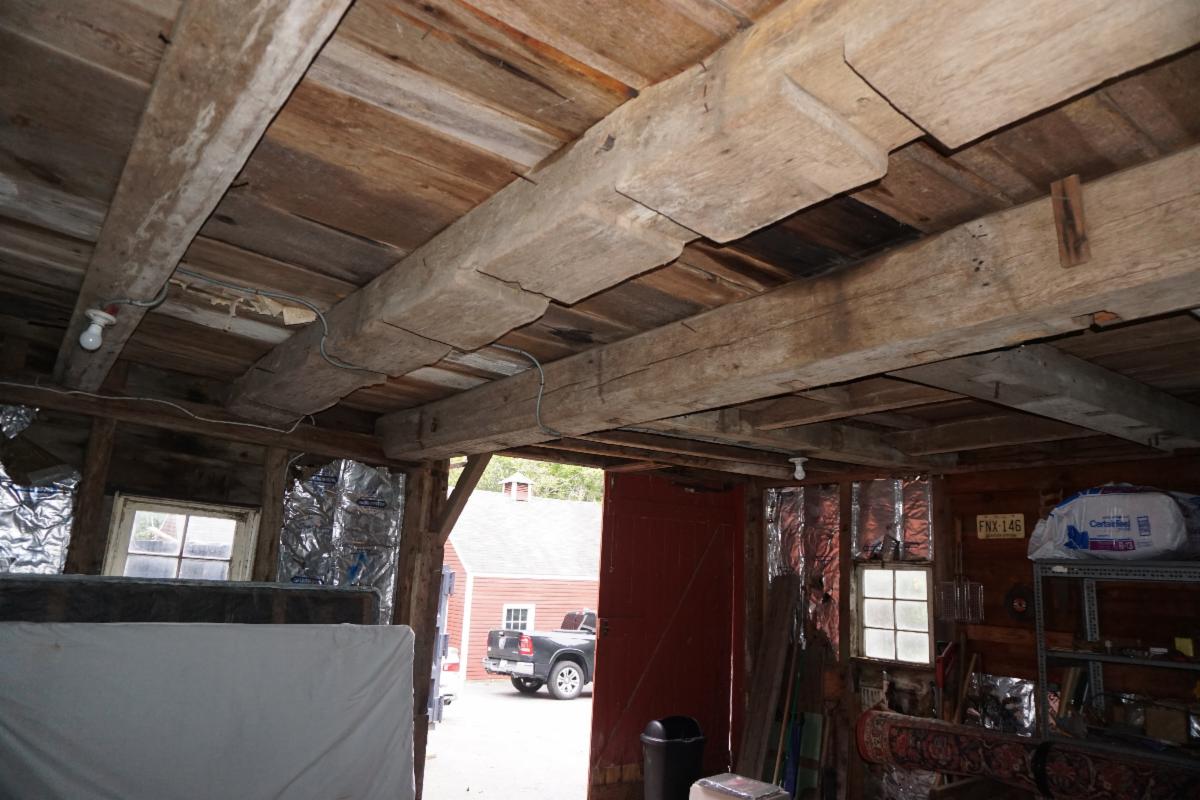
Half-flight of stairs from kitchen into barn; trap door in storage area [sic] below steps opens to tunnel used for temporary hiding of slaves escaping in Underground Railroad. | Oversize beams from garrison burned in 1676, reused in barn that is tholdest part of the 74 Harding Street house. | |
|
Such an attack did indeed come; on February 21, 1676 some 300-1,000 Native Americans under the leadership of Monoco, known as One-Eye John, attacked and burnt half of the town. Some 32 houses and barns and outbuildings were destroyed. Some 17 settlers were killed.
At the time, John Harding was living on Bridge Street. During the Native-American attack, every house on Bridge Street, including Harding’s, was destroyed. The following year he received a grant of a small spot off what is today the 74 Harding Street area.
Here he moved into the garrison which would become the nucleus of the Harding homestead. John died in 1720 and his wife Elizabeth in 1727.
It is at this time that the property went to son Abraham. Abraham demolished the old garrison, but using its timbers, built what is today the original part of 74 Harding Street; hence with those ancient timbers, 74 Harding Street becomes one of the oldest structures in town.
Click here to read more >>
| |
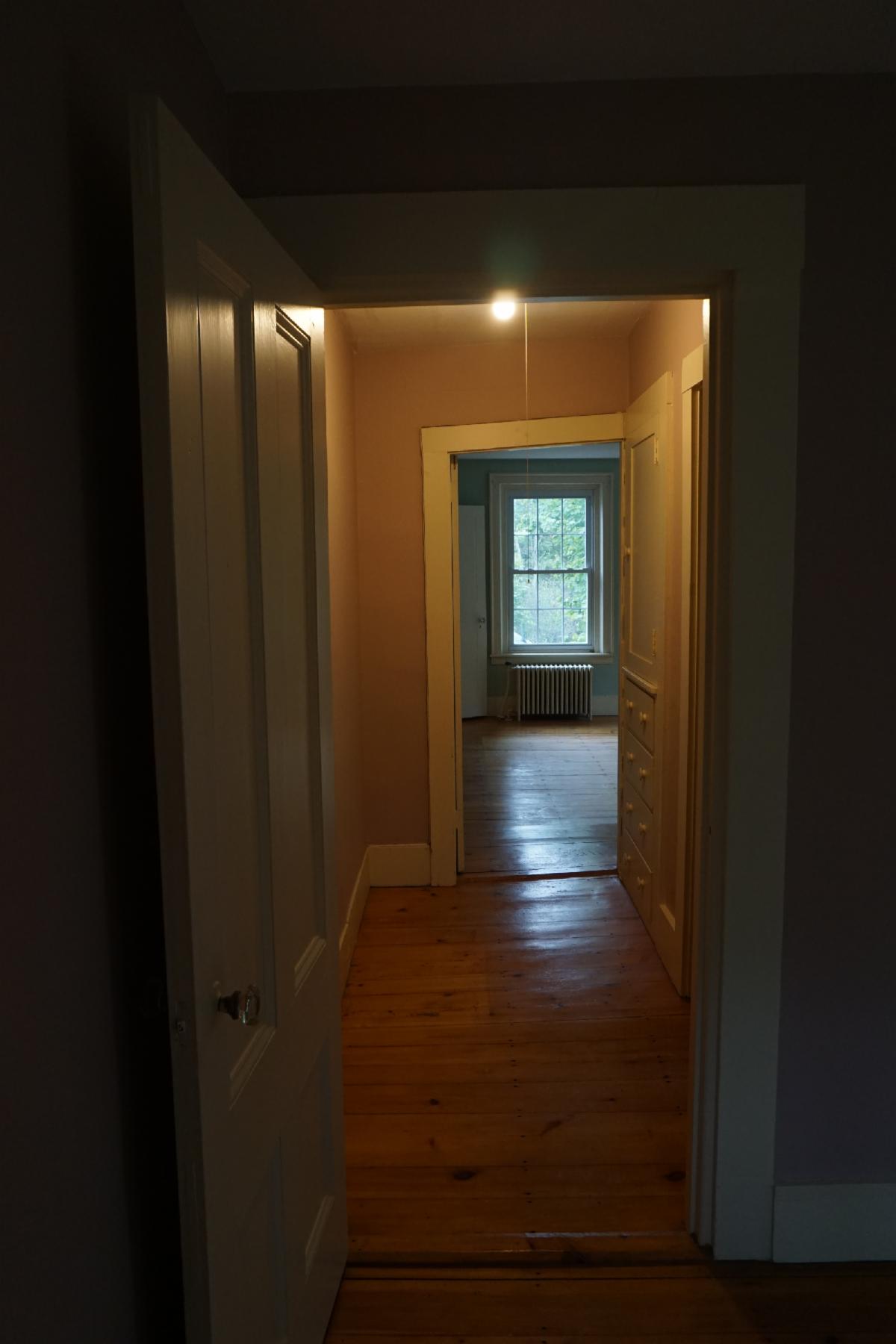
The charm of a well-settled colonial home. Note the angle of the door frame vs the relative squareness of the window. | |
People and Places of the Past | |
Staff Sargent Bruno James Palumbo: Tinker, Tailor, Soldier with Valor and Honor | |
|
by Tim Flaherty
[Editor’s note: Tim Flaherty wrote about Medfield’s extended Palumbo family in the July/August Portal. This addendum about Bruno Palumbo contains information about his World War II service which was not available when the original story was written.]
My uncle Bruno Palumbo was the third from the youngest of the 10 children of Luigi and Antoinette Paumbo of 59 Frairy Street. After graduating from Medfield High, where he played football and baseball, Uncle Bruno studied business administration at the Fisher School in Boston. On Jan. 12, 1942, Bruno enlisted in the US Army and served 35 months during World War II working as an airplane mechanic, returning to the United States in August of 1945.
One of Uncle Bruno’s best memories was casting his first vote in a presidential election for Franklin Delano Roosevelt in 1936. Like FDR, he once hoped to run for political office because he had the will to work for the good of the people.
Early in their marriage, Uncle Bruno and Aunt Lillian lived in Chelsea where they started their family with their daughter, Darlene, and son, Jimmy. However, before long Bruno and Lillian decided to move to Medfield. Both Darlene and Jimmy attended Medfield schools and did very well academically. Bruno became the bank president at the Hudson National Bank in Watertown, Mass., while Lillian was the homemaker raising their two children.
Click here to read more >>
| | | | | |