| View in Browser |

|
|
Daily Transportation News | November 5, 2026 |
| Editorial and legal note: This briefing is provided for general information and professional awareness. It summarizes publicly available materials from government agencies, legislatures, transportation providers, companies, and news organizations. Inclusion does not constitute IATR endorsement, legal advice, a finding of fact, or a recommendation that any regulator adopt a particular policy. Readers should consult the original source and applicable law before relying on any item for regulatory, procurement, enforcement, or operational decisions. “Why it matters” boxes are editorial analysis. Proposals, studies and implementation guidance are identified separately. |
| Award Recognition | Celebrating Our Friend Ira Goldstein |
IATR Congratulates Ira Goldstein on Two Industry Honors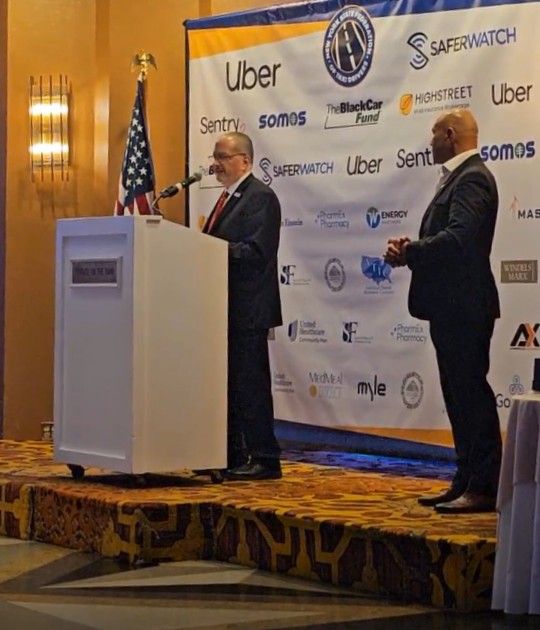 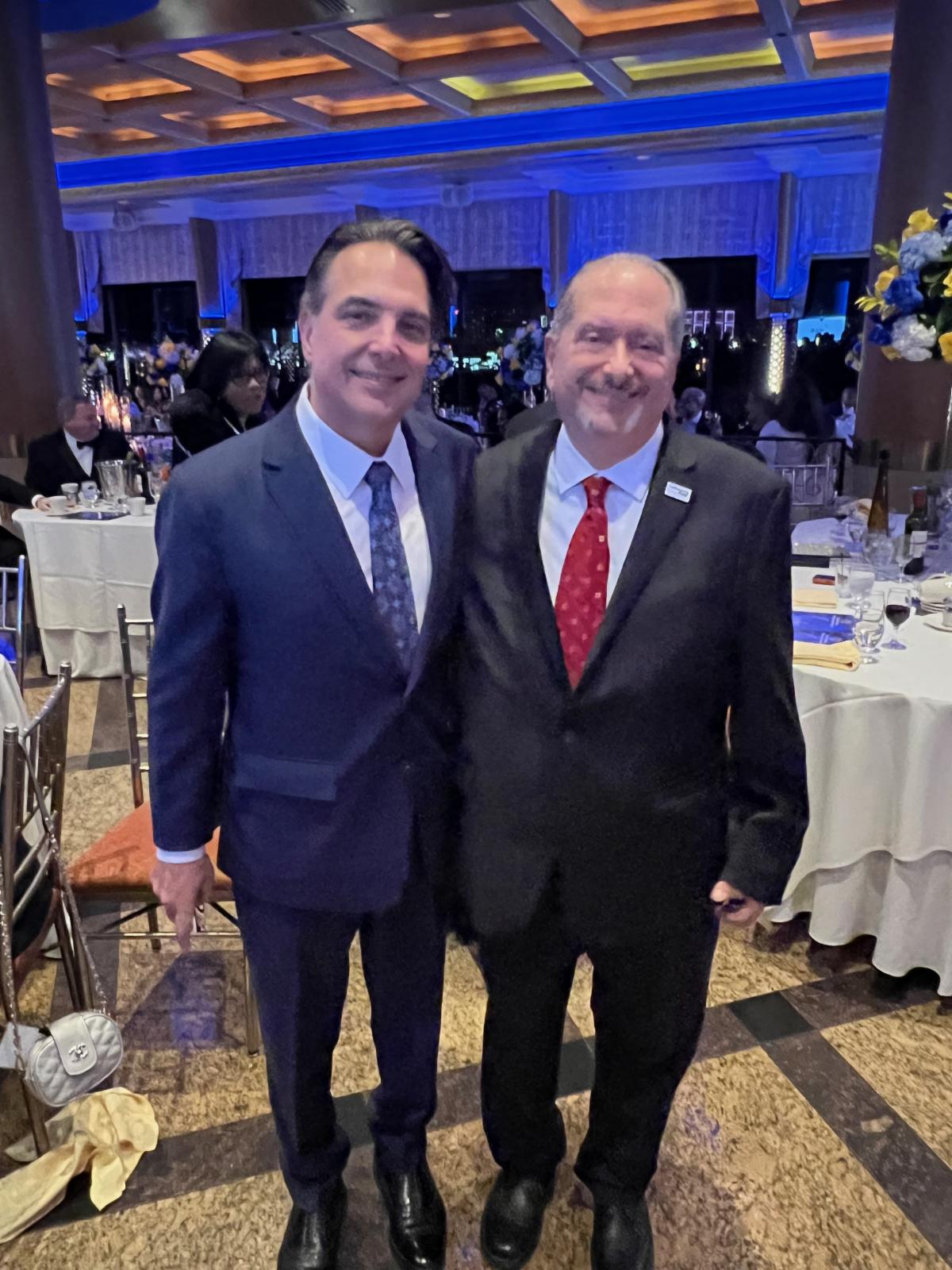 Ira Goldstein with IATR President Matt Daus (Left). IATR congratulates our friend Ira Goldstein, Executive Director of The Black Car Fund, on recognition from the New York State Federation of Taxi Drivers and The Transportation Alliance. Both honors celebrate his service to the people who keep passenger transportation moving. The New York State Federation of Taxi Drivers honored Goldstein at its annual gala on October 8, 2026, recognizing his commitment and service to New York’s transportation community. We thank NYSFTD for its continued advocacy for driver safety, rights and fair treatment, and congratulate all of this year’s honorees. |
The Transportation Alliance Names Goldstein a 2026 President’s Award Recipient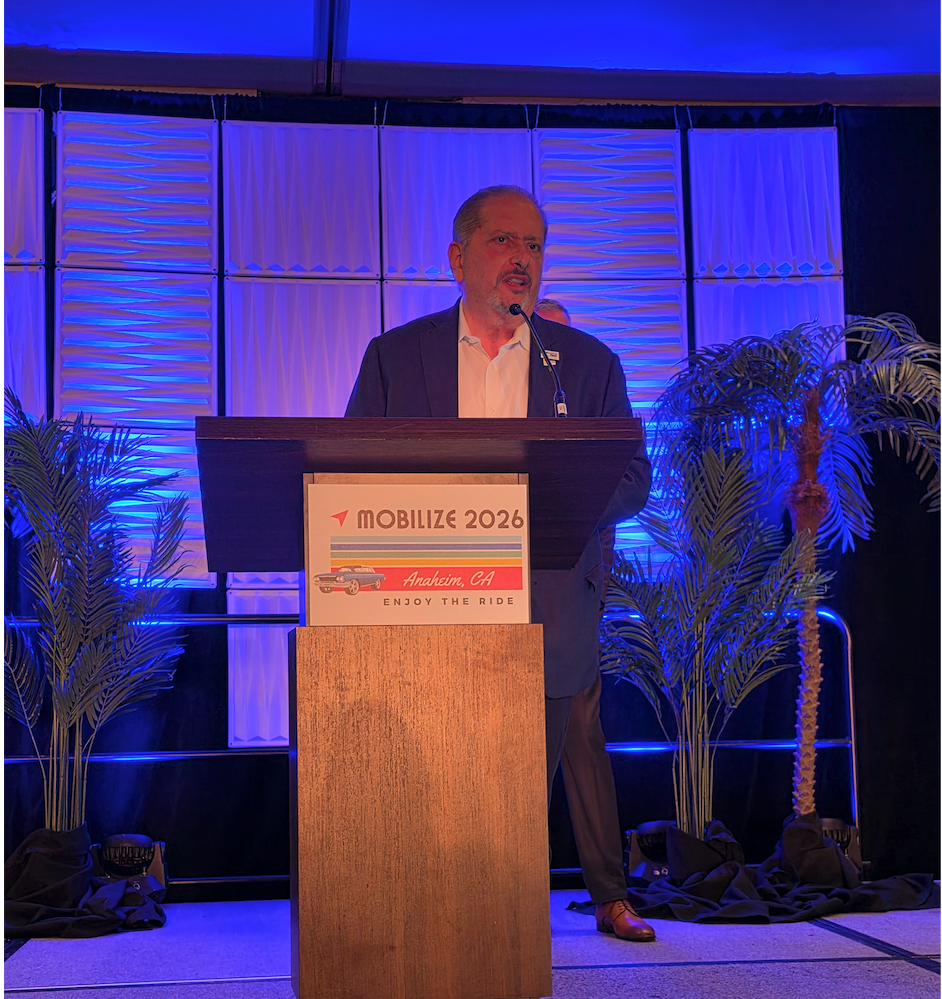 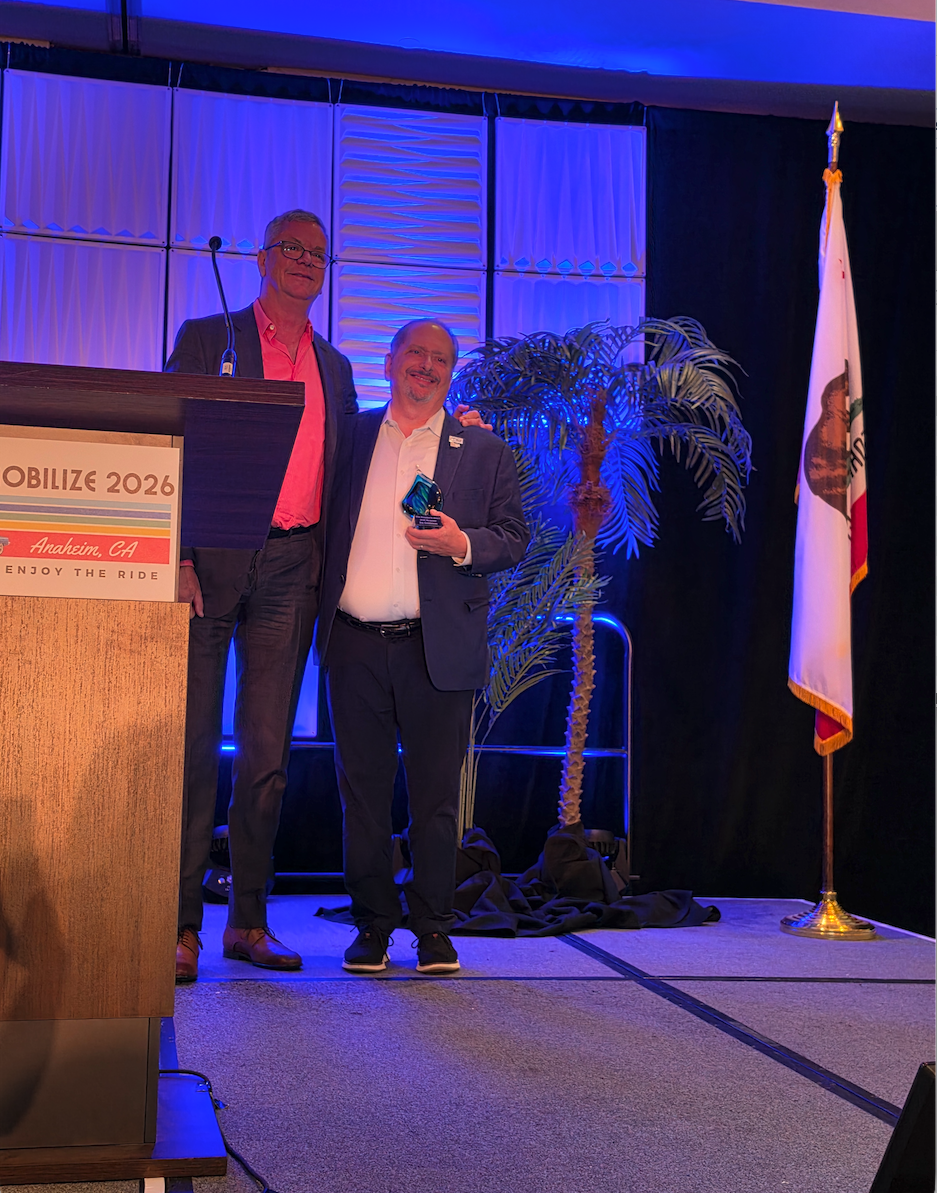 Ira Goldstein with TTA President Bill Rousse (Left). The Transportation Alliance named Ira Goldstein a recipient of its 2026 President’s Award for his contributions to the association and passenger transportation industry. Through The Black Car Fund, Goldstein helps protect approximately 100,000 drivers across New York through workers’ compensation coverage and additional health and financial benefits. He also serves on TTA’s board. The other announced honorees were Tom Sikkema, founder of Ride YourWay, as TTA Advocate of the Year; wheelchair-transportation driver Abe Andrews, receiving the TTA Foundation Sigmund “Ziggy” Zilber Award; and Rick Hewatt and Geoffrey Riesel, recognized posthumously with Lifetime Achievement Awards. Congratulations to Goldstein and all of the honorees. Source: The Black Car Fund |
| Top Highlight | Massachusetts TNC Rulemaking |
Massachusetts Examines TNC Electrification, Driver Suitability and Regulatory FeesThe Massachusetts Department of Public Utilities is conducting two in-person technical sessions in Docket DPU 26-90 as part of a rulemaking to amend transportation network company regulations. The proceeding brings together two important areas of rideshare oversight: fleet electrification and the processes used to onboard and assess drivers. The first session’s agenda focused on continued stakeholder discussion of electrification requirements. It called for stakeholder presentations, discussion of electrification targets, and consideration of TNC biennial plans and annual reports. These topics connect the setting of policy goals with the planning and reporting mechanisms used to track progress. The event page does not specify final targets or establish that new requirements have been adopted. The agenda also identified added TNC fees for discussion, specifically a TNC permit-application fee and a background-check fee. No fee amounts or implementation dates appear on the event page. Agencies and operators should therefore distinguish discussion of a fee mechanism from an adopted schedule or a current payment obligation. The second technical session will focus on rideshare-driver onboarding and suitability. It is scheduled for Tuesday, December 8, 2026, at 10 a.m. in the third-floor hearing room at One South Station in Boston. The notice does not set out final screening criteria or announce changes to individual drivers’ eligibility. The public is welcome to observe and interested stakeholders may participate. The notice provided Spanish and Mandarin interpretation for the first session and directs interpretation requests for the proceeding to zachary.caunter@mass.gov and dpu.ej@mass.gov. Questions about the matter may be directed to zachary.caunter@mass.gov. The October session’s posted agenda is not a record of decisions or a final regulation. Any resulting obligations must be checked against subsequent docket materials, adopted rule text and applicable effective dates. Why it matters to regulators: The proceeding links emissions policy, platform accountability, administrative costs and driver screening. For other jurisdictions, the useful comparison is not an assumed Massachusetts outcome, but how a regulator organizes stakeholder input and connects proposed requirements with compliance plans, reporting and suitability controls. Agencies can monitor the docket for final definitions, responsibility allocation, fees and transition arrangements. |

|
Mexican Cartels Are Building Luxury Fleets by Stealing U.S. Rental Cars Image source / credit: Carlin Stiehl / For The Times. A Los Angeles Times investigation reports that criminal organizations obtain U.S. rental cars and trucks and move them into Mexico, complicating recovery and exposing rental fleets to substantial losses. The report identifies California as a major target and describes challenges involving identity verification, theft reporting, tracking restrictions and cross-border coordination. The precise number of stolen rental vehicles taken to Mexico is unknown. The article’s corrected California Highway Patrol figure is approximately 850 California-stolen vehicles recovered in Mexico annually since 2023. That count includes privately owned vehicles and rentals; it is not a count of rental thefts or total vehicles crossing the border. Why it matters to regulators: The investigation raises fleet-security, privacy and information-sharing questions relevant to rental and other passenger-vehicle fleets. Tracking and recovery practices must be evaluated against applicable law. |
SFMTA Identifies Taxi and Accessible Loading Locations for November EventsSFMTA’s holiday-week advisory identifies taxi and accessible loading arrangements around Chase Center and temporary pickup/drop-off taxi stands near Moscone Center. At Chase Center, the taxi stand is on southbound Terry Francois Boulevard; ramp taxis should use the eastbound Warriors Way loading zone at Bridgeview Way. Temporary taxi locations include designated white zones near the W Hotel and Intercontinental and the south side of Howard Street between Fourth and Fifth streets. The notice is event-specific operating guidance, not a new taxi-licensing rule. Why it matters to regulators: Accessible loading and taxi staging should be communicated alongside road closures so drivers and passengers can find lawful, usable pickup points. Source: SFMTA |
House Transportation Committee Faces Post-Election Changes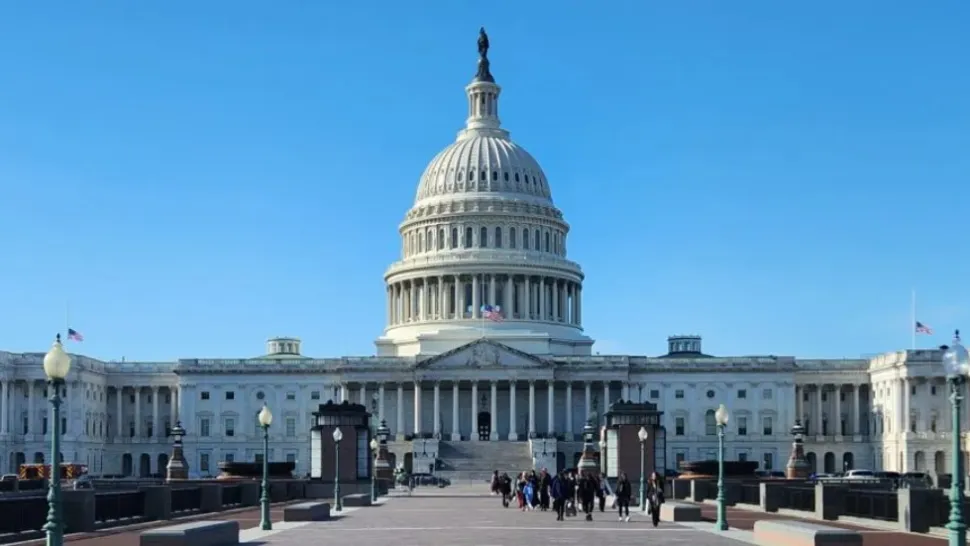 Image source / credit: FreightWaves. FreightWaves reports that House Transportation and Infrastructure Committee membership and leadership are set for significant changes following the election, with current chairman Sam Graves retiring and Rick Larsen expected to lead the committee under Democratic control. The report identifies surface-transportation reauthorization, autonomous-vehicle accessibility research and possible insurance-policy debates as issues to monitor. Industry expectations about a funding extension or a revised bill are forecasts—not enacted legislation or final committee appointments. Why it matters to regulators: Passenger-transportation agencies can monitor reauthorization for changes affecting accessibility, AV oversight and federal funding. Trucking-specific insurance proposals should not be presented as changes to taxi or TNC coverage requirements. Source: FreightWaves |
| Event Highlight | Matt Daus at CoMotion LA |
IATR President to Lead Discussion on the Future of Urban Water Transit Matthew W. Daus, IATR President, is featured in “Ferries and the Future of Urban Water Transit” at CoMotion LA, which returns November 18–19, 2026. The session is scheduled for Wednesday, November 18, 11:00–11:35 a.m. PST / 2:00–2:35 p.m. EST on the Spotlight Stage. The discussion will bring together operators and vessel builders to examine sustainable fleets, service improvements and the regulatory, funding and infrastructure hurdles facing urban water transit, including electrification, hydrogen and hydrofoils. IATR registration benefit: save 20% with code IATR-20 when registering for CoMotion LA. Check the organizer’s current program and registration terms before booking. |

|
Waymo Vehicles Begin Appearing on Toronto Streets With Human DriversNew reporting documents Waymo vehicles on Toronto streets following the company’s October announcement. The vehicles observed had human drivers; the activity should not be described as an operating driverless taxi service. The company describes a phased approach beginning with mapping and testing with trained specialists behind the wheel. Taxi-industry representatives have raised questions about congestion and street safety. Those concerns are stakeholder positions, not findings that a violation occurred. Why it matters to regulators: Separate provincial testing participation, actual driverless operation and permission to provide paid passenger service. Each stage requires clear public communication and accountability. Source: Yahoo News Canada · blogTO |
Toronto-Area Poll Finds Support for More Speed Cameras Image source / credit: CityNews. A Canada Pulse Insights poll reported by CityNews found that 68% of Toronto respondents and 62% of respondents in the surrounding GTA supported more speed cameras. The survey included 510 Toronto adults and 825 adults elsewhere in the GTA and was conducted September 14–25, 2026. The reporting comes after Ontario’s municipal speed-camera ban took effect in November 2025. The findings measure public attitudes; they neither restore enforcement authority nor establish the effectiveness of a specific camera program. Why it matters to regulators: Public acceptance can inform safety communications, but program evaluation should distinguish opinion research from observed speed, collision and injury outcomes. Source: CityNews |
Canada’s Proposed Biofuel Credits Draw Industry ScrutinyReuters reports that proposed Canadian biofuel changes would give additional production credits to domestic producers, with different multipliers for ethanol, biodiesel and renewable diesel. The reported proposal faces a 75-day review period. Industry groups differ on whether the incentives will sufficiently narrow the competitiveness gap with U.S. producers. The report describes proposed producer incentives rather than an adopted requirement for passenger-transportation fleets. Why it matters to regulators: For passenger fleets evaluating lower-emission fuels, distinguish proposed producer incentives from enforceable fleet obligations or a guaranteed reduction in operating costs. Source: Reuters via Yahoo Finance |

|
England Consults on Licensing Shared Cycle and E-Bike SchemesThe Department for Transport has opened consultation on a national framework for local licensing of shared cycle and e-cycle schemes. Proposed conditions address parking plans, fleet sizes and operating areas, maintenance, antisocial behaviour and possible operator-insurance requirements. The consultation also asks about fees and operator data sharing. Responses are due by 11:59 p.m. on December 31, 2026. These are proposed implementing measures, not a statement that every condition is already in force. Why it matters to regulators: The proposals connect curb accessibility, operator accountability and data governance. Clear licensing conditions could improve consistency while preserving local management of streets and public space. Source: DfT consultation |
Isle of Wight Reviews Taxi Payments, Driver Checks and Vehicle StandardsTaxiPoint reports that the Isle of Wight Council has opened consultation on a revised 2027–2032 taxi and private-hire licensing framework, with responses due December 16. Proposals include electronic payment availability, refresher training and expanded drug and alcohol testing. The reported changes would also relax vehicle entry-age limits while extending the minimum driving experience expected of new applicants. The measures remain proposals; publication of the consultation does not itself change an individual licence condition. Why it matters to regulators: The package illustrates the balance between consumer payment access, driver suitability and fleet replacement costs. Implementation dates and transition arrangements need to be communicated separately from consultation proposals. Source: TaxiPoint |
Italy’s Automated-Driving Debate Highlights the Gap Between Vehicle and Service Approval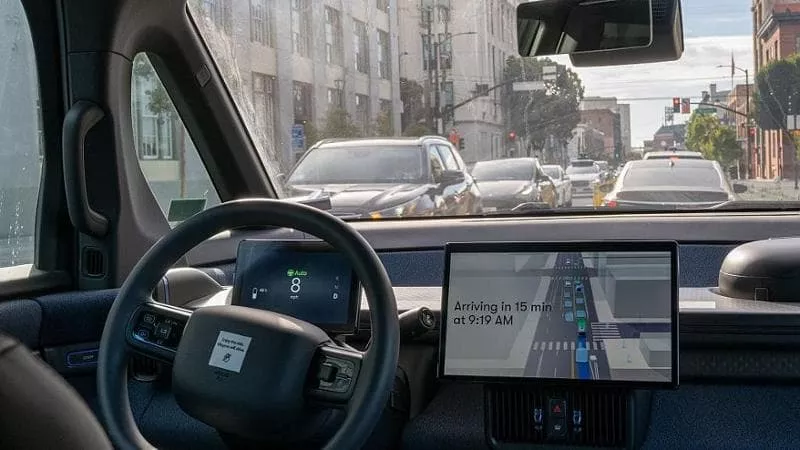 Image source / credit: La Repubblica. La Repubblica reports renewed interest in automated driving following discussions between Transport Minister Matteo Salvini and Elon Musk. The report distinguishes supervised driver-assistance technology from systems intended to operate without an onboard driver. It notes that European vehicle type approval does not by itself settle national road-use, insurance, liability or commercial-service permissions. Italy’s existing testing pathway should not be confused with general authorization for commercial driverless taxi operations. Why it matters to regulators: Regulators should identify exactly which automation level and permission an announcement concerns. Product certification, supervised testing and passenger-service authorization are distinct decisions. Source: La Repubblica |

|
Jordan Introduces Licensing Rules for Taxi E-Hailing ApplicationsJordan’s state news agency reports new licensing rules for yellow-taxi offices offering app-based services. Operators require Land Transport Regulatory Commission authorization, with requirements covering GPS tracking, electronic payments, cybersecurity and passenger-data protection. Fare and commission structures require prior approval, while apps must show fare estimates or calculation methods before booking. Dispatch is limited to a vehicle’s authorized home governorate; geofencing must suspend new requests when the vehicle leaves that area. The report also describes direct electronic oversight and a ban on selling or sharing passenger data with third parties. Why it matters to regulators: The framework links taxi modernization with geographic permissions, price transparency and regulatory data access. Agencies considering similar systems can examine safeguards around monitoring and data handling. Source: Petra |
Philippines Considers Motorcycle-Taxi Rider-Cap ReviewTransportation Secretary Vince Dizon is considering a review of motorcycle-taxi rider caps, according to The Philippine Star. The discussion follows an LTFRB penalty of approximately P555.7 million against Move It over rider numbers. The platform has appealed, and the LTFRB said the decision was not yet final. The proposed cap review and the enforcement case are separate processes: neither reporting nor an appeal establishes that the existing cap has been lifted. Why it matters to regulators: Supply controls require reliable platform records, transparent counting methods and clear procedures for review and appeal. Distinguish a policy debate about capacity from an adjudicated compliance finding. Source: The Philippine Star — cap review · The Philippine Star — appeal |
Singapore Clarifies AV Sandbox Treatment Under Its Vehicle-Quota SystemMinister for Transport Jeffrey Siow told Parliament that Singapore’s passenger-AV deployment remains at an early stage, with 15 passenger AVs in Punggol and a few hundred more expected by the end of 2028, when the sandbox expires. Authorized AVs do not currently need Certificates of Entitlement, so the minister said those deployments have no impact on COE demand or premiums for now. This is the treatment of authorized sandbox vehicles, not a permanent exemption for every future commercial AV. Why it matters to regulators: AV pilots may sit outside ordinary vehicle-supply controls. Regulators should specify how temporary permissions, scale limits and future transitions interact with existing taxi and private-hire markets. Source: Singapore Ministry of Transport |
A Message From the IATR President
At the International Association of Transportation Regulators (IATR), our regulators are at the forefront of addressing both the challenges and opportunities facing the mobility paradigm. Our IATR members, partner organizations, and regulated industries will continue on our shared quest to fulfill the mission of our non-profit educational organization: to bring about Multi-Modal Mobility Innovation for All! This mission can best be accomplished through information sharing, collaboration, identifying and promoting best practices, and educating our membership. These educational updates and electronic media clips are affectionately known as “IATR snips” and endeavor to cover all aspects of mobility around the globe, especially news and developments involving safety, technology innovation, multi-modal integration, automation, sustainability, electrification, accessibility, regulatory modernization, and equity. If you would like more information about the IATR, please visit IATR.Global . Current members can renew their memberships by logging in through the IATR portal at the top right-hand side of the website. If you forgot your membership password, please email info@iatr.global. |
INTERNATIONAL ASSOCIATION OF TRANSPORTATION REGULATORSAdvancing safe, equitable, innovative, and effective transportation regulation worldwide. |