Romanosky Automotive Weekly Gazette #57

Leasing Made Complicated

Automobile leasing is a funny business, and manages to confuse almost everybody. There are open and closed end leases, 'subvented' or discounted rates, and varying lease-end obligations. But it is probably the determination of the residual value which has the largest impact on the payment, and is the least understood. In this era of inflated used car values, just about every leased car will have equity in it from overpaid depreciation. If you have a leased vehicle, you want to capture this, and not just gift it to the leasing company or the dealer.


It think it helps to deconstruct a lease payment into simple math to understand where the payment comes from. Also, we need to get rid of some obsolete terminology from an industry stuck in the past. 


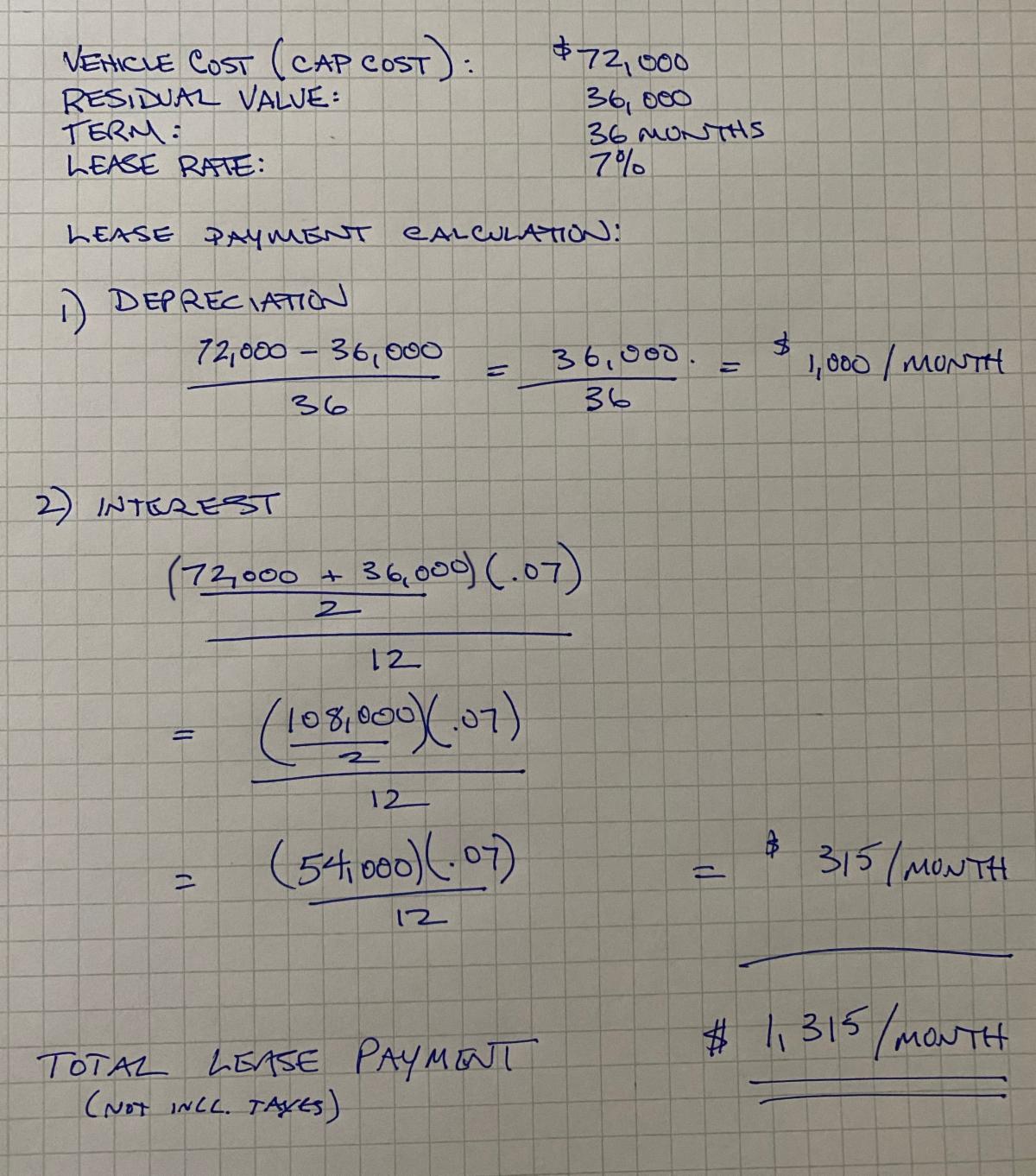
The lease payment is made up of two things: depreciation and interest. The depreciation is the purchase price of the car less the residual value. This is adjusted by the down payment. The leasing terms are Capital Cost (purchase price) and Net Capital Cost (purchase price less down payment). If a car costs $72,000 and has a 50% residual ($36,000) over 3 years, the depreciation is $72,000 - $36,000 = $36,000. Divide this by the number of payments (36) and you get $1,000 every month that covers the depreciation of the vehicle. Your lease payment will be $1,000 per month plus the interest expense.


You pay interest on the outstanding balance of your lease. The first month of your $72,000 contract you will pay one twelfth of the annual rate of interest multiplied by $72,000. Each month you will pay principal and interest, no different from any other type of amortization. At the end of the lease you will pay interest only on the residual. So in this example we would pay interest on $72k in the first month and $36k on the last month. It just so happens that if we pick the mid-point between the starting and ending balance we can determine the average interest expense over the life of the lease and approximate the interest portion of the lease payment. This is the basis for the 'Money Factor' which - inexplicably - some lease companies insist on using (more on this later).

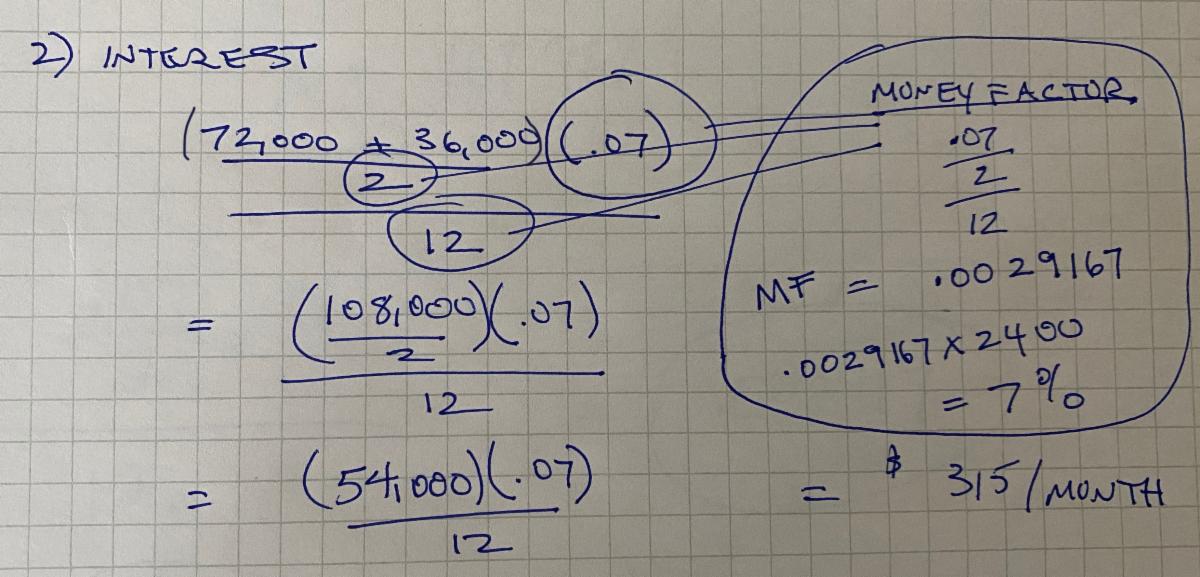
This is an approximate calculation that will come within a few dollars of the actual payment calculated using the much more complicated amortization formula. It is where the 'Money Factor' comes from. Leasing companies came up with a table of 'Money Factors' for the Finance Managers to use before we had the widespread use of financial calculators (1990)? Some leasing companies still use these tables, and should probably be told the world has moved on. 


The money factor is nothing more than the interest rate divided by 2,400. The reason they came up with it was so somebody without a financial calculator or a computer could calculate a lease payment. It simplifies the above calculation by picking out the '.07', the '2' and the '12', leaving only the Cap Cost and Residual. So you add the Cap Cost to the Residual and multiply by the Money Factor to get the Interest portion of the payment. Then when the customer asks what the rate is, the Finance Manager tells the client it is .0029167, instead of 7%...

Needless to say, I think we can all assume that anybody who is in the business of selling cars has access to a financial calculator or computer, and .0029167 just doesn't roll off the tongue as well as 7%. The only reason I can think of to use a Money Factor is that you don't want anybody to know what the interest rate is... So, leasing professionals out there, can we please get rid of this?


That all said, I think using the full equation and breaking up the lease payment into depreciation and interest is beneficial. It breaks out your cost of borrowing nicely and shows the affect that the residual has on your monthly payment. 


The Residual Value is meant to equal the wholesale value of the vehicle at the end of the term - the amount of money the leasing company would realize if the car was sold at auction. This is almost never accurate: the vehicle can be worth less than the residual or is most often the case today - substantially more. With the common 'closed end' lease, if the vehicle is worth less you have underpaid the depreciation and the leasing company will take a loss. If the vehicle is worth more, you have overpaid the depreciation and have equity in the lease which you should try to capture.


The determination of the Residual Value is something of a battle between the Sales and Financing arm of the manufacturer.  The Sales people along with the dealers want the residual as high as possible so that they can advertise a low payment. The Financing people want to have the residual as low as possible so as to incur the least risk. 


When they don't agree, the Sales division can take some money out of their marketing budget and buy down or 'subvent' the lease rate. This is where the low lease rates come from. The Leasing company still gets 7%, but the retail customer pays less with corporate or dealer marketing funds coming up with the difference. 


In today's market, the cost of financing a car is around 5% and the cost of leasing a car 7%.  The 2% spread is accounted for by the increased risk to the leasing company disposing of the car at the end of the lease term. If the rate is less than that, somebody else is helping to pay the bill. That is why dealers will tell you that you can have a cash discount or a low rate, but not both.


If the leasing company is extremely conservative with the residual value - it being so low that they couldn't possibly lose money if they had to dispose of it - there is not much point paying a 2% premium.  The reason to lease is to give yourself protection against accelerated depreciation, and lock in the value of the car at the end of the term. If the residual is silly, then there is no benefit, save for the minute protection against diminished value caused by an accident. 


A company that is desperate to increase market share can offer both a low interest rate and a high residual to advertise a low monthly payment. These programs can be good value for consumers, but often end in tears for the leasing companies that can take substantial end-of-term losses. When these residuals turn out to be overly optimistic, the manufacturers put pressure on the dealers to buy the lease returns and bail them out.  When customers return the cars to the leasing company, they get nickel and dimed for every little mark on the car.


Companies that have no trouble selling a particular model don't have to offer incentives; cash or subvented rates. If they are not selling the cars on payment, there is little pressure to offer realistic residuals.  This is a frustration for buyers who want the payment to roughly approximate the cost of ownership: they don't want to overpay for their  use of a car and then fight for a refund.


Some manufacturers don't have the confidence in their vehicle's resale value to offer any leasing program at all -  this isn't a good sign. They sell the cars on payments with the longest possible amortization and the greatest frequency, "$150 per week for 96 months".  These are textbook cases of 'negative equity' waiting to happen.


Typical residual values are about 50% of a cars value after 3 years and 60,000km. Actual values can vary a lot.


When I sold Bentleys, the big Azure convertible listed for around $400,000. One year later it was worth $200,000 and at the end of year 3 it was only worth $150,000. I remember giving somebody a $75k discount on one, but it still wound up being extremely expensive to own.  At the other end of the scale, the MSRP on a Porsche GT3 may be the lowest price it ever sells for.


Toyota has no trouble selling their Tacoma pick ups. Such is the confidence in Toyota reliability, a used Tacoma costs nearly the same as a new one. Toyota's 36 month lease offers a rate of 6.7% and a residual of $30,000 on a $45,000 MRSP.  That residual shows well deserved confidence in their product.


If you are leasing a car I would dig out the residual value and compare it to what similar cars are being advertised for. If you do appear to have significant equity you can either sell the vehicle privately or trade it in. Your dealer should be happy to write you a cheque or transfer the equity into a new vehicle - if you ask.

This week on Bring-A-Trailer

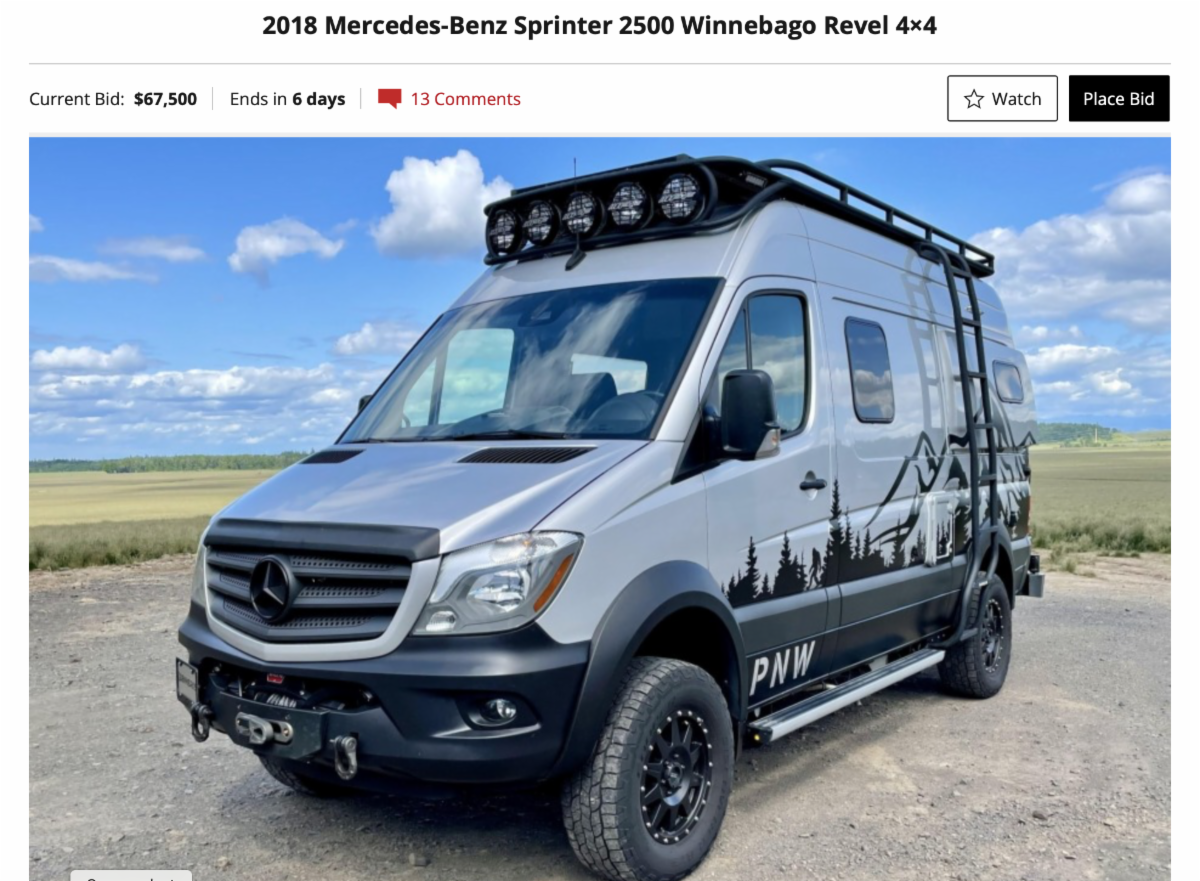
2018 Mercedes-Benz Winnebago Revel Overland in Salem, Oregon

Auction ends Friday, July 8, 2022


I'd be the coolest dad on my block if I had one of these. The video comes from SEMA in 2019. It is easy to spend $200k+ on one of these RV conversions, and that is without the overland bits. Used Sprinters are selling for close to MSRP because of short supply - I can't imagine this being any different. Think of all the places you could go and things you could do - except park indoors.

Auction Results From Last Week....

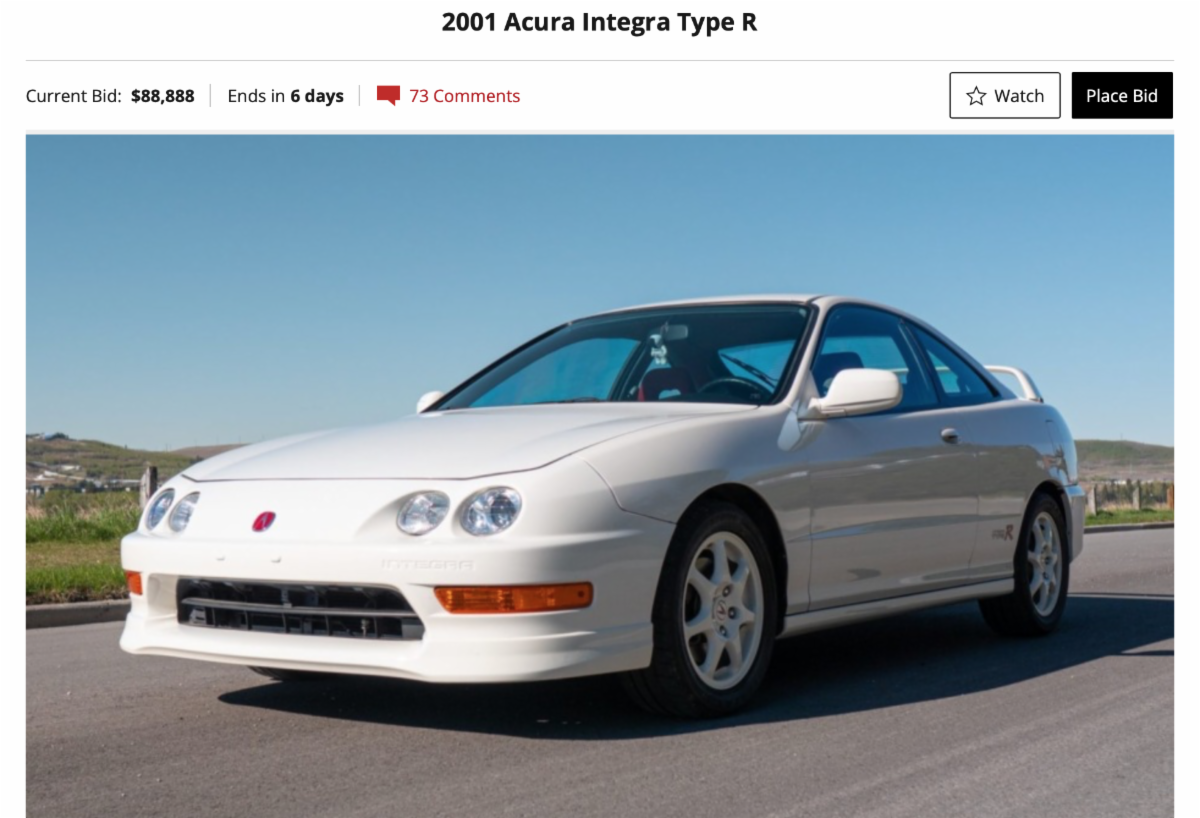
2001 Acura Integra Type R in Calgary

Sold for $88,888, July 1, 2022


This was one of the very few BAT auctions that wasn't decided in the final minutes. The winner's bidding: 44,444, 55,555, 66,666, 77,777, and finally 88,888 just made everybody else give up 5 days early.

New Video: 

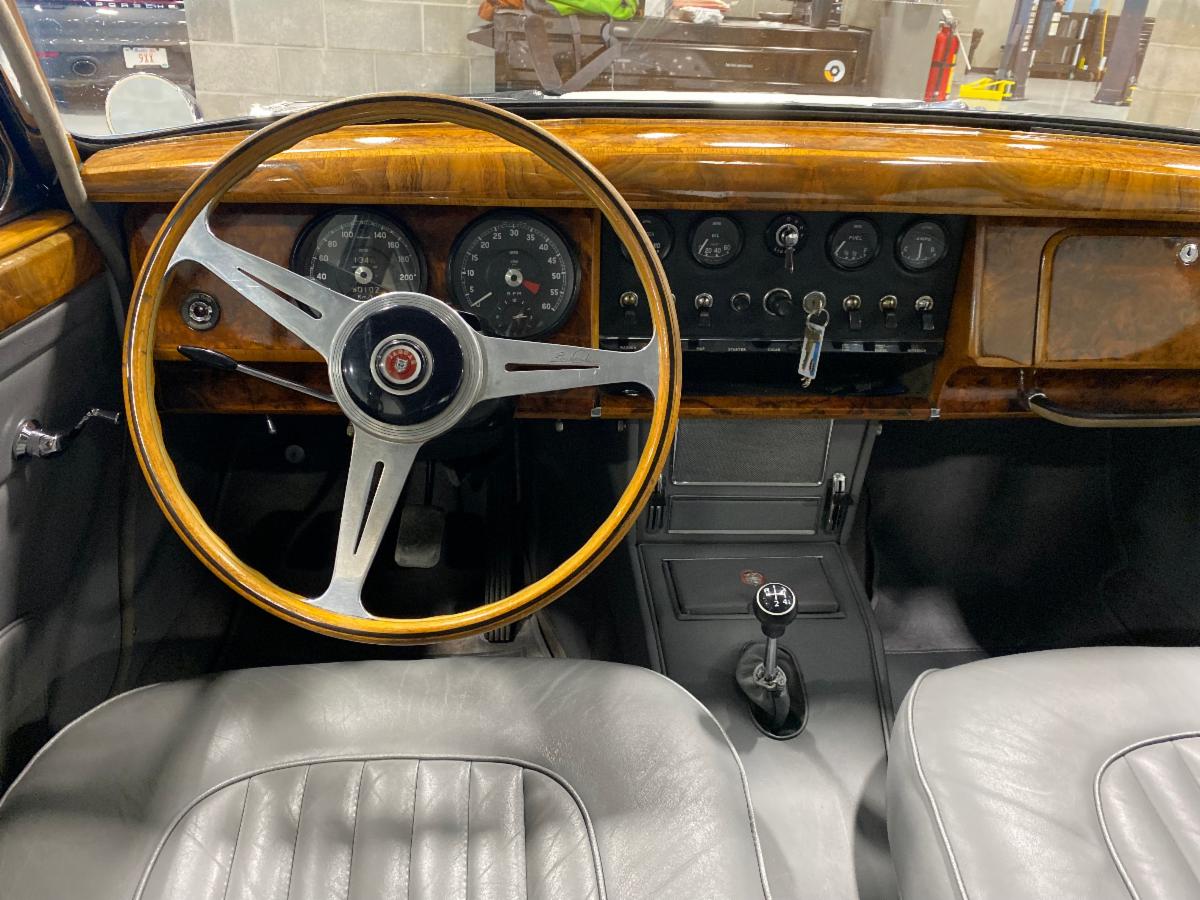
Jaguar Mk II BAT Preview

AUTOMOTIVE SERVICES OFFERED


  • Appraisals


  • Pre-Purchase Inspections


  • Pre-Sale Reconditioning


  • On-Line Auction preparation and management


  • Post-Sale logistics and sorting


  • Restoration Project Management


  • Dent Removal Wheel Repair Wraps and Tint Paint Touch Up Detail


Email Lawrence

Lromanosky@me.com

FOR SALE

2020 MERCEDES-BENZ

GLS 450


Polar White (149) on Espresso Brown. $121K MSRP, In Service Sept 2020, Pre-Paid maintenance until 2024. Premium, Technology, Intelligent driving, Comfort Packages. 2nd row Captain's Chairs. 22,500km. Summer and winter tires.


$100,000

2007 Aston Martin V8 Vantage Roadster Sportshift


Bought at Desert European in Scottsdale, AZ and imported to Canada when new (this was before there was an Aston dealer in Calgary). 93,000km Aston Dealer 4-year service ($2,800) just completed. One owner. Can't be reasonably faulted for year and mileage.

Price Reduction to $55,000

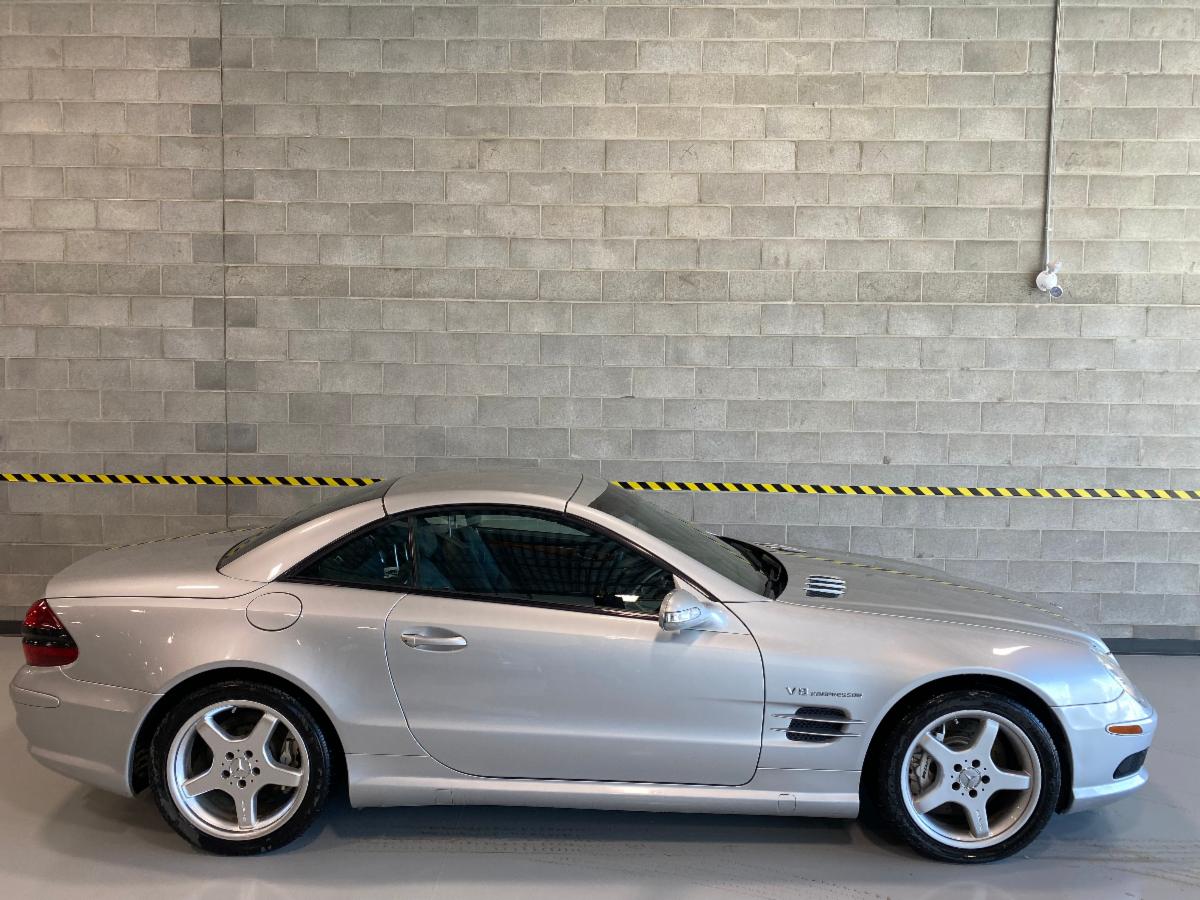
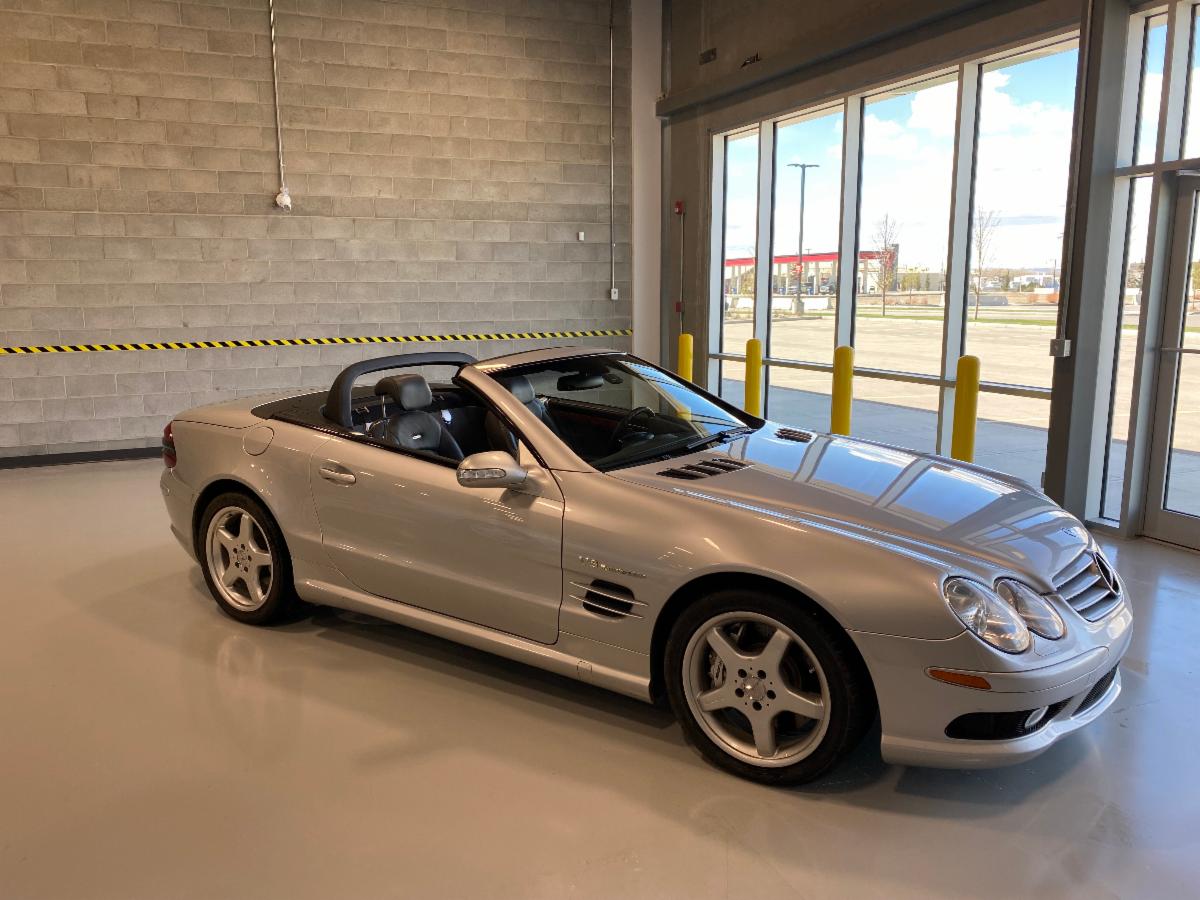
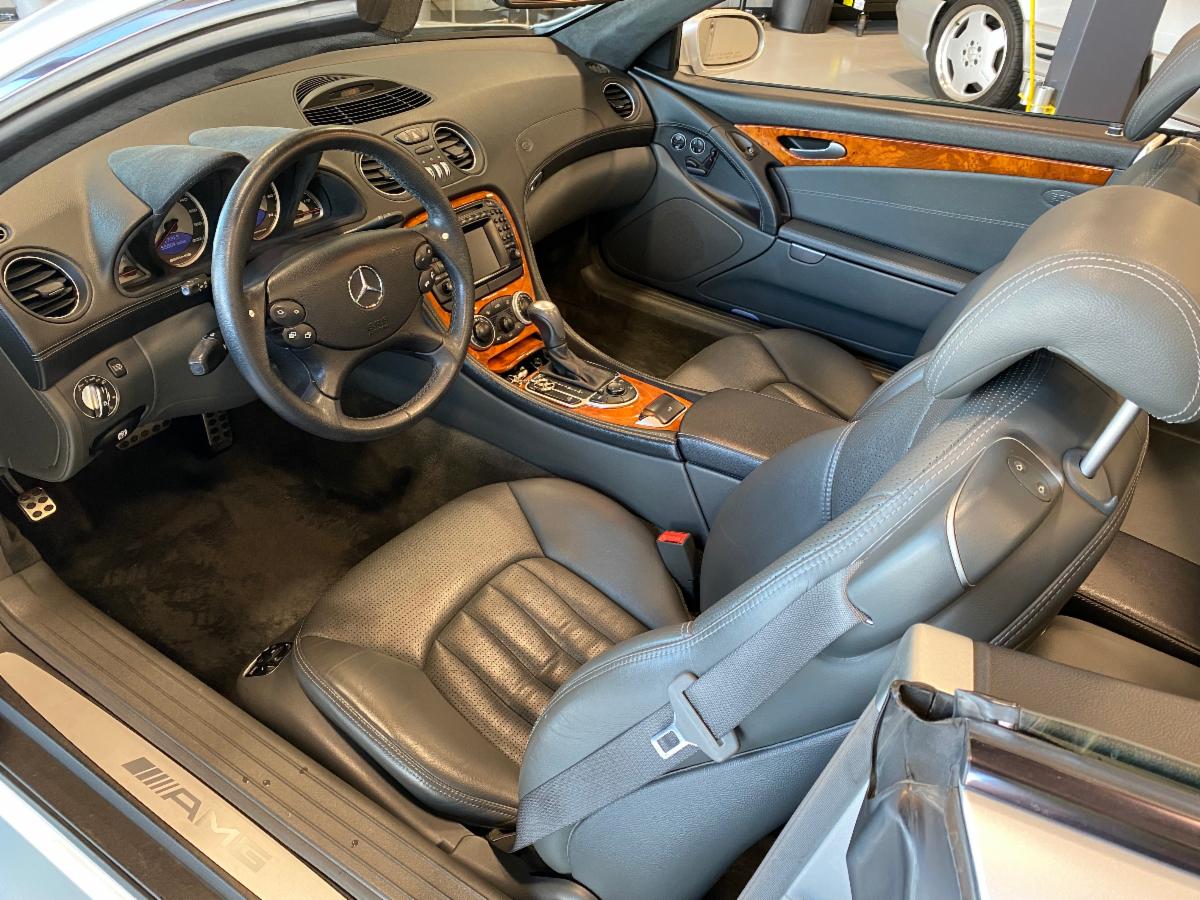
2003 Mercedes-Benz SL55 AMG (R230)


Brilliant Silver (744) on Charcoal, 59,000 miles, Retractable hardtop, 5.4L Supercharged V8 with 493hp, 516 lb/ft Torque, no warning lights, clean bodywork.


Service 'B' Service at Lone Star.

Price Reduction to $27,500

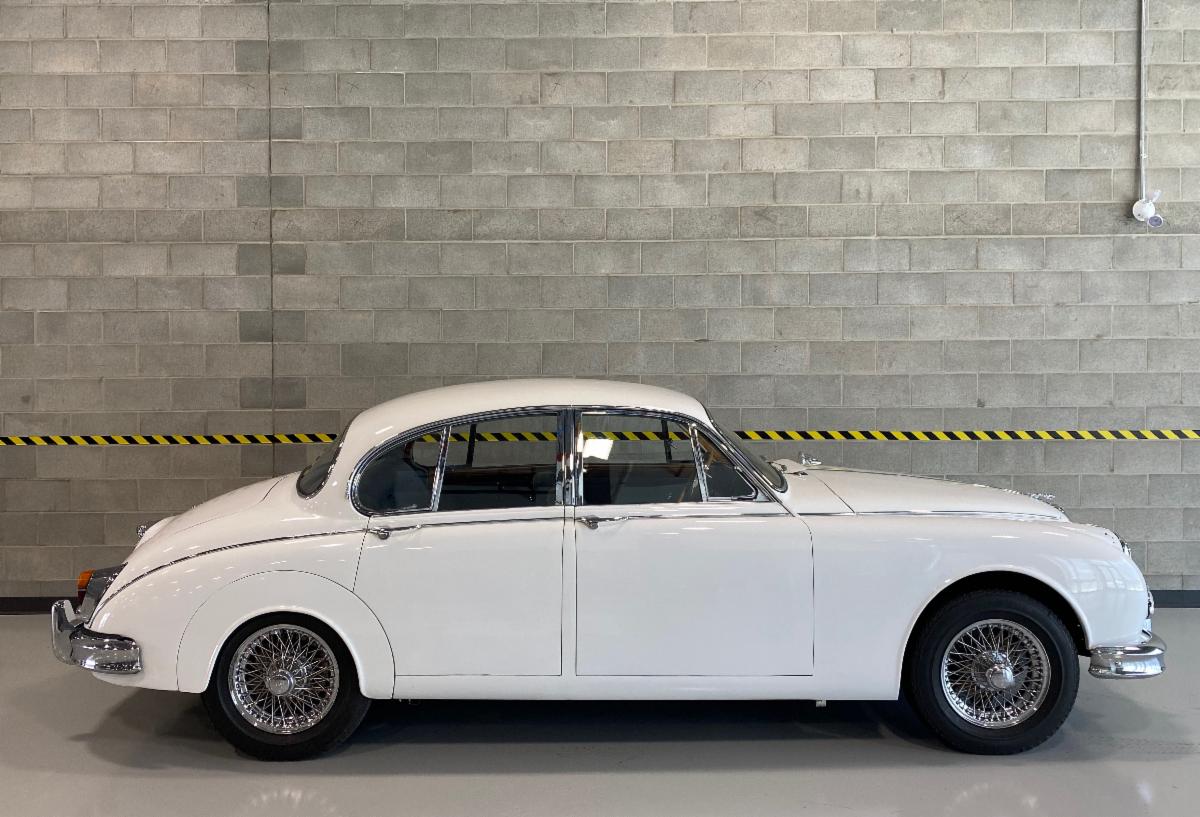
1961 Jaguar Mk II 3.8L 4 Speed


Ultimate Mk II specification. One family owned. Bought in Switzerland and imported to Canada in 1977. Sympathetically refurbished over the years. Always driven annually and kept in excellent working order.


Scheduled on Bring-A-Trailer for Auction

Past Columns From Romanosky:

Quality Through the Decades


To Mod or not to Mod?


Death of a Salesman


The First or Last?


Musk, Lidar and Sensor Fusion


The $142M car


What Makes a Car Collectible?


Value In Today's Overheated Market


Great German Engineers Explained


Cross-Border Shopping For Canadians


The Romantic Automobile


Vin Stamping and Other Irregularities


Servicing Costs: Managing Expectations


Supply Chain Woes


Why Are Some Cars More Costly To Maintain Than Others?


Le Mans Engine In Your Road Car?


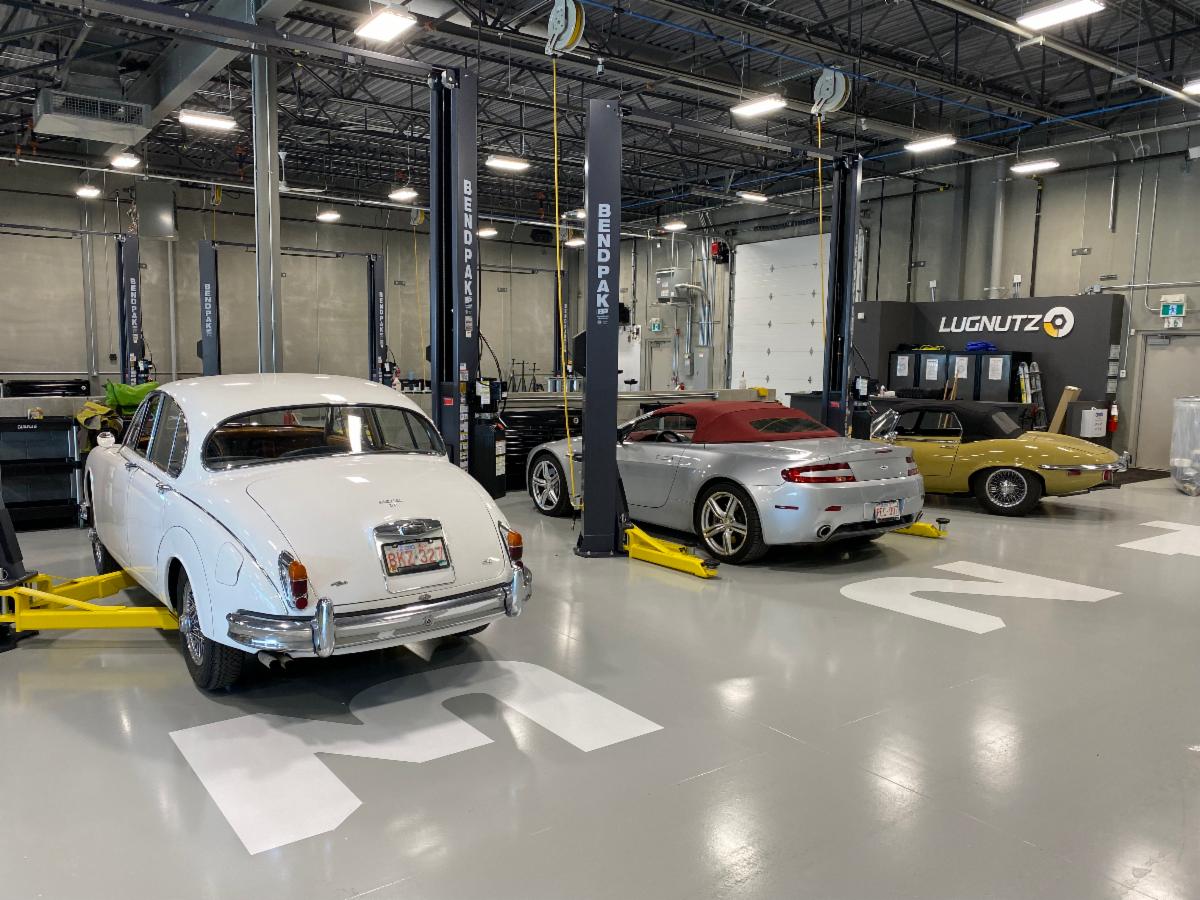
Lugnutz: A Calgary Automotive Hub


Bring-A-Trailer Marches Upmarket


A Guide To Getting Rid of Unwanted Customers


Where has the horizontal homogeneity and vertical affinity gone?


What's Undervalued In Today's Market


The Mercedes Benz Gullwing - Sports Car Of The Century


A Brand By Any Other Name


Grace, Space, Pace: Jaguar's Future


Max Hoffman: World's Best Car Salesman


2021: A Year Of Living Safely


PORSCHE DNA: More Than Just Sports Cars


Vive la Difference


The Noble Cause


Update on Electric Vehicles in Alberta


Automotive F&I - The Good, The Bad, and the Awful 


Restored or Original - Which Is Better To Drive?


Romanosky on Aston Martin


The Best Car In The World


Memories Of The Alfa Romeo GTV


Concours, Resto-mod or Original


Porsche, Ludvigsen & Collier: Excellence Is Expected


Tesla & Me: From Burning Man To The School Run


DC Disappointment: The Alberta DC Charging Infrastructure


Out Of Stock: What Is Going On With Retail Automotive?


Tales Of A Car Salesman Part 2: Having A Ruf Time


Tales Of A Car Salesman: Risky Purchases, Part 1


Road & Track Magazine: The Rise And Fall Of America's Great Automotive PublicationOn-


Line Collector and Specialty Car Auctions: How BaT Changed Everything


CSI And Google Reviews: The Good, The Bad, And The Ugly


On-Line Automobile Sales - Where Does This Leave Sales Managers and Salesmen?


Porsche + Bugatti + Rimac = ?


What About Hybrids?


Telsa's Head Start


Jaguar Gets Some Love


Camping With An Electric Truck: How Far Can We Go?


1000hp Tesla Plaid: Nobody May Have Asked For It, But We're Glad It's Here


Rimac Nevera - Not A Concept Anymore


Upcoming EV's: 400V or 800V - Why Does It Matter?


Will Electric Trucks Save The Planet?


Soleil EV Weekly Gazette

RETAIN LAWRENCE FOR GUIDANCE WITH ANY AUTOMOTIVE TRANSACTION
Interested in listing your vehicle on-line?
 Comment or Question for Lawrence?  
LinkedIn Share This Email
                   WWW.SOLEILEV.COM            
Soleil EV Buyer's Guide Digital Magazine
Romanosky Automotive YouTube Channel