2Know
KNOWLEDGE IS POWER. KNOWLEDGE SHARED IS POWER MULTIPLIED.
October 2021
|
|
Hello! There was a typo in our October 2021 issue of the 2Know newsletter for the USP compounding webinar recording. The webinar title has been updated to read “Proposed Revisions to USP Chapters <795> and <797>”. |
|
|
National Pharmacy Week (happening now!) is an annual observance that acknowledges the invaluable contributions that pharmacists and pharmacy technicians make to patient care in retail pharmacies, hospitals, ambulatory care clinics, and other healthcare settings.
We want to recognize and congratulate our peers for their dedication and resilience of the pharmacy profession. During the pandemic, the dedication and resilience of pharmacists and pharmacy staff is especially evidenced with the COVID testing and vaccination.
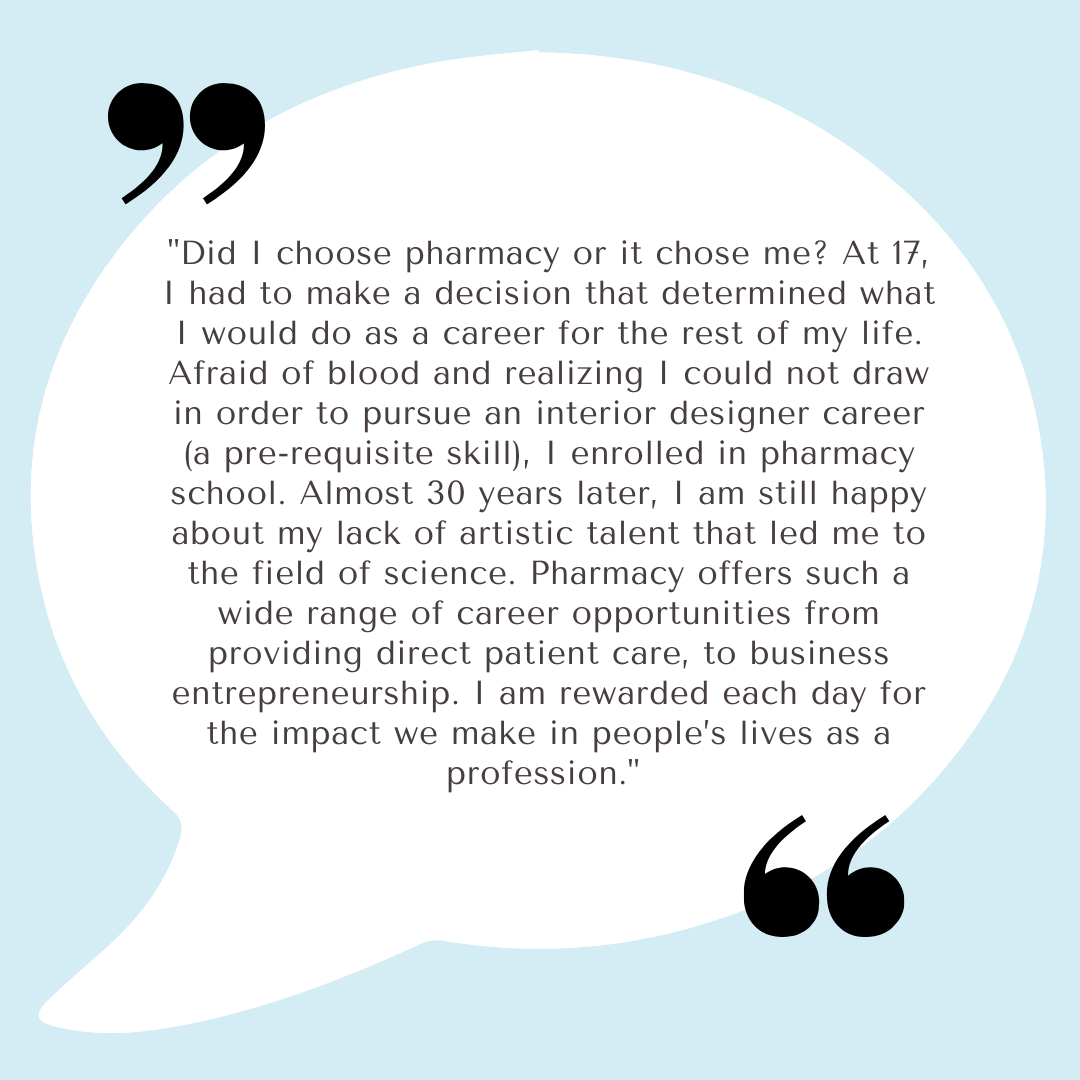
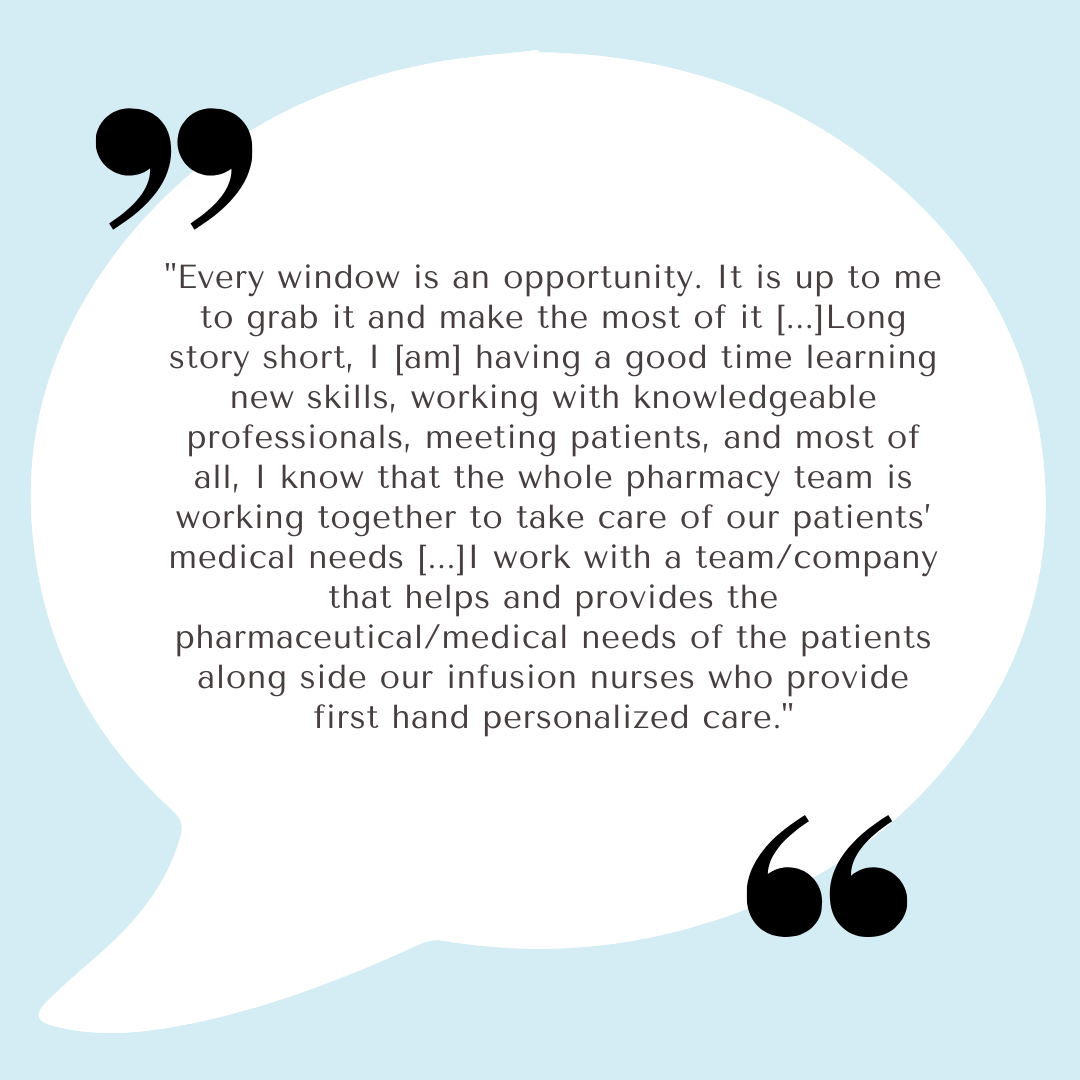
I am proud to be a member of this group of wonderful men and women who selflessly serve the community. We reached out to the pharmacy community, and are excited to share personal stories from their careers in pharmacy. Read their stories below.
Happy National Pharmacy Week!
Mei
|
|
Thank you for joining our USP compounding webinar! For those that missed it... |
|
Pharmacy Law & Regulatory Updates |
|
REMINDER:
Daily CURES Reporting
Effective 1/1/2021, a dispensing pharmacy shall report to CURES as soon as reasonable possible, but not more than one working day after the date a controlled substance (II, III, IV, and V) is released to the patient or patient's representative.
Source: Section 11165(d) of the Health and Safety Code
|
|
NEW LAW:
Electronic Prescription Requirement
Effective 1/1/2022, health care practitioners are required to issue prescriptions as an electronic data transmission prescription unless specified exceptions are met.
Note: If a pharmacy receives a verbal or faxed prescription order, the pharmacist is still able to fill the prescription and is not held accountable to verify that the specified exceptions are met.
|
|
How Does a DUI Conviction Affect Your Board Licensing? |
|
Driving under the influence (DUI) is a criminal offense. But a DUI conviction also can result in serious consequences for a license issued by the California State Board of Pharmacy
Under Business and Professions Code (BPC) section 4301, the Board shall take disciplinary action against any licensee who is guilty of “unprofessional conduct.” The provisions of BPC section 4301 define specific types of acts that constitute “unprofessional conduct,” including:
- Subsection (k): “The conviction of more than one misdemeanor or any felony involving the use, consumption, or self-administration of any dangerous drug or alcohol, or any combination of those substances.”
- Subsection (l): “The conviction of a crime substantially related to the qualifications, functions, and duties of a licensee under this chapter.”
What does “substantially related” mean? California Code of Regulation, title 16, section 1770 states that for the purpose of a license denial, suspension, or revocation,
“(A) crime or act shall be considered substantially related to the qualifications, functions, or duties of a licensee or registrant if to a substantial degree it evidences present or potential unfitness of a licensee or registrant to perform the functions authorized by his license or registration in a manner consistent with the public health, safety, or welfare.”
In addition, BPC section 4311 authorizes license suspension for conviction of a felony. BPC 4311(c) states a Board license shall be suspended “if the Board determines that the felony conviction...is substantially related to the qualifications, functions, or duties of the licensee.”
Licensees should remember that criminal behaviors outside the workplace – including DUI – can result in denial, suspension, or revocation of a license issued by the Board of Pharmacy. Don’t drink or take dangerous drugs and drive.
|
|
Harvard Medical School:
Caring for a Loved One with Alzheimer's Disease
|
|
"Knowing that the problem is a disease, not "insanity," is often a relief for the person affected."
It's not just your loved one's life that changes with an Alzheimer's disease diagnosis. Your own life is also dramatically altered as you assume the role of caretaker. Several important issues should be addressed as soon as possible. You must also learn how to handle the day-to-day challenges of caring for a person with Alzheimer's disease.
|
|
Not seeing the information you want or need? Have any feedback for our newsletter?
Let us know, we'd like to hear from you!
|
|
|
|
|
|
|