e-Newsletter | August 18, 2023 | |
|
Lost Overboard: A Story in Slate, Part II
by Bethany Groff Dorau, Museum of Old Newbury
| |
|
See Part I here
For Samuel Henry Kellogg, son of a Presbyterian minister from Long Island, 1864 was a banner year. In the spring, he completed his studies at the Princeton Theological Seminary. and a life-long dream was realized when, on April 20, he was ordained a missionary to India by the Presbytery of Hudson, New York. Then, on May 3, in Pennsylvania, Kellogg married schoolteacher Antoinette Hartwell, called Nettie by her new husband.
| |
|
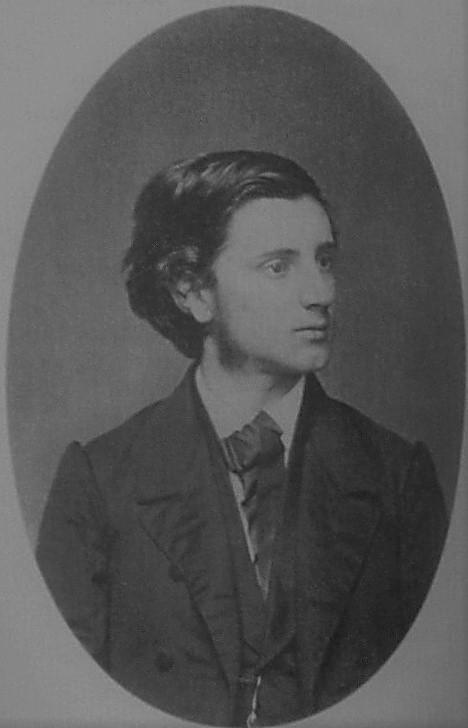
Samuel Henry Kellogg as a young man.
Kellogg had spent time in New England - he briefly attended Williams College in his youth, and so, after a summer and fall in fundraising and preparation, he set off for Boston with Nettie, booked on the ship Elcano of Newburyport, Captain James Knapp Pritchard in command. After “so many delays” in Boston, on December 19, the Kelloggs made their way to the wharf where, through heavy rain and rough seas, they were “taken in a rowboat to the Elcano, waiting in the bay.” Poor Nettie was lashed into a chair and hoisted up onto the ship. Another missionary, a Mrs. Myers, saved herself the indignity and climbed the ladder.
| |
|
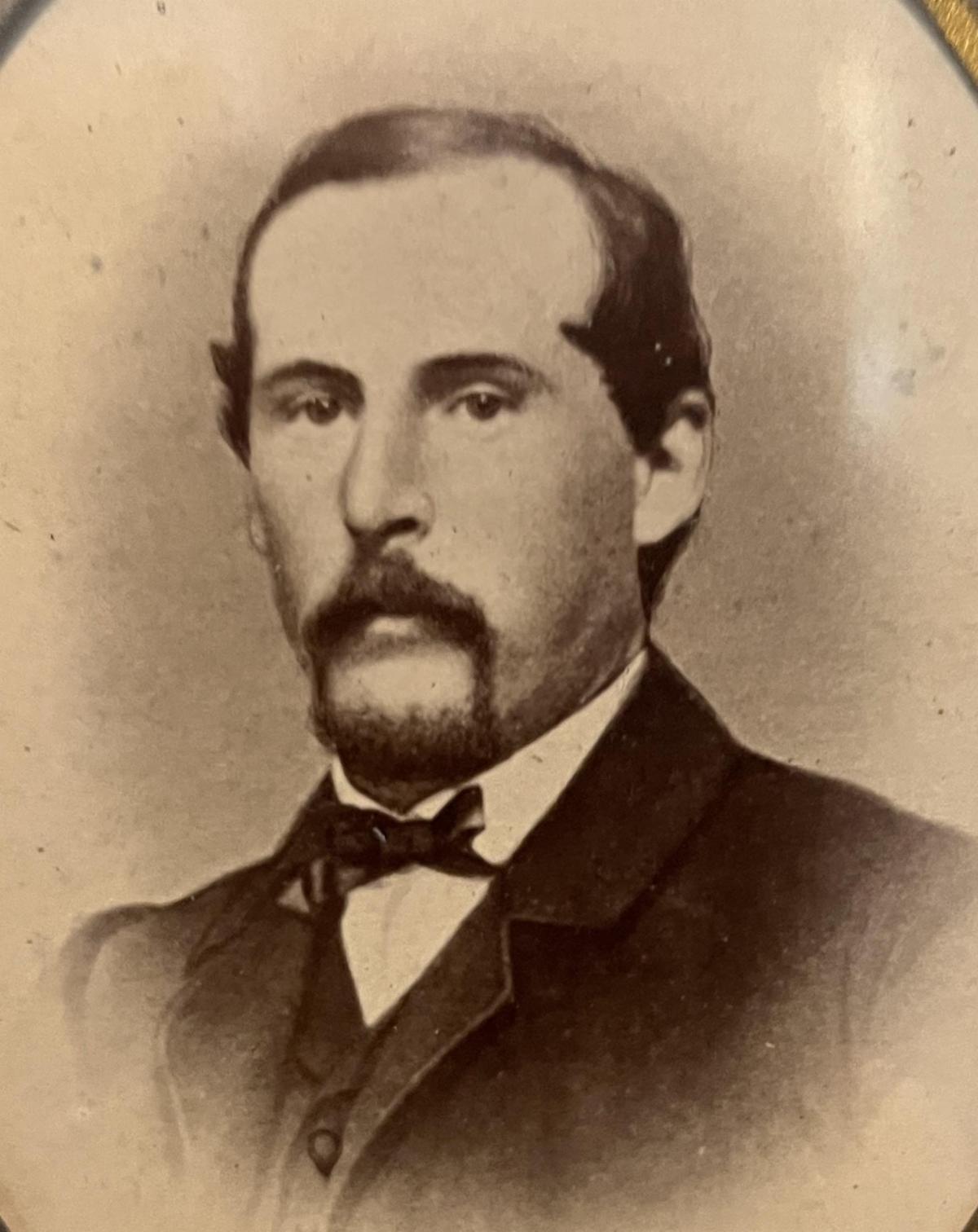
Captain James Knapp Pritchard, c.1863, from the collection of the Newburyport Marine Society with thanks to the Custom House Maritime Museum.
Kellogg does not record his first contact with Captain Pritchard, but he formed a favorable impression. “The captain is a fine, intelligent man, not over thirty; his wife a pleasant, lady-like woman.” The meeting of these two men forms the fullest picture of the last days of Captain Pritchard’s life, days captured in faint marks on the slate deck log of the Elcano, recently purchased by the museum. Kellogg’s letters also record the continued, perilous journey of his new widow, Emily Goodwin Pritchard, and is the only known record of her presence on board the vessel.
Kellogg, who had become convinced of a divine calling after a childhood illness, was on the adventure of a lifetime, and his letters to family and friends were especially exuberant in the first few days at sea. Once safely on board and thrilled with their accommodations, the Kelloggs went to bed around 10 p.m. Three hours later, Samuel was back on deck. “It took some time to get her to the wind and start her but at last at 3:17 in the morning, we moved from moorings and had left America for India!” The slate deck log, whose dates were later re-written and mistakenly reversed, bears this out. “Came onboard at 3 a.m….and got underweigh at 4:30 a.m.” Both Kellogg and the deck log mention a significant delay as the pilot was “put off” at 9:45 a.m. Kellogg takes it where the deck log leaves off. “Since 9 or 10 this morning, we have been moving rapidly, first east and then south-southeast til now we are far out of sight of land…”
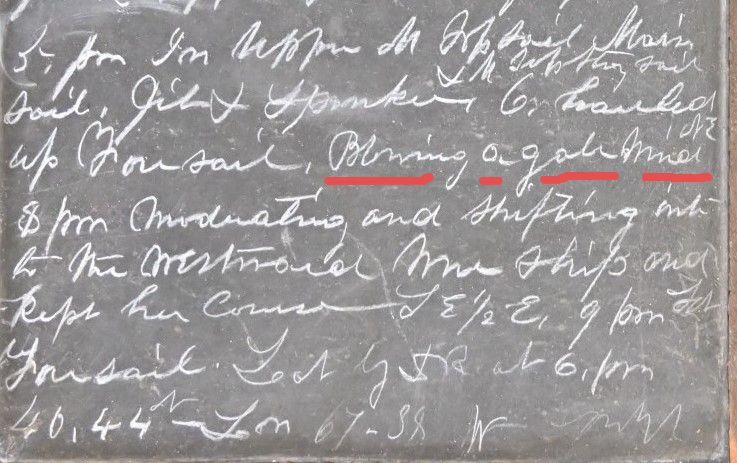
The next day, Wednesday, December 21, everyone was sick, except Kellogg, who congratulated himself on “acquiring a most unseemly appetite” while the other passengers were “occasionally disgorging”. He waxed rhapsodic about the “sublimity” of the “restless, roaring waves around you on every side”. Meanwhile, Captain Pritchard was less concerned with the sublime, and more concerned with the rising weather, listing the sails as they were taken in and noting “blowing a gale wind”. His last notation is 9 p.m. when he “set foresail”. And then the final reading = Lat 40'44"N Lon 67'38"W.
| |
|
The final entries on the slate deck log indicate that the captain was fighting a storm that would take his life. He noted that it was "blowing a gale wind."
Samuel Kellogg did not take up his pen again until the evening of Monday, December 26. He was less sanguine about the rolling waves. “I supposed that waves running Mountain High was a nautical exaggeration, but it is not. I could think of nothing but hills, enormous hills, and valleys of water…it seemed to me as if the whole sea were rolling down upon us.” The storm that engulfed the Elcano nearly destroyed her. For “four long days and three nights”, the ship was pelted by “pouring rain, then blinding snow, and showers of hail with thunder and lightning”. The ship was swamped and began to ride low in the water. The cabins filled with freezing water. The mate, thinking that the ship was lost, finally ordered the men to break open the bulwarks with a broadaxe, and with constant work at the pumps, the ship was finally able to right itself. Kellogg was thrown across his cabin and through a window but was miraculously unharmed. Not so Captain Pritchard, whose tragic loss he chronicled in detail.
“Thursday morning (December 22), while the storm was raging furiously and the sea sweeping over the decks, our captain was out attending to the workings of the pumps. A heavy wave came six feet high over the bulwarks and took him instantly from the cabin door over the high bulwark on the opposite side into the sea. He was seen for an instant battling the surge, but no more. We could do nothing to save him. The sea was fearful. No boat could live for an instant; no rope could be thrown, for we were driving at a furious rate before the wind and were instantly far away from him. The ship could not be put about, for that would have been instant destruction to us all. The hands at the pumps only saved themselves by springing into the rigging, and the first mate by swimming.”
There is no specific mention of the deck log in Kellogg’s narrative, nor would we expect there to be. The first mate, Sheffield, took over command immediately upon the death of Captain Pritchard and may have had his own slate. In any case, given that it was the last of the captain, it is not difficult to imagine the deck log given over to his widow, who was destined to spend the better part of a year trying to get back home to Newburyport. Later in the journey, Kellogg notes that "Mrs. Pritchard has kindly loaned me her husband's instruments". Later she lent him a navigation text that had belonged to the captain. She had clearly taken possession of the worldly goods of Captain Pritchard.
Samuel Kellogg and Nettie made it to Calcutta in May, where he would spend the lion’s share of the rest of his life. He is still known for his treatise on Hindi grammar and his re-translations of the Bible. Dr. Kellogg met his end riding off a cliff in the Himalayas on his bicycle in 1899.
For her part, Emily Goodwin Pritchard made her way back from Calcutta to Newburyport where she moved back in with her in-laws at 15 Atwood Street until the 1870’s. She lived with her sister, Susan, on Milk Street and Horton Street for the rest of her life, dying in 1908 of pneumonia, age 73. She never remarried.
The Elcano lived many lives after her first action-packed voyage. After a threatened mutiny on board ship after the death of Captain Pritchard, first mate Sheffield was relieved of duty by Newburyport’s Captain Albert Cheever, who was stabbed by the cook aboard the Elcano in 1868, along with the 1st and 2nd mates. The steward later died of his wounds.
Captain Lawrence Brown took command of the Elcano from the unfortunate Cheever and sailed it for the rest of its days under the American flag. In 1882, the Elcano was sold and “put under the North German flag”, which filled her captain with “melancholy sorrow” when he left her for the last time. It was, he admitted, his favorite ship, since it had “carried him safely through peril and uncommon adventures.” The unfortunate Captain Pritchard could not say the same.
| |
|
New Acquisitions for Old Newbury: 2023 Member Reception and Annual Meeting
Wednesday, September 13, 6:30-8pm, free.
Join us for an exciting evening at the New Acquisitions for Old Newbury event! This is your chance to connect with fellow members and celebrate our organization's achievements over the past year.
Following a reception and brief business meeting, you will have the opportunity to view highlights of the past year's acquisitions. Enjoy images of Newburyport and New England from two ground-breaking amateur photographers from the turn of the last century, John White Winder and George Varney, and a recently digitized collection of slides documenting Newburyport during and after urban renewal. Check out 20th century design artifacts from Towle Silver Company, breath-taking ephemera from two doomed Newburyport captains, and items from the Pearson collection, spanning two centuries of intimate family history in Newburyport and Byfield.
This event is free for members, but space is limited, so please register if you plan to attend.
| |
|
Free Black Sailors in the Antebellum South: An Epidemic of Moral Contagion
Thursday, September 21, 7:00 pm
Exactly 200 years ago, a free Black Jamaican named Henry Elkison was arrested when the vessel on which he worked arrived in Charleston, South Carolina. Law enforcement officials boarded the ship, interrogated the captain, and then escorted Elkison to the city jail. His crime? He violated the state’s new quarantine law. But Elkison was not suffering from any sickness, contagious or otherwise. Instead, the quarantine law targeted him for his moral contagion.
South Carolina lawmakers were convinced that free Black men like Henry Elkison were infected with a contagion of liberty that might infect local enslaved people and initiate an epidemic of slave unrest. Elkison was not alone. Some 20,000 free Black maritime workers faced similar treatment at the hands of officials in Southern port cities. Dr. Schoeppner’s talk explores these so-called quarantines and the Black sailors who suffered under them.
Michael Schoeppner is Associate Professor of History at the University of Maine Farmington. He is an expert on the social and legal history of the nineteenth-century United States. His research focuses on the movements of Black migrants, seeing them as a window to understand both the broader African American experience as well as formal political and legal change.
In 2019, Cambridge University Press published Dr. Schoeppner’s first book, Moral Contagion: Black Atlantic Sailors, Citizenship, and Diplomacy in Antebellum America, which the Southern Historical Association awarded the 2021 James A. Rawley Prize for the best book on the sectional crisis. In Dr. Schoeppner’s lecture this evening, he will be pulling from his award-winning book as he discusses the experiences of the Black maritime workers as they entered the port cities of the antebellum South.
This event is free for museum members and $10 for non-members.
| |
|
Wash Day at the Cushing House
Friday and Saturday, September 22 and 23, 9:00 am - 11:00
Come by and be ready to roll up your sleeves and get wet. Visit the wash yard of the 1808 Cushing House in Newburyport and try your hand at cleaning clothes the old-fashioned way, with a washboard and wash tub. Learn where the house’s water would have come from, see where clothes were dried in the rain, and hear about the people who would have done this work for the Cushing family in the 1800s. All ages welcome. Event will take place rain or shine. 98 High Street, Newburyport. Free to all - part of the 2023 Trails & Sails event.
| |
|
History and Cultures of the Great Marsh
Monday, October 23, 2023, 8:30 am - 4:30 pm
The Governor's Academy
| |
 | |
Join us for the History & Cultures of the Great Marsh Conference on Monday, October 23, 2023 at The Governor's Academy. This is an in-person event with limited capacity - get your tickets soon! Museum of Old Newbury members and members of Essex County Greenbelt: $30, General Admission, $45. Add-on field trips an additional $10-15.
Topics include:
"The Great Marsh, Newbury, and the Indigenous Worlds of the Merrimack River Valley System and Beyond."
"Contention in the Commons: The Open Field Land System in 17th Century Newbury"
"Slavery and Memory in the Great Marsh"
"Splendour in the Grass: Art Inspired by the Great Marsh"
"Agriculture, Fishing, Hunting, & Conservation in the Great Marsh"
Optional field trips include:
- Bird watching with Laura Vehring in the Parker River marsh surrounding The Governor’s Academy
- Guided tour of Plum Island’s cranberry bogs
- Guided tour of the Spencer-Peirce-Little Farm & its salt marsh hay production, past & present.
Attendees will also be invited to tour of the Academy's brand-new Alfond Coastal Research Center (completed just this summer), a state-of-the-art marine study facility overlooking the south bank of the Parker River near Thurlow's Bridge.
| |
|
A Month at the MOON, Part II
...a guest blog by David In, MOON Intern
| |
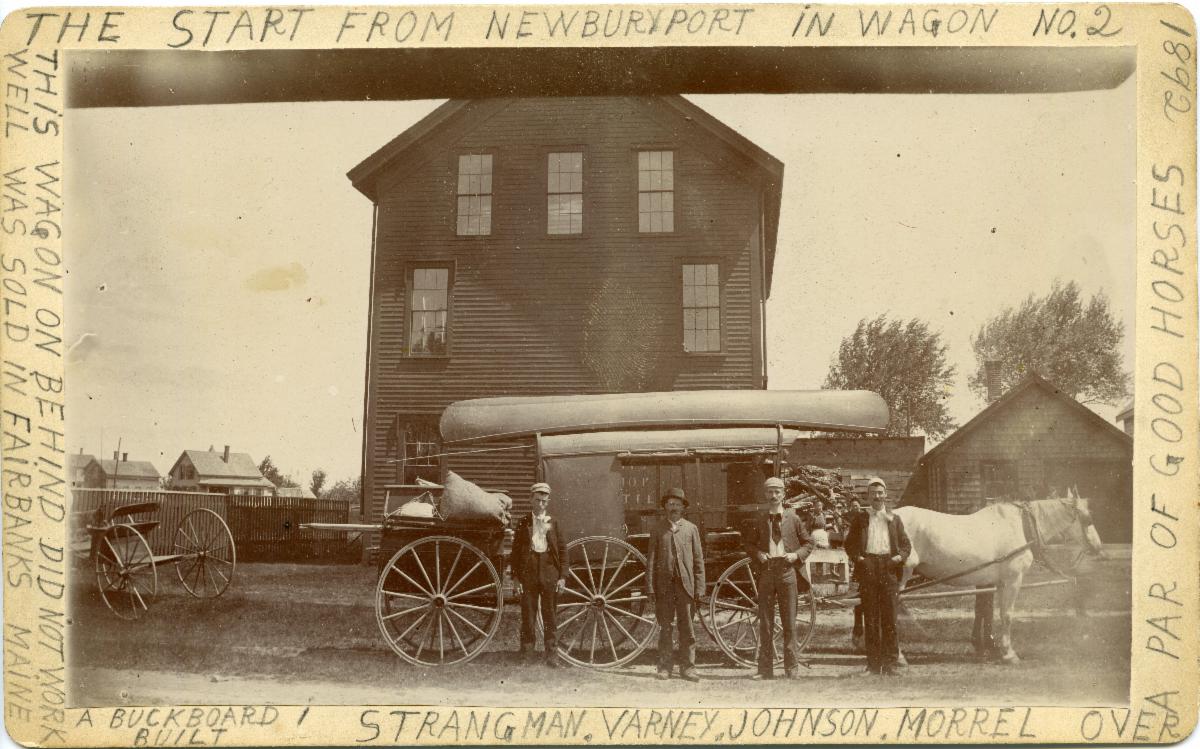
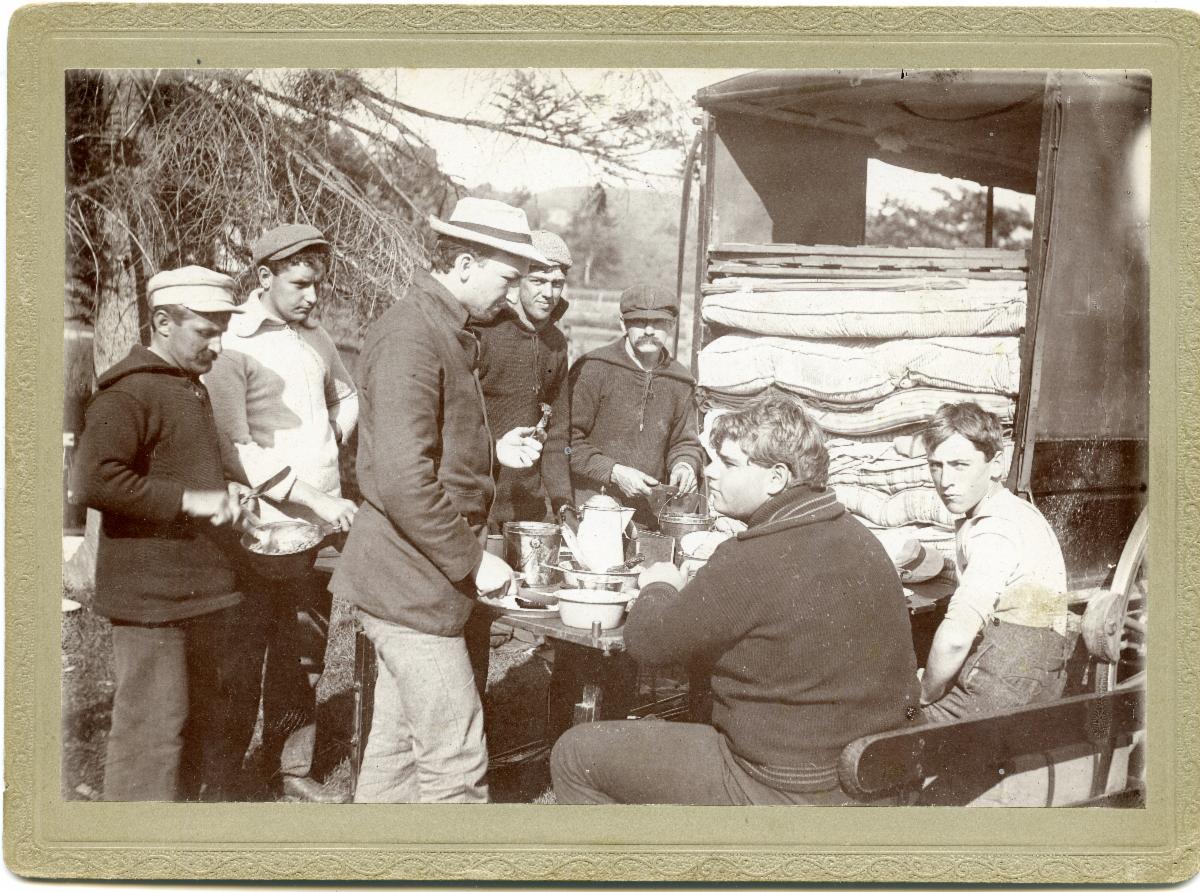
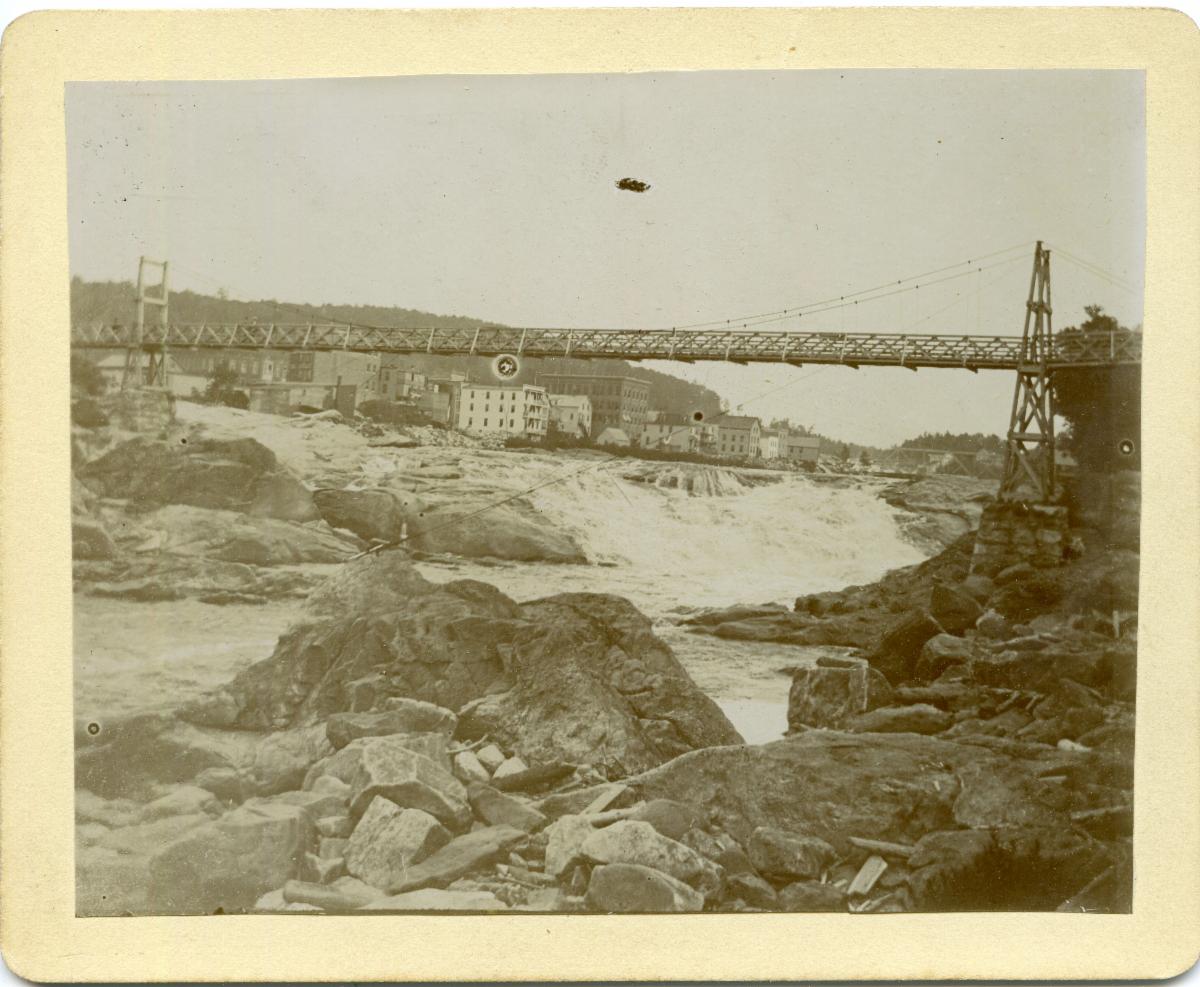
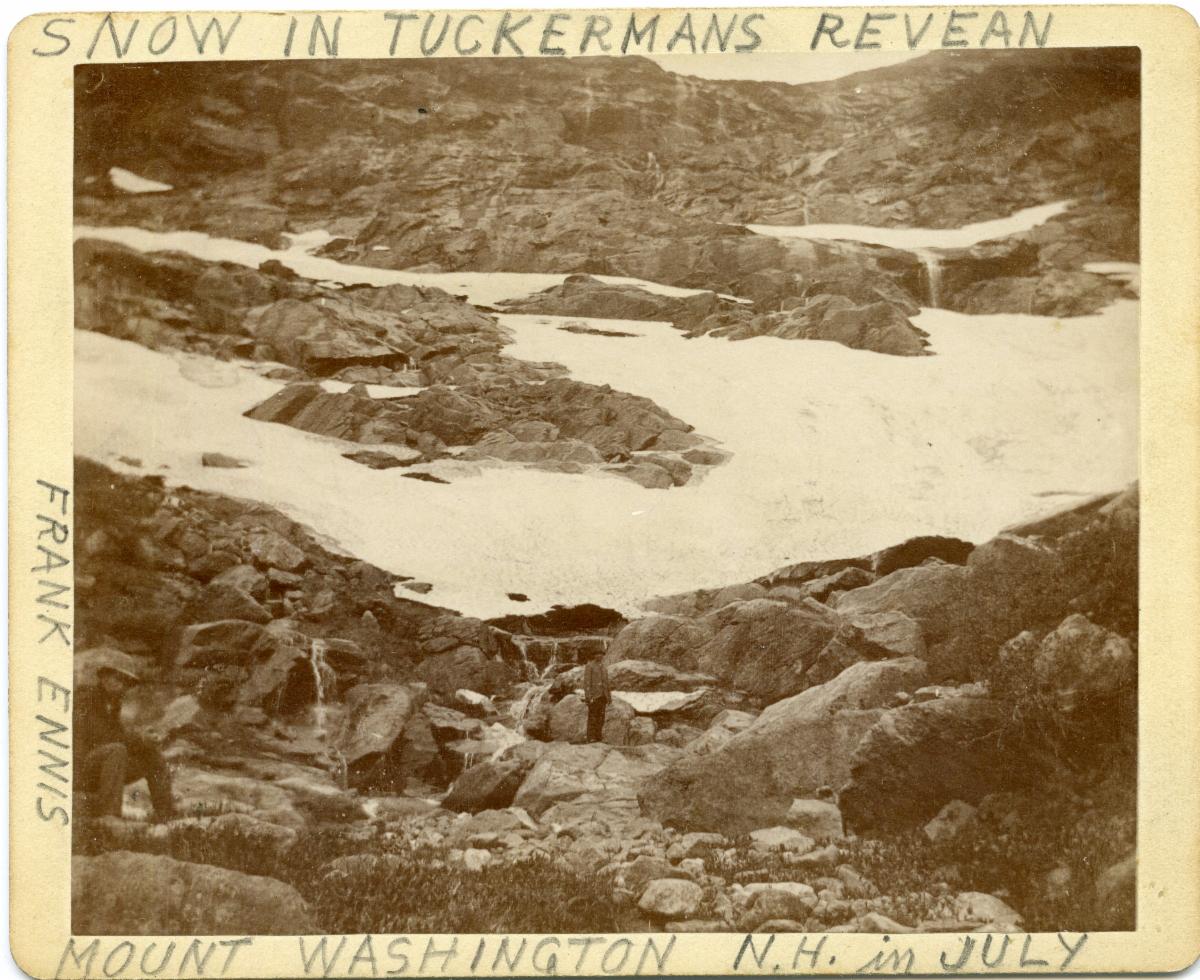
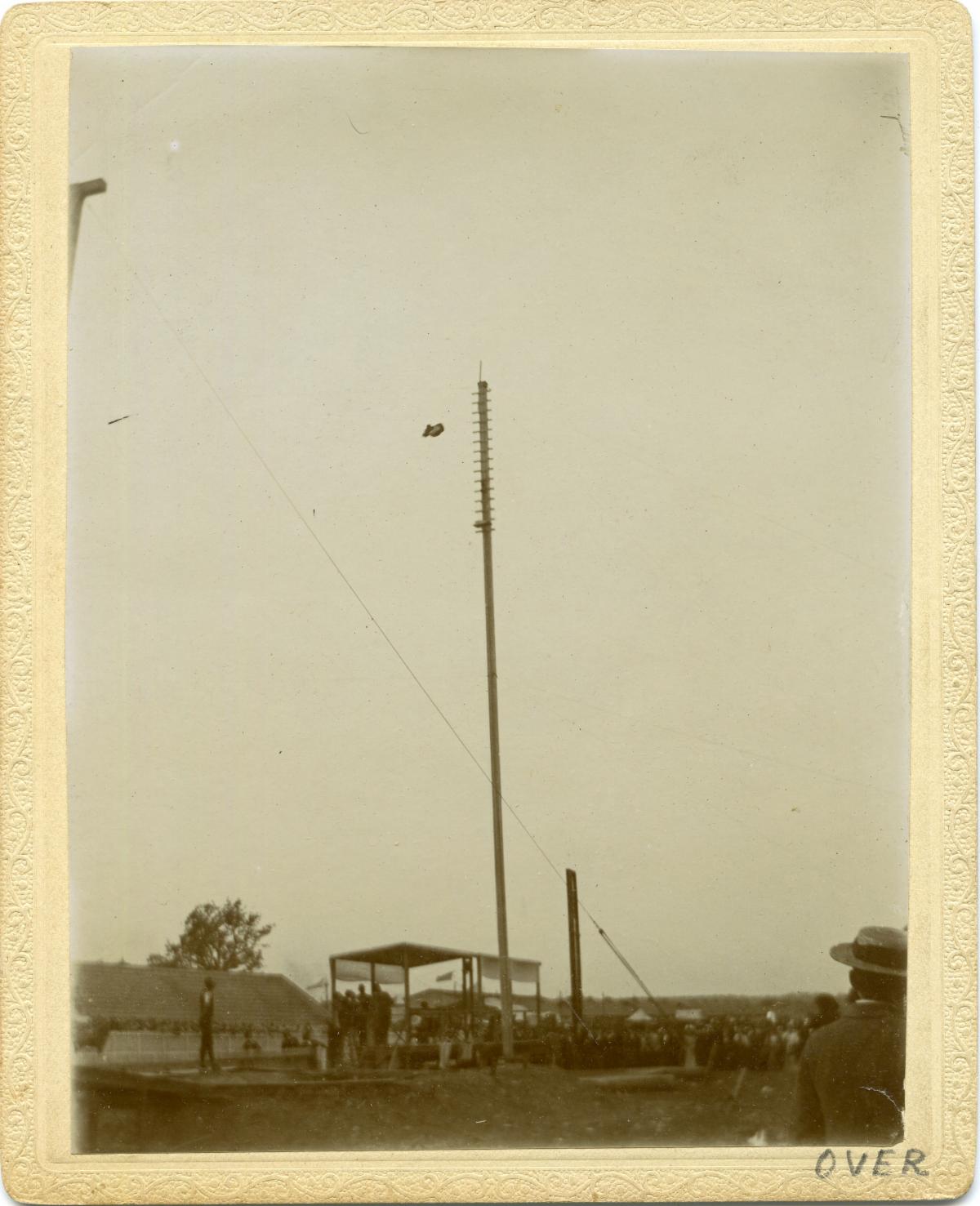
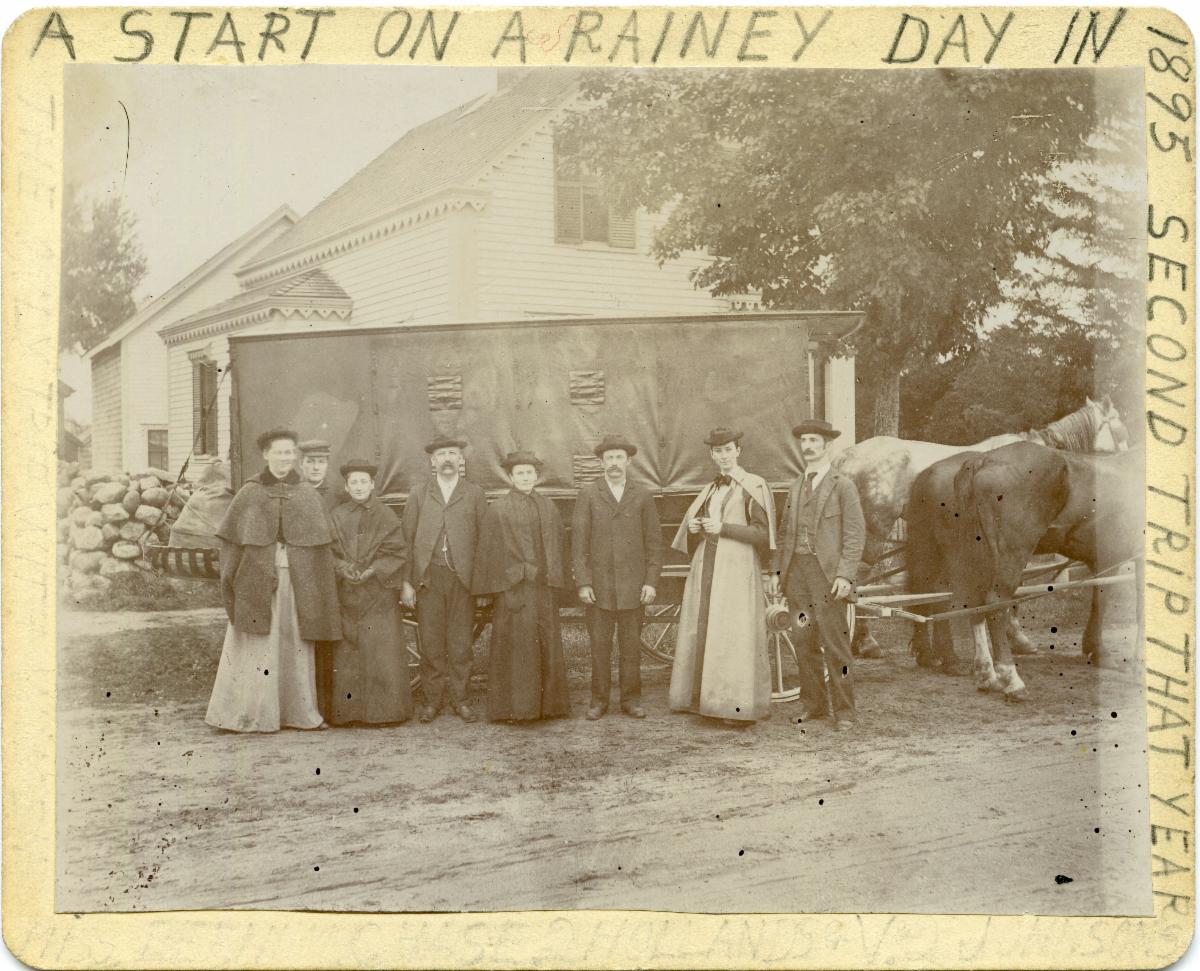
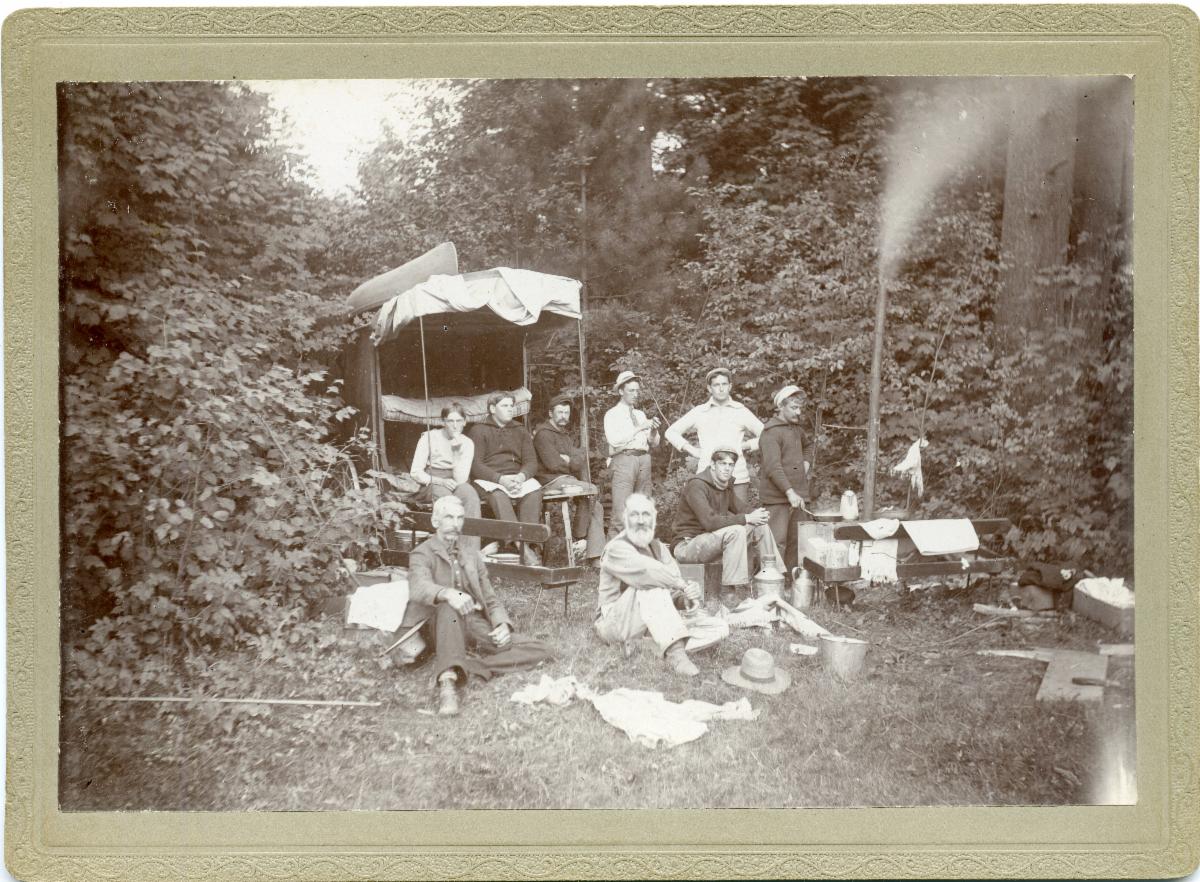
 |  | For Part I of the blog, see here. My final project at the museum took me back over a century, to the New England travels of a gentleman named George Delwyn Varney. Varney was an absolute visionary who built a wagon train and had a dedicated darkroom wagon to take photos as he and his friends journeyed across New England. I got to scan a trunk full of his collected photos (and recipes, and household maintenance tips) to put into the museum’s database. The museum has these photos because George Varney originally lived in and started his travels in Newburyport, which is why a descendant of his (living in Poland!) sent them here, which is a pretty cool way of preserving family history. George Varney’s photos cover all of New England with emphasis on New Hampshire, Maine, Vermont, and Rhode Island; he was a man who clearly appreciated natural beauty as well, as most of his pictures were those of forests, lakes, mountains, and waterfalls. It gives an appreciation for those days where kids weren’t always on their dang phones and went from state to state finding interesting landmarks and such.
| |
|
The Varney wagon and canoe about to set off from Newburyport. He made long trips each summer from 1891-1899.
The landscapes George Varney captured in his photos (Rumford Falls in Maine, Tuckerman Ravine on Mt. Washington, numerous lakes) and some other human wonders (a streetlamp in one, state capital buildings in others, an 85-foot-high dive!) have that tinge of yearning for interesting events and finding them wherever he went. The group camp photos demonstrated a touching camaraderie amongst the travelers.
| |
|
Around the table at Lyndon, VT; Bridge over Rumford Falls, Maine; Tuckerman Ravine, NH. "A Jump from 85 Foot Pole at R.I. State Fair into a Tank of Water 5 Feet Deep, 1896."
Quickly, I’ll try to give a short summary of George Varney’s life for a little context, but I believe that the photos themselves tell more than enough about the man (fingers crossed for an eventual exhibition of some kind). George Delwyn Varney was born Jan 6th, 1851, to Samuel A. Varney and Sarah Moody. George and his sister Emma did not have the luxury of living with both parents for much more than six years, as his father passed away in 1858. As a result, George and Co. lived with the Moody grandparents until Sarah Moody remarried William Moulton Jr. in 1862 and remade the nuclear family. Yet, the marriage was not to be, and when his mother moved to Portland, Maine, George decided to stay with Emma in Newburyport.
George’s formal education is unclear, but he certainly had a passion for technology, as he managed to build a motorized wagon cart along with outfitting a wagon with a dark room for photography. I am not sure how long the motor wagon lasted in comparison to its traditional horse drawn contemporaries, but the latter evidently managed to travel well and long into the end of the 1890s as seen in the Varney photos. Sadly, despite this profound respect and usage of burgeoning mechanical wonders, George did not have an easy adult life. Tending to be in and out of hospitals and asylums, it seems Varney himself was a sort of troubled luminary. Although it didn’t impact his trips in photo, his life while not on the road seemed tumultuous, with a newspaper clipping of him reporting that he had harrassed a well known lady of Newburyport and was taken to court for it. That is not to tarnish what he did, as I can think of a few people who have contributed far less interesting & worthwhile things to general society while doing far more heinous acts, all to get a slap on the wrist. I have the opinion that George Varney was someone that could have used our more modern takes on treating mental health. At some point soon after this incident, he moved to New Hampshire to live out his days as a wagon maker until his death on March 20th, 1924. With all of the photos he had taken in New Hampshire, and the
repeated visits on his multiple New England trips, I can only presume that he
found his ideal place in the world there.
| |
|
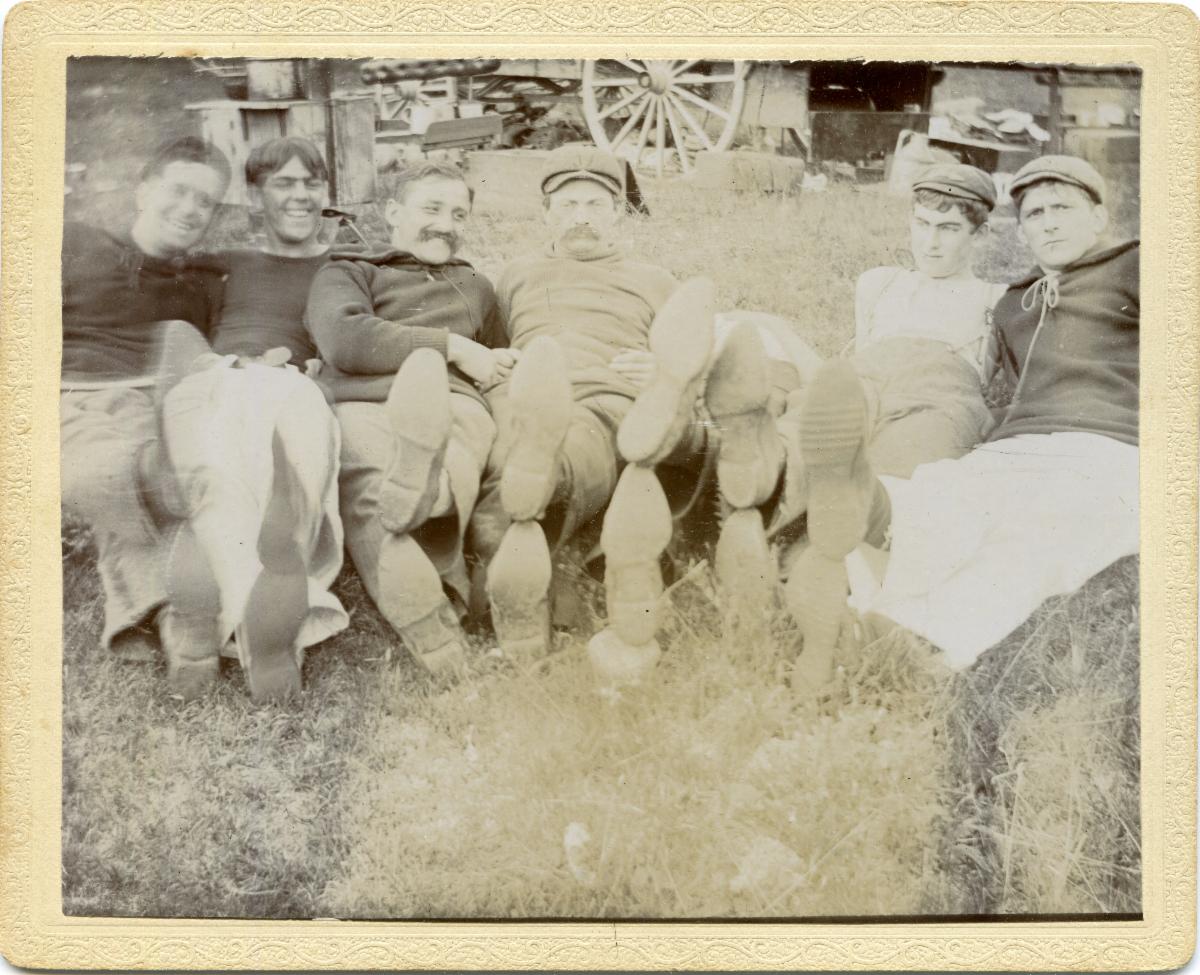
Entitled "See Our Feet"
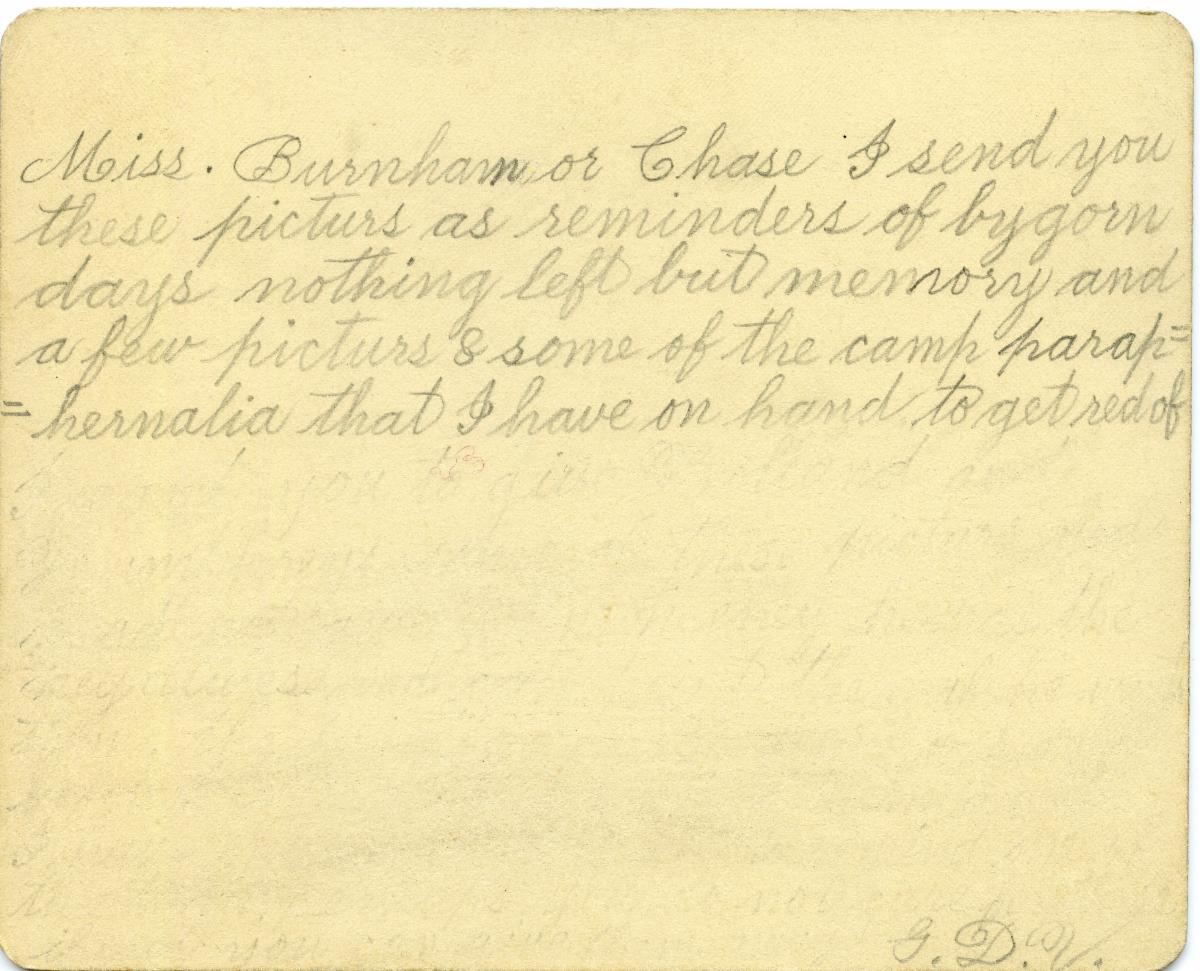
There was some mystery too, within the case of photographs. It appears that George had intended the photos to be sent to his camping comrades, as evidenced by some correspondence he had written on the back of some photos with pencil. However, all instances of such were half erased, leaving only a partial account of what he wanted to do with them and whom he intended them to go.
| |
|
One of Varney's half-erased messages which was never sent.
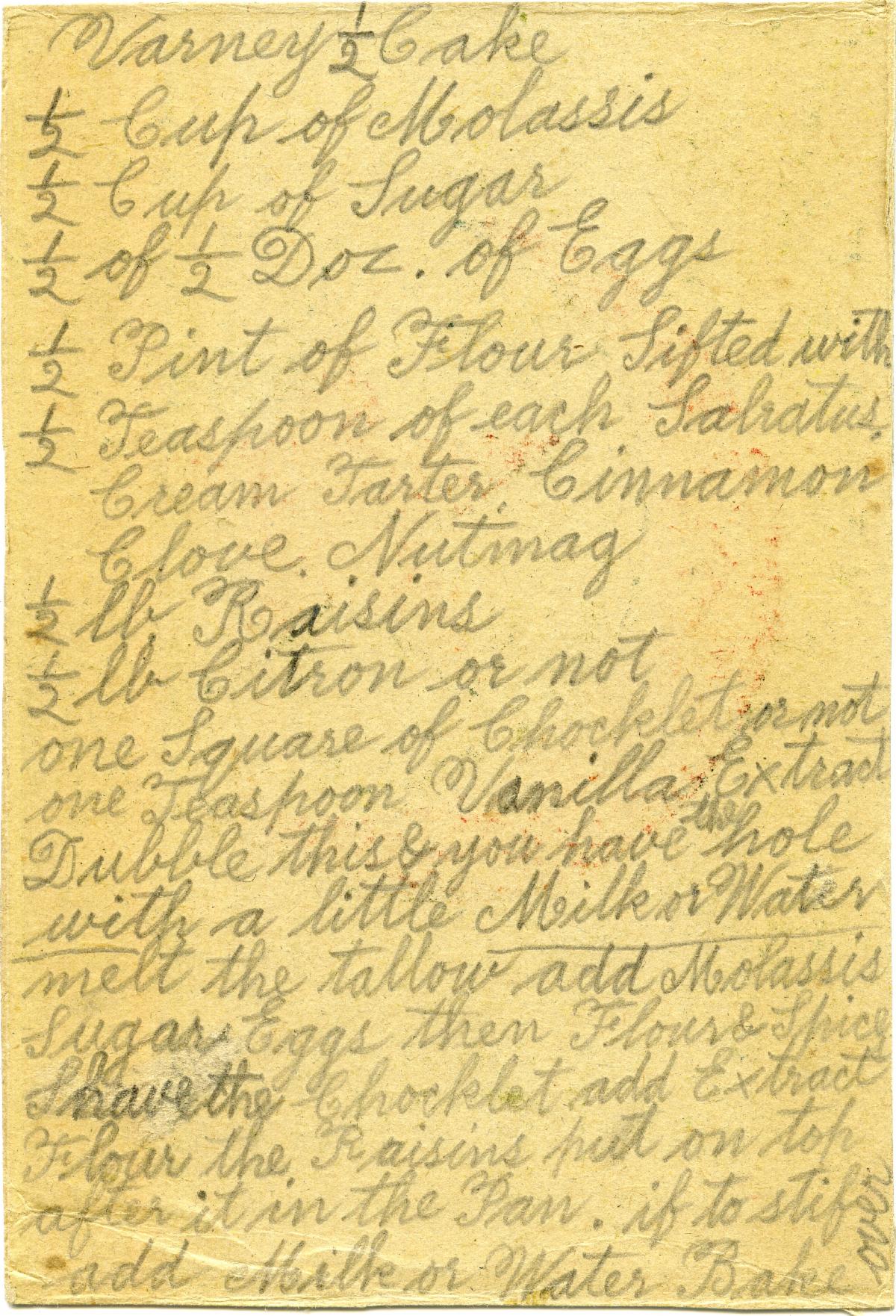
George Varney also kept a collection of newspaper clippings that included useful home care tips like removing spots on furniture or cleaning marble; and also accrued plenty of recipes, in book form by others or on pieces of scrap paper or cardboard for his own writings. I wish I had made a Varney ½ cake from the recipe collection when I had the chance, because he portioned all the ingredients out in halves with real dedication (how else do you justify calling three eggs ‘half of a half of a dozen’?). I can only surmise that after his adventures outdoors and throughout the New England lands, he wished to become a master of his mobile household.
| |
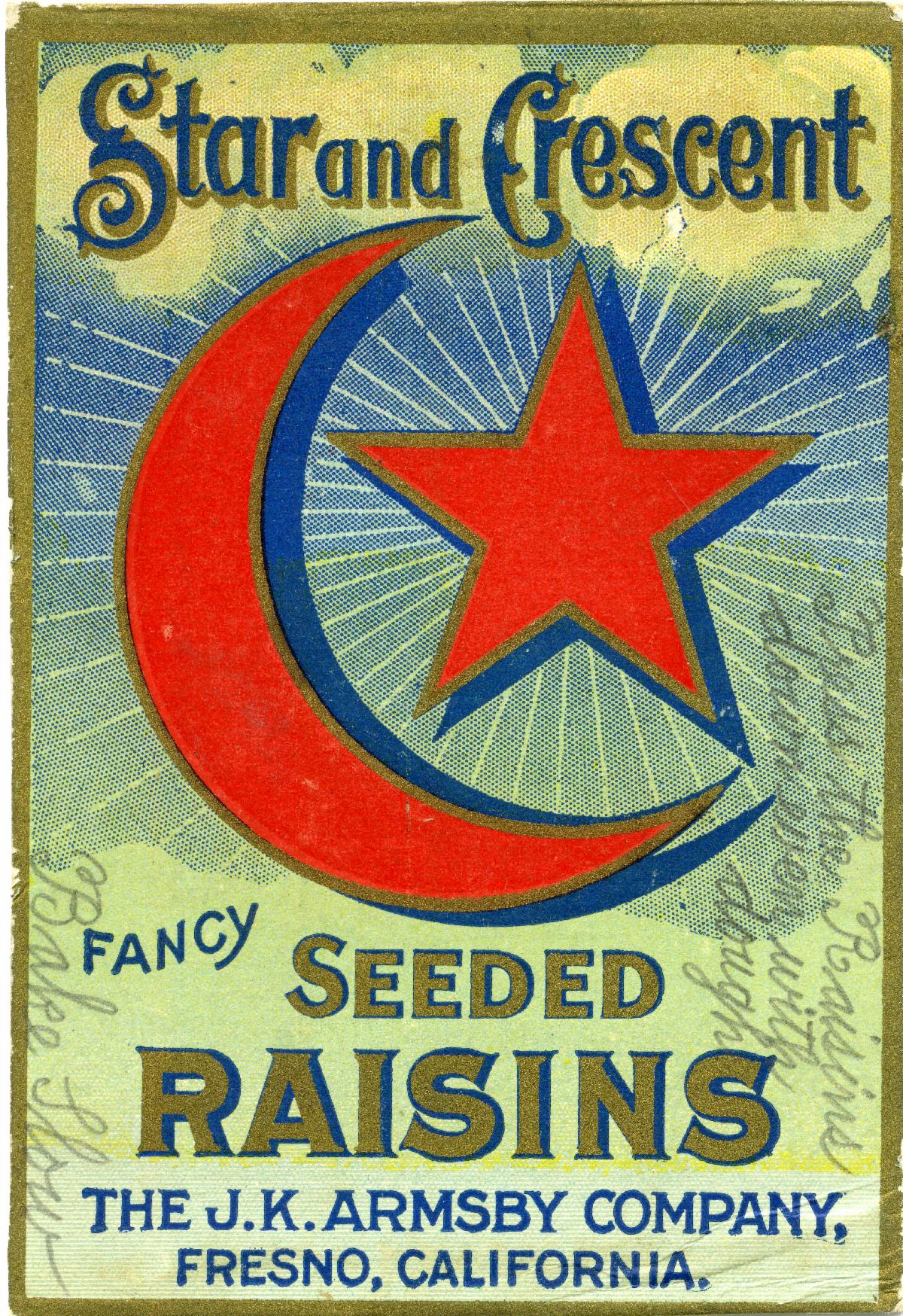
The Varney 1/2 Cake recipe, written on the back of part of a raisin box. | |
|
Camp in East Barnet, Vermont, no date.
George Varney was a real inspiration and his photos have given him a shot at immortality. I travel a little myself, but even my parents stopping to take pictures every ten minutes won't match the amount of photos Varney made, labeled and preserved for the future.
| |
|
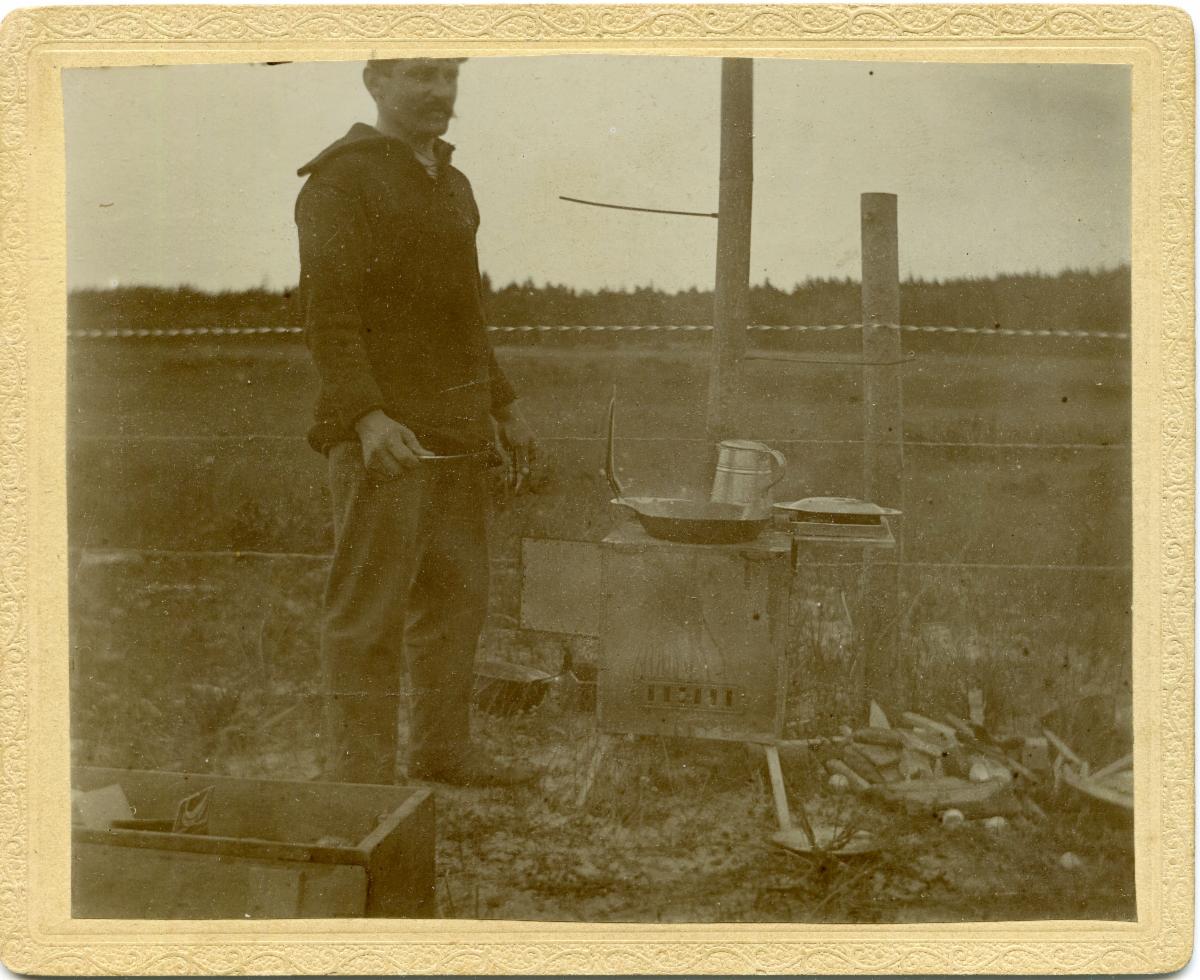
A personal favorite image, self-portrait of Varney labeled "The Cook Meister."
All in all, I’d say that my time at the Museum of Old Newbury was a fulfilling experience, but in addition, it was also truly fun. I stayed longer than I thought and got more out of it than intended; but as much as I’d like to stick around and continue raiding the office fridge while working, I still have more to do at home. Perhaps I’ll find the time to return for a short stay to help out, and perhaps it’ll become a long haul, but mark my words; I’ll be back!
| |
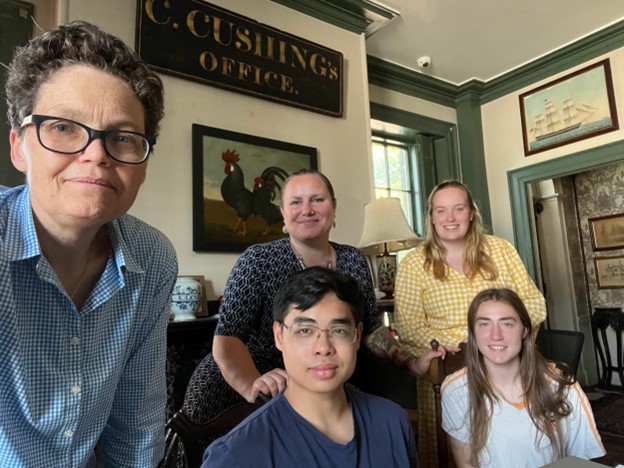
Museum staff and interns; L to R, Kristen Fehlhaber, Bethany Groff Dorau, David In, Annabelle Svahn and Lilly Baumfeld. | |
Something Is Always Cooking... | |
|
Switchel
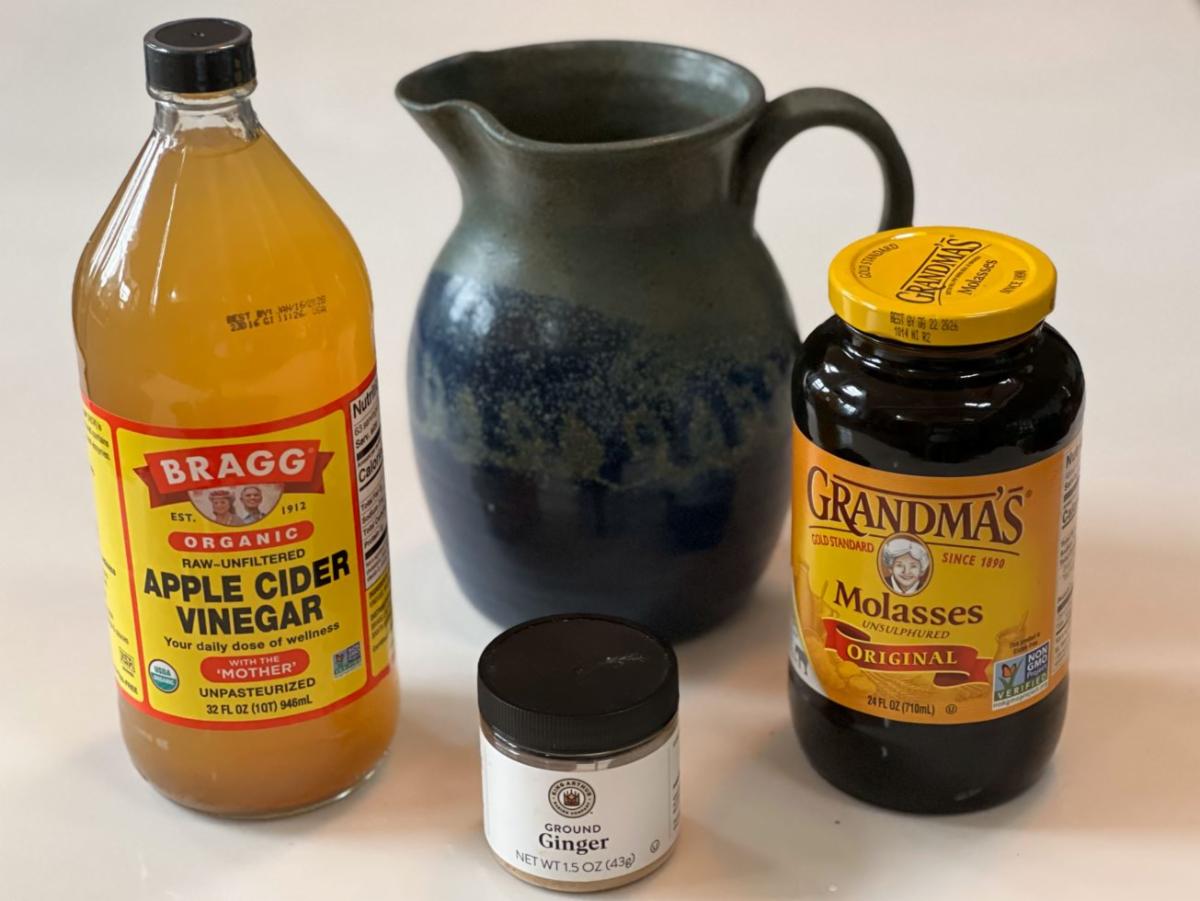
Switchel is the name of a traditional New England farmer's energy drink. Also known as haymaker's punch, this recipe is adapted from the one provided in this entertaining video by food historian Max Miller. If you grew up drinking switchel, drop us a line - we'd love to hear your recipe & memories.
5 cups cold water
1/4 cup apple cider vinegar
1/2 cup molasses or maple syrup or a blend (Miller's recipe calls for 1 cup of syrup)
1 1/2 t. ground ginger
Mix ingredients and chill. Serve ice cold.
| |
|
Click the image to do the puzzle
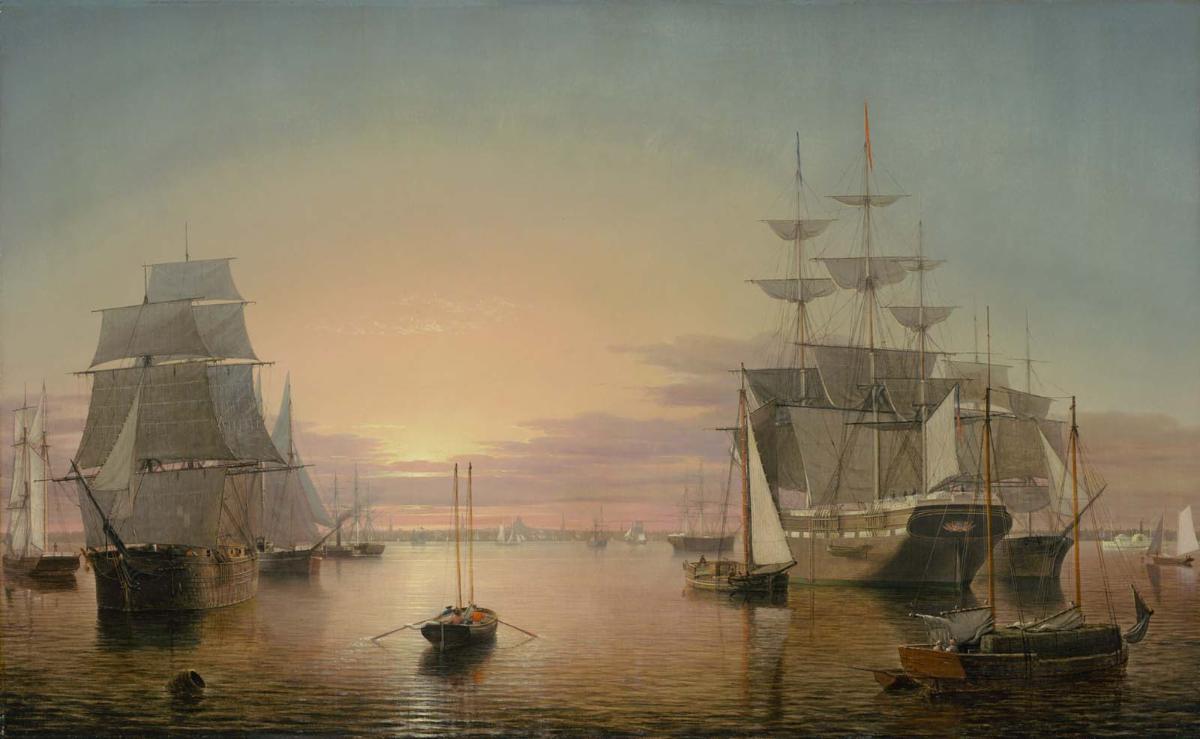
What Boston Harbor might have looked like from the Elcano. From the 1850s by Fitz Henry Lane, courtesy of the Museum of Fine Arts.
| | |
Museum e-Newsletter made possible through the
generosity of our sponsors:
| |
| | | |