From the Station Director
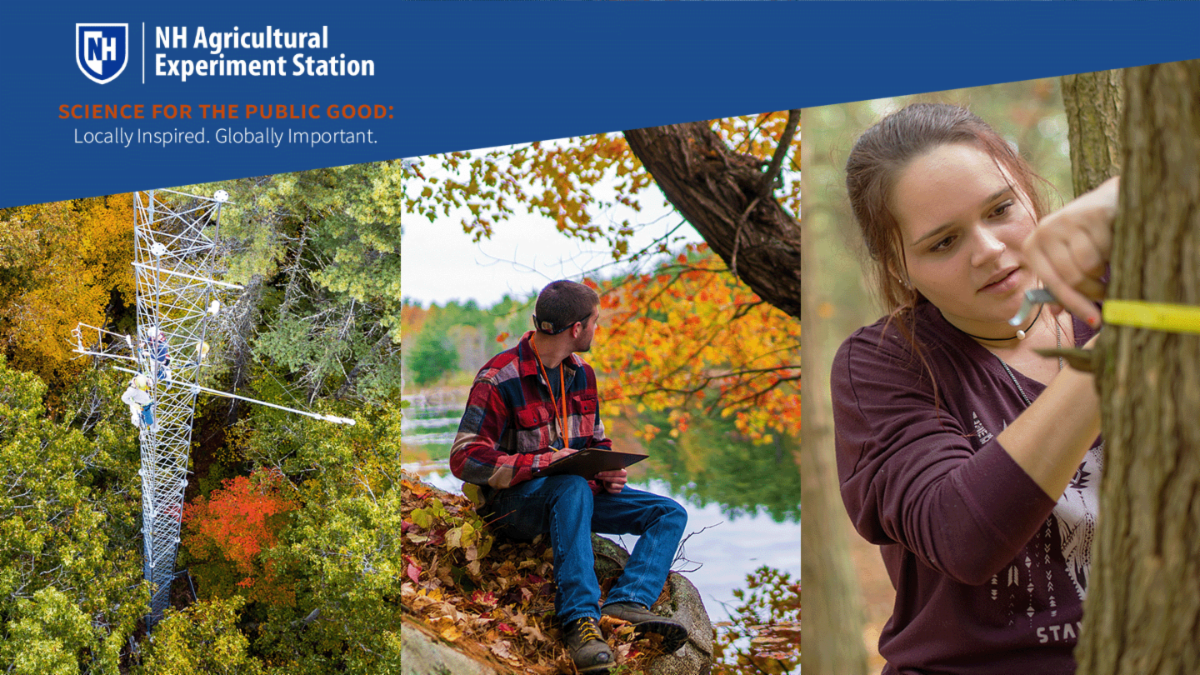
For 60 years, the NH Agricultural Experiment Station has supported research that helps New Hampshire land owners responsibly and successfully manage the forests that provide our state and region with fuel for heating, wood to build and improve infrastructure, homes for a diverse wildlife population, and beauty to landscapes­­ that we and our visitors can enjoy.

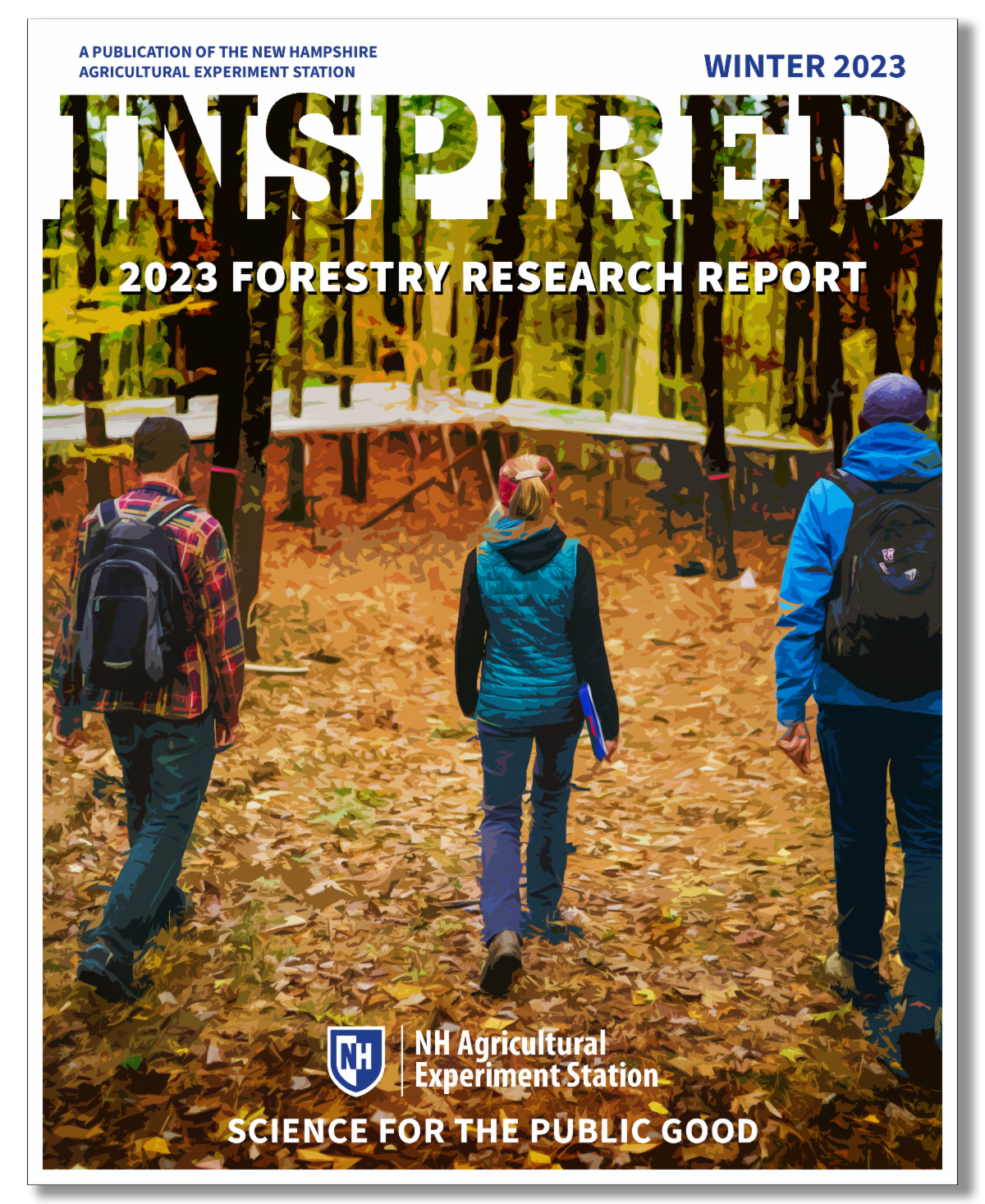
Today, Station scientists continue this strong tradition! Below, you'll see several of the studies that are featured in our INSPIRED Forestry issue. All of the research in this issue is based on locally-inspired questions, answers to which help inform how best to manage our forests in the face of rapidly changing climatic and economic conditions and to pioneer innovations that enable New Hampshire’s forestry sector to lead long-term economic resilience and the environmental sustainability of our state.

If you haven't yet, I encourage you to fill out our online sign-up form to receive a printed copy of the issue or to be notified when the full issue is available online. But for now, I hope you enjoy a sneak peak of the great forestry science from NHAES researchers.

Director, NH Agricultural Experiment Station
Latest NHAES News

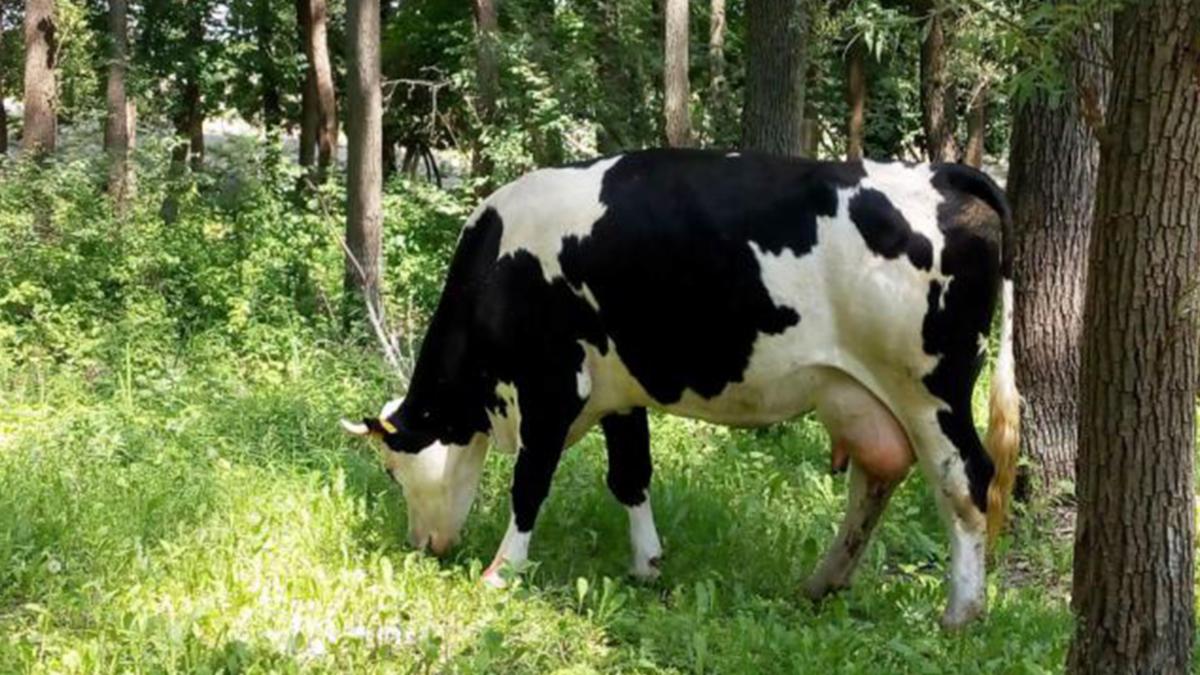
The conversion of forests to agricultural land can have negative environmental consequences, such as increasing greenhouse gas emissions and decreasing the land’s resilience to disturbances due to extreme weather events. Agroforestry—the practice of planting trees and other woody plants with crops and/or livestock—may increase the climate mitigation potential of the land and its adaptive capacity. This could especially be the case when compared to conventional ‘open’ systems that normally lack woody plants and have relatively low plant diversity. This study monitored the effects of land-use changes for silvoculture on greenhouse gas emissions, carbon storage and water dynamics. Click to read more.

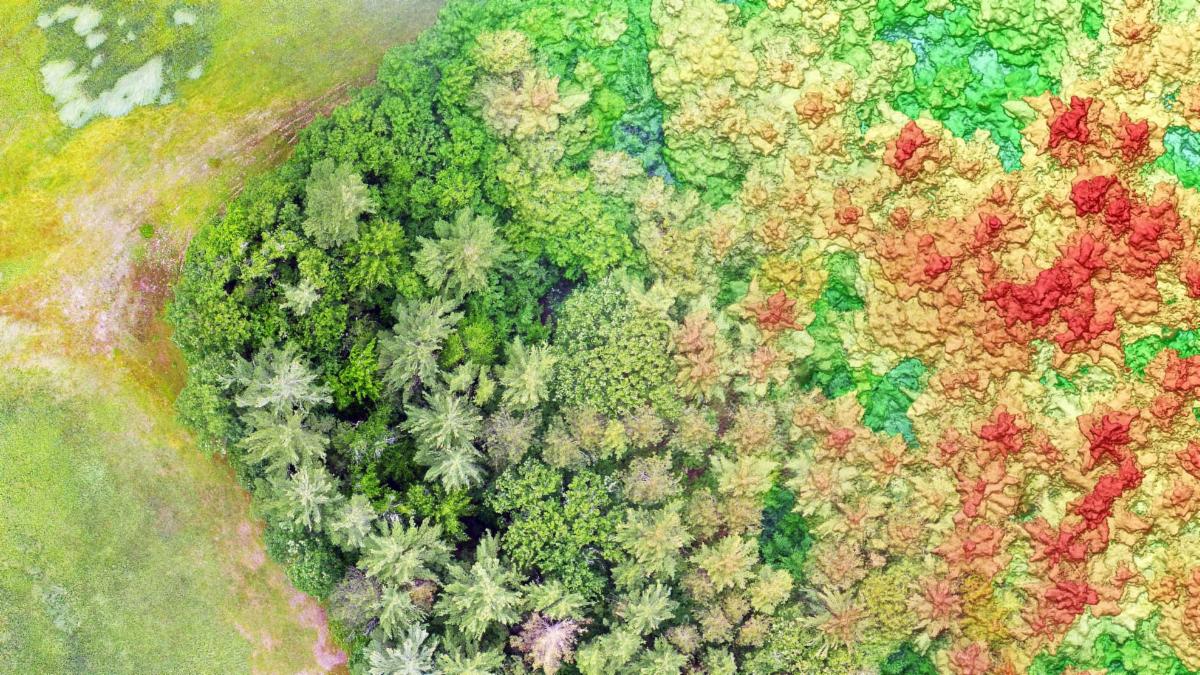
An outcome of continued urban growth in New England is the fragmentation of landscapes, which has led to increasing challenges in sustaining local biodiversity and ecosystem services. Development across the Granite State has created challenges and questions around biodiversity and ecosystem changes at forest edges. This research used rapidly emerging unpiloted aerial system technologies to estimate foliage cover and then characterize and measure changes in forest structure near forested edges. Improved methods for collecting and using UAS data are important for cost-effective, adaptable land management practices. Click to read more.

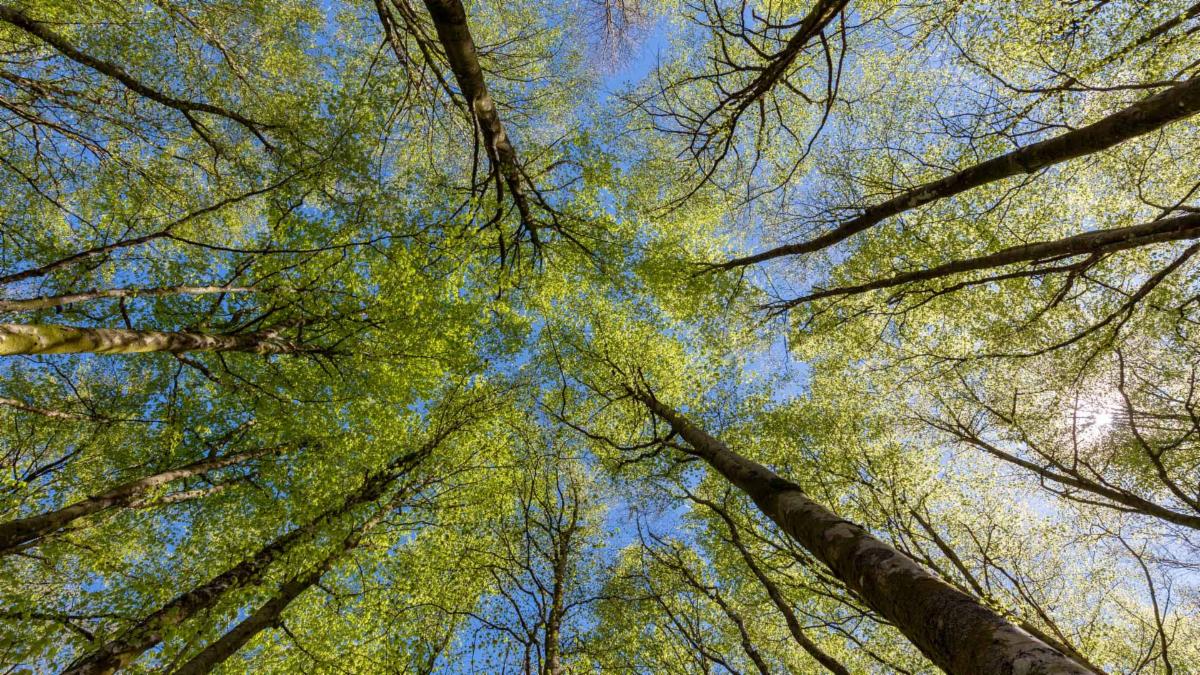
Beech bark disease (BBD) is a widespread cankering disease of American beech (Fagus grandifolia) caused by invasive felted beech scale insects feeding on the trees and the subsequent infection by specific fungal pathogens. While the disease does kill trees, beech remains an important part of the forest ecosystem, even after many decades of infection. Despite over a century of research on this important forest disease, scientists still lack a precise understanding of the contributions of two fungal pathogens to the progression of the disease and the role of the felted beech scale in initiating BBD. Click to read more.

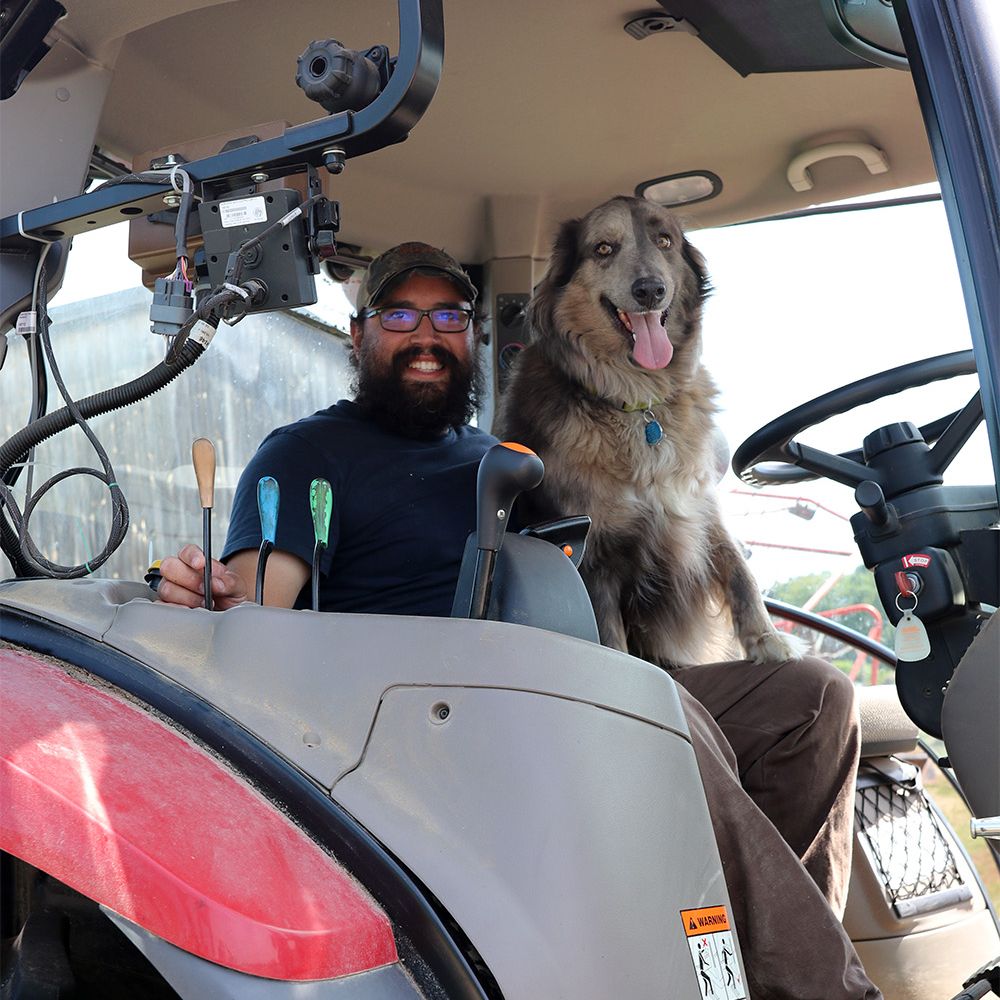
Isagani Kimball, assistant farm manager of the Organic Dairy Research Farm (ODRF), began farming in his hometown of Kensington, N.H., at age 8. At the Bodwell Farm, he learned many of the day-to-day operations of feeding and caring for 250-300 pasture-fed dairy cows. Attending UNH from 2006–2010 and earning a Bachelor's degree in Civil Engineering, Isagani quickly discovered he preferred the outdoor work of farm life over the indoor tasks of office life. After graduating, he continued working full-time at the Bodwell Farm until joining the ODRF in 2016. Click to read more.

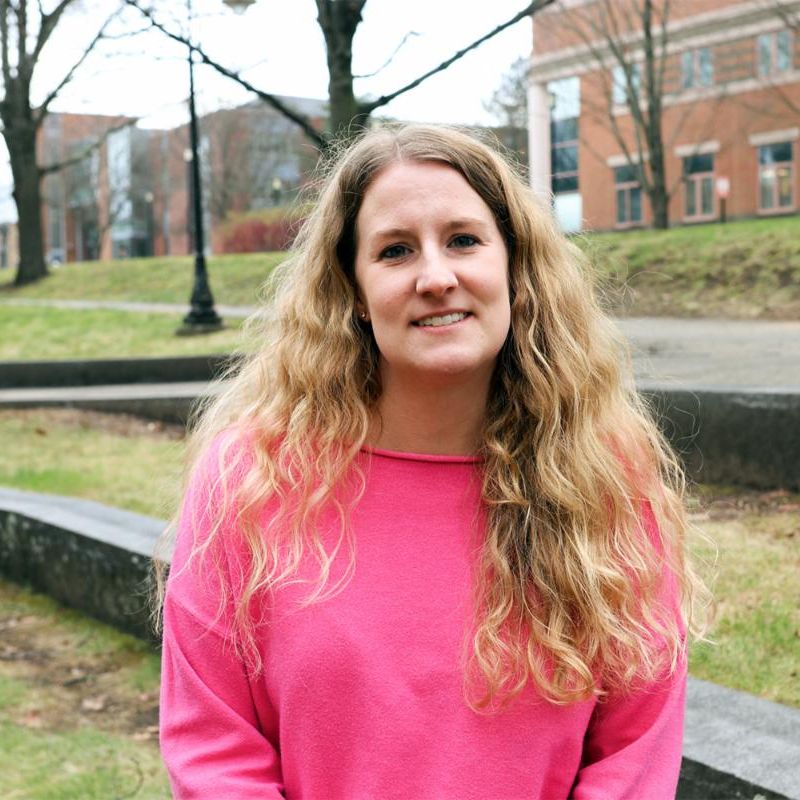
Research project manager Catherine Armstrong began working at UNH as an accountant in 2013. She spent 8 years supporting the business and financial needs of COLSA. During that time, she became familiar with federal grant funding programs, including those run by the USDA’s National Institute of Food and Agriculture (NIFA). So, when the opportunity came to join the NHAES as a full-time business and financial services support staffer, Catherine stepped seamlessly into the role. Click to read more.
More Station News & Notes
Want more news and information from the NHAES? Sign up for our NHAES News – and get notified each time we publish new articles highlighting our research (approximately twice a month). Know someone who might be interested in signing up to receive Station Science? Send them our newsletter sign-up webpage.
Follow NHAES on social media: